Yes! Send me the FREE digital editions of Spa Business and Spa Business insider magazines and the FREE weekly Spa Business and Spa Business insider ezines and breaking news alerts!
Multi-player VR experiences are bringing people together in both physical and virtual worlds.
Meet two companies leading the way in a new form of gaming-style midway attraction
By Alice Davis | Published in Attractions Management 2017 issue 1
Virtual reality is making countless experiences accessible to people and theme parks and museums have been among those quick to harness its potential. The major criticism of VR that’s made by attractions professionals, however, is that the experience is too isolating – and that’s at odds with the social and interactive appeal of attractions. But two companies, Zero Latency and The Void, have addressed that problem by developing team-based, communal VR experiences where all players interact and work together or compete against each other.
Instead of VR being an extra element guests can try out at a theme park or a museum, these innovative start-ups are making VR facilities strong enough to stand alone as attractions in their own right. Both game-focused and story-focused experiences are possible.
Read more from this issue of Spa Business magazine
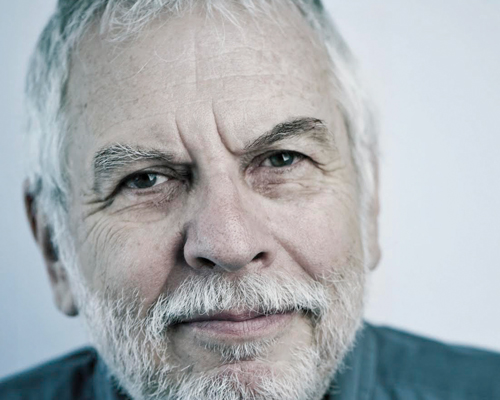
People profile: Nolan Bushnell
Nolan Bushnell, father of the video game industry, on his new VR business and the future of technology
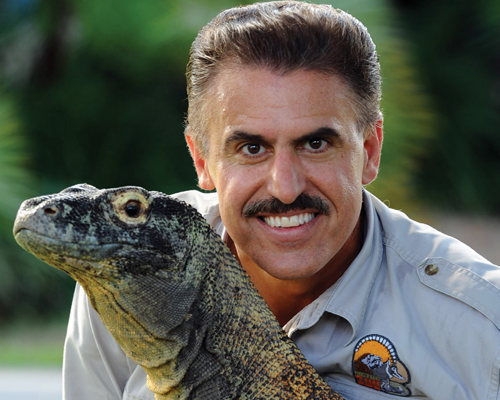
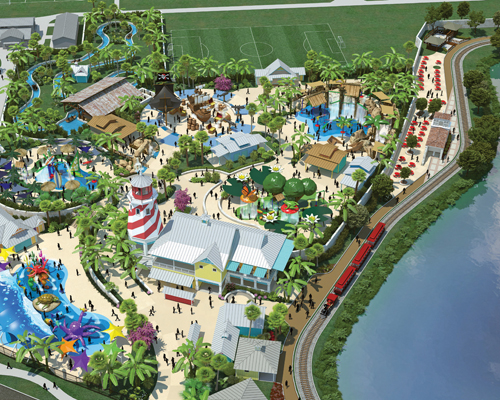
People profile: Ron Magill
Zoo Miami’s Ron Magill gives the lowdown on the attraction’s new Florida: Mission Everglades zone
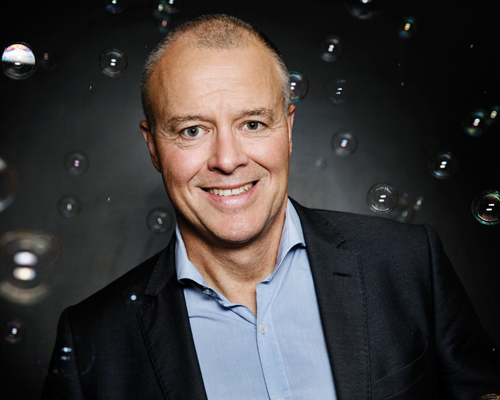
People profile: Kim Gladstone Herlev
Denmark’s Experimentarium has reopened after a major renovation. CEO Kim Gladstone Herlev shares his vision for the future
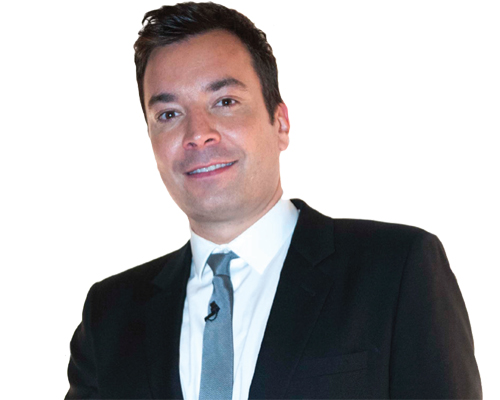
People profile: Jimmy Fallon
Hold on tight! US TV star Jimmy Fallon is the subject of a brand new ride at Universal Orlando
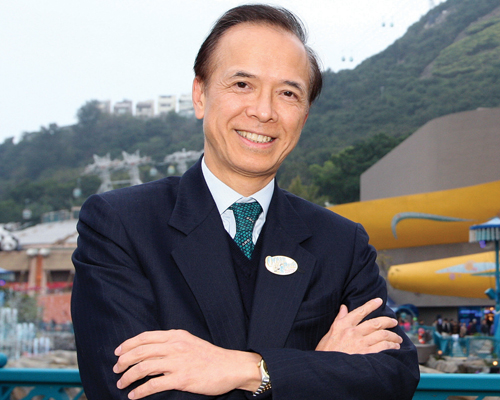
Interview: Matthias Li
Matthias Li, chief executive at Hong Kong’s
Ocean Park, on his response to a changing
visitor profile and rising competition
Pipeline: Opening Doors
There’s an array of attractions set to launch.
We anticipate the hot debuts of the year
Tourism: A Plan for Oman
The Ministry of Tourism’s Maitha Al Mahrouqi
on Oman’s status as a budding destination
Company: THE VOID The Void, a Utah-based tech firm on the brink of opening its first VEC (Void Entertainment Centre) in Linden, has already worked with Merlin Entertainments and Sony Pictures to launch Ghostbusters: Dimension at Madame Tussauds in New York City.
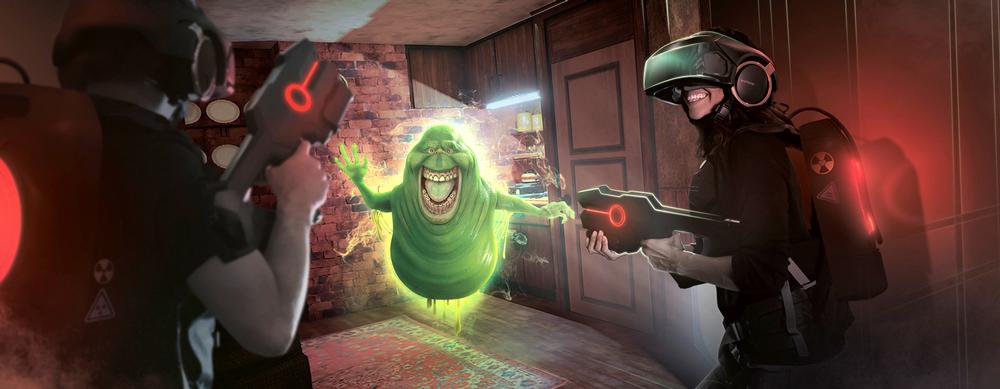
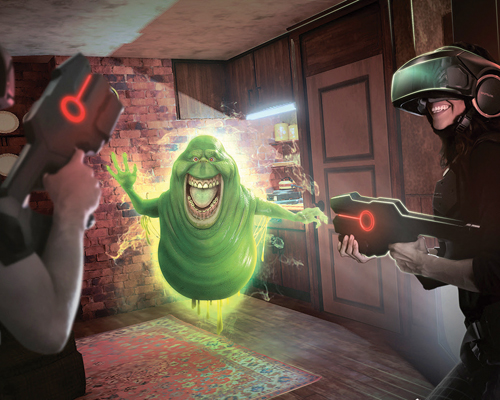
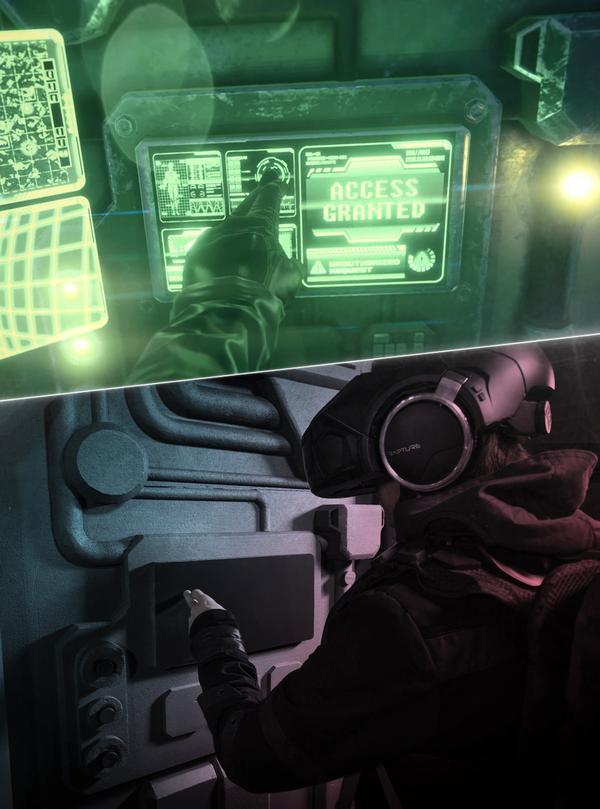
Who you gonna call? Part of the Merlin attraction’s new Ghostbusters zone, guests enter a virtual world where they must trap supernatural enemies as they search an apartment building. The multi-layered, multi-sensory VR experience uses The Void’s proprietary Rapture hardware – an HMD, “backtop” backpack that contains a computer, 22-point haptic feedback vest and shooting device, and Leap Motion’s hand-tracking technology – as well as real-life props and effects, so that when guests touch an object, for example, they get a corresponding tactile sensation. There’s a $20 supplementary ticket price, but since its July 2016 launch, Ghostbusters: Dimension has been well received, attracting more than 30,000 visitors so far.
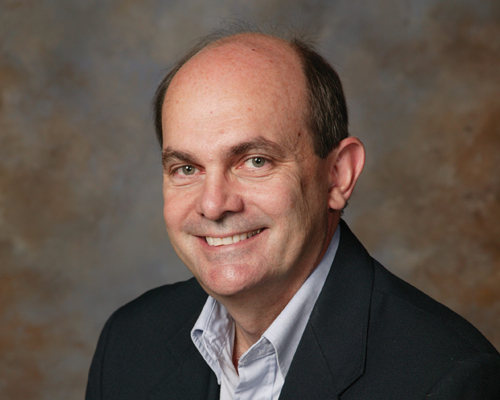
“Nothing like this had ever been developed before,” says Ken Bretschneider, CEO and co-founder at The Void. “We started by literally strapping laptops to our backs and wearing clunky headsets while walking down hallways to test the mapping of digital worlds over physical spaces.”
While Bretschneider is looking into working with other partners in a similar way to Madame Tussauds, soon the company will open its own facility to the public. The idea is to roll out the concept in locations around the world. The media content can be changed or rotated to encourage repeat visits, while the social aspect of the experience remains central.
“The Void’s hyper-reality is very different from at-home virtual reality,” he says. “We’re especially passionate about creating social experiences for groups of people.” In fact, Bretschneider has long been inspired by the attractions industry and has a passion for haunted attractions, fantasy worlds and interactive theatre experiences. In 2008, he began hosting a haunted Halloween experience, which grew in size and popularity until it was attracting 10,000 people. From here, his idea for Evermore, a vast fantasy theme park with high-tech and immersive elements, was born.
Endless applications As he began to plan Evermore, taking Void co-founders Curtis Hickman and James Jensen on board, it became clear that virtual reality was a necessary part of the park. They focused on developing a free-roam VR attraction, and began to see its business potential. The Void was too big to be simply an attraction inside Evermore: it had legs of its own.
“I think it was fate. There were too many good things that had to come together in order for us to create this new reality,” he says, though Evermore is a dream he still hopes to realise some day.
When it comes to the future of virtual reality, Bretschneider sees a multitude of possibilities.
“We envision applications spanning the gamut of what’s currently possible, ranging from entertainment to education and further practical applications,” he says. “Within entertainment, we anticipate creating a variety of experiences from action, to adventure, exploration and horror. Regarding education, we see applications which go beyond edutainment with the ability to teach – through experience – complex things such as empathy.
“Innovation is clearly feeding, and developing, technology, and this is spilling into all areas of life,” he says. “I’m personally excited about advances in medical-related science, as many aspects of our current system seem archaic and limited. I find AI fascinating and believe advances in that area will benefit The Void.”
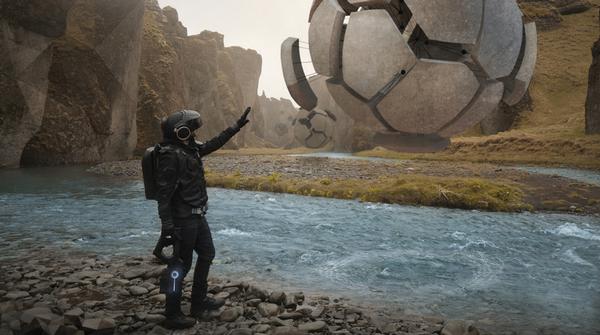
The Void experiences are a combination of physical set, real-time interactive effects and virtual reality narrative
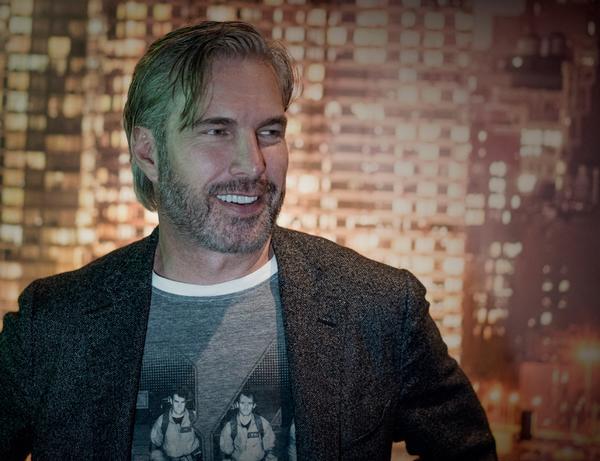
Ken Bretschneider, CEO, The Void
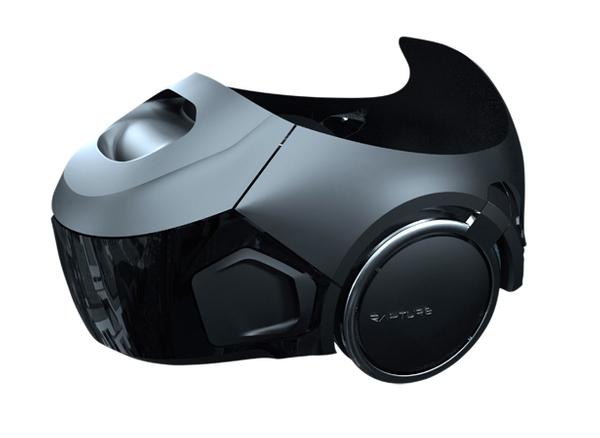
The Void developed its own Rapture hardware, which includes this Head Mounted Display (HMD)
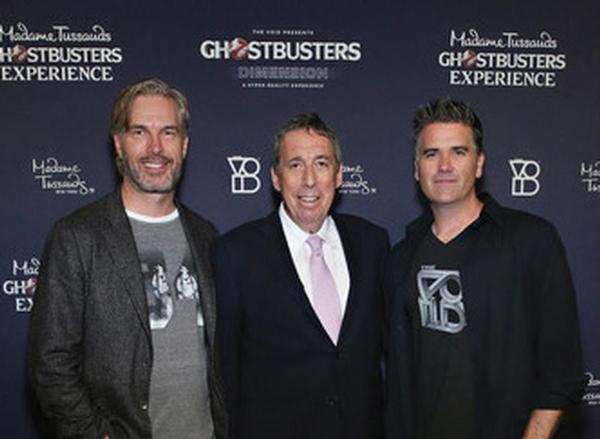
The Void’s co-founders Ken Bretschneider and James Jensen with the director of the original Ghostbusters films, Ivan Reitman (centre)
The Void experiences are a combination of physical set, real-time interactive effects and virtual reality narrative
Company: Zero Latency Meanwhile, on the opposite hemisphere, another trio of tech entrepreneurs was developing a warehouse scale, free-roam, six-player game arena. Scott Vandonkelaar, Kyel Smith and Tim Ruse set up Zero Latency’s first venue in Melbourne, Australia, quickly followed by installations at Joypolis amusement centre in Tokyo, the 7Fun Centre in Madrid, and Main Event in Orlando, Florida. Zero Latency is also coming to Kalahari Resorts’ Wisconsin Dells and Pocono locations.
On the right track When Vandonkelaar, Smith and Ruse started developing a multi-person VR experience where the users could move around, they found the tracking systems that were on the market could not meet their demands.
“We got started on developing our own tracking system and spent the better part of a year getting it working for a single player before trying to scale it up for more than that,” says Ruse, CEO at Zero Latency. “Our first run started as modestly as mounting an automotive backup camera on a piece of wood, before we ordered better equipment for the development phase. But our patent-pending tracking system has made all the difference. It allows us to create a large-scale multiplayer experience that is cost-effective with negligible latency, which is essential. The booming mobile tech industry is also giving us a boost, as it drives the availability and pricing of important technology for our free-roam experience, such as battery life.”
Profitable model They moved to a 4,000sq ft (370sqm) space in Melbourne and continued the R&D, eventually opening the doors to the public.
“We had no idea how popular it would be, but when we brought in over AU$100,000 in first few weeks, despite being located in a remote industrial area, we knew we were on to something,” Ruse says.
While the Melbourne arena is self-owned and operated, Zero Latency works with partners in the other locations, installing the VR arena into existing attractions. It should be a profitable model, promising potential partners low set-up costs and simple maintenance with high demand and high ROI. Although Zero Latency, which won the People’s Choice Award at the IAAPA Expo 2016, is not ready to share exact costs and says that investment varies depending on factors such as the size of the arena and whether it’s a freestanding attraction or part of an existing facility, the model is structured to target a return on the initial investment in about a year. All the partner needs is a 2,000sq ft (185sqm) space.
Versatility The Zero Latency experience can easily be completely revamped with new content.
“We currently have three complete games in operation and plan to develop at least one new game every year, along with new levels for existing games. Plus we’re in discussion with some customers who want exclusive custom content,” Ruse says. “Each venue can customise aspects of the games, such as how long each session runs, to best serve their local markets. They can be as short as 12 minutes or run well over half an hour. We provide enough sets of game gear so that one team can be suiting up to play, another can be playing in the arena, and a third is gearing down after their game, plus an extra set of gear charging and ready to go. That way there is very little downtime on the arena floor.”
Zero Latency uses OSVR HDK 2.0 headsets, backpack PCs by high-performance gaming company Alienware, Razer microphone and headphones and a custom-built game controller that serves as the virtual weapon in some games.
Ruse says that as the technology develops, the resolution will improve and they’ll be able to increase player numbers. “We’ve successfully tested 16 players at once, but deploying that will require some re-engineering of our gameplay to keep all players challenged and entertained.”
Things are certainly busy for Zero Latency as they continue to enhance the VR experience, develop new content and roll out the concept with partners worldwide. Tech start-up investor Carthona has recently injected a further AU$7m into the company to help them scale up to meet demand.
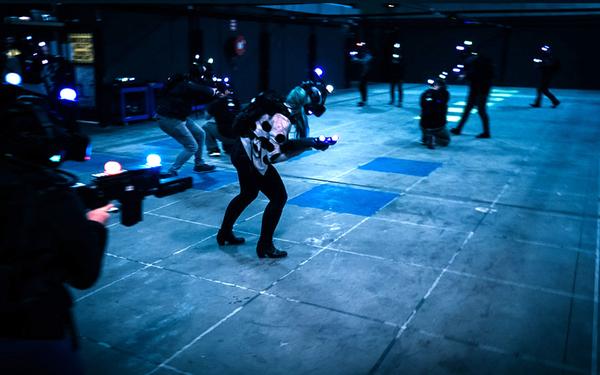
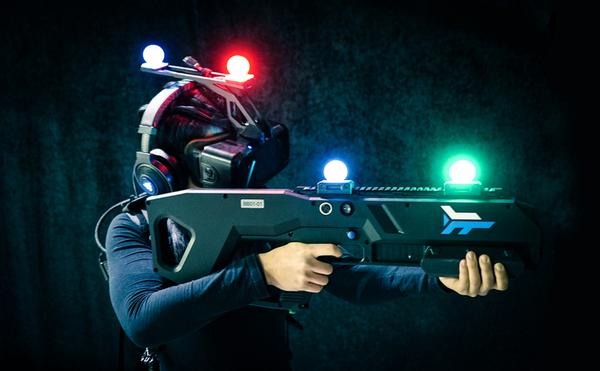
Zero Latency VR players are equipped with HMDs, backpack PCs and controllers, which act as virtual weapons
Zero Latency VR players are equipped with HMDs, backpack PCs and controllers, which act as virtual weapons
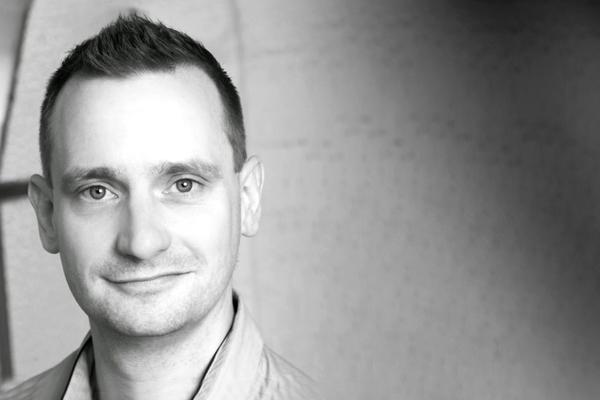
Tim Ruse, CEO, Zero Latency
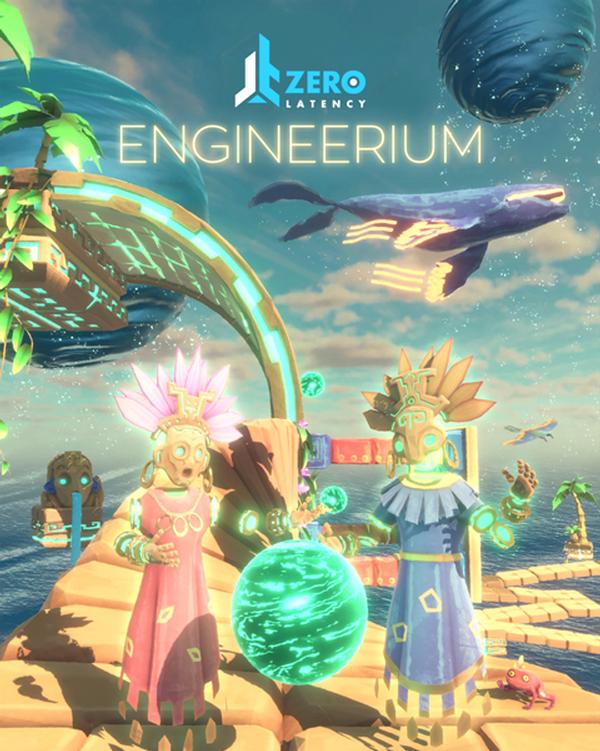
Players work together to unlock new levels in Engineerium, Zero Latency’s kid-friendly puzzle game
In today’s premium spa environment, every detail shapes the guest experience – right down to
the softness of towels and the freshness of linens. [more...]
+ More featured suppliers
COMPANY PROFILES
Robosculptor
Since its
inception in 2019, roboSculptor has grown
into an advanced, AI-powered platform
that de [more...]
Pearl Tree
Pearl Tree was established in 2014 by Soraya and
Sarry Jouzy with a mission to champion
personal w [more...]
Multi-player VR experiences are bringing people together in both physical and virtual worlds.
Meet two companies leading the way in a new form of gaming-style midway attraction
By Alice Davis | Published in Attractions Management 2017 issue 1
Virtual reality is making countless experiences accessible to people and theme parks and museums have been among those quick to harness its potential. The major criticism of VR that’s made by attractions professionals, however, is that the experience is too isolating – and that’s at odds with the social and interactive appeal of attractions. But two companies, Zero Latency and The Void, have addressed that problem by developing team-based, communal VR experiences where all players interact and work together or compete against each other.
Instead of VR being an extra element guests can try out at a theme park or a museum, these innovative start-ups are making VR facilities strong enough to stand alone as attractions in their own right. Both game-focused and story-focused experiences are possible.
Read more from this issue of Spa Business magazine
People profile: Nolan Bushnell
Nolan Bushnell, father of the video game industry, on his new VR business and the future of technology
People profile: Ron Magill
Zoo Miami’s Ron Magill gives the lowdown on the attraction’s new Florida: Mission Everglades zone
People profile: Kim Gladstone Herlev
Denmark’s Experimentarium has reopened after a major renovation. CEO Kim Gladstone Herlev shares his vision for the future
People profile: Jimmy Fallon
Hold on tight! US TV star Jimmy Fallon is the subject of a brand new ride at Universal Orlando
Interview: Matthias Li
Matthias Li, chief executive at Hong Kong’s
Ocean Park, on his response to a changing
visitor profile and rising competition
Pipeline: Opening Doors
There’s an array of attractions set to launch.
We anticipate the hot debuts of the year
Tourism: A Plan for Oman
The Ministry of Tourism’s Maitha Al Mahrouqi
on Oman’s status as a budding destination
Company: THE VOID The Void, a Utah-based tech firm on the brink of opening its first VEC (Void Entertainment Centre) in Linden, has already worked with Merlin Entertainments and Sony Pictures to launch Ghostbusters: Dimension at Madame Tussauds in New York City.
Who you gonna call? Part of the Merlin attraction’s new Ghostbusters zone, guests enter a virtual world where they must trap supernatural enemies as they search an apartment building. The multi-layered, multi-sensory VR experience uses The Void’s proprietary Rapture hardware – an HMD, “backtop” backpack that contains a computer, 22-point haptic feedback vest and shooting device, and Leap Motion’s hand-tracking technology – as well as real-life props and effects, so that when guests touch an object, for example, they get a corresponding tactile sensation. There’s a $20 supplementary ticket price, but since its July 2016 launch, Ghostbusters: Dimension has been well received, attracting more than 30,000 visitors so far.
“Nothing like this had ever been developed before,” says Ken Bretschneider, CEO and co-founder at The Void. “We started by literally strapping laptops to our backs and wearing clunky headsets while walking down hallways to test the mapping of digital worlds over physical spaces.”
While Bretschneider is looking into working with other partners in a similar way to Madame Tussauds, soon the company will open its own facility to the public. The idea is to roll out the concept in locations around the world. The media content can be changed or rotated to encourage repeat visits, while the social aspect of the experience remains central.
“The Void’s hyper-reality is very different from at-home virtual reality,” he says. “We’re especially passionate about creating social experiences for groups of people.” In fact, Bretschneider has long been inspired by the attractions industry and has a passion for haunted attractions, fantasy worlds and interactive theatre experiences. In 2008, he began hosting a haunted Halloween experience, which grew in size and popularity until it was attracting 10,000 people. From here, his idea for Evermore, a vast fantasy theme park with high-tech and immersive elements, was born.
Endless applications As he began to plan Evermore, taking Void co-founders Curtis Hickman and James Jensen on board, it became clear that virtual reality was a necessary part of the park. They focused on developing a free-roam VR attraction, and began to see its business potential. The Void was too big to be simply an attraction inside Evermore: it had legs of its own.
“I think it was fate. There were too many good things that had to come together in order for us to create this new reality,” he says, though Evermore is a dream he still hopes to realise some day.
When it comes to the future of virtual reality, Bretschneider sees a multitude of possibilities.
“We envision applications spanning the gamut of what’s currently possible, ranging from entertainment to education and further practical applications,” he says. “Within entertainment, we anticipate creating a variety of experiences from action, to adventure, exploration and horror. Regarding education, we see applications which go beyond edutainment with the ability to teach – through experience – complex things such as empathy.
“Innovation is clearly feeding, and developing, technology, and this is spilling into all areas of life,” he says. “I’m personally excited about advances in medical-related science, as many aspects of our current system seem archaic and limited. I find AI fascinating and believe advances in that area will benefit The Void.”
The Void experiences are a combination of physical set, real-time interactive effects and virtual reality narrative
Ken Bretschneider, CEO, The Void
The Void developed its own Rapture hardware, which includes this Head Mounted Display (HMD)
The Void’s co-founders Ken Bretschneider and James Jensen with the director of the original Ghostbusters films, Ivan Reitman (centre)
The Void experiences are a combination of physical set, real-time interactive effects and virtual reality narrative
Company: Zero Latency Meanwhile, on the opposite hemisphere, another trio of tech entrepreneurs was developing a warehouse scale, free-roam, six-player game arena. Scott Vandonkelaar, Kyel Smith and Tim Ruse set up Zero Latency’s first venue in Melbourne, Australia, quickly followed by installations at Joypolis amusement centre in Tokyo, the 7Fun Centre in Madrid, and Main Event in Orlando, Florida. Zero Latency is also coming to Kalahari Resorts’ Wisconsin Dells and Pocono locations.
On the right track When Vandonkelaar, Smith and Ruse started developing a multi-person VR experience where the users could move around, they found the tracking systems that were on the market could not meet their demands.
“We got started on developing our own tracking system and spent the better part of a year getting it working for a single player before trying to scale it up for more than that,” says Ruse, CEO at Zero Latency. “Our first run started as modestly as mounting an automotive backup camera on a piece of wood, before we ordered better equipment for the development phase. But our patent-pending tracking system has made all the difference. It allows us to create a large-scale multiplayer experience that is cost-effective with negligible latency, which is essential. The booming mobile tech industry is also giving us a boost, as it drives the availability and pricing of important technology for our free-roam experience, such as battery life.”
Profitable model They moved to a 4,000sq ft (370sqm) space in Melbourne and continued the R&D, eventually opening the doors to the public.
“We had no idea how popular it would be, but when we brought in over AU$100,000 in first few weeks, despite being located in a remote industrial area, we knew we were on to something,” Ruse says.
While the Melbourne arena is self-owned and operated, Zero Latency works with partners in the other locations, installing the VR arena into existing attractions. It should be a profitable model, promising potential partners low set-up costs and simple maintenance with high demand and high ROI. Although Zero Latency, which won the People’s Choice Award at the IAAPA Expo 2016, is not ready to share exact costs and says that investment varies depending on factors such as the size of the arena and whether it’s a freestanding attraction or part of an existing facility, the model is structured to target a return on the initial investment in about a year. All the partner needs is a 2,000sq ft (185sqm) space.
Versatility The Zero Latency experience can easily be completely revamped with new content.
“We currently have three complete games in operation and plan to develop at least one new game every year, along with new levels for existing games. Plus we’re in discussion with some customers who want exclusive custom content,” Ruse says. “Each venue can customise aspects of the games, such as how long each session runs, to best serve their local markets. They can be as short as 12 minutes or run well over half an hour. We provide enough sets of game gear so that one team can be suiting up to play, another can be playing in the arena, and a third is gearing down after their game, plus an extra set of gear charging and ready to go. That way there is very little downtime on the arena floor.”
Zero Latency uses OSVR HDK 2.0 headsets, backpack PCs by high-performance gaming company Alienware, Razer microphone and headphones and a custom-built game controller that serves as the virtual weapon in some games.
Ruse says that as the technology develops, the resolution will improve and they’ll be able to increase player numbers. “We’ve successfully tested 16 players at once, but deploying that will require some re-engineering of our gameplay to keep all players challenged and entertained.”
Things are certainly busy for Zero Latency as they continue to enhance the VR experience, develop new content and roll out the concept with partners worldwide. Tech start-up investor Carthona has recently injected a further AU$7m into the company to help them scale up to meet demand.
Zero Latency VR players are equipped with HMDs, backpack PCs and controllers, which act as virtual weapons
Zero Latency VR players are equipped with HMDs, backpack PCs and controllers, which act as virtual weapons
Tim Ruse, CEO, Zero Latency
Players work together to unlock new levels in Engineerium, Zero Latency’s kid-friendly puzzle game
Premium London health club, KX Chelsea, will imminently unveil its most significant
redevelopment since its launch in 2002 to create an integrated wellness model combining
training, recovery and relaxation.
Rosewood Le Guanahani St Barth, on the northeast coast of Saint Barthélemy in the French
West Indies, is offering a programme of ocean-inspired yoga classes between 8-14 June to
celebrate Global Wellness Day (GWD).
Hotel de France, located on the British Isle of Jersey, has created a wellness retreat package
that includes a hot yoga session that will take place in Jersey Zoo’s butterfly sanctuary.
The Ritz-Carlton, Langkawi, in Malaysia, has revealed a schedule for Global Wellness Day
(GWD) that includes guided rainforest walks, mindful movement and guided coastal meditation
experiences.
Longevitix, a clinical platform for preventive and longevity medicine, has launched its AI-
powered intelligence system to help physicians deliver continuous, personalised longevity-
focused care at scale.
Atmantan Wellness Centre, an integrative wellness destination in Mulshi, near Pune in India, is
expanding its portfolio by adding a new centre in Hyderabad that will launch between 2028 and
2029.
A recent survey by the UK Spa Association (UKSA) into the industry’s approach to cancer care
has revealed that almost half of participating respondents (46 per cent) are unaware that
cancer is a disability and guests with a cancer diagnosis must be given
Mexican operator, Solmar Hotels and Resorts, is hosting a series of events in celebration of
Global Wellness Day, including a Temazcal ceremony at its Playa Grande Resort and Spa in Los
Cabos.
Mandarin Oriental has announced a standalone residence brand, Mansions, which will debut at
Emirates Palace, Mandarin Oriental Mansions, Abu Dhabi, in 2029.
In today’s premium spa environment, every detail shapes the guest experience – right down to
the softness of towels and the freshness of linens. [more...]
+ More featured suppliers
COMPANY PROFILES
Robosculptor Since its
inception in 2019, roboSculptor has grown
into an advanced, AI-powered platform
that de [more...]