Yes! Send me the FREE digital editions of Spa Business and Spa Business insider magazines and the FREE weekly Spa Business and Spa Business insider ezines and breaking news alerts!
Despite having built an industry on making people feel better, spas are still extending a lukewarm welcome to cancer sufferers and survivors. We speak to operators who’ve hoisted a welcome sign over their doors
By Kath Hudson | Published in Spa Business 2013 issue 2
Melbourne’s Olivia Newton-John Cancer & Wellness Centre was named after the actress who’s a cancer survivor
Some spas refuse to treat people with cancer and therapists are taught that cancer is a contraindication, so are reluctant to take on the liability of treating both sufferers and survivors. There’s also a lack of training, which limits the number of properly qualified therapists.
However, there’s much spas can do to help people who are being treated for cancer and with the incidence of the disease on the increase, to turn them away is not only upsetting for them, but it also cuts out a substantial market: according to the World Cancer Fund, there were 12.7 million cancer cases worldwide in 2008 and the figure is expected to rise to 21 million by 2030.
If anyone needs the relaxation and nurturing which the spa industry is built on, it’s cancer sufferers. Many therapists go into this line of work because they want to heal, so what could be more satisfying than treating someone who desperately needs their skills and is facing a crisis?
Morally there’s a case for treating cancer sufferers, but is there a business case too? Some operators believe there is. Booking agency, Spabreaks.com, has launched Recovery Retreats for cancer-friendly spas as a result of demand from sufferers and complaints about their treatment, while The Lifehouse destination spa in the UK (see SB11/1 p36) has added a Recovery Break to its wellbeing programme. Resident naturopath, Sue Davis, says the packages are attracting discerning customers.
That said, cancer does complicate things. Will seriously ill people around be bad for business? What training will therapists need and is it available? Is there a danger of being seen as a ‘cancer spa’? What treatments can customers have and what facilities can they use? Cancer sufferers have a number of contraindications, so how can these be accommodated? We ask the experts…
Read more from this issue of Spa Business magazine
Ask an expert: Cancer
The number of cancer sufferers and survivors is growing. How can spas cater for them? Kath Hudson reports
Interview: Neil Jacobs
Six Senses’ new CEO reveals the group’s spa strategy and development plans
Profile: Anna Bjurstam
The new vice president of spa and wellness at Six Senses will oversee 28 facilities worldwide
Hotel spa: Palace pampering
A E100m refurbishment of Paris’ Hôtel Le Bristol attracted footballer David Beckham for a six month-long stay. Julie Cramer pays a visit to its new Spa Le Bristol by La Prairie which is becoming a healthy profit centre
Promotional feature: Design consulting
Implementing a great spa design takes inspiration, patience and discipline, according to Cary Collier, principal of Blu Spas, WTS' strategic partner. In the third of our WTS series, he shares his design philosophy with Spa Business
Research: India's wellness consumers
Leonor Stanton analyses PwC’s latest research profiling Indian wellness consumers – an industry projected to be worth US$18bn in four years’ time
Thermal spa: Hot spot
The Banjaran is Malaysia’s first and only hot springs retreat. Jennifer Harbottle examines the growth strategy
Company profile promotion: QMS Medicosmetics
QMS Medicosmetics' revolutionary skincare system was created by a trauma surgeon from Germany. Here, the company's managing partner explains how the products' unique ingredients and actions are delivering exceptional results in spas worldwide
Hotel spa: Making a debut
Steigenberger Hotels has introduced a flagship spa concept in Frankfurt. Sophie Benge reports
Resort spa: Botanical beauty
The new Spa Botánico at Dorado Beach, a Ritz-Carlton Reserve is set in five acres of ‘purification gardens’ and has a plant and herb apothecary
Product news: Product news
Product editor, Kate Corney highlights the latest product and equipment launches from the Spa Business search engine, Spa-Kit.net
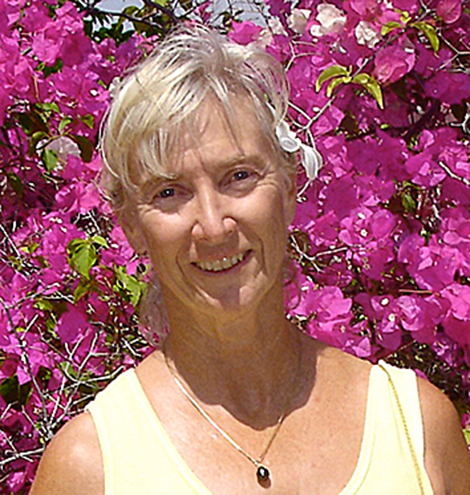
Karin CookeFounder and Medical DirectorKokolulu Cancer Retreat, Hawaii
Karin Cooke
We’ve been holding cancer retreats at our organic farm in Hawaii for eight years. Originally, we approached some resorts/spas about running the retreats, but were told that having people with cancer around would be bad for business. Although this attitude is softening, there are still very few cancer retreat programmes in the US today, even fewer are residential and a lot of them only operate periodically.
Kokolulu offers people with cancer a place to get away from everyday life and learn integrative techniques to heal through their diagnoses, or sometimes, find the peace they seek to let go. My background is in oncology nursing, and I’m a cancer survivor, my husband’s background is in mental health. We use experience, as well as research-based techniques to reduce stress and empower people towards their own healing process.
Group and individual programmes are offered. Ideally we like guests to stay for a month, but a week is the minimum amount of time to make a change. Programmes start at US$3,500 (£2,283, €2,676) for a week-long group retreat, rising to US$17,800 (£11,614, €13,613) for a 28-day personalised programme. Education is our unique selling point and we teach people a lot of self-help tools to take away: qi gong, yoga and stretching, meditation and guided imagery. We get people into the habit of exercise, however minimal. One of the main things we teach is that food is medicine and the importance of eating fresh, organic produce as often as possible.
While here they receive some massage, or reiki. How much hands-on therapy they have depends on their programme. Sometimes people prefer more time at the beach and we accommodate that. Rest periods are important for this clientele and are factored in all programmes.
I think one of the things people can take away from our retreats is a sense that they were listened to. It’s hard for them to find people to talk to who can relate to what they’re going through. We keep in touch with people after they leave, we are always here if they need to talk.
For us it’s a service first and a business second. Lots of people with cancer don’t have financial resources, so we’re always fund raising so we can host as many of those people as possible. I just really appreciate working with this population.
We were told that having people with cancer around would be bad for business. Although the attitude is softening, there are still very few cancer retreat programmes in the US and even fewer are residential
Karin Cooke is a registered nurse, who has been involved with research and allopathic and complementary medicine for the last 35 years. Details: www.cancer-retreats.org
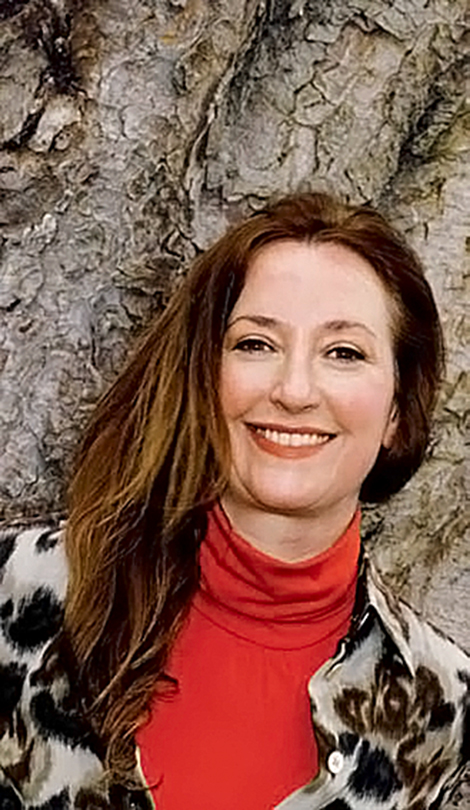
Christine ScottWellness and Supportive Care ManagerOlivia Newton-John Cancer & Wellness Centre, Australia
Christine Scott
We don’t have a spa at the Olivia Newton-John Cancer & Wellness Centre (ONJCWC), however we do have a wellness centre which has been established in recognition of the holistic needs of people with cancer.
When someone receives a cancer diagnosis and undergoes treatment, there can be an impact in relation to many aspects of their wellness. At different times they may experience anxiety, distress, anger, physical pain or unpleasant treatment side effects, such as nausea and fatigue. The wellness centre is a place where patients can come with their families – a sanctuary from other parts of the hospital.
The centre in itself is spiritually uplifting: care has been taken to create a tranquil space with thoughtful use of light, colour and furnishings. There are many different programmes available which are aimed at supporting patients in body, mind and spirit. For example, acupuncture, meditation, fatigue management, relaxation and healthy cooking. These are run by trained and qualified professionals who have experience in the cancer field. Some group programmes are pitched at those who care for people with cancer – people who have little opportunity to look after their own needs.
Australia’s Oncology Massage Training organisation offers a four-part programme to train experienced massage therapists in oncology massage and we host levels three and four of the programme; graduates have an enhanced understanding of how to manage the risks associated with providing massage to a person with cancer. When recruiting, we look for someone with a minimum of five years’ experience of providing massage, ideally with some experience of massaging people with cancer.
As our hospital has a reputation for excellence in cancer care, we emphasise that most of our programmes are supported by evidence in the medical literature. We also ensure patient safety by only providing services delivered by those with appropriate levels of training and experience.
ONJCWC opened at the Austin Hospital in Melbourne, Australia in 2012 and was named after national singer/actress and cancer survivor Olivia Newton-John who helps to fund raise for it. Details: www.oliviaappeal.com and www.austin.org.au/cancer
Sue DavisResident NaturopathThe Lifehouse Spa, UK
Sue Davis
On a daily basis we treat people with cancer and we wanted them to feel welcomed, so we recently launched a Recovery Breaks package. There’s the option of a one-day (£159, US$243, €186), or a two-night (£396, US$607, €464) break and guests are offered a 50-minute bespoke treatment each day, as well as an easily digestible diet, juices and smoothies.
Cancer is labelled a contraindication by massage academies, so therapists are led to believe they can’t treat people with cancer. I took advice from an oncologist before setting up this programme, who assured me that it’s a lot more complicated to spread cancer than a massage treatment. It’s even possible to treat people while they’re undergoing chemotherapy.
We organised training for 10 of our most mature therapists with the National Health Service Christie Trust in Manchester, UK, who taught them how to adapt treatments, including facials, scalp massages, reflexology and dry/clothed treatments, such as reiki and shiatsu.
Additionally, our therapists were trained in stress reducing treatments and we also offer physiotherapy and have an in-house meditation expert. A nice method therapists were taught focused on aromas. Clients can choose a smell they like while visualising a safe place. Then, during their chemotherapy, they can use the smell to bring back positive thoughts.
We avoid using essential oils as they might further tax the liver and kidneys of a client undergoing treatment. We also stay away from deep tissue work, or scrubs, as a cancer patient often feels fragile, fatigued and has a lower pain threshold. The skin becomes thinner through steroids [often used in cancer treatment] so we keep the touch light and avoid hot stone massage or treatments involving extremes of temperature. The facilities they can use are assessed on a case-by-case basis. We only recommend not using wet facilities if they have skin issues.
In our experience, people with cancer want to be treated as regular spa goers, so we get the consultation out of the way before they come. On arrival, I meet them and give them a tour to allay any fears about being looked after.
Launching the Recovery Breaks was a business decision for us – we already had the expertise in-house and it made sense to target such a wide audience that’s so often overlooked by spas. We find people attracted by these breaks are discerning customers and appreciate being made to feel welcome.
Launching the Recovery Breaks was a business decision for us – we already had the expertise in-house and it made sense to target such a wide audience that’s so often overlooked by spas
Following a career in the corporate world, Sue Davis retrained as a naturopath in Australia. She worked at Chiva-Som for a number of years but is now based in the UK. Details: www.lifehouse.co.uk
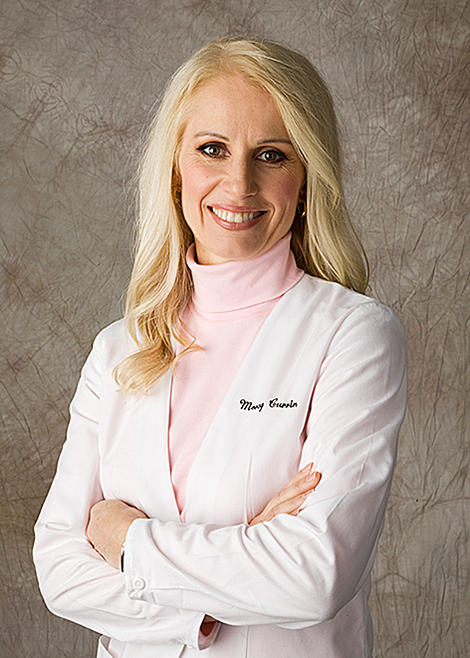
Mórag CurrinEducator and AuthorOncology Aesthetics®, Usa
Mórag Currin
Statistics indicate a high percentage of people will get cancer in their lifetime, so it makes sense for spas to be able to cater to this market. Given the correct training, therapists can ask the right questions, make adjustments to the treatment based on the clients’ medical history and ensure a safe treatment.
Any training should be a minimum of 24 hours and should cover an introduction to cancer: what it is, how it affects the body and how cancer treatments such as chemotherapy affect the body too. It should also cover risk management, adjustments to spa treatments, as well as medical intake forms. The Oncology Esthetics® three-day training course, delivered by a medical professional, covers all these elements. It’s available in Australia, Canada, New Zealand and the USA with a launch in the UK planned for mid 2013.
Prior to the clients’ visit to the spa, see what information can be gleaned regarding their medical history. It’s strongly advised that therapists get permission from their client’s medical professional while undergoing cancer treatment, especially if the client is in their nadir period, when the lab counts are extremely low. Low white blood counts are a huge risk for infection and low platelet counts are a huge risk for bleeding and bruising.
To embrace clients living with cancer, include information in your spa menu indicating that treatments are personalised. Show a welcome by having a mannequin present for wigs and magazines in your reception area for cancer survivors. Provide scarves and hats, and have a front desk poster which indicates you back a local cancer charity or support group.
Some clients will want to share all, some will say nothing. Don’t be false and pretend nothing is wrong. Look them in the eyes and listen. If they’re willing to share, learn from it. Some clients may get angry, some may cry. Cry with them if you need. If they need a hug, offer it. Be compassionate.
Mórag Currin pioneered Oncology Esthetics, one of the only certifications for spa professionals in this area, and has also written two books on the subject. Details: www.oncologyesthetics.com
Becky Kuehn Licensed Aestheticiancomplimentary therapies at the Jane T Russell Cancer Care Center, USA
Becky Kuehn
Most of the spas I’ve worked with are not afraid to be seen as a ‘cancer spa’ and find the community admires the fact they’re open for all types of clients. It brings in additional clients and much more support to their business.
Concerns about treating customers with cancer come down to fear and lack of knowledge, both of which can be alleviated with training. When considering training, ensure it covers the basics of cancer: cancer therapies and how they affect the skin, health and emotional aspects of clients, sanitation, marketing and how to prepare the spa environment for this new client.
There are lots of contraindications: medications, surgery, lymph nodes, blood counts. If a client has a hormone positive cancer, they’re instructed not apply or ingest anything which mimics estrogen, like soy (a common product emulsifier). Following surgery, people are at higher risk of infection, or danger of tearing the tissue again. If lymph nodes have been removed or radiated, the treatment will need to be modified by adjusting the pressure and direction of movement to a part of the body that has not been compromised.
Aestheticians/skin therapists should also be trained to offer healing solutions to skin issues which can be related to stress and medications. Anti-cancer drug therapies will cause a variety of skin complaints, such as extreme dryness, rashes, itching or redness. Radiation can cause redness, burning and itching.
When a client is undergoing a cancer treatment, their bodies are much more sensitive, so anything with an electrical current is not advised, nor aggressive anti-aging treatment such as peels, nor machines and lasers. Cancer clients typically need hydration, calming, soothing and skin repairing type treatments to help with the damaging side effects of cancer therapies. When it comes to skincare, the less chemicals and the more pure the better, to avoid stressing the skin further. Avoid toxic ingredients and peels or anything that’s too harsh on the skin. Most skincare lines do have products that can be used. But, it’s all about learning the ingredients and knowing what is safe and what is not.
Be prepared for the things which could occur, such as nausea, weakness and fatigue. And think about the mental, as well as the physical, issues. Some clients will want to talk about their cancer, while others won’t. Each person handles the cancer experience in their own way so just follow their lead and make the visit a special time by really listening and caring for them.
Think about the mental, as well as the physical, issues. Each person handles the cancer experience in their own way so just follow their lead and make the visit a special time by really listening and caring for them
A cancer survivor, Becky Kuehn has volunteered with non-profit organisations and the American Cancer Society and worked with two local hospitals. She’s also a national educator for Oncology Esthetics. Details: [email protected]
Concerns about treating people with cancer come down to fear and lack of knowledge / Cleo/shutterstock.com
The MSpa Oslo series is a perennial bestseller in global markets. With innovative
engineering and premium performance, this completely portable spa line-up is expertly
designed to meet the needs of customers worldwide. [more...]
Despite having built an industry on making people feel better, spas are still extending a lukewarm welcome to cancer sufferers and survivors. We speak to operators who’ve hoisted a welcome sign over their doors
By Kath Hudson | Published in Spa Business 2013 issue 2
Melbourne’s Olivia Newton-John Cancer & Wellness Centre was named after the actress who’s a cancer survivor
Some spas refuse to treat people with cancer and therapists are taught that cancer is a contraindication, so are reluctant to take on the liability of treating both sufferers and survivors. There’s also a lack of training, which limits the number of properly qualified therapists.
However, there’s much spas can do to help people who are being treated for cancer and with the incidence of the disease on the increase, to turn them away is not only upsetting for them, but it also cuts out a substantial market: according to the World Cancer Fund, there were 12.7 million cancer cases worldwide in 2008 and the figure is expected to rise to 21 million by 2030.
If anyone needs the relaxation and nurturing which the spa industry is built on, it’s cancer sufferers. Many therapists go into this line of work because they want to heal, so what could be more satisfying than treating someone who desperately needs their skills and is facing a crisis?
Morally there’s a case for treating cancer sufferers, but is there a business case too? Some operators believe there is. Booking agency, Spabreaks.com, has launched Recovery Retreats for cancer-friendly spas as a result of demand from sufferers and complaints about their treatment, while The Lifehouse destination spa in the UK (see SB11/1 p36) has added a Recovery Break to its wellbeing programme. Resident naturopath, Sue Davis, says the packages are attracting discerning customers.
That said, cancer does complicate things. Will seriously ill people around be bad for business? What training will therapists need and is it available? Is there a danger of being seen as a ‘cancer spa’? What treatments can customers have and what facilities can they use? Cancer sufferers have a number of contraindications, so how can these be accommodated? We ask the experts…
Read more from this issue of Spa Business magazine
Ask an expert: Cancer
The number of cancer sufferers and survivors is growing. How can spas cater for them? Kath Hudson reports
Interview: Neil Jacobs
Six Senses’ new CEO reveals the group’s spa strategy and development plans
Profile: Anna Bjurstam
The new vice president of spa and wellness at Six Senses will oversee 28 facilities worldwide
Hotel spa: Palace pampering
A E100m refurbishment of Paris’ Hôtel Le Bristol attracted footballer David Beckham for a six month-long stay. Julie Cramer pays a visit to its new Spa Le Bristol by La Prairie which is becoming a healthy profit centre
Promotional feature: Design consulting
Implementing a great spa design takes inspiration, patience and discipline, according to Cary Collier, principal of Blu Spas, WTS' strategic partner. In the third of our WTS series, he shares his design philosophy with Spa Business
Research: India's wellness consumers
Leonor Stanton analyses PwC’s latest research profiling Indian wellness consumers – an industry projected to be worth US$18bn in four years’ time
Thermal spa: Hot spot
The Banjaran is Malaysia’s first and only hot springs retreat. Jennifer Harbottle examines the growth strategy
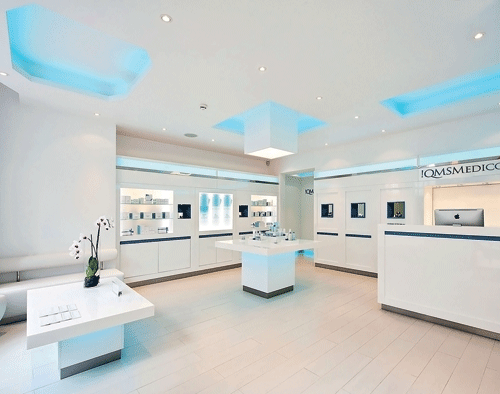
Company profile promotion: QMS Medicosmetics
QMS Medicosmetics' revolutionary skincare system was created by a trauma surgeon from Germany. Here, the company's managing partner explains how the products' unique ingredients and actions are delivering exceptional results in spas worldwide
Hotel spa: Making a debut
Steigenberger Hotels has introduced a flagship spa concept in Frankfurt. Sophie Benge reports
Resort spa: Botanical beauty
The new Spa Botánico at Dorado Beach, a Ritz-Carlton Reserve is set in five acres of ‘purification gardens’ and has a plant and herb apothecary
Product news: Product news
Product editor, Kate Corney highlights the latest product and equipment launches from the Spa Business search engine, Spa-Kit.net
Karin CookeFounder and Medical DirectorKokolulu Cancer Retreat, Hawaii
Karin Cooke
We’ve been holding cancer retreats at our organic farm in Hawaii for eight years. Originally, we approached some resorts/spas about running the retreats, but were told that having people with cancer around would be bad for business. Although this attitude is softening, there are still very few cancer retreat programmes in the US today, even fewer are residential and a lot of them only operate periodically.
Kokolulu offers people with cancer a place to get away from everyday life and learn integrative techniques to heal through their diagnoses, or sometimes, find the peace they seek to let go. My background is in oncology nursing, and I’m a cancer survivor, my husband’s background is in mental health. We use experience, as well as research-based techniques to reduce stress and empower people towards their own healing process.
Group and individual programmes are offered. Ideally we like guests to stay for a month, but a week is the minimum amount of time to make a change. Programmes start at US$3,500 (£2,283, €2,676) for a week-long group retreat, rising to US$17,800 (£11,614, €13,613) for a 28-day personalised programme. Education is our unique selling point and we teach people a lot of self-help tools to take away: qi gong, yoga and stretching, meditation and guided imagery. We get people into the habit of exercise, however minimal. One of the main things we teach is that food is medicine and the importance of eating fresh, organic produce as often as possible.
While here they receive some massage, or reiki. How much hands-on therapy they have depends on their programme. Sometimes people prefer more time at the beach and we accommodate that. Rest periods are important for this clientele and are factored in all programmes.
I think one of the things people can take away from our retreats is a sense that they were listened to. It’s hard for them to find people to talk to who can relate to what they’re going through. We keep in touch with people after they leave, we are always here if they need to talk.
For us it’s a service first and a business second. Lots of people with cancer don’t have financial resources, so we’re always fund raising so we can host as many of those people as possible. I just really appreciate working with this population.
We were told that having people with cancer around would be bad for business. Although the attitude is softening, there are still very few cancer retreat programmes in the US and even fewer are residential
Karin Cooke is a registered nurse, who has been involved with research and allopathic and complementary medicine for the last 35 years. Details: www.cancer-retreats.org
Christine ScottWellness and Supportive Care ManagerOlivia Newton-John Cancer & Wellness Centre, Australia
Christine Scott
We don’t have a spa at the Olivia Newton-John Cancer & Wellness Centre (ONJCWC), however we do have a wellness centre which has been established in recognition of the holistic needs of people with cancer.
When someone receives a cancer diagnosis and undergoes treatment, there can be an impact in relation to many aspects of their wellness. At different times they may experience anxiety, distress, anger, physical pain or unpleasant treatment side effects, such as nausea and fatigue. The wellness centre is a place where patients can come with their families – a sanctuary from other parts of the hospital.
The centre in itself is spiritually uplifting: care has been taken to create a tranquil space with thoughtful use of light, colour and furnishings. There are many different programmes available which are aimed at supporting patients in body, mind and spirit. For example, acupuncture, meditation, fatigue management, relaxation and healthy cooking. These are run by trained and qualified professionals who have experience in the cancer field. Some group programmes are pitched at those who care for people with cancer – people who have little opportunity to look after their own needs.
Australia’s Oncology Massage Training organisation offers a four-part programme to train experienced massage therapists in oncology massage and we host levels three and four of the programme; graduates have an enhanced understanding of how to manage the risks associated with providing massage to a person with cancer. When recruiting, we look for someone with a minimum of five years’ experience of providing massage, ideally with some experience of massaging people with cancer.
As our hospital has a reputation for excellence in cancer care, we emphasise that most of our programmes are supported by evidence in the medical literature. We also ensure patient safety by only providing services delivered by those with appropriate levels of training and experience.
ONJCWC opened at the Austin Hospital in Melbourne, Australia in 2012 and was named after national singer/actress and cancer survivor Olivia Newton-John who helps to fund raise for it. Details: www.oliviaappeal.com and www.austin.org.au/cancer
Sue DavisResident NaturopathThe Lifehouse Spa, UK
Sue Davis
On a daily basis we treat people with cancer and we wanted them to feel welcomed, so we recently launched a Recovery Breaks package. There’s the option of a one-day (£159, US$243, €186), or a two-night (£396, US$607, €464) break and guests are offered a 50-minute bespoke treatment each day, as well as an easily digestible diet, juices and smoothies.
Cancer is labelled a contraindication by massage academies, so therapists are led to believe they can’t treat people with cancer. I took advice from an oncologist before setting up this programme, who assured me that it’s a lot more complicated to spread cancer than a massage treatment. It’s even possible to treat people while they’re undergoing chemotherapy.
We organised training for 10 of our most mature therapists with the National Health Service Christie Trust in Manchester, UK, who taught them how to adapt treatments, including facials, scalp massages, reflexology and dry/clothed treatments, such as reiki and shiatsu.
Additionally, our therapists were trained in stress reducing treatments and we also offer physiotherapy and have an in-house meditation expert. A nice method therapists were taught focused on aromas. Clients can choose a smell they like while visualising a safe place. Then, during their chemotherapy, they can use the smell to bring back positive thoughts.
We avoid using essential oils as they might further tax the liver and kidneys of a client undergoing treatment. We also stay away from deep tissue work, or scrubs, as a cancer patient often feels fragile, fatigued and has a lower pain threshold. The skin becomes thinner through steroids [often used in cancer treatment] so we keep the touch light and avoid hot stone massage or treatments involving extremes of temperature. The facilities they can use are assessed on a case-by-case basis. We only recommend not using wet facilities if they have skin issues.
In our experience, people with cancer want to be treated as regular spa goers, so we get the consultation out of the way before they come. On arrival, I meet them and give them a tour to allay any fears about being looked after.
Launching the Recovery Breaks was a business decision for us – we already had the expertise in-house and it made sense to target such a wide audience that’s so often overlooked by spas. We find people attracted by these breaks are discerning customers and appreciate being made to feel welcome.
Launching the Recovery Breaks was a business decision for us – we already had the expertise in-house and it made sense to target such a wide audience that’s so often overlooked by spas
Following a career in the corporate world, Sue Davis retrained as a naturopath in Australia. She worked at Chiva-Som for a number of years but is now based in the UK. Details: www.lifehouse.co.uk
Mórag CurrinEducator and AuthorOncology Aesthetics®, Usa
Mórag Currin
Statistics indicate a high percentage of people will get cancer in their lifetime, so it makes sense for spas to be able to cater to this market. Given the correct training, therapists can ask the right questions, make adjustments to the treatment based on the clients’ medical history and ensure a safe treatment.
Any training should be a minimum of 24 hours and should cover an introduction to cancer: what it is, how it affects the body and how cancer treatments such as chemotherapy affect the body too. It should also cover risk management, adjustments to spa treatments, as well as medical intake forms. The Oncology Esthetics® three-day training course, delivered by a medical professional, covers all these elements. It’s available in Australia, Canada, New Zealand and the USA with a launch in the UK planned for mid 2013.
Prior to the clients’ visit to the spa, see what information can be gleaned regarding their medical history. It’s strongly advised that therapists get permission from their client’s medical professional while undergoing cancer treatment, especially if the client is in their nadir period, when the lab counts are extremely low. Low white blood counts are a huge risk for infection and low platelet counts are a huge risk for bleeding and bruising.
To embrace clients living with cancer, include information in your spa menu indicating that treatments are personalised. Show a welcome by having a mannequin present for wigs and magazines in your reception area for cancer survivors. Provide scarves and hats, and have a front desk poster which indicates you back a local cancer charity or support group.
Some clients will want to share all, some will say nothing. Don’t be false and pretend nothing is wrong. Look them in the eyes and listen. If they’re willing to share, learn from it. Some clients may get angry, some may cry. Cry with them if you need. If they need a hug, offer it. Be compassionate.
Mórag Currin pioneered Oncology Esthetics, one of the only certifications for spa professionals in this area, and has also written two books on the subject. Details: www.oncologyesthetics.com
Becky Kuehn Licensed Aestheticiancomplimentary therapies at the Jane T Russell Cancer Care Center, USA
Becky Kuehn
Most of the spas I’ve worked with are not afraid to be seen as a ‘cancer spa’ and find the community admires the fact they’re open for all types of clients. It brings in additional clients and much more support to their business.
Concerns about treating customers with cancer come down to fear and lack of knowledge, both of which can be alleviated with training. When considering training, ensure it covers the basics of cancer: cancer therapies and how they affect the skin, health and emotional aspects of clients, sanitation, marketing and how to prepare the spa environment for this new client.
There are lots of contraindications: medications, surgery, lymph nodes, blood counts. If a client has a hormone positive cancer, they’re instructed not apply or ingest anything which mimics estrogen, like soy (a common product emulsifier). Following surgery, people are at higher risk of infection, or danger of tearing the tissue again. If lymph nodes have been removed or radiated, the treatment will need to be modified by adjusting the pressure and direction of movement to a part of the body that has not been compromised.
Aestheticians/skin therapists should also be trained to offer healing solutions to skin issues which can be related to stress and medications. Anti-cancer drug therapies will cause a variety of skin complaints, such as extreme dryness, rashes, itching or redness. Radiation can cause redness, burning and itching.
When a client is undergoing a cancer treatment, their bodies are much more sensitive, so anything with an electrical current is not advised, nor aggressive anti-aging treatment such as peels, nor machines and lasers. Cancer clients typically need hydration, calming, soothing and skin repairing type treatments to help with the damaging side effects of cancer therapies. When it comes to skincare, the less chemicals and the more pure the better, to avoid stressing the skin further. Avoid toxic ingredients and peels or anything that’s too harsh on the skin. Most skincare lines do have products that can be used. But, it’s all about learning the ingredients and knowing what is safe and what is not.
Be prepared for the things which could occur, such as nausea, weakness and fatigue. And think about the mental, as well as the physical, issues. Some clients will want to talk about their cancer, while others won’t. Each person handles the cancer experience in their own way so just follow their lead and make the visit a special time by really listening and caring for them.
Think about the mental, as well as the physical, issues. Each person handles the cancer experience in their own way so just follow their lead and make the visit a special time by really listening and caring for them
A cancer survivor, Becky Kuehn has volunteered with non-profit organisations and the American Cancer Society and worked with two local hospitals. She’s also a national educator for Oncology Esthetics. Details: [email protected]
Concerns about treating people with cancer come down to fear and lack of knowledge / Cleo/shutterstock.com
Private hotel owner and developer HVL Hotels will open a new luxury resort and tourism
destination called Laval Hunter Valley in the second half of 2027 in Pokolbin, Australia.
The annual wellness festival dedicated to wellbeing, culture, longevity and human connection,
called Alma, will be hosted by Rocco Forte hotel, Verdura Resort in Sicily, Italy.
Capella Hotel Group has appointed Feisal Jaffer as chief development officer as the company
ramps up its global expansion of both its Capella and Patina brands.
People taking GLP-1 weight loss medications such as Ozempic, Wegovy, Mounjaro and Zepbound
may be losing weight, but they’re also becoming less physically active, according to new
research presented at the ENDO 2026 annual meeting of the Endocrine Society
Abu Dhabi-based investment firm Mubadala Capital has made a binding, fully financed
€1 billion
offer to acquire Pierre and Vacances SA, the European holiday resort operator behind the
continental European Center Parcs business.
Global retreat trade show, Synergy The Retreat Show, has launched a resource called The
Source, which hosts an open-access online Transformation Series programme.
The Standards Authority for Touch in Cancer Care (SATCC) charity has announced its first five-
day Living with Cancer and Beyond retreat, which will be held at Carden Park Hotel and Spa in
Cheshire, UK, between 1 and 5 September.
Patmos Aktis, a Luxury Collection Resort and Spa, has opened in Greece, with a renovated and
rebranded wellness offering called Ansana Wellness and Spa.
The MSpa Oslo series is a perennial bestseller in global markets. With innovative
engineering and premium performance, this completely portable spa line-up is expertly
designed to meet the needs of customers worldwide. [more...]