Seen as a caring industry
and one which looks after
the wellbeing of people, is
it incumbent for spas to
devise wellness offerings
which are accessible to all
socio-economic groups,
rather than the top tier?
Kath Hudson investigates
By Kath Hudson | Published in Spa Business 2019 issue 4
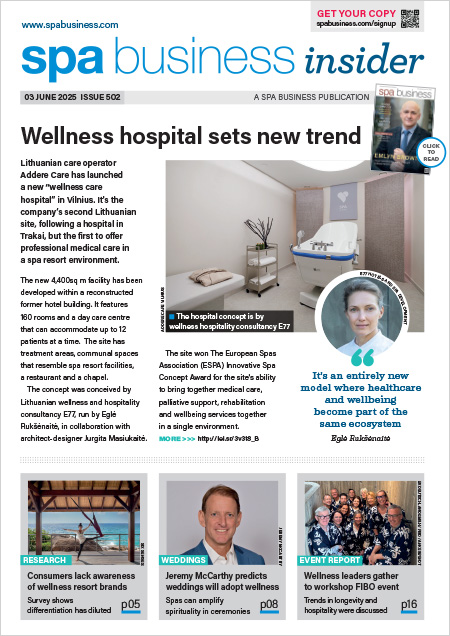
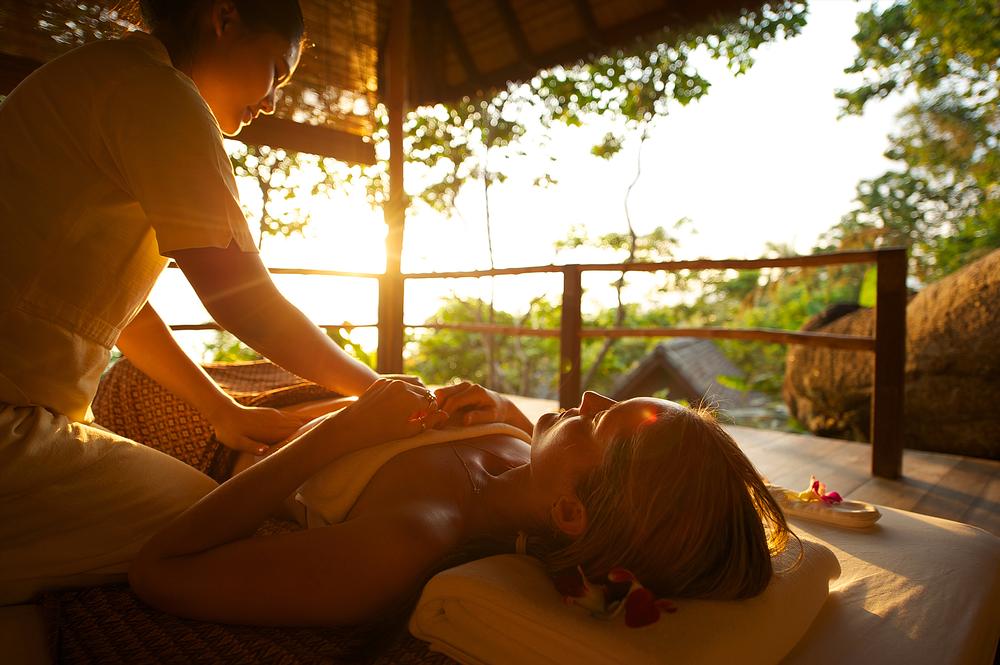
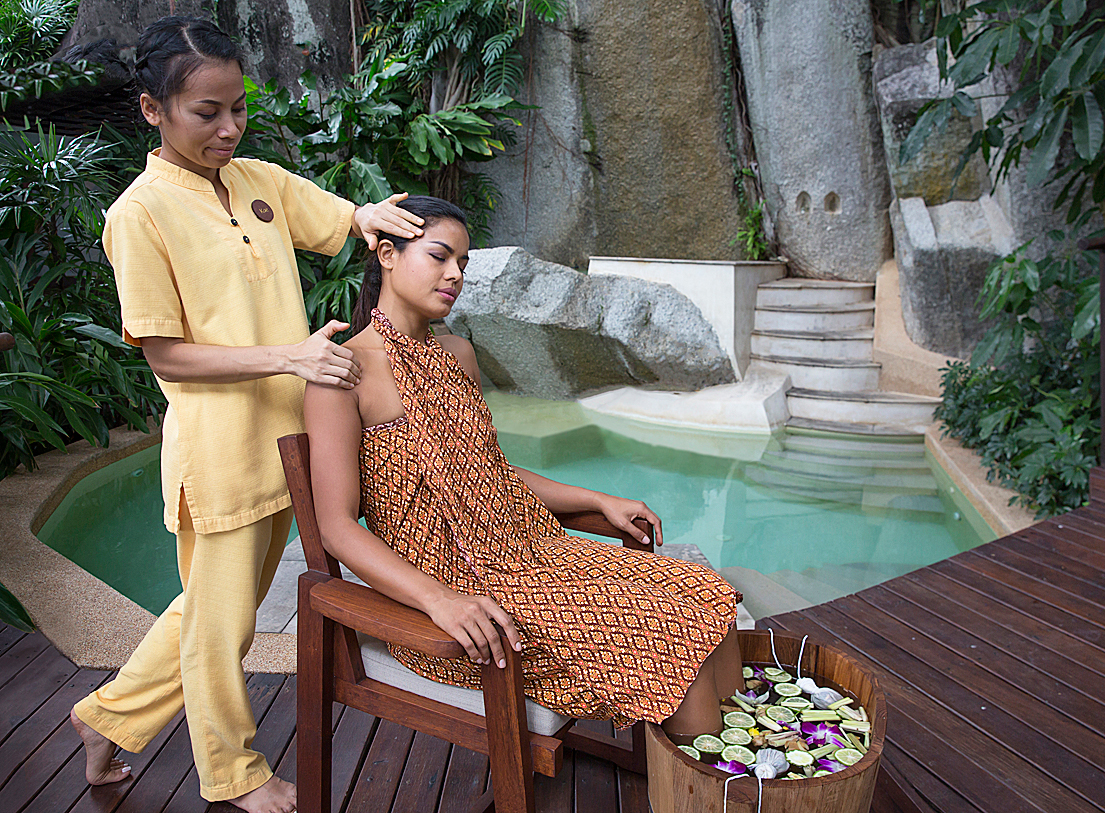
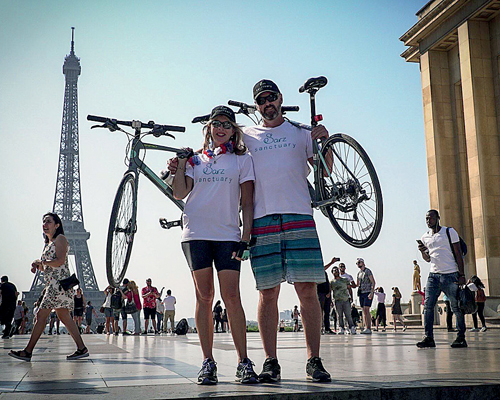
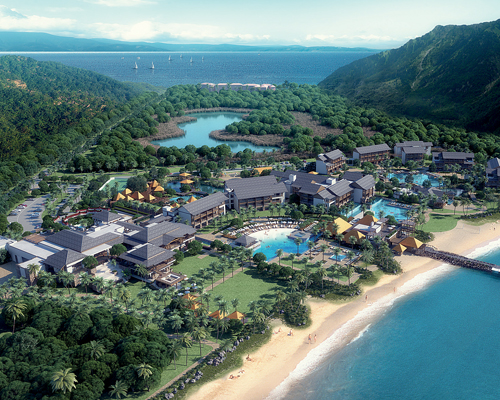
Kamalaya is working hard to extend its benefits to a wider audience
While the benefits and experience offered by the wellness industry is something everyone could enjoy, at the moment the high price point means the industry is only able to reach the elite few who can afford the destination spa prices.
For its own health, does the industry need to broaden its reach beyond its current restricted market and is it possible to become affordable without hitting the bottom line hard, or treating therapists unfairly? With their high personal touch, how can spas be brought into the mainstream without losing their essence? After all, the reason the industry has become a luxury proposition is because of the cost associated with its deep programming.
And what is an affordable price? Kevin Kelly, who curated the price-accessible wellness resort, Civana in the US, believes a quality, cost-effective 60-minute massage should be priced at US$99 (€90, £30). This figure is based on a balance between a fair wage for the practitioner and affordability for the customer. “This is still a push, but possible for a monthly, or bi-monthly, investment in wellbeing,” says Kelly.
So what is the way forward for the industry? Should spas democratise their services, or keep going as they are? Is more education needed to prompt people who don’t currently invest in their health to review their spending priorities? Is different marketing needed in order for people to feel wellness is for them? Or do we need different business models? Different products and services? Dynamic pricing? Or could technology provide the answer? We canvass opinions from those in the industry
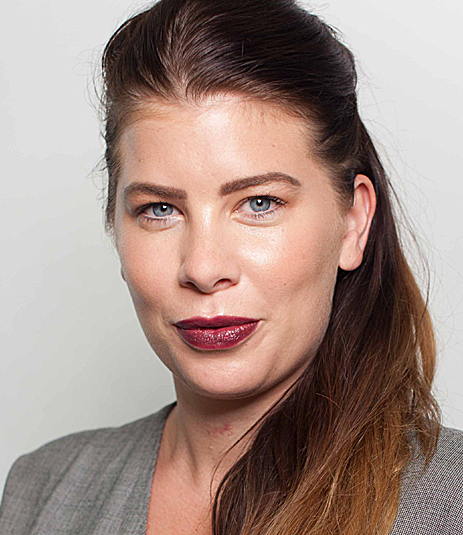
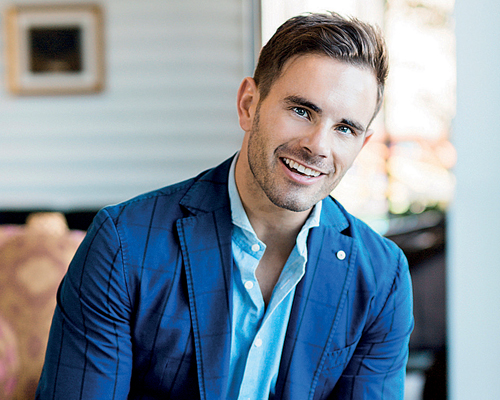
Karina Stewart co-founder, Kamalaya Wellness Sanctuary and Holistic Spa
Karina Stewart
I’m definitely in favour of making wellness available to more people. It’s not a luxury, and is increasingly needed by everyone. However, at the same time, most businesses working in the industry are not charities, philanthropic endeavours or educational institutions, so they need to look after the bottom line and cannot afford to drop their price point.
The Kamalaya experience was costly to both create and deliver, but we’re keen to do what we can to extend the benefits to a wider audience.
Our first tool to broaden the reach of our offering is to look after our community, with a number of initiatives for our staff. We run workshops and health lectures biannually, give away an average of 70 treatments a month to our team and allow access to the fitness facilities and restaurant during off peak hours, subject to availability.
Secondly we focus on outreach programmes and have created bitesized videos giving tips on healthy living and cooking, for social media platforms. Also we regularly travel the world to give talks and tasters – taking pop-ups into the community is a great way to democratise wellness.
"We’ve created bitesize videos giving tips on healthy living and cooking for social media platforms"
Although I will always prefer the human touch and a heartbeat, technology can play an important role in bringing our industry to a wider audience, by educating people and forming good habits, for example with meditation apps and online fitness programmes.
Education is vital to democratising wellness and needs to happen simultaneously with affordability. Unless people understand the benefits, they won’t see the value in our services. Once individuals have the motivation to look after their health they will start to realign their spending priorities.
Karina Stewart launched Kamalaya in Koh Samui with her husband, John, in 2005. It’s one of the leading destination spas worldwide
To broaden its reach, Kamalaya offers staff 70 free treatments a month
Kevin Kelly CEO, Civano Development
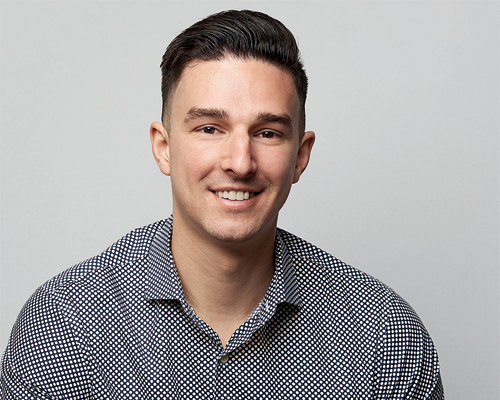
Kevin Kelly
The in-depth science, service and alternative programming associated with a luxury spa is justified and meets the value proposition. However, 90 per cent of the travel market is being underserved, and this provides a business opportunity to address an unmet need in a larger marketplace.
Technology could be the driver for this and could help grow the market by allowing the collection of data to build algorithms, to make a business more efficient. The more data an operator can collect on their customers, the more targeted and accurate they can be with their marketing. This makes the whole operation more cost effective and means there’s potential to lower price points.
To date, the way the industry has made services more affordable is to compromise the experience, but instead, the efficiencies of technology should be used to bridge the difference between low price experience and high price experience.
"Ninety per cent of the travel market
is being underserved, and this
provides a business opportunity"
The old rules of market segmentation used to be along an income scale, but wellness is so broad, that operators should be looking at values system alignment, and not income: people who value their health and shop at whole food shops fit into lots of different economic strata. My daughter is in a different income bracket than me, but shares my values. In three job moves she’ll be in my market segment, so why would I lose her today?
Kevin Kelly created Civano Development to consult on sustainable and wellbeing real-estate projects, including the affordable Civana resort concept in Arizona
Melissa Evans group spa manager, Spa Experience by Better
Melissa Evans
Better is the operator of a chain of nine UK spas in the public sector which are run on a not-for-profit making basis. This is a sideline for the company which operates a number of leisure centres previously run by local government.
Our aim is to make the day spa experience more accessible and affordable to a wider demographic. We want more people to view coming to the spa as a lifestyle choice, rather than a rare treat or off limits altogether.
We offer a membership which, on a concession basis, can be as low as £9.50 (US$12, €10.68) for people living locally on a low income. These have been popular and some members come twice a week for the thermal spa experience, where they have access to a range of spa facilities and relaxation lounges.
In terms of therapist training and product quality, our treatments are comparable with those offered in the private sector, but the price point is lower. A full body scrub in the hammam is £15 (€17, $18) and a 60-minute massage is £60 (US$74, €68) or £48 (US$59, €54) outside urban areas. We find there’s about a 50/50 split between the thermal spa and the treatments in terms of revenue.
"We offer a membership which, on a
concession basis, can be as low as £9.50
for people living locally on a low income”
Despite charging less, all of our spas make a healthy bottom line. However, since we are a non-profit making trust we don’t have the pressure to make large profits. Our spas are also busier than most private spas, which is a compromise for users.
Making spas more accessible to different people doesn’t just come down to pricing: they can be intimidating environments to those who have never been.
Going forward, spas could look to break down some of these barriers. This could mean reassessing the look and feel of the marketing material and marketing in different places.
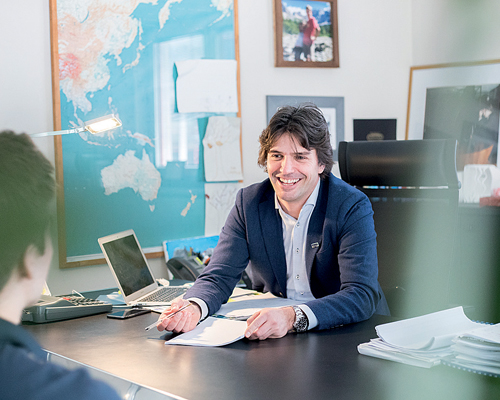
Before running Better’s public sector spas, Melissa Evans managed spas in leading hotels in the Middle East
Jean-Paul Blisset director, Melt Design Hub
Jean-Paul Blisset
It is possible to democratise wellness, but there needs to be the will, the desire and the imagination.
At the moment there’s too much focus from hotel owners on building premium spas. Once a facility is pitched at such a high level it becomes difficult to drop prices. Even so, there may be opportunities to open them up to a wider audience with dynamic pricing/cheaper offers in quiet times and partnerships with social enterprises, charities or healthcare providers.
While it might be difficult to offer treatments at cheaper prices, facilities could broaden their reach through economies of scale – by offering group sessions in activities such as pilates or meditation to the wider public at a lower price (especially during quieter periods).
Going forward, new concepts will broaden the market and challenge the dominance of hotel spas. Melt Design Hub is already working on concepts for urban environments which don’t have the overheads of a big hotel and so can potentially offer a more affordable price point. Neither a gym, nor a spa, but something in between, they will expose more people to wellness and could deliver relatively affordable services by offering health optimisation, integrating bio-hacking, as well as supporting people to improve their diet and lifestyle.
"Going forward, new concepts will
broaden the market and challenge
the dominance of hotel spas”
Another concept we’re working on in the UK in association with doctors in the private care sector is wellness villages within retail complexes. These 2,000sq m facilities will encompass a broad range of services including primary care, bio-hacking, rehab, physio, related retail and wholesome food that are available to a wider range of people/patients who prioritise their health.
I would like to think we could stop this constant race for the premium. There’s definitely room for intelligent, good quality wellness at more affordable prices.
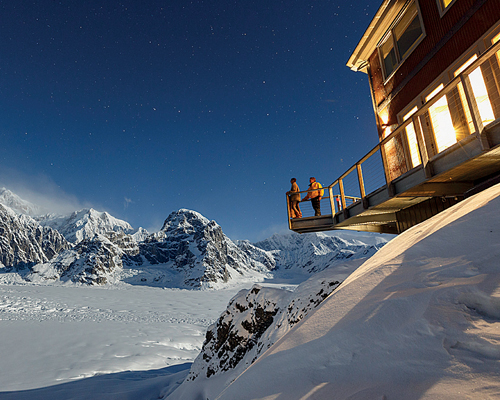
Jean-Paul Blisset has worked in the leisure field for over 30 years and includes Chiva-Som and Six Senses among his clients
Read more from this issue of Spa Business magazine
View contents of Spa Business 2019 issue 4
Editor's letter: Democratic wellness
To truly flourish, the spa industry needs to step outside its comfort zone and reach out to different markets with new and exciting business models, says Katie Barnes
Spa Programmes: On the menu
Boundary-pushing wellness in Iceland, self-care focus at Devarana and Civana’s equine retreat all feature in our spa menu round-up
Interview: Alexandre Cantin
Canada’s Groupe Nordik wants to open 10 nature spas, focusing on bathing and thermotherapy, by 2027. Katie Barnes talks to its VP of growth and strategy
Promotional feature: Starpool - Star quality
Wellness expert, Starpool, is known for offering complete wellness solutions with Italian design flair, enabling operators to create world class treatments and experiences
Training: Covering all bases
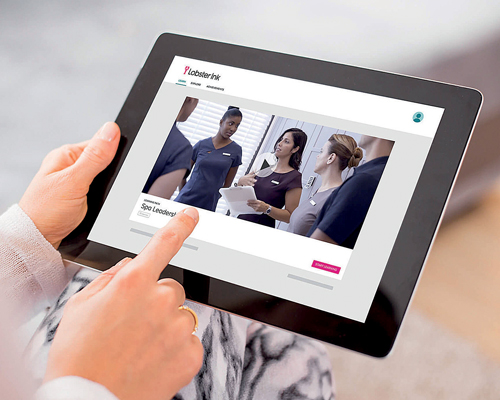
Resense joins forces with Lobster Ink to create an online training program for multiple spa roles
Promotional feature: Gharieni
Spa equipment innovator, Gharieni, is partnering with leading spas around the world to showcase its products to clients in real world settings, as CEO, Sammy Gharieni, explains
Research: Positive picture
ISPA’s latest US spa study shows continued growth across key metrics and pinpoints CBD and gen Z as trends. Russell Donaldson reports
Promotional feature: Zimmer MedizinSystems - Cool customer
Rainer Bolsinger, who heads up hotel and spa sales of icelab at Zimmer MedizinSystems, and icelab customer Chenot Group, explain how cryotherapy can be incorporated into your business
Promotional feature: Biologique Recherche - Skin deep
Biologique Recherche has spent the past 40 years developing technology and products to understand the skin on an individual level. Pierre-Louis Delapalme and Rupert Schmid tell Spa Business about the Parisian brand’s latest innovations
Research: On the move
The global physical activity market is now worth US$828bn according to a new GWI study. But what emerging trends do spas need to know about?
Promotional feature: SpaSoft - Onwards & upwards
The enhanced integration between SpaSoft and multiple PMS systems will help your team save time, remove the possibility of human error and create an elevated guest experience
Software: Monetising
How is software helping spas to navigate e-commerce and further monetise their relationship with clients
Seen as a caring industry
and one which looks after
the wellbeing of people, is
it incumbent for spas to
devise wellness offerings
which are accessible to all
socio-economic groups,
rather than the top tier?
Kath Hudson investigates
By Kath Hudson | Published in Spa Business 2019 issue 4
Kamalaya is working hard to extend its benefits to a wider audience
While the benefits and experience offered by the wellness industry is something everyone could enjoy, at the moment the high price point means the industry is only able to reach the elite few who can afford the destination spa prices.
For its own health, does the industry need to broaden its reach beyond its current restricted market and is it possible to become affordable without hitting the bottom line hard, or treating therapists unfairly? With their high personal touch, how can spas be brought into the mainstream without losing their essence? After all, the reason the industry has become a luxury proposition is because of the cost associated with its deep programming.
And what is an affordable price? Kevin Kelly, who curated the price-accessible wellness resort, Civana in the US, believes a quality, cost-effective 60-minute massage should be priced at US$99 (€90, £30). This figure is based on a balance between a fair wage for the practitioner and affordability for the customer. “This is still a push, but possible for a monthly, or bi-monthly, investment in wellbeing,” says Kelly.
So what is the way forward for the industry? Should spas democratise their services, or keep going as they are? Is more education needed to prompt people who don’t currently invest in their health to review their spending priorities? Is different marketing needed in order for people to feel wellness is for them? Or do we need different business models? Different products and services? Dynamic pricing? Or could technology provide the answer? We canvass opinions from those in the industry
Karina Stewart co-founder, Kamalaya Wellness Sanctuary and Holistic Spa
Karina Stewart
I’m definitely in favour of making wellness available to more people. It’s not a luxury, and is increasingly needed by everyone. However, at the same time, most businesses working in the industry are not charities, philanthropic endeavours or educational institutions, so they need to look after the bottom line and cannot afford to drop their price point.
The Kamalaya experience was costly to both create and deliver, but we’re keen to do what we can to extend the benefits to a wider audience.
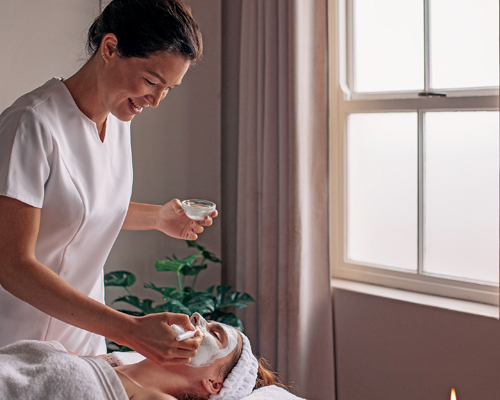
Our first tool to broaden the reach of our offering is to look after our community, with a number of initiatives for our staff. We run workshops and health lectures biannually, give away an average of 70 treatments a month to our team and allow access to the fitness facilities and restaurant during off peak hours, subject to availability.
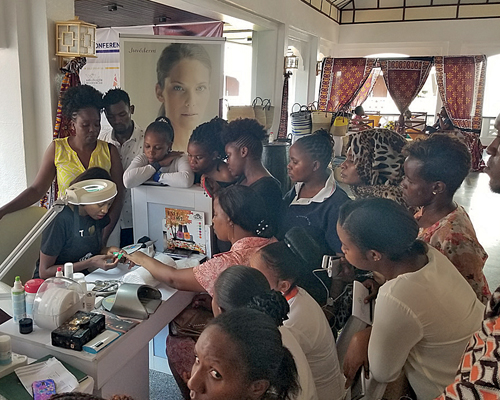
Secondly we focus on outreach programmes and have created bitesized videos giving tips on healthy living and cooking, for social media platforms. Also we regularly travel the world to give talks and tasters – taking pop-ups into the community is a great way to democratise wellness.
"We’ve created bitesize videos giving tips on healthy living and cooking for social media platforms"
Although I will always prefer the human touch and a heartbeat, technology can play an important role in bringing our industry to a wider audience, by educating people and forming good habits, for example with meditation apps and online fitness programmes.
Education is vital to democratising wellness and needs to happen simultaneously with affordability. Unless people understand the benefits, they won’t see the value in our services. Once individuals have the motivation to look after their health they will start to realign their spending priorities.
Karina Stewart launched Kamalaya in Koh Samui with her husband, John, in 2005. It’s one of the leading destination spas worldwide
To broaden its reach, Kamalaya offers staff 70 free treatments a month
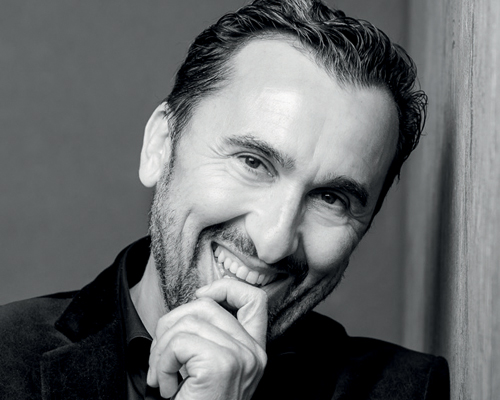
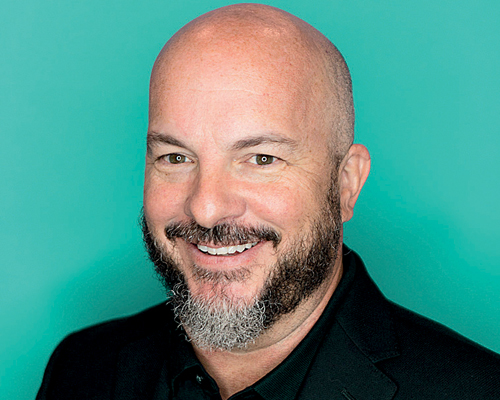
Kevin Kelly CEO, Civano Development
Kevin Kelly
The in-depth science, service and alternative programming associated with a luxury spa is justified and meets the value proposition. However, 90 per cent of the travel market is being underserved, and this provides a business opportunity to address an unmet need in a larger marketplace.
Technology could be the driver for this and could help grow the market by allowing the collection of data to build algorithms, to make a business more efficient. The more data an operator can collect on their customers, the more targeted and accurate they can be with their marketing. This makes the whole operation more cost effective and means there’s potential to lower price points.
To date, the way the industry has made services more affordable is to compromise the experience, but instead, the efficiencies of technology should be used to bridge the difference between low price experience and high price experience.
"Ninety per cent of the travel market
is being underserved, and this
provides a business opportunity"
The old rules of market segmentation used to be along an income scale, but wellness is so broad, that operators should be looking at values system alignment, and not income: people who value their health and shop at whole food shops fit into lots of different economic strata. My daughter is in a different income bracket than me, but shares my values. In three job moves she’ll be in my market segment, so why would I lose her today?
Kevin Kelly created Civano Development to consult on sustainable and wellbeing real-estate projects, including the affordable Civana resort concept in Arizona
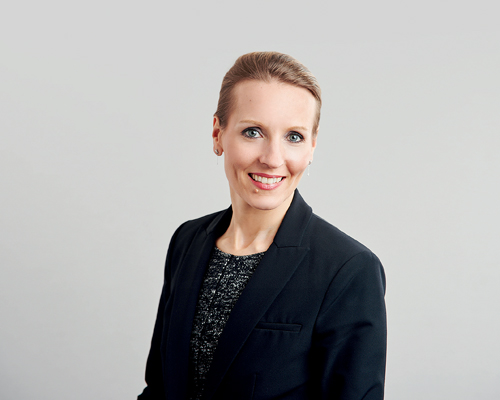
Melissa Evans group spa manager, Spa Experience by Better
Melissa Evans
Better is the operator of a chain of nine UK spas in the public sector which are run on a not-for-profit making basis. This is a sideline for the company which operates a number of leisure centres previously run by local government.
Our aim is to make the day spa experience more accessible and affordable to a wider demographic. We want more people to view coming to the spa as a lifestyle choice, rather than a rare treat or off limits altogether.
We offer a membership which, on a concession basis, can be as low as £9.50 (US$12, €10.68) for people living locally on a low income. These have been popular and some members come twice a week for the thermal spa experience, where they have access to a range of spa facilities and relaxation lounges.
In terms of therapist training and product quality, our treatments are comparable with those offered in the private sector, but the price point is lower. A full body scrub in the hammam is £15 (€17, $18) and a 60-minute massage is £60 (US$74, €68) or £48 (US$59, €54) outside urban areas. We find there’s about a 50/50 split between the thermal spa and the treatments in terms of revenue.
"We offer a membership which, on a
concession basis, can be as low as £9.50
for people living locally on a low income”
Despite charging less, all of our spas make a healthy bottom line. However, since we are a non-profit making trust we don’t have the pressure to make large profits. Our spas are also busier than most private spas, which is a compromise for users.
Making spas more accessible to different people doesn’t just come down to pricing: they can be intimidating environments to those who have never been.
Going forward, spas could look to break down some of these barriers. This could mean reassessing the look and feel of the marketing material and marketing in different places.
Before running Better’s public sector spas, Melissa Evans managed spas in leading hotels in the Middle East
Jean-Paul Blisset director, Melt Design Hub
Jean-Paul Blisset
It is possible to democratise wellness, but there needs to be the will, the desire and the imagination.
At the moment there’s too much focus from hotel owners on building premium spas. Once a facility is pitched at such a high level it becomes difficult to drop prices. Even so, there may be opportunities to open them up to a wider audience with dynamic pricing/cheaper offers in quiet times and partnerships with social enterprises, charities or healthcare providers.
While it might be difficult to offer treatments at cheaper prices, facilities could broaden their reach through economies of scale – by offering group sessions in activities such as pilates or meditation to the wider public at a lower price (especially during quieter periods).
Going forward, new concepts will broaden the market and challenge the dominance of hotel spas. Melt Design Hub is already working on concepts for urban environments which don’t have the overheads of a big hotel and so can potentially offer a more affordable price point. Neither a gym, nor a spa, but something in between, they will expose more people to wellness and could deliver relatively affordable services by offering health optimisation, integrating bio-hacking, as well as supporting people to improve their diet and lifestyle.
"Going forward, new concepts will
broaden the market and challenge
the dominance of hotel spas”
Another concept we’re working on in the UK in association with doctors in the private care sector is wellness villages within retail complexes. These 2,000sq m facilities will encompass a broad range of services including primary care, bio-hacking, rehab, physio, related retail and wholesome food that are available to a wider range of people/patients who prioritise their health.
I would like to think we could stop this constant race for the premium. There’s definitely room for intelligent, good quality wellness at more affordable prices.
Jean-Paul Blisset has worked in the leisure field for over 30 years and includes Chiva-Som and Six Senses among his clients
Read more from this issue of Spa Business magazine
View contents of Spa Business 2019 issue 4
Editor's letter: Democratic wellness
To truly flourish, the spa industry needs to step outside its comfort zone and reach out to different markets with new and exciting business models, says Katie Barnes
Spa Programmes: On the menu
Boundary-pushing wellness in Iceland, self-care focus at Devarana and Civana’s equine retreat all feature in our spa menu round-up
Interview: Alexandre Cantin
Canada’s Groupe Nordik wants to open 10 nature spas, focusing on bathing and thermotherapy, by 2027. Katie Barnes talks to its VP of growth and strategy
Promotional feature: Starpool - Star quality
Wellness expert, Starpool, is known for offering complete wellness solutions with Italian design flair, enabling operators to create world class treatments and experiences
Training: Covering all bases
Resense joins forces with Lobster Ink to create an online training program for multiple spa roles
Promotional feature: Gharieni
Spa equipment innovator, Gharieni, is partnering with leading spas around the world to showcase its products to clients in real world settings, as CEO, Sammy Gharieni, explains
Research: Positive picture
ISPA’s latest US spa study shows continued growth across key metrics and pinpoints CBD and gen Z as trends. Russell Donaldson reports
Promotional feature: Zimmer MedizinSystems - Cool customer
Rainer Bolsinger, who heads up hotel and spa sales of icelab at Zimmer MedizinSystems, and icelab customer Chenot Group, explain how cryotherapy can be incorporated into your business
Promotional feature: Biologique Recherche - Skin deep
Biologique Recherche has spent the past 40 years developing technology and products to understand the skin on an individual level. Pierre-Louis Delapalme and Rupert Schmid tell Spa Business about the Parisian brand’s latest innovations
Research: On the move
The global physical activity market is now worth US$828bn according to a new GWI study. But what emerging trends do spas need to know about?
Promotional feature: SpaSoft - Onwards & upwards
The enhanced integration between SpaSoft and multiple PMS systems will help your team save time, remove the possibility of human error and create an elevated guest experience
Software: Monetising
How is software helping spas to navigate e-commerce and further monetise their relationship with clients
A recent survey by the UK Spa Association (UKSA) into the industry’s approach to cancer care
has revealed that almost half of participating respondents (46 per cent) are unaware that
cancer is a disability and guests with a cancer diagnosis must be given
Mexican operator, Solmar Hotels and Resorts, is hosting a series of events in celebration of
Global Wellness Day, including a Temazcal ceremony at its Playa Grande Resort and Spa in Los
Cabos.
Mandarin Oriental has announced a standalone residence brand, Mansions, which will debut at
Emirates Palace, Mandarin Oriental Mansions, Abu Dhabi, in 2029.
Four Seasons Resort The Nam Hai in Hoi An, Vietnam, has put together a Global Wellness Day
(GWD) agenda with activations rooted in nature and shaped by four pillars of Joy – in
alignment with the day’s theme #JoyMagenta.
The Global Wellness Summit (GWS) will celebrate its 20th anniversary at the 2026 event in
Phuket, Thailand, later this year with the theme: The Science, Art and Soul of Wellness.
Auko, an all-inclusive development, is opening in Phong Nha in Vietnam in Q3 2026, with a
series of 30 tented eco-lodges and wellness hospitality operations by Lumina Wellbeing.
Therme Manchester’s 28-acre development, which will include interconnected glass pavilions
that measure 65,000sq m, will be the largest bathing and wellbeing attraction in the world once
complete, according to prof David Russell, CEO of Therme UK.
Naples Beach Club, a Four Seasons Resort, has opened a 2,800sq m spa called The Sanctuary,
with the design and concept inspired by the Native American people that populated Florida’s
Southwest coast – the Calusa.