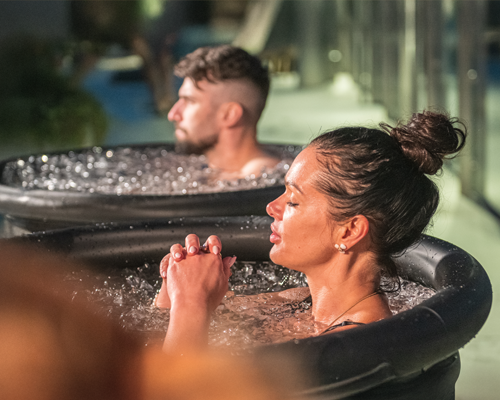
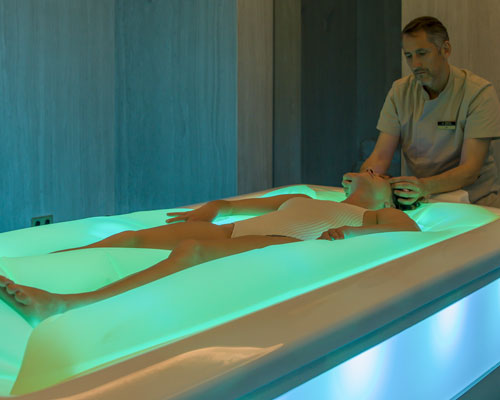
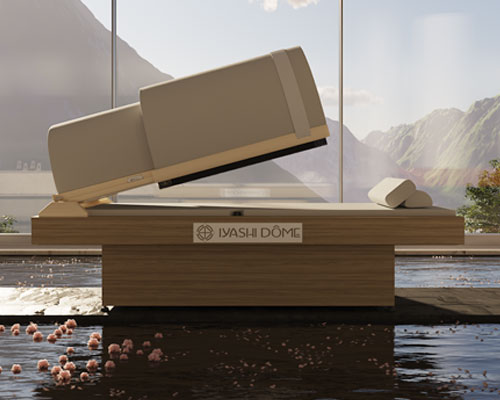
Being submerged in warm water after a workout can significantly amplify the effects according to scientists.
In research sponsored by the American Council on Exercise (ACE) and published in the International Journal of Research in Exercise Physiology*, the team focused on three groups who had all completed an endurance workout – a control group, another that spent 30 minutes in warm water and a further group where people wore sauna suits.
Heat strategy benefits
The workout consisted of a running economy protocol of three consecutive five-minute stages at 4.6mph, 5mph and 5.4mph. All participants completed a standardised three-week training programme three days a week on a Monday, Wednesday and Friday.
Both of the passive heating strategies were equally sufficient to raise core temperatures and both stayed below temperatures that might increase the risk of heat illness (39°C).
Post-exercise heat interventions allow people to augment their training
After three weeks, the mean VO2max and lactate threshold changes in both the warm water immersion and the sauna suit groups were “statistically significantly greater” when compared to the control group, although when it came to changes in running economy, only the people in the immersion group showed a significant improvement.
Researchers said these post-exercise heat interventions allow people to “augment their training without adding volume and/or intensity, meaning they can achieve performance gains without increasing the risk of over-training or injury.”
Post-exercise passive warming can also be used to “preserve training adaptations if a client is travelling or trying to preserve fitness during an off-season programme”.
Researchers suggest not going beyond the 30 minutes immersion or above the temperatures used (39°C) and encouraged the adoption of good hydration practices and the advice of an expert if there are any doubts about safety.
Industry implications
As spa and wellness operators integrate fitness further into their offerings, these relatively straightforward-to-apply interventions offer new opportunities to improve outcomes and services.
We expect spas to better exploit facilities that enable the delivery of post-workout heat treatments and to ensure their teams are trained to deliver them safely and effectively.
* Journal of International Research in Exercise Physiology. How Post-Exercise Heating Strategies Affect Endurance Performance. Dalleck, LC et al.