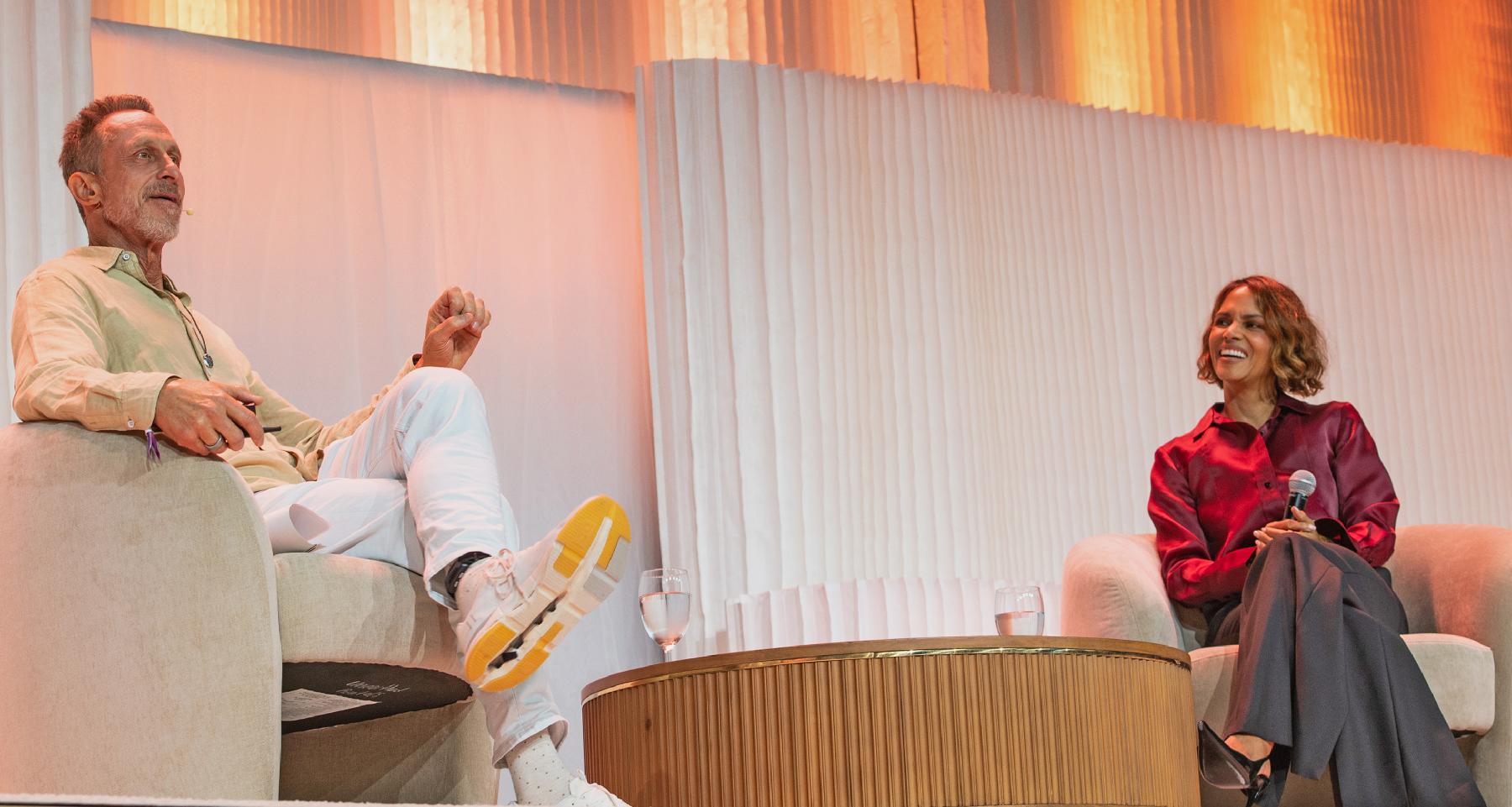
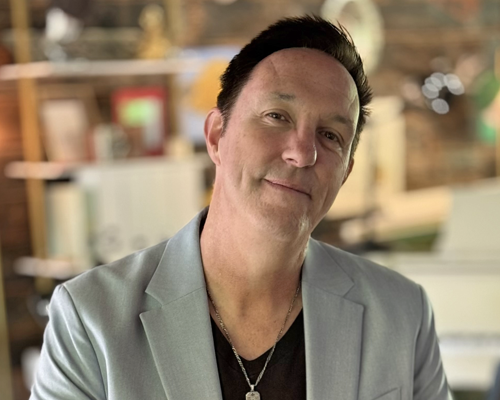
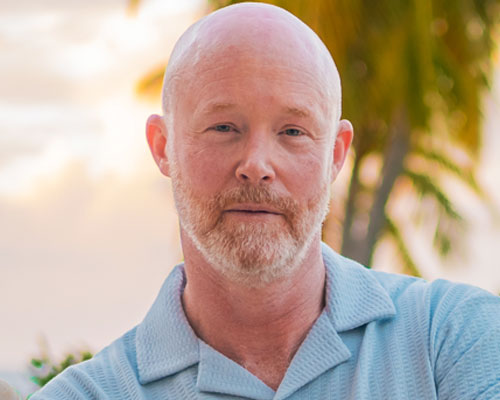
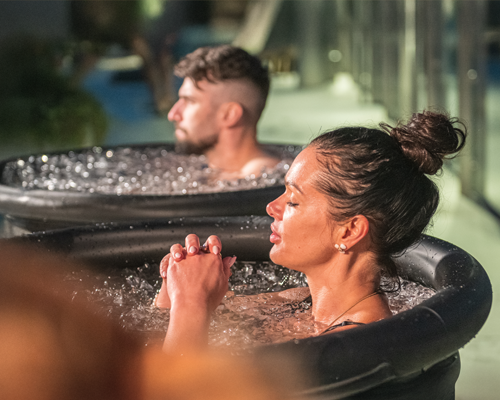
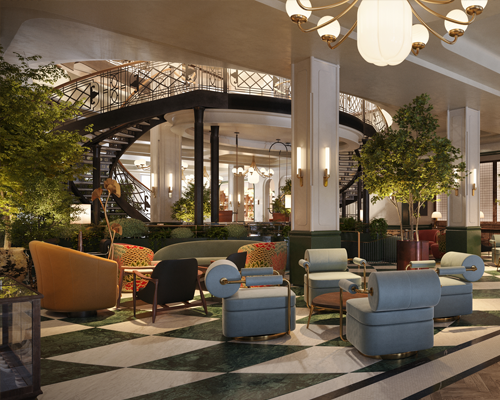
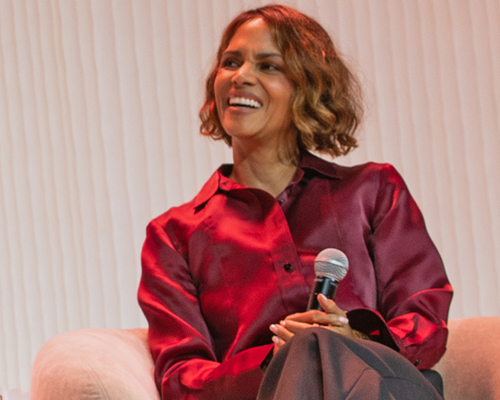
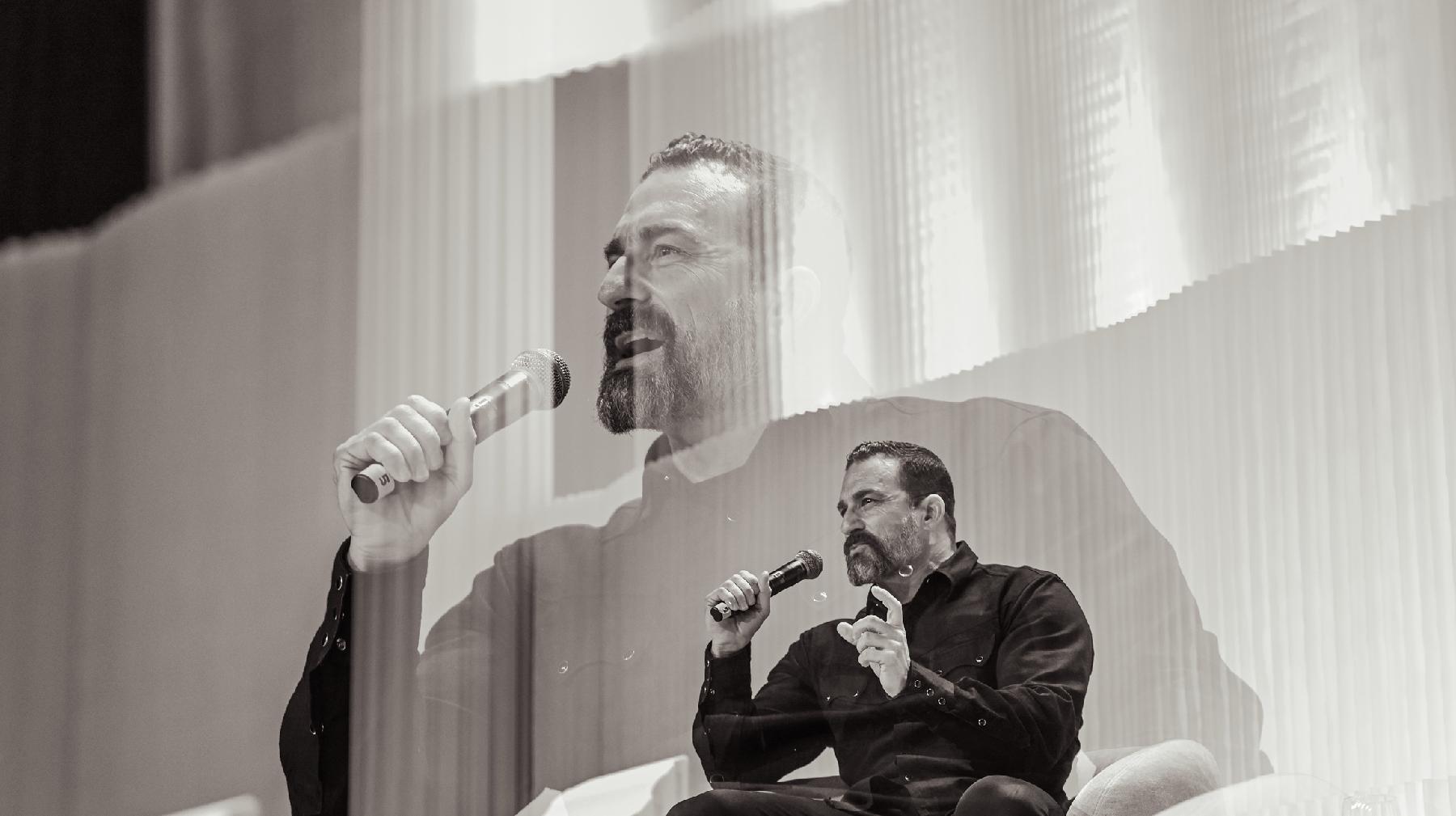
A conversation on midlife health captivated the audience at this year’s Eudemonia Summit – not only because it underscored the growing importance of programmes that integrate nutrition, movement, recovery, emotional wellbeing and learning, but because it was actor Halle Berry speaking with striking candour about her own experience.
On stage with functional medicine expert Dr Mark Hyman, the celebrity addressed hormonal transitions, metabolic health and identity shifts. Her insights emphasised how the future guest is informed and engaged, seeking partnership rather than prescriptions. And her openness set the tone for deeply human conversations about vitality, agency and longevity across three days.
GETTING ESTABLISHED
Now in its second year, Eudemonia is quickly establishing itself as one of the most intellectually rigorous and emotionally resonant gatherings in the global wellness space.
It brought together 5,000 attendees – nearly double the turnout for the debut event – including physicians, neuroscientists, wellness pioneers and cultural leaders. All were looking to explore the intersection of biology, behaviour, environment and connection. And for those of us working in spa and wellness, it offered something rare: not trend forecasting, but a science-backed reframing of how spaces, communities and experiences actively influence health outcomes.
A central theme was nervous system regulation and its implications for wellness programming and spatial design. Sessions led by neuroscientist Andrew Huberman and movement coach Aaron Alexander reinforced that peak performance, emotional resilience and long-term health are deeply tied to how environments influence stress, recovery and neuroplasticity.
From breathwork and somatic movement to light exposure, sound, and rhythm, the message was clear: wellness experiences must support the parasympathetic nervous system, not overstimulate it.
For spa operators and hospitality developers, this translates into quieter transitions, intentional sequencing of modalities and environments that allow guests to downshift into safety and support deep rest and sleep repair.
Rather than stacking activities, curated programmes should gently guide the body from activation to restoration.
The need to create spaces that support psychological safety and emotional openness, regardless of modality, was another core topic.
BEYOND BIOMARKERS
A recurring insight at the summit was that while biomarkers, wearables and health technologies provide valuable data, the most powerful barometer remains how we feel on a daily basis. Speakers emphasised that modern wellness culture has, in many ways, lost touch with intuition, outsourcing self-awareness to data dashboards rather than cultivating an embodied understanding of energy, mood, sleep quality, emotional balance and vitality.
The message was clear: technology can support longevity, but it cannot replace the fundamentals. Without getting the basics right – nutrition, movement, sleep, stress management, social connection and purpose – no amount of advanced monitoring will deliver meaningful health outcomes.
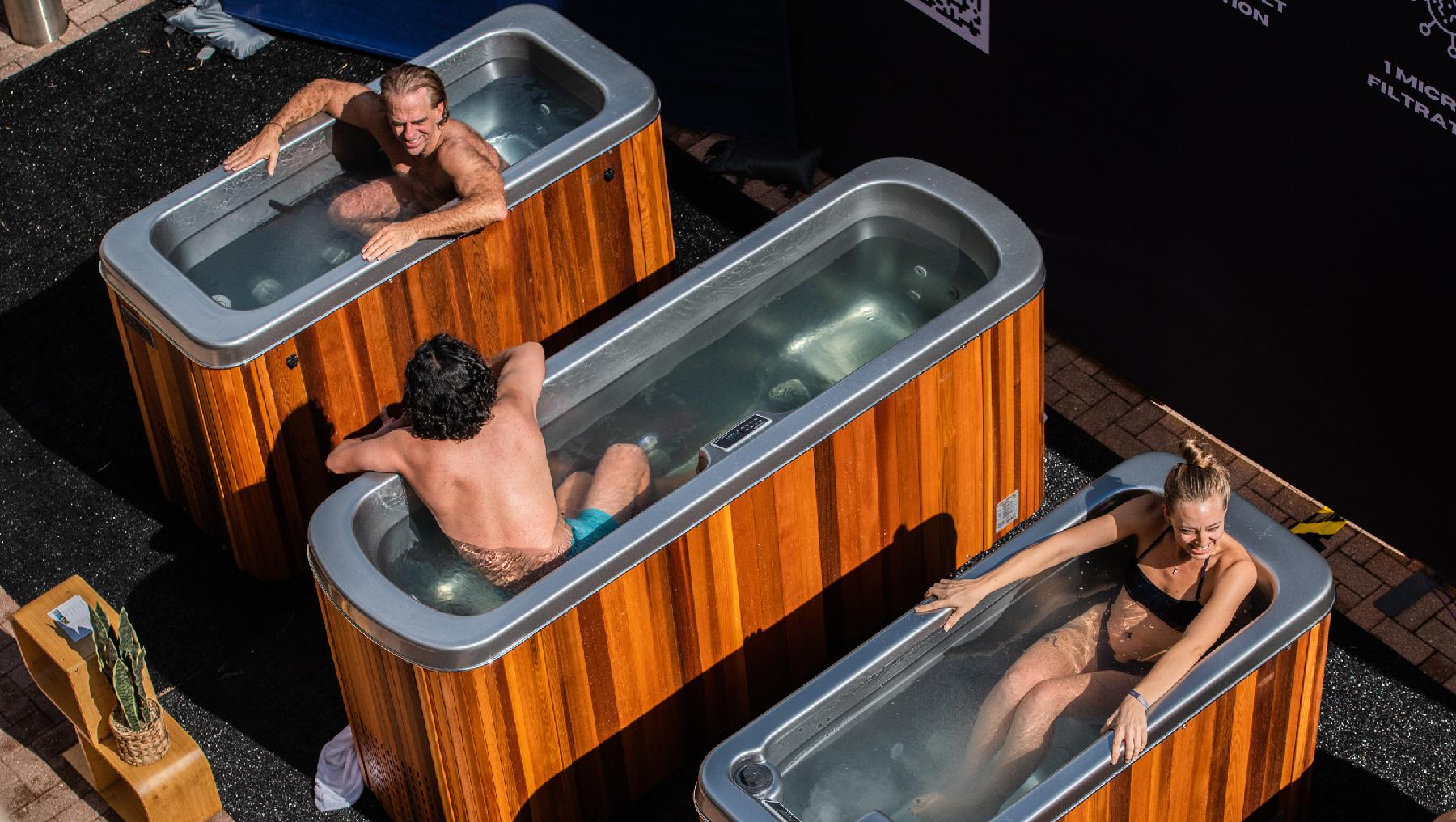
For wellness real estate and destination spas, this reframes longevity as an experiential and environmental responsibility. Spaces must be designed to support daily rhythms, intuitive self-check-ins and low-tech, high-impact interventions. Nature immersion, walking, grounding practices and access to natural light were repeatedly highlighted as powerful, accessible tools to counter 'inflammaging' – the chronic, low-grade inflammation increasingly linked to many age-related diseases and accelerated ageing.
One of the most compelling reminders was that some of the most effective longevity strategies are also the most accessible. Practices such as earthing – reconnecting the body with the earth to rebalance electrons – are not only biologically meaningful but also free. In a world increasingly driven by optimisation and devices, Eudemonia offered a timely recalibration: longevity is not achieved by doing more, but by returning to what the human body has always needed.
COMMUNITY AS MEDICINE
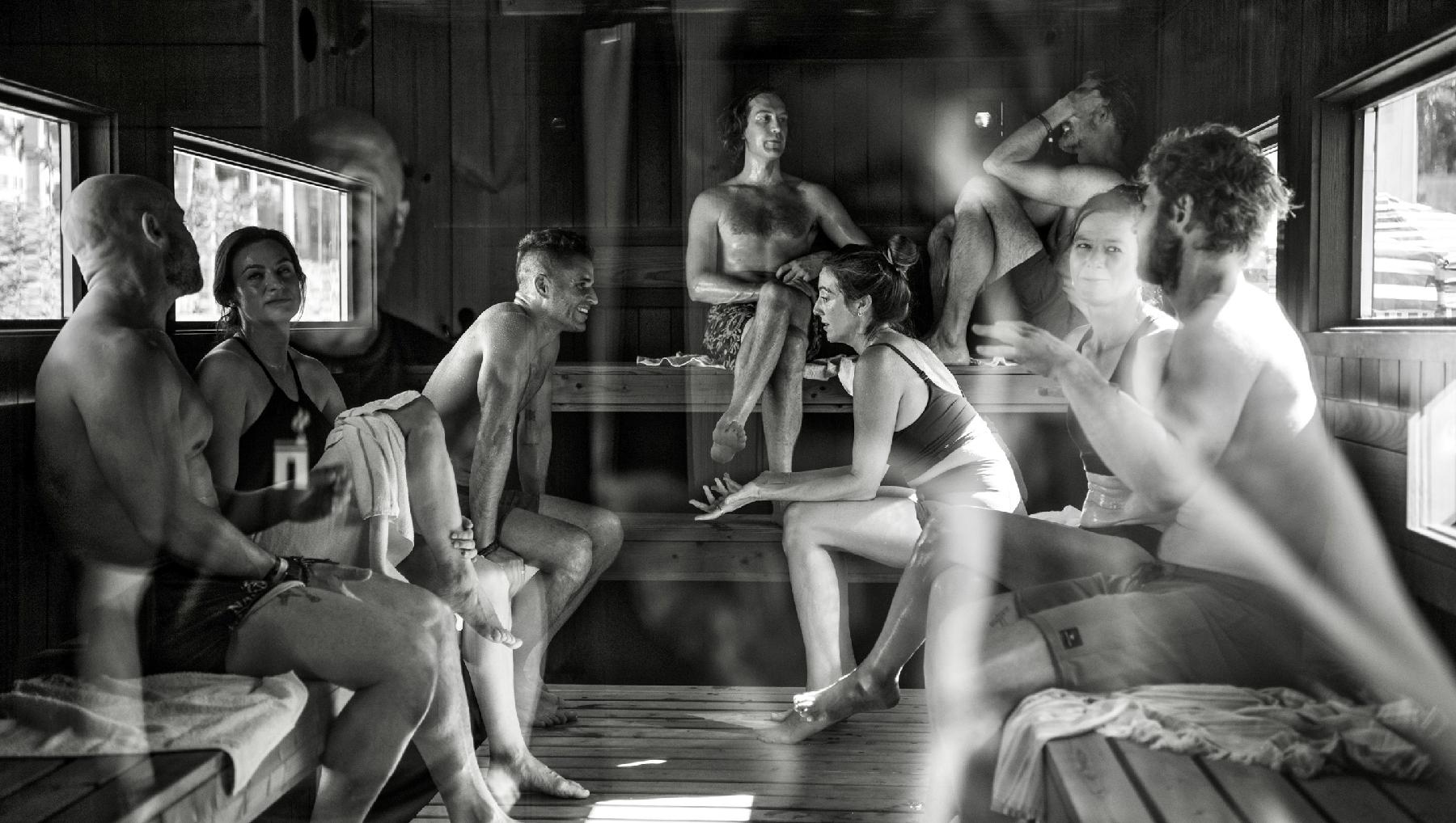
The idea that community itself is therapeutic surfaced repeatedly. Tony Cho, co-founder of the ChoZen Center for Regenerative Living, emphasised that nature, food and community form an inseparable triad of healing, particularly relevant for regenerative hospitality models.
Dr Molly Maloof’s work further illuminated the biological impact of connection. Her research links social relationships directly to mitochondrial health, immune function and genetic expression, showing that loneliness can be as damaging as smoking, while healthy relationships offer a measurable survival advantage.
For spa and hotel operators, this re-frames social spaces not as optional add-ons, but as core wellness infrastructure.
CLOSING REFLECTIONS
Eudemonia offered a clear lens showing where the wellness industry is heading. Across science, medicine and lived experience, it reinforced a powerful truth: health is not created in isolation, but shaped daily by the environments we inhabit, the rhythms we follow and the quality of our connections.
For investors, developers, owners and operators in the spa and wellness sector, this represents both a responsibility and an opportunity. The future of wellness will not be defined by how many interventions we offer, but by how thoughtfully we design spaces that support nervous system regulation, intuitive self-awareness, restorative sleep and social connection.
Eudemonia reframed wellness as something quieter, deeper and more human – less about optimisation, more about alignment. I left with renewed clarity on how science, design and experience must converge to support true longevity and vitality and I’m genuinely excited to say that I’m already registered for the next summit in November 2026.