Yes! Send me the FREE digital editions of Spa Business and Spa Business insider magazines and the FREE weekly Spa Business and Spa Business insider ezines and breaking news alerts!
As the contrast therapy trend skyrockets, how can operators
optimise existing facilities and ensure guests have an enjoyable
and effective experience, rather than feeling shamed because they
can’t tolerate freezing temperatures? Kath Hudson reports
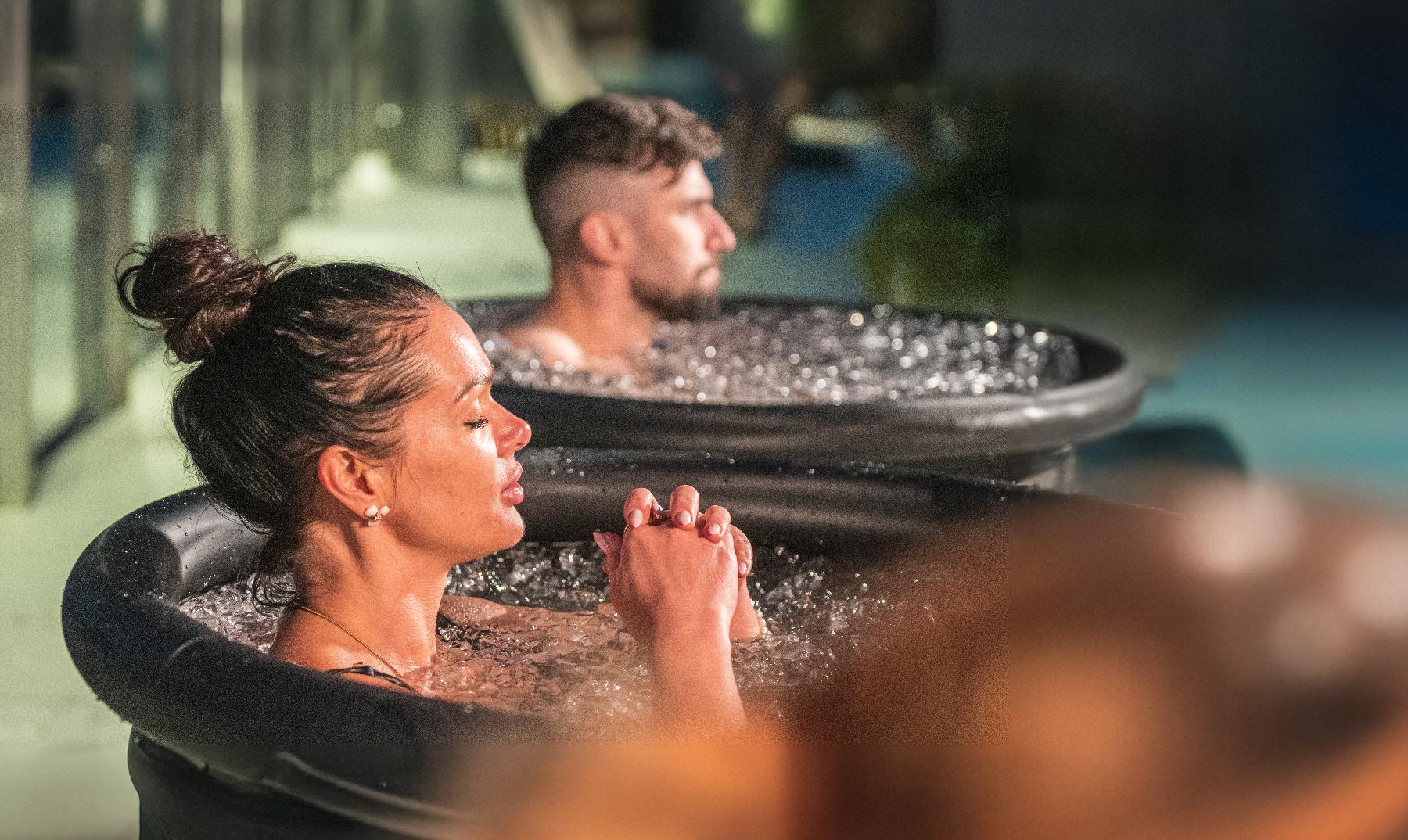
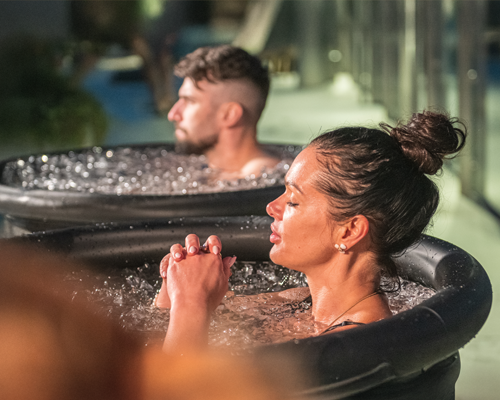
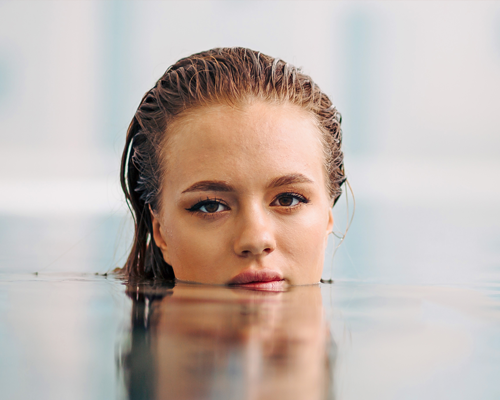
Some women find extreme cold more stressful than men, due to their physiology / shutterstock/Michele Ursi
While contrast therapy isn’t new to the spa and wellness sector, consumer awareness about it and the rise in popularity of recovery means alternating hot and cold experiences have swiftly become a must-have.
This therapy can offer massive benefits for recovery and the nervous system, however, without instruction there’s the potential things such as cold plunge to provoke competitive behaviour and become confusing to use or even dangerous to end users – in a previous issue of Spa Business, we highlighted the potential risk of cold water immersion (www.spabusiness.com/cwi).
As most research on contrast bathing has been conducted on men, less is known about how things such as cold plunging affects women’s hormones and stress response, but it is known that they respond differently from men.
As most research on contrast bathing has been conducted on men, less is known about how women respond
Men can generate more metabolic heat through shivering and their muscle mass, meaning they can tolerate and benefit from colder, longer plunges. Women rely on vasoconstriction, cool faster at rest and find extreme cold more stressful, so often benefit less.
Stakeholders heading up the Cryotherapy Initiative of the Global Wellness Institute have just released a white paper outlining the health impact of whole-body cryotherapy experiences compares to short (3-8 minute) and long (15-minute plus) cold water immersion sessions (see www.spabusiness.com/gwi_cryotherapy).
It’s important to note that the types of heat and cold experiences available have different impacts – whether it’s a mix of cold and hot plunges, showers, steam/snow rooms or even cryotherapy.
Recent studies suggest warm water bathing could yield better health benefits than saunas (www.spabusiness.com/liquidassets), while research by the American Council of Exercise shows immersion in warm water after exercise amplifies the effect of a strength training session (see p122), so post cold plunges should be avoided if muscle growth is the aim.
Ultimately, nothing to do with contrast therapy is self-explanatory, so what are the dos and don’ts of offering a safe, effective and enjoyable experience, to ensure operators make the most of these areas and guests receive the optimum health benefits? We ask the experts...
/ Farris Bad
Lasse Eriksen
Development manager, Farris Bad
The key principle of contrast therapy is balance. It’s not about testing limits or proving toughness, but about creating harmony between heat, cold and recovery, so the body feels refreshed rather than depleted.
Preparation is essential. Guests should come well-hydrated for training and sweats – ideally two to three hours before, sipping water with electrolytes. A well-prepared body adapts more smoothly to changes in temperature and manages the intensity of the cold more effectively.
The experience itself should be kept safe, simple and supportive. Short dips in the cold, even just for a few seconds, are often enough when followed by warming and rest. Multiple rounds can be beneficial, but the focus should always be on quality over quantity. What matters most is not how long someone spends in the water, but how they feel during and afterwards. Recovery is especially important, it’s during the resting phase that the body recalibrates and the mind and body return to balance.
Time in the sauna stimulates heat shock proteins,while cold immersion can trigger short bursts of growth hormone release as the body reheats
From a physiological perspective, this rhythm of heat, cold and rest has deeper effects than just relaxation. Time in the sauna stimulates heat shock proteins, which protect cells from stress and support faster recovery. Cold immersion is known to reduce inflammation and can trigger short bursts of growth hormone release as the body reheats, as well as supporting tissue repair and resilience.
The alternation of heat and cold, therefore, acts not just as a ritual, but as a biological reset sharpening circulation, reducing soreness and helping the body adapt to future stress.
However, contrast therapy should never be turned into a competition and staff should avoid prescribing strict timings. Guests should also avoid contrast therapy when unwell. Like training, it’s most effective when the body is healthy and resilient.
Everyone’s tolerance is unique. The best approach is to provide options: offering plunge pools or showers at different temperatures, along with education that encourages guests to self-regulate. Many spas do this by creating a spectrum of experiences, from very cold plunges to softer cooling showers, so each person can find their own level.
Farris Bad is a centre of excellence for sauna practices / Farris Bad / nordsveenfoto.no
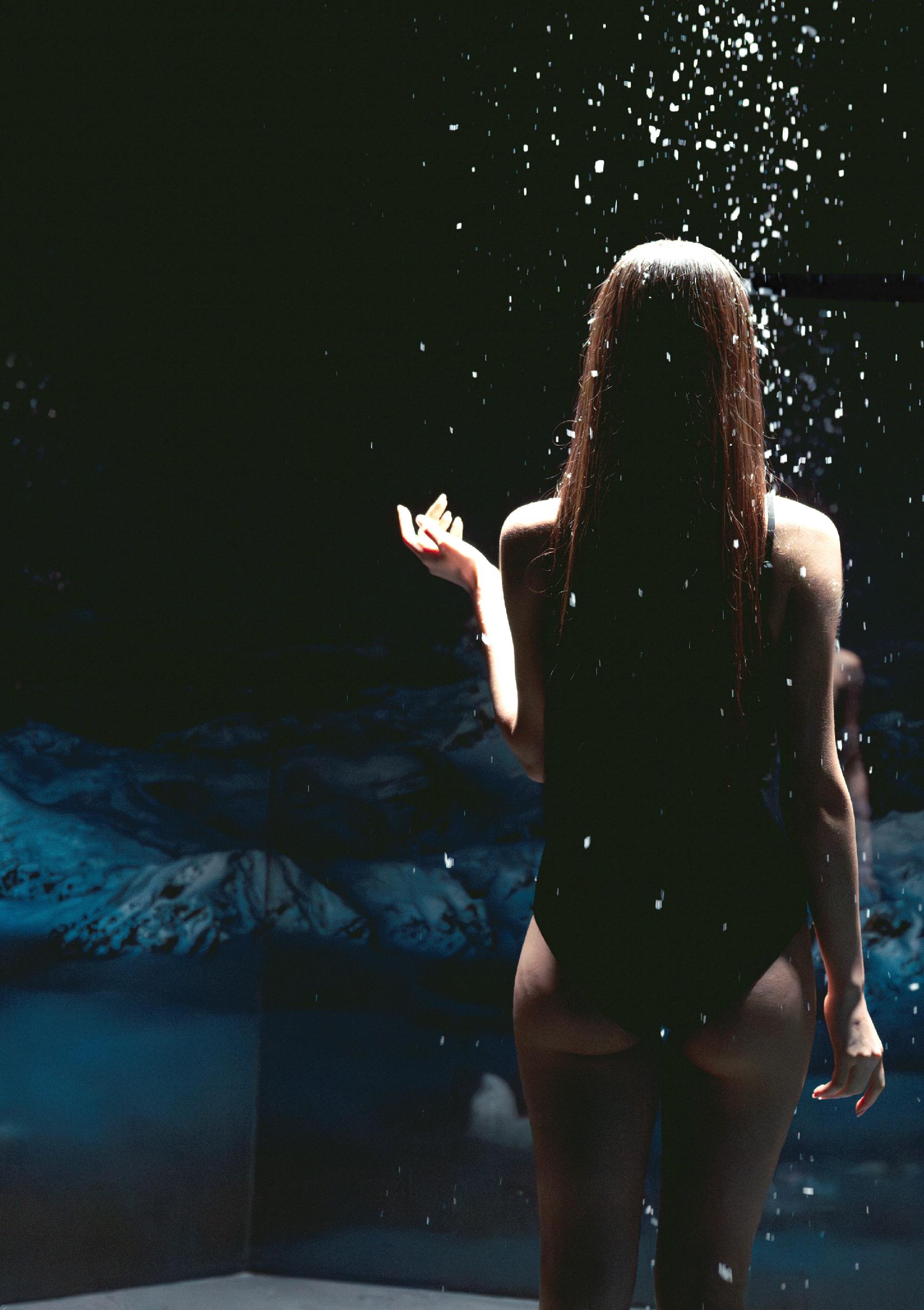
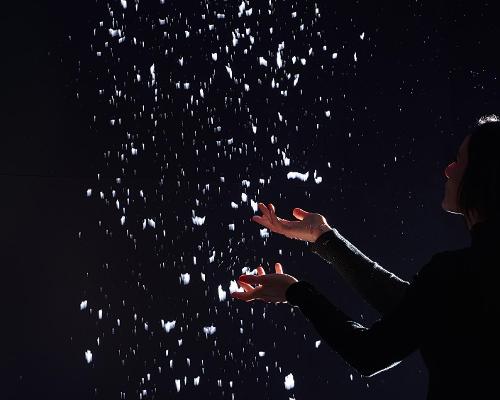
TechnoAlpin Indoor has developed the Snowsky system / TechnoAlpin / Thomas Monsorno
Product insight: Cooling with indoor snow
TechnoAlpin offers a more gentle cooling experience
Snowsky by TechnoAlpin Indoor involves soft, real snowflakes falling continuously to cool the body quickly while using little water (11 litres an hour).
Unlike some other cold solutions, the snow shower feels natural and gentle, transforming the cool-down phase into an enjoyable and multi-sensory experience.
The benefits of cooling with snow are similar to other cold therapies – from improved circulation and muscle recovery to enhanced relaxation – but being gentle makes it more accessible and appealing for a wider range of people, especially first-time users, women, or anyone who prefers a softer cold experience.
The snow shower feels natural and gentle, transforming the cool-down phase into an enjoyable, multi-sensory experience
As snow is natural it interacts with the body and creates a harmonious, biophilic experience, without the shock that can come with a cold plunge.
Snowsky can be integrated into a spa or health club, ideally after a hot experience.
/ Brass Monkey
Dan Bosomworth
CEO and founder, Brass Monkey
Personalisation matters when it comes to contrast therapy. There are physiological differences between men and women: men tend to have more muscle mass and higher heat production, while women have more insulation, temperature sensitivity and noticeable hormonal cycles.
This means how women experience the cold naturally fluctuates through the month. On some days, a gentler immersion might feel right; on others, the full cold can feel invigorating. The best experience isn’t about colder or longer, it’s about tuning in and meeting the cold in a way that serves the individual.
When starting out, going into water that’s around 7-10°C for about a minute is a great place to begin. As the body and mind adapts there can be progression to colder and longer immersions.
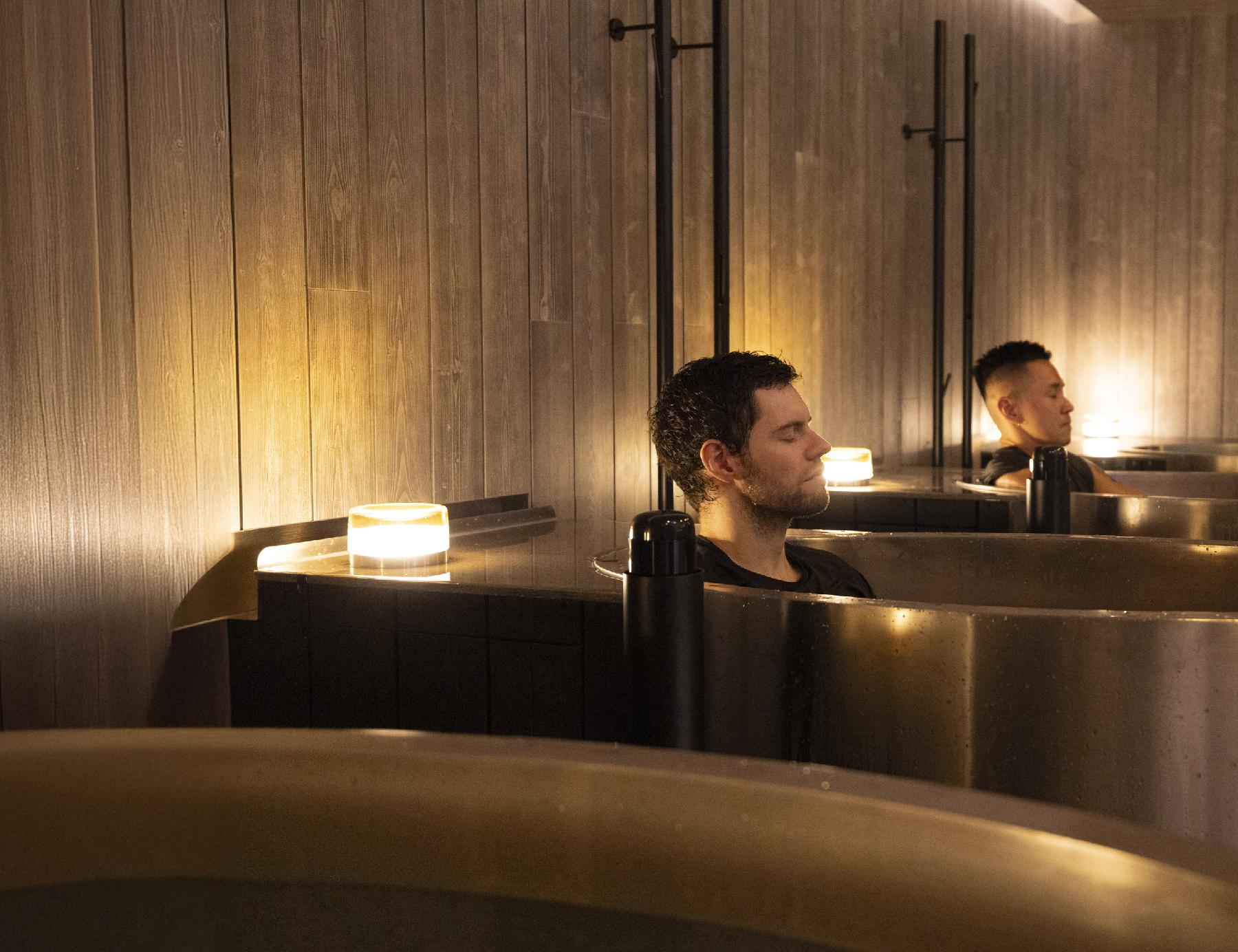
Multiple ice bath units give the flexibility to serve different experience levels at the same time.
As guests become more experienced in cold immersion, demand naturally shifts toward colder temperatures, but there will always be newcomers just starting their journey. The key is matching your infrastructure to your audience.
How women experience the cold fluctuates through the month … The best experience serves the individual
Intention shapes the experience of cold immersion: ‘why’ is more important than ‘how cold’ or ‘how long’. Some days are about building resilience and leaning into controlled stress; other days are about calming the system and recovery.
Cold immersion is no longer only a wellness trend. We’re working with some of the UK’s leading wellness and health and fitness operators, including David Lloyd Leisure and Village Hotels, which have integrated cold as core infrastructure rather than a nice-to-have. It drives acquisition and retention.
The operators doing it best are treating contrast therapy like any other training pillar: with intention, consistency and specialist equipment.
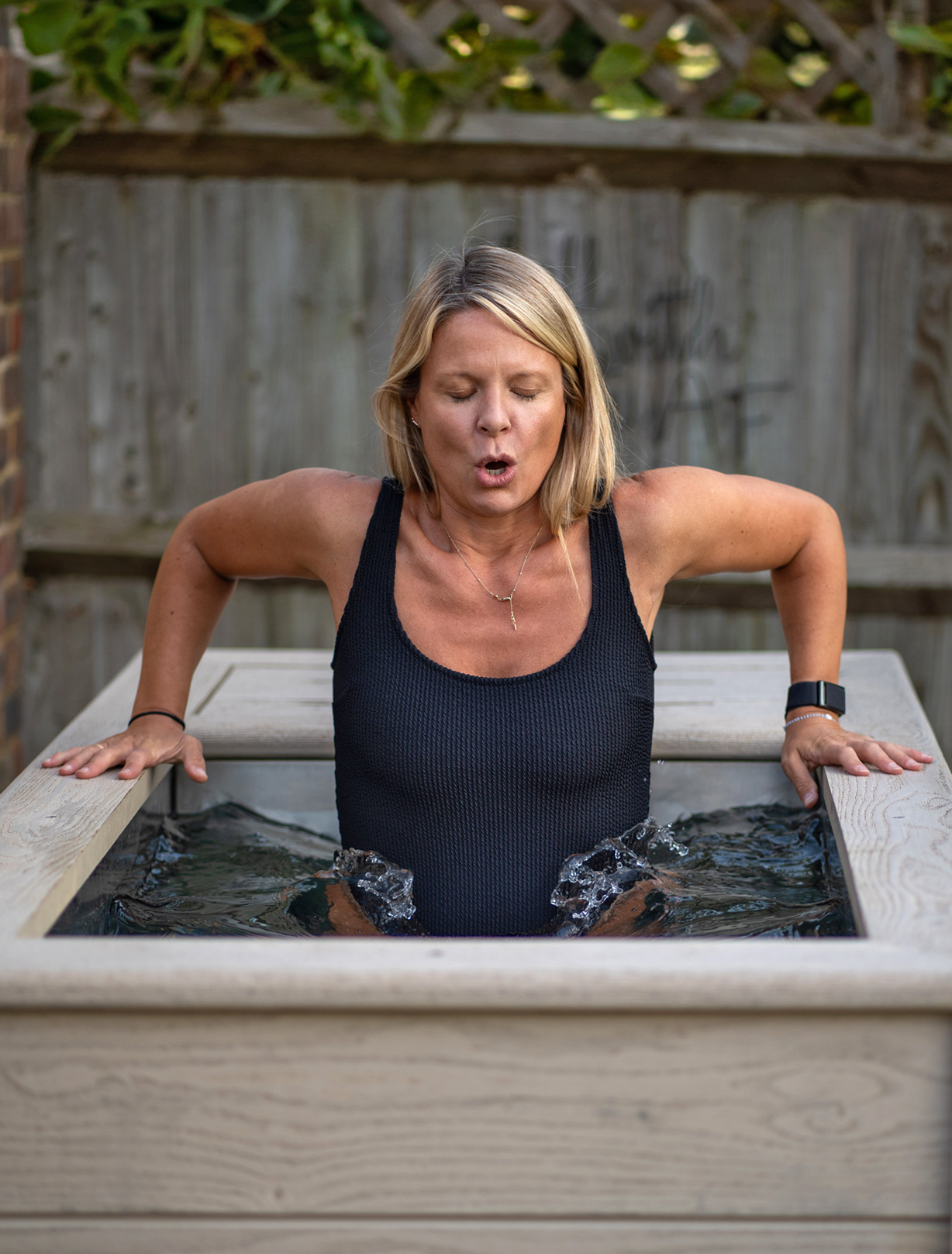
The temperature of cold plunge pools must be calibrated with the needs of users / Brass Monkey / colin matthews
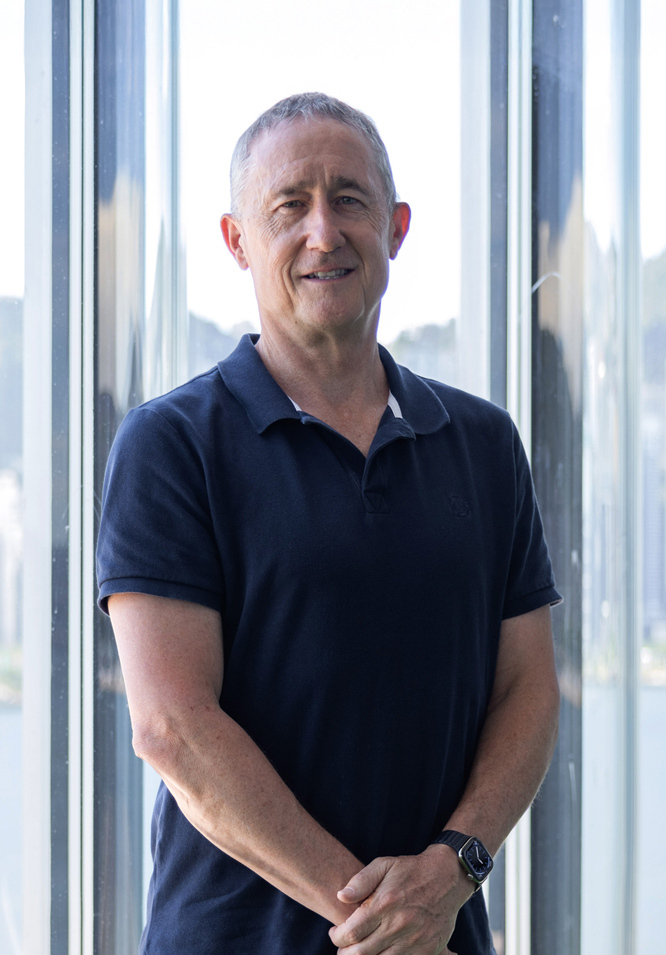
Colin Grant / PURE
Colin Grant
Founder, Re:set by Pure
Recovery is still new for many consumers, so our job is to make it safe, inspiring and accessible. We want people to enjoy it as part of their lifestyle, not just try it once, because that’s how recovery will become mainstream.
There are a number of important considerations when it comes to providing an effective and enjoyable contrast therapy experience. A range of modalities should be offered so people can combine heat, cold, compression, red light and more in a way that works for them. Fully trained staff and clear protocols are also essential to make sessions safe and purposeful.
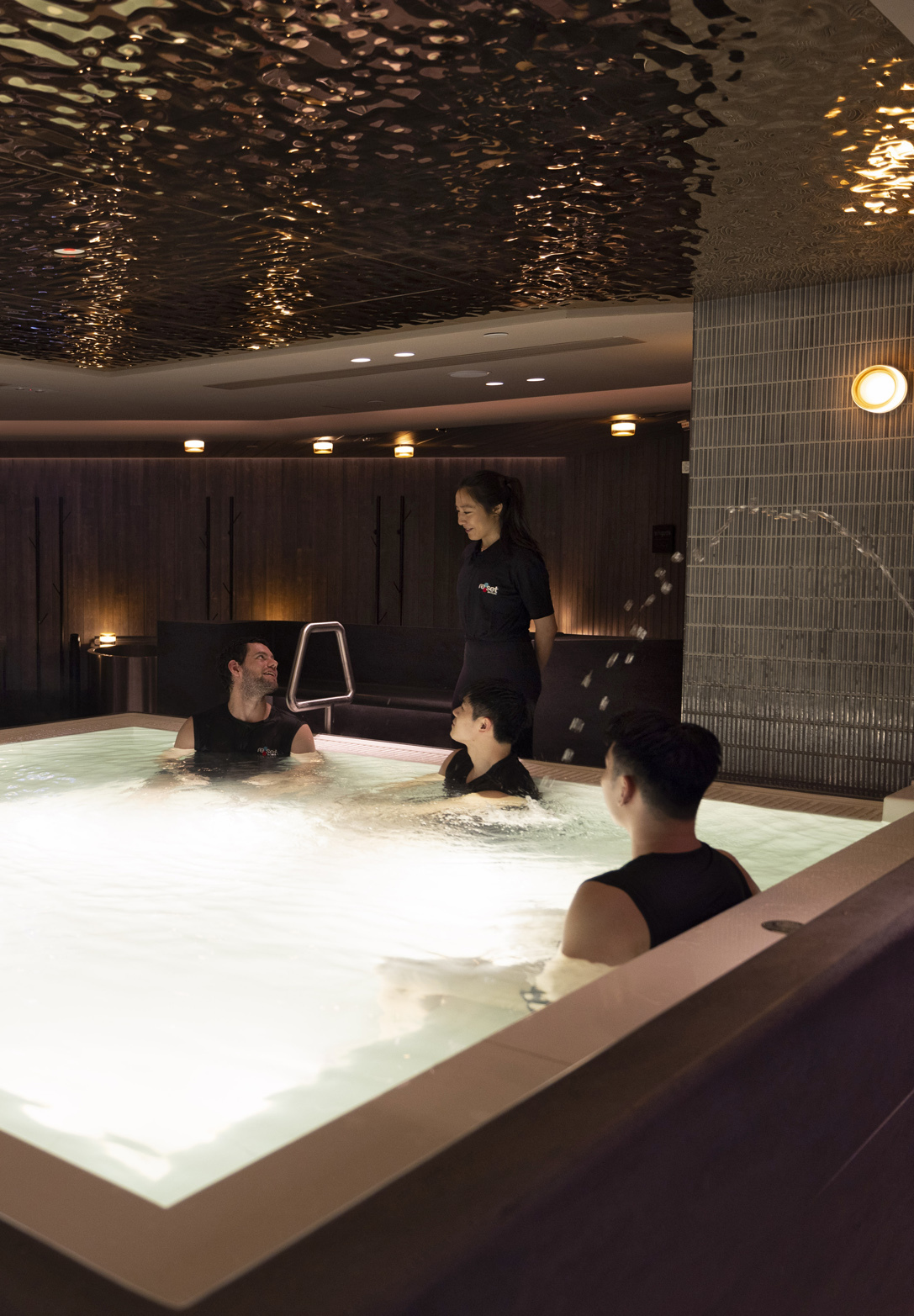
Re:set by Pure in Hong Kong offers unique progressive cold showers with four stages, plus individual cold plunges. This gives people the choice of gradual adaptation or an instant full immersion, depending on their goals and comfort level.
We use a body meter which asks questions about physical and mental health, sleep quality and nutrition to recommend protocols
Our progressive cold shower sequence has an exit after the second stage, so anyone can finish their journey in a way that’s right for their physiology. It’s about inclusion and flexibility, not one-size-fits-all.
We use a body meter which asks questions about customers’ physical and mental health, sleep quality and nutrition in order to smartly recommend which protocols they should undertake on that day to get the best results without over-stressing their body.
Every newcomer does a coached trial first before going solo. We want them to understand why each modality matters and how to combine them.
Guidance is key. Individuals get more benefit when they understand the science and the sequencing.
We also offer a selection of group Re:set classes for various needs, such as pre- and post-workout, better sleep, jet lag and evening relaxation.
Re:set by Pure in Hong Kong offers a range of contrast therapy options / PURE
Users do coached trials to get familiar with the protocols on offer / PURE
/ THIRD SPACE
Clare Walters
Mind and body master trainer, Third Space
A successful contrast therapy offering is built on safety, structure and expert guidance. Users must be made aware of any health considerations, such as cardiovascular conditions, before participating and should be advised on timing and hydration. Our instructors encourage members to listen to their bodies, pace themselves and prioritise comfort over ego.
Third Space offers two cold therapy experiences in London, UK. The Wimbledon club has a cold plunge pool within the wet spa, positioned next to the saunas. Comfortably accommodating up to eight people, it has a sociable, community-driven atmosphere.
The recovery spa at our Canary Wharf club features whole-body cryotherapy – a quick, dry and highly-controlled cold exposure. In just 2-4 minutes, the chamber surrounds the body with extremely cold, dry air (-110 °C to -140 °C), rapidly cooling the skin to trigger vasoconstriction, reduce inflammation and prompt the release of endorphins. Many find the dry cold more tolerable than water immersion, making it particularly accessible for newcomers.
To maintain hygiene, Third Space has plumbedin pools and filters the water for cold plunge
Due to factors such as body composition, hormonal cycles and circulation, women experience cold exposure differently, so it might be appropriate to start with shorter immersions or gradual entry. For cryotherapy, we adjust session times to deliver maximum benefit without unnecessary discomfort. Our staff actively monitor each participant, provide clear guidance and teach controlled breathing techniques to manage the body’s response.
Following the success of our pilot series, we launched guided sauna and cold plunge classes recently. Tailored for newcomers, these sessions provide expert coaching through two sauna rounds and at least two cold plunges. Users are introduced to breathwork to adapt to the cold, activate the parasympathetic nervous system and experience calming benefits. Instructors share insights, lead guided stretches and adjust plunge durations to suit individual comfort. Many members enjoy the community aspect, creating connection and camaraderie.
Alcohol is not recommended during or after sessions. It is dehydrating, a vasodilator and can interfere with the cardiovascular response to contrast therapy. If serving refreshments, electrolytes or decaffeinated herbal teas are preferable. For hygiene, Third Space has plumbed in all the baths and filters the water.
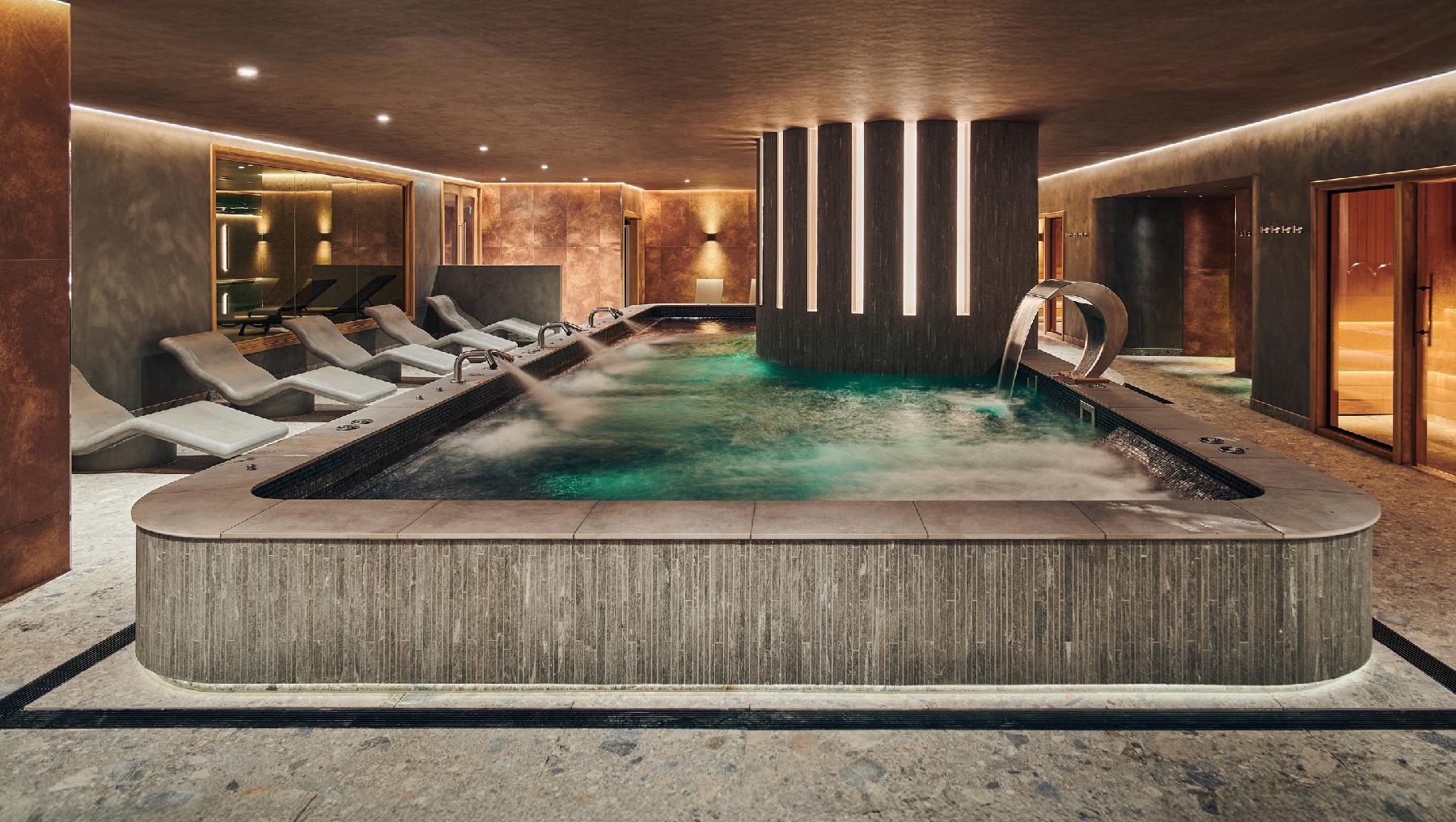
The cold plunge at Third Space is part of the hydrotherapy pool / THIRD SPACE
Read more from this issue of Spa Business magazine
View contents of Spa Business 2026 issue 1
Editor's letter: Africa rising
Too many emerging markets exploit women and the low-waged. Africa’s burgeoning wellness economy must avoid this, says Katie Barnes
Letters: SB Forum
Jeremy McCarthy says it’s time to tackle ‘standards overwhelm’, and Dr Cheri D Mah on why sleep strategy matters for operators
Spa Business People: Chunxia Gao
The head of development and wellbeing for new hospitality brand Discover Collection explains the vision
Interview: Andrew Barnard
The CEO of BodyHoliday St Lucia talks exclusively to Katie Barnes about how the business is gearing up for global growth, with a new top team, a flagship resort in Portugal and plans to launch a management company
Profile: Nick Yarnell
On the eve of opening, the GM of Six Senses London shares his insights into the brand’s first major urban property with Liz Terry
Safari spa: Wild about wellbeing
Safari lodge operator Wilderness pairs high design and thoughtful wellness at its two new sanctuaries in Rwanda and Botswana
Sponsored: Fenix Group – Optimal results
Compressive Microvibration delivered by Endospheres can support healthspan by improving the tone, circulation and structure of the tissues, explains Gianluca Cavalletti, founder and CEO of patent-holder, Fenix Group
Sponsored: The Comfort Zone Way
Denise Dente, general manager, outlines how Comfort Zone is evolving into a powerful partner for the global spa industry
In the fast-paced world of fitness and wellness, where high-intensity workouts push us to
our limits and the sweat pours, the importance of efficient recovery cannot be overstated. [more...]
As the contrast therapy trend skyrockets, how can operators
optimise existing facilities and ensure guests have an enjoyable
and effective experience, rather than feeling shamed because they
can’t tolerate freezing temperatures? Kath Hudson reports
Some women find extreme cold more stressful than men, due to their physiology / shutterstock/Michele Ursi
While contrast therapy isn’t new to the spa and wellness sector, consumer awareness about it and the rise in popularity of recovery means alternating hot and cold experiences have swiftly become a must-have.
This therapy can offer massive benefits for recovery and the nervous system, however, without instruction there’s the potential things such as cold plunge to provoke competitive behaviour and become confusing to use or even dangerous to end users – in a previous issue of Spa Business, we highlighted the potential risk of cold water immersion (www.spabusiness.com/cwi).
As most research on contrast bathing has been conducted on men, less is known about how things such as cold plunging affects women’s hormones and stress response, but it is known that they respond differently from men.
As most research on contrast bathing has been conducted on men, less is known about how women respond
Men can generate more metabolic heat through shivering and their muscle mass, meaning they can tolerate and benefit from colder, longer plunges. Women rely on vasoconstriction, cool faster at rest and find extreme cold more stressful, so often benefit less.
Stakeholders heading up the Cryotherapy Initiative of the Global Wellness Institute have just released a white paper outlining the health impact of whole-body cryotherapy experiences compares to short (3-8 minute) and long (15-minute plus) cold water immersion sessions (see www.spabusiness.com/gwi_cryotherapy).
It’s important to note that the types of heat and cold experiences available have different impacts – whether it’s a mix of cold and hot plunges, showers, steam/snow rooms or even cryotherapy.
Recent studies suggest warm water bathing could yield better health benefits than saunas (www.spabusiness.com/liquidassets), while research by the American Council of Exercise shows immersion in warm water after exercise amplifies the effect of a strength training session (see p122), so post cold plunges should be avoided if muscle growth is the aim.
Ultimately, nothing to do with contrast therapy is self-explanatory, so what are the dos and don’ts of offering a safe, effective and enjoyable experience, to ensure operators make the most of these areas and guests receive the optimum health benefits? We ask the experts...
/ Farris Bad
Lasse Eriksen
Development manager, Farris Bad
The key principle of contrast therapy is balance. It’s not about testing limits or proving toughness, but about creating harmony between heat, cold and recovery, so the body feels refreshed rather than depleted.
Preparation is essential. Guests should come well-hydrated for training and sweats – ideally two to three hours before, sipping water with electrolytes. A well-prepared body adapts more smoothly to changes in temperature and manages the intensity of the cold more effectively.
The experience itself should be kept safe, simple and supportive. Short dips in the cold, even just for a few seconds, are often enough when followed by warming and rest. Multiple rounds can be beneficial, but the focus should always be on quality over quantity. What matters most is not how long someone spends in the water, but how they feel during and afterwards. Recovery is especially important, it’s during the resting phase that the body recalibrates and the mind and body return to balance.
Time in the sauna stimulates heat shock proteins,while cold immersion can trigger short bursts of growth hormone release as the body reheats
From a physiological perspective, this rhythm of heat, cold and rest has deeper effects than just relaxation. Time in the sauna stimulates heat shock proteins, which protect cells from stress and support faster recovery. Cold immersion is known to reduce inflammation and can trigger short bursts of growth hormone release as the body reheats, as well as supporting tissue repair and resilience.
The alternation of heat and cold, therefore, acts not just as a ritual, but as a biological reset sharpening circulation, reducing soreness and helping the body adapt to future stress.
However, contrast therapy should never be turned into a competition and staff should avoid prescribing strict timings. Guests should also avoid contrast therapy when unwell. Like training, it’s most effective when the body is healthy and resilient.
Everyone’s tolerance is unique. The best approach is to provide options: offering plunge pools or showers at different temperatures, along with education that encourages guests to self-regulate. Many spas do this by creating a spectrum of experiences, from very cold plunges to softer cooling showers, so each person can find their own level.
Farris Bad is a centre of excellence for sauna practices / Farris Bad / nordsveenfoto.no
TechnoAlpin Indoor has developed the Snowsky system / TechnoAlpin / Thomas Monsorno
Product insight: Cooling with indoor snow
TechnoAlpin offers a more gentle cooling experience
Snowsky by TechnoAlpin Indoor involves soft, real snowflakes falling continuously to cool the body quickly while using little water (11 litres an hour).
Unlike some other cold solutions, the snow shower feels natural and gentle, transforming the cool-down phase into an enjoyable and multi-sensory experience.
The benefits of cooling with snow are similar to other cold therapies – from improved circulation and muscle recovery to enhanced relaxation – but being gentle makes it more accessible and appealing for a wider range of people, especially first-time users, women, or anyone who prefers a softer cold experience.
The snow shower feels natural and gentle, transforming the cool-down phase into an enjoyable, multi-sensory experience
As snow is natural it interacts with the body and creates a harmonious, biophilic experience, without the shock that can come with a cold plunge.
Snowsky can be integrated into a spa or health club, ideally after a hot experience.
/ Brass Monkey
Dan Bosomworth
CEO and founder, Brass Monkey
Personalisation matters when it comes to contrast therapy. There are physiological differences between men and women: men tend to have more muscle mass and higher heat production, while women have more insulation, temperature sensitivity and noticeable hormonal cycles.
This means how women experience the cold naturally fluctuates through the month. On some days, a gentler immersion might feel right; on others, the full cold can feel invigorating. The best experience isn’t about colder or longer, it’s about tuning in and meeting the cold in a way that serves the individual.
When starting out, going into water that’s around 7-10°C for about a minute is a great place to begin. As the body and mind adapts there can be progression to colder and longer immersions.
Multiple ice bath units give the flexibility to serve different experience levels at the same time.
As guests become more experienced in cold immersion, demand naturally shifts toward colder temperatures, but there will always be newcomers just starting their journey. The key is matching your infrastructure to your audience.
How women experience the cold fluctuates through the month … The best experience serves the individual
Intention shapes the experience of cold immersion: ‘why’ is more important than ‘how cold’ or ‘how long’. Some days are about building resilience and leaning into controlled stress; other days are about calming the system and recovery.
Cold immersion is no longer only a wellness trend. We’re working with some of the UK’s leading wellness and health and fitness operators, including David Lloyd Leisure and Village Hotels, which have integrated cold as core infrastructure rather than a nice-to-have. It drives acquisition and retention.
The operators doing it best are treating contrast therapy like any other training pillar: with intention, consistency and specialist equipment.
The temperature of cold plunge pools must be calibrated with the needs of users / Brass Monkey / colin matthews
Colin Grant / PURE
Colin Grant
Founder, Re:set by Pure
Recovery is still new for many consumers, so our job is to make it safe, inspiring and accessible. We want people to enjoy it as part of their lifestyle, not just try it once, because that’s how recovery will become mainstream.
There are a number of important considerations when it comes to providing an effective and enjoyable contrast therapy experience. A range of modalities should be offered so people can combine heat, cold, compression, red light and more in a way that works for them. Fully trained staff and clear protocols are also essential to make sessions safe and purposeful.
Re:set by Pure in Hong Kong offers unique progressive cold showers with four stages, plus individual cold plunges. This gives people the choice of gradual adaptation or an instant full immersion, depending on their goals and comfort level.
We use a body meter which asks questions about physical and mental health, sleep quality and nutrition to recommend protocols
Our progressive cold shower sequence has an exit after the second stage, so anyone can finish their journey in a way that’s right for their physiology. It’s about inclusion and flexibility, not one-size-fits-all.
We use a body meter which asks questions about customers’ physical and mental health, sleep quality and nutrition in order to smartly recommend which protocols they should undertake on that day to get the best results without over-stressing their body.
Every newcomer does a coached trial first before going solo. We want them to understand why each modality matters and how to combine them.
Guidance is key. Individuals get more benefit when they understand the science and the sequencing.
We also offer a selection of group Re:set classes for various needs, such as pre- and post-workout, better sleep, jet lag and evening relaxation.
Re:set by Pure in Hong Kong offers a range of contrast therapy options / PURE
Users do coached trials to get familiar with the protocols on offer / PURE
/ THIRD SPACE
Clare Walters
Mind and body master trainer, Third Space
A successful contrast therapy offering is built on safety, structure and expert guidance. Users must be made aware of any health considerations, such as cardiovascular conditions, before participating and should be advised on timing and hydration. Our instructors encourage members to listen to their bodies, pace themselves and prioritise comfort over ego.
Third Space offers two cold therapy experiences in London, UK. The Wimbledon club has a cold plunge pool within the wet spa, positioned next to the saunas. Comfortably accommodating up to eight people, it has a sociable, community-driven atmosphere.
The recovery spa at our Canary Wharf club features whole-body cryotherapy – a quick, dry and highly-controlled cold exposure. In just 2-4 minutes, the chamber surrounds the body with extremely cold, dry air (-110 °C to -140 °C), rapidly cooling the skin to trigger vasoconstriction, reduce inflammation and prompt the release of endorphins. Many find the dry cold more tolerable than water immersion, making it particularly accessible for newcomers.
To maintain hygiene, Third Space has plumbedin pools and filters the water for cold plunge
Due to factors such as body composition, hormonal cycles and circulation, women experience cold exposure differently, so it might be appropriate to start with shorter immersions or gradual entry. For cryotherapy, we adjust session times to deliver maximum benefit without unnecessary discomfort. Our staff actively monitor each participant, provide clear guidance and teach controlled breathing techniques to manage the body’s response.
Following the success of our pilot series, we launched guided sauna and cold plunge classes recently. Tailored for newcomers, these sessions provide expert coaching through two sauna rounds and at least two cold plunges. Users are introduced to breathwork to adapt to the cold, activate the parasympathetic nervous system and experience calming benefits. Instructors share insights, lead guided stretches and adjust plunge durations to suit individual comfort. Many members enjoy the community aspect, creating connection and camaraderie.
Alcohol is not recommended during or after sessions. It is dehydrating, a vasodilator and can interfere with the cardiovascular response to contrast therapy. If serving refreshments, electrolytes or decaffeinated herbal teas are preferable. For hygiene, Third Space has plumbed in all the baths and filters the water.
The cold plunge at Third Space is part of the hydrotherapy pool / THIRD SPACE
Read more from this issue of Spa Business magazine
View contents of Spa Business 2026 issue 1
Editor's letter: Africa rising
Too many emerging markets exploit women and the low-waged. Africa’s burgeoning wellness economy must avoid this, says Katie Barnes
Letters: SB Forum
Jeremy McCarthy says it’s time to tackle ‘standards overwhelm’, and Dr Cheri D Mah on why sleep strategy matters for operators
Spa Business People: Chunxia Gao
The head of development and wellbeing for new hospitality brand Discover Collection explains the vision
Interview: Andrew Barnard
The CEO of BodyHoliday St Lucia talks exclusively to Katie Barnes about how the business is gearing up for global growth, with a new top team, a flagship resort in Portugal and plans to launch a management company
Profile: Nick Yarnell
On the eve of opening, the GM of Six Senses London shares his insights into the brand’s first major urban property with Liz Terry
Safari spa: Wild about wellbeing
Safari lodge operator Wilderness pairs high design and thoughtful wellness at its two new sanctuaries in Rwanda and Botswana
Sponsored: Fenix Group – Optimal results
Compressive Microvibration delivered by Endospheres can support healthspan by improving the tone, circulation and structure of the tissues, explains Gianluca Cavalletti, founder and CEO of patent-holder, Fenix Group
Sponsored: The Comfort Zone Way
Denise Dente, general manager, outlines how Comfort Zone is evolving into a powerful partner for the global spa industry
Aditya Saluja, an industry leader in luxury wellness hospitality, has been
appointed as
commercial director of spa and wellness for the spa management division of
Minor Hotels,
MSpa International.
Preidlhof Luxury DolceVita Resort, a destination resort and spa in Naturno, South Tyrol in Italy,
will reveal a new spa in February 2027, which has been designed by wellness expert and
consultant Patrizia Bortolin.
Virgin Active has officially opened its redesigned Mayfair club, unveiling its latest Social Wellness Club and
signalling a significant evolution of its proposition.
Private hotel owner and developer HVL Hotels will open a new luxury resort and tourism
destination called Laval Hunter Valley in the second half of 2027 in Pokolbin, Australia.
The annual wellness festival dedicated to wellbeing, culture, longevity and human connection,
called Alma, will be hosted by Rocco Forte hotel, Verdura Resort in Sicily, Italy.
Capella Hotel Group has appointed Feisal Jaffer as chief development officer as the company
ramps up its global expansion of both its Capella and Patina brands.
In the fast-paced world of fitness and wellness, where high-intensity workouts push us to
our limits and the sweat pours, the importance of efficient recovery cannot be overstated. [more...]