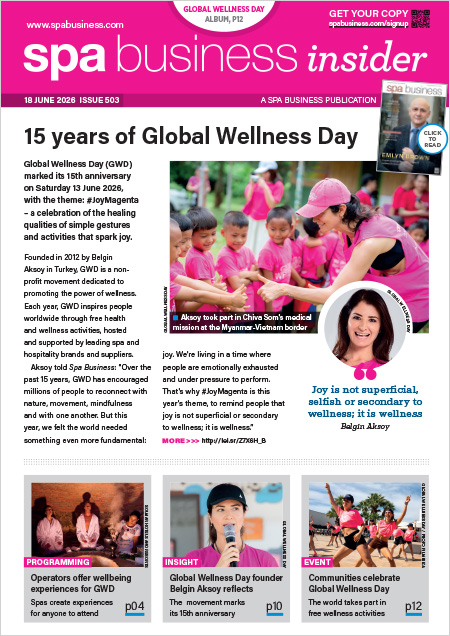
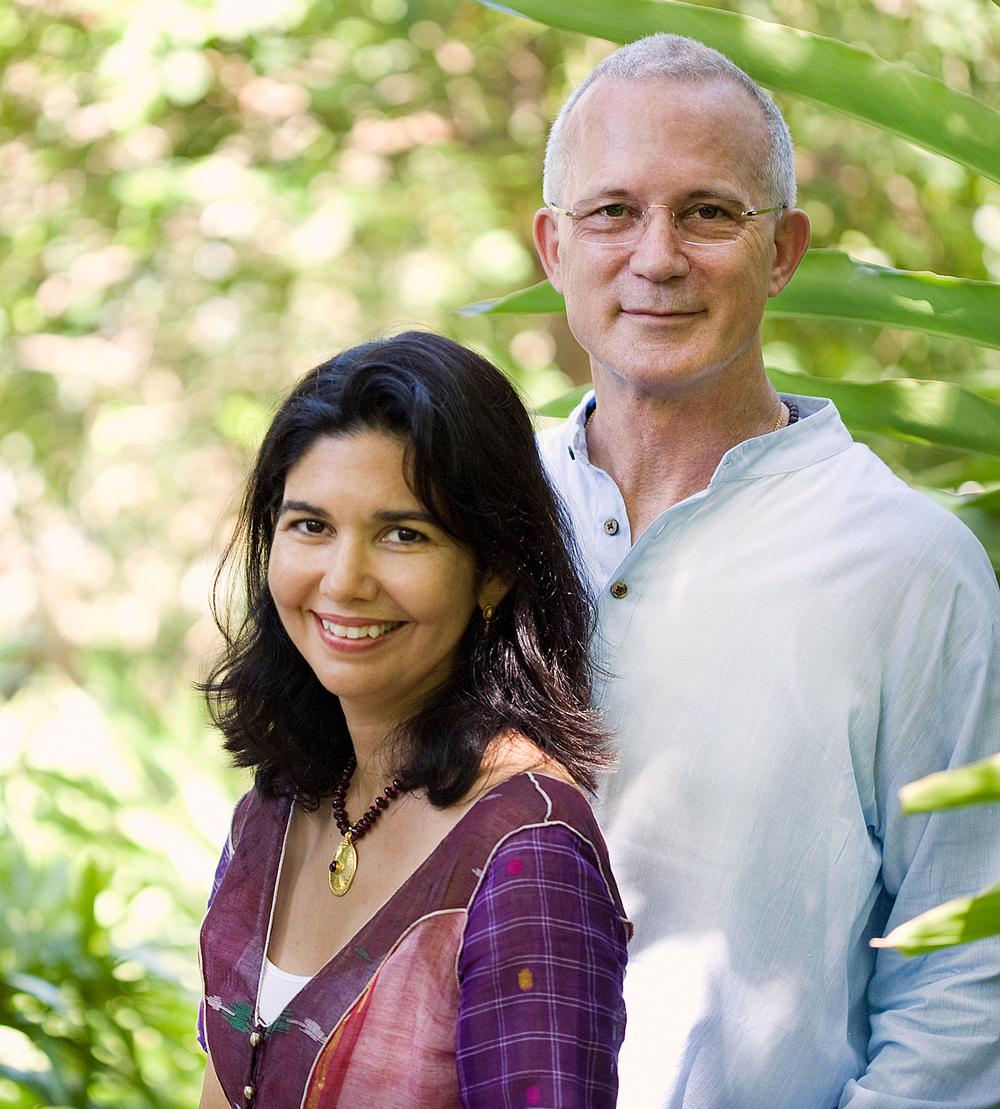
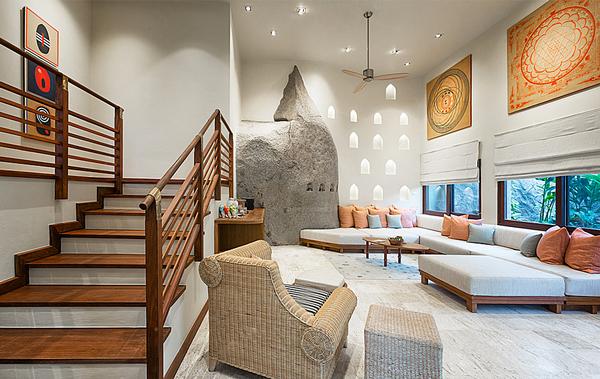
Guests routinely speak of transformation following their Kamalaya experience. Neena Dhillon asks the inspirational couple behind the wellness concept just how they do it and how they’re evolving it
By Neena Dhillon | Published in Spa Business 2019 issue 2
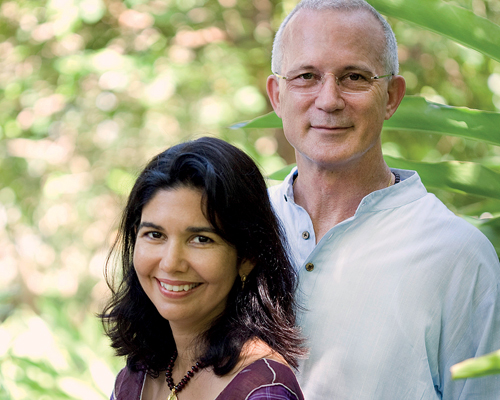
The couple strive to help people physically, emotionally and spiritually
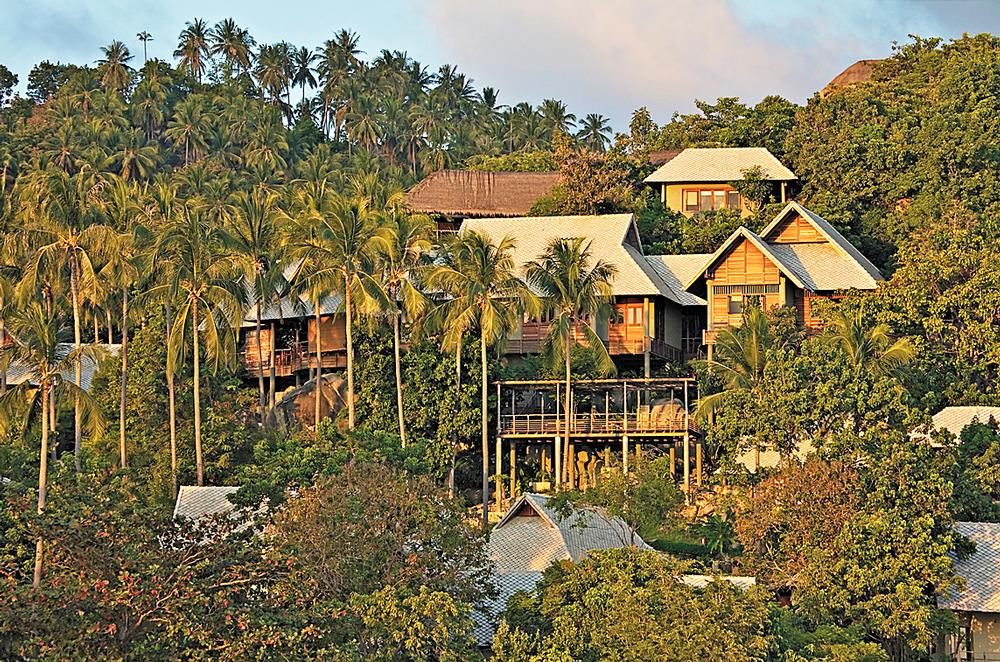
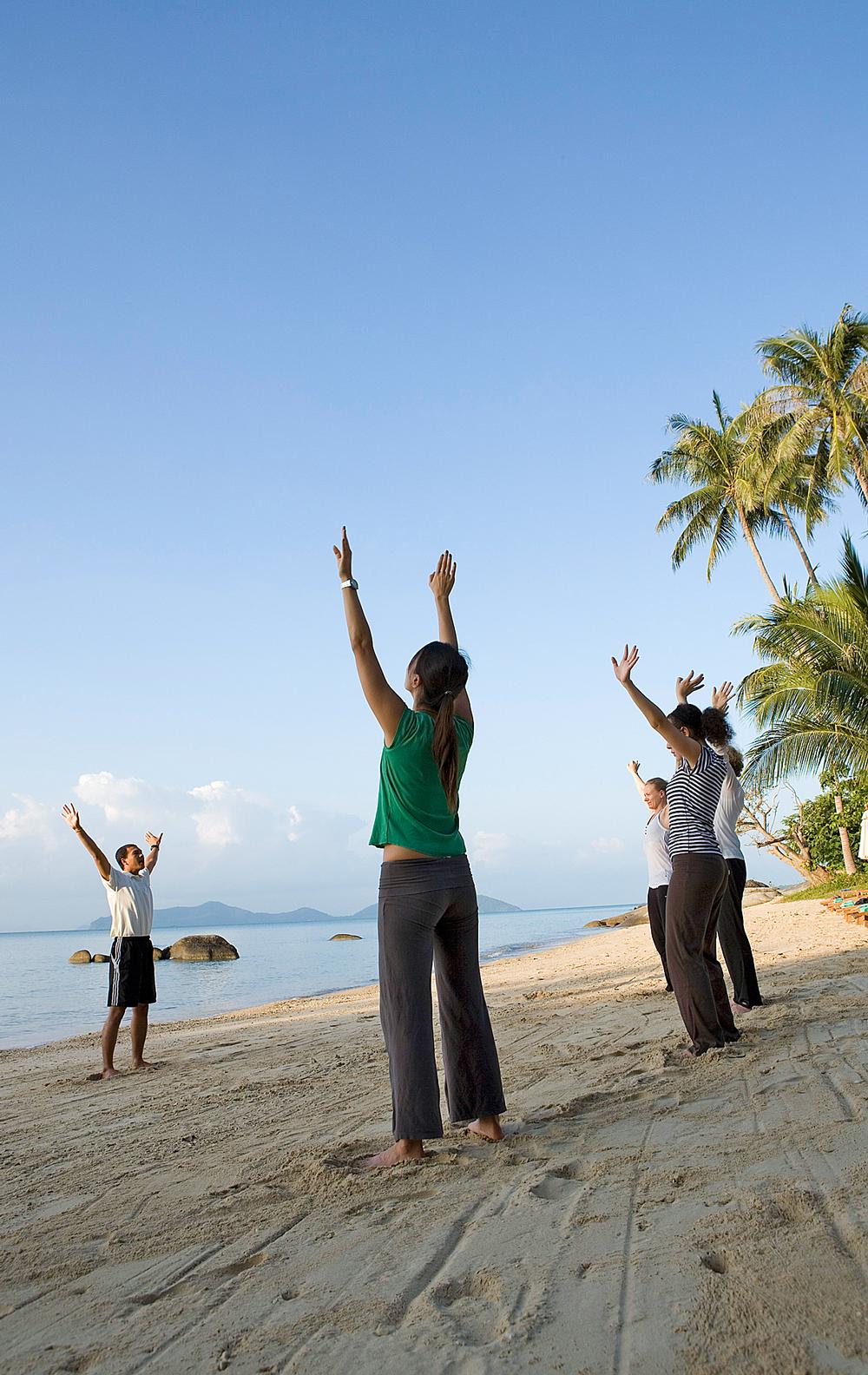
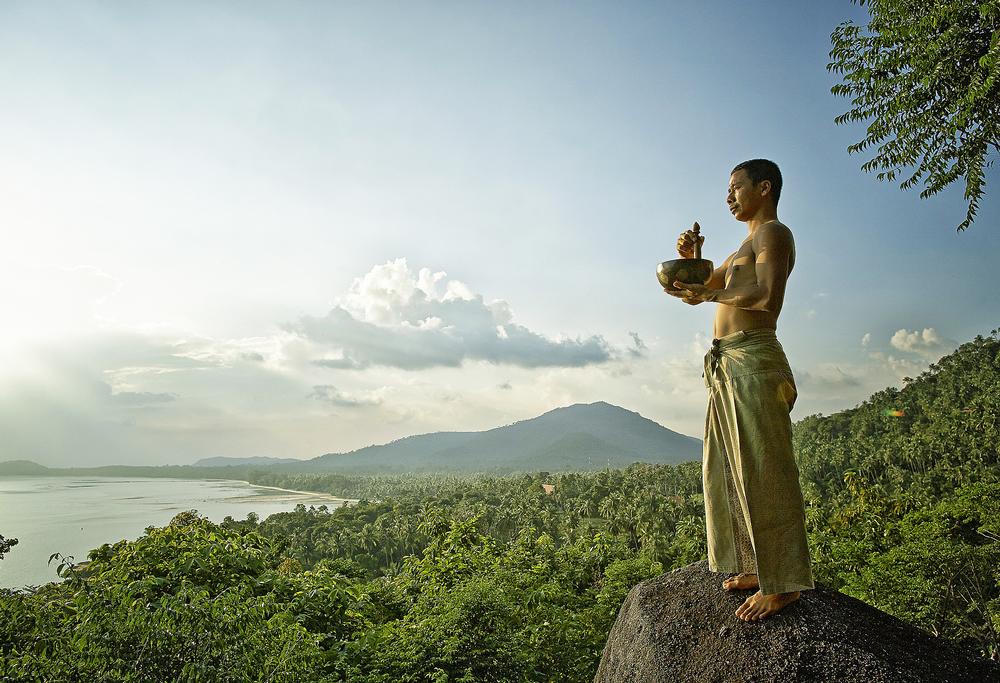
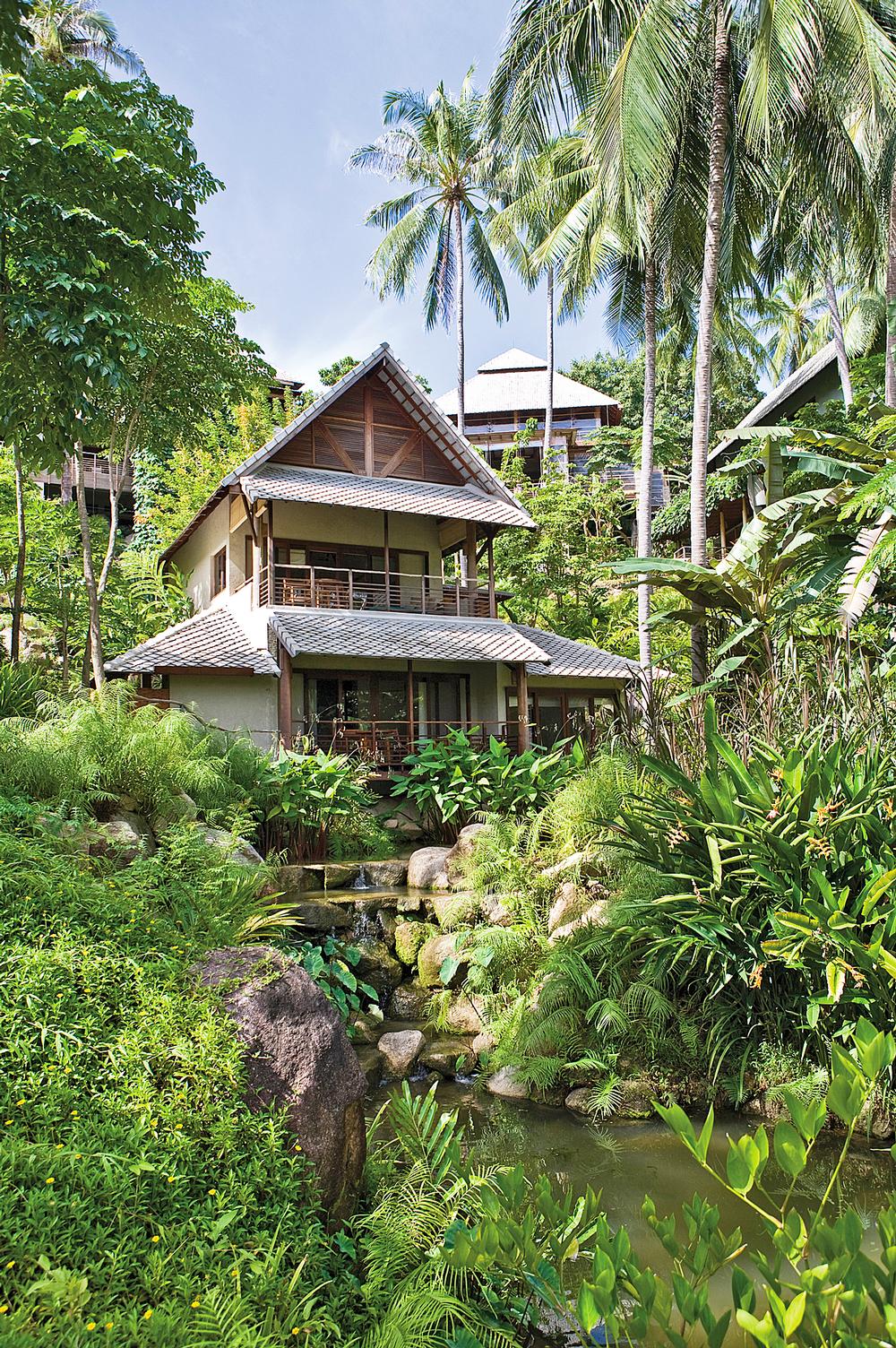
Embarking on its 14th year of operations, Kamalaya has just added two more spa accolades to its clutch of 40 industry and consumer awards, an achievement that founders John and Karina Stewart put down to the vision, love and commitment of their team. And what a team it is. There are 350 staff serving guests of the 76-key holistic wellness sanctuary, which cascades down a hillside to a secluded bay in Koh Samui, Thailand. Average year-round occupancy stands at 70 per cent, and 50 per cent of guests travel solo. They come in big numbers from the UK and Europe, while visitors from Australia and New Zealand have increased by 20 per cent since 2015.
A number of guests are stressed out, depleted in terms of energy, others are seeking to change things, break bad habits, or simply reset lifestyles. And that’s why they choose Kamalaya. Because its synergistic approach to wellness aims to make a real difference to people’s lives by reconnecting them with their own potential. “Today, many of our guests express a life-changing experience,” confirms John. “Our comment cards show consistent rating levels of above 90 per cent in terms of service. We have a 40 per cent repeat visitor rate and over 20 per cent have visited more than four times, often returning with family and friends.”
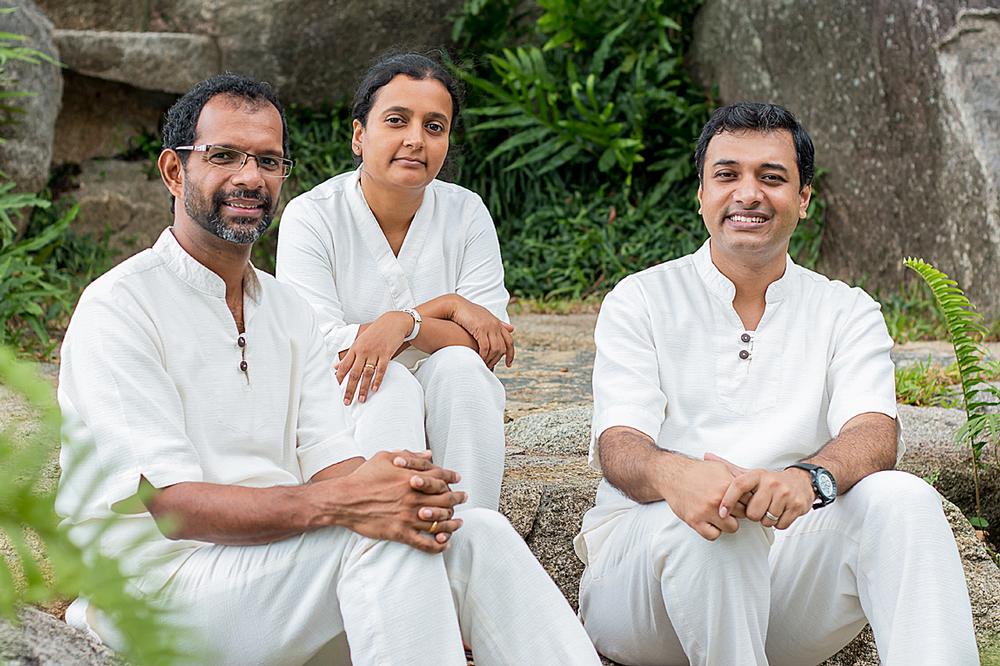
Addressing stress At the crux of the concept is the intertwining of the couple’s knowledge of ancient wisdoms, expressed in a contemporary form. For Mexico-born Karina, this is a 37-year specialism in Asian healing traditions, including a masters degree in Acupuncture and Traditional Chinese Medicine (TCM) gained from Yo San University in California. John in turn – who left his native Vancouver aged 16 because of his interest in Asian philosophy – has 25 years’ experience of serving communities in the Himalayas, 16 of these under the tutelage of a yogi master.
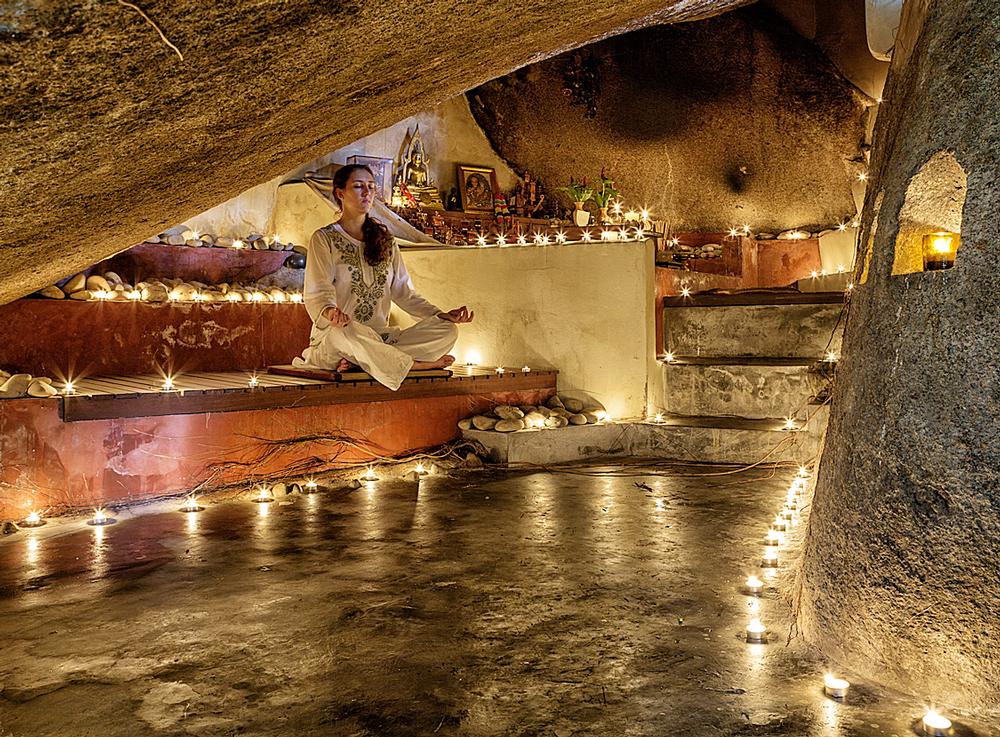
The couple have a shared dream to help people through physical, emotional, mental, psychological and spiritual wellbeing. And it was during his own recovery from a life-threatening illness that John chanced upon the land on which the Thai sanctuary thrives today, finding himself drawn to the site because there’s a cave at its heart, used by Buddhist monks for meditation and retreat for over 300 years.
Kamalaya took four years from its launch in 2005 (see SB06/3 p82) to break even. Since those early years, the number of wellness programmes has increased from four to 14, with length of stay from a minimum three nights to two weeks. The start price for a three-night programme is just under THB60,000 (US$1,879, €1,676, £1,445). Detox remains popular because Kamalaya is well versed in supporting people through the process, drawing on its pool of TCM and naturopathic expertise. But it’s been superseded by programmes addressing stress and burnout.
“Whether it’s executives, creative professionals with no life-work boundaries, or mothers juggling children and career, we’re finding so many people are struggling with the 24-hour plugged-in lifestyle,” notes Karina. “Most people are already engaged in a search for wellness when they arrive but we find they’re coming at a younger age compared to when we first opened, on average about five years, today in their early 40s.”
A focus on inner lives Always ahead of the curve, Kamalaya introduced the first of its programmes catering to emotional disposition and balance five years ago. The five-night tailored retreat includes bioimpedance analysis, wellness consultation, personal mentoring and five additional treatments from Kamalaya’s menu of 70-plus therapies (see above). “Life is a series of changes, be that a move, relationship break-up, loss or unknown we’re facing,” Karina says. “We realised we could inspire and motivate people through these changes, disrupting negative psychological patterns and habitual responses to challenging situations. Kamalaya is a safe environment with the practitioners in place to deliver this programme. Of course, you have to ensure your team has the depth of training to do this mentoring work – I’ve recently interviewed a team member with doctoral specialism in CBT and psychology, for instance.”
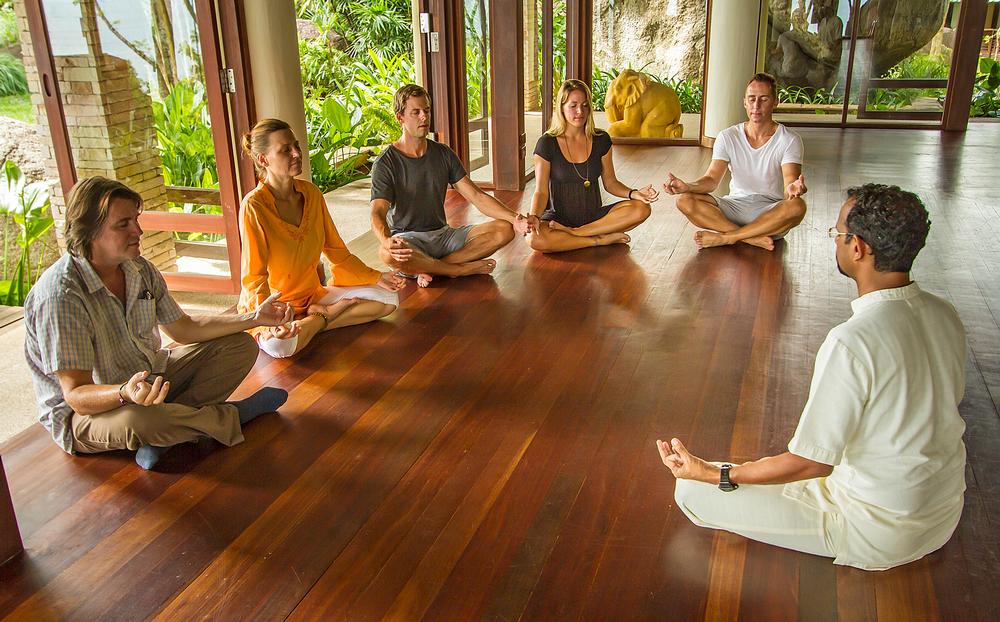
As a destination embedded in nature, with a village atmosphere, and infused with a genuine, caring, non-scripted service philosophy, Kamalaya has the attributes to help people alleviate other causes of mental distress such as loneliness. On one level, the community table at dinnertime has proved a hit among guests seeking company over a meal to share encounters of the day and insights into what they’re going through. It is the noisiest part of the restaurant – and lasting friendships have been formed at Kamalaya. On another level, the profound meditative practices that can be learnt here as well as the holistic scope of programmes means that guests leave feeling more fulfilled, often by resetting the relationship with themselves. Karina observes: “When you feel content and gratified, there’s no space left for loneliness.” John picks up: “The act of pausing and disconnecting, coupled with an intention to harness our own emotional intelligence and resilience, leads naturally to greater mental stability.”
Beyond Koh Samui While there are no plans to launch new programmes at present, Karina is interested in how Kamalaya could support lifestyles that advance healthy ageing. She’s aware of how stress can age us prematurely on a biological level, having experienced this in her late 40s. “I took medical tests during this period and was devastated by what stress had done to my body,” she reveals.
Another idea she’s exploring is whether the health benefits of fitness and movement activities can be maximised by doing them at prescribed times of the day. She’s equally motivated by the subject of women’s health and fertility but is aware it’s a complex field, which requires lots of follow-up support, and debates whether a tropical island is the best environment to deliver on this. Similarly, she sees a need to address the concerns of an elderly clientele aged 65-plus, but thinks Koh Samui lacks the necessary back-up medical facilities.
Finally, it’s the million-dollar question: will there be other Kamalayas since the original is at full capacity? “If the right project came along, with the right synergy, we wouldn’t say no,” Karina concludes. “But we love what we’re doing and don’t feel we need multiple sites. Kamalaya can’t be forced – growth has to be natural.”
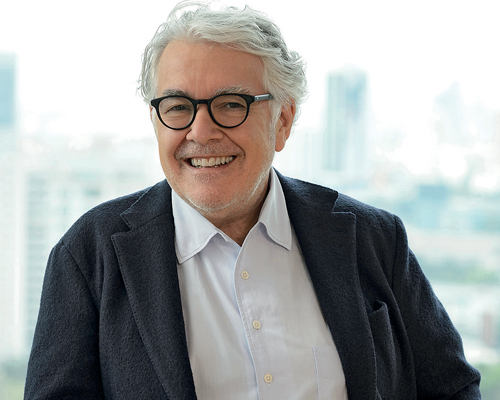
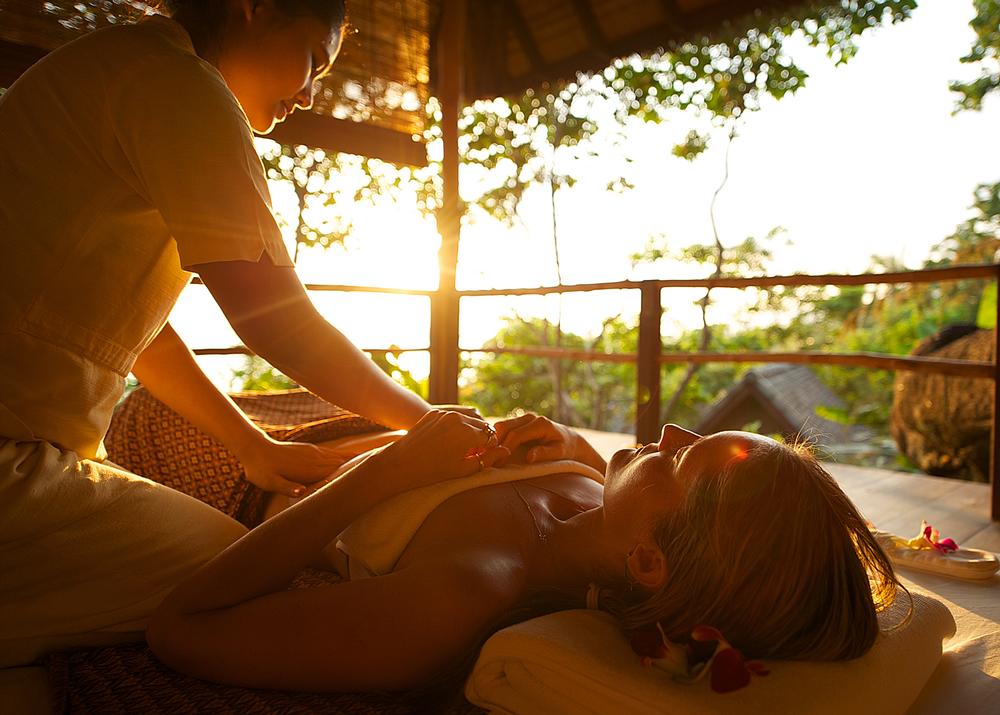
Having recently gone through an emotionally turbulent period in my life, I was intrigued by Kamalaya’s Embracing Change programme. Since it is designed as a minimum five-night programme, it’s worth noting I gained only a brief insight over a long weekend. Any stay begins with bioimpedance analysis and a wellness consultation with a naturopath. Sitting with Leila for 45 minutes, I’m struck by how she’s balancing my reasons for visiting – yes, as a journalist, but also as a person with a lung condition and life changes to grapple with – into the way I spend my time. Warm and reassuring, she suggests two treatments to complement my 90-minute personal mentoring session. Within an hour, I’m having an abdominal chi nei tsang massage, one of the several treatments included in the five-night package, during which the therapist works on my stomach to balance the nervous system and release emotional tension. It’s an effective 60 minutes – in Taoist thinking, as with other ancient healing modalities, the gut is considered the second brain. After a satisfying dinner, selected from the detox menu, I’m whacked and sleep early.
"I feel fearful of letting go at one point but Sujay is beside me with kind words of encouragement"
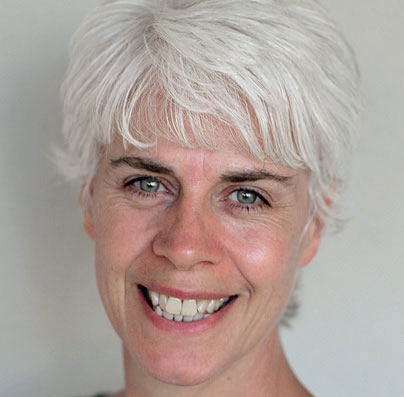
Next morning I’m up with the birds to drop into one of the day’s six free holistic activities. Pranayama gives an introduction into how we can harness our breath as a grounding tool and we’re shown how to work the practice into our daily routines. Then I’m off to my mentoring session with Sujay Seshadri, a life skills trainer and monastic lifestyle devotee. I’m soon comfortable enough to talk about two personal upheavals that have thrown me a curve ball and, in return, Sujay shares key moments from his formative years when turned unpleasant emotions into a positive. During our 90 minutes, I can see Sujay is laying the groundwork for a visualisation in which he asks me to picture certain encounters, aided by meditative breathing, and vent pent-up emotions I’ve been needing to release. I cry hot, angry tears, but I’m not embarrassed. I feel fearful of letting go at one point but Sujay is beside me with kind words of encouragement. He seems to instinctively understand my feelings, while making a connection between my tendency to suppress how I feel and my physical condition. During the visualisation, my breathing becomes momentarily clogged, making the link all the more clearer in my mind. After a heartfelt hug, I leave feeling a bit wobbly, reflective and resolved to break some of my coping habits.
Truth be told, I feel introspective for the rest of my stay but the mix of the environment and care of the hosts helps me to process what I’ve learnt. Sujay explains that clients can spend the first session simply crying because they finally feel safe enough to do so. This seems unique to Kamalaya; the trust I am able to build almost immediately with my mentors. I can see why, over a longer period, another two sessions would lead to deep transformation. Still, Leila’s instinct that I end my stay with an ayurvedic kati vasti oil-based massage on the lower back feels right, and I’m not surprised to learn that, in TCM, this area of the body relates to imbalances caused by not feeling supported in life. It is another insightful step in my Kamalaya journey.
Read more from this issue of Spa Business magazine
Promotional feature: Lemi - Italian Touch
From humble beginnings in a small Italian village, Lemi has grown a hugely successful global business in the massage bed market. As it celebrates its 30th anniversary year, we talk to GM Matteo Brusaferri
Spa Programmes: On the menu
Olivia Newton-John skincare, Sounds of Africa and jet lag butlers feature in our programming series
Interview: Dale Hipsh
The senior VP of hotels at Hard Rock International tells Katie Barnes why its music-centric spa menu is striking the right chord with consumers and the media
Promotional feature: ISPA
After almost three decades serving members and contributing to the growth of the industry, we talk to ISPA’s Crystal Ducker about the work of the association and the future of spa
Spa Design: Jungle VIP
Kim Megson ventures deep into Mexico’s jungle to discover how two Chablé resorts with Mayan spas are aiming to redefine wellness
Interview: John & Karina Stewart
The inspirational couple behind Kamalaya in Thailand talk to Neena Dhillon about emotional therapies, why stress-busting is the new detox and how they’re evolving the concept
Promotional feature: Gharieni - Luxury Recognition
Gharieni has long been known as an industry innovator. Now, Forbes Travel Guide has named the company as its official Spa & Wellness Equipment Manufacturer. Sammy Gharieni tells us more
Promotional feature: Comfort Zone - Beauty Reloaded
Skincare brand Comfort Zone has partnered with Wellness for Cancer to create a new programme of spa treatments for people touched by cancer. Barbara Gavazzoli tells us more
Family spa: Multi-story
With the rise in multi-generational tourism, family spas are growing in popularity. Jane Kitchen reports
Software: Training & education
From bespoke training programmes to 24/7 support teams and company super-users, how are software suppliers helping spas get the most out of their systems?
Forty per cent of guests revisit Kamalaya, a retreat which aims to make a real difference by reconnecting people with their own potential
It’s evident that guests are now coming at a younger age, in their early 40s
There are 350 staff who play a crucial role in helping guests feel ‘safe’ in their transformational journey
A meditation cave that’s been used by monks for 300 years sits at the heart of the retreat
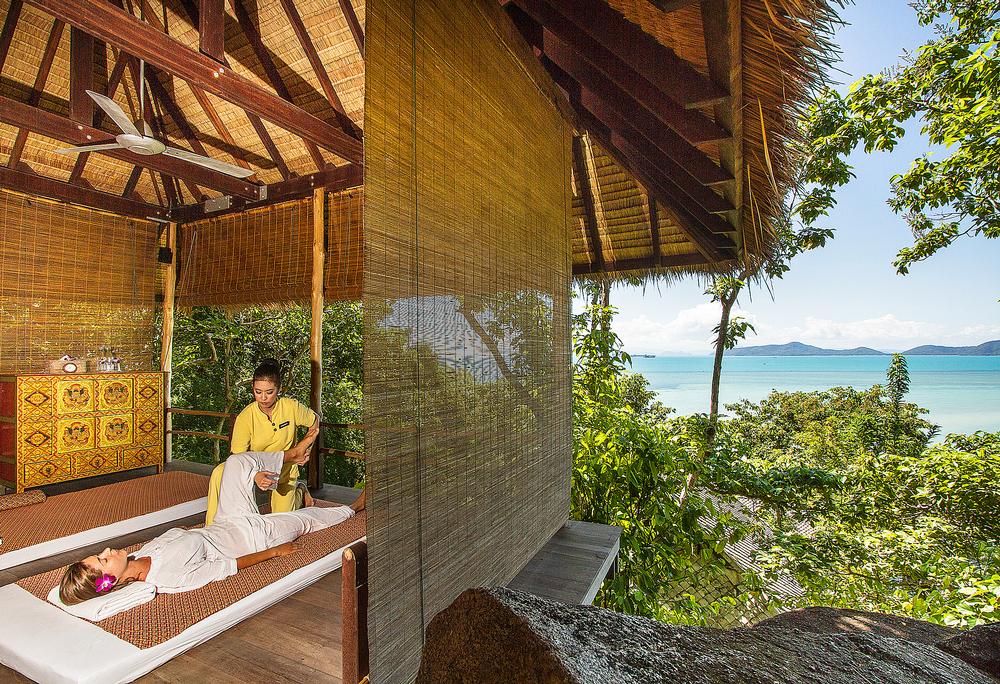
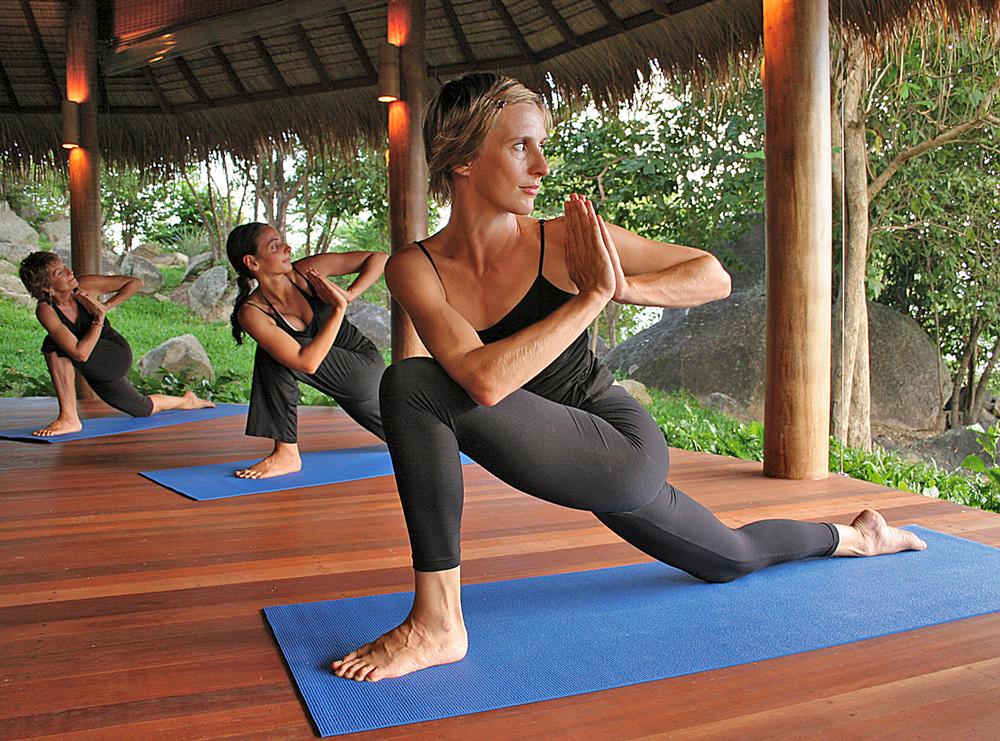
Kamalaya has a menu of 70-plus therapies, including chi nei tsang
Embedded in nature and infused with genuine, caring staff, Kamalaya has all the attributes to alleviate other causes of mental stress such as loneliness
Guests routinely speak of transformation following their Kamalaya experience. Neena Dhillon asks the inspirational couple behind the wellness concept just how they do it and how they’re evolving it
By Neena Dhillon | Published in Spa Business 2019 issue 2
The couple strive to help people physically, emotionally and spiritually
Embarking on its 14th year of operations, Kamalaya has just added two more spa accolades to its clutch of 40 industry and consumer awards, an achievement that founders John and Karina Stewart put down to the vision, love and commitment of their team. And what a team it is. There are 350 staff serving guests of the 76-key holistic wellness sanctuary, which cascades down a hillside to a secluded bay in Koh Samui, Thailand. Average year-round occupancy stands at 70 per cent, and 50 per cent of guests travel solo. They come in big numbers from the UK and Europe, while visitors from Australia and New Zealand have increased by 20 per cent since 2015.
A number of guests are stressed out, depleted in terms of energy, others are seeking to change things, break bad habits, or simply reset lifestyles. And that’s why they choose Kamalaya. Because its synergistic approach to wellness aims to make a real difference to people’s lives by reconnecting them with their own potential. “Today, many of our guests express a life-changing experience,” confirms John. “Our comment cards show consistent rating levels of above 90 per cent in terms of service. We have a 40 per cent repeat visitor rate and over 20 per cent have visited more than four times, often returning with family and friends.”
Addressing stress At the crux of the concept is the intertwining of the couple’s knowledge of ancient wisdoms, expressed in a contemporary form. For Mexico-born Karina, this is a 37-year specialism in Asian healing traditions, including a masters degree in Acupuncture and Traditional Chinese Medicine (TCM) gained from Yo San University in California. John in turn – who left his native Vancouver aged 16 because of his interest in Asian philosophy – has 25 years’ experience of serving communities in the Himalayas, 16 of these under the tutelage of a yogi master.
The couple have a shared dream to help people through physical, emotional, mental, psychological and spiritual wellbeing. And it was during his own recovery from a life-threatening illness that John chanced upon the land on which the Thai sanctuary thrives today, finding himself drawn to the site because there’s a cave at its heart, used by Buddhist monks for meditation and retreat for over 300 years.
Kamalaya took four years from its launch in 2005 (see SB06/3 p82) to break even. Since those early years, the number of wellness programmes has increased from four to 14, with length of stay from a minimum three nights to two weeks. The start price for a three-night programme is just under THB60,000 (US$1,879, €1,676, £1,445). Detox remains popular because Kamalaya is well versed in supporting people through the process, drawing on its pool of TCM and naturopathic expertise. But it’s been superseded by programmes addressing stress and burnout.
“Whether it’s executives, creative professionals with no life-work boundaries, or mothers juggling children and career, we’re finding so many people are struggling with the 24-hour plugged-in lifestyle,” notes Karina. “Most people are already engaged in a search for wellness when they arrive but we find they’re coming at a younger age compared to when we first opened, on average about five years, today in their early 40s.”
A focus on inner lives Always ahead of the curve, Kamalaya introduced the first of its programmes catering to emotional disposition and balance five years ago. The five-night tailored retreat includes bioimpedance analysis, wellness consultation, personal mentoring and five additional treatments from Kamalaya’s menu of 70-plus therapies (see above). “Life is a series of changes, be that a move, relationship break-up, loss or unknown we’re facing,” Karina says. “We realised we could inspire and motivate people through these changes, disrupting negative psychological patterns and habitual responses to challenging situations. Kamalaya is a safe environment with the practitioners in place to deliver this programme. Of course, you have to ensure your team has the depth of training to do this mentoring work – I’ve recently interviewed a team member with doctoral specialism in CBT and psychology, for instance.”
As a destination embedded in nature, with a village atmosphere, and infused with a genuine, caring, non-scripted service philosophy, Kamalaya has the attributes to help people alleviate other causes of mental distress such as loneliness. On one level, the community table at dinnertime has proved a hit among guests seeking company over a meal to share encounters of the day and insights into what they’re going through. It is the noisiest part of the restaurant – and lasting friendships have been formed at Kamalaya. On another level, the profound meditative practices that can be learnt here as well as the holistic scope of programmes means that guests leave feeling more fulfilled, often by resetting the relationship with themselves. Karina observes: “When you feel content and gratified, there’s no space left for loneliness.” John picks up: “The act of pausing and disconnecting, coupled with an intention to harness our own emotional intelligence and resilience, leads naturally to greater mental stability.”
Beyond Koh Samui While there are no plans to launch new programmes at present, Karina is interested in how Kamalaya could support lifestyles that advance healthy ageing. She’s aware of how stress can age us prematurely on a biological level, having experienced this in her late 40s. “I took medical tests during this period and was devastated by what stress had done to my body,” she reveals.
Another idea she’s exploring is whether the health benefits of fitness and movement activities can be maximised by doing them at prescribed times of the day. She’s equally motivated by the subject of women’s health and fertility but is aware it’s a complex field, which requires lots of follow-up support, and debates whether a tropical island is the best environment to deliver on this. Similarly, she sees a need to address the concerns of an elderly clientele aged 65-plus, but thinks Koh Samui lacks the necessary back-up medical facilities.
Finally, it’s the million-dollar question: will there be other Kamalayas since the original is at full capacity? “If the right project came along, with the right synergy, we wouldn’t say no,” Karina concludes. “But we love what we’re doing and don’t feel we need multiple sites. Kamalaya can’t be forced – growth has to be natural.”
Having recently gone through an emotionally turbulent period in my life, I was intrigued by Kamalaya’s Embracing Change programme. Since it is designed as a minimum five-night programme, it’s worth noting I gained only a brief insight over a long weekend. Any stay begins with bioimpedance analysis and a wellness consultation with a naturopath. Sitting with Leila for 45 minutes, I’m struck by how she’s balancing my reasons for visiting – yes, as a journalist, but also as a person with a lung condition and life changes to grapple with – into the way I spend my time. Warm and reassuring, she suggests two treatments to complement my 90-minute personal mentoring session. Within an hour, I’m having an abdominal chi nei tsang massage, one of the several treatments included in the five-night package, during which the therapist works on my stomach to balance the nervous system and release emotional tension. It’s an effective 60 minutes – in Taoist thinking, as with other ancient healing modalities, the gut is considered the second brain. After a satisfying dinner, selected from the detox menu, I’m whacked and sleep early.
"I feel fearful of letting go at one point but Sujay is beside me with kind words of encouragement"
Next morning I’m up with the birds to drop into one of the day’s six free holistic activities. Pranayama gives an introduction into how we can harness our breath as a grounding tool and we’re shown how to work the practice into our daily routines. Then I’m off to my mentoring session with Sujay Seshadri, a life skills trainer and monastic lifestyle devotee. I’m soon comfortable enough to talk about two personal upheavals that have thrown me a curve ball and, in return, Sujay shares key moments from his formative years when turned unpleasant emotions into a positive. During our 90 minutes, I can see Sujay is laying the groundwork for a visualisation in which he asks me to picture certain encounters, aided by meditative breathing, and vent pent-up emotions I’ve been needing to release. I cry hot, angry tears, but I’m not embarrassed. I feel fearful of letting go at one point but Sujay is beside me with kind words of encouragement. He seems to instinctively understand my feelings, while making a connection between my tendency to suppress how I feel and my physical condition. During the visualisation, my breathing becomes momentarily clogged, making the link all the more clearer in my mind. After a heartfelt hug, I leave feeling a bit wobbly, reflective and resolved to break some of my coping habits.
Truth be told, I feel introspective for the rest of my stay but the mix of the environment and care of the hosts helps me to process what I’ve learnt. Sujay explains that clients can spend the first session simply crying because they finally feel safe enough to do so. This seems unique to Kamalaya; the trust I am able to build almost immediately with my mentors. I can see why, over a longer period, another two sessions would lead to deep transformation. Still, Leila’s instinct that I end my stay with an ayurvedic kati vasti oil-based massage on the lower back feels right, and I’m not surprised to learn that, in TCM, this area of the body relates to imbalances caused by not feeling supported in life. It is another insightful step in my Kamalaya journey.
Read more from this issue of Spa Business magazine
Promotional feature: Lemi - Italian Touch
From humble beginnings in a small Italian village, Lemi has grown a hugely successful global business in the massage bed market. As it celebrates its 30th anniversary year, we talk to GM Matteo Brusaferri
Spa Programmes: On the menu
Olivia Newton-John skincare, Sounds of Africa and jet lag butlers feature in our programming series
Interview: Dale Hipsh
The senior VP of hotels at Hard Rock International tells Katie Barnes why its music-centric spa menu is striking the right chord with consumers and the media
Promotional feature: ISPA
After almost three decades serving members and contributing to the growth of the industry, we talk to ISPA’s Crystal Ducker about the work of the association and the future of spa
Spa Design: Jungle VIP
Kim Megson ventures deep into Mexico’s jungle to discover how two Chablé resorts with Mayan spas are aiming to redefine wellness
Interview: John & Karina Stewart
The inspirational couple behind Kamalaya in Thailand talk to Neena Dhillon about emotional therapies, why stress-busting is the new detox and how they’re evolving the concept
Promotional feature: Gharieni - Luxury Recognition
Gharieni has long been known as an industry innovator. Now, Forbes Travel Guide has named the company as its official Spa & Wellness Equipment Manufacturer. Sammy Gharieni tells us more
Promotional feature: Comfort Zone - Beauty Reloaded
Skincare brand Comfort Zone has partnered with Wellness for Cancer to create a new programme of spa treatments for people touched by cancer. Barbara Gavazzoli tells us more
Family spa: Multi-story
With the rise in multi-generational tourism, family spas are growing in popularity. Jane Kitchen reports
Software: Training & education
From bespoke training programmes to 24/7 support teams and company super-users, how are software suppliers helping spas get the most out of their systems?
Forty per cent of guests revisit Kamalaya, a retreat which aims to make a real difference by reconnecting people with their own potential
It’s evident that guests are now coming at a younger age, in their early 40s
There are 350 staff who play a crucial role in helping guests feel ‘safe’ in their transformational journey
A meditation cave that’s been used by monks for 300 years sits at the heart of the retreat
Kamalaya has a menu of 70-plus therapies, including chi nei tsang
Embedded in nature and infused with genuine, caring staff, Kamalaya has all the attributes to alleviate other causes of mental stress such as loneliness
The UK spa review and discovery platform for consumers, the Good Spa Guide, has announced
it will host the Good Spa Guide Awards 2026 during an event on 16 November at Sopwell House
Hotel in St Albans, UK.
Eighty-four per cent of consumers now say wellness is a top priority in their lives, with this
percentage increasing year on year, according to a preview presentation of McKinsey’s Future of
Wellness 2026 research report.
Mass protests have been taking place since Monday 1 June in Albania over the development of
a luxury resort by Donald Trump’s daughter Ivanka Trump and her husband Jared Kushner.
Global Wellness Day (GWD) marked its 15th anniversary on Saturday 13 June 2026, with the
theme: #JoyMagenta – a celebration of the healing qualities of simple gestures and activities
that spark joy.
Global luxury hospitality brand, Six Senses, has partnered with longevity healthcare provider,
HUM2N, to launch a clinic at Six Senses London, at The Whiteley.
As part of its first hotel partnership, Mayrlife – the medical health resort company known for its
site in Altaussee, Austria – has launched a day clinic at the Rosewood Vienna.
Premium London health club, KX Chelsea, will imminently unveil its most significant
redevelopment since its launch in 2002 to create an integrated wellness model combining
training, recovery and relaxation.
Rosewood Le Guanahani St Barth, on the northeast coast of Saint Barthélemy in the French
West Indies, is offering a programme of ocean-inspired yoga classes between 8-14 June to
celebrate Global Wellness Day (GWD).
Hotel de France, located on the British Isle of Jersey, has created a wellness retreat package
that includes a hot yoga session that will take place in Jersey Zoo’s butterfly sanctuary.
The Ritz-Carlton, Langkawi, in Malaysia, has revealed a schedule for Global Wellness Day
(GWD) that includes guided rainforest walks, mindful movement and guided coastal meditation
experiences.