Yes! Send me the FREE digital editions of Spa Business and Spa Business insider magazines and the FREE weekly Spa Business and Spa Business insider ezines and breaking news alerts!
The head of NEMO, the Netherlands’ biggest science centre and newly appointed Ecsite president, looks at how the sector can work with others to wield greater influence in global matters
By Alice Davis | Published in Attractions Management 2015 issue 3
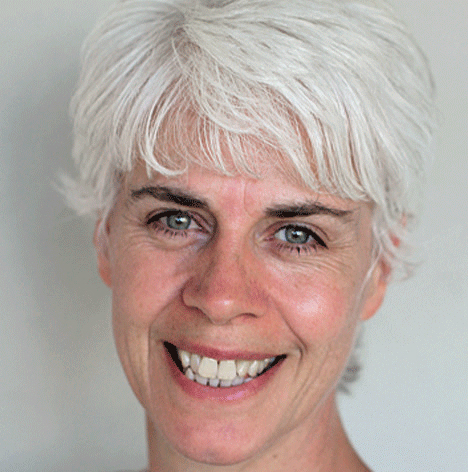
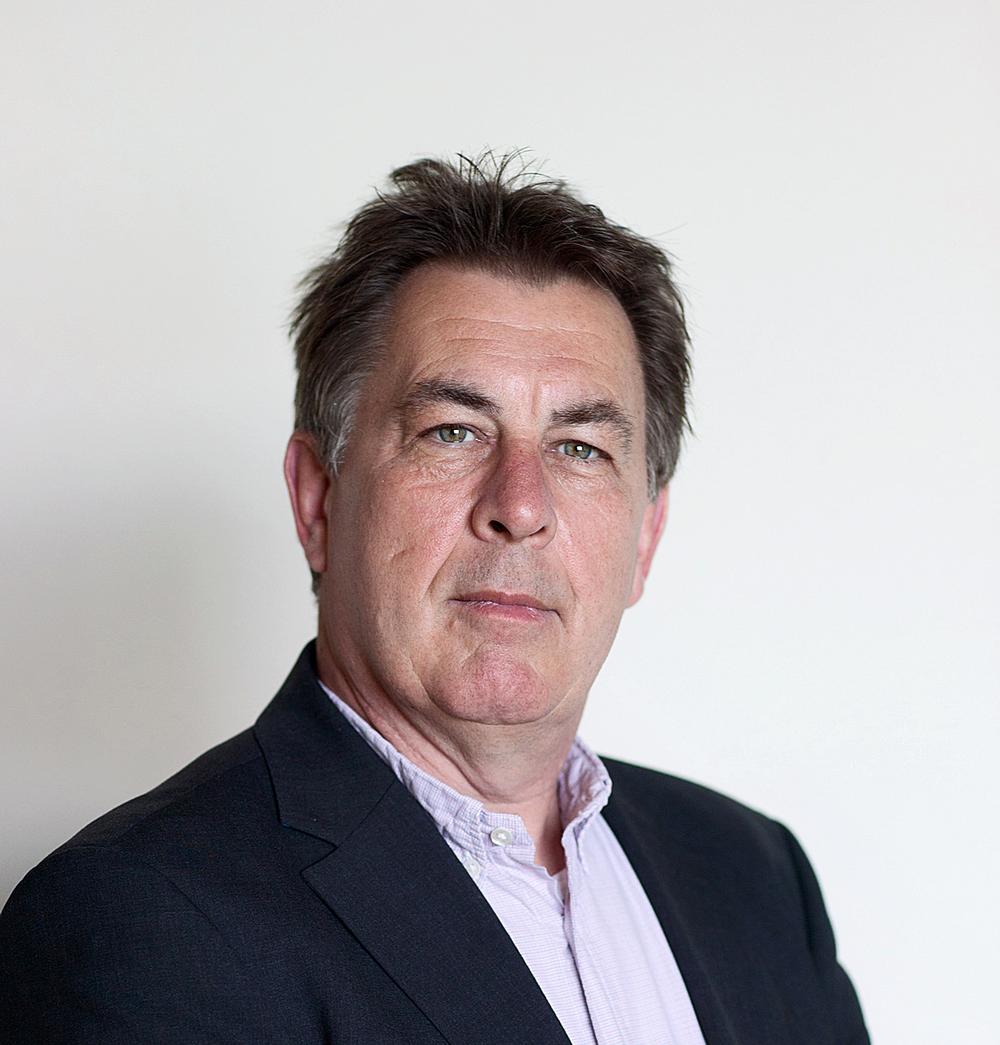
Newly elected president of Ecsite, Michiel Buchel, says science centres are growing up. “The field is becoming more mature,” he claims.
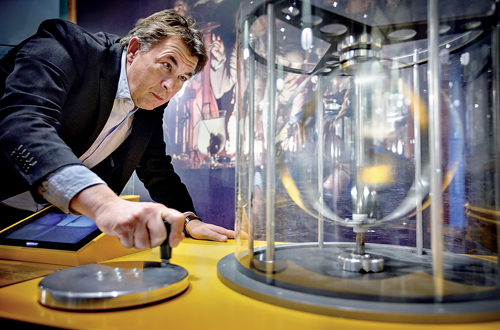
The Dutchman, who is CEO of NEMO, the largest science centre in the Netherlands, is extremely optimistic about the sector.
“Although we’re maturing, we’re still a relatively young industry,” he says. (NEMO has existed since 1997, compared to the Artis Royal Zoo – also in Amsterdam – and founded in 1838.) “But I think the impact and the role of science centres will grow enormously in the coming decades.”
Science centres are entering a new era, armed to battle many contemporary challenges, and now the young industry has found its feet, it’s demonstrating it has the will to do battle, too.
In the past, science centres have often been overlooked for public sector funding. They’ve had to innovate constantly to be ahead of the game – and although that demands investment, it’s been hard for them to monetise their offers.
But many countries are dealing with the socioeconomic consequences of having neglected STEM subjects, and science centres are beginning to capitalise on this. Too few people have been choosing to study and work in core STEM areas of science, technology, engineering and maths, and too many have underestimated the value of public engagement in science.
Today, government and societal priorities have fallen in line with science centres’ aims to increase STEM literacy and inspire children to take up these subjects and aspire to careers in related fields.
BIG ISSUES The role that science centres play is inextricably linked to many of the big issues that are affecting the planet today, such as climate change, food security and migration. However, Buchel believes the sector would be able to tackle these problems more effectively if it joined forces with other groups in the attractions industry – museums, zoos and aquariums, in particular. Building a better connected network would make the whole industry a stronger authority, he suggests.
“I strongly believe in collaboration with other networks. They deal with the same things as science centres. As Ecsite president, I want to invest time in building better connections with zoos, aquariums and natural history museums,” says Buchel, who takes the reins of Ecsite from outgoing president Rosalia Vargas.
Through greater co-operation within the attractions sectors, Buchel also notes that far larger audiences can be reached. “People who work in science centres are passionate about science, nature and the health of the planet. We, therefore, have many missions in common with the other sectors, and we tackle similar issues.”
“If you connected all the zoos, aquariums, natural history and science museums in Europe, you’d be looking at about 290 million visitors per year,” he says. “We can potentially reach an enormous number of people.”
CHALLENGES As the science centre industry develops, gains recognition and reaches larger audiences, fresh challenges emerge. One of those is keeping an educated and bright pool of staff challenged and motivated.
“Science centres are having to deal with the fact that the smartest people in our organisations are not able to develop and grow. There aren’t enough opportunities and the jobs they want are already filled. So how do you keep them motivated and inspired? These are grown-up problems for our industry.”
Furthermore, science centres must manage the effects of the still struggling European economies. The sector relies heavily on private funding and commercial sponsors, so wider financial instability is a constant challenge. “If there’s less money around, it hurts us, too,” says Buchel.
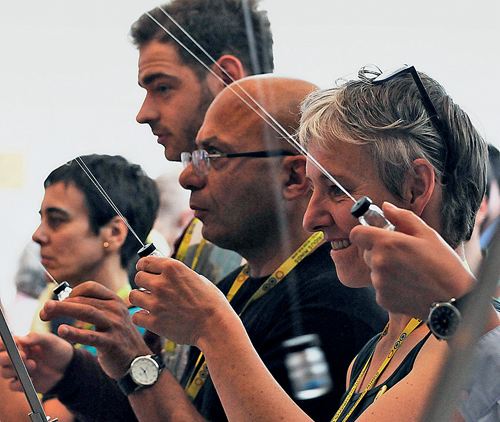
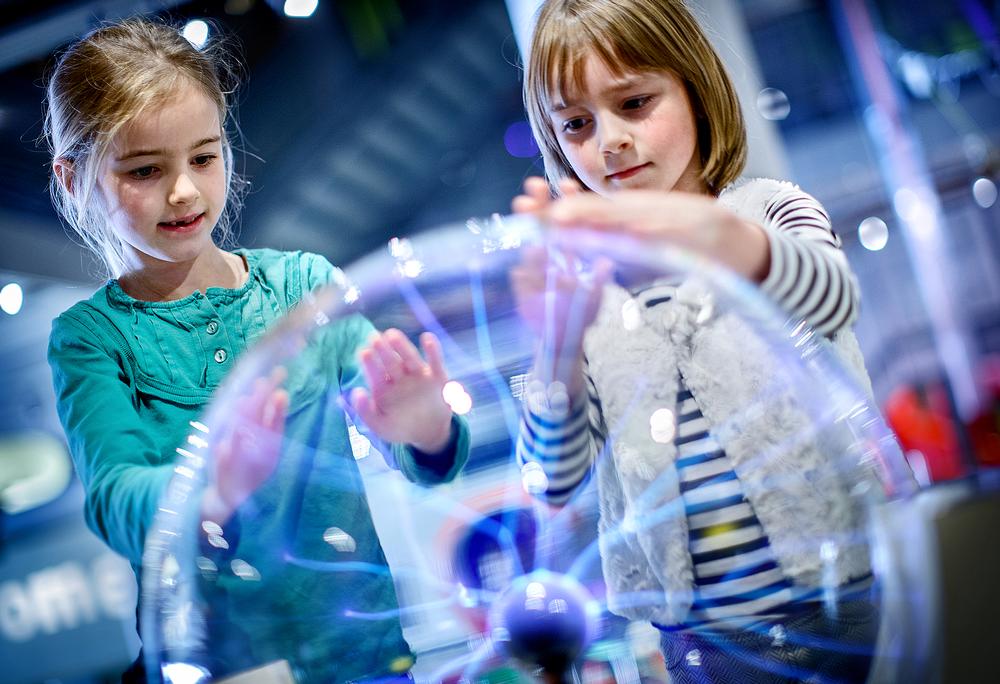
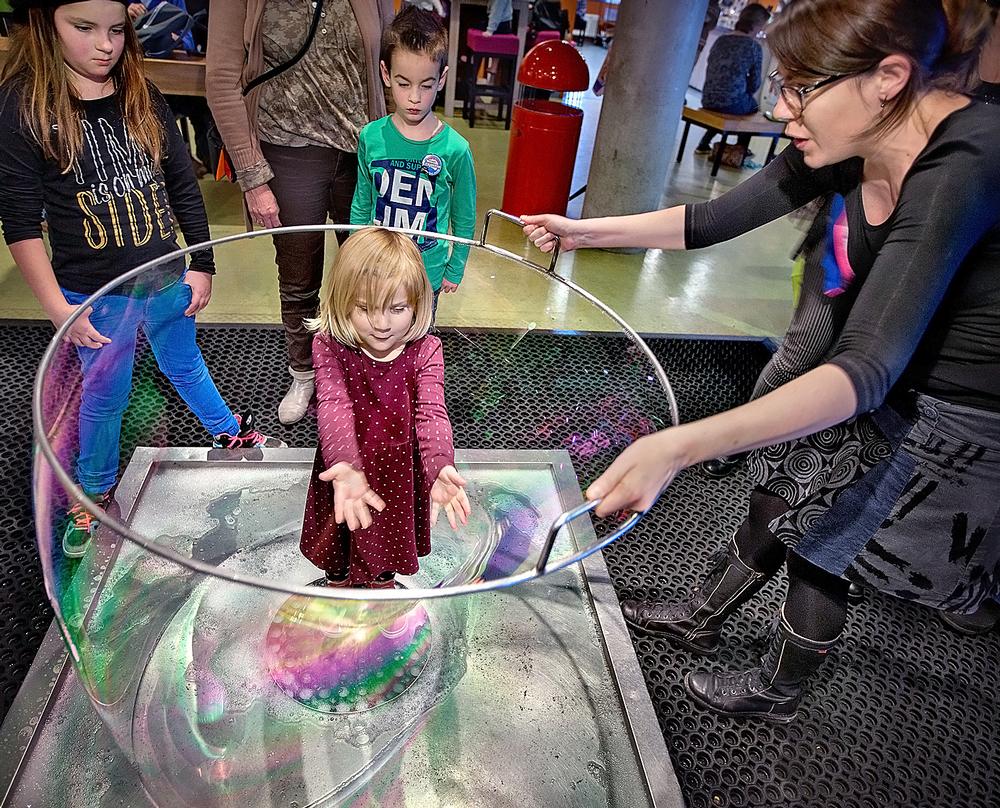
Yet science centres are making progress in overcoming problems they have faced. They’re learning how to communicate better with their audiences. They’re working closely with the science communities to develop better ways of explaining complex information and building better exhibits. Maker Spaces have been advanced and advocated by science centres and museums and are now incredibly popular. Interactive and hands-on activities like this are part of a wider drive to get children – especially girls – enthusiastic about STEM topics, and it seems to be working.
Buchel says: “Traditional schools aren’t always the most inspirational environments, but science centres are good at connecting formal and informal learning. It’s hard to say precisely what our role is in getting more children, or girls, interested in STEM, for example, but we are part of that ecosystem. If you make the ecosystem as rich as possible, children have more opportunities to discover their talents and find inspiration.”
“There’s a trend now for lifelong learning, too. People continue to learn with us.”
NEMO Since joining NEMO in 2003, Buchel has doubled the annual visitor figures from about 300,000 to 600,000 today. NEMO was the fifth-most visited museum in the Netherlands in 2013 – pretty impressive in a country with celebrated attractions.
Buchel says there are four main factors behind this success. The first was securing support from the Dutch government, allowing NEMO to invest in new and improved programmes and exhibitions. The government also subsidises the reduced entry fees for schoolchildren, who account for 80,000 of NEMO’s visitors per year.
The second move was in 2010 when NEMO joined the national museum card (Museumkaart) network. The card costs €55 (£39, $62) and lasts a year, allowing the cardholder entry to about 400 museums.
“By joining the network, we reached new groups of people, as well as museum lovers and families who only visit attractions accessible with the Museumkaart,” says Buchel. “Attendance grew by 100,000 card-holding visitors and has stayed at this level.”
Thirdly, a boom in tourism in Amsterdam helped boost visitor numbers. And lastly, the popularity of science and technology in Holland is growing enormously.
“Besides this, hard work, creativity, partnerships with companies, universities and NGOs, great staff, improved hospitality and a passion for science are also factors,” Buchel adds. “We all work very hard to find ways to make the experience more impactful for the visitor, to make them better understand not just that science is interesting and fun, but that it’s really important for the future our planet.”
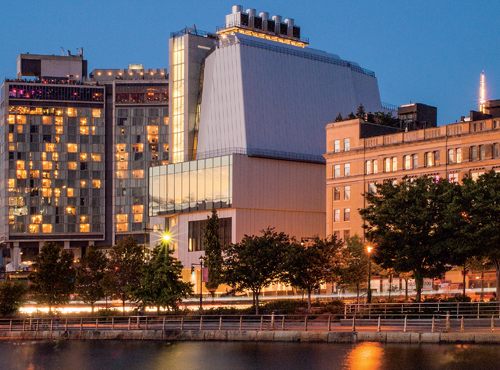
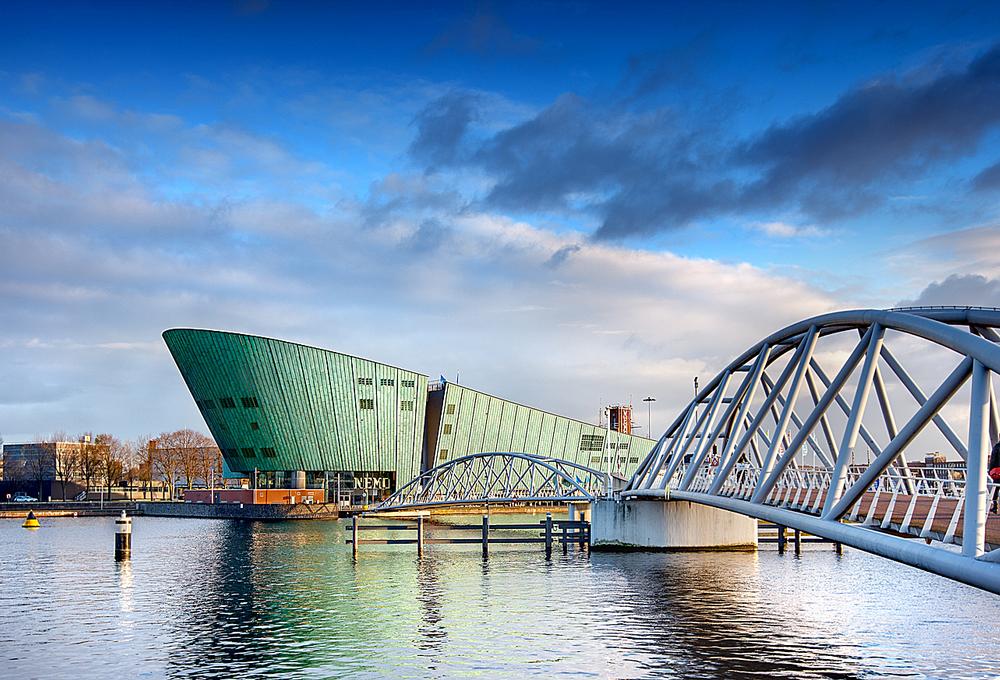
Investments are being made as NEMO undergoes gradual renovations. Each floor is being redesigned and given a theme, such as “the manmade world” or “technology”. There’s also a new roof terrace and café, set to open this summer atop the Renzo Piano-designed building.
Investments don’t have to be huge to make big improvements. Buchel is a great believer in learning from others, from other types of business and industry.
“Science centres can learn from commercial industry in terms of hospitality, as well as from outfits like Disney,” Buchel says. “Visitor ratings are almost 50 per cent based on hospitality, so we need to look after the details: toilets, signage, customer service. There needs to be professionalism at every level.”
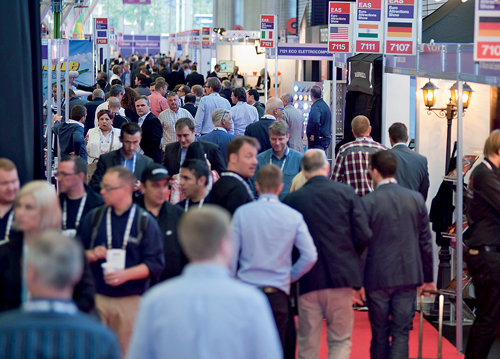
ECSITE Ecsite was founded with just 23 member organisations in 1989. The first Annual Ecsite Conference in The Hague, the Netherlands, in 1990 hosted 100 delegates and the most recent, in Trento, Italy, in 2015 hosted 1,101 attendees from across Europe and beyond. As Buchel embarks on his two-year presidency of Ecsite is there anything he’d like to change?
“The organisation is thriving, with over 350 members. However, we’d like to have more full members. Full members have voting rights and a greater impact and influence on what we do.”
Full membership can be expensive for small organisations, so Buchel suggests “those with broader shoulders” pay more under a revised structure. There are about 60 full members currently. He says that with more full members people feel more responsible for the network. The more responsible they feel, the more influence they have. Plus, the members’ relationship with Ecsite shouldn’t be “a one-way thing”.
With Ecsite in its 16th year, Buchel is also noticing more outside interest than ever before. Alongside Ecsite’s 239 science centre/museum members, there are 36 private companies and 85 other organisations. (At the same time, distinctions between science centres and science museums are beginning to melt away.)
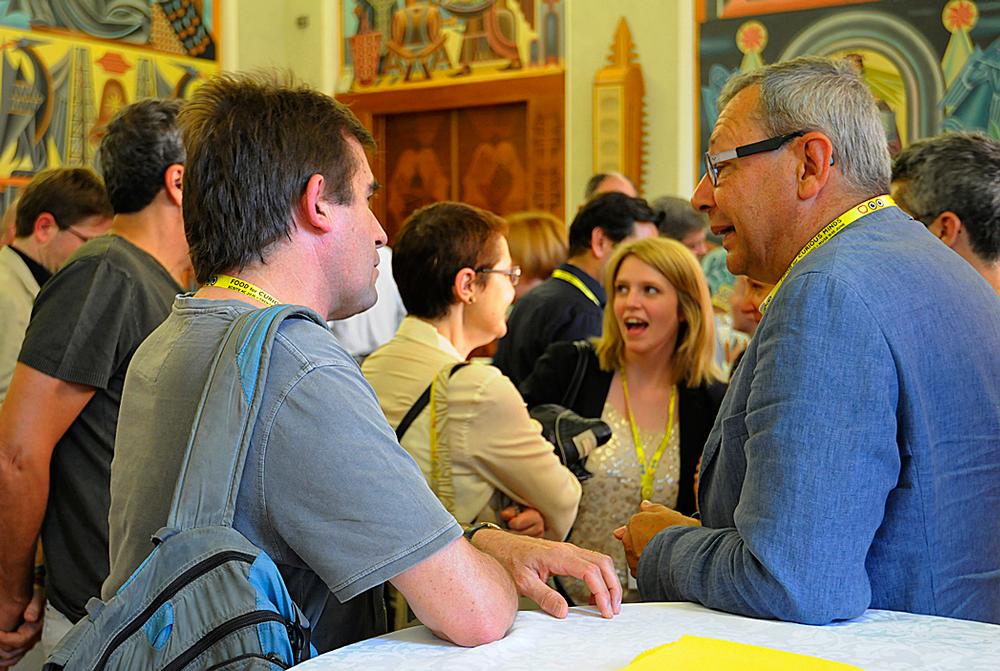
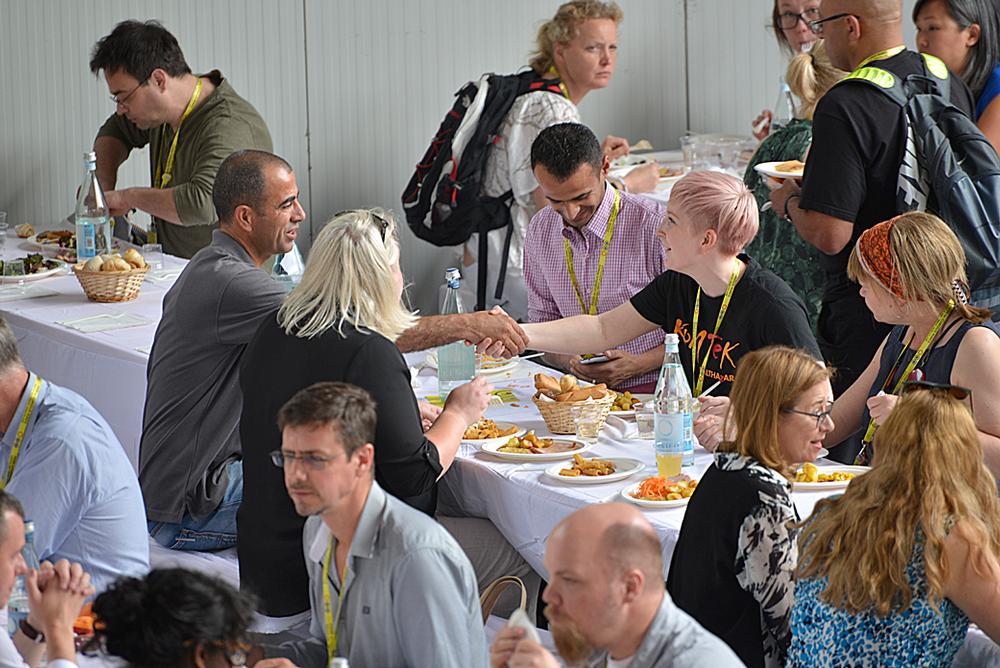
“At the Ecsite Conference 2015, I saw how many more different organisations and industries are here, and people from different backgrounds. It’s interesting meeting people from outside our industry. We need to collaborate and work with other organisations and other parts of society.”
“I also saw many new and young faces and that’s a healthy sign,” Buchel says.
See Future Visions, this issue, page 30
Read more from this issue of Spa Business magazine
Interview: Michiel Buchel
Michiel Buchel is Ecsite’s new president and CEO of the Netherland’s biggest science centre, NEMO. He shares his optimism about the science centre sector and the secrets of NEMO’s success
Attractions: All Work, All Play
KidZania, star of the edutainment world, has opened its newest franchise in London, its 17th location to date. We meet the global top team to find out what makes these small cities a big success
Analysis: Be Our Guest
TEA/AECOM’s 2014 Theme Index shows attendance growth across all regions. AECOM experts analyse the recent trends
In a world where imbalance often accumulates quietly, Wildsmith unveils its newest
wellbeing innovation: Silent Loads, an approach designed to meet the needs of modern spa
guests with precision and depth. [more...]
In today’s premium spa environment, every detail shapes the guest experience – right down to
the softness of towels and the freshness of linens. [more...]
+ More featured suppliers
COMPANY PROFILES
Maison d'Asa
Maison d'Asa, founded in 2013 by Asma El Mernissi in Casablanca, is the world's first spa concept ho [more...]
Subtle Energies
With 30 years of clinical research, Subtle Energies is widely recognised for its
authentic wellness [more...]
The head of NEMO, the Netherlands’ biggest science centre and newly appointed Ecsite president, looks at how the sector can work with others to wield greater influence in global matters
By Alice Davis | Published in Attractions Management 2015 issue 3
Newly elected president of Ecsite, Michiel Buchel, says science centres are growing up. “The field is becoming more mature,” he claims.
The Dutchman, who is CEO of NEMO, the largest science centre in the Netherlands, is extremely optimistic about the sector.
“Although we’re maturing, we’re still a relatively young industry,” he says. (NEMO has existed since 1997, compared to the Artis Royal Zoo – also in Amsterdam – and founded in 1838.) “But I think the impact and the role of science centres will grow enormously in the coming decades.”
Science centres are entering a new era, armed to battle many contemporary challenges, and now the young industry has found its feet, it’s demonstrating it has the will to do battle, too.
In the past, science centres have often been overlooked for public sector funding. They’ve had to innovate constantly to be ahead of the game – and although that demands investment, it’s been hard for them to monetise their offers.
But many countries are dealing with the socioeconomic consequences of having neglected STEM subjects, and science centres are beginning to capitalise on this. Too few people have been choosing to study and work in core STEM areas of science, technology, engineering and maths, and too many have underestimated the value of public engagement in science.
Today, government and societal priorities have fallen in line with science centres’ aims to increase STEM literacy and inspire children to take up these subjects and aspire to careers in related fields.
BIG ISSUES The role that science centres play is inextricably linked to many of the big issues that are affecting the planet today, such as climate change, food security and migration. However, Buchel believes the sector would be able to tackle these problems more effectively if it joined forces with other groups in the attractions industry – museums, zoos and aquariums, in particular. Building a better connected network would make the whole industry a stronger authority, he suggests.
“I strongly believe in collaboration with other networks. They deal with the same things as science centres. As Ecsite president, I want to invest time in building better connections with zoos, aquariums and natural history museums,” says Buchel, who takes the reins of Ecsite from outgoing president Rosalia Vargas.
Through greater co-operation within the attractions sectors, Buchel also notes that far larger audiences can be reached. “People who work in science centres are passionate about science, nature and the health of the planet. We, therefore, have many missions in common with the other sectors, and we tackle similar issues.”
“If you connected all the zoos, aquariums, natural history and science museums in Europe, you’d be looking at about 290 million visitors per year,” he says. “We can potentially reach an enormous number of people.”
CHALLENGES As the science centre industry develops, gains recognition and reaches larger audiences, fresh challenges emerge. One of those is keeping an educated and bright pool of staff challenged and motivated.
“Science centres are having to deal with the fact that the smartest people in our organisations are not able to develop and grow. There aren’t enough opportunities and the jobs they want are already filled. So how do you keep them motivated and inspired? These are grown-up problems for our industry.”
Furthermore, science centres must manage the effects of the still struggling European economies. The sector relies heavily on private funding and commercial sponsors, so wider financial instability is a constant challenge. “If there’s less money around, it hurts us, too,” says Buchel.
Yet science centres are making progress in overcoming problems they have faced. They’re learning how to communicate better with their audiences. They’re working closely with the science communities to develop better ways of explaining complex information and building better exhibits. Maker Spaces have been advanced and advocated by science centres and museums and are now incredibly popular. Interactive and hands-on activities like this are part of a wider drive to get children – especially girls – enthusiastic about STEM topics, and it seems to be working.
Buchel says: “Traditional schools aren’t always the most inspirational environments, but science centres are good at connecting formal and informal learning. It’s hard to say precisely what our role is in getting more children, or girls, interested in STEM, for example, but we are part of that ecosystem. If you make the ecosystem as rich as possible, children have more opportunities to discover their talents and find inspiration.”
“There’s a trend now for lifelong learning, too. People continue to learn with us.”
NEMO Since joining NEMO in 2003, Buchel has doubled the annual visitor figures from about 300,000 to 600,000 today. NEMO was the fifth-most visited museum in the Netherlands in 2013 – pretty impressive in a country with celebrated attractions.
Buchel says there are four main factors behind this success. The first was securing support from the Dutch government, allowing NEMO to invest in new and improved programmes and exhibitions. The government also subsidises the reduced entry fees for schoolchildren, who account for 80,000 of NEMO’s visitors per year.
The second move was in 2010 when NEMO joined the national museum card (Museumkaart) network. The card costs €55 (£39, $62) and lasts a year, allowing the cardholder entry to about 400 museums.
“By joining the network, we reached new groups of people, as well as museum lovers and families who only visit attractions accessible with the Museumkaart,” says Buchel. “Attendance grew by 100,000 card-holding visitors and has stayed at this level.”
Thirdly, a boom in tourism in Amsterdam helped boost visitor numbers. And lastly, the popularity of science and technology in Holland is growing enormously.
“Besides this, hard work, creativity, partnerships with companies, universities and NGOs, great staff, improved hospitality and a passion for science are also factors,” Buchel adds. “We all work very hard to find ways to make the experience more impactful for the visitor, to make them better understand not just that science is interesting and fun, but that it’s really important for the future our planet.”
Investments are being made as NEMO undergoes gradual renovations. Each floor is being redesigned and given a theme, such as “the manmade world” or “technology”. There’s also a new roof terrace and café, set to open this summer atop the Renzo Piano-designed building.
Investments don’t have to be huge to make big improvements. Buchel is a great believer in learning from others, from other types of business and industry.
“Science centres can learn from commercial industry in terms of hospitality, as well as from outfits like Disney,” Buchel says. “Visitor ratings are almost 50 per cent based on hospitality, so we need to look after the details: toilets, signage, customer service. There needs to be professionalism at every level.”
ECSITE Ecsite was founded with just 23 member organisations in 1989. The first Annual Ecsite Conference in The Hague, the Netherlands, in 1990 hosted 100 delegates and the most recent, in Trento, Italy, in 2015 hosted 1,101 attendees from across Europe and beyond. As Buchel embarks on his two-year presidency of Ecsite is there anything he’d like to change?
“The organisation is thriving, with over 350 members. However, we’d like to have more full members. Full members have voting rights and a greater impact and influence on what we do.”
Full membership can be expensive for small organisations, so Buchel suggests “those with broader shoulders” pay more under a revised structure. There are about 60 full members currently. He says that with more full members people feel more responsible for the network. The more responsible they feel, the more influence they have. Plus, the members’ relationship with Ecsite shouldn’t be “a one-way thing”.
With Ecsite in its 16th year, Buchel is also noticing more outside interest than ever before. Alongside Ecsite’s 239 science centre/museum members, there are 36 private companies and 85 other organisations. (At the same time, distinctions between science centres and science museums are beginning to melt away.)
“At the Ecsite Conference 2015, I saw how many more different organisations and industries are here, and people from different backgrounds. It’s interesting meeting people from outside our industry. We need to collaborate and work with other organisations and other parts of society.”
“I also saw many new and young faces and that’s a healthy sign,” Buchel says.
See Future Visions, this issue, page 30
Read more from this issue of Spa Business magazine
Interview: Michiel Buchel
Michiel Buchel is Ecsite’s new president and CEO of the Netherland’s biggest science centre, NEMO. He shares his optimism about the science centre sector and the secrets of NEMO’s success
Attractions: All Work, All Play
KidZania, star of the edutainment world, has opened its newest franchise in London, its 17th location to date. We meet the global top team to find out what makes these small cities a big success
Analysis: Be Our Guest
TEA/AECOM’s 2014 Theme Index shows attendance growth across all regions. AECOM experts analyse the recent trends
As part of its first hotel partnership, Mayrlife – the medical health resort company known for its
site in Altaussee, Austria – has launched a day clinic at the Rosewood Vienna.
Premium London health club, KX Chelsea, will imminently unveil its most significant
redevelopment since its launch in 2002 to create an integrated wellness model combining
training, recovery and relaxation.
Rosewood Le Guanahani St Barth, on the northeast coast of Saint Barthélemy in the French
West Indies, is offering a programme of ocean-inspired yoga classes between 8-14 June to
celebrate Global Wellness Day (GWD).
Hotel de France, located on the British Isle of Jersey, has created a wellness retreat package
that includes a hot yoga session that will take place in Jersey Zoo’s butterfly sanctuary.
The Ritz-Carlton, Langkawi, in Malaysia, has revealed a schedule for Global Wellness Day
(GWD) that includes guided rainforest walks, mindful movement and guided coastal meditation
experiences.
Longevitix, a clinical platform for preventive and longevity medicine, has launched its AI-
powered intelligence system to help physicians deliver continuous, personalised longevity-
focused care at scale.
Atmantan Wellness Centre, an integrative wellness destination in Mulshi, near Pune in India, is
expanding its portfolio by adding a new centre in Hyderabad that will launch between 2028 and
2029.
A recent survey by the UK Spa Association (UKSA) into the industry’s approach to cancer care
has revealed that almost half of participating respondents (46 per cent) are unaware that
cancer is a disability and guests with a cancer diagnosis must be given
Mexican operator, Solmar Hotels and Resorts, is hosting a series of events in celebration of
Global Wellness Day, including a Temazcal ceremony at its Playa Grande Resort and Spa in Los
Cabos.
Mandarin Oriental has announced a standalone residence brand, Mansions, which will debut at
Emirates Palace, Mandarin Oriental Mansions, Abu Dhabi, in 2029.
In a world where imbalance often accumulates quietly, Wildsmith unveils its newest
wellbeing innovation: Silent Loads, an approach designed to meet the needs of modern spa
guests with precision and depth. [more...]
In today’s premium spa environment, every detail shapes the guest experience – right down to
the softness of towels and the freshness of linens. [more...]
+ More featured suppliers
COMPANY PROFILES
Maison d'Asa Maison d'Asa, founded in 2013 by Asma El Mernissi in Casablanca, is the world's first spa concept ho [more...]