The recent accident on the Smiler ride at Alton Towers theme park put the industry under scrutiny – but we can all learn from the way Merlin handled the situation
By Alice Davis | Published in Attractions Management 2015 issue 3
Accidents at theme parks don’t happen very often. Where the attractions industry is well established, safety standards are incredibly high on both the manufacturing and operational sides of the business. Operators put the safety of their guests above and beyond anything else – we know this because accidents are so rare.
According to IAAPA, the likelihood of being seriously injured on a theme park ride in the US is 1 in 24 million. In the UK, only one person has died on a modern-style steel rollercoaster, and that was in 2004.
Almost all accidents, injuries and fatalities at theme parks are related to falls or pre-existing or unknown health conditions in the rider, not to the rides or ride safety.
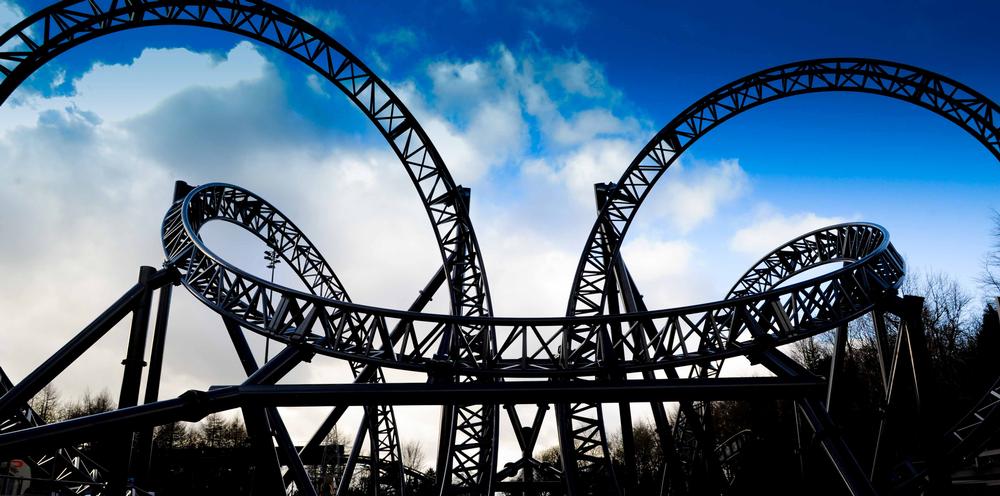
Therefore, when an incident occurs – as it did at the UK’s Alton Towers theme park on 2 June, when a train with 16 passengers crashed into a stationary car on the Smiler rollercoaster, causing serious injuries – both the public and the industry suffer a terrible shock.
Sympathy for the victims was immediate and widespread, and Merlin Entertainments CEO Nick Varney did not hesitate to express deep regret, to apologise and to accept full responsibility.
The repercussions couldn’t have been predicted, but are clearly being felt by Merlin, both financially and in spirit at the park and within the company.
In a trading statement, the company said it had revised its earning expectations for the theme parks division. It forecasted pre-tax earnings for 2015 to be in the range of £40m to £50m ($62m to $78m, €57m to €71m), as little as half the amount the division reported in 2014, which was £87m ($136m, €123m).
“The serious accident at Alton Towers on 2 June has had an adverse impact on trading at the start of the critical summer period,” said a company statement. “The accident resulted in the temporary closure of the park, the suspension of UK theme park marketing and temporary ride closures at two of our other UK theme parks. The combination of these factors has significantly reduced [visitor] volumes at Alton Towers Resort and, to a lesser extent, the UK Resort Theme Parks estate ... Action is being taken to rebuild momentum and re-engage with our customers.”
The Merlin statement indicated that the theme park division’s profitability could also be affected into 2016.
Though it’s widely perceived that Varney and the mangement of Alton Towers responded efficiently and with honesty, and genuine compassion and regret, some elements of the media fanned the flames of the story – misrepresenting the facts, losing perspective and acting without sensitivity.
This might be a typical of some British media, and the coverage may have been less sensationalised had the incident occurred in another country. However, it’s clear the way the media portrayed the event and the aftermath has had a marked effect on the business.
Varney said that the accident should not have happened – and it shouldn’t have. However, we have to accept that accidents do occasionally happen, in all industries, not theme parks alone.
The constructive response for all must be to learn what we can from incidents such as this, and to work together to rebuild confidence in the industry.
We asked our experts what lessons there are to be learned and shared.
Read more from this issue of Spa Business magazine
Interview: Michiel Buchel
Michiel Buchel is Ecsite’s new president and CEO of the Netherland’s biggest science centre, NEMO. He shares his optimism about the science centre sector and the secrets of NEMO’s success
Attractions: All Work, All Play
KidZania, star of the edutainment world, has opened its newest franchise in London, its 17th location to date. We meet the global top team to find out what makes these small cities a big success
Analysis: Be Our Guest
TEA/AECOM’s 2014 Theme Index shows attendance growth across all regions. AECOM experts analyse the recent trends
The accident in June was a devastating event for Alton Towers and for Merlin, for which we accepted responsibility and are deeply sorry.
In the immediate aftermath, our priority was those who were injured and their families. Since then we have been humbled by their grace and fortitude, and we will continue to do whatever we can to support them.
The decision was taken to close the park immediately. We firmly believe that this was the right course of action, reflecting the seriousness of the incident and the impact on our staff, and to allow the team to focus both on those affected and on the development and implementation of new safety protocols where necessary.
Equally important was to establish exactly what happened, through our own and the Health and Safety Executive investigations, in order to ensure that such an event cannot occur again. These investigations are ongoing.
In addition, we felt it appropriate to significantly reduce our marketing activity in light of what happened.
We reopened Alton Towers six days after the incident, and the park is now fully operational. However, the number of people visiting has understandably been adversely impacted as a result.
Alton Towers has a proud track record as the number one theme park in the UK, a position endorsed by our consistently high customer satisfaction scores and the recent recognition as Trip Advisor’s best UK theme park. We have been encouraged by those customers who have continued to come to the resort and by the many others who have written to us expressing their support.
We are confident that we will rebuild our position as the UK’s favourite theme park. We are proud of our fantastic team and thank them for their dedication and commitment through this period.
"We have been encouraged by those customers who have continued to come to the resort and by the many others who have written to us expressing their support"
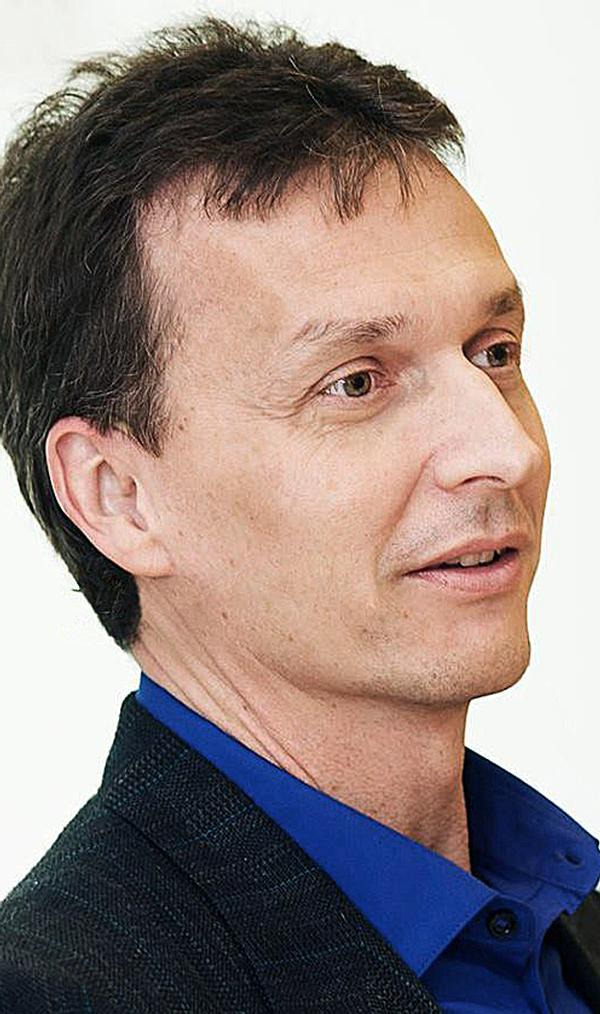
W. Timothy CoombsAuthor and crisis communication researcherTexas A&M University
W. Timothy Coombs
Some crises go largely unnoticed, while others can draw a crowd. When media and other stakeholders are drawn to the crisis, it can create tremendous pressure on an organisation. We can call these public interest crises. An accident at an theme park would be a public interest crisis.
These accidents have victims, a sense of drama and make potential customers wonder if that could happen to them. Organisations need to manage these various pressures when providing their response: a response that stakeholders will examine closely.
The first priority always must be public safety. The response must emphasise concern for the victims and efforts to prevent a repeat of the crisis situation.
An organisation must explain what it’s doing to help the victims and how it will protect public safety now and in the future.
The now means closing the attraction that was involved in the accident and investigating the cause. Once known, the organisation can discuss how it will seek to prevent a repeat of the accident in the future. This involves explaining new safety procedures if they are required.
Sometimes an accident can be a result of the actions of the victim. In those cases, management needs to explain how the guest caused the accident. The key is to be descriptive but not to overtly place blame on the victim. A clear explanation of events will allow others to realise who was really at fault. The narrative can include, for example, if a guest might have violated stated safety rules or that the incident resulted from an unknown medical condition.
Even when self-inflicted, the crisis communication needs to reflect sympathy for the victim.
The second priority is returning to normal operations. Potential customers will want to know when they can enjoy that attraction again. This concern needs to be placed in the background of the crisis messaging. Many people will want this information but featuring the return to normal operations too prominently can create a backlash effect. Some stakeholders might feel the organisation is only concerned about its profits and lacks empathy for the victim or victims.
Any discussion of operations should be short and at the end of the crisis message. When public safety is a concern, crisis communication must feature the victim and how the organisation is working to ensure a safe future for customers.
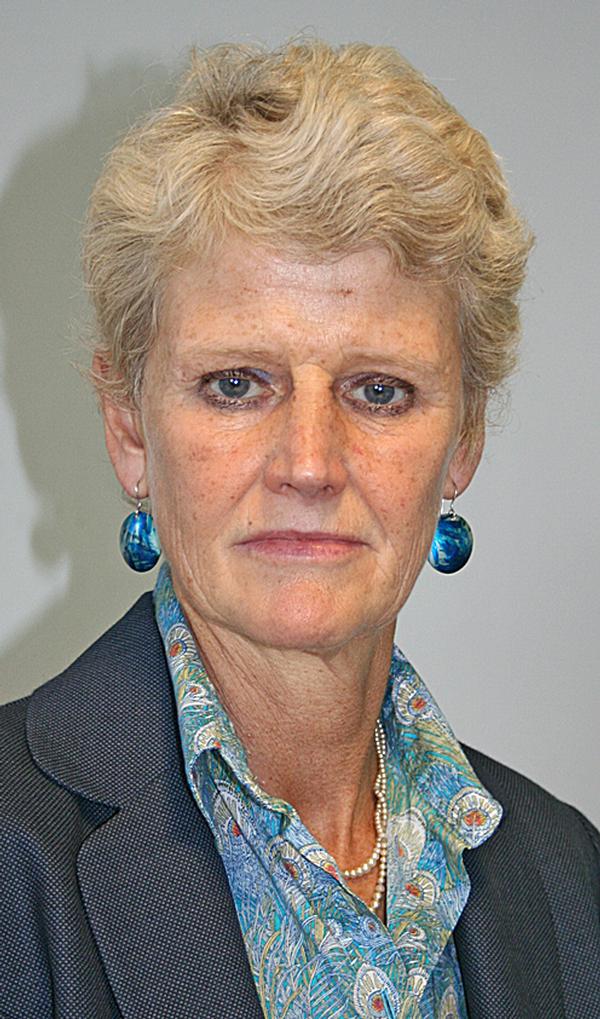
Brigid Simmonds OBEChief ExecutiveBritish Beer and Pub Association
Brigid Simmonds OBE
Customer-facing organisations will, or should have, crisis management plans. If your business involves serving people, you need to know how you will react to a crisis and who will take the lead.
The reputation of a company can be won or lost on the action taken in the first hours after a serious incident. In some cases it can be hard to recover if you have the wrong response. Look at BP’s Deepwater Horizon disaster in the Gulf of Mexico in 2010, which led to CEO Tony Hayward stepping down over his reaction to the fatal event.
As with any incident where the press is involved, you cannot shirk from your responsibilities and you have to be clear on your message and be open to speaking to all, even if it’s difficult and at inconvenient times of the day and night. “No comment” is simply not acceptable.
When a crisis occurs you need to be quite clear on your plan of action. What happened at Alton Towers was a terrible incident and heart-breaking for everyone involved: first and foremost, for those injured and their families; but also for Nick Varney and the staff at Merlin. I think Merlin’s handling of the incident has been commendable. They’ve been open and Varney has taken full charge of the situation and been the spokesman in the media and through the press. I am certain this was the right course of action.
" The reputation of a company can be won or lost on the action taken in the first hours after a serious incident. It can be quite hard to recover if you have the wrong response"
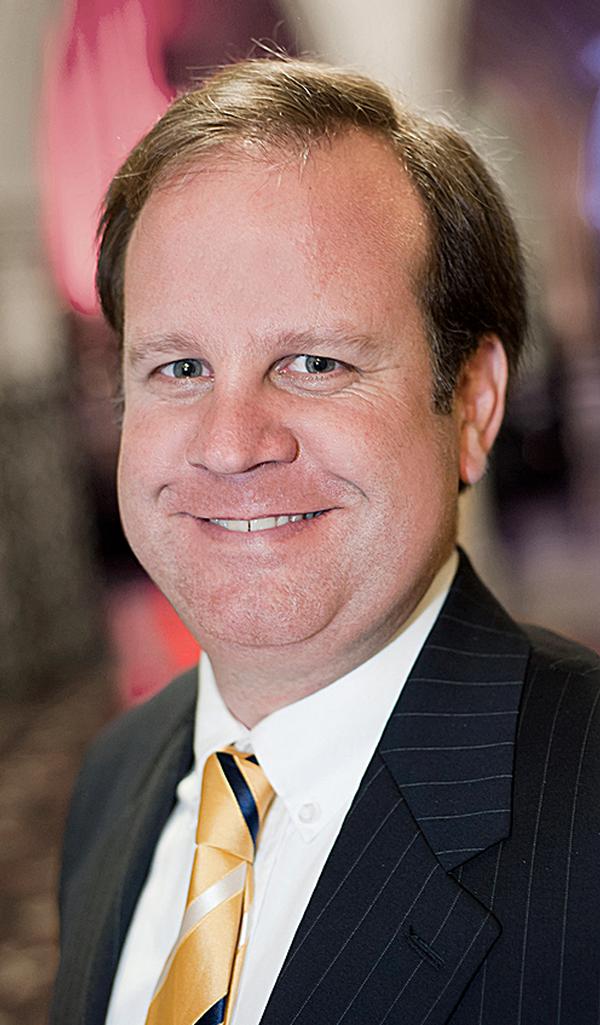
Gerardo ArteagaChairman of the boardIAAPA
Gerardo Arteaga
As industry professionals, safety is our top priority and we are constantly working to improve the safety of our parks and attractions for our guests and employees. IAAPA focuses on safety above and beyond all else and is concerned with any incident that occurs.
The association works tirelessly to help develop, promote and maintain the highest industry standards possible throughout the world. Of equal importance is the proactive engagement of members in the association, not only to support the standards development process but also to reinforce best practices and reduce risks.
We, as members of the association and committed partners in the industry, must work together to ensure the safety of our guests and staff on a daily basis. The key to improving safety is the constant exchange of information that takes place between and among park personnel and manufacturers following an incident. If there is new learning that comes from an incident, I’m confident it’s shared within the industry and appropriate changes to safety standards specified by ASTM or EN are made.
Also, it’s important when discussing incidents to keep in perspective how rarely they happen in the attractions industry.
Here are a few facts to better explain how rarely injuries occur on fixed-site rides each year:
• There are approximately 300 fixed-site amusement parks in Europe that entertain approximately 183 million guests annually.
• Those same 183 million guests safely enjoy 1.1 billion rides taken annually.
• The likelihood of being seriously injured (require overnight hospitalisation for treatment) on a permanently located amusement park ride in the US is 1 in 24 million.
"The key to improving safety is the constant exchange of information that takes place between and among park personnel and manufacturers following an incident"
The Spa Life UK Convention returns from 21–23 June 2026 at Whittlebury Park Hotel, Spa &
Golf Resort, bringing together spa managers, directors and owners for two days of focused
education, meaningful connection and commercial insight. [more...]
+ More featured suppliers
COMPANY PROFILES
Saskia Spa
Founded in 2014, Saskia Spa continues to evolve as a professional luxury skincare brand. It forms pa [more...]
The recent accident on the Smiler ride at Alton Towers theme park put the industry under scrutiny – but we can all learn from the way Merlin handled the situation
By Alice Davis | Published in Attractions Management 2015 issue 3
Accidents at theme parks don’t happen very often. Where the attractions industry is well established, safety standards are incredibly high on both the manufacturing and operational sides of the business. Operators put the safety of their guests above and beyond anything else – we know this because accidents are so rare.
According to IAAPA, the likelihood of being seriously injured on a theme park ride in the US is 1 in 24 million. In the UK, only one person has died on a modern-style steel rollercoaster, and that was in 2004.
Almost all accidents, injuries and fatalities at theme parks are related to falls or pre-existing or unknown health conditions in the rider, not to the rides or ride safety.
Therefore, when an incident occurs – as it did at the UK’s Alton Towers theme park on 2 June, when a train with 16 passengers crashed into a stationary car on the Smiler rollercoaster, causing serious injuries – both the public and the industry suffer a terrible shock.
Sympathy for the victims was immediate and widespread, and Merlin Entertainments CEO Nick Varney did not hesitate to express deep regret, to apologise and to accept full responsibility.
The repercussions couldn’t have been predicted, but are clearly being felt by Merlin, both financially and in spirit at the park and within the company.
In a trading statement, the company said it had revised its earning expectations for the theme parks division. It forecasted pre-tax earnings for 2015 to be in the range of £40m to £50m ($62m to $78m, €57m to €71m), as little as half the amount the division reported in 2014, which was £87m ($136m, €123m).
“The serious accident at Alton Towers on 2 June has had an adverse impact on trading at the start of the critical summer period,” said a company statement. “The accident resulted in the temporary closure of the park, the suspension of UK theme park marketing and temporary ride closures at two of our other UK theme parks. The combination of these factors has significantly reduced [visitor] volumes at Alton Towers Resort and, to a lesser extent, the UK Resort Theme Parks estate ... Action is being taken to rebuild momentum and re-engage with our customers.”
The Merlin statement indicated that the theme park division’s profitability could also be affected into 2016.
Though it’s widely perceived that Varney and the mangement of Alton Towers responded efficiently and with honesty, and genuine compassion and regret, some elements of the media fanned the flames of the story – misrepresenting the facts, losing perspective and acting without sensitivity.
This might be a typical of some British media, and the coverage may have been less sensationalised had the incident occurred in another country. However, it’s clear the way the media portrayed the event and the aftermath has had a marked effect on the business.
Varney said that the accident should not have happened – and it shouldn’t have. However, we have to accept that accidents do occasionally happen, in all industries, not theme parks alone.
The constructive response for all must be to learn what we can from incidents such as this, and to work together to rebuild confidence in the industry.
We asked our experts what lessons there are to be learned and shared.
Read more from this issue of Spa Business magazine
Interview: Michiel Buchel
Michiel Buchel is Ecsite’s new president and CEO of the Netherland’s biggest science centre, NEMO. He shares his optimism about the science centre sector and the secrets of NEMO’s success
Attractions: All Work, All Play
KidZania, star of the edutainment world, has opened its newest franchise in London, its 17th location to date. We meet the global top team to find out what makes these small cities a big success
Analysis: Be Our Guest
TEA/AECOM’s 2014 Theme Index shows attendance growth across all regions. AECOM experts analyse the recent trends
The accident in June was a devastating event for Alton Towers and for Merlin, for which we accepted responsibility and are deeply sorry.
In the immediate aftermath, our priority was those who were injured and their families. Since then we have been humbled by their grace and fortitude, and we will continue to do whatever we can to support them.
The decision was taken to close the park immediately. We firmly believe that this was the right course of action, reflecting the seriousness of the incident and the impact on our staff, and to allow the team to focus both on those affected and on the development and implementation of new safety protocols where necessary.
Equally important was to establish exactly what happened, through our own and the Health and Safety Executive investigations, in order to ensure that such an event cannot occur again. These investigations are ongoing.
In addition, we felt it appropriate to significantly reduce our marketing activity in light of what happened.
We reopened Alton Towers six days after the incident, and the park is now fully operational. However, the number of people visiting has understandably been adversely impacted as a result.
Alton Towers has a proud track record as the number one theme park in the UK, a position endorsed by our consistently high customer satisfaction scores and the recent recognition as Trip Advisor’s best UK theme park. We have been encouraged by those customers who have continued to come to the resort and by the many others who have written to us expressing their support.
We are confident that we will rebuild our position as the UK’s favourite theme park. We are proud of our fantastic team and thank them for their dedication and commitment through this period.
"We have been encouraged by those customers who have continued to come to the resort and by the many others who have written to us expressing their support"
W. Timothy CoombsAuthor and crisis communication researcherTexas A&M University
W. Timothy Coombs
Some crises go largely unnoticed, while others can draw a crowd. When media and other stakeholders are drawn to the crisis, it can create tremendous pressure on an organisation. We can call these public interest crises. An accident at an theme park would be a public interest crisis.
These accidents have victims, a sense of drama and make potential customers wonder if that could happen to them. Organisations need to manage these various pressures when providing their response: a response that stakeholders will examine closely.
The first priority always must be public safety. The response must emphasise concern for the victims and efforts to prevent a repeat of the crisis situation.
An organisation must explain what it’s doing to help the victims and how it will protect public safety now and in the future.
The now means closing the attraction that was involved in the accident and investigating the cause. Once known, the organisation can discuss how it will seek to prevent a repeat of the accident in the future. This involves explaining new safety procedures if they are required.
Sometimes an accident can be a result of the actions of the victim. In those cases, management needs to explain how the guest caused the accident. The key is to be descriptive but not to overtly place blame on the victim. A clear explanation of events will allow others to realise who was really at fault. The narrative can include, for example, if a guest might have violated stated safety rules or that the incident resulted from an unknown medical condition.
Even when self-inflicted, the crisis communication needs to reflect sympathy for the victim.
The second priority is returning to normal operations. Potential customers will want to know when they can enjoy that attraction again. This concern needs to be placed in the background of the crisis messaging. Many people will want this information but featuring the return to normal operations too prominently can create a backlash effect. Some stakeholders might feel the organisation is only concerned about its profits and lacks empathy for the victim or victims.
Any discussion of operations should be short and at the end of the crisis message. When public safety is a concern, crisis communication must feature the victim and how the organisation is working to ensure a safe future for customers.
Brigid Simmonds OBEChief ExecutiveBritish Beer and Pub Association
Brigid Simmonds OBE
Customer-facing organisations will, or should have, crisis management plans. If your business involves serving people, you need to know how you will react to a crisis and who will take the lead.
The reputation of a company can be won or lost on the action taken in the first hours after a serious incident. In some cases it can be hard to recover if you have the wrong response. Look at BP’s Deepwater Horizon disaster in the Gulf of Mexico in 2010, which led to CEO Tony Hayward stepping down over his reaction to the fatal event.
As with any incident where the press is involved, you cannot shirk from your responsibilities and you have to be clear on your message and be open to speaking to all, even if it’s difficult and at inconvenient times of the day and night. “No comment” is simply not acceptable.
When a crisis occurs you need to be quite clear on your plan of action. What happened at Alton Towers was a terrible incident and heart-breaking for everyone involved: first and foremost, for those injured and their families; but also for Nick Varney and the staff at Merlin. I think Merlin’s handling of the incident has been commendable. They’ve been open and Varney has taken full charge of the situation and been the spokesman in the media and through the press. I am certain this was the right course of action.
" The reputation of a company can be won or lost on the action taken in the first hours after a serious incident. It can be quite hard to recover if you have the wrong response"
Gerardo ArteagaChairman of the boardIAAPA
Gerardo Arteaga
As industry professionals, safety is our top priority and we are constantly working to improve the safety of our parks and attractions for our guests and employees. IAAPA focuses on safety above and beyond all else and is concerned with any incident that occurs.
The association works tirelessly to help develop, promote and maintain the highest industry standards possible throughout the world. Of equal importance is the proactive engagement of members in the association, not only to support the standards development process but also to reinforce best practices and reduce risks.
We, as members of the association and committed partners in the industry, must work together to ensure the safety of our guests and staff on a daily basis. The key to improving safety is the constant exchange of information that takes place between and among park personnel and manufacturers following an incident. If there is new learning that comes from an incident, I’m confident it’s shared within the industry and appropriate changes to safety standards specified by ASTM or EN are made.
Also, it’s important when discussing incidents to keep in perspective how rarely they happen in the attractions industry.
Here are a few facts to better explain how rarely injuries occur on fixed-site rides each year:
• There are approximately 300 fixed-site amusement parks in Europe that entertain approximately 183 million guests annually.
• Those same 183 million guests safely enjoy 1.1 billion rides taken annually.
• The likelihood of being seriously injured (require overnight hospitalisation for treatment) on a permanently located amusement park ride in the US is 1 in 24 million.
"The key to improving safety is the constant exchange of information that takes place between and among park personnel and manufacturers following an incident"
Global Wellness Day (GWD) will mark its 15th anniversary on Saturday 13 June 2026, with the
theme: #JoyMagenta – a celebration of the healing qualities of simple gestures and activities
that spark joy.
Global luxury hospitality brand, Six Senses, has partnered with longevity healthcare provider,
HUM2N, to launch a clinic at Six Senses London, at The Whiteley.
As part of its first hotel partnership, Mayrlife – the medical health resort company known for its
site in Altaussee, Austria – has launched a day clinic at the Rosewood Vienna.
Premium London health club, KX Chelsea, will imminently unveil its most significant
redevelopment since its launch in 2002 to create an integrated wellness model combining
training, recovery and relaxation.
Rosewood Le Guanahani St Barth, on the northeast coast of Saint Barthélemy in the French
West Indies, is offering a programme of ocean-inspired yoga classes between 8-14 June to
celebrate Global Wellness Day (GWD).
Hotel de France, located on the British Isle of Jersey, has created a wellness retreat package
that includes a hot yoga session that will take place in Jersey Zoo’s butterfly sanctuary.
The Ritz-Carlton, Langkawi, in Malaysia, has revealed a schedule for Global Wellness Day
(GWD) that includes guided rainforest walks, mindful movement and guided coastal meditation
experiences.
Longevitix, a clinical platform for preventive and longevity medicine, has launched its AI-
powered intelligence system to help physicians deliver continuous, personalised longevity-
focused care at scale.
Atmantan Wellness Centre, an integrative wellness destination in Mulshi, near Pune in India, is
expanding its portfolio by adding a new centre in Hyderabad that will launch between 2028 and
2029.
A recent survey by the UK Spa Association (UKSA) into the industry’s approach to cancer care
has revealed that almost half of participating respondents (46 per cent) are unaware that
cancer is a disability and guests with a cancer diagnosis must be given
The Spa Life UK Convention returns from 21–23 June 2026 at Whittlebury Park Hotel, Spa &
Golf Resort, bringing together spa managers, directors and owners for two days of focused
education, meaningful connection and commercial insight. [more...]
+ More featured suppliers
COMPANY PROFILES
Saskia Spa Founded in 2014, Saskia Spa continues to evolve as a professional luxury skincare brand. It forms pa [more...]