Yes! Send me the FREE digital editions of Spa Business and Spa Business insider magazines and the FREE weekly Spa Business and Spa Business insider ezines and breaking news alerts!
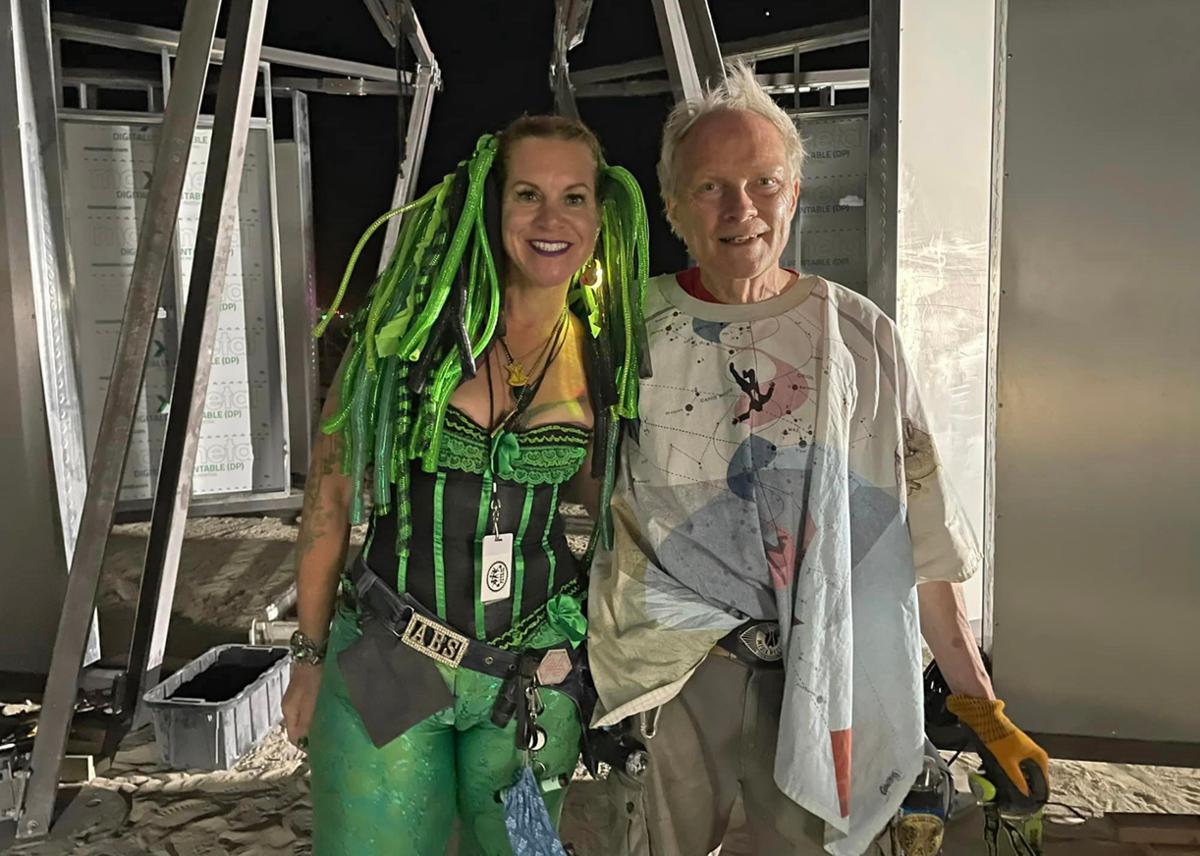
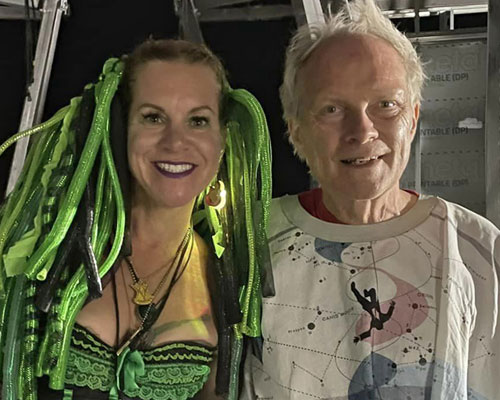
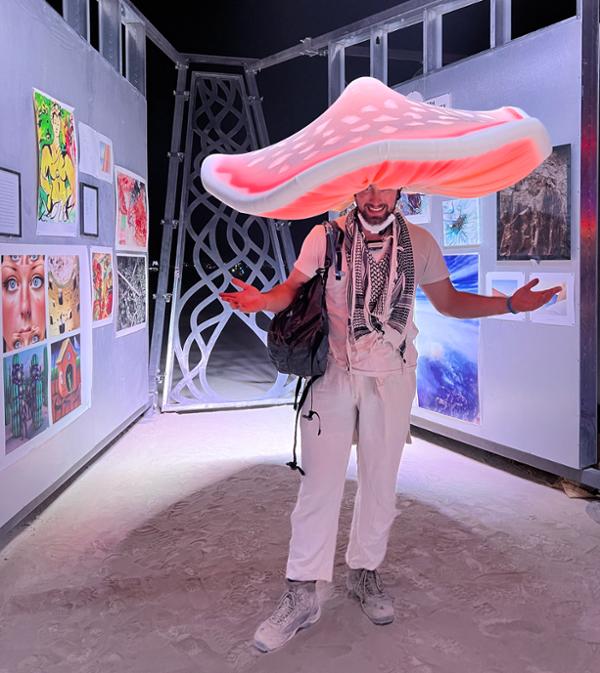
Absinthia Vermut and John Marx aim to challenge the perceived elitism of art museums / photo: john marx & absinthia vermut
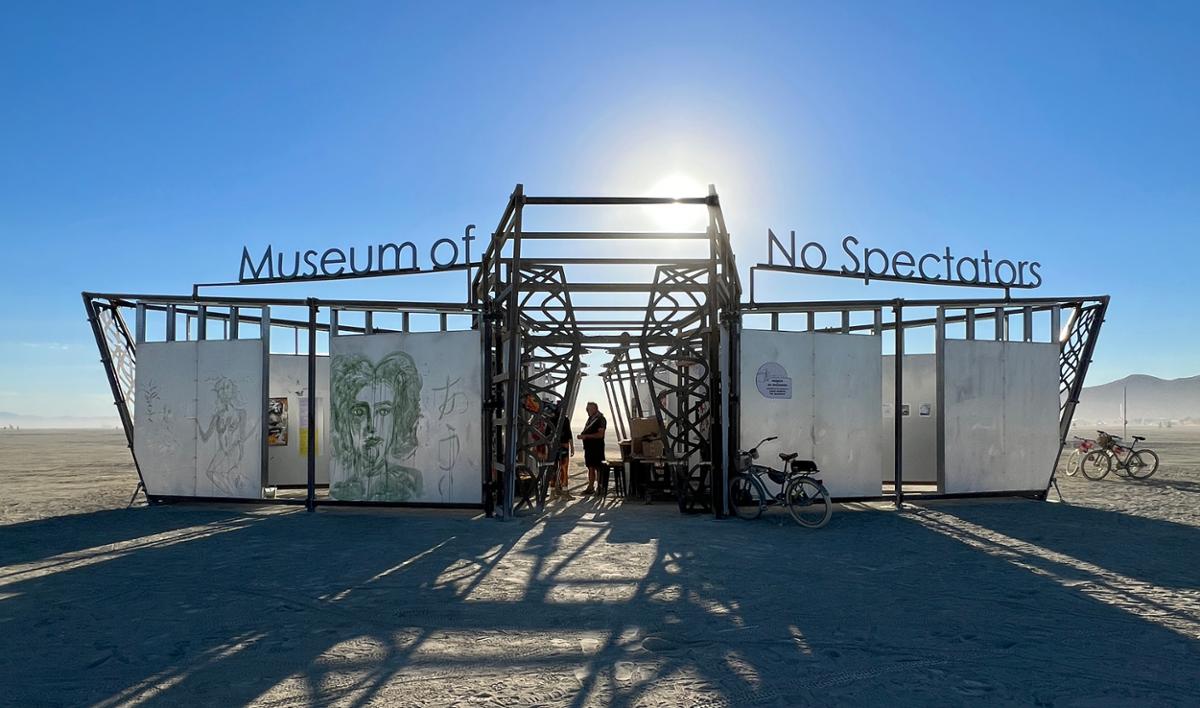
Architect and artist John Marx and artist Absinthia Vermut launched their Museum of No Spectators at this year’s Burning Man Festival in Nevada, USA, with the aim of rethinking the notion of art museums and moving away from “art as an elitist sport”.
The 1,400sq ft temporary museum was designed by Marx and Vermut and built from tube steel frames and aluminium Dibond panels by a team of 30 volunteers at the festival.
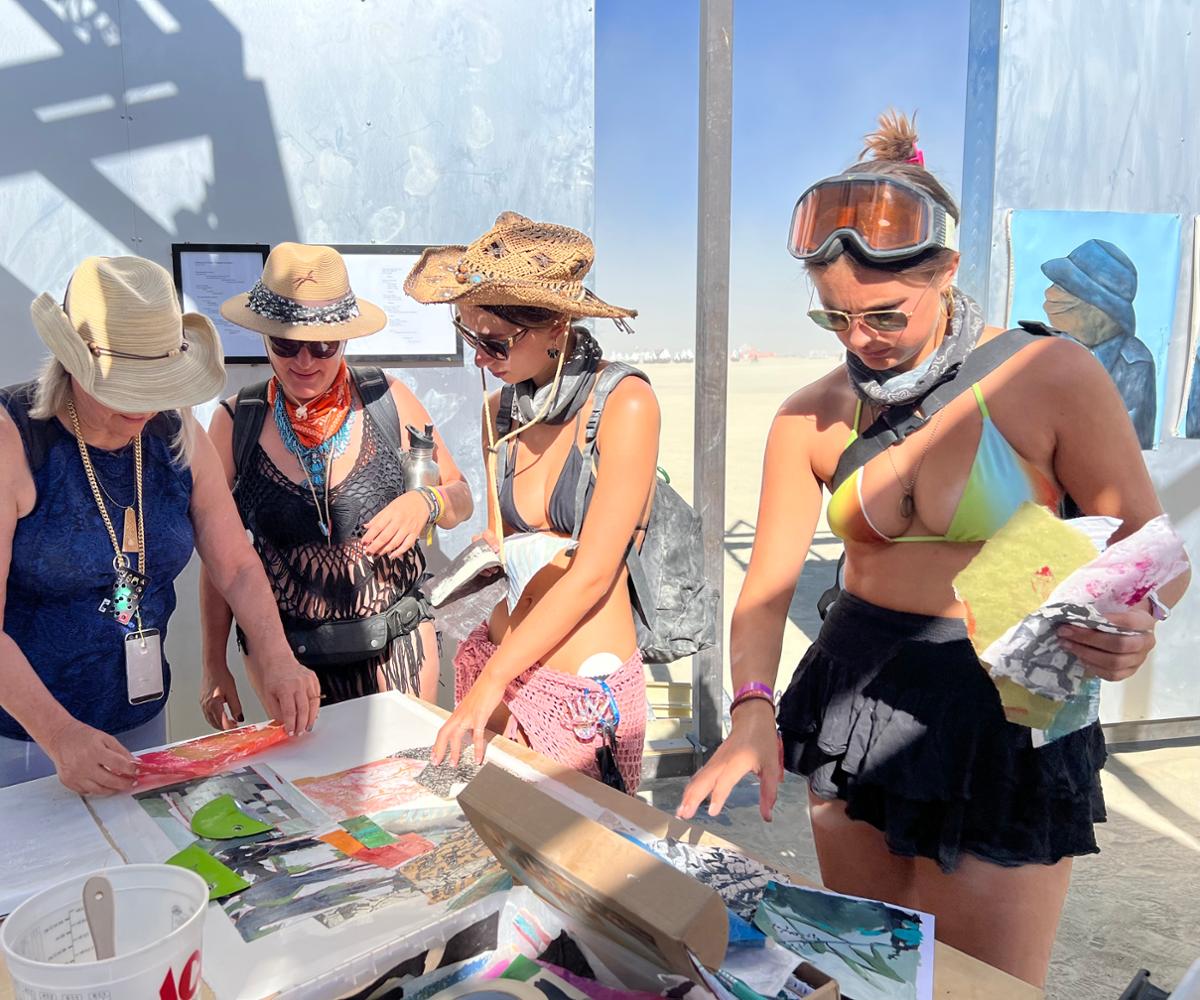
Inspired by Banksy’s critique of modern museums’ emphasis on ‘exiting through the gift shop,’ Marx and Vermut instead invited participants to enter the museum through the ‘Gifting Shop,’ where they were invited to create their own art as a gift. They then entered the main museum, which showcased a constantly changing selection of artworks created at the festival.
The idea was originally conceived for Burning Man 2020; when the festival was cancelled due to the COVID-19 pandemic, the design team developed an interactive digital version of the Museum of No Spectators as part of Burning Man 2020’s digital events series.
Here Marx talks exclusively to Attractions Management about why he feels it’s time for a new kind of art museum and how festival-goers responded to the installation.
Why do we need alternatives to traditional art museums? The aim of this project was to challenge the notion that museums are neutral spaces for exhibiting what artists do. While many museums are changing, many still function as elitist, not least because ‘museum grade art’ is put on a pedestal as if it’s beyond all other art. Investment grade art has a very important function in society, but there’s a lot of creativity beyond that hard bubble that deserves a voice.
We need alternatives to traditional art galleries and museums that embrace qualitative issues but also provide accessibility and break the need for economic justification. This led us to imagine an art museum where visitors could be creators and artists, too – hence the name, Museum of No Spectators. Here you can touch the art, respond to the art, make art and add art or comments directly to the walls.
Why did you choose to bring this museum to life at Burning Man? A participatory ethos is the driving spirit of Burning Man. Here, people are no longer passive consumers of art, but active participants in the creative process. This provides the perfect launching spot for a museum like this.
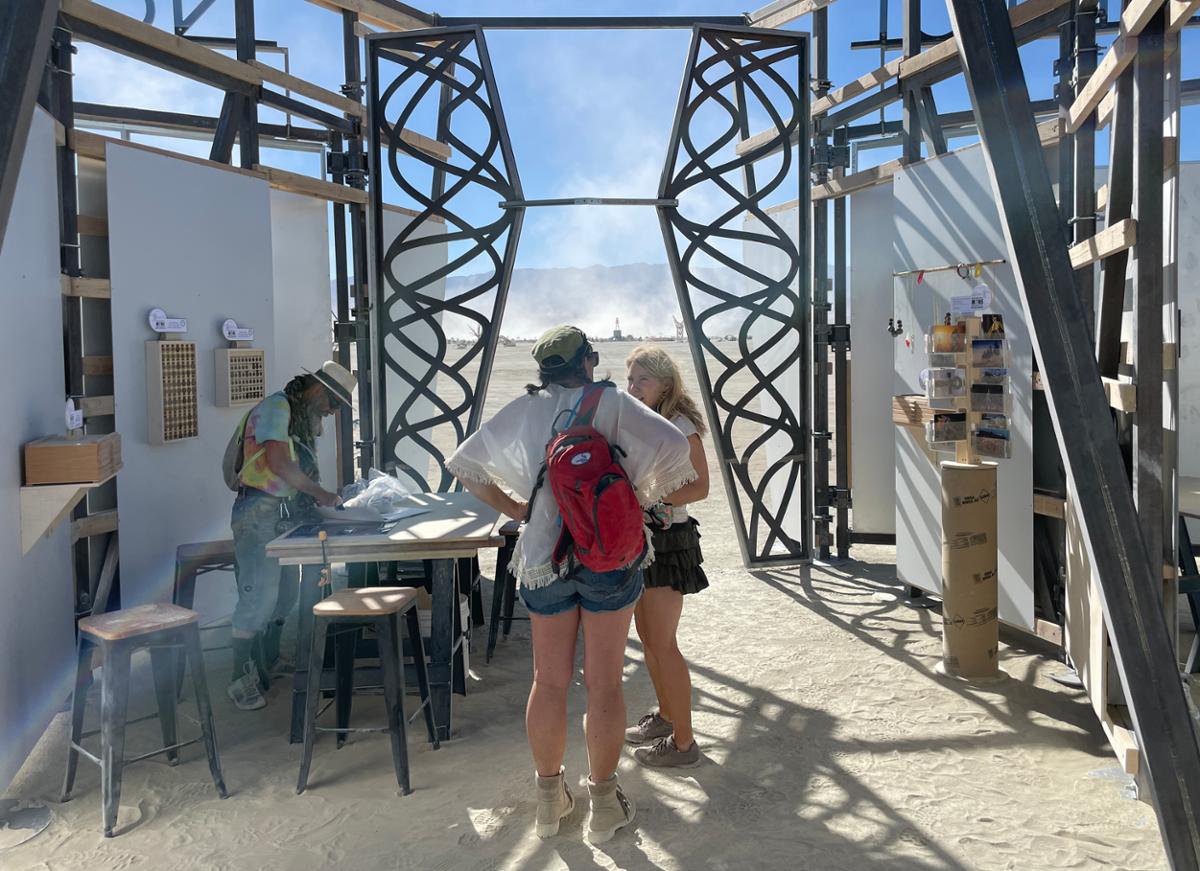
What was the Gifting Shop? There were several key aspects of a normative museum experience we wanted to challenge – the idea that you can’t touch the art, you can’t make art and you need to buy things in the gift shop to support the museum. Decommodification is one of Burning Man’s core principles. In an homage to Banksy’s 2010 film Exit through the Gift Shop we decided to change the nature of a gift shop and have people enter through the Gifting Shop. In the Gifting Shop you come to receive gifts – we gave away 5,000 postcards by 10 well known Burning Man photographers and 500 pieces of jewellery. Alternatively, visitors could leave gifts for other people, which started to happen more and more.
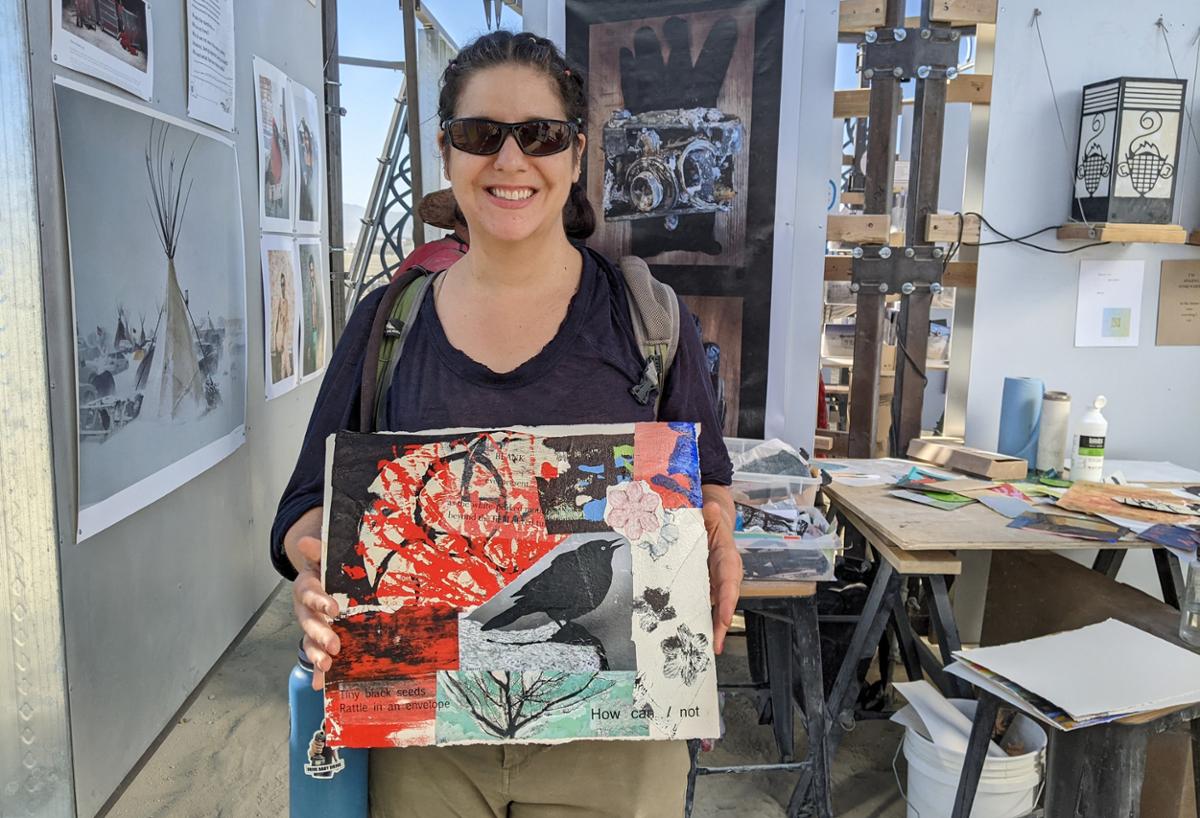
Every day we had several artists in residence who took participants through the ritual of making a gift of art. The result was profound and people flocked to the museum to participate.
There was a great diversity of artists and emotions exhibited in our eight galleries. Some pieces were playful, while others moved people to tears.
What could traditional art galleries learn from the Museum of No Spectators? We have aspired to show how to challenge the normative practices of a fine arts museum to have a greater relevance to the communities it serves. While MoNS is unique in its desert setting with a community that specifically prides itself on self-expression and participation, our goal was to test ideas of inclusivity and access in order to see how creativity and art can become a catalyst for change.
Most museums offer a series of exhibitions of artists to inform and inspire their communities, but they don’t open this hard bubble to the average artist. While western societies value art from a distance, imagine how much deeper that appreciation might go if they also were part of the culture of art – much like the weekend soccer player, who enjoys the game, but doesn’t feel third rate because they lack the talent and salary of the professional player. Their enjoyment and respect only deepens because of their involvement.
What’s next? Based on what we learned this year, there’s still much more work to do in order to fully understand the potential for an alternative museum. Specifically, how to increase outreach to the community and get more people making art on site.
We intend to bring MoNS back in 2023, with additional spatial definition, increased event programming and a greater outreach to artists. We will also have a stage at the end of the museum for spoken word and performance art, which we weren’t able to provide this year. l
Read more from this issue of Spa Business magazine
Profile: Bernard Donoghue
When COVID-19 hit, ALVA’s CEO stepped up. He talks us through lobbying government, getting results and supporting the sector through incredibly tough times
Museums: Long walk for freedom
As architects BIG unveil their designs for the National Juneteenth Museum in Texas, partner Douglass Alligood tells us why it’s one of the most important projects of his career
Theme Parks: Lotte World – on a roll
More than 30 years on from the opening of the highly successful Lotte World theme park in Seoul, we take a look at its new sister park
Show review: IAAPA Expo Europe
The industry came together in London to meet, celebrate and plan. We round up some of the show’s highlights
Museums: Going global
Taking a museum or attraction’s retail offer international can have profound and sometimes surprising results, says retail design expert Callum Lumsden
Immersive experience: Stranger & Stranger
Netflix has partnered with live entertainment discovery platform Fever to launch a Stranger Things immersive experience, and it’s proving popular
Research: Time to celebrate
Are celebration and special events worth the investment for attractions? Kathleen LeClair looks at the numbers
Theme Parks: Creating the magic
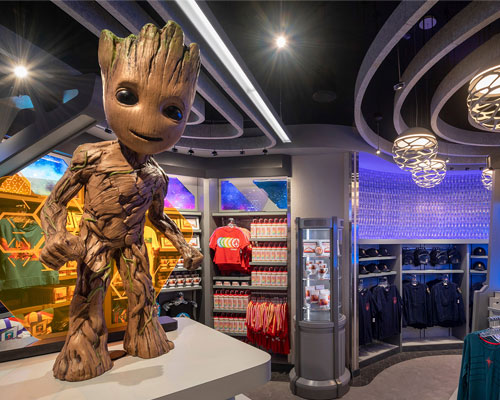
Disney Imagineers have shared some of the secrets that went into creating the long-awaited Guardians of the Galaxy: Cosmic Rewind attraction at EPCOT
In today’s premium spa environment, every detail shapes the guest experience – right down to
the softness of towels and the freshness of linens. [more...]
Absinthia Vermut and John Marx aim to challenge the perceived elitism of art museums / photo: john marx & absinthia vermut
Architect and artist John Marx and artist Absinthia Vermut launched their Museum of No Spectators at this year’s Burning Man Festival in Nevada, USA, with the aim of rethinking the notion of art museums and moving away from “art as an elitist sport”.
The 1,400sq ft temporary museum was designed by Marx and Vermut and built from tube steel frames and aluminium Dibond panels by a team of 30 volunteers at the festival.
Inspired by Banksy’s critique of modern museums’ emphasis on ‘exiting through the gift shop,’ Marx and Vermut instead invited participants to enter the museum through the ‘Gifting Shop,’ where they were invited to create their own art as a gift. They then entered the main museum, which showcased a constantly changing selection of artworks created at the festival.
The idea was originally conceived for Burning Man 2020; when the festival was cancelled due to the COVID-19 pandemic, the design team developed an interactive digital version of the Museum of No Spectators as part of Burning Man 2020’s digital events series.
Here Marx talks exclusively to Attractions Management about why he feels it’s time for a new kind of art museum and how festival-goers responded to the installation.
Why do we need alternatives to traditional art museums? The aim of this project was to challenge the notion that museums are neutral spaces for exhibiting what artists do. While many museums are changing, many still function as elitist, not least because ‘museum grade art’ is put on a pedestal as if it’s beyond all other art. Investment grade art has a very important function in society, but there’s a lot of creativity beyond that hard bubble that deserves a voice.
We need alternatives to traditional art galleries and museums that embrace qualitative issues but also provide accessibility and break the need for economic justification. This led us to imagine an art museum where visitors could be creators and artists, too – hence the name, Museum of No Spectators. Here you can touch the art, respond to the art, make art and add art or comments directly to the walls.
Why did you choose to bring this museum to life at Burning Man? A participatory ethos is the driving spirit of Burning Man. Here, people are no longer passive consumers of art, but active participants in the creative process. This provides the perfect launching spot for a museum like this.
What was the Gifting Shop? There were several key aspects of a normative museum experience we wanted to challenge – the idea that you can’t touch the art, you can’t make art and you need to buy things in the gift shop to support the museum. Decommodification is one of Burning Man’s core principles. In an homage to Banksy’s 2010 film Exit through the Gift Shop we decided to change the nature of a gift shop and have people enter through the Gifting Shop. In the Gifting Shop you come to receive gifts – we gave away 5,000 postcards by 10 well known Burning Man photographers and 500 pieces of jewellery. Alternatively, visitors could leave gifts for other people, which started to happen more and more.
Every day we had several artists in residence who took participants through the ritual of making a gift of art. The result was profound and people flocked to the museum to participate.
There was a great diversity of artists and emotions exhibited in our eight galleries. Some pieces were playful, while others moved people to tears.
What could traditional art galleries learn from the Museum of No Spectators? We have aspired to show how to challenge the normative practices of a fine arts museum to have a greater relevance to the communities it serves. While MoNS is unique in its desert setting with a community that specifically prides itself on self-expression and participation, our goal was to test ideas of inclusivity and access in order to see how creativity and art can become a catalyst for change.
Most museums offer a series of exhibitions of artists to inform and inspire their communities, but they don’t open this hard bubble to the average artist. While western societies value art from a distance, imagine how much deeper that appreciation might go if they also were part of the culture of art – much like the weekend soccer player, who enjoys the game, but doesn’t feel third rate because they lack the talent and salary of the professional player. Their enjoyment and respect only deepens because of their involvement.
What’s next? Based on what we learned this year, there’s still much more work to do in order to fully understand the potential for an alternative museum. Specifically, how to increase outreach to the community and get more people making art on site.
We intend to bring MoNS back in 2023, with additional spatial definition, increased event programming and a greater outreach to artists. We will also have a stage at the end of the museum for spoken word and performance art, which we weren’t able to provide this year. l
Read more from this issue of Spa Business magazine
Profile: Bernard Donoghue
When COVID-19 hit, ALVA’s CEO stepped up. He talks us through lobbying government, getting results and supporting the sector through incredibly tough times
Museums: Long walk for freedom
As architects BIG unveil their designs for the National Juneteenth Museum in Texas, partner Douglass Alligood tells us why it’s one of the most important projects of his career
Theme Parks: Lotte World – on a roll
More than 30 years on from the opening of the highly successful Lotte World theme park in Seoul, we take a look at its new sister park
Show review: IAAPA Expo Europe
The industry came together in London to meet, celebrate and plan. We round up some of the show’s highlights
Museums: Going global
Taking a museum or attraction’s retail offer international can have profound and sometimes surprising results, says retail design expert Callum Lumsden
Immersive experience: Stranger & Stranger
Netflix has partnered with live entertainment discovery platform Fever to launch a Stranger Things immersive experience, and it’s proving popular
Research: Time to celebrate
Are celebration and special events worth the investment for attractions? Kathleen LeClair looks at the numbers
Theme Parks: Creating the magic
Disney Imagineers have shared some of the secrets that went into creating the long-awaited Guardians of the Galaxy: Cosmic Rewind attraction at EPCOT
Patmos Aktis, a Luxury Collection Resort and Spa, has opened in Greece, with a renovated and
rebranded wellness offering called Ansana Wellness and Spa.
The Mauna Kea Beach Hotel, an Autograph Collection property in Hawaii, US, has opened its
22,000 sq ft indoor-outdoor Spa at Mauna Kea as the final step in the property’s overall
renovation, which has cost more than US$180 million (€166 million, £140 mill
The UK spa review and discovery platform for consumers, the Good Spa Guide, has announced
it will host the Good Spa Guide Awards 2026 during an event on 16 November at Sopwell House
Hotel in St Albans, UK.
Eighty-four per cent of consumers now say wellness is a top priority in their lives, with this
percentage increasing year on year, according to a preview presentation of McKinsey’s Future of
Wellness 2026 research report.
Mass protests have been taking place since Monday 1 June in Albania over the development of
a luxury resort by Donald Trump’s daughter Ivanka Trump and her husband Jared Kushner.
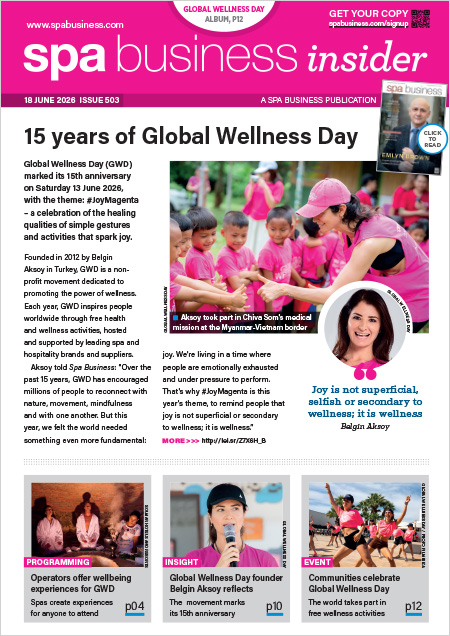
Global Wellness Day (GWD) marked its 15th anniversary on Saturday 13 June 2026, with the
theme: #JoyMagenta – a celebration of the healing qualities of simple gestures and activities
that spark joy.
Global luxury hospitality brand, Six Senses, has partnered with longevity healthcare provider,
HUM2N, to launch a clinic at Six Senses London, at The Whiteley.
As part of its first hotel partnership, Mayrlife – the medical health resort company known for its
site in Altaussee, Austria – has launched a day clinic at the Rosewood Vienna.
Premium London health club, KX Chelsea, will imminently unveil its most significant
redevelopment since its launch in 2002 to create an integrated wellness model combining
training, recovery and relaxation.
Rosewood Le Guanahani St Barth, on the northeast coast of Saint Barthélemy in the French
West Indies, is offering a programme of ocean-inspired yoga classes between 8-14 June to
celebrate Global Wellness Day (GWD).
In today’s premium spa environment, every detail shapes the guest experience – right down to
the softness of towels and the freshness of linens. [more...]