2022 is a big year for the industry, with Efteling,
Walt Disney World and Disneyland Paris all celebrating
anniversaries with special programming – but are these events
worth the investment? Kathleen LaClair, Partner at LDP, looks at the numbers
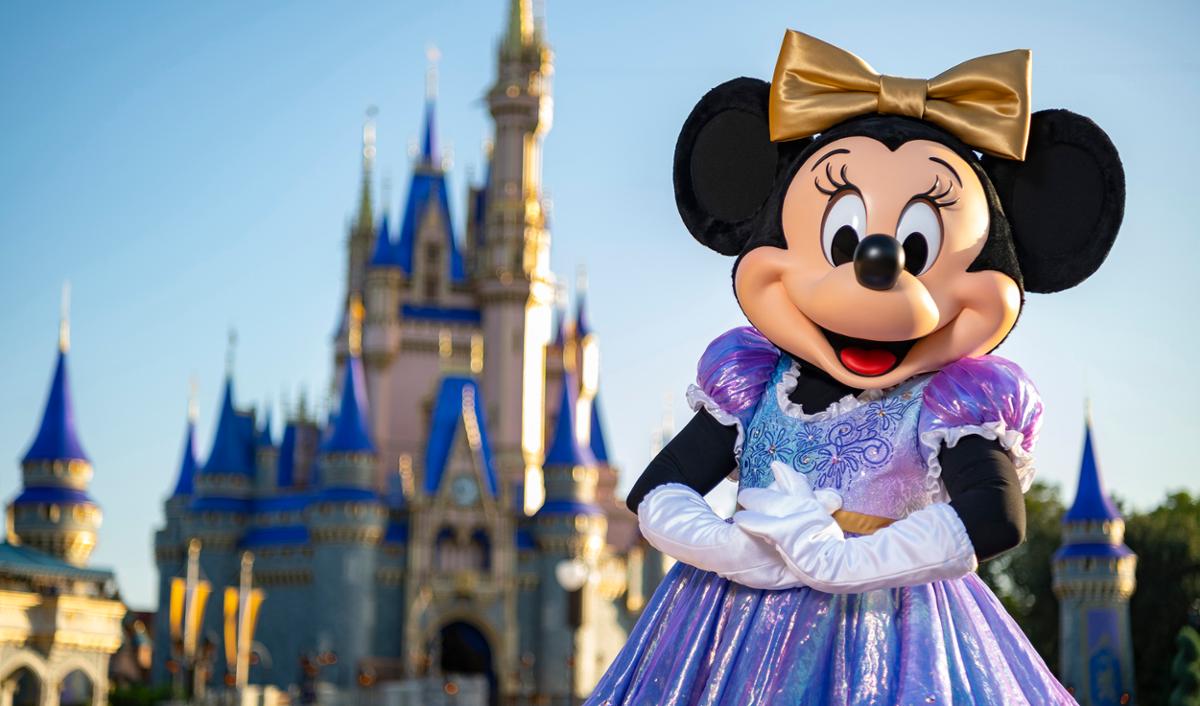
The big operators see positive results from special events – but can regionally focused attractions benefit too? / Photo: Matt Stroshane
For the attractions industry, 2022 is a year of big events. Efteling theme park in the Netherlands is turning 70. Walt Disney World in Orlando, Florida, turns 50. Disneyland Paris hits the 30-year mark. In addition to big milestone celebrations, attractions globally are adding cultural celebrations, food and wine festivals, music events, holiday programming and more, hoping to increase brand awareness, guest volumes, member satisfaction, dwell time and spending.
We assume these events have positive results in one form or another for the big operators, as events continue year after year. But what about more regionally focused attractions? Are the capital investments worth the effort to operate during off-hours and shoulder seasons? Do revenues from these events cover the costs? We take a look at the successes, challenges and the bottom line.
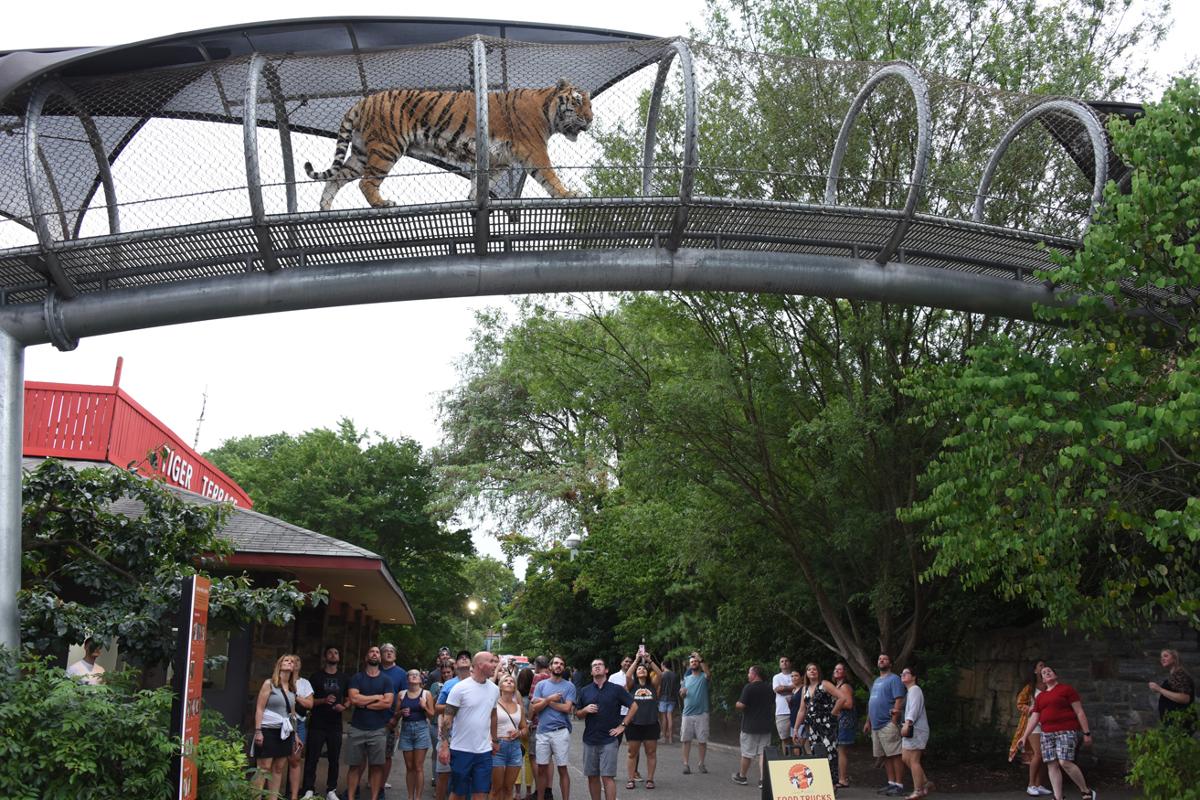
Spring and summer Spring and summer time special events continue to gain popularity. At Philadelphia Zoo, seasonal programming has proven very effective in activating new visitation patterns during historically quieter times of the year and or day, according to Amy Shearer, chief marketing and guest experience officer. The zoo initiated special events such as its annual Summer Ale Festival, which is held just one evening each summer. At the Ale Festival, “guests can enjoy more than 100 award-winning seasonal craft beers and fresh, local fare from the region’s hippest food trucks”. At a time when the zoo would normally be closed, the event draws almost 5,000 guests who pay a premium admission price for access to the zoo experience as well as a wide range of beer and food samplings.
The zoo has introduced other ‘feature experiences’ which are limited engagements during the core season that create an additional buzz and added experiential element to the normal zoo visit. Examples of this include Creatures of Habitat, featuring life-size animal LEGO vignettes by artist Sean Kenney and X-tink-Shun and a wild puppet experience by the Jim Henson Company, described as an interactive call to action to save endangered species. At a recent featured experience, the zoo grossed an additional €1.5m ($1.5m, £1.3m) in special ticket revenue while at the same time driving the general admission gate and membership sales. Shearer says that on average a feature experience increases membership and daily admission sales by 15 percent.
The main challenge to hosting these events, according to Shearer, is the weather; a rainy evening or cold temperatures can make or break attendance at an outdoor event, so it’s a constant concern. Marketing budgets are spent to advertise events well in advance of the actual day and staffing time used for set-up can’t be recouped.
At Liseberg theme park in Gothenburg, Sweden, summer concerts attract big numbers of people, but not necessarily big profits. The average concert brings in about 250,000 guests or a total of two million during the summer season. According to CEO Andreas Andersen, though, while concerts can drive annual pass and food and beverage sales and are great at promoting their brand, they are typically a zero-sum game when it comes to profitability. So, in some instances, while the overall financial performance of a specific special event may not contribute significantly to the bottom line, the benefit can be seen in longer dwell times, increased guest spend, creating repeat visitors and purchases of annual passes.
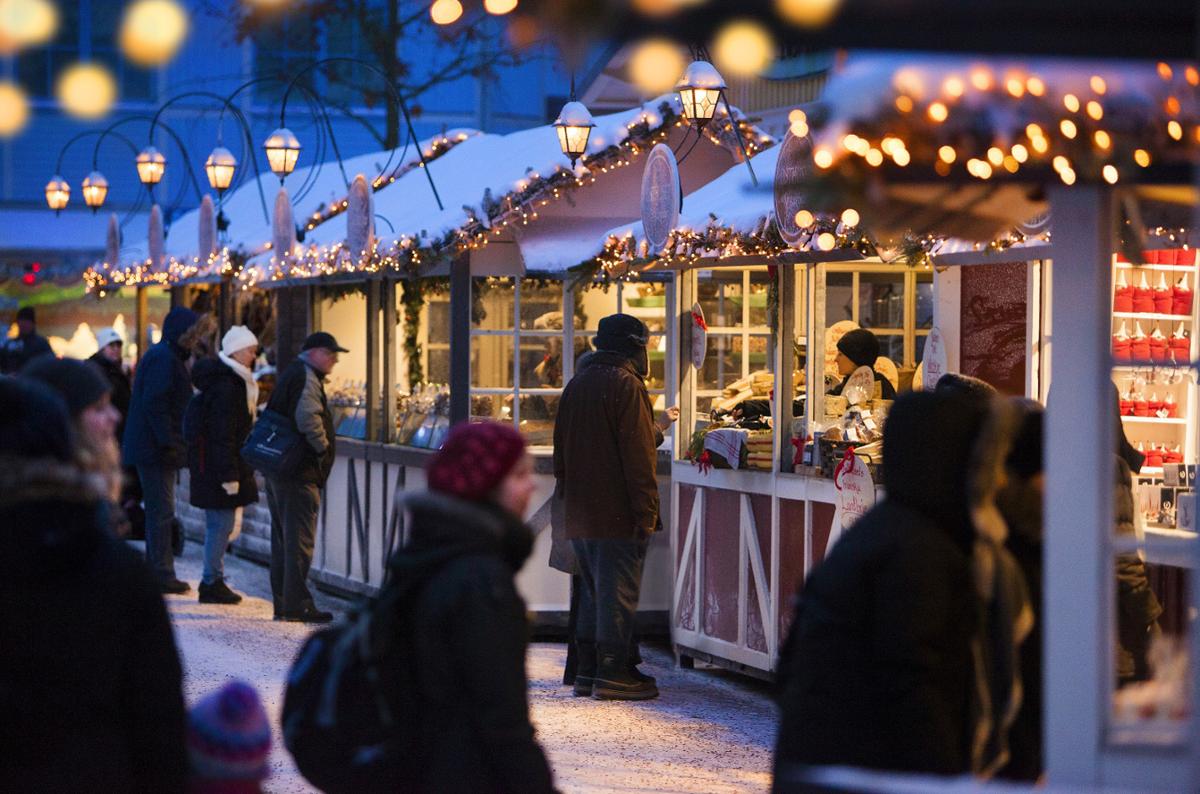
Halloween and winter holiday events Holiday events, typically Halloween and during winter, have become increasingly popular at a wide range of attractions, from theme parks to zoos. In many markets, these attractions are typically in their slower or even closed seasons; adding special holiday programming, especially in the evening, drives visits and spending when once there was none.
It’s almost impossible to visit a zoo during October and not be enticed to return for an evening of Boo at the Zoo. Prior to this trend zoos would almost always be closed during evening hours, as many species are sleeping or visibility in outdoor habitats is not conducive to night-time guests. The addition of Halloween and other holiday events creates not only new revenue streams during those seasons, but also increased value to existing members or those debating joining. A review of seasonal attendance across a selected number of zoos indicates that attendance at Halloween events typically total between five and 12 percent of overall annual visits and operators report that these events are often the highest ranked or most often mentioned in guest or member satisfaction surveys.
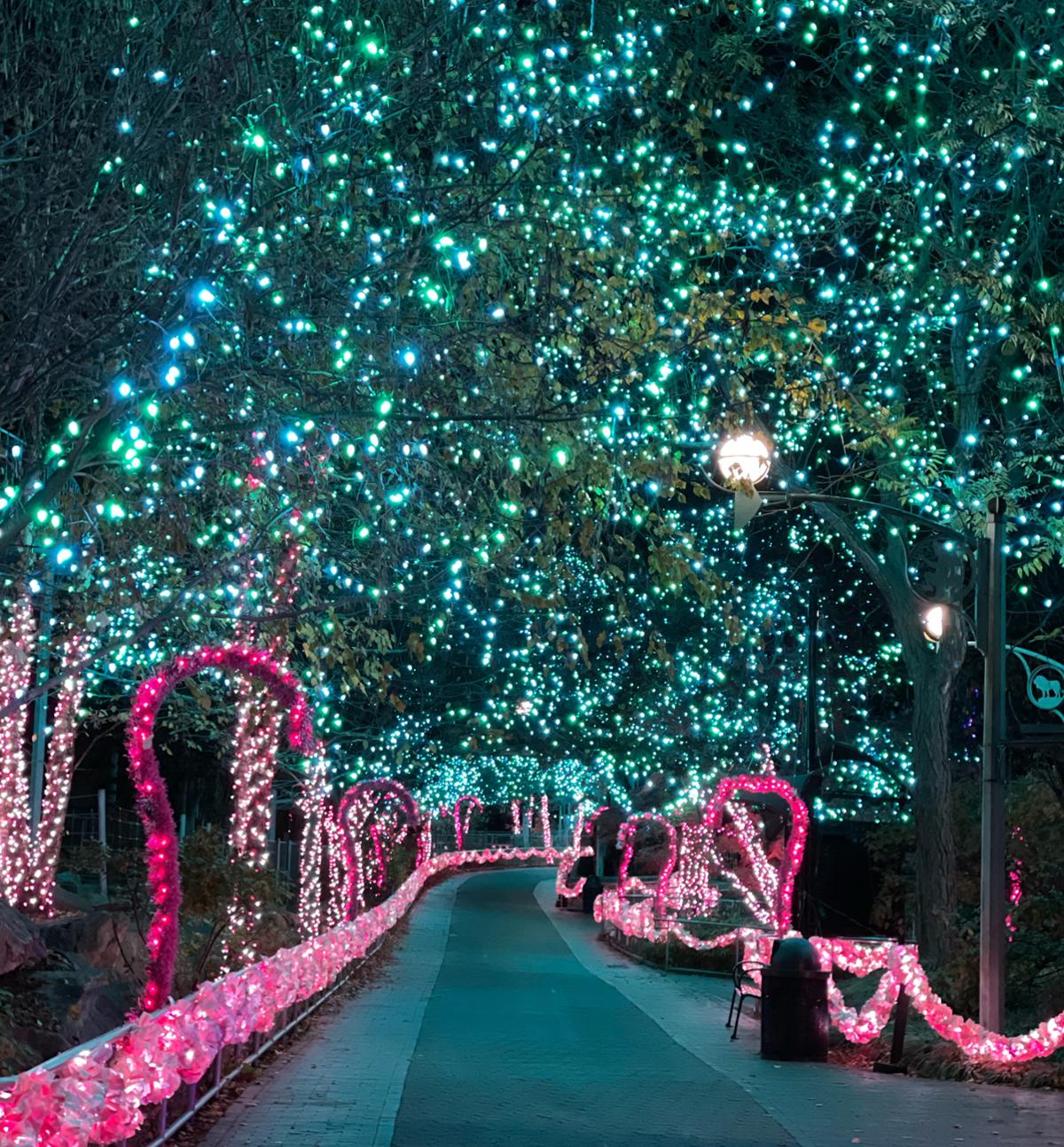
In 2019, Philadelphia Zoo inaugurated a cold weather experience, LumiNature, an illuminated adventure for visitors that celebrates the beauty and diversity of wildlife during the holidays. While only in its third season, the zoo is already yielding an additional $2.5m (€2.6m, £2.2m) in sales each year and has established a special fund from its net profits to date in order to ensure LumiNature capital investments are future proofed as this program begins to take root.
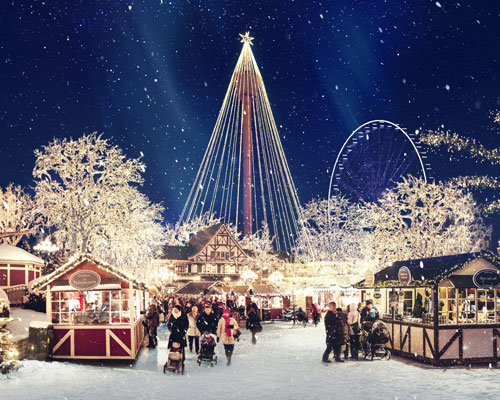
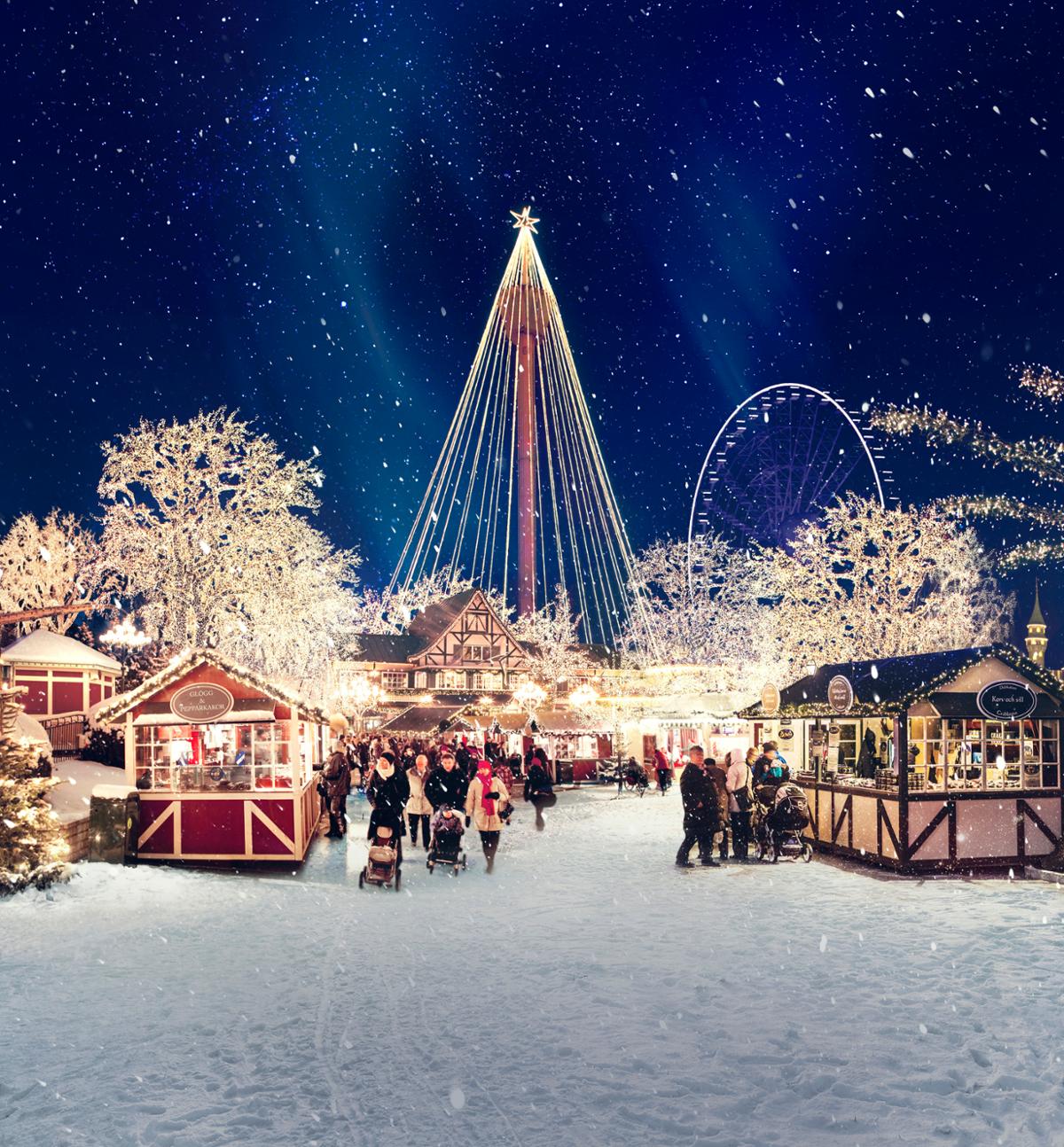
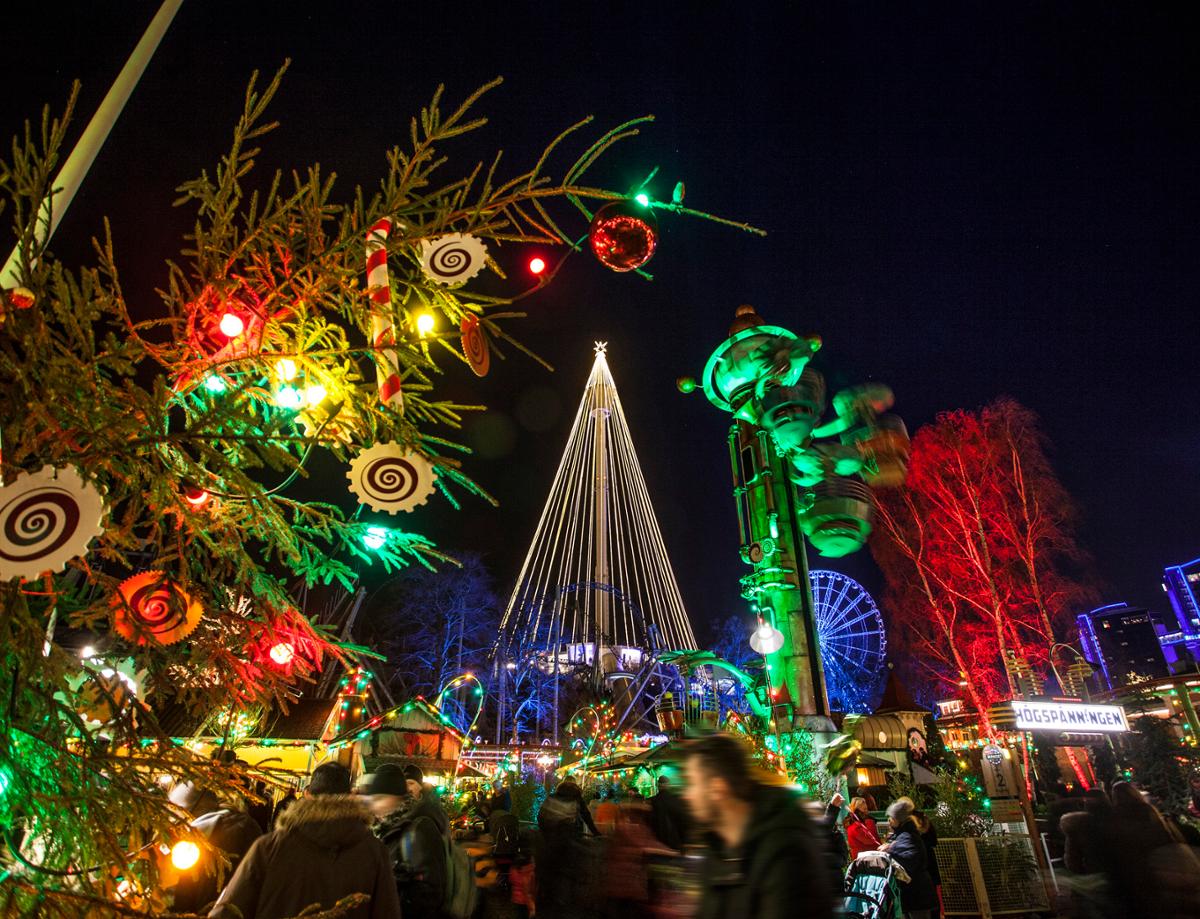
Back at Liseberg, hosting holiday events has become increasingly important over the last 10 years. The park launched its Christmas event in 2000 and sees more than 400,000 visitors annually; the Halloween event, launched in 2015, sees 300,000 guests annually. On average, these visits represent between 10 and 15 per cent of Liseberg’s total annual attendance. The seasonal events have a significant impact on park operations and have delivered increased profitability over the years, due largely in part to strategic pricing, according to Andersen. The profit margin on the Christmas event is on average 15 per cent; the margin for the Halloween event is even stronger – between 22 per cent and 35 per cent annually.
Another benefit is guest satisfaction. Liseberg uses the Net Promoter Score (NPS) system to rate guest satisfaction and scores during the Halloween and Christmas seasons are approximately 10 per cent higher than responses gathered in the summer season.
The approach and execution of new programming at an attraction will depend on many factors, including specific focus for the market, weather or climate, current economic conditions and lessons learned from past successes or challenges.
Andersen’s advice for any attraction considering special programming? Do less – but do it right and keep focus. Don’t underinvest, especially not in the beginning. Grow the events organically, otherwise operational costs will override revenues. Make sure events align with your brand. Set aside sufficient funds for marketing. And lastly, target your local market; the tourists will follow.
Profile: Bernard Donoghue
When COVID-19 hit, ALVA’s CEO stepped up. He talks us through lobbying government, getting results and supporting the sector through incredibly tough times
Museums: Long walk for freedom
As architects BIG unveil their designs for the National Juneteenth Museum in Texas, partner Douglass Alligood tells us why it’s one of the most important projects of his career
Theme Parks: Lotte World – on a roll
More than 30 years on from the opening of the highly successful Lotte World theme park in Seoul, we take a look at its new sister park
Show review: IAAPA Expo Europe
The industry came together in London to meet, celebrate and plan. We round up some of the show’s highlights
Museums: Going global
Taking a museum or attraction’s retail offer international can have profound and sometimes surprising results, says retail design expert Callum Lumsden
Immersive experience: Stranger & Stranger
Netflix has partnered with live entertainment discovery platform Fever to launch a Stranger Things immersive experience, and it’s proving popular
Research: Time to celebrate
Are celebration and special events worth the investment for attractions? Kathleen LeClair looks at the numbers
Theme Parks: Creating the magic
Disney Imagineers have shared some of the secrets that went into creating the long-awaited Guardians of the Galaxy: Cosmic Rewind attraction at EPCOT
In today’s premium spa environment, every detail shapes the guest experience – right down to
the softness of towels and the freshness of linens. [more...]
2022 is a big year for the industry, with Efteling,
Walt Disney World and Disneyland Paris all celebrating
anniversaries with special programming – but are these events
worth the investment? Kathleen LaClair, Partner at LDP, looks at the numbers
The big operators see positive results from special events – but can regionally focused attractions benefit too? / Photo: Matt Stroshane
For the attractions industry, 2022 is a year of big events. Efteling theme park in the Netherlands is turning 70. Walt Disney World in Orlando, Florida, turns 50. Disneyland Paris hits the 30-year mark. In addition to big milestone celebrations, attractions globally are adding cultural celebrations, food and wine festivals, music events, holiday programming and more, hoping to increase brand awareness, guest volumes, member satisfaction, dwell time and spending.
We assume these events have positive results in one form or another for the big operators, as events continue year after year. But what about more regionally focused attractions? Are the capital investments worth the effort to operate during off-hours and shoulder seasons? Do revenues from these events cover the costs? We take a look at the successes, challenges and the bottom line.
Spring and summer Spring and summer time special events continue to gain popularity. At Philadelphia Zoo, seasonal programming has proven very effective in activating new visitation patterns during historically quieter times of the year and or day, according to Amy Shearer, chief marketing and guest experience officer. The zoo initiated special events such as its annual Summer Ale Festival, which is held just one evening each summer. At the Ale Festival, “guests can enjoy more than 100 award-winning seasonal craft beers and fresh, local fare from the region’s hippest food trucks”. At a time when the zoo would normally be closed, the event draws almost 5,000 guests who pay a premium admission price for access to the zoo experience as well as a wide range of beer and food samplings.
The zoo has introduced other ‘feature experiences’ which are limited engagements during the core season that create an additional buzz and added experiential element to the normal zoo visit. Examples of this include Creatures of Habitat, featuring life-size animal LEGO vignettes by artist Sean Kenney and X-tink-Shun and a wild puppet experience by the Jim Henson Company, described as an interactive call to action to save endangered species. At a recent featured experience, the zoo grossed an additional €1.5m ($1.5m, £1.3m) in special ticket revenue while at the same time driving the general admission gate and membership sales. Shearer says that on average a feature experience increases membership and daily admission sales by 15 percent.
The main challenge to hosting these events, according to Shearer, is the weather; a rainy evening or cold temperatures can make or break attendance at an outdoor event, so it’s a constant concern. Marketing budgets are spent to advertise events well in advance of the actual day and staffing time used for set-up can’t be recouped.
At Liseberg theme park in Gothenburg, Sweden, summer concerts attract big numbers of people, but not necessarily big profits. The average concert brings in about 250,000 guests or a total of two million during the summer season. According to CEO Andreas Andersen, though, while concerts can drive annual pass and food and beverage sales and are great at promoting their brand, they are typically a zero-sum game when it comes to profitability. So, in some instances, while the overall financial performance of a specific special event may not contribute significantly to the bottom line, the benefit can be seen in longer dwell times, increased guest spend, creating repeat visitors and purchases of annual passes.
Halloween and winter holiday events Holiday events, typically Halloween and during winter, have become increasingly popular at a wide range of attractions, from theme parks to zoos. In many markets, these attractions are typically in their slower or even closed seasons; adding special holiday programming, especially in the evening, drives visits and spending when once there was none.
It’s almost impossible to visit a zoo during October and not be enticed to return for an evening of Boo at the Zoo. Prior to this trend zoos would almost always be closed during evening hours, as many species are sleeping or visibility in outdoor habitats is not conducive to night-time guests. The addition of Halloween and other holiday events creates not only new revenue streams during those seasons, but also increased value to existing members or those debating joining. A review of seasonal attendance across a selected number of zoos indicates that attendance at Halloween events typically total between five and 12 percent of overall annual visits and operators report that these events are often the highest ranked or most often mentioned in guest or member satisfaction surveys.
In 2019, Philadelphia Zoo inaugurated a cold weather experience, LumiNature, an illuminated adventure for visitors that celebrates the beauty and diversity of wildlife during the holidays. While only in its third season, the zoo is already yielding an additional $2.5m (€2.6m, £2.2m) in sales each year and has established a special fund from its net profits to date in order to ensure LumiNature capital investments are future proofed as this program begins to take root.
Back at Liseberg, hosting holiday events has become increasingly important over the last 10 years. The park launched its Christmas event in 2000 and sees more than 400,000 visitors annually; the Halloween event, launched in 2015, sees 300,000 guests annually. On average, these visits represent between 10 and 15 per cent of Liseberg’s total annual attendance. The seasonal events have a significant impact on park operations and have delivered increased profitability over the years, due largely in part to strategic pricing, according to Andersen. The profit margin on the Christmas event is on average 15 per cent; the margin for the Halloween event is even stronger – between 22 per cent and 35 per cent annually.
Another benefit is guest satisfaction. Liseberg uses the Net Promoter Score (NPS) system to rate guest satisfaction and scores during the Halloween and Christmas seasons are approximately 10 per cent higher than responses gathered in the summer season.
The approach and execution of new programming at an attraction will depend on many factors, including specific focus for the market, weather or climate, current economic conditions and lessons learned from past successes or challenges.
Andersen’s advice for any attraction considering special programming? Do less – but do it right and keep focus. Don’t underinvest, especially not in the beginning. Grow the events organically, otherwise operational costs will override revenues. Make sure events align with your brand. Set aside sufficient funds for marketing. And lastly, target your local market; the tourists will follow.
Profile: Bernard Donoghue
When COVID-19 hit, ALVA’s CEO stepped up. He talks us through lobbying government, getting results and supporting the sector through incredibly tough times
Museums: Long walk for freedom
As architects BIG unveil their designs for the National Juneteenth Museum in Texas, partner Douglass Alligood tells us why it’s one of the most important projects of his career
Theme Parks: Lotte World – on a roll
More than 30 years on from the opening of the highly successful Lotte World theme park in Seoul, we take a look at its new sister park
Show review: IAAPA Expo Europe
The industry came together in London to meet, celebrate and plan. We round up some of the show’s highlights
Museums: Going global
Taking a museum or attraction’s retail offer international can have profound and sometimes surprising results, says retail design expert Callum Lumsden
Immersive experience: Stranger & Stranger
Netflix has partnered with live entertainment discovery platform Fever to launch a Stranger Things immersive experience, and it’s proving popular
Research: Time to celebrate
Are celebration and special events worth the investment for attractions? Kathleen LeClair looks at the numbers
Theme Parks: Creating the magic
Disney Imagineers have shared some of the secrets that went into creating the long-awaited Guardians of the Galaxy: Cosmic Rewind attraction at EPCOT
Global retreat trade show, Synergy The Retreat Show, has launched a resource called The
Source, which hosts an open-access online Transformation Series programme.
The Standards Authority for Touch in Cancer Care (SATCC) charity has announced its first five-
day Living with Cancer and Beyond retreat, which will be held at Carden Park Hotel and Spa in
Cheshire, UK, between 1 and 5 September.
Patmos Aktis, a Luxury Collection Resort and Spa, has opened in Greece, with a renovated and
rebranded wellness offering called Ansana Wellness and Spa.
The Mauna Kea Beach Hotel, an Autograph Collection property in Hawaii, US, has opened its
22,000 sq ft indoor-outdoor Spa at Mauna Kea as the final step in the property’s overall
renovation, which has cost more than US$180 million (€166 million, £140 mill
The UK spa review and discovery platform for consumers, the Good Spa Guide, has announced
it will host the Good Spa Guide Awards 2026 during an event on 16 November at Sopwell House
Hotel in St Albans, UK.
Eighty-four per cent of consumers now say wellness is a top priority in their lives, with this
percentage increasing year on year, according to a preview presentation of McKinsey’s Future of
Wellness 2026 research report.
Mass protests have been taking place since Monday 1 June in Albania over the development of
a luxury resort by Donald Trump’s daughter Ivanka Trump and her husband Jared Kushner.
Global Wellness Day (GWD) marked its 15th anniversary on Saturday 13 June 2026, with the
theme: #JoyMagenta – a celebration of the healing qualities of simple gestures and activities
that spark joy.
Global luxury hospitality brand, Six Senses, has partnered with longevity healthcare provider,
HUM2N, to launch a clinic at Six Senses London, at The Whiteley.
As part of its first hotel partnership, Mayrlife – the medical health resort company known for its
site in Altaussee, Austria – has launched a day clinic at the Rosewood Vienna.
In today’s premium spa environment, every detail shapes the guest experience – right down to
the softness of towels and the freshness of linens. [more...]