Yes! Send me the FREE digital editions of Spa Business and Spa Business insider magazines and the FREE weekly Spa Business and Spa Business insider ezines and breaking news alerts!
A growing honesty in relation to the subject of
slavery has led to some attractions revising their
policies and approach. Jon Young from BVA
BDRC looks at visitor opinions on this shift
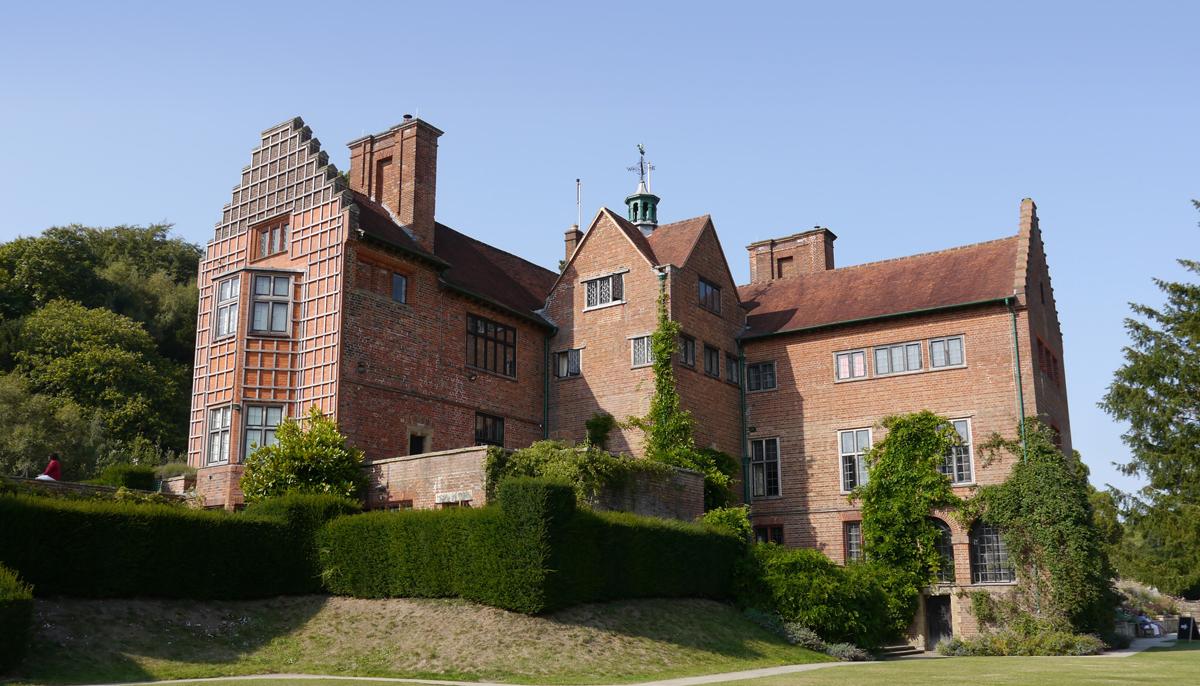
Chartwell, Winston Churchill’s former home, was flagged for its links to colonialism / National Trust / Chartwell
In September 2020, the UK’s National Trust published an interim report on historic slavery and colonialism links to the places it cares for. There were a number of complaints after the report came out, with claims the group had acted outside its charitable purposes by drawing attention to links between, for example, Winston Churchill’s former home at Chartwell and colonialism.
The UK Charity Commission found no grounds for regulatory action against the National Trust, commenting that it was “satisfied that the trustees recognised and carefully considered the potential negative reaction that could result from the publication of the report”.
In a blog post, National Trust director-general Hilary McGrady said: “There is so much to be proud of in our history. The wonderful collection of places the Trust cares for, that have been cherished for generations before us, is a testament to that. However, history can also be challenging and contentious. It is surely a sign of confidence, integrity and pride that while we can celebrate and enjoy history, we can also explore and acknowledge all aspects of it. The National Trust is at its best when we capture this complexity – when we present facts and material evidence in ways that inspire curiosity, inquiry, learning and sharing.
“We’re developing a programme of rounded interpretation at properties,” said McGrady, “Balance and integration will be at the heart of this programme. Our curatorial teams continue doing vital work with properties to make sure we have the highest standards of presentation and interpretation at these places. We are here for all of history – for everyone, for ever.”
An industry-wide issue Although the National Trust received much of the attention on this subject, a number of other operators have also sought to re-evaluate how they talk about this subject area.
A key concern is the impact any reinterpretation will have on attraction visitor numbers.
Some worry that by drawing attention to the negative side of history, the ‘idealistic Downton Abbey traditionalist’ may decide not to visit, but others argue that following the events of 2020, the public’s understanding of how historic sites relate to slavery has shifted. There is an expectation that interpretation conveys the full history of a venue (‘warts and all’) and by doing nothing, they’ll be providing a sanitised version of what happened, which will lead to a less fulfilling visitor experience. It could also mean people will decide not to visit.
As individuals, our team at BVA BDRC has well developed opinions on the subject – the Story of our Times podcast on Penrhyn Castle will give you a clue as to mine – but as consultants who work in the sector, we also seek to understand the objective truth, so we put the question to the general public, asking a nationally representative UK sample (1,750) the following question:
“In the last couple of years, organisations such as The National Trust have started to examine the links their properties have with colonialism and historic slavery.
In cases where slavery has played a large role in the site’s history, how much do you agree or disagree these organisations should include information about their links to slavery as part of their on-site interpretation?”
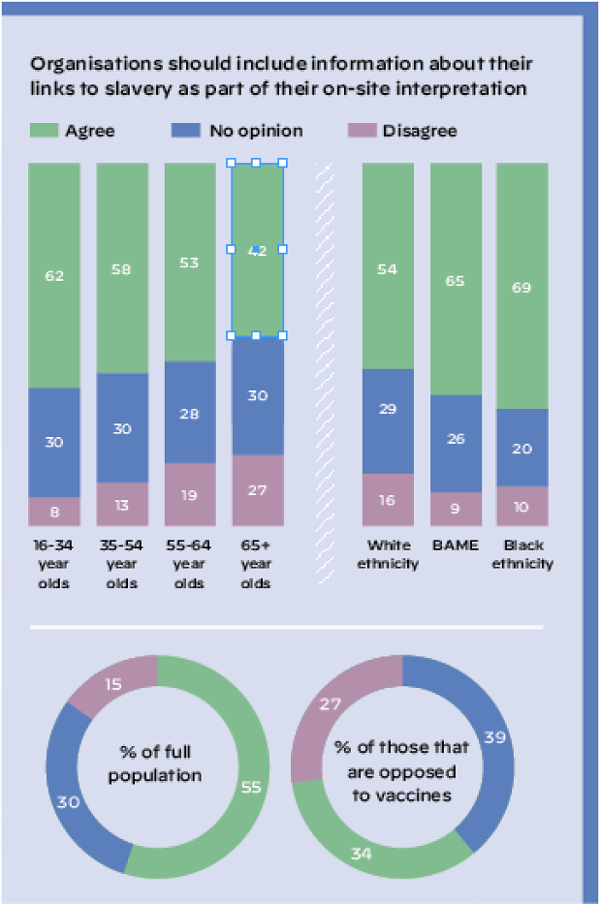
Key findings The key finding was that the majority of the population (55 per cent) supported information about links to slavery being included in the interpretation. Perhaps more importantly, only a small minority of 15 per cent opposed it, while 30 per cent had no firm opinion either way.
Notably, although support for this sort of interpretation falls as people get older, it remains significantly higher than ‘opposition’ in every single age group, meaning that the argument that there is a huge cultural divide by age are largely unfounded.
Perhaps unsurprisingly, there’s majority support across all ethnic groups, with agreement increasing to 7 in 10 in UK residents of black ethnicity. For sites that champion an inclusive agenda, this figure may be enough motivation to update interpretation in itself.
We tried in vain to find an audience that is more likely to oppose, but such was the support for the suggestion, we were unsuccessful. The closest we came was among ‘anti-vaxxers’. But even among this ‘counter- cultural’ audience, support was higher than opposition – 39 per cent to 27 per cent.
A few words about the minority This is a complex subject with many layers and nuances, and we don’t expect this one question to provide meaningful recommendations. But we hope it demonstrates that – despite what some tabloids may say – opposition to including links to slavery is only held among a minority of the general public.
However, we mustn’t forget this minority either and although 15 per cent is a relatively small number, no venue would want to lose or upset this amount of visitors. With any additional interpretation on slavery, this minority will want to be reassured that their ‘traditional visit’ is protected and that extra interpretation adds depth rather than taking anything away.
Our ‘Brand Purpose’ report suggests that one possible objection from these detractors is that places are responding to a ‘woke’ political agenda.
It found that although there was significant support for the inclusion of marketing on race, gender and sexuality, many felt that brands were jumping on a bandwagon.
To avoid the accusation of ‘wokery’, it’s really important that historic visitor attractions separate themselves from big brands that appear to be jumping on a bandwagon. This shouldn’t be too difficult – a centuries old country house is likely to have more of an authentic story to tell than a brand of rice (for example!). One way of achieving this separation is by ensuring any references to slavery are supported by robust source material, and that the stories they tell are intrinsically linked to the site’s history.
Venues should also be inclusive in their inclusivity – that is, rather than focusing on just one under-represented audience, drawing attention to all the groups that may be linked to the site. Attractions may also want to think about avoiding perceptions of tokenism and integrating this interpretation into the site’s story, as opposed to box-ticking with a standalone exhibition.
"Despite what some tabloids
may say, opposition to
including links to slavery is
only found among a minority" – Jon Young, BVA
BDRC
Read more from this issue of Spa Business magazine
View contents of Spa Business 2022 issue 1
Editor's letter: Supersensory
With our growing insight into how to engage visitors’ more complex senses, it’s time for a new approach, says Magali Robathan
Immersive experiences: Joseph Wisne
Truly ambitious attractions providers need to push the boundaries of immersive design by engaging visitors’ senses of pain, danger, balance, justice and more, argues Roto’s CEO
Interview: Esther Dugdale
As the Burrell Collection relaunches and Eden Qingdao takes shape, Event’s creative director shares her tips for creating experiences that spark joy and curiosity
The arts: Room to grow
Could the space age, ultra flexible design of the new Taipei Performing Arts Center provide a model for future attractions spaces?
Museums: Ones to watch
From an AI museum built by robots to the long-awaited Grand Egyptian Museum, we take a look at some exciting 2022 openings
Research: All of history
As demand for growing honesty in relation to links to slavery and colonialism grows, should attractions be open about their history? Jon Young investigates
Opinion: Vince Kadlubek
Art engages and delights visitors. Kadlubek argues that attractions should embrace and support artists and look for shared initiatives
Waterparks: Waves of change
As The Wave inland surf lake announces plans to open six more sites, we go along for a surf and a sit down with CEO Craig Stoddart
Experience economy: Joe Pine
Experience platforms represent one of the biggest growth opportunities in today’s experience economy, argues Joe Pine. Here’s how to get them right
Interview: Cale Heit
With new themed coasters open at Motiongate Dubai and some intruiging projects underway, Forrec is making the most of the pent up demand for shared experiences. CEO Cale Heit tells us more
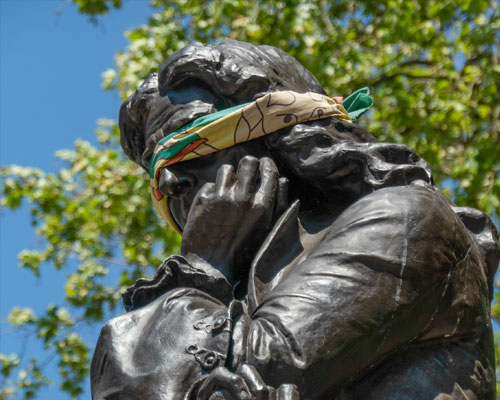
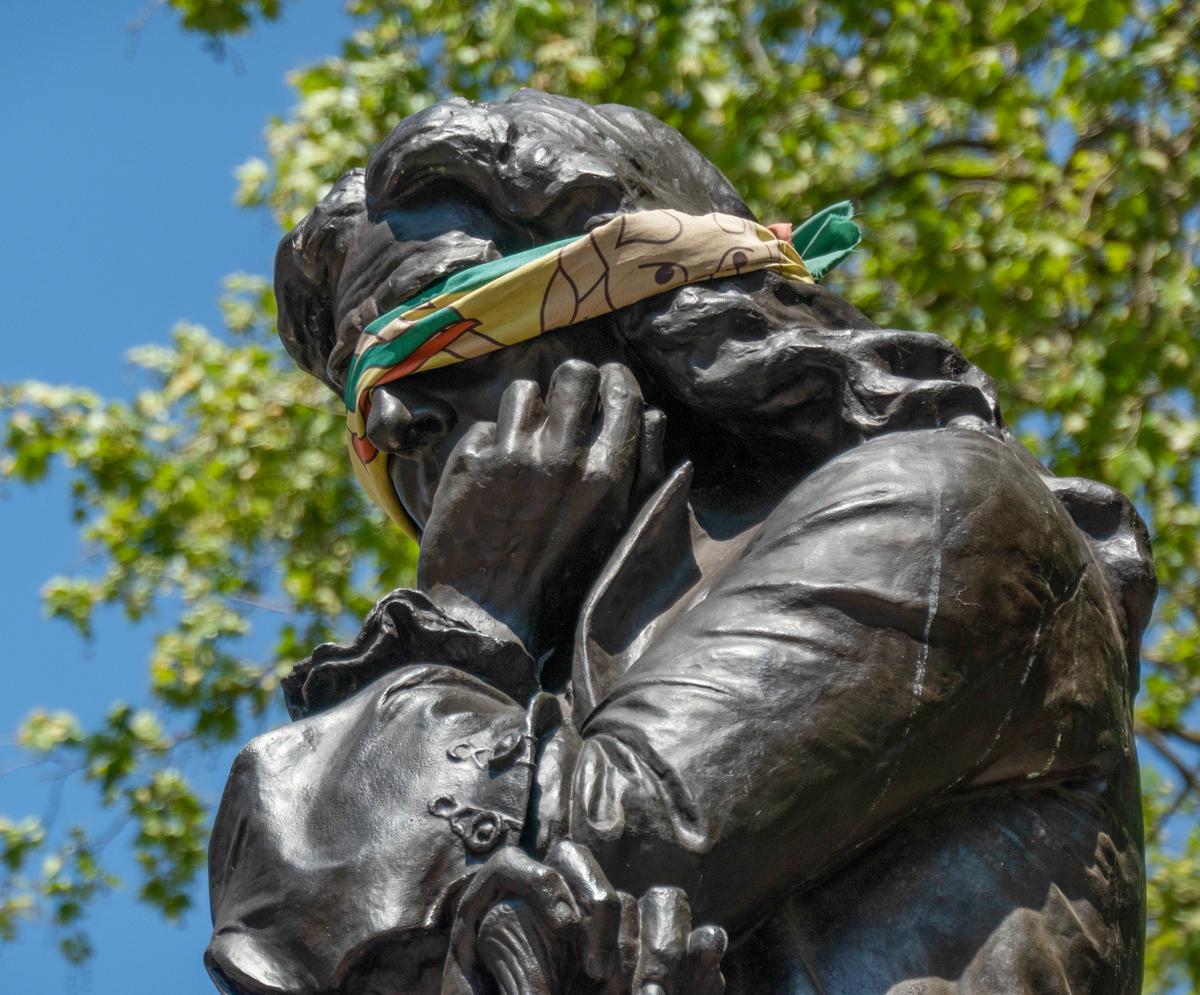
The controversial renoval of the Colston statue in Bristol triggered a debate about slave links / shutterstock/Ian Luck
Organisations should include information about their links to slavery as part of their on-site interpretation
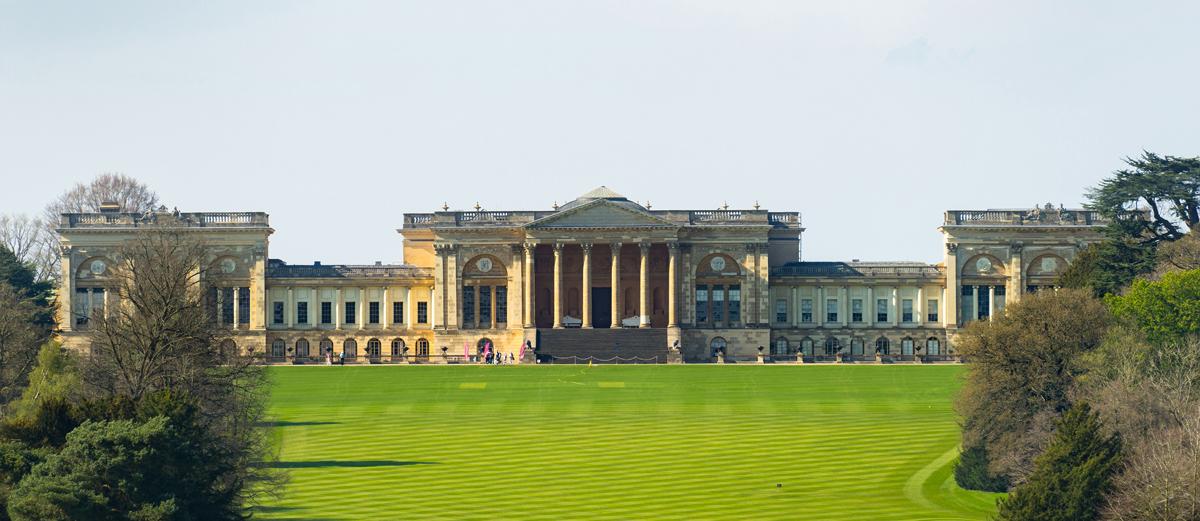
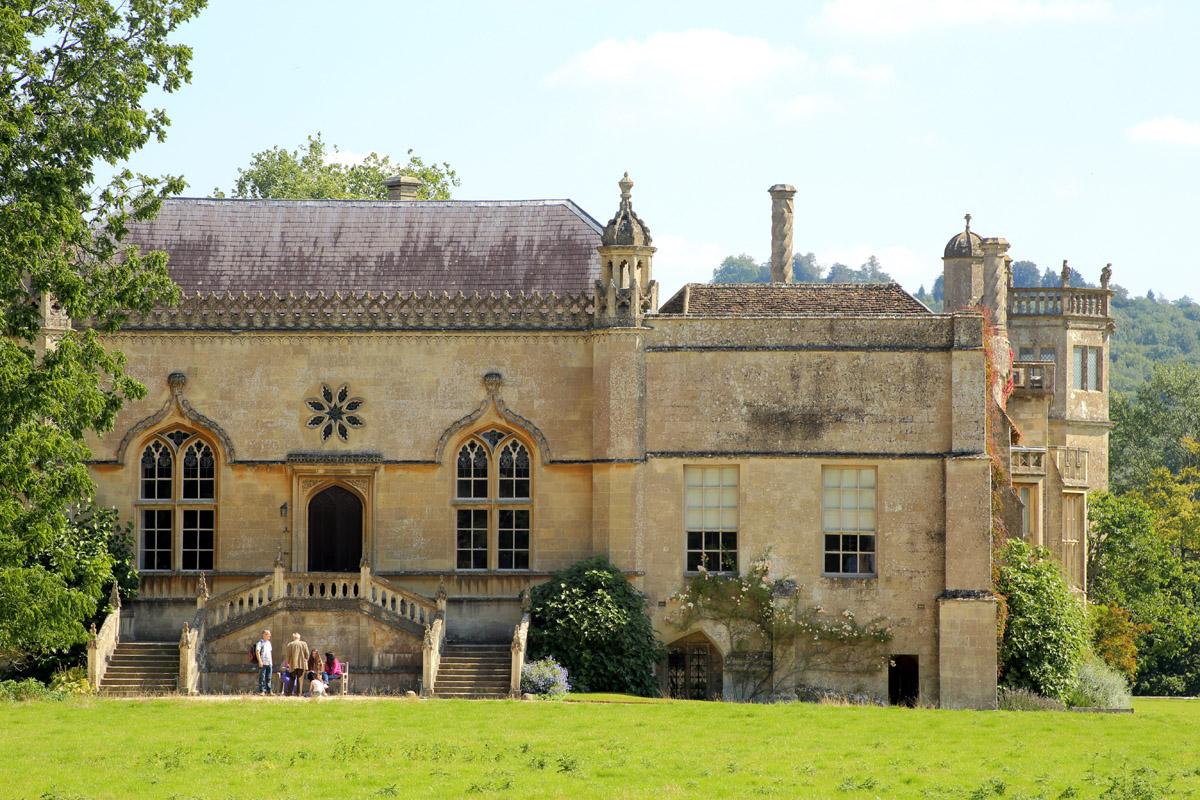
The owners of Stowe House benefitted from the slave trade. The richest family in England, they later became the ‘greatest debtors in the world’ / shutterstock/Pajor Pawel
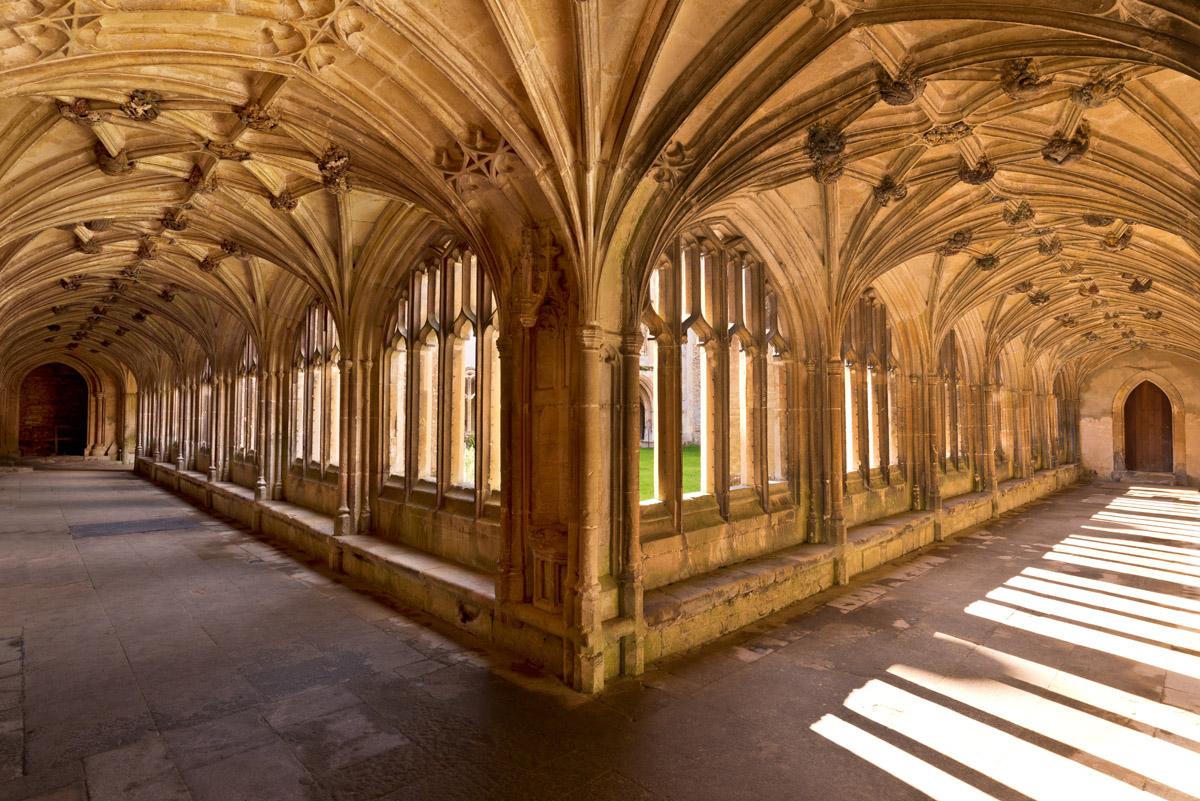
The National Trust’s Lacock Abbey – owned by slave traders and the location for corridor scenes in the Harry Potter films / shutterstock/ tviolet
The National Trust’s Lacock Abbey – owned by slave traders and the location for corridor scenes in the Harry Potter films / shutterstock/Michael Warwick
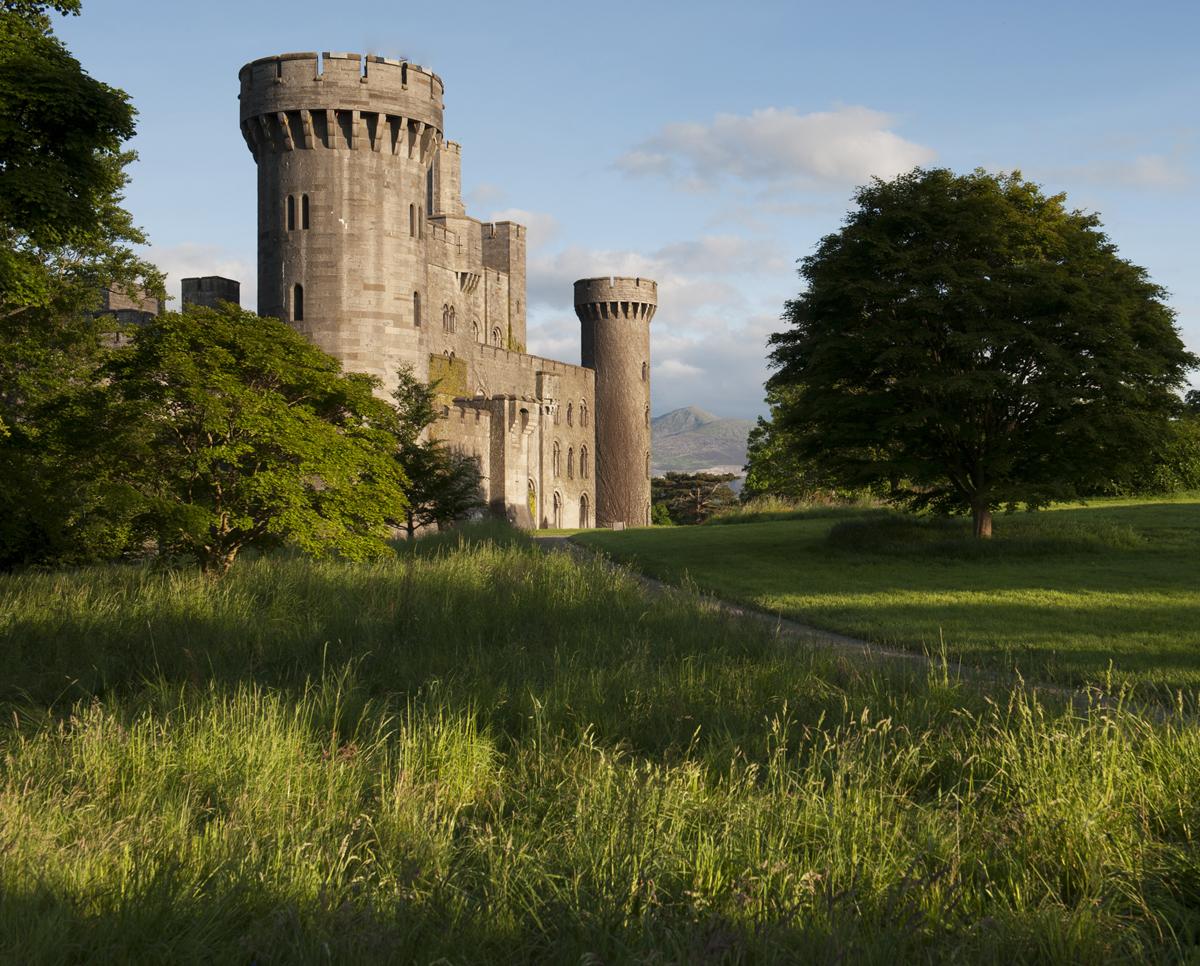
The National Trust’s Penrhyn Castle – built with proceeds from the slave trade and owned by anti-abolitionists / National Trust Images / Paul Harris
The Spa Life UK Convention returns from 21–23 June 2026 at Whittlebury Park Hotel, Spa &
Golf Resort, bringing together spa managers, directors and owners for two days of focused
education, meaningful connection and commercial insight. [more...]
A growing honesty in relation to the subject of
slavery has led to some attractions revising their
policies and approach. Jon Young from BVA
BDRC looks at visitor opinions on this shift
Chartwell, Winston Churchill’s former home, was flagged for its links to colonialism / National Trust / Chartwell
In September 2020, the UK’s National Trust published an interim report on historic slavery and colonialism links to the places it cares for. There were a number of complaints after the report came out, with claims the group had acted outside its charitable purposes by drawing attention to links between, for example, Winston Churchill’s former home at Chartwell and colonialism.
The UK Charity Commission found no grounds for regulatory action against the National Trust, commenting that it was “satisfied that the trustees recognised and carefully considered the potential negative reaction that could result from the publication of the report”.
In a blog post, National Trust director-general Hilary McGrady said: “There is so much to be proud of in our history. The wonderful collection of places the Trust cares for, that have been cherished for generations before us, is a testament to that. However, history can also be challenging and contentious. It is surely a sign of confidence, integrity and pride that while we can celebrate and enjoy history, we can also explore and acknowledge all aspects of it. The National Trust is at its best when we capture this complexity – when we present facts and material evidence in ways that inspire curiosity, inquiry, learning and sharing.
“We’re developing a programme of rounded interpretation at properties,” said McGrady, “Balance and integration will be at the heart of this programme. Our curatorial teams continue doing vital work with properties to make sure we have the highest standards of presentation and interpretation at these places. We are here for all of history – for everyone, for ever.”
An industry-wide issue Although the National Trust received much of the attention on this subject, a number of other operators have also sought to re-evaluate how they talk about this subject area.
A key concern is the impact any reinterpretation will have on attraction visitor numbers.
Some worry that by drawing attention to the negative side of history, the ‘idealistic Downton Abbey traditionalist’ may decide not to visit, but others argue that following the events of 2020, the public’s understanding of how historic sites relate to slavery has shifted. There is an expectation that interpretation conveys the full history of a venue (‘warts and all’) and by doing nothing, they’ll be providing a sanitised version of what happened, which will lead to a less fulfilling visitor experience. It could also mean people will decide not to visit.
As individuals, our team at BVA BDRC has well developed opinions on the subject – the Story of our Times podcast on Penrhyn Castle will give you a clue as to mine – but as consultants who work in the sector, we also seek to understand the objective truth, so we put the question to the general public, asking a nationally representative UK sample (1,750) the following question:
“In the last couple of years, organisations such as The National Trust have started to examine the links their properties have with colonialism and historic slavery.
In cases where slavery has played a large role in the site’s history, how much do you agree or disagree these organisations should include information about their links to slavery as part of their on-site interpretation?”
Key findings The key finding was that the majority of the population (55 per cent) supported information about links to slavery being included in the interpretation. Perhaps more importantly, only a small minority of 15 per cent opposed it, while 30 per cent had no firm opinion either way.
Notably, although support for this sort of interpretation falls as people get older, it remains significantly higher than ‘opposition’ in every single age group, meaning that the argument that there is a huge cultural divide by age are largely unfounded.
Perhaps unsurprisingly, there’s majority support across all ethnic groups, with agreement increasing to 7 in 10 in UK residents of black ethnicity. For sites that champion an inclusive agenda, this figure may be enough motivation to update interpretation in itself.
We tried in vain to find an audience that is more likely to oppose, but such was the support for the suggestion, we were unsuccessful. The closest we came was among ‘anti-vaxxers’. But even among this ‘counter- cultural’ audience, support was higher than opposition – 39 per cent to 27 per cent.
A few words about the minority This is a complex subject with many layers and nuances, and we don’t expect this one question to provide meaningful recommendations. But we hope it demonstrates that – despite what some tabloids may say – opposition to including links to slavery is only held among a minority of the general public.
However, we mustn’t forget this minority either and although 15 per cent is a relatively small number, no venue would want to lose or upset this amount of visitors. With any additional interpretation on slavery, this minority will want to be reassured that their ‘traditional visit’ is protected and that extra interpretation adds depth rather than taking anything away.
Our ‘Brand Purpose’ report suggests that one possible objection from these detractors is that places are responding to a ‘woke’ political agenda.
It found that although there was significant support for the inclusion of marketing on race, gender and sexuality, many felt that brands were jumping on a bandwagon.
To avoid the accusation of ‘wokery’, it’s really important that historic visitor attractions separate themselves from big brands that appear to be jumping on a bandwagon. This shouldn’t be too difficult – a centuries old country house is likely to have more of an authentic story to tell than a brand of rice (for example!). One way of achieving this separation is by ensuring any references to slavery are supported by robust source material, and that the stories they tell are intrinsically linked to the site’s history.
Venues should also be inclusive in their inclusivity – that is, rather than focusing on just one under-represented audience, drawing attention to all the groups that may be linked to the site. Attractions may also want to think about avoiding perceptions of tokenism and integrating this interpretation into the site’s story, as opposed to box-ticking with a standalone exhibition.
"Despite what some tabloids
may say, opposition to
including links to slavery is
only found among a minority" – Jon Young, BVA
BDRC
Read more from this issue of Spa Business magazine
View contents of Spa Business 2022 issue 1
Editor's letter: Supersensory
With our growing insight into how to engage visitors’ more complex senses, it’s time for a new approach, says Magali Robathan
Immersive experiences: Joseph Wisne
Truly ambitious attractions providers need to push the boundaries of immersive design by engaging visitors’ senses of pain, danger, balance, justice and more, argues Roto’s CEO
Interview: Esther Dugdale
As the Burrell Collection relaunches and Eden Qingdao takes shape, Event’s creative director shares her tips for creating experiences that spark joy and curiosity
The arts: Room to grow
Could the space age, ultra flexible design of the new Taipei Performing Arts Center provide a model for future attractions spaces?
Museums: Ones to watch
From an AI museum built by robots to the long-awaited Grand Egyptian Museum, we take a look at some exciting 2022 openings
Research: All of history
As demand for growing honesty in relation to links to slavery and colonialism grows, should attractions be open about their history? Jon Young investigates
Opinion: Vince Kadlubek
Art engages and delights visitors. Kadlubek argues that attractions should embrace and support artists and look for shared initiatives
Waterparks: Waves of change
As The Wave inland surf lake announces plans to open six more sites, we go along for a surf and a sit down with CEO Craig Stoddart
Experience economy: Joe Pine
Experience platforms represent one of the biggest growth opportunities in today’s experience economy, argues Joe Pine. Here’s how to get them right
Interview: Cale Heit
With new themed coasters open at Motiongate Dubai and some intruiging projects underway, Forrec is making the most of the pent up demand for shared experiences. CEO Cale Heit tells us more
The controversial renoval of the Colston statue in Bristol triggered a debate about slave links / shutterstock/Ian Luck
Organisations should include information about their links to slavery as part of their on-site interpretation
The owners of Stowe House benefitted from the slave trade. The richest family in England, they later became the ‘greatest debtors in the world’ / shutterstock/Pajor Pawel
The National Trust’s Lacock Abbey – owned by slave traders and the location for corridor scenes in the Harry Potter films / shutterstock/ tviolet
The National Trust’s Lacock Abbey – owned by slave traders and the location for corridor scenes in the Harry Potter films / shutterstock/Michael Warwick
The National Trust’s Penrhyn Castle – built with proceeds from the slave trade and owned by anti-abolitionists / National Trust Images / Paul Harris
Global Wellness Day (GWD) will mark its 15th anniversary on Saturday 13 June 2026, with the
theme: #JoyMagenta – a celebration of the healing qualities of simple gestures and activities
that spark joy.
Global luxury hospitality brand, Six Senses, has partnered with longevity healthcare provider,
HUM2N, to launch a clinic at Six Senses London, at The Whiteley.
As part of its first hotel partnership, Mayrlife – the medical health resort company known for its
site in Altaussee, Austria – has launched a day clinic at the Rosewood Vienna.
Premium London health club, KX Chelsea, will imminently unveil its most significant
redevelopment since its launch in 2002 to create an integrated wellness model combining
training, recovery and relaxation.
Rosewood Le Guanahani St Barth, on the northeast coast of Saint Barthélemy in the French
West Indies, is offering a programme of ocean-inspired yoga classes between 8-14 June to
celebrate Global Wellness Day (GWD).
Hotel de France, located on the British Isle of Jersey, has created a wellness retreat package
that includes a hot yoga session that will take place in Jersey Zoo’s butterfly sanctuary.
The Ritz-Carlton, Langkawi, in Malaysia, has revealed a schedule for Global Wellness Day
(GWD) that includes guided rainforest walks, mindful movement and guided coastal meditation
experiences.
Longevitix, a clinical platform for preventive and longevity medicine, has launched its AI-
powered intelligence system to help physicians deliver continuous, personalised longevity-
focused care at scale.
Atmantan Wellness Centre, an integrative wellness destination in Mulshi, near Pune in India, is
expanding its portfolio by adding a new centre in Hyderabad that will launch between 2028 and
2029.
A recent survey by the UK Spa Association (UKSA) into the industry’s approach to cancer care
has revealed that almost half of participating respondents (46 per cent) are unaware that
cancer is a disability and guests with a cancer diagnosis must be given
The Spa Life UK Convention returns from 21–23 June 2026 at Whittlebury Park Hotel, Spa &
Golf Resort, bringing together spa managers, directors and owners for two days of focused
education, meaningful connection and commercial insight. [more...]