Intellectuals from across the museums sector gathered recently for the European edition of MuseumNext. Held at London’s Royal Geographic Society, it was a conference to remember. Tom Anstey was there for Attractions Management
By Tom Anstey | Published in Attractions Management 2018 issue 3
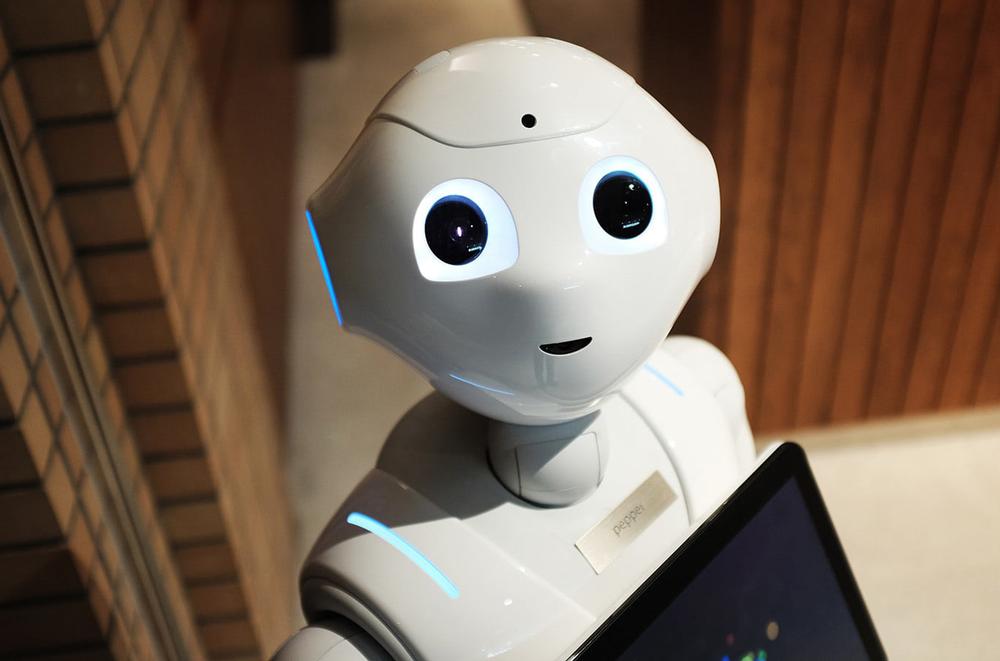
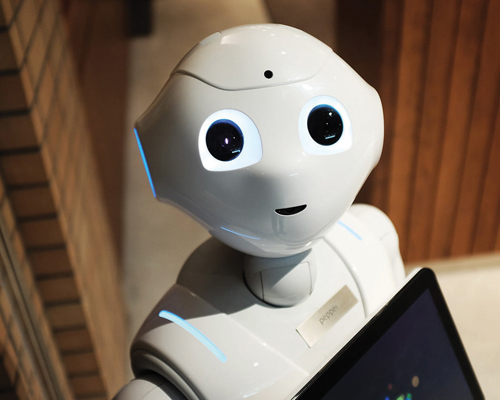
Pepper the Robot, was created to communicate and interact with humans
useumNext has been welcoming decision-makers from the museum's community to its events since 2009, to look at the future of museums and how institutions can adapt to a constantly changing world.
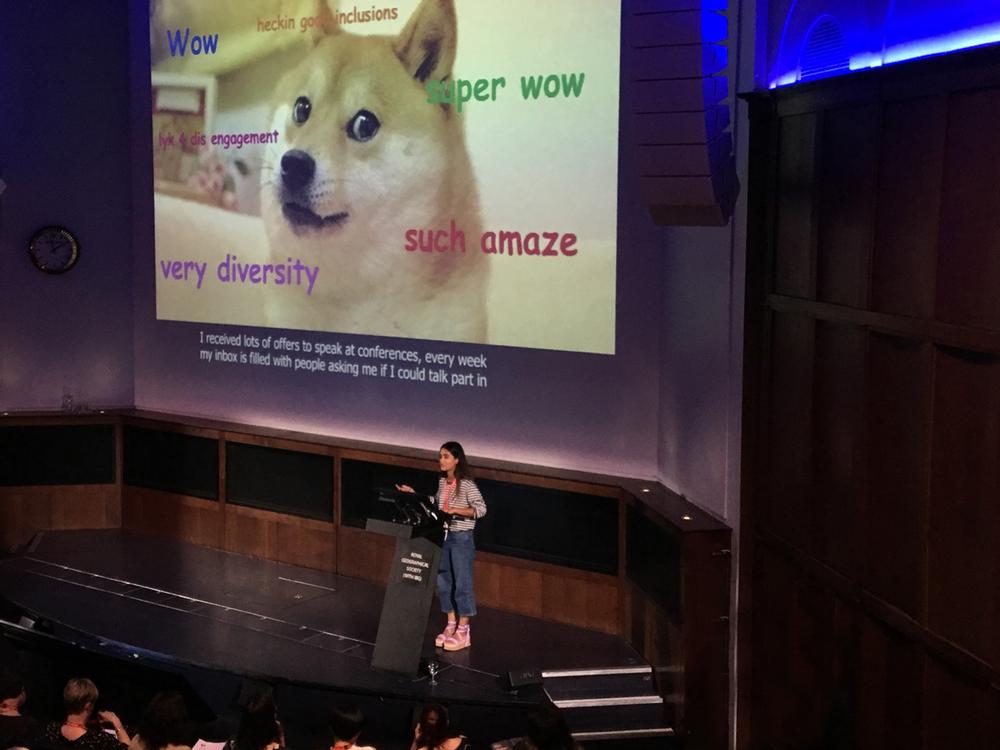
The ‘D’ Word Diversity was among the issues up for discussion at this year’s conference, with Shaz Hussain, assistant curator at the London Science Museum, telling delegates not to “deflect responsibility” on the issue.
Speaking at the previous edition of the conference in Rotterdam, Netherlands, Hussain had said using the word ‘diversity’ suggests a museum and its white, middle-class audiences are ‘normal’, with any other type of visitor considered to belong to ‘other’ categories. She proposed that ‘diversity’ should be replaced by ‘representation’, with the sector’s goal being to represent the entire community in its work.
Picking up the theme, Hussain said: “Last year I basically trashed museums, saying how much I hate it when museum professionals use the word ‘diversity’. I challenged everyone to think of ways in which they could make a difference and use their own power to create change.
“I receive messages every week asking me to take part in projects and speak at conferences,” she said. “I don’t tell you this to brag – actually I’m exhausted.
“Despite being a curator, I never get asked to speak about collections, only about diversity. Doing that every day isn’t fun.
“I’m not special, I’m not your poster girl for diversity. People of colour won’t carry the load and that means you have to do some work. You can’t deflect your responsibility.
“In all the conversations I’ve been having, none of it is innovative. Next time you slide into my DMs, think hard if you’re asking me to solve your problems or coming to me to tell me about what you’re already doing.”
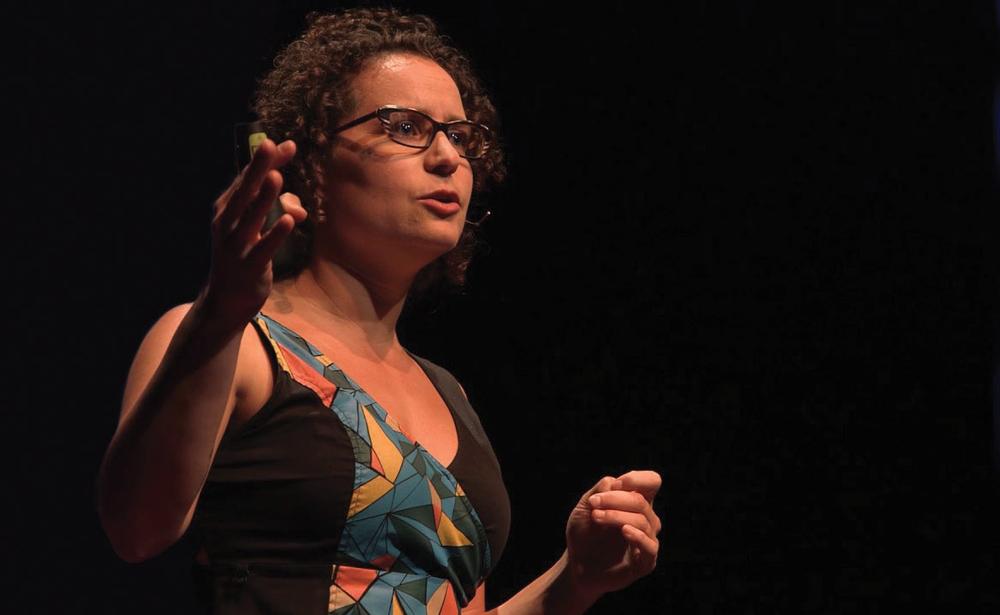
The intelligent museum For museums to succeed, they must adapt to the ever-expanding presence of artificial intelligence. That was the message delivered by Sara Boutall – from data analytics company Dexibit – who looked at how AI is being used in museums and looked at future trends in this area.
“We have to get our heads around AI in a museum context,” she said. “We expect Amazon to know what we want to buy and Uber to know where we are. People will expect that intuition in our institutions.”
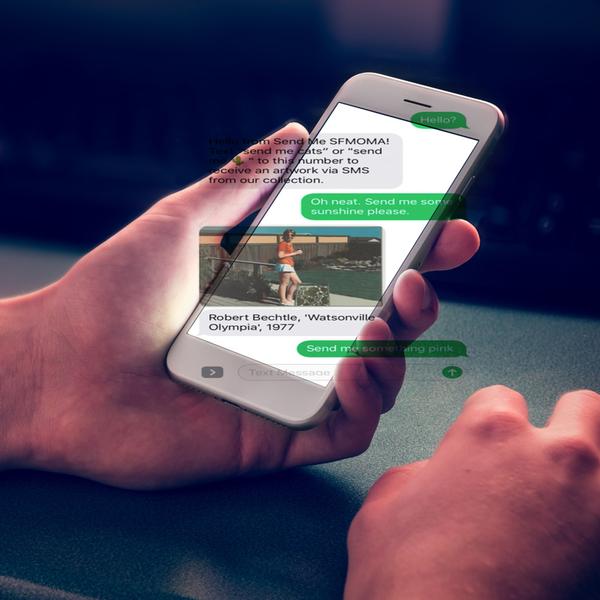
A number of projects have already shown creative use of AI. San Francisco’s Museum of Modern Art recently introduced Send Me – an SMS service which acts as an art discovery tool. In Philadelphia, the Barnes Foundation art gallery used machine learning to interpret art, pairing digital work together using ‘visual identity’ to recognise art style, objects and even images of Jesus. Artificial concierges are also a new innovation, with the Smithsonian Institute, for example, developing Pepper – a 4-foot-tall interactive humanoid robot.
“We need to embrace AI,” said Boutall. “It’s a growing part of our lives, we need to teach our children about it and we can use it in the world of museums to make them more agile, more open and more flexible.”
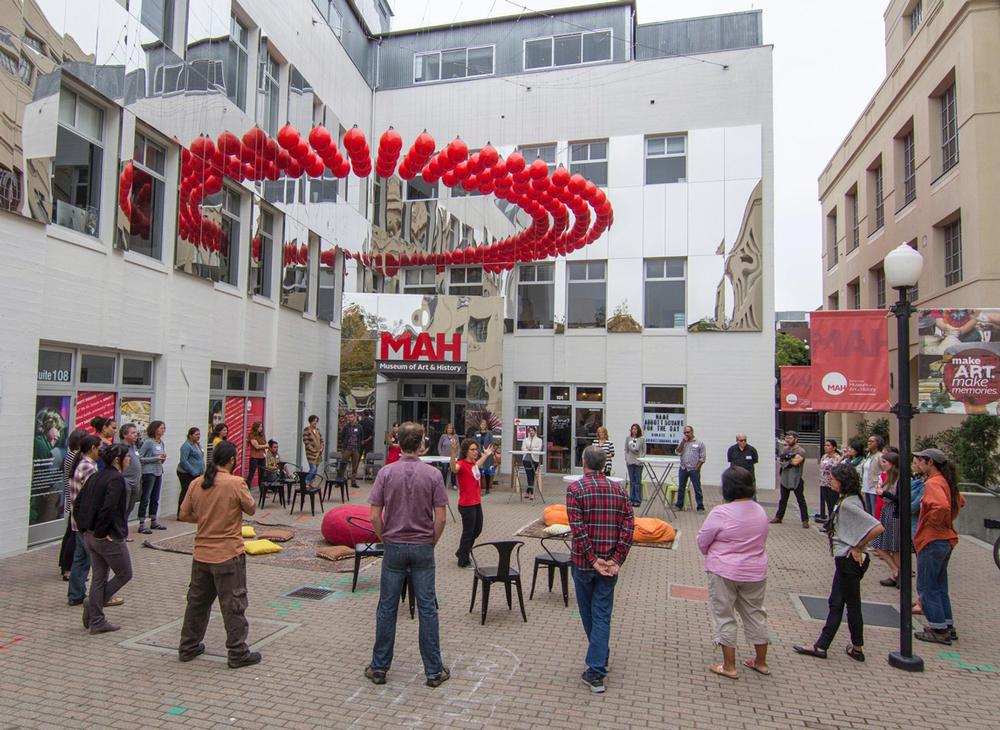
Spearheading an initiative aimed at creating community inclusion in museums, Nina Simon, director for the Santa Cruz Museum of Art and History (MAH), told delegates about the OFBYFOR ALL philosophy, which she deployed to turn around the failing institution in 2011.
The OFBYFOR ALL initiative stands for “of, by and for the community”.
Now a thriving community hub, MAH was in serious trouble when Simon took over, with thousands of dollars of debt and an identity issue that meant it was struggling to stay relevant to its audience.
Simon asked two new questions – what was the museum willing to change in order to draw new visitors and what was it willing to do to help them feel they belonged?
When she started in 2011, MAH had an annual budget of US$700,000, with seven staff members and attracted 17,000 people a year. Seven years later, income stands at US$3m a year, MAH has 32 staff members and welcomes 140,000 visitors.
Raising funds for communities OFBYFOR ALL was recently launched as a standalone programme for other museums and community organisations, to offer guidance on community transformation.
OFBYFOR ALL has already raised more than US$900,000 and the team behind it wants to involve a million new people in culture over the next two years.
“Answering two questions took us from the brink of failure to stunning success,” said Simon. “We’re able to engage, because we’re of, by and for our community.”
Read more from this issue of Spa Business magazine
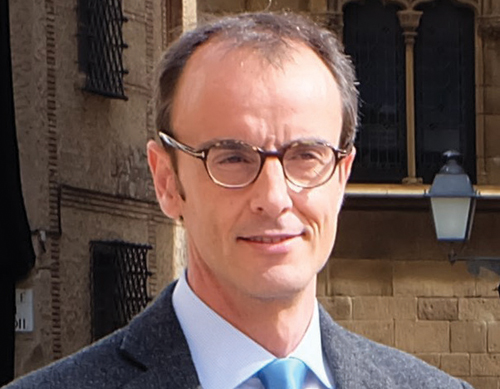
People profile: Anton Vidal
Anton Vidal is director general of Poble Espanyol which has completed a 10-year, €10m improvement plan
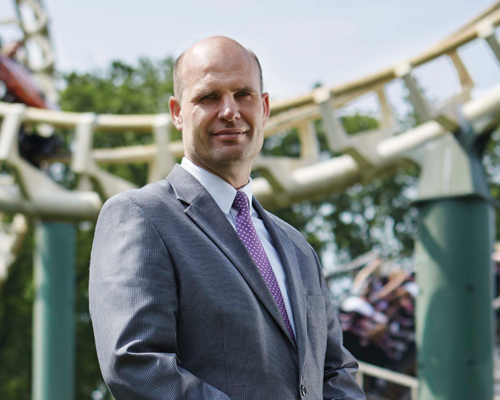
Interview: Coen Bertens
Fairytale theme park Efteling has
gone from strength to strength
during its 65-year history, enchanting
more visitors last year than
ever before. We talk to COO Coen
Bertens about its success
Promotional feature: EAS - Learning curves
This year’s Euro Attractions Show promises to
be the biggest in the history of the event, with
a brand new schedule of seminars to match
Aquariums: High Waters
We visited the brand new Aquatis
Aquarium-Vivarium in Switzerland
for a journey through our planet’s
freshwater environments
Promotional feature: nWave - The big picture
With more than two decades
of experience creating high quality
original content, nWave looks
ahead as it continues to produce
its own industry-leading creations
Analysis: TEA/AECOM Theme Index 2017
The TEA/AECOM Report 2017 shows major theme park
operators had an outstanding year, while stabilised global
economies and strong investment planning bodes well
for the global attractions industry going forward
Analysis: EMEA Focus
Margreet Papamichael, founder of CLEAR Associates about what The TEA/AECOM Report 2017 means for the EMEA region
Review: MuseumNext
Intellectuals from across the
museums sector gathered recently for
the European edition of MuseumNext
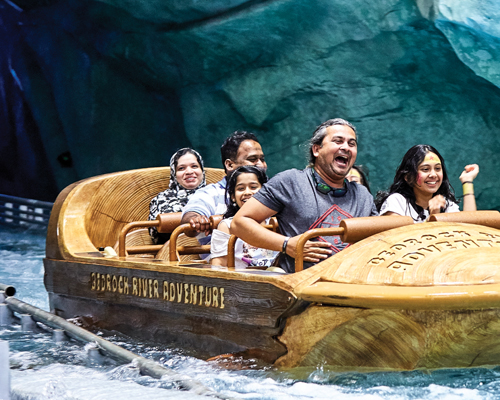
Theme parks: Playing the Looney Tune
As new and exciting leisure opportunities
increase in the Middle East, Yas
Island welcomes the US$1bn Warner
Bros World Abu Dhabi. We speak to
the two key members of the team
behind the landmark project
Museums: License to Thrill
A brand new James Bond visitor attraction,
nestled snugly inside a mountain peak
in Sölden, Austria, opened this July. We
talked to the operator and architect
Le Atelier by C.O.D.E. doesn't offer a standard bespoke service, it provides a highly
customised approach to designing massage beds and loungers in high-end wellness
environments. [more...]
+ More featured suppliers
COMPANY PROFILES
Seed To Skin
Founded by Jeanette Thottrup in 2018, in Tuscany, Seed to Skin is an award winning skincare line. [more...]
Balanced Body
Balanced Body is the global leader in Pilates equipment and education. Founded nearly 50 years ago, [more...]
Intellectuals from across the museums sector gathered recently for the European edition of MuseumNext. Held at London’s Royal Geographic Society, it was a conference to remember. Tom Anstey was there for Attractions Management
By Tom Anstey | Published in Attractions Management 2018 issue 3
Pepper the Robot, was created to communicate and interact with humans
useumNext has been welcoming decision-makers from the museum's community to its events since 2009, to look at the future of museums and how institutions can adapt to a constantly changing world.
The ‘D’ Word Diversity was among the issues up for discussion at this year’s conference, with Shaz Hussain, assistant curator at the London Science Museum, telling delegates not to “deflect responsibility” on the issue.
Speaking at the previous edition of the conference in Rotterdam, Netherlands, Hussain had said using the word ‘diversity’ suggests a museum and its white, middle-class audiences are ‘normal’, with any other type of visitor considered to belong to ‘other’ categories. She proposed that ‘diversity’ should be replaced by ‘representation’, with the sector’s goal being to represent the entire community in its work.
Picking up the theme, Hussain said: “Last year I basically trashed museums, saying how much I hate it when museum professionals use the word ‘diversity’. I challenged everyone to think of ways in which they could make a difference and use their own power to create change.
“I receive messages every week asking me to take part in projects and speak at conferences,” she said. “I don’t tell you this to brag – actually I’m exhausted.
“Despite being a curator, I never get asked to speak about collections, only about diversity. Doing that every day isn’t fun.
“I’m not special, I’m not your poster girl for diversity. People of colour won’t carry the load and that means you have to do some work. You can’t deflect your responsibility.
“In all the conversations I’ve been having, none of it is innovative. Next time you slide into my DMs, think hard if you’re asking me to solve your problems or coming to me to tell me about what you’re already doing.”
The intelligent museum For museums to succeed, they must adapt to the ever-expanding presence of artificial intelligence. That was the message delivered by Sara Boutall – from data analytics company Dexibit – who looked at how AI is being used in museums and looked at future trends in this area.
“We have to get our heads around AI in a museum context,” she said. “We expect Amazon to know what we want to buy and Uber to know where we are. People will expect that intuition in our institutions.”
A number of projects have already shown creative use of AI. San Francisco’s Museum of Modern Art recently introduced Send Me – an SMS service which acts as an art discovery tool. In Philadelphia, the Barnes Foundation art gallery used machine learning to interpret art, pairing digital work together using ‘visual identity’ to recognise art style, objects and even images of Jesus. Artificial concierges are also a new innovation, with the Smithsonian Institute, for example, developing Pepper – a 4-foot-tall interactive humanoid robot.
“We need to embrace AI,” said Boutall. “It’s a growing part of our lives, we need to teach our children about it and we can use it in the world of museums to make them more agile, more open and more flexible.”
Spearheading an initiative aimed at creating community inclusion in museums, Nina Simon, director for the Santa Cruz Museum of Art and History (MAH), told delegates about the OFBYFOR ALL philosophy, which she deployed to turn around the failing institution in 2011.
The OFBYFOR ALL initiative stands for “of, by and for the community”.
Now a thriving community hub, MAH was in serious trouble when Simon took over, with thousands of dollars of debt and an identity issue that meant it was struggling to stay relevant to its audience.
Simon asked two new questions – what was the museum willing to change in order to draw new visitors and what was it willing to do to help them feel they belonged?
When she started in 2011, MAH had an annual budget of US$700,000, with seven staff members and attracted 17,000 people a year. Seven years later, income stands at US$3m a year, MAH has 32 staff members and welcomes 140,000 visitors.
Raising funds for communities OFBYFOR ALL was recently launched as a standalone programme for other museums and community organisations, to offer guidance on community transformation.
OFBYFOR ALL has already raised more than US$900,000 and the team behind it wants to involve a million new people in culture over the next two years.
“Answering two questions took us from the brink of failure to stunning success,” said Simon. “We’re able to engage, because we’re of, by and for our community.”
Read more from this issue of Spa Business magazine
People profile: Anton Vidal
Anton Vidal is director general of Poble Espanyol which has completed a 10-year, €10m improvement plan
Interview: Coen Bertens
Fairytale theme park Efteling has
gone from strength to strength
during its 65-year history, enchanting
more visitors last year than
ever before. We talk to COO Coen
Bertens about its success
Promotional feature: EAS - Learning curves
This year’s Euro Attractions Show promises to
be the biggest in the history of the event, with
a brand new schedule of seminars to match
Aquariums: High Waters
We visited the brand new Aquatis
Aquarium-Vivarium in Switzerland
for a journey through our planet’s
freshwater environments
Promotional feature: nWave - The big picture
With more than two decades
of experience creating high quality
original content, nWave looks
ahead as it continues to produce
its own industry-leading creations
Analysis: TEA/AECOM Theme Index 2017
The TEA/AECOM Report 2017 shows major theme park
operators had an outstanding year, while stabilised global
economies and strong investment planning bodes well
for the global attractions industry going forward
Analysis: EMEA Focus
Margreet Papamichael, founder of CLEAR Associates about what The TEA/AECOM Report 2017 means for the EMEA region
Review: MuseumNext
Intellectuals from across the
museums sector gathered recently for
the European edition of MuseumNext
Theme parks: Playing the Looney Tune
As new and exciting leisure opportunities
increase in the Middle East, Yas
Island welcomes the US$1bn Warner
Bros World Abu Dhabi. We speak to
the two key members of the team
behind the landmark project
Museums: License to Thrill
A brand new James Bond visitor attraction,
nestled snugly inside a mountain peak
in Sölden, Austria, opened this July. We
talked to the operator and architect
The UK spa review and discovery platform for consumers, the Good Spa Guide, has announced
it will host the Good Spa Guide Awards 2026 during an event on 16 November at Sopwell House
Hotel in St Albans, UK.
Eighty-four per cent of consumers now say wellness is a top priority in their lives, with this
percentage increasing year on year, according to a preview presentation of McKinsey’s Future of
Wellness 2026 research report.
Mass protests have been taking place since Monday 1 June in Albania over the development of
a luxury resort by Donald Trump’s daughter Ivanka Trump and her husband Jared Kushner.
Global Wellness Day (GWD) marked its 15th anniversary on Saturday 13 June 2026, with the
theme: #JoyMagenta – a celebration of the healing qualities of simple gestures and activities
that spark joy.
Global luxury hospitality brand, Six Senses, has partnered with longevity healthcare provider,
HUM2N, to launch a clinic at Six Senses London, at The Whiteley.
As part of its first hotel partnership, Mayrlife – the medical health resort company known for its
site in Altaussee, Austria – has launched a day clinic at the Rosewood Vienna.
Premium London health club, KX Chelsea, will imminently unveil its most significant
redevelopment since its launch in 2002 to create an integrated wellness model combining
training, recovery and relaxation.
Rosewood Le Guanahani St Barth, on the northeast coast of Saint Barthélemy in the French
West Indies, is offering a programme of ocean-inspired yoga classes between 8-14 June to
celebrate Global Wellness Day (GWD).
Hotel de France, located on the British Isle of Jersey, has created a wellness retreat package
that includes a hot yoga session that will take place in Jersey Zoo’s butterfly sanctuary.
The Ritz-Carlton, Langkawi, in Malaysia, has revealed a schedule for Global Wellness Day
(GWD) that includes guided rainforest walks, mindful movement and guided coastal meditation
experiences.
Le Atelier by C.O.D.E. doesn't offer a standard bespoke service, it provides a highly
customised approach to designing massage beds and loungers in high-end wellness
environments. [more...]
+ More featured suppliers
COMPANY PROFILES
Seed To Skin Founded by Jeanette Thottrup in 2018, in Tuscany, Seed to Skin is an award winning skincare line. [more...]