Yes! Send me the FREE digital editions of Spa Business and Spa Business insider magazines and the FREE weekly Spa Business and Spa Business insider ezines and breaking news alerts!
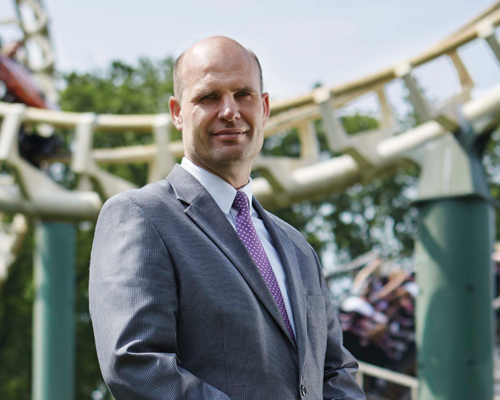
Papamichael previously contributed to the report as director of economics at AECOM
What successes have you seen in EMEA theme parks? The main successes are those that have focused on events and those where the greatest investments have been.
The events side of it is interesting. The success of Halloween and the incorporation of other seasonal events is increasing, and that seems to be working.
Big investments, such as additional hotel rooms and new rides, are also making a difference. We can see that at Efteling where attendance went up by 8.7 per cent.
What other trends have you observed across the EMEA region over the last year? In France, the story is one of a market which is picking up where it left off a year ago – at least for the large part.
The difficulty with EMEA numbers in the report this year is that they’re very much influenced by the big growth at Disney (15 per cent). Disneyland Paris attendance had dropped 14 per cent in 2016, but this year’s improvement has made up for that.
Other theme parks have done well in France and it's been OK weather-wise, helping drive these improved numbers.
So if we call France ‘happy’ then we could call the UK a little bit ‘sad or contemplative’. It may have something to do with consumer confidence and, with Brexit looming, waiting to see what will happen to the economy.
Official statistics show increased tourism to London but the report doesn’t necessarily reflect that, with several major institutions reporting attendance declines. When you’re looking for an answer, it really depends on which numbers you're following.
One of the things we looked at was tourism day visits to London – those were up. Domestic tourism and day trips for UK regions as a whole – were also up.
It becomes very difficult to prove, but the number of day trips is up in every region of the UK. This could indicate people are taking more staycations and day trips.
If the increase in the number of tourists isn't followed by an attendance rise in attraction admissions, it suggests increased competition. That's one explanation. It may be that people are visiting a wider range of attractions rather than just the big names. Either because the ticket prices are prohibitive of numerous visits per annum or a lack of investment in, “new things to do” in the larger attractions.
There’s a third explanation that gets cited – that people won't go to larger attractions because of security fears. I've tried to find evidence of this, but most of the data suggests overall visits are up.
This is a case of multiple factors coming together. You have consumer confidence and people not wanting to spend big money on an entry ticket. Increased competition and lack of investment at some of the larger attractions are also factors to consider.
Were any other countries of particular interest? Italy had a really rough year. I hope they get great weather this summer, no more floods, and a more stable political environment. They deserve it and they've earned it, whichever way you want to look at it. They've had a rough ride. So in that sense, my heart goes out to the Italians.
How did the Middle East perform? We're aware expectations were set high and that those haven’t been met. Will they ever be met? Probably not to the extent that they were floated originally. For instance, I don't see Dubai Parks and Resorts reaching its predicted levels in the near future.
There are different ways you can look at this, however. They've always said that in the Middle East visitor attractions live off tourism. Tourism numbers are the most difficult numbers to get up. It takes time for a new tourist attraction to solidify its position in the market. It needs time to get onto Trip Advisor and needs time to get into the brochure of the travel agents for example. Building that market and growing visitor numbers is just going to take time.
They were set very high expectations and I'm not surprised they haven't been met, but I hope that, over time, total tourism to that region will grow, and thereby a share of that will grow the visitor numbers for the theme parks and the visitor attractions.
Secondly, there is quite a bit of competition for leisure time and a large part of attendance is currently driven by residents, as opposed to tourists.
The Middle East is home to some great innovative Family Entertainment Centers and there are some exciting new developments in that area that are all vying for the residents’ time and money. In this sense, innovation in the sector is really coming from the Middle East.
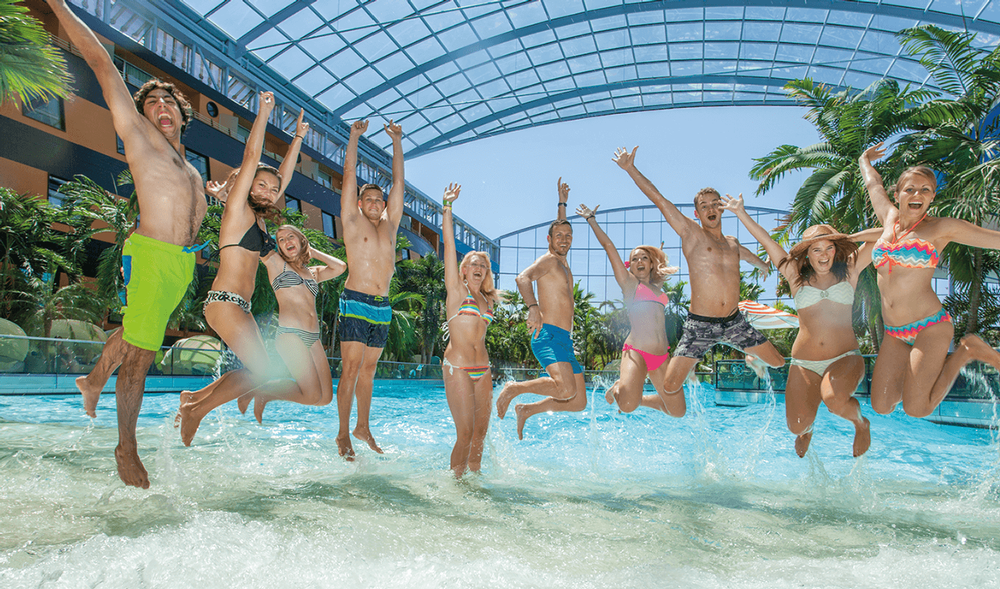
How did the waterpark sector fare? The European waterpark market offers a mix of indoor and outdoor facilities. Therme Erding does an additional 500k visitors in its spa alone, which is not included in their waterpark attendance but is quite a large slice of their annual turnover. Aquapalace and most European waterparks have a spa element.
We ought to be looking at exporting this indoor/outdoor, fun/wellness, all-seasons model. Tropical Islands, where they've increased their attendance year on year moving from an indoor to indoor/outdoor waterpark, is also now expanding its accommodation product around it.
That just seems to be very successful, and it’s definitely worth seeing if that model is translatable to other markets.
Was it surprising that attendances dropped in the Middle East waterparks market but increased in Europe? These two markets are very different. There’s so much competition at the moment from a leisure perspective in the Middle East, it's incredible. On top of that, Aquaventure in Dubai had to close over the high season for a couple of days for maintenance, so that had an impact. That dip in the Middle East impacted the whole region because there are so many new things for visitors to do.
How does this affect the market? Visitors will go to the latest openings. They go there a couple of times and then need to be enticed back with new investment. It's going to be a while until that amount of supply in leisure facilities and visitor attractions is properly absorbed and stabilised into that market.
When it comes to museums, what are the key points? Museums results are affected by fluctuations in attendance, usually as a result of major temporary exhibitions.
If they have a couple of really successful exhibitions, then they’re going to be on the up that year, but if one year, they don’t pull in the same numbers, attendances drop.
This isn’t the same as an overall drop in attendance, it's more a question of not having a blockbuster exhibition.
It’s unfortunate that we have to report when numbers drop as a result of this, but it’s a challenge to keep attendances at a high level every year – there can only be so many brilliant exhibitions.
And perhaps the price of exhibitions can be a factor too? There’s an overall increase in competition, very much because of all the free stuff that museums are putting out there for children and adults to do. It increasingly blurs the line between attractions and museums, which in turn leads to successfully competition with regular and paid for attractions.
Read more from this issue of Spa Business magazine
People profile: Anton Vidal
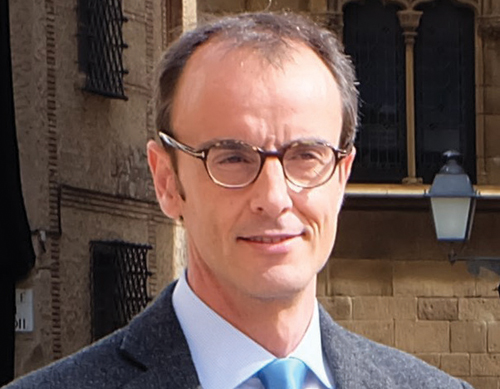
Anton Vidal is director general of Poble Espanyol which has completed a 10-year, €10m improvement plan
Interview: Coen Bertens
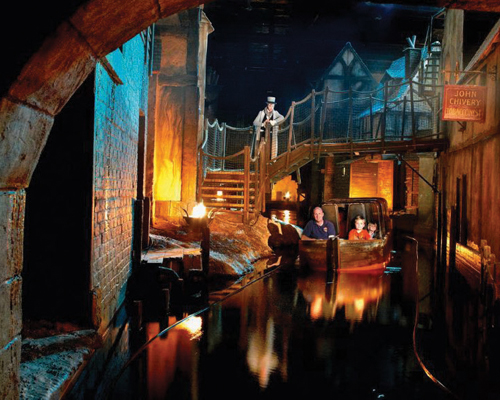
Fairytale theme park Efteling has
gone from strength to strength
during its 65-year history, enchanting
more visitors last year than
ever before. We talk to COO Coen
Bertens about its success
Promotional feature: EAS - Learning curves
This year’s Euro Attractions Show promises to
be the biggest in the history of the event, with
a brand new schedule of seminars to match
Aquariums: High Waters
We visited the brand new Aquatis
Aquarium-Vivarium in Switzerland
for a journey through our planet’s
freshwater environments
Promotional feature: nWave - The big picture
With more than two decades
of experience creating high quality
original content, nWave looks
ahead as it continues to produce
its own industry-leading creations
Analysis: TEA/AECOM Theme Index 2017
The TEA/AECOM Report 2017 shows major theme park
operators had an outstanding year, while stabilised global
economies and strong investment planning bodes well
for the global attractions industry going forward
Analysis: EMEA Focus
Margreet Papamichael, founder of CLEAR Associates about what The TEA/AECOM Report 2017 means for the EMEA region
Review: MuseumNext
Intellectuals from across the
museums sector gathered recently for
the European edition of MuseumNext
Theme parks: Playing the Looney Tune
As new and exciting leisure opportunities
increase in the Middle East, Yas
Island welcomes the US$1bn Warner
Bros World Abu Dhabi. We speak to
the two key members of the team
behind the landmark project
Museums: License to Thrill
A brand new James Bond visitor attraction,
nestled snugly inside a mountain peak
in Sölden, Austria, opened this July. We
talked to the operator and architect
In the fast-paced world of fitness and wellness, where high-intensity workouts push us to
our limits and the sweat pours, the importance of efficient recovery cannot be overstated. [more...]
In today’s premium spa environment, every detail shapes the guest experience – right down to
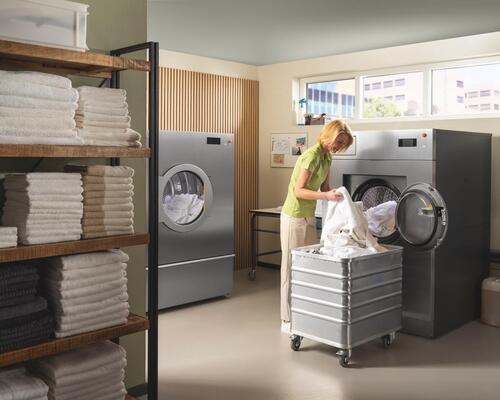
the softness of towels and the freshness of linens. [more...]
Papamichael previously contributed to the report as director of economics at AECOM
What successes have you seen in EMEA theme parks? The main successes are those that have focused on events and those where the greatest investments have been.
The events side of it is interesting. The success of Halloween and the incorporation of other seasonal events is increasing, and that seems to be working.
Big investments, such as additional hotel rooms and new rides, are also making a difference. We can see that at Efteling where attendance went up by 8.7 per cent.
What other trends have you observed across the EMEA region over the last year? In France, the story is one of a market which is picking up where it left off a year ago – at least for the large part.
The difficulty with EMEA numbers in the report this year is that they’re very much influenced by the big growth at Disney (15 per cent). Disneyland Paris attendance had dropped 14 per cent in 2016, but this year’s improvement has made up for that.
Other theme parks have done well in France and it's been OK weather-wise, helping drive these improved numbers.
So if we call France ‘happy’ then we could call the UK a little bit ‘sad or contemplative’. It may have something to do with consumer confidence and, with Brexit looming, waiting to see what will happen to the economy.
Official statistics show increased tourism to London but the report doesn’t necessarily reflect that, with several major institutions reporting attendance declines. When you’re looking for an answer, it really depends on which numbers you're following.
One of the things we looked at was tourism day visits to London – those were up. Domestic tourism and day trips for UK regions as a whole – were also up.
It becomes very difficult to prove, but the number of day trips is up in every region of the UK. This could indicate people are taking more staycations and day trips.
If the increase in the number of tourists isn't followed by an attendance rise in attraction admissions, it suggests increased competition. That's one explanation. It may be that people are visiting a wider range of attractions rather than just the big names. Either because the ticket prices are prohibitive of numerous visits per annum or a lack of investment in, “new things to do” in the larger attractions.
There’s a third explanation that gets cited – that people won't go to larger attractions because of security fears. I've tried to find evidence of this, but most of the data suggests overall visits are up.
This is a case of multiple factors coming together. You have consumer confidence and people not wanting to spend big money on an entry ticket. Increased competition and lack of investment at some of the larger attractions are also factors to consider.
Were any other countries of particular interest? Italy had a really rough year. I hope they get great weather this summer, no more floods, and a more stable political environment. They deserve it and they've earned it, whichever way you want to look at it. They've had a rough ride. So in that sense, my heart goes out to the Italians.
How did the Middle East perform? We're aware expectations were set high and that those haven’t been met. Will they ever be met? Probably not to the extent that they were floated originally. For instance, I don't see Dubai Parks and Resorts reaching its predicted levels in the near future.
There are different ways you can look at this, however. They've always said that in the Middle East visitor attractions live off tourism. Tourism numbers are the most difficult numbers to get up. It takes time for a new tourist attraction to solidify its position in the market. It needs time to get onto Trip Advisor and needs time to get into the brochure of the travel agents for example. Building that market and growing visitor numbers is just going to take time.
They were set very high expectations and I'm not surprised they haven't been met, but I hope that, over time, total tourism to that region will grow, and thereby a share of that will grow the visitor numbers for the theme parks and the visitor attractions.
Secondly, there is quite a bit of competition for leisure time and a large part of attendance is currently driven by residents, as opposed to tourists.
The Middle East is home to some great innovative Family Entertainment Centers and there are some exciting new developments in that area that are all vying for the residents’ time and money. In this sense, innovation in the sector is really coming from the Middle East.
How did the waterpark sector fare? The European waterpark market offers a mix of indoor and outdoor facilities. Therme Erding does an additional 500k visitors in its spa alone, which is not included in their waterpark attendance but is quite a large slice of their annual turnover. Aquapalace and most European waterparks have a spa element.
We ought to be looking at exporting this indoor/outdoor, fun/wellness, all-seasons model. Tropical Islands, where they've increased their attendance year on year moving from an indoor to indoor/outdoor waterpark, is also now expanding its accommodation product around it.
That just seems to be very successful, and it’s definitely worth seeing if that model is translatable to other markets.
Was it surprising that attendances dropped in the Middle East waterparks market but increased in Europe? These two markets are very different. There’s so much competition at the moment from a leisure perspective in the Middle East, it's incredible. On top of that, Aquaventure in Dubai had to close over the high season for a couple of days for maintenance, so that had an impact. That dip in the Middle East impacted the whole region because there are so many new things for visitors to do.
How does this affect the market? Visitors will go to the latest openings. They go there a couple of times and then need to be enticed back with new investment. It's going to be a while until that amount of supply in leisure facilities and visitor attractions is properly absorbed and stabilised into that market.
When it comes to museums, what are the key points? Museums results are affected by fluctuations in attendance, usually as a result of major temporary exhibitions.
If they have a couple of really successful exhibitions, then they’re going to be on the up that year, but if one year, they don’t pull in the same numbers, attendances drop.
This isn’t the same as an overall drop in attendance, it's more a question of not having a blockbuster exhibition.
It’s unfortunate that we have to report when numbers drop as a result of this, but it’s a challenge to keep attendances at a high level every year – there can only be so many brilliant exhibitions.
And perhaps the price of exhibitions can be a factor too? There’s an overall increase in competition, very much because of all the free stuff that museums are putting out there for children and adults to do. It increasingly blurs the line between attractions and museums, which in turn leads to successfully competition with regular and paid for attractions.
Read more from this issue of Spa Business magazine
People profile: Anton Vidal
Anton Vidal is director general of Poble Espanyol which has completed a 10-year, €10m improvement plan
Interview: Coen Bertens
Fairytale theme park Efteling has
gone from strength to strength
during its 65-year history, enchanting
more visitors last year than
ever before. We talk to COO Coen
Bertens about its success
Promotional feature: EAS - Learning curves
This year’s Euro Attractions Show promises to
be the biggest in the history of the event, with
a brand new schedule of seminars to match
Aquariums: High Waters
We visited the brand new Aquatis
Aquarium-Vivarium in Switzerland
for a journey through our planet’s
freshwater environments
Promotional feature: nWave - The big picture
With more than two decades
of experience creating high quality
original content, nWave looks
ahead as it continues to produce
its own industry-leading creations
Analysis: TEA/AECOM Theme Index 2017
The TEA/AECOM Report 2017 shows major theme park
operators had an outstanding year, while stabilised global
economies and strong investment planning bodes well
for the global attractions industry going forward
Analysis: EMEA Focus
Margreet Papamichael, founder of CLEAR Associates about what The TEA/AECOM Report 2017 means for the EMEA region
Review: MuseumNext
Intellectuals from across the
museums sector gathered recently for
the European edition of MuseumNext
Theme parks: Playing the Looney Tune
As new and exciting leisure opportunities
increase in the Middle East, Yas
Island welcomes the US$1bn Warner
Bros World Abu Dhabi. We speak to
the two key members of the team
behind the landmark project
Museums: License to Thrill
A brand new James Bond visitor attraction,
nestled snugly inside a mountain peak
in Sölden, Austria, opened this July. We
talked to the operator and architect
Eighty-four per cent of consumers now say wellness is a top priority in their lives, with this
percentage increasing year on year, according to a preview presentation of McKinsey’s Future of
Wellness 2026 research report.
Mass protests have been taking place since Monday 1 June in Albania over the development of
a luxury resort by Donald Trump’s daughter Ivanka Trump and her husband Jared Kushner.
Global Wellness Day (GWD) marked its 15th anniversary on Saturday 13 June 2026, with the
theme: #JoyMagenta – a celebration of the healing qualities of simple gestures and activities
that spark joy.
Global luxury hospitality brand, Six Senses, has partnered with longevity healthcare provider,
HUM2N, to launch a clinic at Six Senses London, at The Whiteley.
As part of its first hotel partnership, Mayrlife – the medical health resort company known for its
site in Altaussee, Austria – has launched a day clinic at the Rosewood Vienna.
Premium London health club, KX Chelsea, will imminently unveil its most significant
redevelopment since its launch in 2002 to create an integrated wellness model combining
training, recovery and relaxation.
Rosewood Le Guanahani St Barth, on the northeast coast of Saint Barthélemy in the French
West Indies, is offering a programme of ocean-inspired yoga classes between 8-14 June to
celebrate Global Wellness Day (GWD).
Hotel de France, located on the British Isle of Jersey, has created a wellness retreat package
that includes a hot yoga session that will take place in Jersey Zoo’s butterfly sanctuary.
The Ritz-Carlton, Langkawi, in Malaysia, has revealed a schedule for Global Wellness Day
(GWD) that includes guided rainforest walks, mindful movement and guided coastal meditation
experiences.
Longevitix, a clinical platform for preventive and longevity medicine, has launched its AI-
powered intelligence system to help physicians deliver continuous, personalised longevity-
focused care at scale.
In the fast-paced world of fitness and wellness, where high-intensity workouts push us to
our limits and the sweat pours, the importance of efficient recovery cannot be overstated. [more...]
In today’s premium spa environment, every detail shapes the guest experience – right down to
the softness of towels and the freshness of linens. [more...]