Yes! Send me the FREE digital editions of Spa Business and Spa Business insider magazines and the FREE weekly Spa Business and Spa Business insider ezines and breaking news alerts!
Science museums and centres across Europe are embracing science capital to help develop more inclusive and integrated learning opportunities for all visitors.
Dr Amy Seakins and Dr Heather King tell us how
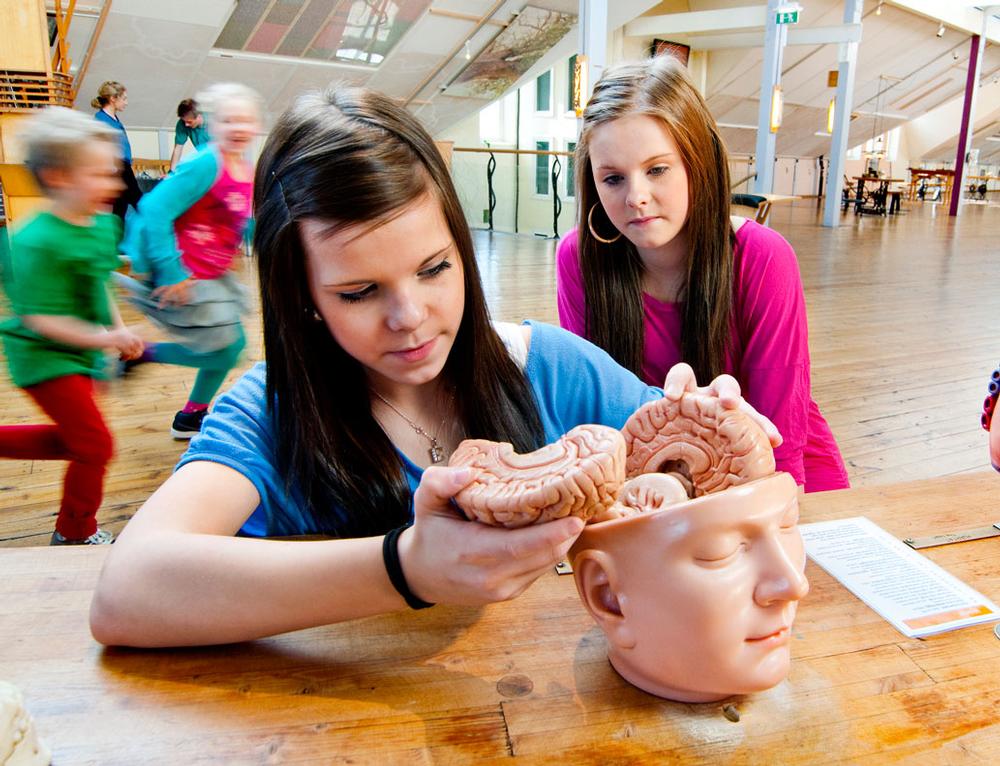
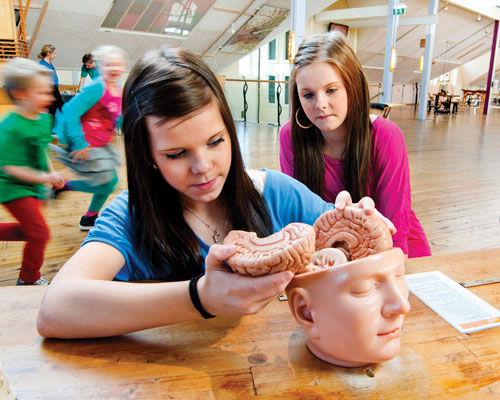
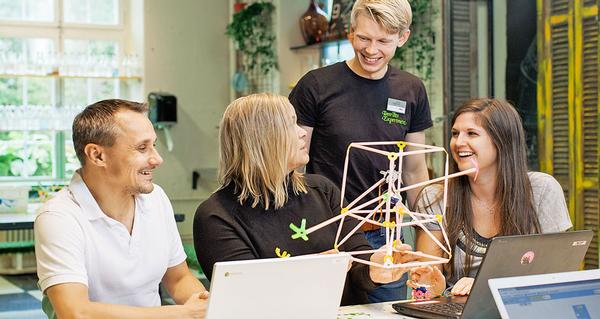
Workshops for schools, like Tom Tits Experiment in Södertälje, Sweden, help build the science capital of local children and teachers
Science capital can be described as the bag of science-related knowledge, experience and attitudes that you carry throughout life – what you know about science, how you think about science, what you do, and who you know.
This concept is being adopted by a growing number of science engagement organisations and educational policy-makers as a way to (re)think what we might do to improve people’s engagement with science. Our research explains why some students feel unable to identify with science and highlights the need to reflect on how institutions provide experiences that resonate with visitors’ varied personal lives.
The concept of science capital draws from the work of French sociologist Pierre Bourdieu, who coined the notion of capital – the social, cultural and symbolic resources that individuals variously possess to ‘get on’ in life. Science capital is a form of capital that combines all the science-related social and cultural resources that Bourdieu defined.
By analysing a series of surveys carried out in the UK*, we’ve identified a distinct relationship between a young person’s aspirations towards science and their science capital: just 5 per cent have high science capital and are more likely to continue with science post compulsory schooling; 69 per cent have medium science capital; but more than a quarter (27 per cent) have low science capital – the least likely to take science-related qualifications or a science-related career.
Importantly, the construct of science capital tells us more than who might aspire to a science-related career. It helps us understand why for some young people, science is not for them. It can also help us to think creatively and effectively about what we might do to improve everyone’s engagement with science within our sites and spaces.
TWEAKING SCHOOL SCIENCE Over the last few years, our research team has worked extensively with teachers and schools to explore ways to build student science capital to support more students, particularly those from diverse backgrounds, to engage with science. By encouraging teachers to spend time reflecting on their practice, and identifying small changes or tweaks to existing lessons, we’ve helped teachers create learning environments and opportunities that build science capital.
We recommend starting from the personal, lived experiences of learners and building upwards. It’s about eliciting the experiences and interests that students already have, valuing these, and then linking these to canonical science.
It’s about encouraging young learners to speak with their family and friends and others in their community about science, showing them how to recognise the science in their everyday lives and to acknowledge the many ways in which they participate in science-related activities. These principles apply within classrooms, but also outside school in other learning spaces and visitor attractions.
SCIENCE CENTRES CAN HELP For science museums and science centres, our findings from the classroom highlight the need to reflect on the ways in which these institutions provide experiences that resonate with visitors’ varied personal lives – and provide suitable spaces where individuals can build on their existing resources, helping them to fill up their science capital bags.
A science capital approach to museum and science centre practice would include using visitors’ prior experiences for educational programmes, eliciting and valuing their contributions and linking these to science. It might include long-term partnerships with audience groups.
A further valuable role would be to highlight how science can open doors to all sorts of different jobs and careers and demonstrate how it can also lead to active participation in societal decision-making.
By showcasing a wide range of science-related roles and careers, hosting debates and discussions, and encouraging science-related conversations, science museums and science centres can begin to encourage and help visitors of all ages and abilities to build their science capital.
BUILDING SCIENCE CAPITAL Discussions and applications of science capital are spreading and growing. The British Science Association and Science Museum Group provide practical examples. The concept has also gained interest at a policy level across Europe.
In summary, a science capital approach does not suggest that a lack of awareness or interest explains why students choose not to pursue science or, similarly, why people do not visit science centres or science museums. Rather, it explains why some people feel unable to identify with science: they do not have the resources or experiences that would lead to a more full science capital ‘bag’.
Our findings suggest that future initiatives and policies should aim to build learners’ science capital and reflect on the design of learning experiences. This will ensure that more learners from varied backgrounds, experiences and interests will develop greater science alignment.
Read more from this issue of Spa Business magazine
People profile: Damien Hirst
Turner Prize-winning artist Damien Hirst exhibits a series of spot paintings and huge sculptures at a Norfolk stately home
People profile: Penka Kouneva
Movie and video game composer Penka Kouneva moves into the world of attractions with the Heroes and Legends exhibit and VR installations
Industry Opinion: Zoos & Aquariums
WAZA’s Sabrina Brando on providing animals with opportunities for choices, stimulating environments and enriching activities
Interview: Sultan Al Dhaheri
With the launch of Warner Bros World and
the Louvre in Abu Dhabi, the Department
of Culture and Tourism’s Sultan Al Dhaheri
explains how investing in attractions is
helping the emirate meet its tourism goals
Animal sanctuaries: Paws for Thought
The UK’s Big Cat Sanctuary is the subject
of a recent BBC documentary. Managing
director Giles Clark explains how the
facility works – and introduces Maya
the jaguar and Willow the cheetah
Science Centres: Getting Engaged
Researchers Dr Amy Seakins and
Dr Heather King explain how science
capital empowers science centres
to engage wider audiences in STEM,
plus European initiatives in action
Digital art: Light Fantastic
Tokyo-based digital art collective teamLab is
on a mission to change the way we interact
with and experience art. Magali Robathan
reports on the group’s installation work
and their upcoming museum launch
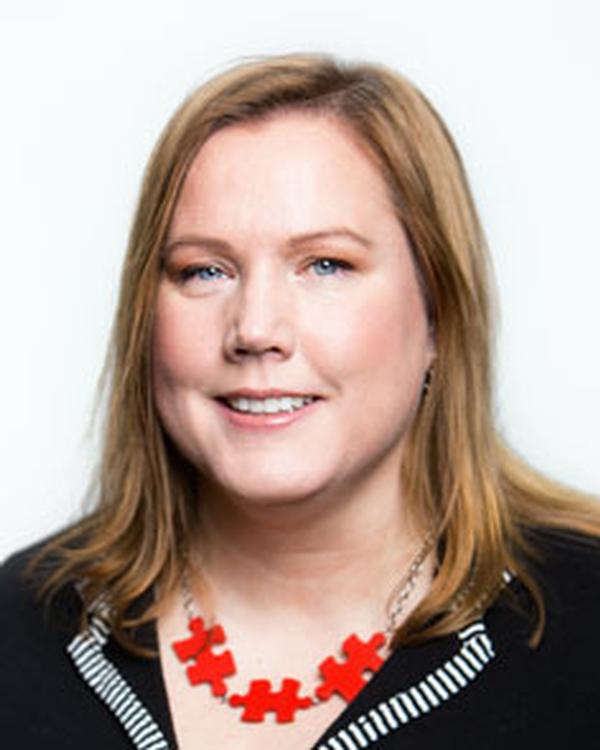
Dr Amy Seakins, engagement coordinator for evaluation and impact, Imperial College London. Formerly research associate, Enterprising Science project, King’s College London. [email protected]
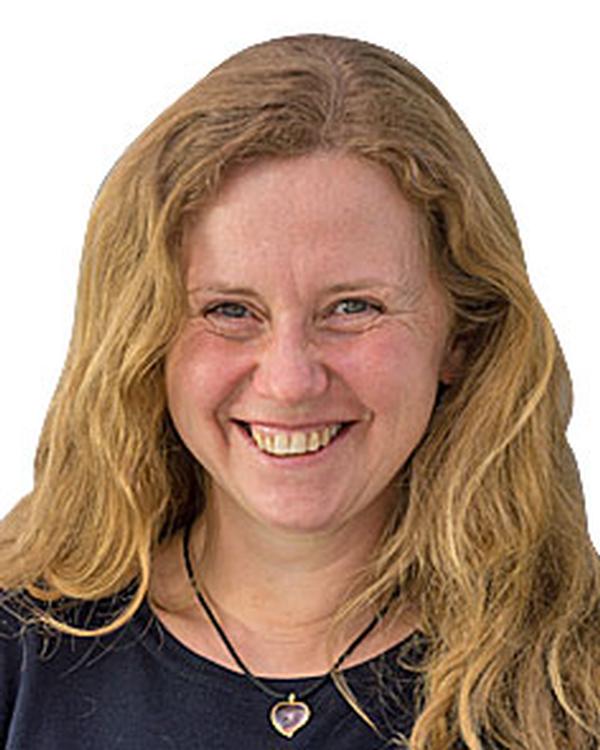
Dr Heather King, research fellow and deputy director, Enterprising Science project, King’s College London; research focus on supporting educator practice in school and out-of-school settings. [email protected]
*Archer Et Al. (2015) ‘Science Capital’: A Conceptual, Methodological, And Empirical Argument For Extending Bourdieusian Notions Of Capital Beyond The Arts. Jrst, 52(7), 922–948.
NORWAY’S NATIONAL PRIORITY
Målfrid Snørteland director Per Inge Bøe project manager Jærmuseet, Nærbø, Norway
Målfrid Snørteland director
and Per Inge Bøe project manager
Norwegian educational authorities and the Norway Research Council have embraced science capital – one of our country’s three main goals in 2016-19 is to Grow Families’ Interest in Sciences.
At Jærmuseet’s 10 regional science centres, we already have exhibitions and activities aimed at reaching this goal, but four of our facilities will now specifically focus on this strategy to embed more systematic and effective assessment methods and evaluation tools.
For example, Trondheim Science Centre will organise workshops involving the whole family, ranging from children through to grandparents. Courses and makerspace activities aimed at inspiring and motivating families to work together will be evaluated by questionnaires completed before and after the workshops to see whether the families’ attitudes towards science changed.
This new focus on science capital will certainly push us to be more systematic and inclusive in our approach to audiences. Rather than focusing on entertainment, we’ll be more aware of how to communicate and engage our visitors.
"This new focus on science capital will certainly push us to be more systematic and inclusive in our approach to audiences"
PHOTO: mariia golovianko/Shutterstock
Makerspace activities inspire and motivate families to work together
SWEDEN REACHES OUT TO TEACHERS
Cecilia Ekstrand education manager Tom Tits Experiment, Södertälje, Sweden
Cecilia Ekstrand
As a teacher with an engineering background, I believe it’s important to ground work in robust concepts. While looking for the right paradigm for Tom Tits science centre, I heard a lecture on science capital at the 2013 Ecsite conference – and knew I’d discovered the right tool.
Since we started to apply the learnings of science capital at Tom Tits, we’ve developed teacher training. Although local school visits to our science centre are free, many teachers weren’t bringing their students because their own science capital was rather low and they didn’t feel comfortable enough with science to facilitate a visit. To overcome this barrier, we decided to run teachers’ workshops.
Science capital has also helped us to debunk biases. One workshop required visiting teachers to build a dome using teamwork. I love assembling furniture and compared this task to it, so I expected enthusiastic responses. But most of the teachers shut down! So I then switched to a cooking recipe analogy and got very positive results. The objective was to demonstrate that skills used to plan and deliver meals (or build furniture) involve engineering, shifting each teacher’s mindset about science and technology.
Parents are a key audience as they play a pivotal role in their children’s education. To help parents, we’ve trained staff to focus on adults during family visits.
"Visiting our science centre is free for local schools – yet many teachers weren’t taking their students"
Science attractions should extend the science capital of teachers and adults
SCIENCE SPARKS IN POLAND
I?owiecka-Ta?ska, PhD head of research department Copernicus Science Centre, Warsaw, Poland
I?owiecka-Ta?ska, PhD
For the research team at Copernicus Science Centre, science capital is a very inspiring concept. To get a broad picture of school children’s science capital, we launched a nationwide survey and found that the most common source of science capital is from parents motivating their children to engage with science.
We also found that fewer children in Poland compared with those in the UK thought they’d met a scientist. As many scientists who interact with our visitors dress informally, the children may simply have not realised that they’d just met a real scientist! So we may change that.
Furthermore, we’d noticed that school children from similar backgrounds didn’t interact with our exhibits in the same way, so we tested the hypothesis that those with higher science capital experienced deeper engagement. But the results were very surprising: there was no direct relation between science capital and visitor behaviour, indicating that our exhibits already cater to a wide audience.
We now plan to test whether there’s a correlation between science capital and the motivation to learn and engage in cognitive efforts. Copernicus is central to spreading this concept in Poland and, as science capital is also proving effective in mobilising broad educational coalitions, we’re also interacting with policymakers, teachers and academics.
"For the research team, science capital is a very inspiring concept "
PHOTO: Copernicus Science Centre
School children from similar backgrounds don’t interact with exhibits in the same way
STEMMING FROM THE UK
Beth Hawkins learning resources manager Science Museum, London, UK
Beth Hawkins
The Science Museum Group has been working in partnership with King’s College London on the Enterprising Science project since 2012 to develop the science capital concept. It will help us create experiences to engage our visitors with science, technology, engineering and maths (STEM).
As such, the number one core priority in our 2017–30 strategic ambitions is to ‘grow science capital in individuals and Society’. Our organisation-wide efforts will translate science capital learnings into operational realities – and you can follow this process on our ‘Transforming Practice’ blog.
Our museums play a key part in the STEM engagement landscape by supporting and encouraging audiences to extend their learning within and beyond our sites. Science capital gives us an insight into what influences and shapes people’s attitudes towards science, which can help us to identify new ways to reach out and connect with absent or infrequent visitors.
We want to create an environment where everyone feels welcome and where every moment in our science museum is an opportunity to engage and shape our visitors’ attitudes towards science – from the website, front desk and cafés through to the galleries and exhibitions.
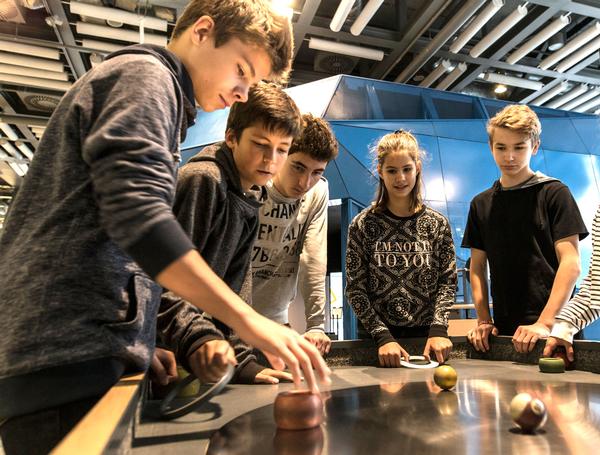
We’re gradually rolling out a reflective practice approach through workshops and toolkits to shape and design our exhibits and experiences, such as our recently opened interactive Wonderlab: The Statoil Gallery. We wanted the labels in the gallery to make a link between our exhibits and our visitors’ everyday lives. The text for the Icy Bodies exhibit, for example, originally mentioned that dry ice is commonly used for special effects at theatres – but after reflecting on our science capital research we changed this example to the cinema, making it relevant to a wider audience.
"Science capital can help us to identify new ways to reach out and connect with absent or infrequent visitors"
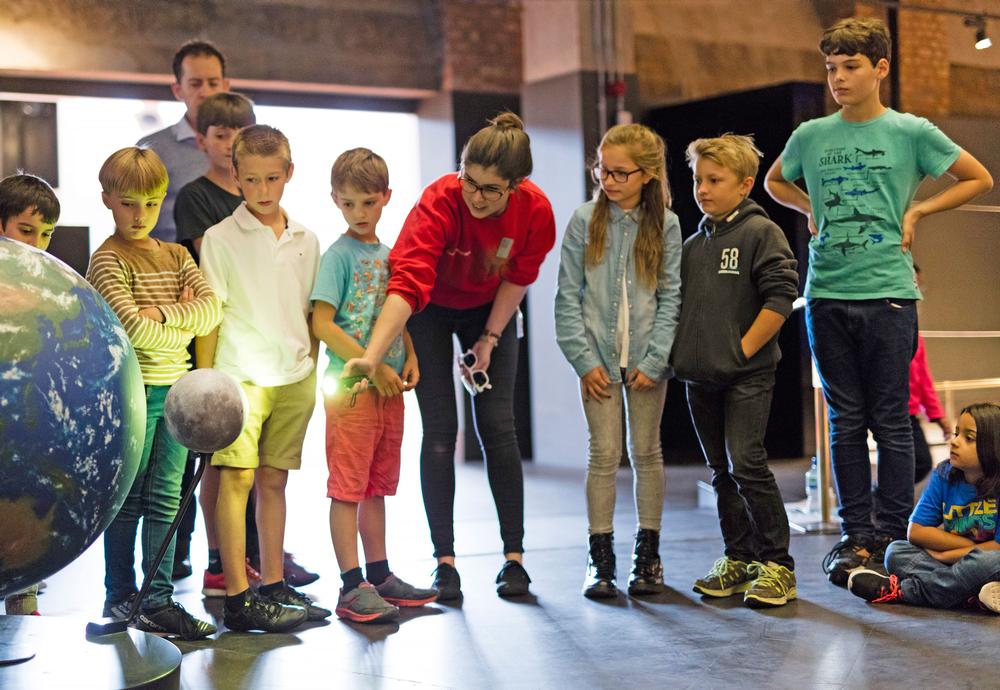
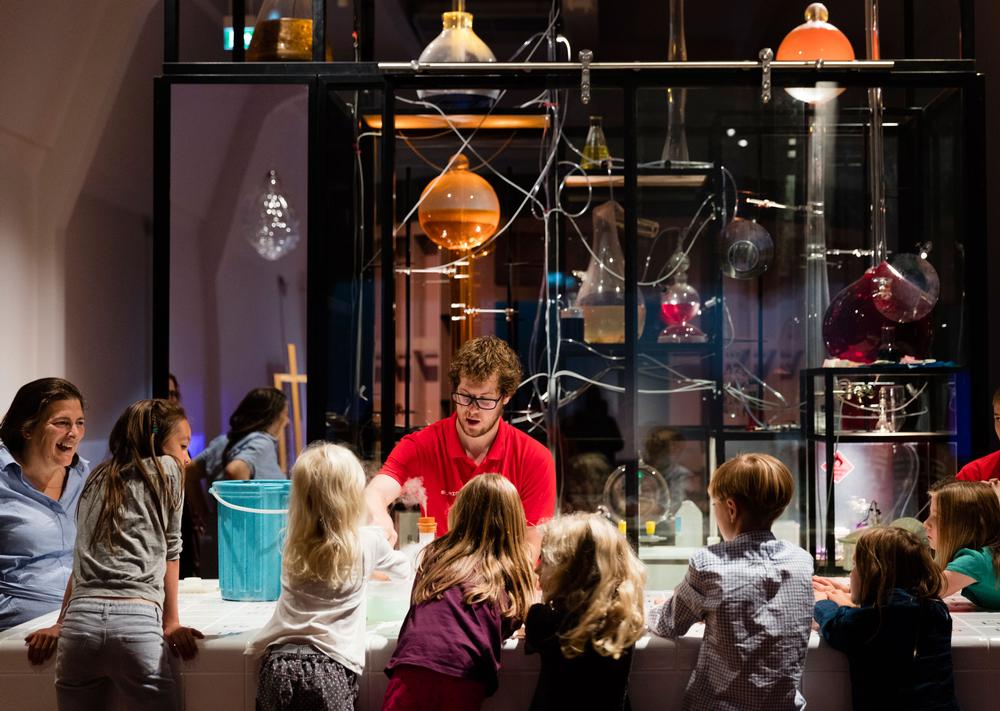
Wonderlab: The Statoil Gallery was developed with science capital in mind
Workshops for schools, like Tom Tits Experiment in Södertälje, Sweden, help build the science capital of local children and teachers
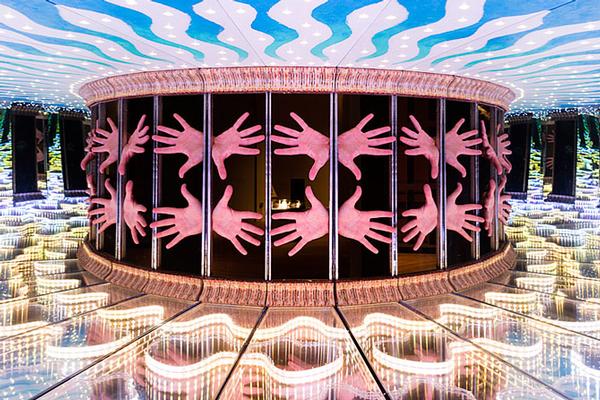
The idea of science capital
is being used to rethink ways of increasing engagement / PHOTOS: Thomas Aziz
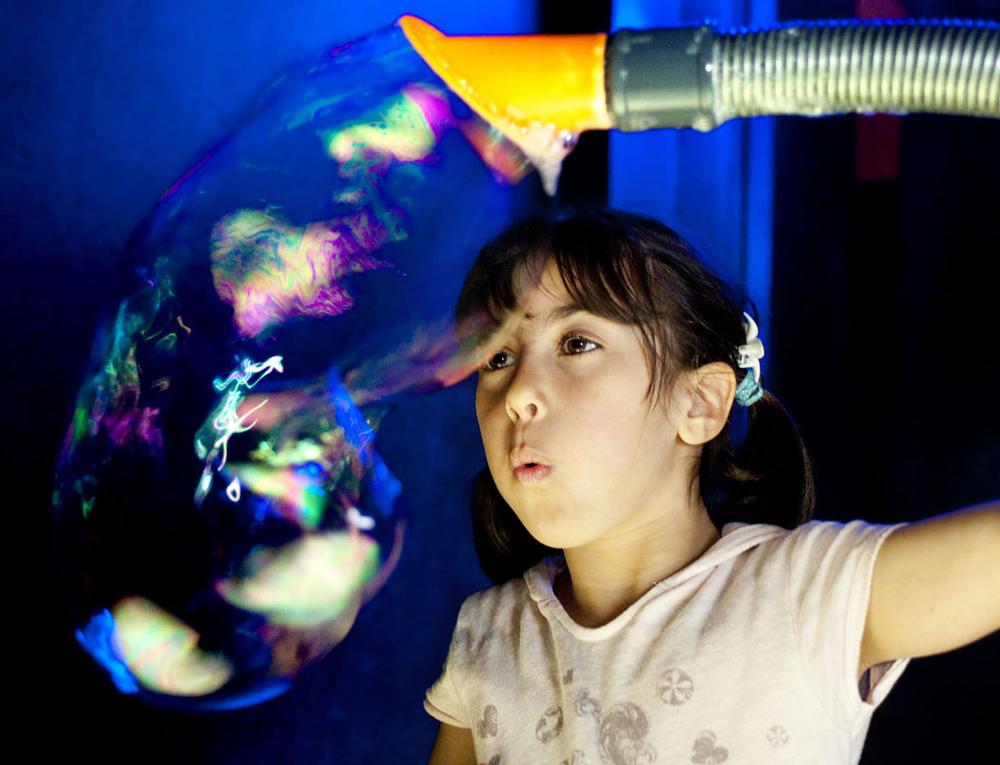
Every moment in a science museum is an opportunity
to engage and shape visitors’ attitudes towards science / PHOTOS: Science Museum, London
Every moment in a science museum is an opportunity
to engage and shape visitors’ attitudes towards science / PHOTOS: Science Museum, London
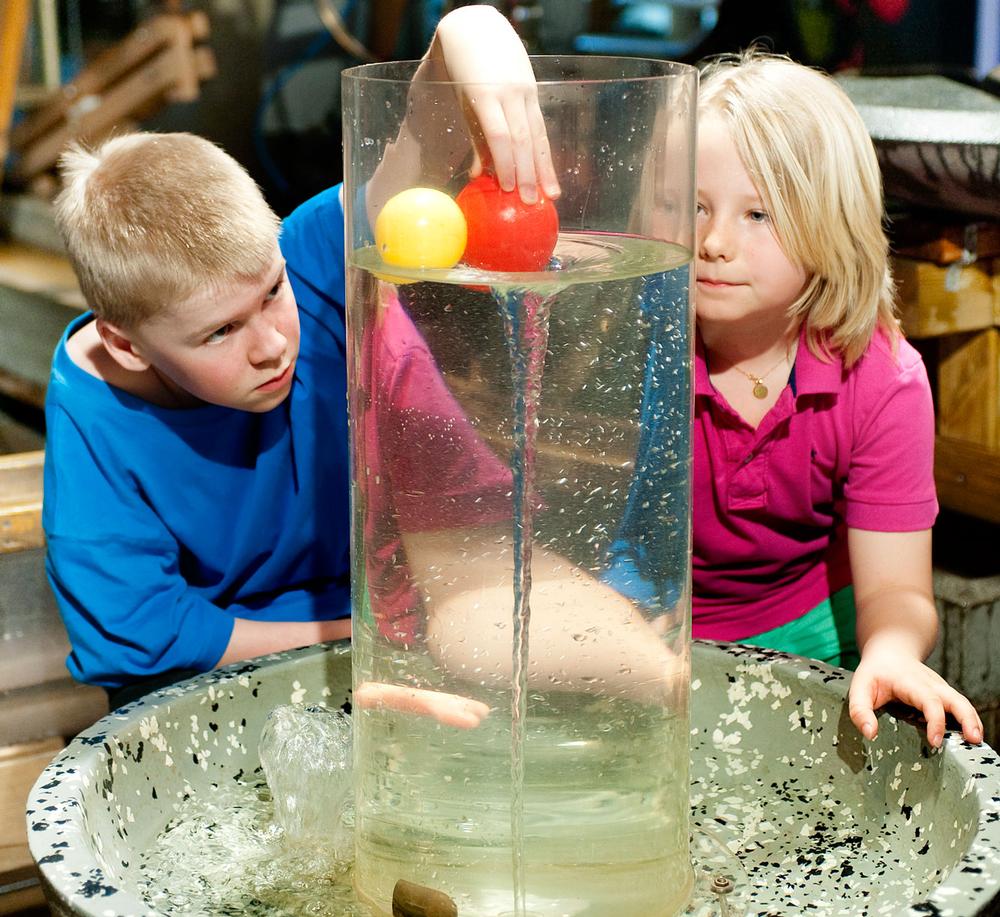
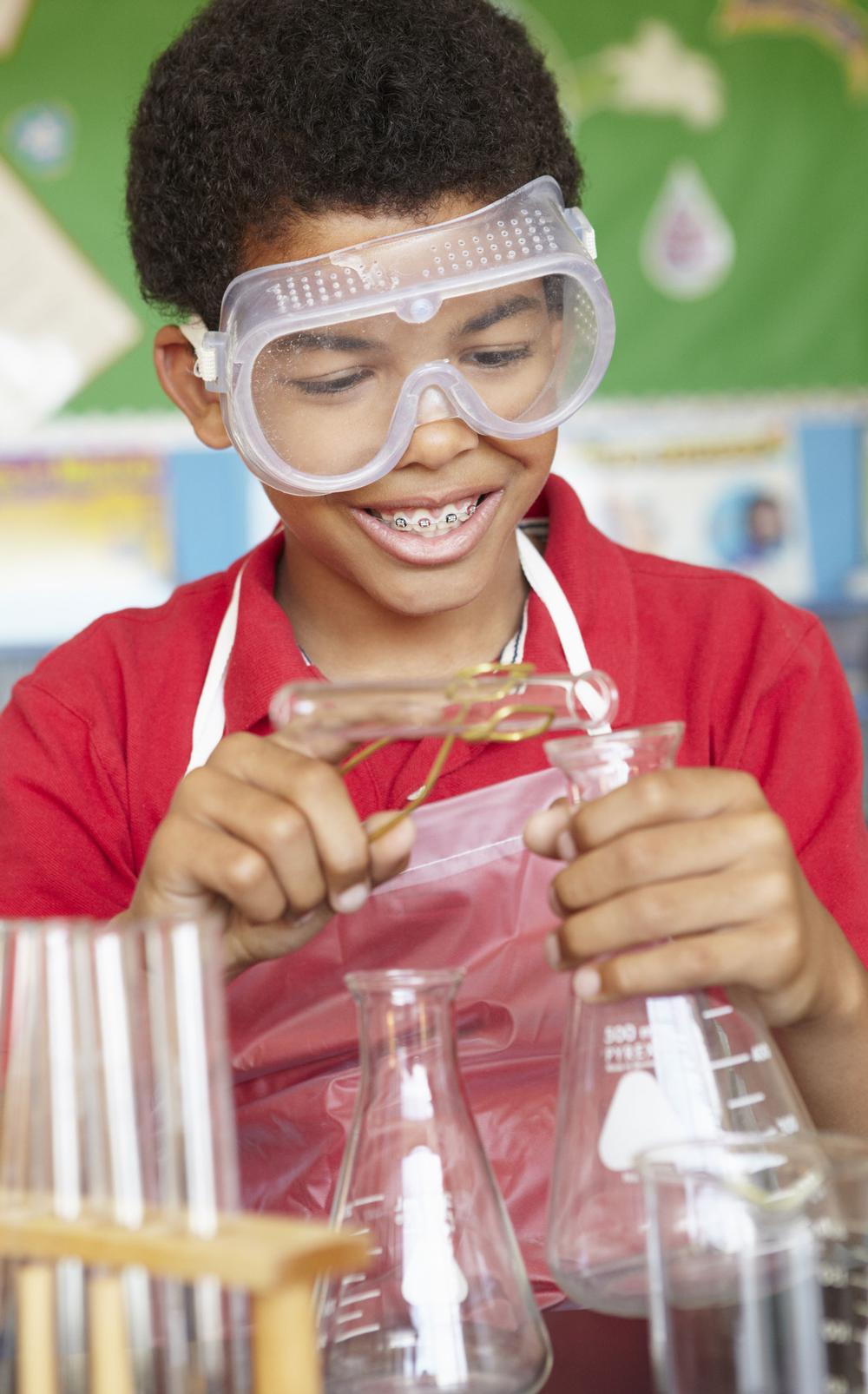
Start with the personal, lived experiences of learners and then build upwards / PHOTO: Monkey Business Images/Shutterstock
Start with the personal, lived experiences of learners and then build upwards / Shutterstock
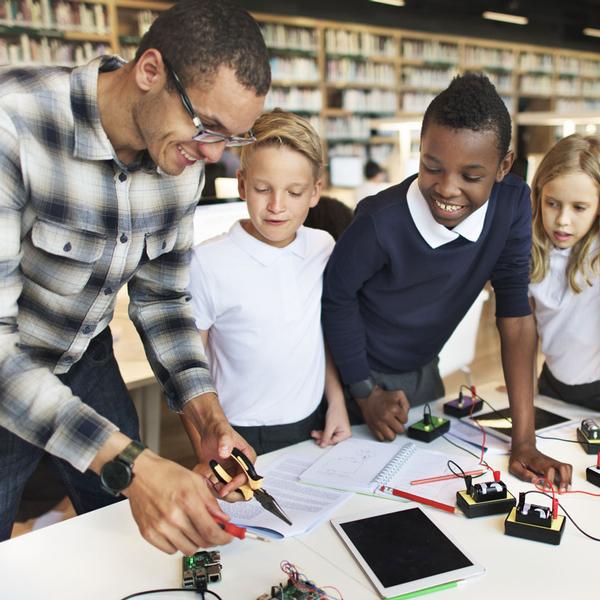
Science attractions could benefit from engaging in long-term partnerships with audience groups / PHOTO: SpeedKingz/Shutterstock
In the fast-paced world of fitness and wellness, where high-intensity workouts push us to
our limits and the sweat pours, the importance of efficient recovery cannot be overstated. [more...]
Science museums and centres across Europe are embracing science capital to help develop more inclusive and integrated learning opportunities for all visitors.
Dr Amy Seakins and Dr Heather King tell us how
Workshops for schools, like Tom Tits Experiment in Södertälje, Sweden, help build the science capital of local children and teachers
Science capital can be described as the bag of science-related knowledge, experience and attitudes that you carry throughout life – what you know about science, how you think about science, what you do, and who you know.
This concept is being adopted by a growing number of science engagement organisations and educational policy-makers as a way to (re)think what we might do to improve people’s engagement with science. Our research explains why some students feel unable to identify with science and highlights the need to reflect on how institutions provide experiences that resonate with visitors’ varied personal lives.
The concept of science capital draws from the work of French sociologist Pierre Bourdieu, who coined the notion of capital – the social, cultural and symbolic resources that individuals variously possess to ‘get on’ in life. Science capital is a form of capital that combines all the science-related social and cultural resources that Bourdieu defined.
By analysing a series of surveys carried out in the UK*, we’ve identified a distinct relationship between a young person’s aspirations towards science and their science capital: just 5 per cent have high science capital and are more likely to continue with science post compulsory schooling; 69 per cent have medium science capital; but more than a quarter (27 per cent) have low science capital – the least likely to take science-related qualifications or a science-related career.
Importantly, the construct of science capital tells us more than who might aspire to a science-related career. It helps us understand why for some young people, science is not for them. It can also help us to think creatively and effectively about what we might do to improve everyone’s engagement with science within our sites and spaces.
TWEAKING SCHOOL SCIENCE Over the last few years, our research team has worked extensively with teachers and schools to explore ways to build student science capital to support more students, particularly those from diverse backgrounds, to engage with science. By encouraging teachers to spend time reflecting on their practice, and identifying small changes or tweaks to existing lessons, we’ve helped teachers create learning environments and opportunities that build science capital.
We recommend starting from the personal, lived experiences of learners and building upwards. It’s about eliciting the experiences and interests that students already have, valuing these, and then linking these to canonical science.
It’s about encouraging young learners to speak with their family and friends and others in their community about science, showing them how to recognise the science in their everyday lives and to acknowledge the many ways in which they participate in science-related activities. These principles apply within classrooms, but also outside school in other learning spaces and visitor attractions.
SCIENCE CENTRES CAN HELP For science museums and science centres, our findings from the classroom highlight the need to reflect on the ways in which these institutions provide experiences that resonate with visitors’ varied personal lives – and provide suitable spaces where individuals can build on their existing resources, helping them to fill up their science capital bags.
A science capital approach to museum and science centre practice would include using visitors’ prior experiences for educational programmes, eliciting and valuing their contributions and linking these to science. It might include long-term partnerships with audience groups.
A further valuable role would be to highlight how science can open doors to all sorts of different jobs and careers and demonstrate how it can also lead to active participation in societal decision-making.
By showcasing a wide range of science-related roles and careers, hosting debates and discussions, and encouraging science-related conversations, science museums and science centres can begin to encourage and help visitors of all ages and abilities to build their science capital.
BUILDING SCIENCE CAPITAL Discussions and applications of science capital are spreading and growing. The British Science Association and Science Museum Group provide practical examples. The concept has also gained interest at a policy level across Europe.
In summary, a science capital approach does not suggest that a lack of awareness or interest explains why students choose not to pursue science or, similarly, why people do not visit science centres or science museums. Rather, it explains why some people feel unable to identify with science: they do not have the resources or experiences that would lead to a more full science capital ‘bag’.
Our findings suggest that future initiatives and policies should aim to build learners’ science capital and reflect on the design of learning experiences. This will ensure that more learners from varied backgrounds, experiences and interests will develop greater science alignment.
Read more from this issue of Spa Business magazine
People profile: Damien Hirst
Turner Prize-winning artist Damien Hirst exhibits a series of spot paintings and huge sculptures at a Norfolk stately home
People profile: Penka Kouneva
Movie and video game composer Penka Kouneva moves into the world of attractions with the Heroes and Legends exhibit and VR installations
Industry Opinion: Zoos & Aquariums
WAZA’s Sabrina Brando on providing animals with opportunities for choices, stimulating environments and enriching activities
Interview: Sultan Al Dhaheri
With the launch of Warner Bros World and
the Louvre in Abu Dhabi, the Department
of Culture and Tourism’s Sultan Al Dhaheri
explains how investing in attractions is
helping the emirate meet its tourism goals
Animal sanctuaries: Paws for Thought
The UK’s Big Cat Sanctuary is the subject
of a recent BBC documentary. Managing
director Giles Clark explains how the
facility works – and introduces Maya
the jaguar and Willow the cheetah
Science Centres: Getting Engaged
Researchers Dr Amy Seakins and
Dr Heather King explain how science
capital empowers science centres
to engage wider audiences in STEM,
plus European initiatives in action
Digital art: Light Fantastic
Tokyo-based digital art collective teamLab is
on a mission to change the way we interact
with and experience art. Magali Robathan
reports on the group’s installation work
and their upcoming museum launch
Dr Amy Seakins, engagement coordinator for evaluation and impact, Imperial College London. Formerly research associate, Enterprising Science project, King’s College London. [email protected]
Dr Heather King, research fellow and deputy director, Enterprising Science project, King’s College London; research focus on supporting educator practice in school and out-of-school settings. [email protected]
*Archer Et Al. (2015) ‘Science Capital’: A Conceptual, Methodological, And Empirical Argument For Extending Bourdieusian Notions Of Capital Beyond The Arts. Jrst, 52(7), 922–948.
NORWAY’S NATIONAL PRIORITY
Målfrid Snørteland director Per Inge Bøe project manager Jærmuseet, Nærbø, Norway
Målfrid Snørteland director
and Per Inge Bøe project manager
Norwegian educational authorities and the Norway Research Council have embraced science capital – one of our country’s three main goals in 2016-19 is to Grow Families’ Interest in Sciences.
At Jærmuseet’s 10 regional science centres, we already have exhibitions and activities aimed at reaching this goal, but four of our facilities will now specifically focus on this strategy to embed more systematic and effective assessment methods and evaluation tools.
For example, Trondheim Science Centre will organise workshops involving the whole family, ranging from children through to grandparents. Courses and makerspace activities aimed at inspiring and motivating families to work together will be evaluated by questionnaires completed before and after the workshops to see whether the families’ attitudes towards science changed.
This new focus on science capital will certainly push us to be more systematic and inclusive in our approach to audiences. Rather than focusing on entertainment, we’ll be more aware of how to communicate and engage our visitors.
"This new focus on science capital will certainly push us to be more systematic and inclusive in our approach to audiences"
PHOTO: mariia golovianko/Shutterstock
Makerspace activities inspire and motivate families to work together
SWEDEN REACHES OUT TO TEACHERS
Cecilia Ekstrand education manager Tom Tits Experiment, Södertälje, Sweden
Cecilia Ekstrand
As a teacher with an engineering background, I believe it’s important to ground work in robust concepts. While looking for the right paradigm for Tom Tits science centre, I heard a lecture on science capital at the 2013 Ecsite conference – and knew I’d discovered the right tool.
Since we started to apply the learnings of science capital at Tom Tits, we’ve developed teacher training. Although local school visits to our science centre are free, many teachers weren’t bringing their students because their own science capital was rather low and they didn’t feel comfortable enough with science to facilitate a visit. To overcome this barrier, we decided to run teachers’ workshops.
Science capital has also helped us to debunk biases. One workshop required visiting teachers to build a dome using teamwork. I love assembling furniture and compared this task to it, so I expected enthusiastic responses. But most of the teachers shut down! So I then switched to a cooking recipe analogy and got very positive results. The objective was to demonstrate that skills used to plan and deliver meals (or build furniture) involve engineering, shifting each teacher’s mindset about science and technology.
Parents are a key audience as they play a pivotal role in their children’s education. To help parents, we’ve trained staff to focus on adults during family visits.
"Visiting our science centre is free for local schools – yet many teachers weren’t taking their students"
Science attractions should extend the science capital of teachers and adults
SCIENCE SPARKS IN POLAND
I?owiecka-Ta?ska, PhD head of research department Copernicus Science Centre, Warsaw, Poland
I?owiecka-Ta?ska, PhD
For the research team at Copernicus Science Centre, science capital is a very inspiring concept. To get a broad picture of school children’s science capital, we launched a nationwide survey and found that the most common source of science capital is from parents motivating their children to engage with science.
We also found that fewer children in Poland compared with those in the UK thought they’d met a scientist. As many scientists who interact with our visitors dress informally, the children may simply have not realised that they’d just met a real scientist! So we may change that.
Furthermore, we’d noticed that school children from similar backgrounds didn’t interact with our exhibits in the same way, so we tested the hypothesis that those with higher science capital experienced deeper engagement. But the results were very surprising: there was no direct relation between science capital and visitor behaviour, indicating that our exhibits already cater to a wide audience.
We now plan to test whether there’s a correlation between science capital and the motivation to learn and engage in cognitive efforts. Copernicus is central to spreading this concept in Poland and, as science capital is also proving effective in mobilising broad educational coalitions, we’re also interacting with policymakers, teachers and academics.
"For the research team, science capital is a very inspiring concept "
PHOTO: Copernicus Science Centre
School children from similar backgrounds don’t interact with exhibits in the same way
STEMMING FROM THE UK
Beth Hawkins learning resources manager Science Museum, London, UK
Beth Hawkins
The Science Museum Group has been working in partnership with King’s College London on the Enterprising Science project since 2012 to develop the science capital concept. It will help us create experiences to engage our visitors with science, technology, engineering and maths (STEM).
As such, the number one core priority in our 2017–30 strategic ambitions is to ‘grow science capital in individuals and Society’. Our organisation-wide efforts will translate science capital learnings into operational realities – and you can follow this process on our ‘Transforming Practice’ blog.
Our museums play a key part in the STEM engagement landscape by supporting and encouraging audiences to extend their learning within and beyond our sites. Science capital gives us an insight into what influences and shapes people’s attitudes towards science, which can help us to identify new ways to reach out and connect with absent or infrequent visitors.
We want to create an environment where everyone feels welcome and where every moment in our science museum is an opportunity to engage and shape our visitors’ attitudes towards science – from the website, front desk and cafés through to the galleries and exhibitions.
We’re gradually rolling out a reflective practice approach through workshops and toolkits to shape and design our exhibits and experiences, such as our recently opened interactive Wonderlab: The Statoil Gallery. We wanted the labels in the gallery to make a link between our exhibits and our visitors’ everyday lives. The text for the Icy Bodies exhibit, for example, originally mentioned that dry ice is commonly used for special effects at theatres – but after reflecting on our science capital research we changed this example to the cinema, making it relevant to a wider audience.
"Science capital can help us to identify new ways to reach out and connect with absent or infrequent visitors"
Wonderlab: The Statoil Gallery was developed with science capital in mind
Workshops for schools, like Tom Tits Experiment in Södertälje, Sweden, help build the science capital of local children and teachers
The idea of science capital
is being used to rethink ways of increasing engagement / PHOTOS: Thomas Aziz
Every moment in a science museum is an opportunity
to engage and shape visitors’ attitudes towards science / PHOTOS: Science Museum, London
Every moment in a science museum is an opportunity
to engage and shape visitors’ attitudes towards science / PHOTOS: Science Museum, London
Start with the personal, lived experiences of learners and then build upwards / PHOTO: Monkey Business Images/Shutterstock
Start with the personal, lived experiences of learners and then build upwards / Shutterstock
Science attractions could benefit from engaging in long-term partnerships with audience groups / PHOTO: SpeedKingz/Shutterstock
Four Seasons Resort The Nam Hai in Hoi An, Vietnam, has put together a Global Wellness Day
(GWD) agenda with activations rooted in nature and shaped by four pillars of Joy – in
alignment with the day’s theme #JoyMagenta.
The Global Wellness Summit (GWS) will celebrate its 20th anniversary at the 2026 event in
Phuket, Thailand, later this year with the theme: The Science, Art and Soul of Wellness.
Auko, an all-inclusive development, is opening in Phong Nha in Vietnam in Q3 2026, with a
series of 30 tented eco-lodges and wellness hospitality operations by Lumina Wellbeing.
Therme Manchester’s 28-acre development, which will include interconnected glass pavilions
that measure 65,000sq m, will be the largest bathing and wellbeing attraction in the world once
complete, according to prof David Russell, CEO of Therme UK.
Naples Beach Club, a Four Seasons Resort, has opened a 2,800sq m spa called The Sanctuary,
with the design and concept inspired by the Native American people that populated Florida’s
Southwest coast – the Calusa.
Swire Hotels’ luxury hospitality brand Upper House has revealed it will roll out its two-day
House of Healing retreats at its three hotels in Hong Kong, Chengdu and Shanghai.
LVMH-owned beauty house Guerlain will launch up to five spas with partners a year as part of
its plan to expand globally, according to the brand’s international spa and wellness director,
Diane Davody.
A new global study by Kevin Kelly and Peter Yesawich, called WELLSurvey 2.0, has revealed
more than half of consumers in the UK, US and Germany would not choose numerous high-
profile wellness resort brands for a future trip.
Luxury hospitality and wellness pioneer Jeremy McCarthy has launched Leisure Alchemy, a
digital platform that will provide professionals with strategic guidance on how to build
transformational leisure experiences that drive profit.
In the fast-paced world of fitness and wellness, where high-intensity workouts push us to
our limits and the sweat pours, the importance of efficient recovery cannot be overstated. [more...]