I’ve spent more than twenty-five years working in the field of exercise oncology. My research started when a breast cancer nurse asked me if it was correct to tell her patients to stay in bed as much as possible throughout their chemotherapy treatment.
We developed studies to see if 'rest is best' and the answer was clear. For most people, it’s both possible and helpful to keep moving right from diagnosis onwards, with a strong positive impact on cancer-related fatigue often being the biggest reason to start.
What’s changed over the past two decades is the sheer weight of evidence in favour of this approach. The American College of Sports Medicine (ACSM) consensus work shows that around 30 minutes of aerobic exercise three times per week plus two weekly bouts of strength and some flexibility and balance exercises can reduce anxiety, depression, fatigue and improve quality of life and physical function in most people living with and beyond cancer. Recent research goes further, showing exercise can mitigate complex treatment-related adverse effects such as cardiotoxicity, chemotherapy-induced peripheral neuropathy symptoms, cognitive impairment and breathlessness, while also improving sleep, wellbeing, overall quality of life and even a person's tolerance to cancer treatments.
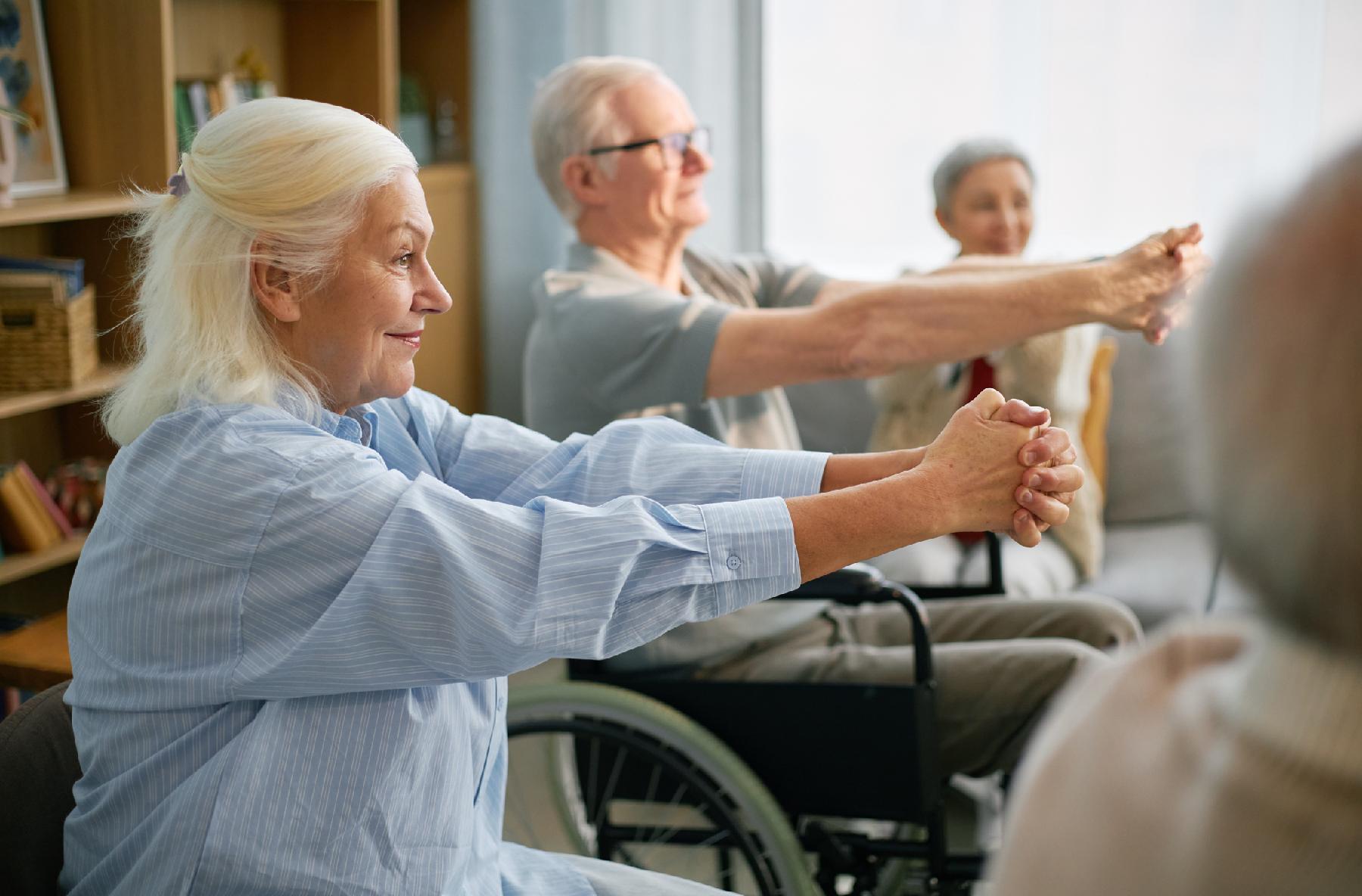
The course looks at how to design programmes for dignity and without making people feel 'othered'
Landmark research
In 2025, came the results of a study that the field has waited years for. A large clinical trial found that colorectal cancer patients, randomised to a structured, supported exercise programme after their chemotherapy treatment, had a significantly reduced risk of their cancer coming back and a reduced risk of cancer death compared to those patients who were only provided with health-education materials. This implies that getting or staying active after a cancer diagnosis is not just a nice to have but should be part of a person's cancer care package.
Globally, there are close to 20 million new cases of cancer each year and worldwide there are almost 54 million people living with cancer. Many are older, juggling other long-term conditions, living with treatment side effects and facing barriers that stop movement from being simple such as travel, cost, fear, pain, fatigue and low confidence. Inclusion of physical activity into cancer care requires logistics, pathways and staff confidence.
CanRehab training
That’s why CanRehab, an international provider of specialised training in exercise oncology for health and wellness professionals, has developed Cancer Confidence training, which will launch in Q3. This is because the person who shapes a client’s experience might be at reception, in the spa or on the gym floor. This course is designed to make teams cancer-friendly – skilled in communication and able to ask the basic, appropriate safety questions without prying or panicking. The course looks at how to design programmes for dignity, such as private changing options, somewhere to sit, flexible scheduling and staff who know how to adapt without making a guest feel 'othered'.
Crucially, it also identifies gaps in staff knowledge and when they need to seek more training and refer a client on to the appropriate specialist. If we match people to properly qualified support and meet them where they are, movement becomes a lifeline, not a privilege.
More: www.canrehab.com