What trends do you see? One of the most significant is the remarkable emergence of nature in the wellness space.
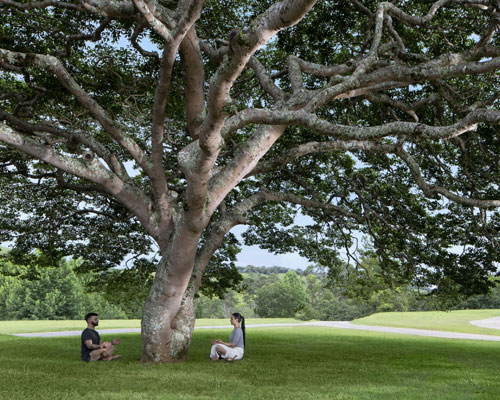
The clear message that has emerged from the pandemic is that nature is a formidable antidote to many of today’s ills. Nature makes us feel good, it eases psychological and physical pain and is associated with a multitude of benefits in terms of physical and mental wellbeing. In the foreseeable future, wellness companies that miss this obvious trend will find themselves in a precarious situation.
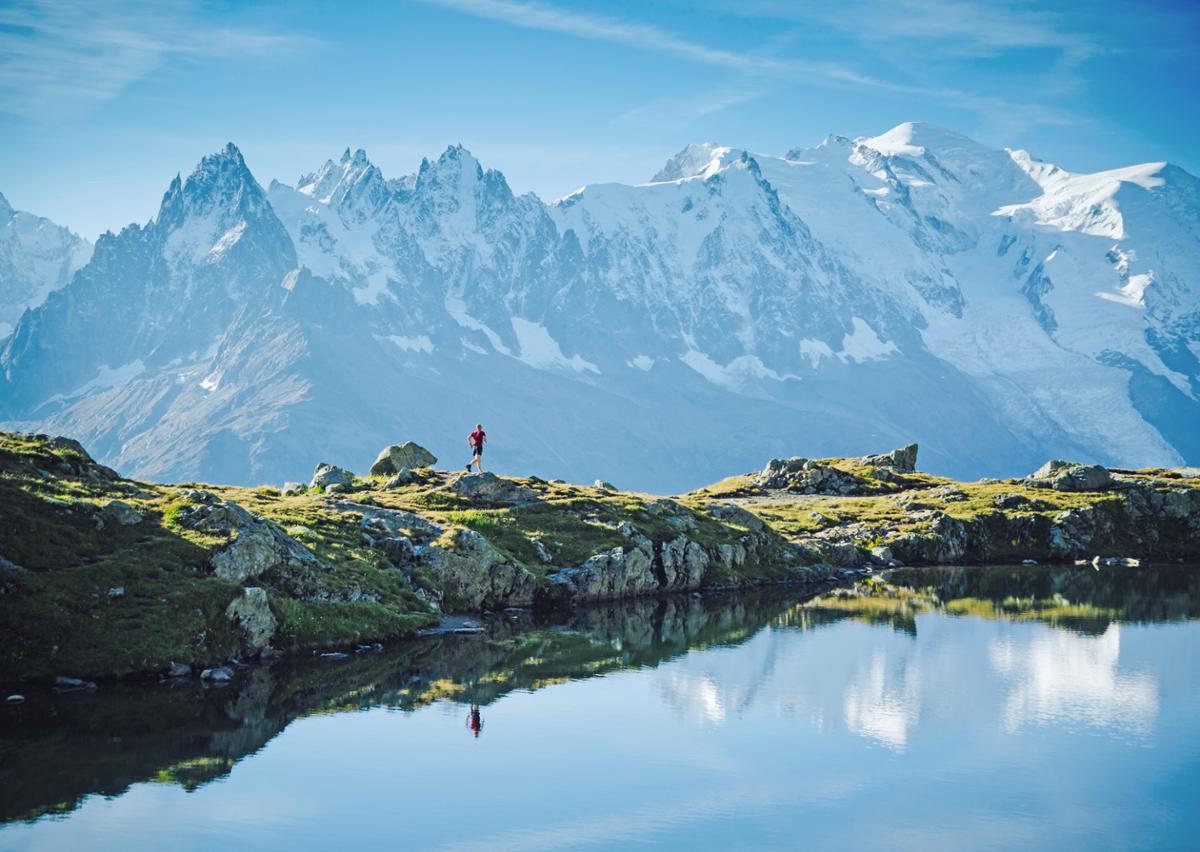
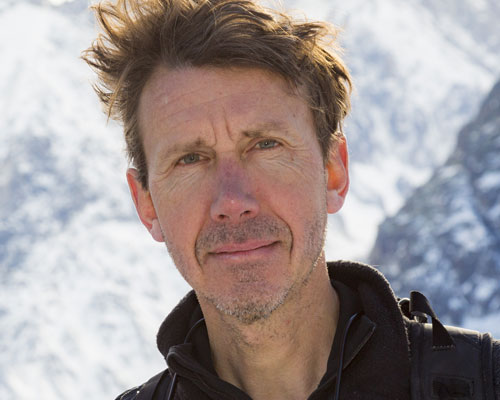
What have you been enjoying personally? Being based in the mountain resort of Chamonix in the French Alps, I’m very attentive to what happens in nature in the mountains, and the way in which this connects with the wellness industry.
For a while, I’ve been observing an explosion of wellness and fitness festivals. Typically, they combine trail or ultra-trail running with music, often good organic, food and immersion in nature. They constitute a new form of wellness practice, more focused on fitness but also associated with other forms of pleasure. I think these will grow exponentially in the coming years because they appeal very much to the younger generations.
What are the most critical challenges we’re facing? We face an abundance of issues that will radically alter how industries and companies operate, but the one that overrides all the others is climate change.
It’s no exaggeration to state that it’s an existential threat for many people and regions around the world and also that it’s going to get worse and exacerbate all the other issues – making conflict more likely, rendering inequalities more sharply and so on.
The wellness industry – like all the others – will need to change and adjust.
There are many ways to move forward, but only one overwhelming consideration: we must reduce carbon emissions and protect nature. The wellness industry, because of the values it embodies – must be at the forefront of this ‘battle’ – but this is not the case yet. The longer it waits, the greater the cost of the adjustment.
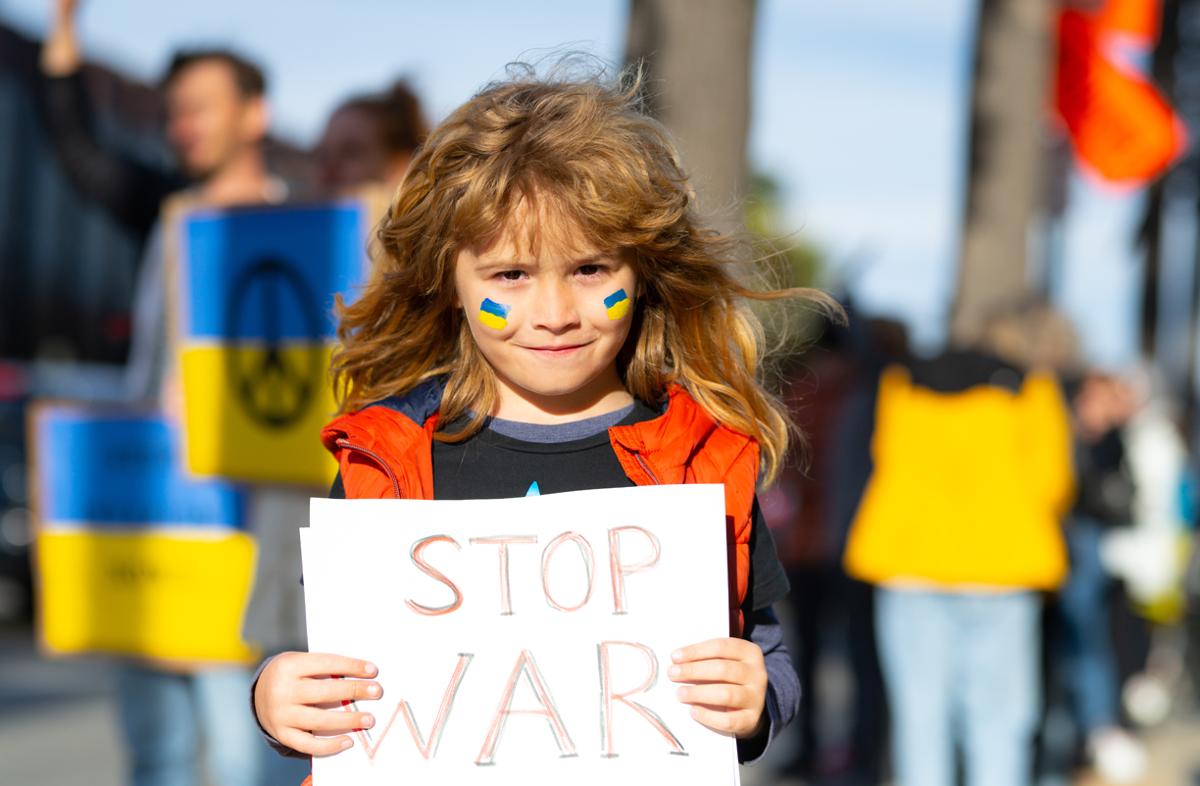
Will the war in Ukraine impact the industry? Apart from wellness operators actually in Ukraine, the war won’t change the wellness industry. However, it will dramatically change our overall appreciation of wellbeing (happiness, or ‘subjective wellbeing’ in the scientific jargon).
Today, there are many conflicts in the world, and each makes it plain that ‘feeling well’ in a situation of conflict is an impossibility.
Physical security is an absolute prerequisite to experiencing wellbeing and enjoying the benefits of wellness. This is true as in Ukraine, as it is in Yemen, Ethiopia and in any country and region which is a victim of a war or civil conflict. Wars are also anxiety-inducing for those not directly affected, but impacted by fear of the increased possibility of a conflict. In short: wars and conflicts destroy wellbeing.
What other threats and opportunities do you see? Forecasting is a perilous exercise. At the moment every nation and region faces its own challenges, which conflate with those of others. Take the example of the strong US dollar – this is up by 15 per cent over the past year against a basket of currencies and except for commodity exporters, global companies with US dollar earnings and American tourists this is making everybody’s lives more difficult.
There’s no immediate respite in relation to this situation in sight because it’s hard to think of what could break the multi-year strong US dollar ‘super cycle’. The dollar’s strength is an acute problem for many emerging markets with high levels of US dollar-denominated debt, whether sovereign or private.
For wellness and wellness travel markets, the biggest threat is not economic, but geopolitical: the world’s fragmentation, the retreat of globalisation and the fact that some countries are ‘retrenching’ and turning in on themselves.
Malleret says many global factors are affecting wellbeing
Global factors affecting wellbeing
Thierry Malleret shares insights
Economic uncertainty
Rates of inflation, how far will interest rates rise and global indebtedness
Geopolitical turmoil
Something that’s evident across the globe
Societal issues
Social inequities and polarisation
Environmental degradation
Nature and climate change are the two sides of the same coin, with dramatic problems flaring up everywhere
Tech innovation
Where will it lead us? Towards utopia, dystopia or somewhere in-between?
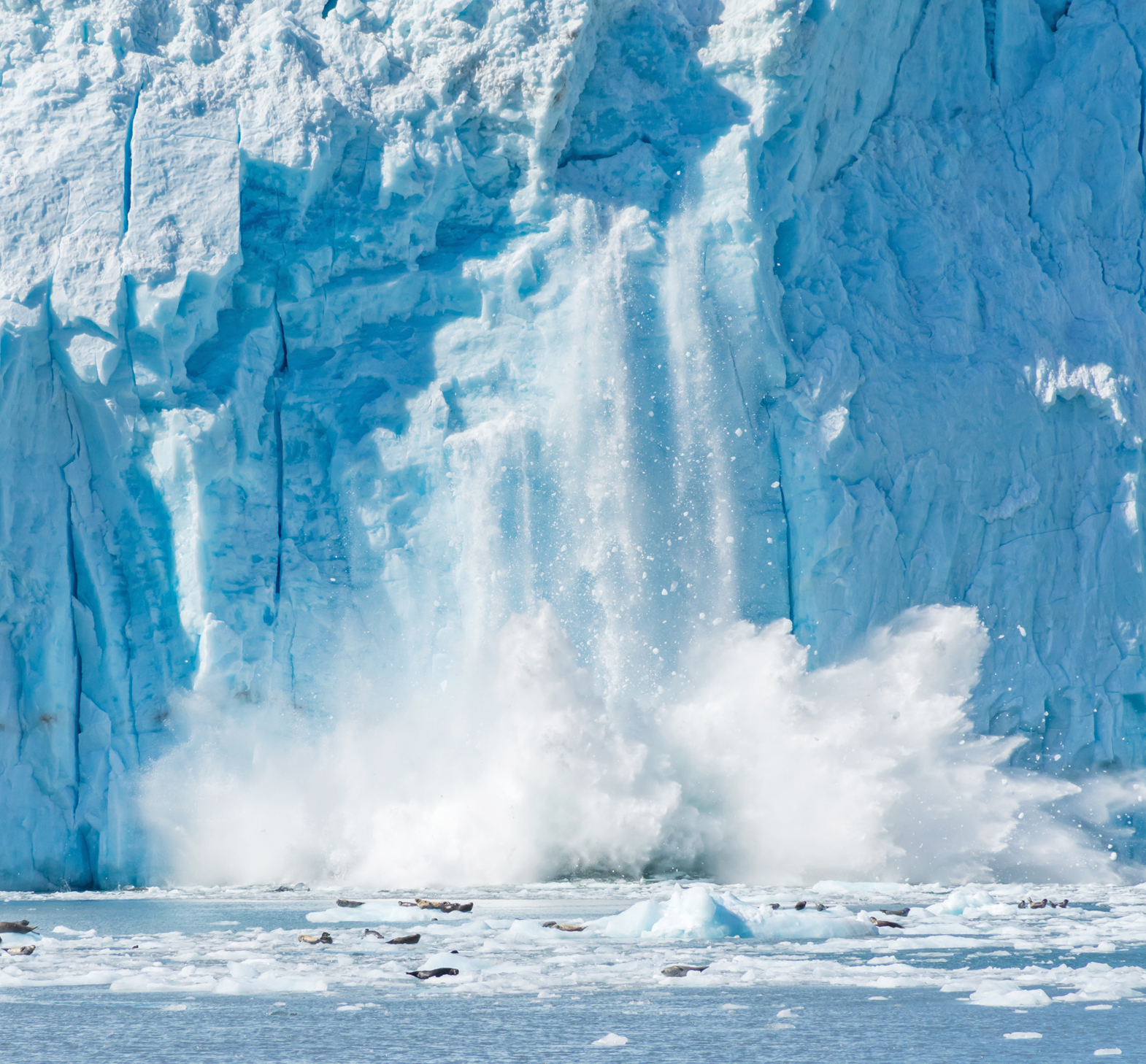
Climate change is a threat to many people around the world / Photo: Shutterstock/Rajat Chamria
Read more from this issue of Spa Business magazine
View contents of Spa Business 2022 issue 3
Editor's letter: Salus per natura
Although great buildings lie at the heart of the spa and wellness experience, operators are turning to nature to deliver healing journeys, says Liz Terry
Spa People: Thierry Malleret
We talk to the economist behind Monthly Barometer about key trends emerging in the wellness sector, such as a greater connection with nature
Spa People: Verena Lasvigne
The founder of VLF Spa Consulting shares her learnings from a career running spas on three continents
Spa People: Kim Weller
The wellbeing director of Banyan Tree tells us about the rollout of the company's new brand, Veya – for mind/body wellness
New opening: Loisium Spa
A look at the new luxurious spa situated at the heart of France's celebrated Champagne region
Interview: Neil Jacobs
The CEO of Six Senses talks about creating an eco-system around the brand to deliver hotels, clubs, residential, offices and resorts
Project preview: Next generation wellness
We take our first look at Tulah, the new clinical wellness retreat brand about to make its debut in Kerala, India, and speak to its CEO
ISPA Research: Rate of recovery
Russell Donaldson digs deeper into ISPA's 2022 US Spa Industry Study and considers the industry's resurgence since the end of pandemic lockdowns
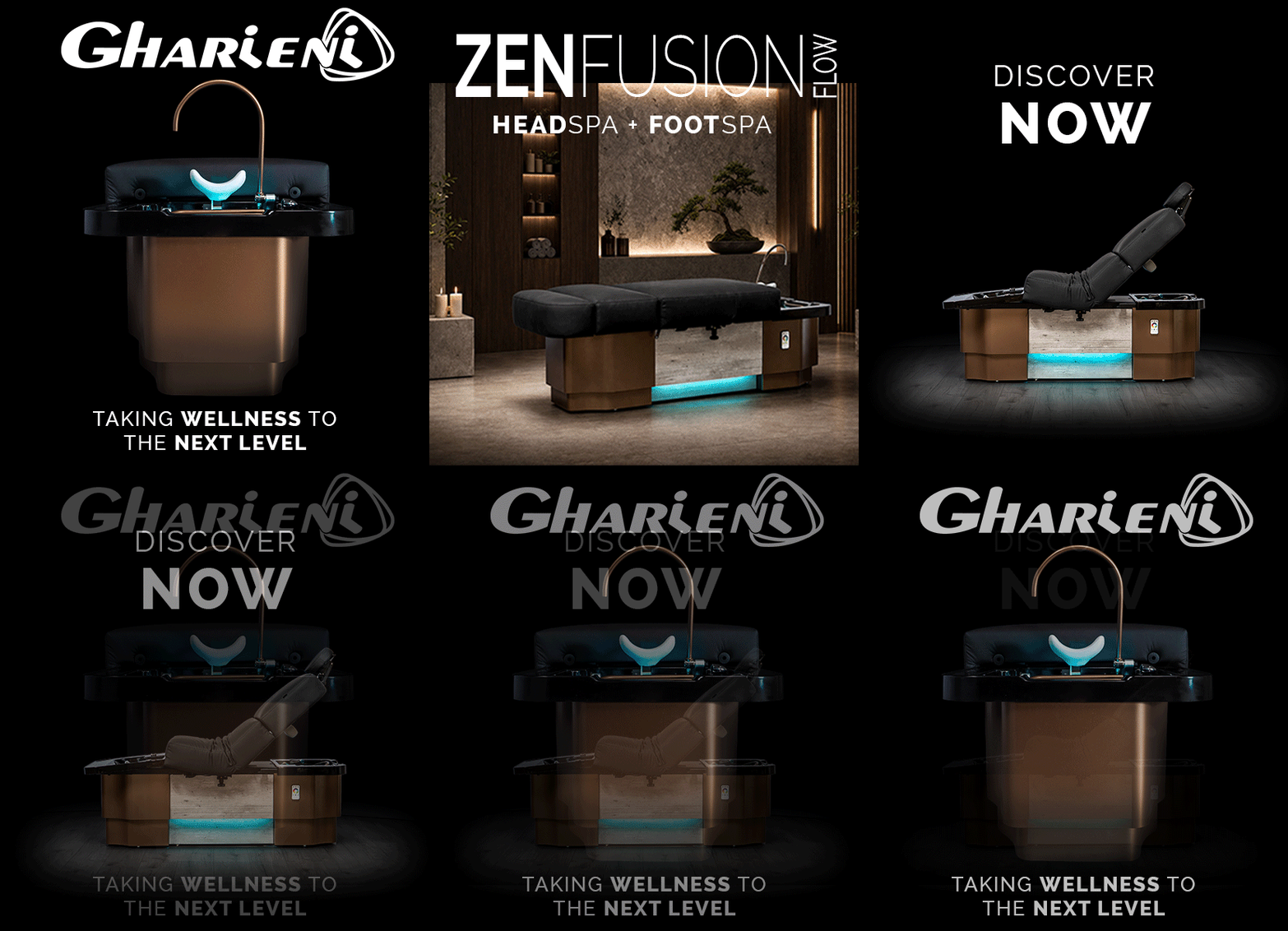
Sponsored: Gharieni: Delivering results
Innovation is the hallmark of Gharieni experiences, meeting the rapidly
evolving needs of wellness seekers within the spa and wellness environment
New opening: Lanserhof Sylt
Lisa Starr reports on the industry's eagerly awaited wellness experience – nestled within sand dunes on the German island of Sylt
Healing: Emotional rescue
As people increasingly seek support for their emotional wellbeing, Jane Kitchen talks to the operators who are digging deeper to deliver genuine transformation
Promotion: TechnoAlpin: Powerful contrast
Spa clients can enjoy super-cool relaxation and pain-relief at Sächsische Staatsbäder in Bad Brambach thanks to a TechnoAlpin SnowRoom
Concept: Soneva Soul
The CEO and co-founder of Soneva, Sonu Shivdasani, talks about the philosophy behind the company's new wellness concept, Soneva Soul
What trends do you see? One of the most significant is the remarkable emergence of nature in the wellness space.
The clear message that has emerged from the pandemic is that nature is a formidable antidote to many of today’s ills. Nature makes us feel good, it eases psychological and physical pain and is associated with a multitude of benefits in terms of physical and mental wellbeing. In the foreseeable future, wellness companies that miss this obvious trend will find themselves in a precarious situation.
What have you been enjoying personally? Being based in the mountain resort of Chamonix in the French Alps, I’m very attentive to what happens in nature in the mountains, and the way in which this connects with the wellness industry.
For a while, I’ve been observing an explosion of wellness and fitness festivals. Typically, they combine trail or ultra-trail running with music, often good organic, food and immersion in nature. They constitute a new form of wellness practice, more focused on fitness but also associated with other forms of pleasure. I think these will grow exponentially in the coming years because they appeal very much to the younger generations.
What are the most critical challenges we’re facing? We face an abundance of issues that will radically alter how industries and companies operate, but the one that overrides all the others is climate change.
It’s no exaggeration to state that it’s an existential threat for many people and regions around the world and also that it’s going to get worse and exacerbate all the other issues – making conflict more likely, rendering inequalities more sharply and so on.
The wellness industry – like all the others – will need to change and adjust.
There are many ways to move forward, but only one overwhelming consideration: we must reduce carbon emissions and protect nature. The wellness industry, because of the values it embodies – must be at the forefront of this ‘battle’ – but this is not the case yet. The longer it waits, the greater the cost of the adjustment.
Will the war in Ukraine impact the industry? Apart from wellness operators actually in Ukraine, the war won’t change the wellness industry. However, it will dramatically change our overall appreciation of wellbeing (happiness, or ‘subjective wellbeing’ in the scientific jargon).
Today, there are many conflicts in the world, and each makes it plain that ‘feeling well’ in a situation of conflict is an impossibility.
Physical security is an absolute prerequisite to experiencing wellbeing and enjoying the benefits of wellness. This is true as in Ukraine, as it is in Yemen, Ethiopia and in any country and region which is a victim of a war or civil conflict. Wars are also anxiety-inducing for those not directly affected, but impacted by fear of the increased possibility of a conflict. In short: wars and conflicts destroy wellbeing.
What other threats and opportunities do you see? Forecasting is a perilous exercise. At the moment every nation and region faces its own challenges, which conflate with those of others. Take the example of the strong US dollar – this is up by 15 per cent over the past year against a basket of currencies and except for commodity exporters, global companies with US dollar earnings and American tourists this is making everybody’s lives more difficult.
There’s no immediate respite in relation to this situation in sight because it’s hard to think of what could break the multi-year strong US dollar ‘super cycle’. The dollar’s strength is an acute problem for many emerging markets with high levels of US dollar-denominated debt, whether sovereign or private.
For wellness and wellness travel markets, the biggest threat is not economic, but geopolitical: the world’s fragmentation, the retreat of globalisation and the fact that some countries are ‘retrenching’ and turning in on themselves.
Malleret says many global factors are affecting wellbeing
Global factors affecting wellbeing
Thierry Malleret shares insights
Economic uncertainty
Rates of inflation, how far will interest rates rise and global indebtedness
Geopolitical turmoil
Something that’s evident across the globe
Societal issues
Social inequities and polarisation
Environmental degradation
Nature and climate change are the two sides of the same coin, with dramatic problems flaring up everywhere
Tech innovation
Where will it lead us? Towards utopia, dystopia or somewhere in-between?
Climate change is a threat to many people around the world / Photo: Shutterstock/Rajat Chamria
Read more from this issue of Spa Business magazine
View contents of Spa Business 2022 issue 3
Editor's letter: Salus per natura
Although great buildings lie at the heart of the spa and wellness experience, operators are turning to nature to deliver healing journeys, says Liz Terry
Spa People: Thierry Malleret
We talk to the economist behind Monthly Barometer about key trends emerging in the wellness sector, such as a greater connection with nature
Spa People: Verena Lasvigne
The founder of VLF Spa Consulting shares her learnings from a career running spas on three continents
Spa People: Kim Weller
The wellbeing director of Banyan Tree tells us about the rollout of the company's new brand, Veya – for mind/body wellness
New opening: Loisium Spa
A look at the new luxurious spa situated at the heart of France's celebrated Champagne region
Interview: Neil Jacobs
The CEO of Six Senses talks about creating an eco-system around the brand to deliver hotels, clubs, residential, offices and resorts
Project preview: Next generation wellness
We take our first look at Tulah, the new clinical wellness retreat brand about to make its debut in Kerala, India, and speak to its CEO
ISPA Research: Rate of recovery
Russell Donaldson digs deeper into ISPA's 2022 US Spa Industry Study and considers the industry's resurgence since the end of pandemic lockdowns
Sponsored: Gharieni: Delivering results
Innovation is the hallmark of Gharieni experiences, meeting the rapidly
evolving needs of wellness seekers within the spa and wellness environment
New opening: Lanserhof Sylt
Lisa Starr reports on the industry's eagerly awaited wellness experience – nestled within sand dunes on the German island of Sylt
Healing: Emotional rescue
As people increasingly seek support for their emotional wellbeing, Jane Kitchen talks to the operators who are digging deeper to deliver genuine transformation
Promotion: TechnoAlpin: Powerful contrast
Spa clients can enjoy super-cool relaxation and pain-relief at Sächsische Staatsbäder in Bad Brambach thanks to a TechnoAlpin SnowRoom
Concept: Soneva Soul
The CEO and co-founder of Soneva, Sonu Shivdasani, talks about the philosophy behind the company's new wellness concept, Soneva Soul
Four Seasons Resort The Nam Hai in Hoi An, Vietnam, has put together a Global Wellness Day
(GWD) agenda with activations rooted in nature and shaped by four pillars of Joy – in
alignment with the day’s theme #JoyMagenta.
The Global Wellness Summit (GWS) will celebrate its 20th anniversary at the 2026 event in
Phuket, Thailand, later this year with the theme: The Science, Art and Soul of Wellness.
Auko, an all-inclusive development, is opening in Phong Nha in Vietnam in Q3 2026, with a
series of 30 tented eco-lodges and wellness hospitality operations by Lumina Wellbeing.
Therme Manchester’s 28-acre development, which will include interconnected glass pavilions
that measure 65,000sq m, will be the largest bathing and wellbeing attraction in the world once
complete, according to prof David Russell, CEO of Therme UK.
Naples Beach Club, a Four Seasons Resort, has opened a 2,800sq m spa called The Sanctuary,
with the design and concept inspired by the Native American people that populated Florida’s
Southwest coast – the Calusa.
Swire Hotels’ luxury hospitality brand Upper House has revealed it will roll out its two-day
House of Healing retreats at its three hotels in Hong Kong, Chengdu and Shanghai.
LVMH-owned beauty house Guerlain will launch up to five spas with partners a year as part of
its plan to expand globally, according to the brand’s international spa and wellness director,
Diane Davody.
A new global study by Kevin Kelly and Peter Yesawich, called WELLSurvey 2.0, has revealed
more than half of consumers in the UK, US and Germany would not choose numerous high-
profile wellness resort brands for a future trip.
Luxury hospitality and wellness pioneer Jeremy McCarthy has launched Leisure Alchemy, a
digital platform that will provide professionals with strategic guidance on how to build
transformational leisure experiences that drive profit.