Sophie Benge looks at how salt and herbs are used in spas in eastern and
central Europe, a region that’s attracting a growing number of wellness tourists
By Sophie Benge | Published in Spa Business 2014 issue 3
Natural resources have been pivotal to health culture in central and eastern Europe ever since they were discovered to have curative benefits – often by chance – over the centuries. A combination of aural knowledge, observation and rigorous study by scientists has led to a spectrum of treatments that both enhance a sense of wellbeing and cure chronic conditions.
This is appealing to the growing number of wellness tourists who show increasing scepticism for the drugs-and-knives approach of allopathic medicine in favour of more holistic options.
Last issue, Spa Business (see SB14/4 p22) looked at the role of naturally occurring gases in the region’s health protocols. Here we give an overview of how salt and herbs are used for therapeutic purposes.
Read more from this issue of Spa Business magazine
View contents of Spa Business 2014 issue 3
Letters: Letters
Bill Bensley gives his opinion on where spa design is heading in the future
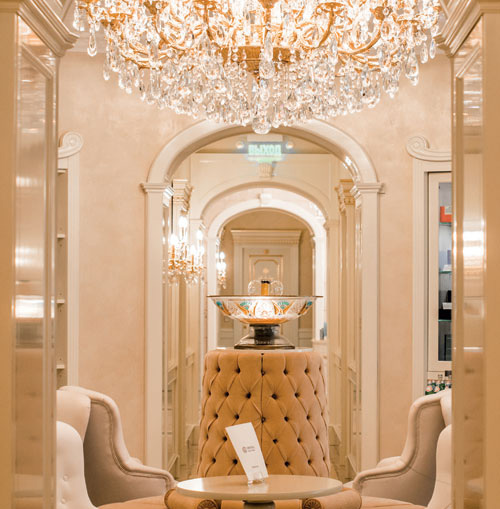
Luxury brands: The high life
We take a look at the spa concepts of luxury brands such as Dior, Guerlain, Armani and Versace
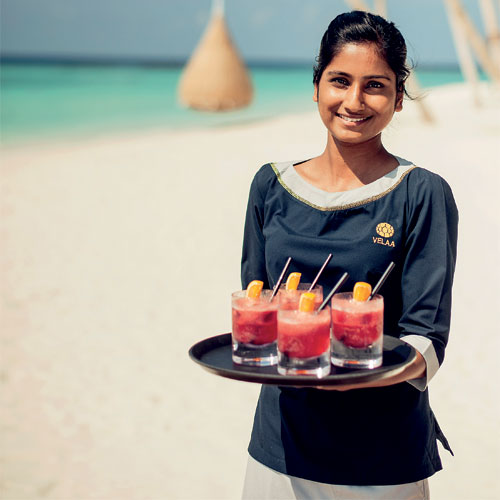
Country focus: The Maldives
Neena Dhillon takes a look around Cheval Blanc Randheli and Velaa Private Island – two of the hottest new spa destinations in the Maldives
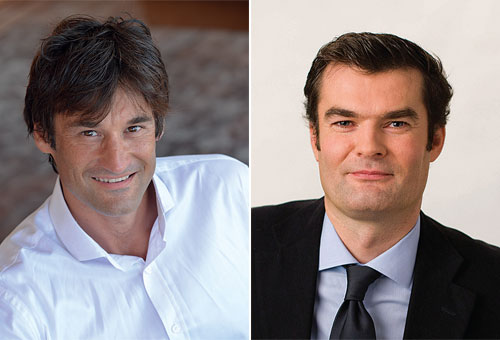
Q&A: Morgan Lefrançois
The spa business development manager at Clarins on working with Velaa Private Island; plus a first-person account of the resort by Liz Terry
Therapy: Well seasoned
An underground salt mine offering subterraneotherapy and herb spas feature in this report by Sophie Benge
Holiday village spa: Full steam ahead
The unique hydrothermal spa concept at Center Parcs UK attracts 300,000 guests a year and brings in £15m in revenue. Katie Barnes visits its latest site
Marketing: Screen star
Professional spa brands are using TV shopping channel QVC to increase footfall in spas and can sell up to £4m of products in just one day
Mineral Spa: Mission accomplished
With 168 pools and 90 treatment rooms, Mission Hills Haikou has one of the world’s largest spa and mineral springs. Jennifer Harbottle finds out more
Fitness: Cool customer
We explain the science behind Vasper, a high-tech fitness system that’s being used by athletes and astronauts
Pinch of salt As the main food preservative in medieval Europe, salt literally kept people alive. More specific benefits were recorded in the 19th century when Polish physician Dr Feliks Boczkowski noted that miners in the world-famous Wieliczka salt mine near Kraków, Poland, never suffered lung complaints despite spending months below ground. Miners no longer work there, instead, the site has been converted into a tourist attraction and an underground health resort (see p72) which now welcomes up to 1 million visitors a year.
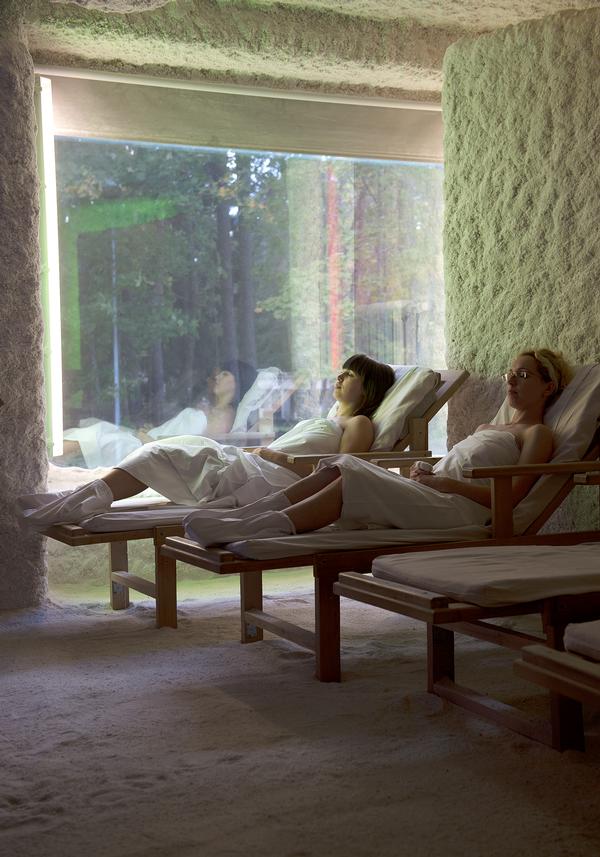
Because of its unique conditions, the salt mine has its own medical classification for ‘subterraneotherapy’ which is acknowledged by the Polish Ministry of Health for the treatment of respiratory disorders. Most evidence for the benefit of salt comes from studies carried out in the 1950s in the USSR. As a result, chambers which simulate the microclimate of natural salt caves are common in central and eastern European spas. Minuscule particles of salt are pumped into a chamber with a 40-60 per cent humidity and temperatures of 18-24?C. The rooms, with salt-encrusted walls and floors, feature reclining deckchairs. This therapy involves lying down and breathing deeply.
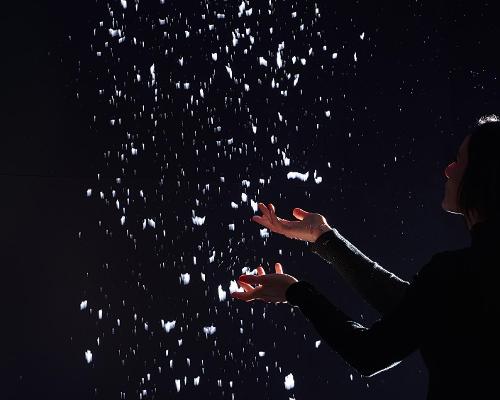
Inhaling saline moisture cleanses the airways by thinning the mucus and improving the function of cilia – microscopic hairs which filter out toxins like dust – in the respiratory tract. In addition, microelements from the salt clean the environment of airborne germs to also ease respiration.
Studies show that halotherapy (‘halos’ is Greek for salt) gives relief to people suffering from conditions such as asthma, bronchitis and chronic obstructive pulmonary disease. A salt-rich atmosphere is also shown to soothe skin conditions such as eczema, psoriasis and acne and help with headaches, depression and stress, due to the release of negative ions.
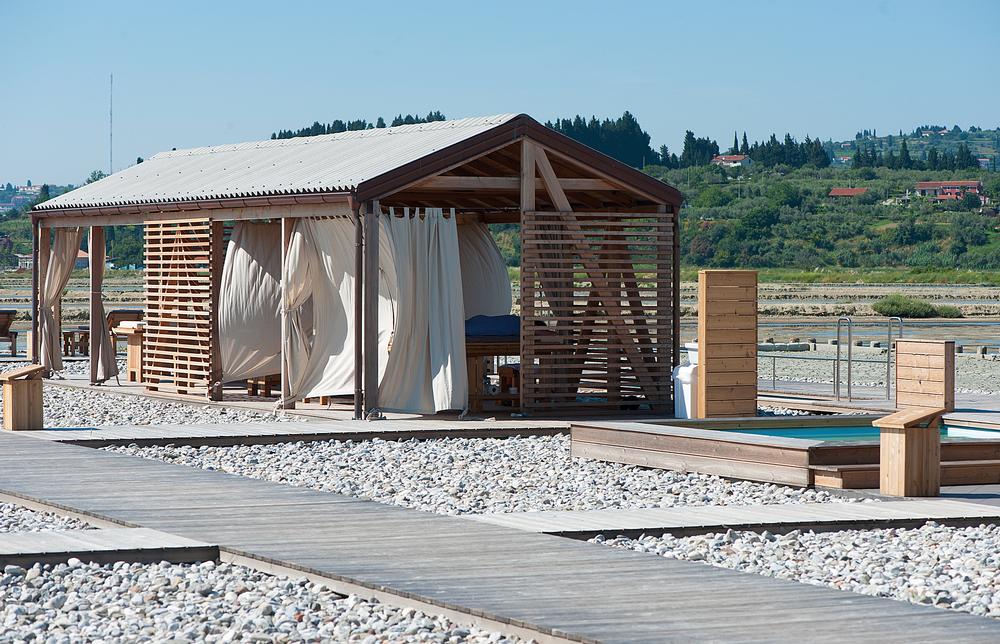
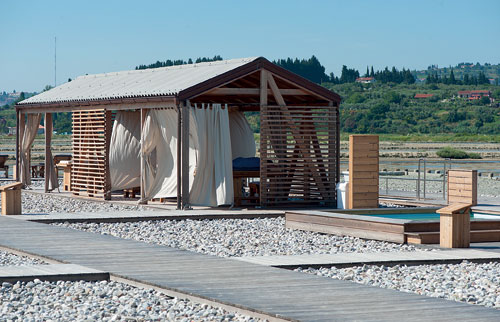
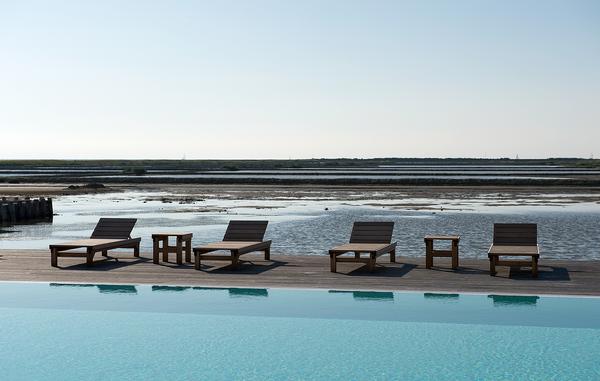
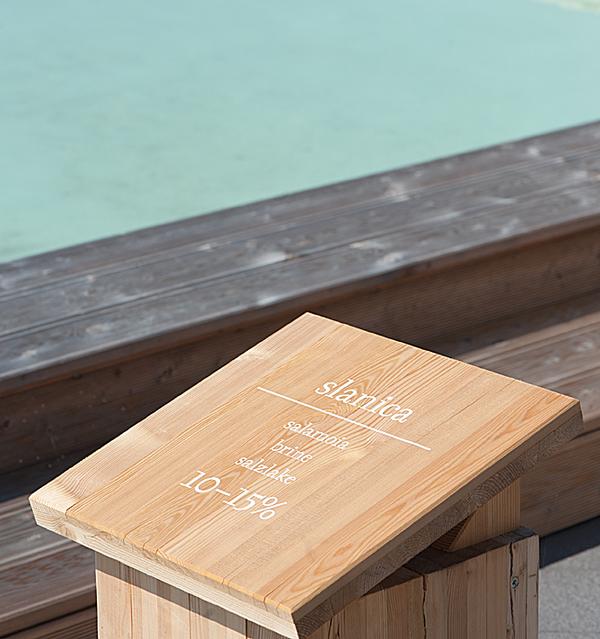
A different kind of salt therapy forms the unique concept at Thalasso Spa Lepa Vida in Se?ovlje Salina Nature Park in Slovenia. This open air spa, with a contemporary, minimal aesthetic, offers treatments using sea salt and its two by-products: fango (soft, salty clay) and a naturally occurring brine which is rich in sulphur, bromine, iodine and magnesium and 10 times denser than seawater.
The spa’s seawater pool, Kneipp walks, brine baths, massage salas and scrub cubicles are spread over the saltpans in the Bay of Piran on the Adriatic, where salt-making dates back to the Middle Ages.
The mix of natural resources benefit a range of conditions. Bathing in thick, slimy brine makes the body buoyant and exerts pressure on the limbs which aids lymph drainage and encourages movement in the joints. The alkaline, sulphur-rich salt water and raw salt scrubs improve elasticity in the skin and boost metabolism, while the mineral, thermal and mechanical effects of the fango soothe inflammatory conditions and slow down degenerative change.
Salt rooms, such as this one at Spa Vilnius in Lithuania, are a popular treatment for respiratory illnesses
Thalasso Spa Lepa Vida features a seawater pool, brine baths, massage salas and scrub cubicles
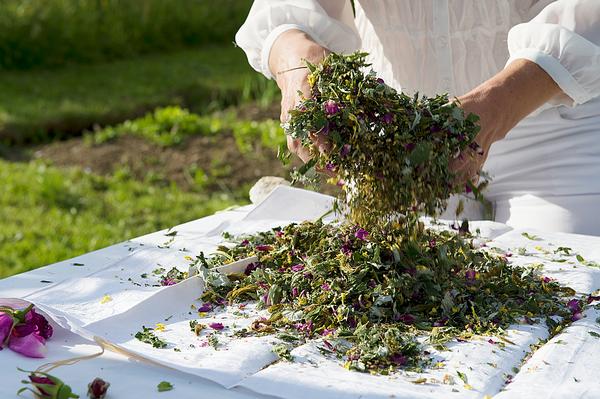
Herb spa Medical herbalism in Europe dates back to the Middle Ages when monks studied and grew medicinal herbs in monasteries. In central and eastern Europe, many people turn to herbs before allopathic medicine for anything from a tummy ache to a headache. Numerous self-styled herbalists use their intuition and knowledge of herbs to create a tincture for a cut, or a phyto-rich facemask for menopausal women, or to develop particular tea blends that people claim cure life-threatening conditions.
Today this knowledge is being used in commercial ventures. In the Baltics, where harsh winters and short, sun-filled summers make for powerful plant ingredients, Latvian skincare company Madara uses sap from local birch trees. The sap is rich in amino acids, proteins and enzymes that work like collagen to support the structure of the skin.
In rural Estonia, guests at Energia Farm, a herb spa, pick (according to the moon cycle), eat (a meal featuring 15 herbs) and use (in poultices in the sauna) the many species of herbs that are cultivated there. They stroll through relaxation- or aphrodisiac-themed herb trails and rest on a bed of thyme. There are also lessons in tea blending and drinking: for example, the owners say sage tea stops sweating, while thyme tea stimulates sexual energy.
Smaller spas are creating treatments based on local produce. At the Etno Spa in Lithuania, beer baths are on the menu alongside wraps and scrubs incorporating poppy seeds, honey and ground amber. Further south, herbs that grow wild in the Rhodope mountains of Bulgaria are being picked, air-dried and blended by hand for Villa Gella Teas, a new brand that’s being sold to the international spa market.
Visitors to this part of Europe sense an authentic affinity among local people for their land, which may have something to do with decades of flatlining economies and their countries relative isolation. While the region may be moving towards a fully fledged market economy, its traditional approach to healthcare is ahead of its time. What’s long been practiced here as a matter of course is now piquing the interest of holistic health seekers everywhere. In other words, treatments using herbs and salt – among other natural resources – are just what today’s wellness tourist is looking for.
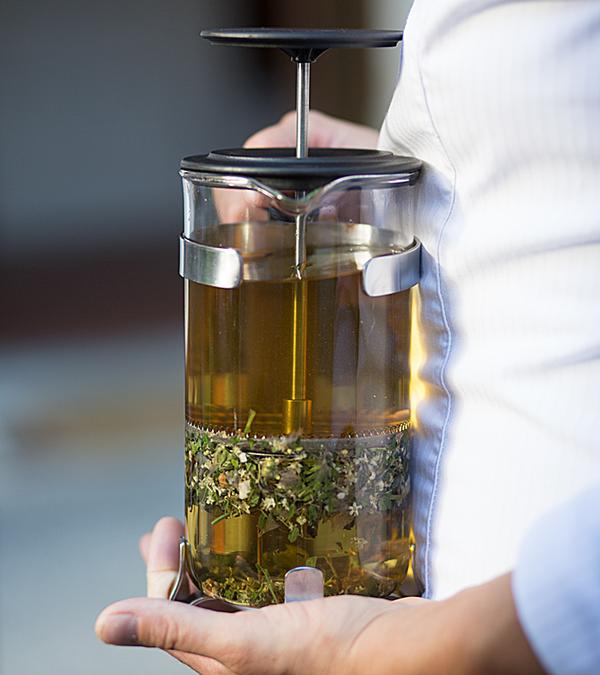
Medical herbalism in the region dates back to the Middle Ages and traditional knowledge is now be used in commercial ventures
Medical herbalism in the region dates back to the Middle Ages and traditional knowledge is now be used in commercial ventures
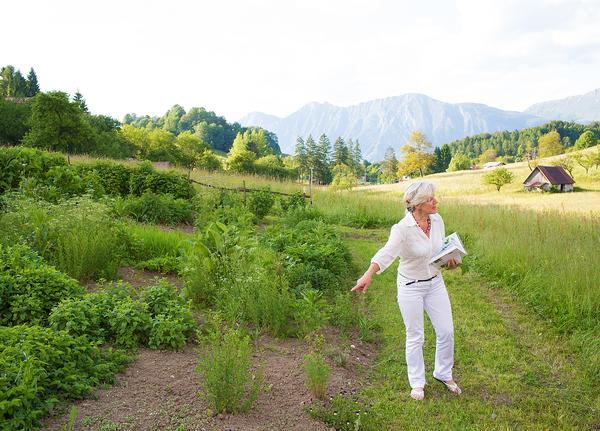
A family herb garden in Slovenia where a knowledge of herbs for use in healthcare is still strong
Lessons in tea blending: sage tea stops sweating, while thyme boosts sexual energy
Wellness facilities & products
* Wieliczka Salt Mine Health Resort, Poland www.kopalnia.pl
* Etno Spa at Romantic Boutique Hotel www.etnospa.lt
* Madara skincare, Latvia www.madaracosmetics.com
First-person experience: Sophie Benge
Sophie Benge
Sophie BengeWriter of Healing SourcesEmail: [email protected] Tel: +44 7951 056609
Getting ‘high’ at a spa sounds inappropriate, but my experience at the Wieliczka Salt Mine Resort gave me the giggles, not only because this spa is situated 150m below ground, but also because it’s been developed within an old salt mine, where the air is so clean and naturally high in humidity and mircroelements – which stimulate the respiratory system – that I felt light-headed for the 11 hour duration of my stay.
During the travels for our book (see p70), photographer Christian, researcher Alla and I took a picnic and warm pyjamas for overnight therapy at the Polish health resort near Kraków. Essentially it was a sleepover in a rock salt chamber which felt like a ‘natural inhaler in 3D’. We joined an exercise class, took part in a 20-minute step machine session, relaxed by a brine pool and ate our picnic before settling down for the night.
At first, the surroundings felt cavernously dark and eerily silent but, surprisingly, not claustrophobic because the atmosphere in the salt mine made breathing easier than normal. Most visitors to the resort come to relieve some kind of bronchial condition but we, being free from respiratory issues, felt supercharged by the natural conditions: a double hit for physical and mental harmony.
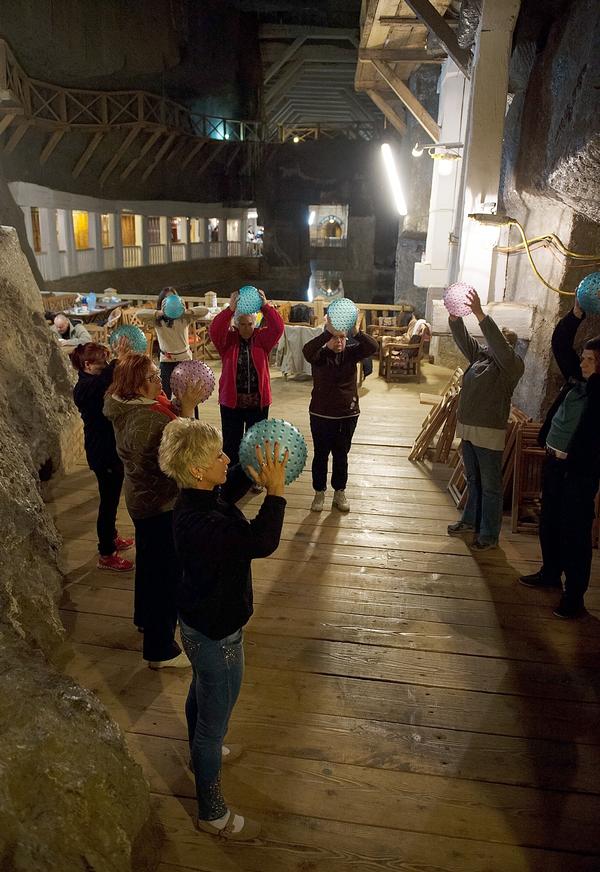
The ‘respiratory gymnastics’ class was a first for me. The 30-minute session involved blowing a fluffy pink feather between participants to keep it afloat; then we tried to keep a pinwheel spinning in the air with our breath. Once our lungs were working like bellows, we did group exercises with balls.
Following the exercise, we relaxed by the salty water fountain, wrapped up in blankets, to inhale the salty spray and climbed under several more blankets to sleep in the group dormitory, partitioned into cubicles. Interestingly, our sleeping quarters were converted stables once used by the horses that worked in the mine.
I don’t know what the exact temperature was, but it was certainly a little nippy down there. But this didn’t detract from a deep sleep and memorable experience. The next morning, once back up on the surface, we felt clear-headed and full of energy.
Millions of tourists visit the actual mine each year – but those who come specifically for health purposes descend to the part of the site that’s designated as a health resort. It is usual to spend several hours per day down there as part of a three-week treatment programme, prescribed by doctors. I can only imagine the results from these longer programmes given our sense of wellbeing after just 11 hours.
“At first, the surroundings felt cavernously dark and eerily silent but, surprisingly, not claustrophobic because the atmosphere in the salt mine made breathing easier”
A Respiratory gymnastics’ class provided a workout for the lungs
In the fast-paced world of fitness and wellness, where high-intensity workouts push us to
our limits and the sweat pours, the importance of efficient recovery cannot be overstated. [more...]
+ More featured suppliers
COMPANY PROFILES
Swissline by Dermalab
Inspired by the science of cellular rejuvenation and driven by the desire to optimise skin health an [more...]
Gharieni Group
For 35 years, the Gharieni Group has
redefined wellness, spa and medical
equipment, setting global [more...]
Sophie Benge looks at how salt and herbs are used in spas in eastern and
central Europe, a region that’s attracting a growing number of wellness tourists
By Sophie Benge | Published in Spa Business 2014 issue 3
Natural resources have been pivotal to health culture in central and eastern Europe ever since they were discovered to have curative benefits – often by chance – over the centuries. A combination of aural knowledge, observation and rigorous study by scientists has led to a spectrum of treatments that both enhance a sense of wellbeing and cure chronic conditions.
This is appealing to the growing number of wellness tourists who show increasing scepticism for the drugs-and-knives approach of allopathic medicine in favour of more holistic options.
Last issue, Spa Business (see SB14/4 p22) looked at the role of naturally occurring gases in the region’s health protocols. Here we give an overview of how salt and herbs are used for therapeutic purposes.
Read more from this issue of Spa Business magazine
View contents of Spa Business 2014 issue 3
Letters: Letters
Bill Bensley gives his opinion on where spa design is heading in the future
Luxury brands: The high life
We take a look at the spa concepts of luxury brands such as Dior, Guerlain, Armani and Versace
Country focus: The Maldives
Neena Dhillon takes a look around Cheval Blanc Randheli and Velaa Private Island – two of the hottest new spa destinations in the Maldives
Q&A: Morgan Lefrançois
The spa business development manager at Clarins on working with Velaa Private Island; plus a first-person account of the resort by Liz Terry
Therapy: Well seasoned
An underground salt mine offering subterraneotherapy and herb spas feature in this report by Sophie Benge
Holiday village spa: Full steam ahead
The unique hydrothermal spa concept at Center Parcs UK attracts 300,000 guests a year and brings in £15m in revenue. Katie Barnes visits its latest site
Marketing: Screen star
Professional spa brands are using TV shopping channel QVC to increase footfall in spas and can sell up to £4m of products in just one day
Mineral Spa: Mission accomplished
With 168 pools and 90 treatment rooms, Mission Hills Haikou has one of the world’s largest spa and mineral springs. Jennifer Harbottle finds out more
Fitness: Cool customer
We explain the science behind Vasper, a high-tech fitness system that’s being used by athletes and astronauts
Pinch of salt As the main food preservative in medieval Europe, salt literally kept people alive. More specific benefits were recorded in the 19th century when Polish physician Dr Feliks Boczkowski noted that miners in the world-famous Wieliczka salt mine near Kraków, Poland, never suffered lung complaints despite spending months below ground. Miners no longer work there, instead, the site has been converted into a tourist attraction and an underground health resort (see p72) which now welcomes up to 1 million visitors a year.
Because of its unique conditions, the salt mine has its own medical classification for ‘subterraneotherapy’ which is acknowledged by the Polish Ministry of Health for the treatment of respiratory disorders. Most evidence for the benefit of salt comes from studies carried out in the 1950s in the USSR. As a result, chambers which simulate the microclimate of natural salt caves are common in central and eastern European spas. Minuscule particles of salt are pumped into a chamber with a 40-60 per cent humidity and temperatures of 18-24?C. The rooms, with salt-encrusted walls and floors, feature reclining deckchairs. This therapy involves lying down and breathing deeply.
Inhaling saline moisture cleanses the airways by thinning the mucus and improving the function of cilia – microscopic hairs which filter out toxins like dust – in the respiratory tract. In addition, microelements from the salt clean the environment of airborne germs to also ease respiration.
Studies show that halotherapy (‘halos’ is Greek for salt) gives relief to people suffering from conditions such as asthma, bronchitis and chronic obstructive pulmonary disease. A salt-rich atmosphere is also shown to soothe skin conditions such as eczema, psoriasis and acne and help with headaches, depression and stress, due to the release of negative ions.
A different kind of salt therapy forms the unique concept at Thalasso Spa Lepa Vida in Se?ovlje Salina Nature Park in Slovenia. This open air spa, with a contemporary, minimal aesthetic, offers treatments using sea salt and its two by-products: fango (soft, salty clay) and a naturally occurring brine which is rich in sulphur, bromine, iodine and magnesium and 10 times denser than seawater.
The spa’s seawater pool, Kneipp walks, brine baths, massage salas and scrub cubicles are spread over the saltpans in the Bay of Piran on the Adriatic, where salt-making dates back to the Middle Ages.
The mix of natural resources benefit a range of conditions. Bathing in thick, slimy brine makes the body buoyant and exerts pressure on the limbs which aids lymph drainage and encourages movement in the joints. The alkaline, sulphur-rich salt water and raw salt scrubs improve elasticity in the skin and boost metabolism, while the mineral, thermal and mechanical effects of the fango soothe inflammatory conditions and slow down degenerative change.
Salt rooms, such as this one at Spa Vilnius in Lithuania, are a popular treatment for respiratory illnesses
Thalasso Spa Lepa Vida features a seawater pool, brine baths, massage salas and scrub cubicles
Herb spa Medical herbalism in Europe dates back to the Middle Ages when monks studied and grew medicinal herbs in monasteries. In central and eastern Europe, many people turn to herbs before allopathic medicine for anything from a tummy ache to a headache. Numerous self-styled herbalists use their intuition and knowledge of herbs to create a tincture for a cut, or a phyto-rich facemask for menopausal women, or to develop particular tea blends that people claim cure life-threatening conditions.
Today this knowledge is being used in commercial ventures. In the Baltics, where harsh winters and short, sun-filled summers make for powerful plant ingredients, Latvian skincare company Madara uses sap from local birch trees. The sap is rich in amino acids, proteins and enzymes that work like collagen to support the structure of the skin.
In rural Estonia, guests at Energia Farm, a herb spa, pick (according to the moon cycle), eat (a meal featuring 15 herbs) and use (in poultices in the sauna) the many species of herbs that are cultivated there. They stroll through relaxation- or aphrodisiac-themed herb trails and rest on a bed of thyme. There are also lessons in tea blending and drinking: for example, the owners say sage tea stops sweating, while thyme tea stimulates sexual energy.
Smaller spas are creating treatments based on local produce. At the Etno Spa in Lithuania, beer baths are on the menu alongside wraps and scrubs incorporating poppy seeds, honey and ground amber. Further south, herbs that grow wild in the Rhodope mountains of Bulgaria are being picked, air-dried and blended by hand for Villa Gella Teas, a new brand that’s being sold to the international spa market.
Visitors to this part of Europe sense an authentic affinity among local people for their land, which may have something to do with decades of flatlining economies and their countries relative isolation. While the region may be moving towards a fully fledged market economy, its traditional approach to healthcare is ahead of its time. What’s long been practiced here as a matter of course is now piquing the interest of holistic health seekers everywhere. In other words, treatments using herbs and salt – among other natural resources – are just what today’s wellness tourist is looking for.
Medical herbalism in the region dates back to the Middle Ages and traditional knowledge is now be used in commercial ventures
Medical herbalism in the region dates back to the Middle Ages and traditional knowledge is now be used in commercial ventures
A family herb garden in Slovenia where a knowledge of herbs for use in healthcare is still strong
Lessons in tea blending: sage tea stops sweating, while thyme boosts sexual energy
Wellness facilities & products
* Wieliczka Salt Mine Health Resort, Poland www.kopalnia.pl
* Etno Spa at Romantic Boutique Hotel www.etnospa.lt
* Madara skincare, Latvia www.madaracosmetics.com
First-person experience: Sophie Benge
Sophie Benge
Sophie BengeWriter of Healing SourcesEmail: [email protected] Tel: +44 7951 056609
Getting ‘high’ at a spa sounds inappropriate, but my experience at the Wieliczka Salt Mine Resort gave me the giggles, not only because this spa is situated 150m below ground, but also because it’s been developed within an old salt mine, where the air is so clean and naturally high in humidity and mircroelements – which stimulate the respiratory system – that I felt light-headed for the 11 hour duration of my stay.
During the travels for our book (see p70), photographer Christian, researcher Alla and I took a picnic and warm pyjamas for overnight therapy at the Polish health resort near Kraków. Essentially it was a sleepover in a rock salt chamber which felt like a ‘natural inhaler in 3D’. We joined an exercise class, took part in a 20-minute step machine session, relaxed by a brine pool and ate our picnic before settling down for the night.
At first, the surroundings felt cavernously dark and eerily silent but, surprisingly, not claustrophobic because the atmosphere in the salt mine made breathing easier than normal. Most visitors to the resort come to relieve some kind of bronchial condition but we, being free from respiratory issues, felt supercharged by the natural conditions: a double hit for physical and mental harmony.
The ‘respiratory gymnastics’ class was a first for me. The 30-minute session involved blowing a fluffy pink feather between participants to keep it afloat; then we tried to keep a pinwheel spinning in the air with our breath. Once our lungs were working like bellows, we did group exercises with balls.
Following the exercise, we relaxed by the salty water fountain, wrapped up in blankets, to inhale the salty spray and climbed under several more blankets to sleep in the group dormitory, partitioned into cubicles. Interestingly, our sleeping quarters were converted stables once used by the horses that worked in the mine.
I don’t know what the exact temperature was, but it was certainly a little nippy down there. But this didn’t detract from a deep sleep and memorable experience. The next morning, once back up on the surface, we felt clear-headed and full of energy.
Millions of tourists visit the actual mine each year – but those who come specifically for health purposes descend to the part of the site that’s designated as a health resort. It is usual to spend several hours per day down there as part of a three-week treatment programme, prescribed by doctors. I can only imagine the results from these longer programmes given our sense of wellbeing after just 11 hours.
“At first, the surroundings felt cavernously dark and eerily silent but, surprisingly, not claustrophobic because the atmosphere in the salt mine made breathing easier”
A Respiratory gymnastics’ class provided a workout for the lungs
People taking GLP-1 weight loss medications such as Ozempic, Wegovy, Mounjaro and Zepbound
may be losing weight, but they’re also becoming less physically active, according to new
research presented at the ENDO 2026 annual meeting of the Endocrine Society
Abu Dhabi-based investment firm Mubadala Capital has made a binding, fully financed
€1 billion
offer to acquire Pierre and Vacances SA, the European holiday resort operator behind the
continental European Center Parcs business.
Global retreat trade show, Synergy The Retreat Show, has launched a resource called The
Source, which hosts an open-access online Transformation Series programme.
The Standards Authority for Touch in Cancer Care (SATCC) charity has announced its first five-
day Living with Cancer and Beyond retreat, which will be held at Carden Park Hotel and Spa in
Cheshire, UK, between 1 and 5 September.
Patmos Aktis, a Luxury Collection Resort and Spa, has opened in Greece, with a renovated and
rebranded wellness offering called Ansana Wellness and Spa.
The Mauna Kea Beach Hotel, an Autograph Collection property in Hawaii, US, has opened its
22,000 sq ft indoor-outdoor Spa at Mauna Kea as the final step in the property’s overall
renovation, which has cost more than US$180 million (€166 million, £140 mill
The UK spa review and discovery platform for consumers, the Good Spa Guide, has announced
it will host the Good Spa Guide Awards 2026 during an event on 16 November at Sopwell House
Hotel in St Albans, UK.
Eighty-four per cent of consumers now say wellness is a top priority in their lives, with this
percentage increasing year on year, according to a preview presentation of McKinsey’s Future of
Wellness 2026 research report.
Mass protests have been taking place since Monday 1 June in Albania over the development of
a luxury resort by Donald Trump’s daughter Ivanka Trump and her husband Jared Kushner.
Global Wellness Day (GWD) marked its 15th anniversary on Saturday 13 June 2026, with the
theme: #JoyMagenta – a celebration of the healing qualities of simple gestures and activities
that spark joy.
In the fast-paced world of fitness and wellness, where high-intensity workouts push us to
our limits and the sweat pours, the importance of efficient recovery cannot be overstated. [more...]
+ More featured suppliers
COMPANY PROFILES
Swissline by Dermalab Inspired by the science of cellular rejuvenation and driven by the desire to optimise skin health an [more...]