Yes! Send me the FREE digital editions of Spa Business and Spa Business insider magazines and the FREE weekly Spa Business and Spa Business insider ezines and breaking news alerts!
Visiting practitioner programmes can boost a spa’s profits by up to 40 per cent, but how easy are they to implement and manage? Kate Parker investigates
By Kate Parker | Published in Spa Business 2016 issue 3
Six Senses has up to 100 possible visiting practitioners on
its database
As a growing number of spas realise the importance of differentiating themselves and standing out from the crowd to attract the new wave of discerning, wellness-seeking customers, the demand for rare and specialist therapies has never been more valued. It’s no longer enough to simply offer the standard range of treatments from in-house menus.
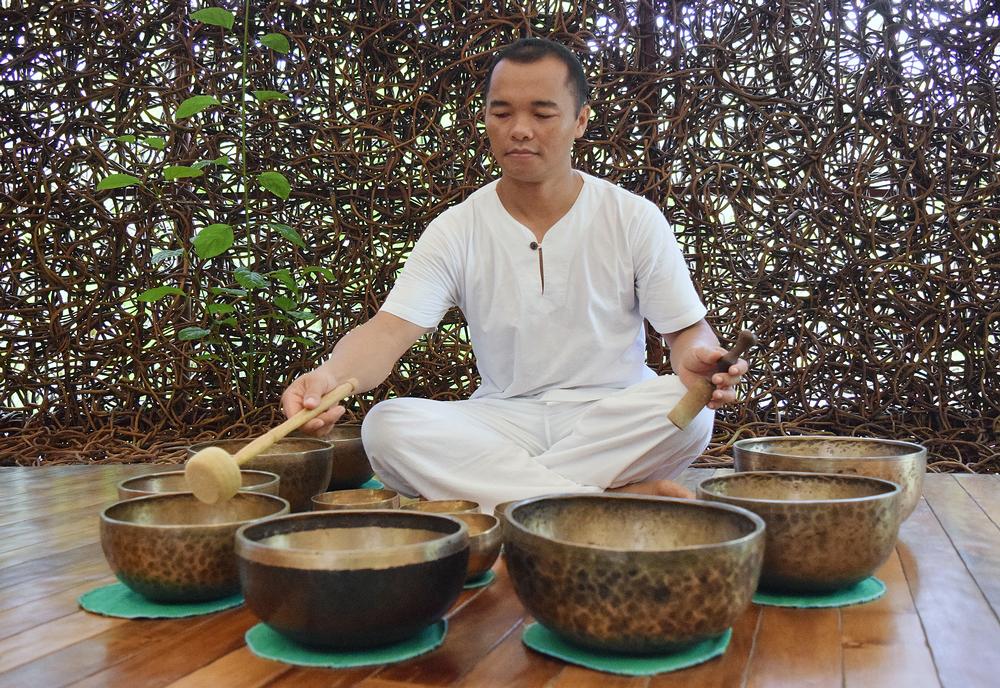
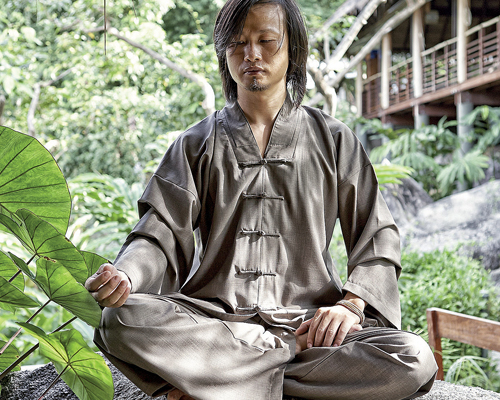
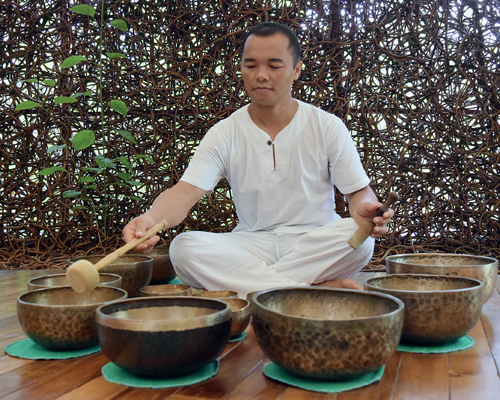
Enter, the visiting practitioner (VP). From tailored treatments provided by global practitioners, top yoga teachers and Rolfing experts, to muay thai champions, spiritual shamans with a celebrity following and rare Tibetan therapists, these specialists are increasingly playing an integral role at some of the leading spas in the industry. Many operators are going as far as introducing a year-round calendar with sophisticated programme schedules and up to 100 active practitioners on the books. They can be hosted by individual properties like Kamalaya Koh Samui, or by international spa chains like Six Senses and Aman is one of the latest high-end names to make the jump (see p38).
However, it’s not just how these experts enhance a spa’s core offering that’s interesting – there’s a whole host of business advantages and benefits. VPs enable spas to construct a strong PR and marketing campaign, attract new guests to a brand in search of a unique experience, boost low-season occupancy and tap into the existing loyal followers, or ‘tribes’, of said experts.
So, if spas are thinking of introducing a VP programme of their own, what do they need to consider? How many specialists is a good number? How can operators manage and coordinate their programme? How do they split the costs and revenues? We ask the experts…
Read more from this issue of Spa Business magazine
Top team: Gwinganna Lifestyle Retreat
The people behind this world-renowned lifestyle retreat share their business insights with Julie Cramer. Plus a focus on co-investor Hugh Jackman
Ask an expert: Visiting practitioners
Done well, visiting practitioner programmes can boost profits by up to 40 per cent. But how can spas get the offer right? Kate Parker investigates
Promotional feature: Esadore - creating a splash
The MD of Esadore International, Theodora Kioussis, explains how the company’s creative, manufacturing and operational skill sets can bring an international managing director
of UAE-based esadore International to life in a short space of time
Our visiting practitioner programme began in 2000 at our Parrot Cay island resort [in the Turks & Caicos], with Dr Alla Svirinskaya, a fifth-generation Russian energy healer. We wanted to introduce a new approach focusing on the ‘soul’ aspect of healing.
Currently we have around eight active practitioners on the programme, with some on a global rotation and others exclusive to certain regions. Energy workers seem particularly popular among our guests, together with those offering Rolfing, a deep tissue manipulation treatment.
Many of our visiting experts have their own loyal followers or ‘tribes’ who seek them out and then book stays at our wellness retreats, resorts and hotels. This is a win-win situation for us as it raises the profile of our practitioner programme while introducing new guests. It allows people to discover a new Como location while they look forward to having amazing treatments with their practitioner of choice.
We charge between US$200-300 (€178-266, £141-212) per 60-minute for a VP session and the division of costs and revenues can vary depending on the location. Overall, the programme is worth 25 per cent to 30 per cent of our annual revenue and, in some months, can provide a 30 per cent to 40 per cent boost to profits.
City locations work differently [to resorts that tend to be seasonal] as once our practitioners have built a strong following, then any time of the year works well and, typically, they’re fully booked way in advance. The awareness we generate at city locations has driven bookings to our flagship wellness destination in Bali.
Other location-specific points of difference to look out for are work permits which can be expensive and need to be factored into overall costs. Mapping out the duration of a programme is important, therefore, in order to generate a profit.
Our VP programme enhances Como’s holistic health offering. Its success is down to mindful scheduling and having a full understanding of our customer profiles. It also generates positive marketing opportunities, increasing brand awareness and introducing us to new audiences.
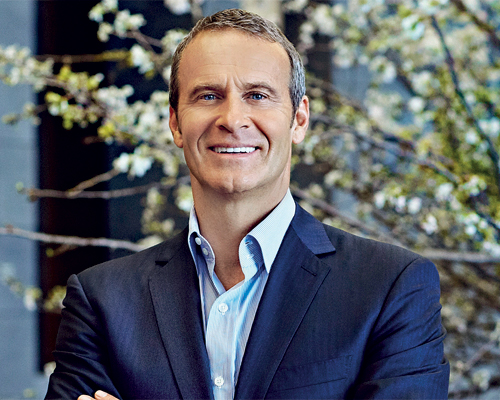
Como Shambhala develops and manages urban and resort properties and has a flagship wellness destination in Ubud, Bali. Barter has been with the company since 1989.
Details: www.comoshambhala.com
"The programme is worth 25 per cent to 30 per cent of our annual revenue"
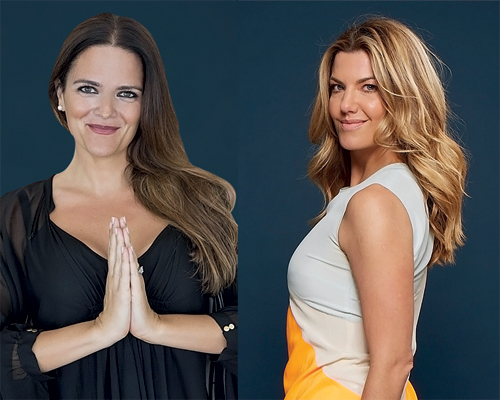
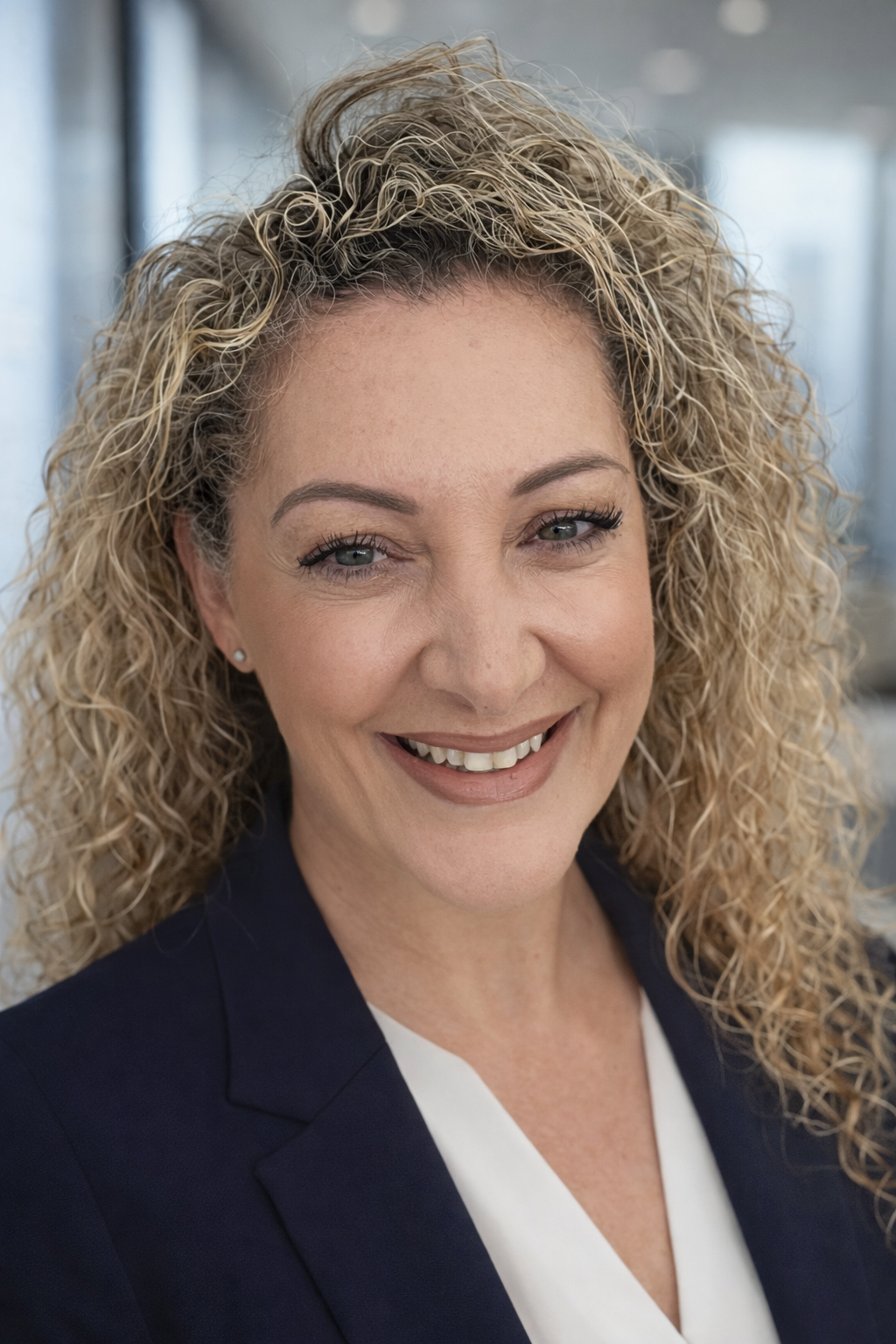
Carina LipoldWellness project directorSix Senses
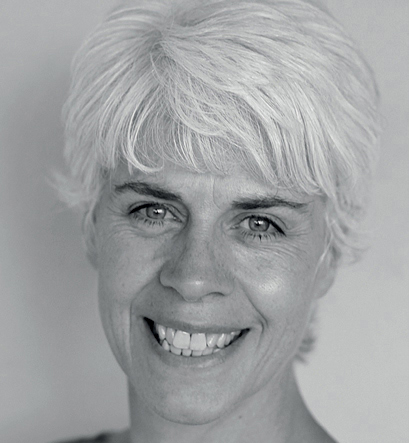
Carina Lipold
Six Senses has been offering a visiting practitioner programme since its inception in 1995, creating unique experiences delivered by experts with a wide range of backgrounds.
As the programme has grown, so has the data and admin around it. In 2013 we built a visiting practitioner platform – an internal-only interactive system where each VP has a profile containing their menu, references, documents and reviews. Separately, we also have a consumer-facing website with a listing of experts and our VP calendar.
The centralised, internal platform is great for VPs and spa managers alike. Everyone across the company has access to information about each expert, saving a lot of time and effort in organisation, enabling them to plan experts up to a year ahead.
From a business perspective, it helps us maintain standards as it contains feedback processes for spa managers, staff teams, guests and experts. You can see at a glance the status and rating of each VP and it helps us to make sure that we have the right VP at the right time for every spa.
We have around 100 active experts in our database and when scheduling, we look at time of year, target market, occupancy and special events. Some guests fly in specially to see a VP and we try to keep experts more or less to the same annual time slots to create a following, but mostly, the guests are already in-house.
Price points depend on location, but typically it’s between US$150 (€133, £106) and US$250 (€222, £176) per one-hour session. We split the revenue 50/50. They pay their own flight and we provide accommodation and full board. At the beginning of each visit we discuss a budget with our experts that fulfils both sides’ financial expectations, making sure that we’re covering our costs plus creating profit. Additionally, we allocate centralised costs for the VP platform and salaries.
The programme is an additional revenue and we can see an increase in profits, room nights and food and beverage during the months we host a popular VP, but when it comes to one of our core values of ‘pioneering wellness’, the added value that VPs offer is the real return.
Six Senses manages eight resorts and 27 spas globally. Lipold, a health and wellness specialist, has been leading its VP programme since 2013.
Details: www.sixsenses.com
"Price points are typically US$150-250 per hour. We split the revenue 50/50 "
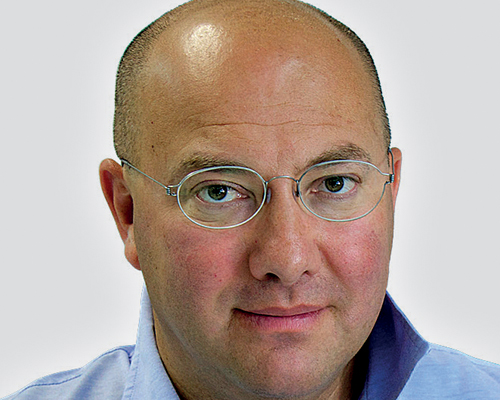
Karina StewartCo-founder and Brand DirectorKamalaya Koh Samui
Karina Stewart
The visiting practitioner programme has been part of Kamalaya’s concept since the resort first opened over 10 years ago.
Kamalaya specialises in individual wellness programmes and retreats, delivered by our in-house staff team. Visiting practitioners enhance this core offering, adding different approaches and therapies that wouldn’t otherwise be available at the resort. Treatments provided by VPs can range from anything from energy healing to astrological readings.
We have a regular network of over 30 visiting practitioners, many of whom we’ve worked with for several years and who visit two or three times each year. The duration of their stay varies, but typically lasts from 10 to 14 days at a time. Prices vary between practitioners and what treatment they are offering, but tend to be priced at around US$150-200 (€133-178, £106-141) per session. Revenues are split between the VP and Kamalaya according to each person’s individual commercial arrangement.
We’re careful in our selection process to ensure that the VPs offer added value, above and besides our core treatment list, ensuring that their treatments complement our wellness menu and offer unique guest experiences. Many VPs already have their own established followers, which isn’t of significant importance to us as the programme is about enhancing the experience for our own in-house guests.
Several team members are involved part-time in vetting and selecting new practitioners and in managing and scheduling individual visits. We’re careful not to have too many in-house at any one time, although we may increase the number when the resort is at full occupancy. We’re also careful to ensure that all VPs in-house at any one time complement each other, so timing and scheduling is very important and has to be carefully planned and managed.
Visiting practitioners offer added variety to our core offering, and overall the programme provides a positive contribution not only for guests, but for networking purposes and relationships within the wellness industry.
Kamalaya Koh Samui is a wellness sanctuary and holistic spa in Koh Samui, Thailand. Stewart, who’s qualified in acupuncture and traditional Chinese medicine, opened the property with her husband John in November 2005.
Details: www.kamalaya.com
"We carefully select VPs who offer added value beyond our core treatments"
Vanessa StoesselDirector of wellness & spa projectsMSpa International
Vanessa Stoessel
We launched our Masters of Wellness visiting practitioner programme in 2014. It offers guests greater understanding about their health and provides treatments as well as recommendations for improving lifestyle.
By collaborating with specialists, we can introduce guests to numerous wellness experiences all year round. A practitioner’s length of stay is flexible and generally hosted in-house between 10 days to a month.
We have up to 20 practitioners who we constantly evaluate. For us it’s not about the number, but the quality of treatments and their suitability for guests. Popularity is gauged by the number of treatments they deliver and their prior experience of working in luxury resorts as well as their ability to work effectively with our hotel teams, integrating well with the programme concept.
We keep our offering fresh by regularly assessing and interviewing potential practitioners. Some already have their own established followers and this can certainly be of added benefit, especially if they’re seen as celebrities in their field of expertise. However, it’s more significant for us in terms of marketing rather than revenue.
The business challenge comes in balancing the overall cost of the programme with its return. On average, for a 60-minute treatment, prices start from US$150 (€133, £106), with a 50 per cent revenue share between spa and practitioner before service charge and tax, which goes to the spa. We cover all the marketing collateral, accommodation, meals, airport transfers, together with partial to full coverage of flights.
Scheduling practitioners at the right times of the year is the key to success. Whenever a practitioner is in-house, the offering should match current guests’ preferences, which we assess through forecasting, historic booking patterns and sales strategies.
Overall, the programme makes up a small part of our main spa business, but provides a distinct advantage nonetheless. Its value is in enhancing the overall health-savvy guest experience, adding variety to our services. Finally, it allows us to remain innovative and competitive and go beyond ‘simply spa’.
MSpa, the spa management arm for Minor Hotels, runs over 60 facilities. Stoessel joined in 2013.
Details: www.mspa-international.com
"Scheduling practitioners at the right times of the year is the key to success"
Freelance journalist Kate Parker is a regular contributor to Leisure Media magazines
In the fast-paced world of fitness and wellness, where high-intensity workouts push us to
our limits and the sweat pours, the importance of efficient recovery cannot be overstated. [more...]
Visiting practitioner programmes can boost a spa’s profits by up to 40 per cent, but how easy are they to implement and manage? Kate Parker investigates
By Kate Parker | Published in Spa Business 2016 issue 3
Six Senses has up to 100 possible visiting practitioners on
its database
As a growing number of spas realise the importance of differentiating themselves and standing out from the crowd to attract the new wave of discerning, wellness-seeking customers, the demand for rare and specialist therapies has never been more valued. It’s no longer enough to simply offer the standard range of treatments from in-house menus.
Enter, the visiting practitioner (VP). From tailored treatments provided by global practitioners, top yoga teachers and Rolfing experts, to muay thai champions, spiritual shamans with a celebrity following and rare Tibetan therapists, these specialists are increasingly playing an integral role at some of the leading spas in the industry. Many operators are going as far as introducing a year-round calendar with sophisticated programme schedules and up to 100 active practitioners on the books. They can be hosted by individual properties like Kamalaya Koh Samui, or by international spa chains like Six Senses and Aman is one of the latest high-end names to make the jump (see p38).
However, it’s not just how these experts enhance a spa’s core offering that’s interesting – there’s a whole host of business advantages and benefits. VPs enable spas to construct a strong PR and marketing campaign, attract new guests to a brand in search of a unique experience, boost low-season occupancy and tap into the existing loyal followers, or ‘tribes’, of said experts.
So, if spas are thinking of introducing a VP programme of their own, what do they need to consider? How many specialists is a good number? How can operators manage and coordinate their programme? How do they split the costs and revenues? We ask the experts…
Read more from this issue of Spa Business magazine
Top team: Gwinganna Lifestyle Retreat
The people behind this world-renowned lifestyle retreat share their business insights with Julie Cramer. Plus a focus on co-investor Hugh Jackman
Ask an expert: Visiting practitioners
Done well, visiting practitioner programmes can boost profits by up to 40 per cent. But how can spas get the offer right? Kate Parker investigates
Promotional feature: Esadore - creating a splash
The MD of Esadore International, Theodora Kioussis, explains how the company’s creative, manufacturing and operational skill sets can bring an international managing director
of UAE-based esadore International to life in a short space of time
Our visiting practitioner programme began in 2000 at our Parrot Cay island resort [in the Turks & Caicos], with Dr Alla Svirinskaya, a fifth-generation Russian energy healer. We wanted to introduce a new approach focusing on the ‘soul’ aspect of healing.
Currently we have around eight active practitioners on the programme, with some on a global rotation and others exclusive to certain regions. Energy workers seem particularly popular among our guests, together with those offering Rolfing, a deep tissue manipulation treatment.
Many of our visiting experts have their own loyal followers or ‘tribes’ who seek them out and then book stays at our wellness retreats, resorts and hotels. This is a win-win situation for us as it raises the profile of our practitioner programme while introducing new guests. It allows people to discover a new Como location while they look forward to having amazing treatments with their practitioner of choice.
We charge between US$200-300 (€178-266, £141-212) per 60-minute for a VP session and the division of costs and revenues can vary depending on the location. Overall, the programme is worth 25 per cent to 30 per cent of our annual revenue and, in some months, can provide a 30 per cent to 40 per cent boost to profits.
City locations work differently [to resorts that tend to be seasonal] as once our practitioners have built a strong following, then any time of the year works well and, typically, they’re fully booked way in advance. The awareness we generate at city locations has driven bookings to our flagship wellness destination in Bali.
Other location-specific points of difference to look out for are work permits which can be expensive and need to be factored into overall costs. Mapping out the duration of a programme is important, therefore, in order to generate a profit.
Our VP programme enhances Como’s holistic health offering. Its success is down to mindful scheduling and having a full understanding of our customer profiles. It also generates positive marketing opportunities, increasing brand awareness and introducing us to new audiences.
Como Shambhala develops and manages urban and resort properties and has a flagship wellness destination in Ubud, Bali. Barter has been with the company since 1989.
Details: www.comoshambhala.com
"The programme is worth 25 per cent to 30 per cent of our annual revenue"
Carina LipoldWellness project directorSix Senses
Carina Lipold
Six Senses has been offering a visiting practitioner programme since its inception in 1995, creating unique experiences delivered by experts with a wide range of backgrounds.
As the programme has grown, so has the data and admin around it. In 2013 we built a visiting practitioner platform – an internal-only interactive system where each VP has a profile containing their menu, references, documents and reviews. Separately, we also have a consumer-facing website with a listing of experts and our VP calendar.
The centralised, internal platform is great for VPs and spa managers alike. Everyone across the company has access to information about each expert, saving a lot of time and effort in organisation, enabling them to plan experts up to a year ahead.
From a business perspective, it helps us maintain standards as it contains feedback processes for spa managers, staff teams, guests and experts. You can see at a glance the status and rating of each VP and it helps us to make sure that we have the right VP at the right time for every spa.
We have around 100 active experts in our database and when scheduling, we look at time of year, target market, occupancy and special events. Some guests fly in specially to see a VP and we try to keep experts more or less to the same annual time slots to create a following, but mostly, the guests are already in-house.
Price points depend on location, but typically it’s between US$150 (€133, £106) and US$250 (€222, £176) per one-hour session. We split the revenue 50/50. They pay their own flight and we provide accommodation and full board. At the beginning of each visit we discuss a budget with our experts that fulfils both sides’ financial expectations, making sure that we’re covering our costs plus creating profit. Additionally, we allocate centralised costs for the VP platform and salaries.
The programme is an additional revenue and we can see an increase in profits, room nights and food and beverage during the months we host a popular VP, but when it comes to one of our core values of ‘pioneering wellness’, the added value that VPs offer is the real return.
Six Senses manages eight resorts and 27 spas globally. Lipold, a health and wellness specialist, has been leading its VP programme since 2013.
Details: www.sixsenses.com
"Price points are typically US$150-250 per hour. We split the revenue 50/50 "
Karina StewartCo-founder and Brand DirectorKamalaya Koh Samui
Karina Stewart
The visiting practitioner programme has been part of Kamalaya’s concept since the resort first opened over 10 years ago.
Kamalaya specialises in individual wellness programmes and retreats, delivered by our in-house staff team. Visiting practitioners enhance this core offering, adding different approaches and therapies that wouldn’t otherwise be available at the resort. Treatments provided by VPs can range from anything from energy healing to astrological readings.
We have a regular network of over 30 visiting practitioners, many of whom we’ve worked with for several years and who visit two or three times each year. The duration of their stay varies, but typically lasts from 10 to 14 days at a time. Prices vary between practitioners and what treatment they are offering, but tend to be priced at around US$150-200 (€133-178, £106-141) per session. Revenues are split between the VP and Kamalaya according to each person’s individual commercial arrangement.
We’re careful in our selection process to ensure that the VPs offer added value, above and besides our core treatment list, ensuring that their treatments complement our wellness menu and offer unique guest experiences. Many VPs already have their own established followers, which isn’t of significant importance to us as the programme is about enhancing the experience for our own in-house guests.
Several team members are involved part-time in vetting and selecting new practitioners and in managing and scheduling individual visits. We’re careful not to have too many in-house at any one time, although we may increase the number when the resort is at full occupancy. We’re also careful to ensure that all VPs in-house at any one time complement each other, so timing and scheduling is very important and has to be carefully planned and managed.
Visiting practitioners offer added variety to our core offering, and overall the programme provides a positive contribution not only for guests, but for networking purposes and relationships within the wellness industry.
Kamalaya Koh Samui is a wellness sanctuary and holistic spa in Koh Samui, Thailand. Stewart, who’s qualified in acupuncture and traditional Chinese medicine, opened the property with her husband John in November 2005.
Details: www.kamalaya.com
"We carefully select VPs who offer added value beyond our core treatments"
Vanessa StoesselDirector of wellness & spa projectsMSpa International
Vanessa Stoessel
We launched our Masters of Wellness visiting practitioner programme in 2014. It offers guests greater understanding about their health and provides treatments as well as recommendations for improving lifestyle.
By collaborating with specialists, we can introduce guests to numerous wellness experiences all year round. A practitioner’s length of stay is flexible and generally hosted in-house between 10 days to a month.
We have up to 20 practitioners who we constantly evaluate. For us it’s not about the number, but the quality of treatments and their suitability for guests. Popularity is gauged by the number of treatments they deliver and their prior experience of working in luxury resorts as well as their ability to work effectively with our hotel teams, integrating well with the programme concept.
We keep our offering fresh by regularly assessing and interviewing potential practitioners. Some already have their own established followers and this can certainly be of added benefit, especially if they’re seen as celebrities in their field of expertise. However, it’s more significant for us in terms of marketing rather than revenue.
The business challenge comes in balancing the overall cost of the programme with its return. On average, for a 60-minute treatment, prices start from US$150 (€133, £106), with a 50 per cent revenue share between spa and practitioner before service charge and tax, which goes to the spa. We cover all the marketing collateral, accommodation, meals, airport transfers, together with partial to full coverage of flights.
Scheduling practitioners at the right times of the year is the key to success. Whenever a practitioner is in-house, the offering should match current guests’ preferences, which we assess through forecasting, historic booking patterns and sales strategies.
Overall, the programme makes up a small part of our main spa business, but provides a distinct advantage nonetheless. Its value is in enhancing the overall health-savvy guest experience, adding variety to our services. Finally, it allows us to remain innovative and competitive and go beyond ‘simply spa’.
MSpa, the spa management arm for Minor Hotels, runs over 60 facilities. Stoessel joined in 2013.
Details: www.mspa-international.com
"Scheduling practitioners at the right times of the year is the key to success"
Freelance journalist Kate Parker is a regular contributor to Leisure Media magazines
Global Wellness Day (GWD) will mark its 15th anniversary on Saturday 13 June 2026, with the
theme: #JoyMagenta – a celebration of the healing qualities of simple gestures and activities
that spark joy.
Global luxury hospitality brand, Six Senses, has partnered with longevity healthcare provider,
HUM2N, to launch a clinic at Six Senses London, at The Whiteley.
As part of its first hotel partnership, Mayrlife – the medical health resort company known for its
site in Altaussee, Austria – has launched a day clinic at the Rosewood Vienna.
Premium London health club, KX Chelsea, will imminently unveil its most significant
redevelopment since its launch in 2002 to create an integrated wellness model combining
training, recovery and relaxation.
Rosewood Le Guanahani St Barth, on the northeast coast of Saint Barthélemy in the French
West Indies, is offering a programme of ocean-inspired yoga classes between 8-14 June to
celebrate Global Wellness Day (GWD).
Hotel de France, located on the British Isle of Jersey, has created a wellness retreat package
that includes a hot yoga session that will take place in Jersey Zoo’s butterfly sanctuary.
The Ritz-Carlton, Langkawi, in Malaysia, has revealed a schedule for Global Wellness Day
(GWD) that includes guided rainforest walks, mindful movement and guided coastal meditation
experiences.
Longevitix, a clinical platform for preventive and longevity medicine, has launched its AI-
powered intelligence system to help physicians deliver continuous, personalised longevity-
focused care at scale.
Atmantan Wellness Centre, an integrative wellness destination in Mulshi, near Pune in India, is
expanding its portfolio by adding a new centre in Hyderabad that will launch between 2028 and
2029.
A recent survey by the UK Spa Association (UKSA) into the industry’s approach to cancer care
has revealed that almost half of participating respondents (46 per cent) are unaware that
cancer is a disability and guests with a cancer diagnosis must be given
In the fast-paced world of fitness and wellness, where high-intensity workouts push us to
our limits and the sweat pours, the importance of efficient recovery cannot be overstated. [more...]