Latest
issue
GET SPA BUSINESS
magazine
Yes! Send me the FREE digital editions of Spa Business and Spa Business insider magazines and the FREE weekly Spa Business and Spa Business insider ezines and breaking news alerts!
Not right now, thanksclose this window I've already subscribed.
Uniting the world of spa & wellness
Get Spa Business and Spa Business insider digital magazines FREE
Sign up here ▸
News   Features   Products   Company profilesProfiles   Press releasesProfiles   Magazine   Handbook   Advertise    Subscribe  
NEWS
McKinsey releases 2024 wellness market report. Identifies areas for disruption
POSTED 24 Jan 2024 . BY Kath Hudson
Around 50 per cent of gym-goers saying fitness a core part of their identity Credit: Shutterstock/Jacob Lund
McKinsey says the global wellness market is now worth US$1.8tr
More people are interested in wellness and want science-backed solutions
Gen Z and Millennial customers are the most wellness-conscious
McKinsey identifies seven growth areas and opportunities for distruption
According to McKinsey’s latest report, The trends defining the US$1.8 trillion global wellness market in 2024, the market for wellness is being driven by consumers taking more control of their health.

The report is based on insight from McKinsey's latest Future of Wellness survey, which was carried out in August 2023, when researchers questioned 5,000 consumers across China, the UK and the US.

They found the US wellness market has reached a value of US$480 billion a year and is growing at 5 to 10 per cent annually.

Eighty seven per cent of Chinese consumers consider wellness a top or important priority in their lives, compared to 82 per cent in the US and 73 per cent in the UK.

Gen Z and Millennial customers are the most wellness-conscious, buying more products and services than older generations.

Improving appearance is cited as the most important motivator, followed by gaining better health and fitness, improving nutrition, sleep and mindfulness.

The pandemic got consumers used to home-testing for COVID-19 and now they're interested in doing additional at-home diagnostics, for example, for vitamin and mineral deficiencies, cold and flu diagnostics and cholesterol. In China some people have even replaced in-person healthcare appointments with at-home tests, says McKinsey.

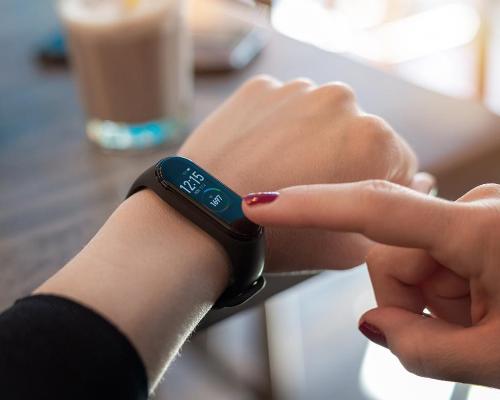
A new era for biomonitoring and wearables is here as the technology evolves, with biometric rings to measure sleep quality and continuous glucose monitors now available that can be applied on the back of the arm.

Around half of consumers surveyed have purchased a fitness wearable at some point, while 75 per cent are open to using one in the future and a third used their devices more this year than last year.

McKinsey says there is still a gap in the market for wearables to aid with nutrition, weight management, mindfulness and behaviour change. Data privacy and clear insights are most important, with overly complicated information being off putting.

Technological advancements and first-party data is giving personalisation a new edge. Around 20 per cent of UK consumers and 30 per cent of US and Chinese consumers are looking for personalised products and services which use biometric data to provide recommendations. Generative AI could play a greater role here.

Last year consumers showed a shift from clean or natural ingredients to clinically proven ones, particularly in over-the-counter medications, vitamins and supplements. Companies that who have built a brand around natural products may want to seek out third-party certifications to substantiate their claims.

Consumers are done with healthwashing (deceptive marketing which positions a product as healthier than it is) and healthcare provider recommendations are rising in importance, especially around mindfulness and sleep interventions.

Seven areas of growth have been identified in the wellness sector:

1. The sale of women’s health products is on the rise, with the highest spend being on menopause and pregnancy-related products. To date menopause has been an overlooked segment.

2. Demand for healthy aging and longevity products and services is increasing, propelled by a shift towards preventative medicine. Around 70 per cent of consumers in the UK and US, and 85 per cent in China, have purchased a product in this category over the past year.

By 2030 one in six people in the world will be aged over 60, so there will be a greater focus on healthy aging, with younger people looking for preventative solutions and older people seeking to improve their longevity.

3. Weight management is still top of mind, with 60 per cent of US consumers trying to lose weight.

Exercise was the most reported intervention, but more than 50 per cent of US consumers are considering taking prescription weight loss medication.

This was less in the UK and China, with fewer than 30 per cent considering weight loss drugs to be effective.

McKinsey says it's too early to say how the use of weight loss drugs will impact the broader health and wellness market.

4. Fitness is now a priority for many consumers, with around 50 per cent of gym-goers saying it's a core part of their identity.

With more choices, the health and fitness market is getting more competitive. McKinsey recommends building strong communities by delivering experiences such as retreats, nutritional coaching and personalised workout plans, possibly informed by AI.

5. Awareness of the importance of gut health is growing, with more than 80 per cent of consumers appreciating its importance and more than 50 per cent planning to make it a higher priority in the next few years. Over-the-counter probiotic supplements are popular, along with probiotic-rich foods such as yoghurt, kimchi and kombucha. Two potential areas for growth are at-home microbiome testing and personalised nutrition.

6. The market for sexual health products grew during the pandemic and this – coupled with an increase in the prevalence of conversations around sexual health challenges – is driving demand. More traditional retailers are selling sexual-health products and McKinsey says there's room for more disruptor brands.

7. Sleep ranks as the second-highest health and wellness priority for consumers and is also the area where consumers have the most unmet needs. Little has changed since last year when 37 per cent expressed a desire for more sleep and mindfulness products that address cognitive functioning, stress and anxiety management.

There is an opportunity for companies to address the pain points, delivering interventions that induce sleep, minimise sleep interruptions, ease wakefulness and improve sleep quality.

Footnote
More wellness insights will be available next week when Global Wellness Summit hosts a 2024 Trends and Research event and releases its global trends report The Future of Wellness for 2024.

RELATED STORIES
  FEATURE: Industry insights: Trend watching


McKinsey’s latest research reveals six of the most crucial wellness trends
  Corporate wellness, sleep and indifference to ‘clean’ beauty: McKinsey research reveals six crucial US wellness trends


McKinsey has gathered data on 2,000 US consumers to reveal insights into shifting consumer behaviour towards wellness in the US.
  FEATURE: News report: Trend watching


McKinsey reveals six crucial wellness trends coming down the line
MORE NEWS
One in three spa practitioners have considered leaving the industry due to concerns about their own wellbeing
A new survey of UK and international spa practitioners shows that stress, burnout and wellbeing concerns have caused one in three respondents to consider leaving the industry.
UK updates physical activity guidelines with focus on daily movement
The UK's four Chief Medical Officers have published a refreshed edition of Physical activity guidelines: UK Chief Medical Officers' report, updating the evidence that underpins the nation's physical activity recommendations and placing greater emphasis on strength, balance, reducing sedentary behaviour and, for the first time, supporting people taking weight loss medications.
Sauna advocate Becky Pelkonen drafts global public sauna-bathing charter
Becky Pelkonen, the sauna advocate and researcher, has unveiled the draft of a global public sauna-bathing charter.
Marriott International partners with Fitwel for wellness solutions across its residential portfolio
Marriott International has partnered with Fitwel, a healthy building certification system that aims to optimise occupant health.
+ More news   

FEATURED SUPPLIERS

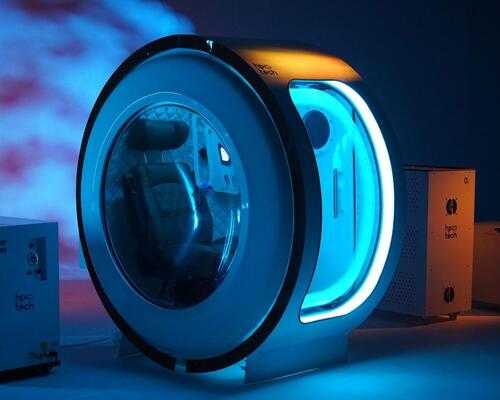
HPO Tech brings design-led hyperbaric systems to the spa floor
Hyperbaric oxygen therapy has moved well beyond the clinic and spa operators represent the fastest-growing market for the technology. [more...]

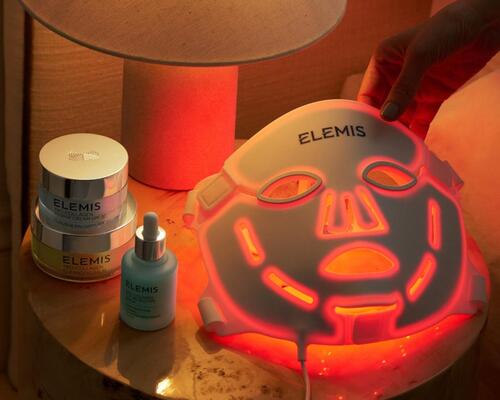
Elemis launches its first Red Light Mask, lighting the way to advanced skin health and restoration
Elemis has branched into LED skincare with the launch of its breakthrough Red Light Mask. [more...]
+ More featured suppliers  
COMPANY PROFILES
Oakworks Inc

Oakworks is a US-based FSC-certified manufacturer of spa, massage, and medical equipment. [more...]
Comfort Zone

Comfort Zone’s comprehensive face and body professional and retail range allows clients to experien [more...]
+ More profiles  
CATALOGUE GALLERY
 

+ More catalogues  

DIRECTORY
+ More directory  
DIARY


23-26 Aug 2026

Elevate Spa Riviera Maya Edition

The Riviera Maya Edition Kanai, Playa del Carmen, Mexico
10-12 Sep 2026

ASEAN Patio Pool Spa Expo 2026

MITEC Kuala Lumpur,Malaysia, Malaysia
+ More diary  
 
ABOUT LEISURE MEDIA
LEISURE MEDIA MAGAZINES
LEISURE MEDIA HANDBOOKS
LEISURE MEDIA WEBSITES
LEISURE MEDIA PRODUCT SEARCH
 
SPA BUSINESS
SPA OPPORTUNITIES
SPA BUSINESS HANDBOOK
PRINT SUBSCRIPTIONS
FREE DIGITAL SUBSCRIPTIONS
ADVERTISE . CONTACT US

Leisure Media
Tel: +44 (0)1462 431385

©Cybertrek 2026
Uniting the world of spa & wellness
Get Spa Business and Spa Business insider digital magazines FREE
Sign up here ▸
News   Products   Magazine   Subscribe
NEWS
McKinsey releases 2024 wellness market report. Identifies areas for disruption
POSTED 24 Jan 2024 . BY Kath Hudson
Around 50 per cent of gym-goers saying fitness a core part of their identity Credit: Shutterstock/Jacob Lund
McKinsey says the global wellness market is now worth US$1.8tr
More people are interested in wellness and want science-backed solutions
Gen Z and Millennial customers are the most wellness-conscious
McKinsey identifies seven growth areas and opportunities for distruption
According to McKinsey’s latest report, The trends defining the US$1.8 trillion global wellness market in 2024, the market for wellness is being driven by consumers taking more control of their health.

The report is based on insight from McKinsey's latest Future of Wellness survey, which was carried out in August 2023, when researchers questioned 5,000 consumers across China, the UK and the US.

They found the US wellness market has reached a value of US$480 billion a year and is growing at 5 to 10 per cent annually.

Eighty seven per cent of Chinese consumers consider wellness a top or important priority in their lives, compared to 82 per cent in the US and 73 per cent in the UK.

Gen Z and Millennial customers are the most wellness-conscious, buying more products and services than older generations.

Improving appearance is cited as the most important motivator, followed by gaining better health and fitness, improving nutrition, sleep and mindfulness.

The pandemic got consumers used to home-testing for COVID-19 and now they're interested in doing additional at-home diagnostics, for example, for vitamin and mineral deficiencies, cold and flu diagnostics and cholesterol. In China some people have even replaced in-person healthcare appointments with at-home tests, says McKinsey.

A new era for biomonitoring and wearables is here as the technology evolves, with biometric rings to measure sleep quality and continuous glucose monitors now available that can be applied on the back of the arm.

Around half of consumers surveyed have purchased a fitness wearable at some point, while 75 per cent are open to using one in the future and a third used their devices more this year than last year.

McKinsey says there is still a gap in the market for wearables to aid with nutrition, weight management, mindfulness and behaviour change. Data privacy and clear insights are most important, with overly complicated information being off putting.

Technological advancements and first-party data is giving personalisation a new edge. Around 20 per cent of UK consumers and 30 per cent of US and Chinese consumers are looking for personalised products and services which use biometric data to provide recommendations. Generative AI could play a greater role here.

Last year consumers showed a shift from clean or natural ingredients to clinically proven ones, particularly in over-the-counter medications, vitamins and supplements. Companies that who have built a brand around natural products may want to seek out third-party certifications to substantiate their claims.

Consumers are done with healthwashing (deceptive marketing which positions a product as healthier than it is) and healthcare provider recommendations are rising in importance, especially around mindfulness and sleep interventions.

Seven areas of growth have been identified in the wellness sector:

1. The sale of women’s health products is on the rise, with the highest spend being on menopause and pregnancy-related products. To date menopause has been an overlooked segment.

2. Demand for healthy aging and longevity products and services is increasing, propelled by a shift towards preventative medicine. Around 70 per cent of consumers in the UK and US, and 85 per cent in China, have purchased a product in this category over the past year.

By 2030 one in six people in the world will be aged over 60, so there will be a greater focus on healthy aging, with younger people looking for preventative solutions and older people seeking to improve their longevity.

3. Weight management is still top of mind, with 60 per cent of US consumers trying to lose weight.

Exercise was the most reported intervention, but more than 50 per cent of US consumers are considering taking prescription weight loss medication.

This was less in the UK and China, with fewer than 30 per cent considering weight loss drugs to be effective.

McKinsey says it's too early to say how the use of weight loss drugs will impact the broader health and wellness market.

4. Fitness is now a priority for many consumers, with around 50 per cent of gym-goers saying it's a core part of their identity.

With more choices, the health and fitness market is getting more competitive. McKinsey recommends building strong communities by delivering experiences such as retreats, nutritional coaching and personalised workout plans, possibly informed by AI.

5. Awareness of the importance of gut health is growing, with more than 80 per cent of consumers appreciating its importance and more than 50 per cent planning to make it a higher priority in the next few years. Over-the-counter probiotic supplements are popular, along with probiotic-rich foods such as yoghurt, kimchi and kombucha. Two potential areas for growth are at-home microbiome testing and personalised nutrition.

6. The market for sexual health products grew during the pandemic and this – coupled with an increase in the prevalence of conversations around sexual health challenges – is driving demand. More traditional retailers are selling sexual-health products and McKinsey says there's room for more disruptor brands.

7. Sleep ranks as the second-highest health and wellness priority for consumers and is also the area where consumers have the most unmet needs. Little has changed since last year when 37 per cent expressed a desire for more sleep and mindfulness products that address cognitive functioning, stress and anxiety management.

There is an opportunity for companies to address the pain points, delivering interventions that induce sleep, minimise sleep interruptions, ease wakefulness and improve sleep quality.

Footnote
More wellness insights will be available next week when Global Wellness Summit hosts a 2024 Trends and Research event and releases its global trends report The Future of Wellness for 2024.

RELATED STORIES
FEATURE: Industry insights: Trend watching


McKinsey’s latest research reveals six of the most crucial wellness trends
Corporate wellness, sleep and indifference to ‘clean’ beauty: McKinsey research reveals six crucial US wellness trends


McKinsey has gathered data on 2,000 US consumers to reveal insights into shifting consumer behaviour towards wellness in the US.
FEATURE: News report: Trend watching


McKinsey reveals six crucial wellness trends coming down the line
MORE NEWS
One in three spa practitioners have considered leaving the industry due to concerns about their own wellbeing
A new survey of UK and international spa practitioners shows that stress, burnout and wellbeing concerns have caused one in three respondents to consider leaving the industry.
UK updates physical activity guidelines with focus on daily movement
The UK's four Chief Medical Officers have published a refreshed edition of Physical activity guidelines: UK Chief Medical Officers' report, updating the evidence that underpins the nation's physical activity recommendations and placing greater emphasis on strength, balance, reducing sedentary behaviour and, for the first time, supporting people taking weight loss medications.
Sauna advocate Becky Pelkonen drafts global public sauna-bathing charter
Becky Pelkonen, the sauna advocate and researcher, has unveiled the draft of a global public sauna-bathing charter.
Marriott International partners with Fitwel for wellness solutions across its residential portfolio
Marriott International has partnered with Fitwel, a healthy building certification system that aims to optimise occupant health.
Anna Bjurstam steps down from Six Senses to build new company Wahayla
Anna Bjurstam has left her role as Wellness Pioneer at Six Senses Hotels and Resorts and launched a new wellness, longevity and “consciousness consultancy” called Wahayla.
Fairmont Cheshire, The Mere, opens with spa philosophy of ‘Wellness without Walls’
Fairmont Cheshire, The Mere, has opened today (10 July) in the Northwest of England with a 1,715sq m Fairmont Spa that has been designed using a ‘Wellness without Walls’ concept.
+ More news   
 
FEATURED SUPPLIERS

HPO Tech brings design-led hyperbaric systems to the spa floor
Hyperbaric oxygen therapy has moved well beyond the clinic and spa operators represent the fastest-growing market for the technology. [more...]

Elemis launches its first Red Light Mask, lighting the way to advanced skin health and restoration
Elemis has branched into LED skincare with the launch of its breakthrough Red Light Mask. [more...]
+ More featured suppliers  
COMPANY PROFILES
Oakworks Inc

Oakworks is a US-based FSC-certified manufacturer of spa, massage, and medical equipment. [more...]
+ More profiles  
CATALOGUE GALLERY
+ More catalogues  

DIRECTORY
+ More directory  
DIARY


23-26 Aug 2026

Elevate Spa Riviera Maya Edition

The Riviera Maya Edition Kanai, Playa del Carmen, Mexico
10-12 Sep 2026

ASEAN Patio Pool Spa Expo 2026

MITEC Kuala Lumpur,Malaysia, Malaysia
+ More diary  


ADVERTISE . CONTACT US

Leisure Media
Tel: +44 (0)1462 431385

©Cybertrek 2026

ABOUT LEISURE MEDIA
LEISURE MEDIA MAGAZINES
LEISURE MEDIA HANDBOOKS
LEISURE MEDIA WEBSITES
LEISURE MEDIA PRODUCT SEARCH
PRINT SUBSCRIPTIONS
FREE DIGITAL SUBSCRIPTIONS