Latest
issue
Uniting the world of spa & wellness
Get Spa Business and Spa Business insider digital magazines FREE
Sign up here ▸
News   Features   Products   Company profilesProfiles   Press releasesProfiles   Magazine   Handbook   Advertise    Subscribe  
NEWS
Obesity causes 1.2m premature deaths a year in Europe, says World Health Organization
POSTED 07 Jun 2022 . BY Frances Marcellin
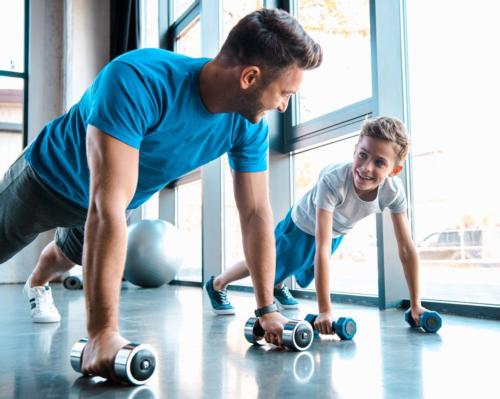
WHO Europe's obesity report said there was “undeniable evidence” that early adoption of good nutrition and physical activity is essential for cutting rising obesity levels Credit: Shutterstock/LightField Studios

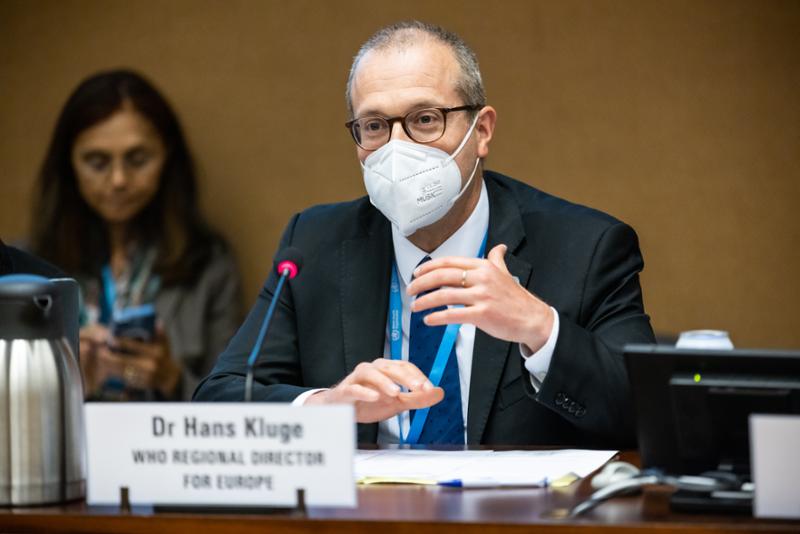
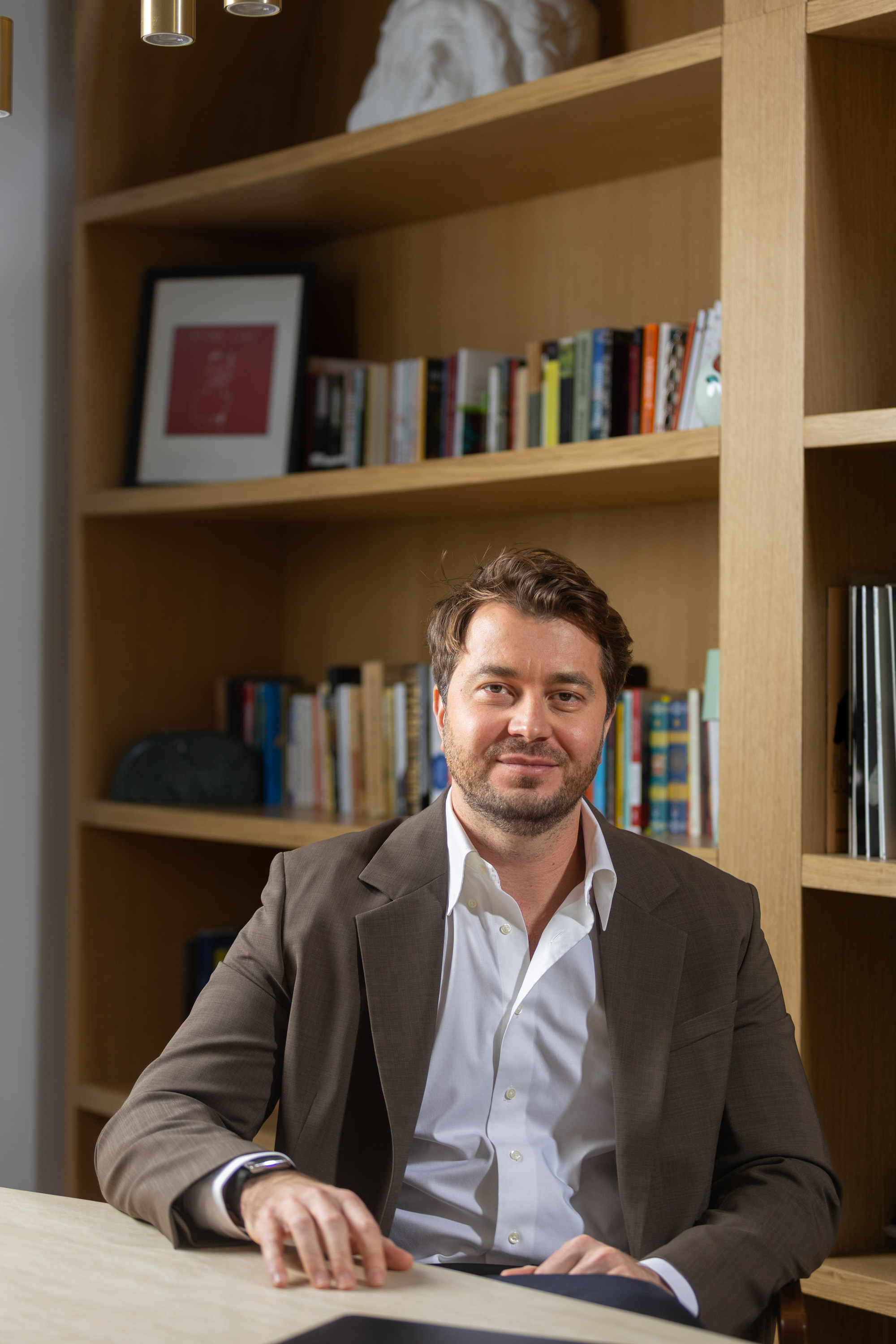
Credit: WHO / Pierre Albouy
In the WHO European Region, obesity poses an increasing challenge, with one in three school-aged children, one in four adolescents and almost 60 per cent of the adult population now living with overweight or obesity
– Dr Hans Henri Kluge, WHO’s regional director for Europe
Report from the World Health Organization found 60 per cent of adults in Europe are obese or overweight
Pandemic impacted physical activity levels and drove consumption of fatty, sugary foods
Evidence shows early adoption of physical activity and good nutrition is essential
WHO suggests interventions to cut obesity rate through physical activity, education and diet
According to The World Health Organization's recently-released research study, WHO European Regional Obesity Report 2022, a third of children and almost two-thirds of adults in Europe are obese.

The research found obesity causes 1.2m deaths each year across WHO's 53 member states in Europe.

Researchers recorded a drop in physical activity levels during the pandemic, along with an increased intake of fatty, sugary and salty foods, but, although obesity levels were amplified by the pandemic, their cause runs far deeper in society.

The report aims to highlight the behavioural changes needed to overcome the global obesity problem by identifying interventions such as physical activity, education and diet.

"Obesity poses an increasing challenge in Europe, with one in three school-aged children, one in four adolescents and almost 60 per cent of the adult population now living with being overweight or obese,” explained Dr Hans Henri Kluge, WHO’s regional director for Europe. “Raised body mass index (BMI) is a major risk factor for non-communicable diseases, including cancers and cardiovascular diseases.”

In response to general widespread criticism that BMI – which is based solely on someone’s height and weight – is misleading, it was acknowledged that “there are limitations to the use of BMI as the sole measure” for defining obesity. The report noted other measures that could be used in the future. These include waist circumference, waist-to-height ratio, body adiposity index (BAI) and body shape index (BSI).

The study took a close look at how our modern environment drives the obesity epidemic by examining the relationships between food and physical activity, and the socio-cultural, physical, economic, and political factors that influence the food populations eat, along with their level of activity. Online gaming and the digital marketing of unhealthy food products are highlighted as problem areas.

Obesity was linked to at least 13 types of cancer, including breast, liver and ovarian, and Dr Nina Berdzuli, director of the division of country health programmes at WHO Europe, emphasised the importance of encouraging healthy lifestyles and increasing physical activity levels.

According to the report’s findings, there is undeniable evidence that the early adoption of good nutrition and physical activity is essential to improving the future of global health.

Dr Francesco Branca, the director of the department of nutrition for health and development, believes the WHO's Sustainable Development Goal 2 ('Achieve Zero Hunger' and 'Improve Nutrition') and Sustainable Development Goal 3 ('Ensuring Healthy Lifestyles' and 'Promoting Wellbeing') will not be achieved if society continues on the same path.

For teenagers, data showed that fewer than 20 per cent follow physical activity recommendations and almost 50 per cent do not eat fruit or vegetables. The report recognised that no single “intervention” could reduce the spread of obesity, but outlined a range of interventions and potential policy areas that could reduce obesity levels through diet, education and physical activity targets.

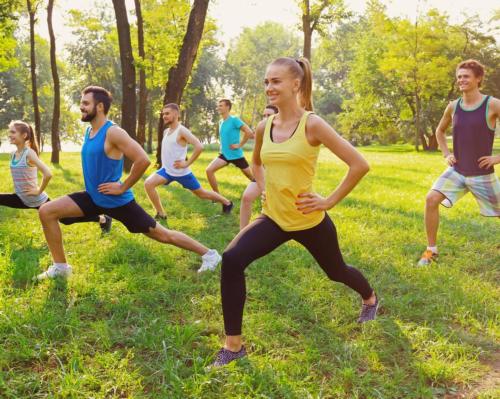
Recommendations for physical activity include the provision of physical activity counselling and referral as part of healthcare services, safe access to open spaces and the promotion of physical activity through sports groups and clubs.

The quality of physical education, facilities and programmes in schools and the availability of physical activity schemes in the workplace were both highlighted.

“I'm hopeful we can change the trajectory of obesity in Europe by creating environments that are more enabling, promoting investment in health, developing strong and resilient health systems and innovating for better health and improved health governance,” concluded Kluge.

RELATED STORIES
  World Health Organization steps up policymaking for physical activity sector


The World Health Organisation (WHO) has launched a webinar series to explore the future of physical activity and sport in a world affected by the COVID-19 pandemic.
  WHO: increasing exercise levels globally would prevent 5 million deaths and save US$68bn each year


Increasing physical activity globally could prevent up to 5 million deaths each year, according to the World Health Organisation (WHO).
MORE NEWS
Belgin Aksoy prepares to mark 15 years of Global Wellness Day on Saturday 13 June
Global Wellness Day (GWD) will mark its 15th anniversary on Saturday 13 June 2026, with the theme: #JoyMagenta – a celebration of the healing qualities of simple gestures and activities that spark joy.
HUM2N opens longevity clinic at Six Senses London
Global luxury hospitality brand, Six Senses, has partnered with longevity healthcare provider, HUM2N, to launch a clinic at Six Senses London, at The Whiteley.
Mayrlife opens first hotel day clinic in partnership with Rosewood Vienna
As part of its first hotel partnership, Mayrlife – the medical health resort company known for its site in Altaussee, Austria – has launched a day clinic at the Rosewood Vienna.
KX Chelsea invests £15 million to upgrade its wellness offering
Premium London health club, KX Chelsea, will imminently unveil its most significant redevelopment since its launch in 2002 to create an integrated wellness model combining training, recovery and relaxation.
+ More news   

FEATURED SUPPLIERS

Endospheres' new protocols are designed to meet real client needs
Spa professionals see it every day: clients are arriving with more complex expectations. [more...]

Le Atelier by C.O.D.E. - bespoke means moving beyond the catalogue to delivering contextual design responses
Le Atelier by C.O.D.E. doesn't offer a standard bespoke service, it provides a highly customised approach to designing massage beds and loungers in high-end wellness environments. [more...]
+ More featured suppliers  
COMPANY PROFILES
Balanced Body

Balanced Body is the global leader in Pilates equipment and education. Founded nearly 50 years ago, [more...]
marocMaroc

Since its creation in 2007, MarocMaroc has invited the world to explore Moroccan beauty through a u [more...]
+ More profiles  
CATALOGUE GALLERY
 

+ More catalogues  

DIRECTORY
+ More directory  
DIARY


09-12 Jun 2026

W3Spa EMEA

Hotel Cascais Miragem Health & Spa, Portugal
21-23 Jun 2026

Spa Life International (UK)

Midlands (Venue TBA), Liphook, United Kingdom
+ More diary  
 
ABOUT LEISURE MEDIA
LEISURE MEDIA MAGAZINES
LEISURE MEDIA HANDBOOKS
LEISURE MEDIA WEBSITES
LEISURE MEDIA PRODUCT SEARCH
 
SPA BUSINESS
SPA OPPORTUNITIES
SPA BUSINESS HANDBOOK
PRINT SUBSCRIPTIONS
FREE DIGITAL SUBSCRIPTIONS
ADVERTISE . CONTACT US

Leisure Media
Tel: +44 (0)1462 431385

©Cybertrek 2026
Uniting the world of spa & wellness
Get Spa Business and Spa Business insider digital magazines FREE
Sign up here ▸
News   Products   Magazine   Subscribe
NEWS
Obesity causes 1.2m premature deaths a year in Europe, says World Health Organization
POSTED 07 Jun 2022 . BY Frances Marcellin
WHO Europe's obesity report said there was “undeniable evidence” that early adoption of good nutrition and physical activity is essential for cutting rising obesity levels Credit: Shutterstock/LightField Studios
Credit: WHO / Pierre Albouy
In the WHO European Region, obesity poses an increasing challenge, with one in three school-aged children, one in four adolescents and almost 60 per cent of the adult population now living with overweight or obesity
– Dr Hans Henri Kluge, WHO’s regional director for Europe
Report from the World Health Organization found 60 per cent of adults in Europe are obese or overweight
Pandemic impacted physical activity levels and drove consumption of fatty, sugary foods
Evidence shows early adoption of physical activity and good nutrition is essential
WHO suggests interventions to cut obesity rate through physical activity, education and diet
According to The World Health Organization's recently-released research study, WHO European Regional Obesity Report 2022, a third of children and almost two-thirds of adults in Europe are obese.

The research found obesity causes 1.2m deaths each year across WHO's 53 member states in Europe.

Researchers recorded a drop in physical activity levels during the pandemic, along with an increased intake of fatty, sugary and salty foods, but, although obesity levels were amplified by the pandemic, their cause runs far deeper in society.

The report aims to highlight the behavioural changes needed to overcome the global obesity problem by identifying interventions such as physical activity, education and diet.

"Obesity poses an increasing challenge in Europe, with one in three school-aged children, one in four adolescents and almost 60 per cent of the adult population now living with being overweight or obese,” explained Dr Hans Henri Kluge, WHO’s regional director for Europe. “Raised body mass index (BMI) is a major risk factor for non-communicable diseases, including cancers and cardiovascular diseases.”

In response to general widespread criticism that BMI – which is based solely on someone’s height and weight – is misleading, it was acknowledged that “there are limitations to the use of BMI as the sole measure” for defining obesity. The report noted other measures that could be used in the future. These include waist circumference, waist-to-height ratio, body adiposity index (BAI) and body shape index (BSI).

The study took a close look at how our modern environment drives the obesity epidemic by examining the relationships between food and physical activity, and the socio-cultural, physical, economic, and political factors that influence the food populations eat, along with their level of activity. Online gaming and the digital marketing of unhealthy food products are highlighted as problem areas.

Obesity was linked to at least 13 types of cancer, including breast, liver and ovarian, and Dr Nina Berdzuli, director of the division of country health programmes at WHO Europe, emphasised the importance of encouraging healthy lifestyles and increasing physical activity levels.

According to the report’s findings, there is undeniable evidence that the early adoption of good nutrition and physical activity is essential to improving the future of global health.

Dr Francesco Branca, the director of the department of nutrition for health and development, believes the WHO's Sustainable Development Goal 2 ('Achieve Zero Hunger' and 'Improve Nutrition') and Sustainable Development Goal 3 ('Ensuring Healthy Lifestyles' and 'Promoting Wellbeing') will not be achieved if society continues on the same path.

For teenagers, data showed that fewer than 20 per cent follow physical activity recommendations and almost 50 per cent do not eat fruit or vegetables. The report recognised that no single “intervention” could reduce the spread of obesity, but outlined a range of interventions and potential policy areas that could reduce obesity levels through diet, education and physical activity targets.

Recommendations for physical activity include the provision of physical activity counselling and referral as part of healthcare services, safe access to open spaces and the promotion of physical activity through sports groups and clubs.

The quality of physical education, facilities and programmes in schools and the availability of physical activity schemes in the workplace were both highlighted.

“I'm hopeful we can change the trajectory of obesity in Europe by creating environments that are more enabling, promoting investment in health, developing strong and resilient health systems and innovating for better health and improved health governance,” concluded Kluge.

RELATED STORIES
World Health Organization steps up policymaking for physical activity sector


The World Health Organisation (WHO) has launched a webinar series to explore the future of physical activity and sport in a world affected by the COVID-19 pandemic.
WHO: increasing exercise levels globally would prevent 5 million deaths and save US$68bn each year


Increasing physical activity globally could prevent up to 5 million deaths each year, according to the World Health Organisation (WHO).
MORE NEWS
Belgin Aksoy prepares to mark 15 years of Global Wellness Day on Saturday 13 June
Global Wellness Day (GWD) will mark its 15th anniversary on Saturday 13 June 2026, with the theme: #JoyMagenta – a celebration of the healing qualities of simple gestures and activities that spark joy.
HUM2N opens longevity clinic at Six Senses London
Global luxury hospitality brand, Six Senses, has partnered with longevity healthcare provider, HUM2N, to launch a clinic at Six Senses London, at The Whiteley.
Mayrlife opens first hotel day clinic in partnership with Rosewood Vienna
As part of its first hotel partnership, Mayrlife – the medical health resort company known for its site in Altaussee, Austria – has launched a day clinic at the Rosewood Vienna.
KX Chelsea invests £15 million to upgrade its wellness offering
Premium London health club, KX Chelsea, will imminently unveil its most significant redevelopment since its launch in 2002 to create an integrated wellness model combining training, recovery and relaxation.
Rosewood Le Guanahani St Barth offers ocean-themed yoga for Global Wellness Day
Rosewood Le Guanahani St Barth, on the northeast coast of Saint Barthélemy in the French West Indies, is offering a programme of ocean-inspired yoga classes between 8-14 June to celebrate Global Wellness Day (GWD).
Butterfly sanctuary to host hot yoga during retreat at Jersey Zoo for Hotel de France
Hotel de France, located on the British Isle of Jersey, has created a wellness retreat package that includes a hot yoga session that will take place in Jersey Zoo’s butterfly sanctuary.
+ More news   
 
FEATURED SUPPLIERS

Endospheres' new protocols are designed to meet real client needs
Spa professionals see it every day: clients are arriving with more complex expectations. [more...]

Le Atelier by C.O.D.E. - bespoke means moving beyond the catalogue to delivering contextual design responses
Le Atelier by C.O.D.E. doesn't offer a standard bespoke service, it provides a highly customised approach to designing massage beds and loungers in high-end wellness environments. [more...]
+ More featured suppliers  
COMPANY PROFILES
Balanced Body

Balanced Body is the global leader in Pilates equipment and education. Founded nearly 50 years ago, [more...]
+ More profiles  
CATALOGUE GALLERY
+ More catalogues  

DIRECTORY
+ More directory  
DIARY


09-12 Jun 2026

W3Spa EMEA

Hotel Cascais Miragem Health & Spa, Portugal
21-23 Jun 2026

Spa Life International (UK)

Midlands (Venue TBA), Liphook, United Kingdom
+ More diary  


ADVERTISE . CONTACT US

Leisure Media
Tel: +44 (0)1462 431385

©Cybertrek 2026

ABOUT LEISURE MEDIA
LEISURE MEDIA MAGAZINES
LEISURE MEDIA HANDBOOKS
LEISURE MEDIA WEBSITES
LEISURE MEDIA PRODUCT SEARCH
PRINT SUBSCRIPTIONS
FREE DIGITAL SUBSCRIPTIONS