Latest
issue
GET SPA BUSINESS
magazine
Yes! Send me the FREE digital editions of Spa Business and Spa Business insider magazines and the FREE weekly Spa Business and Spa Business insider ezines and breaking news alerts!
Not right now, thanksclose this window I've already subscribed.
Uniting the world of spa & wellness
Get Spa Business and Spa Business insider digital magazines FREE
Sign up here ▸
News   Features   Products   Company profilesProfiles   Press releasesProfiles   Magazine   Handbook   Advertise    Subscribe  
NEWS
WHO says physical activity is critical as it publishes its first guidelines on GLP-1s
POSTED 05 Dec 2025 . BY Helen Andrews
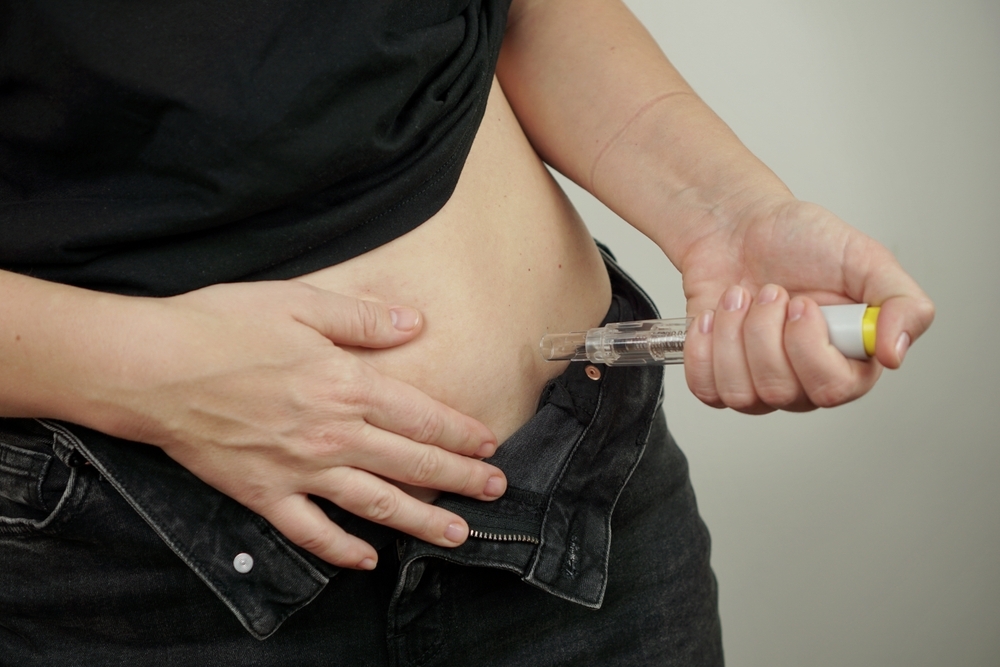
The new obesity-related guideline extends the policy for the use of the drugs beyond those suffering from diabetes Credit: Shutterstock - Pietukhova
The World Health Organisation (WHO) has recognised obesity as a “chronic, progressive and relapsing” disease
The number of people with obesity is projected to double by 2030 without any intervention
The global economic cost of obesity is forecast to reach US$3 trillion annually by 2030
The WHO is calling for urgent action to support people to exercise while controlling obesity through GLP-1s
The World Health Organization (WHO) has released its first guideline on the use of GLP-1s to address the growing health challenge of obesity, which affects more than a billion people worldwide.

In a boost for the sector, the new guidelines emphasise that medication alone will not solve the problem, highlighting the need for a three pronged approach that also includes societal change to creating healthier environments and support for physical activity.

“Obesity is a major global health challenge that WHO is committed to addressing by supporting countries and people worldwide to control it, effectively and equitably,” said Dr Tedros Adhanom Ghebreyesus, the director general of the WHO. “Without decisive action, the number of people with obesity is projected to double by 2030".

Social change needs to be delivered through “robust population-level policies to promote health and prevent obesity”, says WHO, while also protecting people at high risk of developing obesity and related comorbidities through targeted screening and structured early interventions.

WHO says people living with obesity should receive counselling on behavioural and lifestyle changes, "including – but not limited to – physical activity and healthy dietary practices as an initial step toward more structured behavioural interventions."

"For those who are prescribed GLP-1s, counselling on behavioural and lifestyle changes should be provided as a first step to intensive behavioural therapy to amplify and support optimal health outcomes," he said.

WHO is recommending people follow its guidelines on physical activity and sedentary behaviour, which highlight that all age groups should limit the amount of time being sedentary and should incrementally increase the frequency, intensity, and duration of physical activity, including muscle strengthening.

When it comes to diet, it says additional considerations are necessary to support weight loss, including lowering daily energy intake. However, this should be prescribed and monitored in conjunction with a trained healthcare provider, whenever possible.

You can download the document, WHO guideline on the use of glucagon-like peptide-1 (GLP-1) therapies for the treatment of obesity in adultshere.

Who can use GLP-1s and how

The new guidance says adults, excluding pregnant women, may use GLP-1s for the long-term treatment of obesity. The WHO recognises there is limited data on long-term efficacy and safety associated with taking these medications and many of these medications stipulate short-term use only.

Access

The WHO is concerned about health disparities emerging where fair access to GLP-1 therapies isn't easily accessible. It's calling for urgent action to scale the manufacturing, affordability and delivery of the drugs for global uptake.

The organisation says that even with rapid expansion in production, these drugs are projected to reach fewer than 10 per cent of those who could benefit by 2030.

During 2026, WHO says it will work closely with relevant stakeholders to encourage development of a transparent and equitable prioritisation framework to ensure those with the highest need are reached first.

GLP-1 therapies and the WHO’s definition of obesity

WHO defines obesity as having a Body Mass Index (BMI) of 30 or higher in adults.

GLP-1 receptor agonists are a class of medicines that help lower blood sugar, support weight loss, reduce the risk of heart and kidney complications and can even lower the risk of early death in people with Type 2 diabetes.

The new guideline provides recommendations for three agents used in the long-term treatment of obesity in adults: liraglutide, semaglutide and tirzepatide.

MORE NEWS
BBSpa Group to launch holistic bathhouse Atera in Glasgow
International spa, wellness and longevity consultancy, BBSpa, will launch a new bathhouse called Atera in Glasgow, Scotland, in September.
Ananda in the Himalayas publishes Ayurvedic cookbook
Ananda in the Himalayas, India, has published its first cookbook, built on the wellness retreat’s 25 years of Ayurvedic cuisine expertise.
Minor Hotels appoints Aditya Saluja as commercial director for MSpa International
Aditya Saluja, an industry leader in luxury wellness hospitality, has been appointed as commercial director of spa and wellness for the spa management division of Minor Hotels, MSpa International.
Preidlhof Luxury DolceVita Resort to unveil new spa in February 2027
Preidlhof Luxury DolceVita Resort, a destination resort and spa in Naturno, South Tyrol in Italy, will reveal a new spa in February 2027, which has been designed by wellness expert and consultant Patrizia Bortolin.
+ More news   

FEATURED SUPPLIERS

Elemis launches its first Red Light Mask, lighting the way to advanced skin health and restoration
Elemis has branched into LED skincare with the launch of its breakthrough Red Light Mask. [more...]

HPO Tech brings design-led hyperbaric systems to the spa floor
Hyperbaric oxygen therapy has moved well beyond the clinic and spa operators represent the fastest-growing market for the technology. [more...]
+ More featured suppliers  
COMPANY PROFILES
Oakworks Inc

Oakworks is a US-based FSC-certified manufacturer of spa, massage, and medical equipment. [more...]
Hydrafacial

Founded in 1997, Hydrafacial has grown to become one of the world’s leading skin health brands. [more...]
+ More profiles  
CATALOGUE GALLERY
 

+ More catalogues  

DIRECTORY
+ More directory  
DIARY


23-26 Aug 2026

Elevate Spa Riviera Maya Edition

The Riviera Maya Edition Kanai, Playa del Carmen, Mexico
10-12 Sep 2026

ASEAN Patio Pool Spa Expo 2026

MITEC Kuala Lumpur,Malaysia, Malaysia
+ More diary  
 
ABOUT LEISURE MEDIA
LEISURE MEDIA MAGAZINES
LEISURE MEDIA HANDBOOKS
LEISURE MEDIA WEBSITES
LEISURE MEDIA PRODUCT SEARCH
 
SPA BUSINESS
SPA OPPORTUNITIES
SPA BUSINESS HANDBOOK
PRINT SUBSCRIPTIONS
FREE DIGITAL SUBSCRIPTIONS
ADVERTISE . CONTACT US

Leisure Media
Tel: +44 (0)1462 431385

©Cybertrek 2026
Uniting the world of spa & wellness
Get Spa Business and Spa Business insider digital magazines FREE
Sign up here ▸
News   Products   Magazine   Subscribe
NEWS
WHO says physical activity is critical as it publishes its first guidelines on GLP-1s
POSTED 05 Dec 2025 . BY Helen Andrews
The new obesity-related guideline extends the policy for the use of the drugs beyond those suffering from diabetes Credit: Shutterstock - Pietukhova
The World Health Organisation (WHO) has recognised obesity as a “chronic, progressive and relapsing” disease
The number of people with obesity is projected to double by 2030 without any intervention
The global economic cost of obesity is forecast to reach US$3 trillion annually by 2030
The WHO is calling for urgent action to support people to exercise while controlling obesity through GLP-1s
The World Health Organization (WHO) has released its first guideline on the use of GLP-1s to address the growing health challenge of obesity, which affects more than a billion people worldwide.

In a boost for the sector, the new guidelines emphasise that medication alone will not solve the problem, highlighting the need for a three pronged approach that also includes societal change to creating healthier environments and support for physical activity.

“Obesity is a major global health challenge that WHO is committed to addressing by supporting countries and people worldwide to control it, effectively and equitably,” said Dr Tedros Adhanom Ghebreyesus, the director general of the WHO. “Without decisive action, the number of people with obesity is projected to double by 2030".

Social change needs to be delivered through “robust population-level policies to promote health and prevent obesity”, says WHO, while also protecting people at high risk of developing obesity and related comorbidities through targeted screening and structured early interventions.

WHO says people living with obesity should receive counselling on behavioural and lifestyle changes, "including – but not limited to – physical activity and healthy dietary practices as an initial step toward more structured behavioural interventions."

"For those who are prescribed GLP-1s, counselling on behavioural and lifestyle changes should be provided as a first step to intensive behavioural therapy to amplify and support optimal health outcomes," he said.

WHO is recommending people follow its guidelines on physical activity and sedentary behaviour, which highlight that all age groups should limit the amount of time being sedentary and should incrementally increase the frequency, intensity, and duration of physical activity, including muscle strengthening.

When it comes to diet, it says additional considerations are necessary to support weight loss, including lowering daily energy intake. However, this should be prescribed and monitored in conjunction with a trained healthcare provider, whenever possible.

You can download the document, WHO guideline on the use of glucagon-like peptide-1 (GLP-1) therapies for the treatment of obesity in adultshere.

Who can use GLP-1s and how

The new guidance says adults, excluding pregnant women, may use GLP-1s for the long-term treatment of obesity. The WHO recognises there is limited data on long-term efficacy and safety associated with taking these medications and many of these medications stipulate short-term use only.

Access

The WHO is concerned about health disparities emerging where fair access to GLP-1 therapies isn't easily accessible. It's calling for urgent action to scale the manufacturing, affordability and delivery of the drugs for global uptake.

The organisation says that even with rapid expansion in production, these drugs are projected to reach fewer than 10 per cent of those who could benefit by 2030.

During 2026, WHO says it will work closely with relevant stakeholders to encourage development of a transparent and equitable prioritisation framework to ensure those with the highest need are reached first.

GLP-1 therapies and the WHO’s definition of obesity

WHO defines obesity as having a Body Mass Index (BMI) of 30 or higher in adults.

GLP-1 receptor agonists are a class of medicines that help lower blood sugar, support weight loss, reduce the risk of heart and kidney complications and can even lower the risk of early death in people with Type 2 diabetes.

The new guideline provides recommendations for three agents used in the long-term treatment of obesity in adults: liraglutide, semaglutide and tirzepatide.

MORE NEWS
BBSpa Group to launch holistic bathhouse Atera in Glasgow
International spa, wellness and longevity consultancy, BBSpa, will launch a new bathhouse called Atera in Glasgow, Scotland, in September.
Ananda in the Himalayas publishes Ayurvedic cookbook
Ananda in the Himalayas, India, has published its first cookbook, built on the wellness retreat’s 25 years of Ayurvedic cuisine expertise.
Minor Hotels appoints Aditya Saluja as commercial director for MSpa International
Aditya Saluja, an industry leader in luxury wellness hospitality, has been appointed as commercial director of spa and wellness for the spa management division of Minor Hotels, MSpa International.
Preidlhof Luxury DolceVita Resort to unveil new spa in February 2027
Preidlhof Luxury DolceVita Resort, a destination resort and spa in Naturno, South Tyrol in Italy, will reveal a new spa in February 2027, which has been designed by wellness expert and consultant Patrizia Bortolin.
ISPA launches on-demand customer experience course by Dan Gingiss
The International Spa Association (ISPA) has launched a course by customer experience expert Dan Gingiss on its iLearn platform.
Virgin Active opens social wellness club in London's Mayfair
+ More news   
 
FEATURED SUPPLIERS

Elemis launches its first Red Light Mask, lighting the way to advanced skin health and restoration
Elemis has branched into LED skincare with the launch of its breakthrough Red Light Mask. [more...]

HPO Tech brings design-led hyperbaric systems to the spa floor
Hyperbaric oxygen therapy has moved well beyond the clinic and spa operators represent the fastest-growing market for the technology. [more...]
+ More featured suppliers  
COMPANY PROFILES
Oakworks Inc

Oakworks is a US-based FSC-certified manufacturer of spa, massage, and medical equipment. [more...]
+ More profiles  
CATALOGUE GALLERY
+ More catalogues  

DIRECTORY
+ More directory  
DIARY


23-26 Aug 2026

Elevate Spa Riviera Maya Edition

The Riviera Maya Edition Kanai, Playa del Carmen, Mexico
10-12 Sep 2026

ASEAN Patio Pool Spa Expo 2026

MITEC Kuala Lumpur,Malaysia, Malaysia
+ More diary  


ADVERTISE . CONTACT US

Leisure Media
Tel: +44 (0)1462 431385

©Cybertrek 2026

ABOUT LEISURE MEDIA
LEISURE MEDIA MAGAZINES
LEISURE MEDIA HANDBOOKS
LEISURE MEDIA WEBSITES
LEISURE MEDIA PRODUCT SEARCH
PRINT SUBSCRIPTIONS
FREE DIGITAL SUBSCRIPTIONS