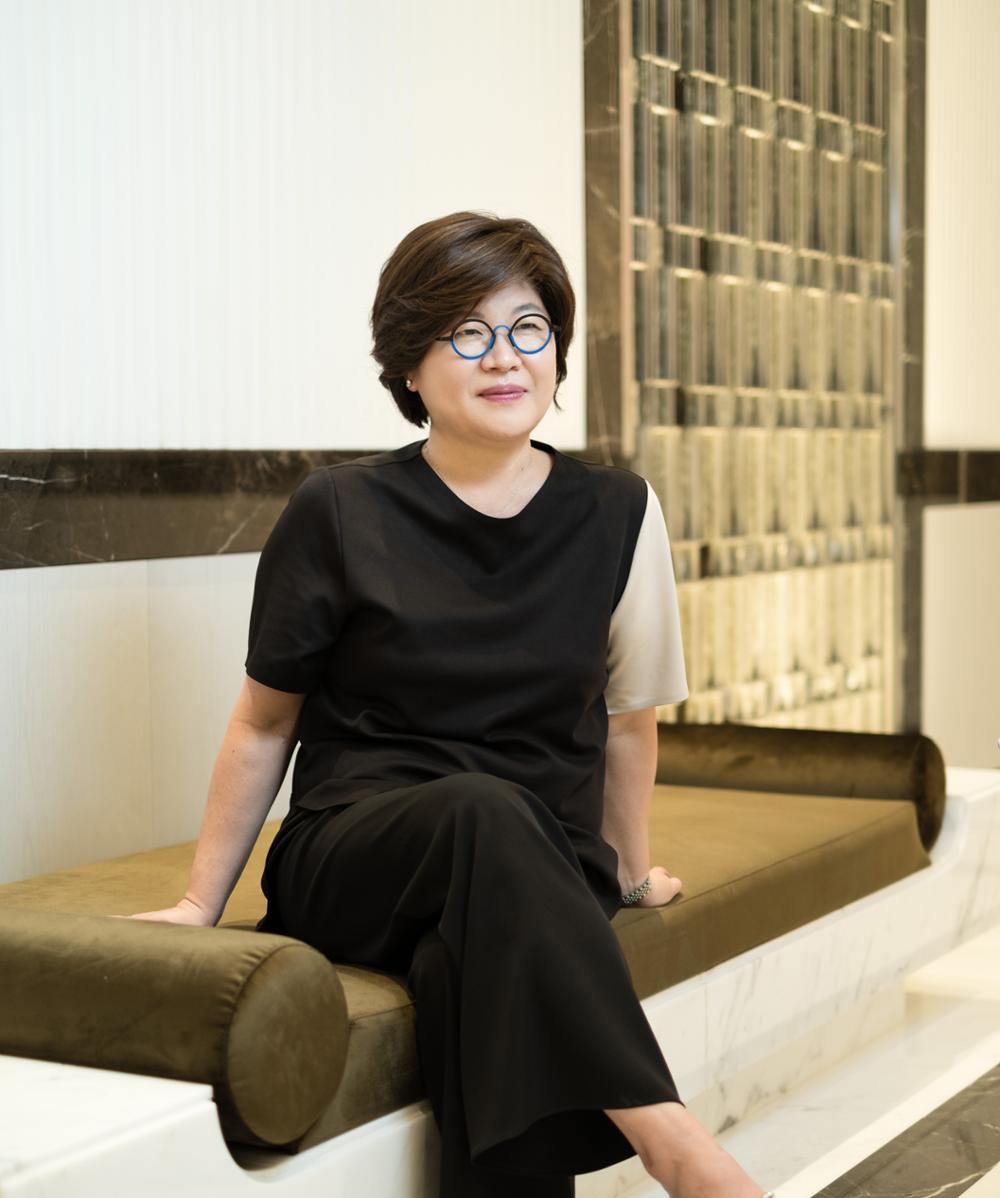
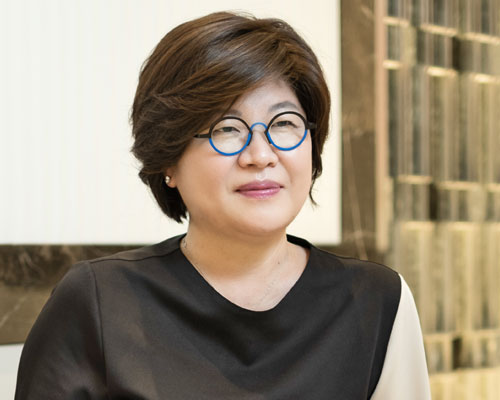
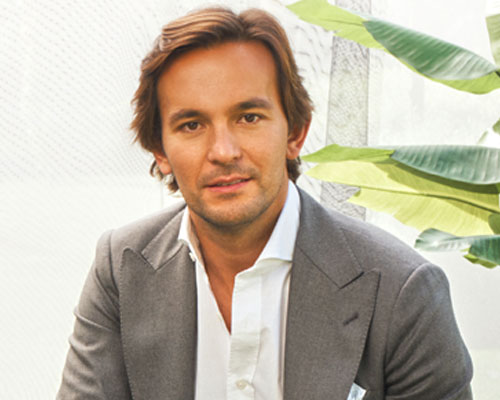
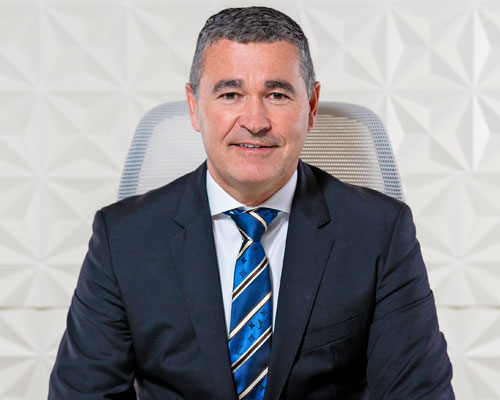
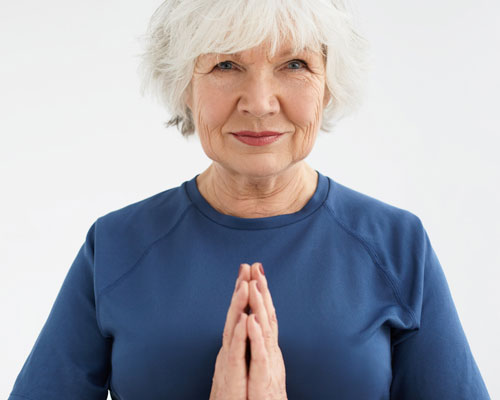
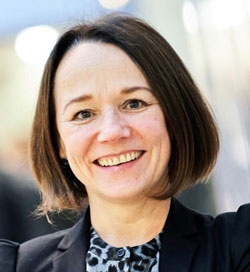
The wellness consultant was born and raised in South Korea / Photo: Seth Powers
Although K-Pop and K-Beauty have hit the mainstream, much of Korean culture is still under-represented, including Korean wellness, says native Leekyung Han who specialises in hospitality real estate and development projects.
As founder and managing director of Seoul-based Polaris Advisor, she’s worked across the globe and was instrumental in realising China’s iconic wellness community Sangha by Octave Living. Han also has a bachelor’s and two master’s degrees in architecture and real estate development from the US.
Having been born and raised in South Korea, she passionately believes the peninsula is the next up-and-coming destination for wellness investors and operators.
She spoke with Spa Business to shed light on the market and why her home country has so much potential to take off as an exciting new destination for spas.
Untapped potential “Wellness has existed in Korea for more than 5,000 years,” Han explains. “With a strong influence from shamanism, it’s typically known as traditional Korean medicine (TKM) and is similar to traditional Chinese medicine.”
She believes South Korea is ready for wellness development and investment because of its distinctive natural attributes and traditions that lend themselves to the creation of innovative wellness customer journeys.
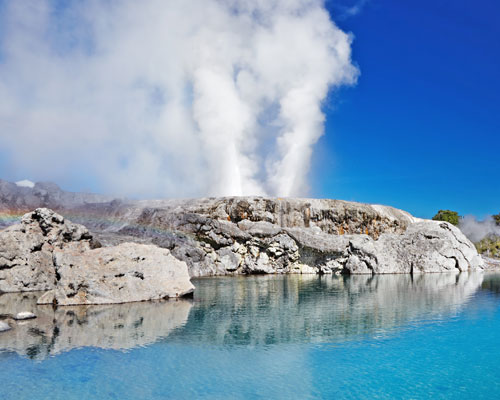
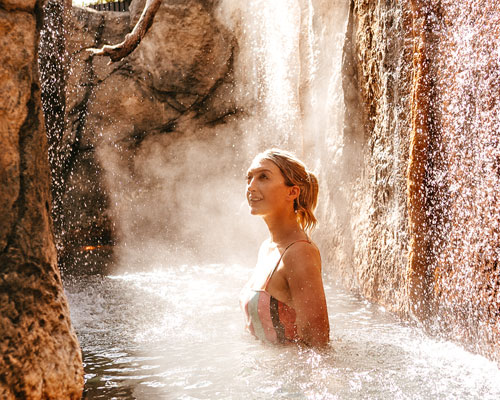
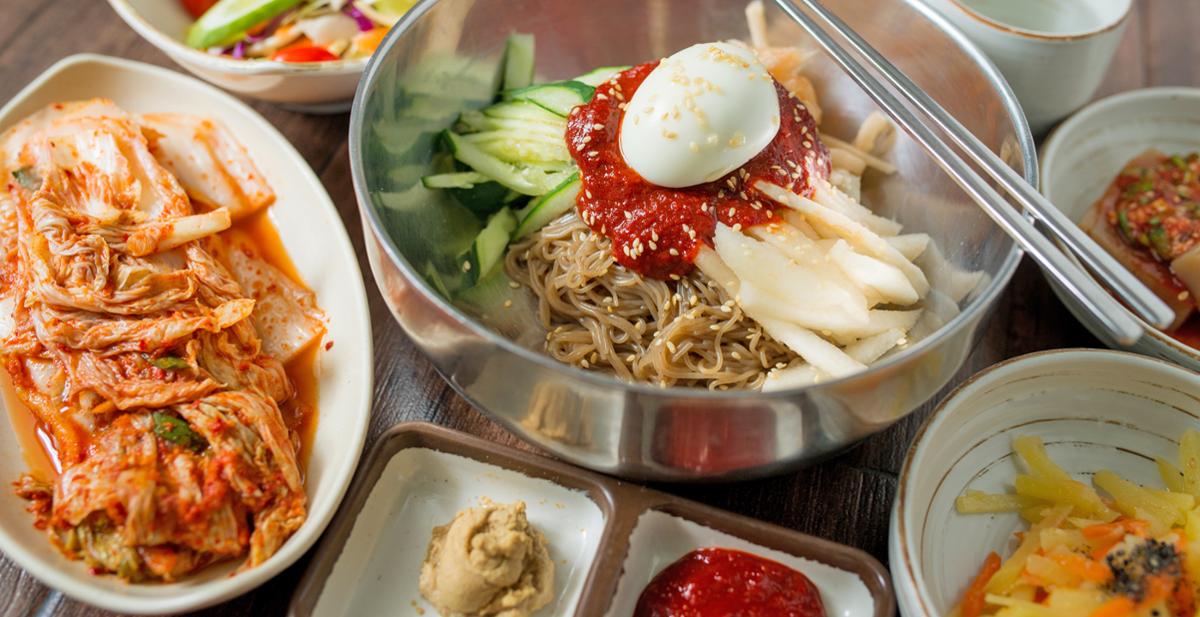
In addition to TKM, significant draws include an abundance of natural hot springs, salt farms, a history of healthy cuisine and a high concentration of sacred sites claimed to possess natural healing powers and a strong presence of chi energy.
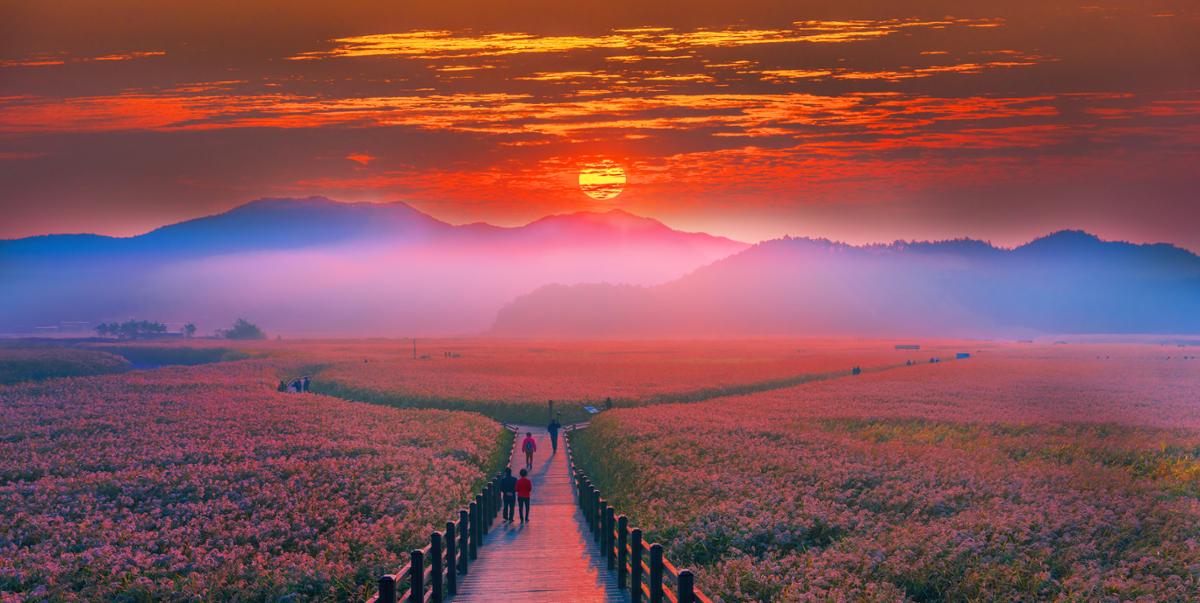
“South Korea has many beautiful myths associated with the landscape and is known as a country with great chi. This lays an excellent foundation for brand storytelling which can be translated into every detail of a retreat.
“Creating a sense of place can lead to a much more impactful experience because it’s clear guests are being immersed in a healing landscape as soon as they arrive,” she says.
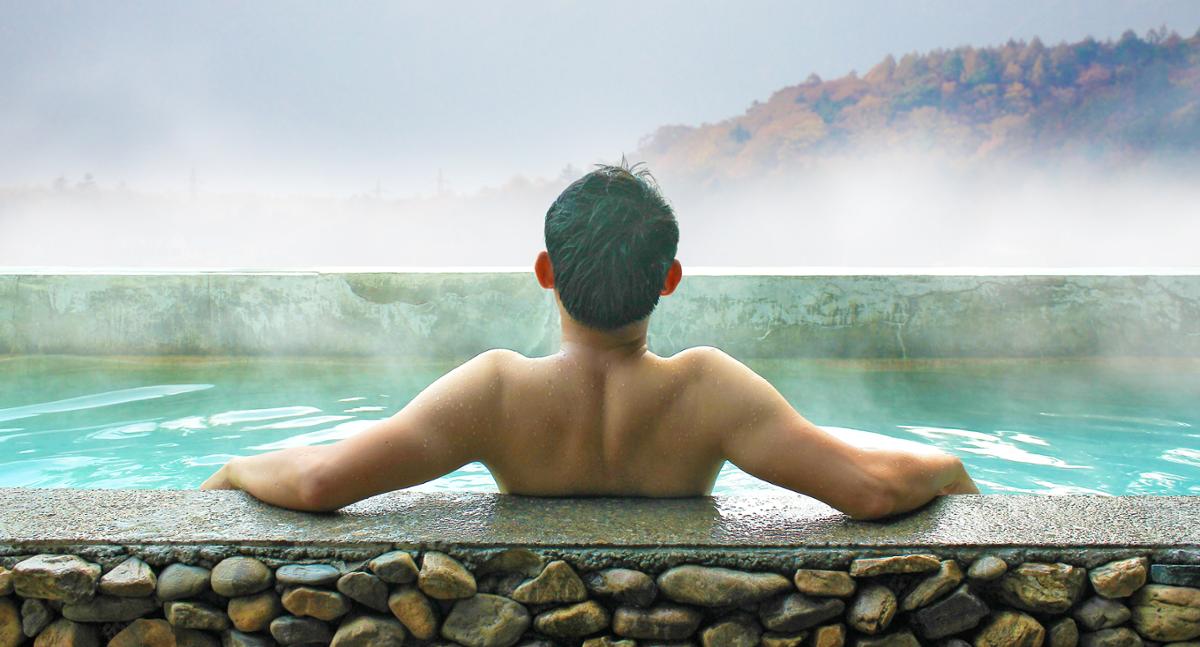
Social soaking The country’s culture of public bathing already runs deep in its DNA. In the mid-20th century, bathhouses were extremely popular and could be found in most neighbourhoods, used as a social space for people to relax together.
“In the early 90s, this public bath concept was transformed into a new form called jjimjilbang,” says Han. “This introduced a range of saunas with varying temperatures, as well as sleeping areas and F&B outlets. Part of the facilities also became segregated by sex.”
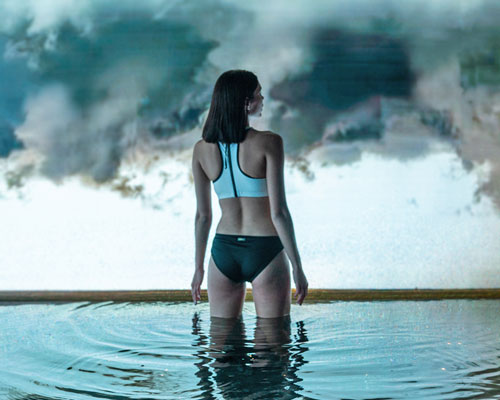
A well-known modern-day example is Spa Land Centum City in Busan located in a department store. Here, guests have access to an impressive 18 thermal and wet experiences including hot springs, saunas, an outdoor foot spa, a host of relaxation rooms, food outlets and more. Each of Spa Land’s pools is fed by two hot springs found 100m underground.
On that note, Han labels hot springs centres as another major wellness activity loved by South Koreans. These facilities typically also offer spacious communal areas for people to sleep and rest on a heated floor after bathing.
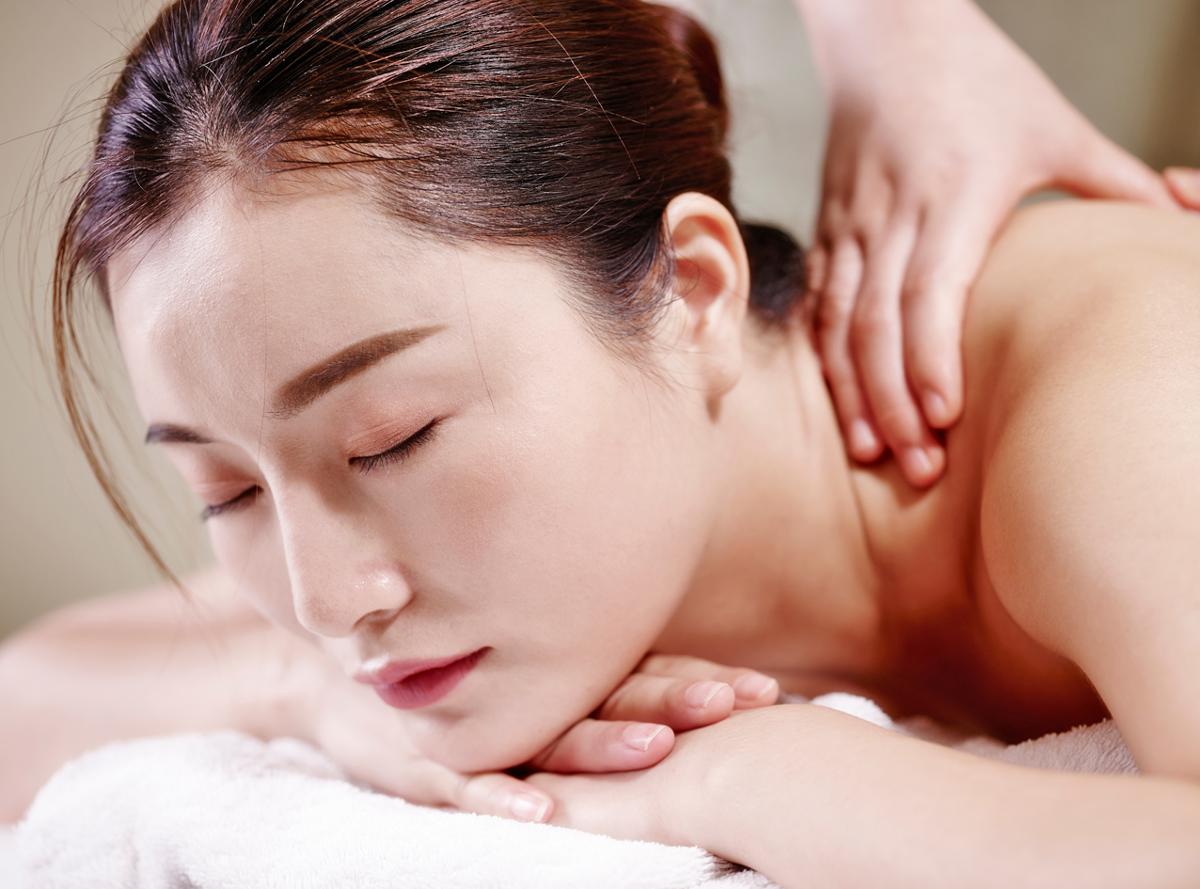
Who and what? In terms of demographics, there’s a healthy spread of interest in wellness across South Korean age groups, she explains. When jjimjilbangs first launched, seniors formed the majority of the customer base but young people are now flocking to facilities and are particularly fond of the western spa model which mainly offers massages. Han says that in Seoul, getting a massage in a good spa requires booking at least a couple of weeks in advance as demand is so high.
Han adds that on top of this “South Koreans tend to gravitate towards wellness offerings backed by medicine, whether this is TKM or western medicine. However, acupuncture, cupping and boyak (a customised herb medicine to balance energy) are also very popular activities.” Clinics providing these services are easily found in urban areas so workers can get treatments during work breaks.
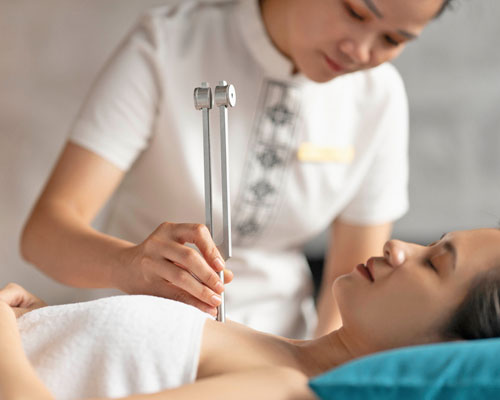
Sound healing, yoga, IV therapy, ayurveda and immunity-focused experiences, in particular involving crystals, are also favourites.
Investor interest Most wellness investment is funded by domestic companies to create more jjimjilbangs and hotel spas in urban areas, but Han feels there’s a growing demand for rural retreats as people look to de-stress further afield from their busy daily lives.
“If investors branch into more rural areas, the development costs will be lower in comparison to city space and ROI could be just as good.
“The most important thing for the South Korean wellness market to take off is a change in mindset,” she says. “Developers need to break away from their comfort zone and look at the country’s natural assets to harness its full potential as a wellness destination.
“Furthermore, if the country can blend its beautiful traditional healing rituals with its natural healing assets, it will attract both domestic and international tourists by offering distinctively Korean wellness experiences that can only be felt authentically in the country.”
South Korea’s international tourist base is mainly made up of visitors from China, followed by Japan and the USA, she says.
“Investors should focus on creating a destination wellness offering which offers the usual aspects of wellness programming but also provides something that can only be found or experienced in South Korea. For example, a full-moon meditation and halotherapy ritual on a salt farm, body scrub rituals at jjimjilbangs, a customised TKM tea ceremony or a culinary experience of Korean Buddhist food.
“These unique offerings will attract adventurous travellers who are curious about Korean wellness. If there’s a buzz from domestic consumers, this will then catch the attention of the international market too.”
Read more from this issue of Spa Business magazine
Write to reply: Letters
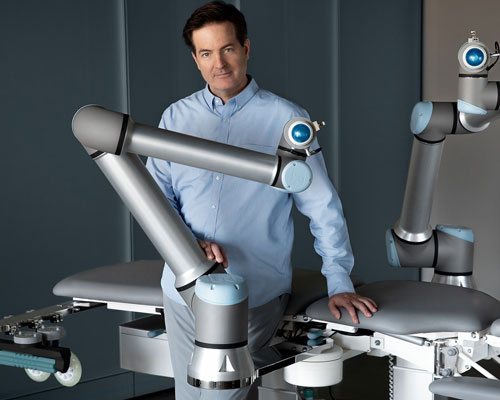
Zulal's Sandie Johannessen shares her passion for medical wellness and Kloodos' Julie Cichocki says wellness protocols should start with the vagus nerve
Spa People: Leekyung Han
The South Korean-born spa consultant on why her home country should be on the radar of all wellness developers
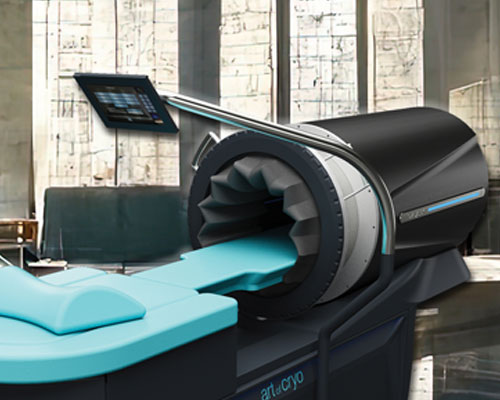
Sponsored: Art of Cryo: Working well
Spa operators and corporate offices can now offer a comprehensive, six-part wellness journey designed by Art of Cryo to elevate health
Research: Wellness Travel Consumer Survey
A general reboot and nature/outdoor activities are key considerations for wellness tourists according to a new study by WTA. Anne Dimon reports
First person: Doctor’s orders
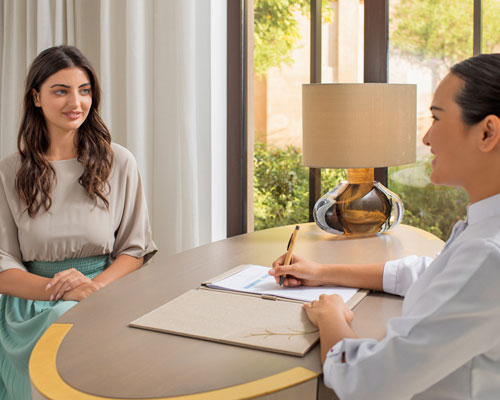
Can a partnership with an international hospital elevate a wellness retreat? Neena Dhillon visits RAKxa in Bangkok, Thailand to find out
Interview: Justin Musgrove
We talk to the CEO of Core Life, the exclusive lifestyle brand which has ambitions to expand to the world's most affluent cities
Sponsored: Starpool: Zerobody Cryo
The new Zerobody Cryo will deliver comfortable cold therapy for spa, wellness and sports says Starpool CEO, Riccardo Turri
In the fast-paced world of fitness and wellness, where high-intensity workouts push us to
our limits and the sweat pours, the importance of efficient recovery cannot be overstated. [more...]
The MSpa Oslo series is a perennial bestseller in global markets. With innovative
engineering and premium performance, this completely portable spa line-up is expertly
designed to meet the needs of customers worldwide. [more...]
+ More featured suppliers
COMPANY PROFILES
FIBO
FIBO is the international platform for fitness, wellness and health. During four days, FIBO connects [more...]
RKF Luxury Linen
RKF Luxury Linen, established in the East of France for several decades, owns an artisanal know-how [more...]
The wellness consultant was born and raised in South Korea / Photo: Seth Powers
Although K-Pop and K-Beauty have hit the mainstream, much of Korean culture is still under-represented, including Korean wellness, says native Leekyung Han who specialises in hospitality real estate and development projects.
As founder and managing director of Seoul-based Polaris Advisor, she’s worked across the globe and was instrumental in realising China’s iconic wellness community Sangha by Octave Living. Han also has a bachelor’s and two master’s degrees in architecture and real estate development from the US.
Having been born and raised in South Korea, she passionately believes the peninsula is the next up-and-coming destination for wellness investors and operators.
She spoke with Spa Business to shed light on the market and why her home country has so much potential to take off as an exciting new destination for spas.
Untapped potential “Wellness has existed in Korea for more than 5,000 years,” Han explains. “With a strong influence from shamanism, it’s typically known as traditional Korean medicine (TKM) and is similar to traditional Chinese medicine.”
She believes South Korea is ready for wellness development and investment because of its distinctive natural attributes and traditions that lend themselves to the creation of innovative wellness customer journeys.
In addition to TKM, significant draws include an abundance of natural hot springs, salt farms, a history of healthy cuisine and a high concentration of sacred sites claimed to possess natural healing powers and a strong presence of chi energy.
“South Korea has many beautiful myths associated with the landscape and is known as a country with great chi. This lays an excellent foundation for brand storytelling which can be translated into every detail of a retreat.
“Creating a sense of place can lead to a much more impactful experience because it’s clear guests are being immersed in a healing landscape as soon as they arrive,” she says.
Social soaking The country’s culture of public bathing already runs deep in its DNA. In the mid-20th century, bathhouses were extremely popular and could be found in most neighbourhoods, used as a social space for people to relax together.
“In the early 90s, this public bath concept was transformed into a new form called jjimjilbang,” says Han. “This introduced a range of saunas with varying temperatures, as well as sleeping areas and F&B outlets. Part of the facilities also became segregated by sex.”
A well-known modern-day example is Spa Land Centum City in Busan located in a department store. Here, guests have access to an impressive 18 thermal and wet experiences including hot springs, saunas, an outdoor foot spa, a host of relaxation rooms, food outlets and more. Each of Spa Land’s pools is fed by two hot springs found 100m underground.
On that note, Han labels hot springs centres as another major wellness activity loved by South Koreans. These facilities typically also offer spacious communal areas for people to sleep and rest on a heated floor after bathing.
Who and what? In terms of demographics, there’s a healthy spread of interest in wellness across South Korean age groups, she explains. When jjimjilbangs first launched, seniors formed the majority of the customer base but young people are now flocking to facilities and are particularly fond of the western spa model which mainly offers massages. Han says that in Seoul, getting a massage in a good spa requires booking at least a couple of weeks in advance as demand is so high.
Han adds that on top of this “South Koreans tend to gravitate towards wellness offerings backed by medicine, whether this is TKM or western medicine. However, acupuncture, cupping and boyak (a customised herb medicine to balance energy) are also very popular activities.” Clinics providing these services are easily found in urban areas so workers can get treatments during work breaks.
Sound healing, yoga, IV therapy, ayurveda and immunity-focused experiences, in particular involving crystals, are also favourites.
Investor interest Most wellness investment is funded by domestic companies to create more jjimjilbangs and hotel spas in urban areas, but Han feels there’s a growing demand for rural retreats as people look to de-stress further afield from their busy daily lives.
“If investors branch into more rural areas, the development costs will be lower in comparison to city space and ROI could be just as good.
“The most important thing for the South Korean wellness market to take off is a change in mindset,” she says. “Developers need to break away from their comfort zone and look at the country’s natural assets to harness its full potential as a wellness destination.
“Furthermore, if the country can blend its beautiful traditional healing rituals with its natural healing assets, it will attract both domestic and international tourists by offering distinctively Korean wellness experiences that can only be felt authentically in the country.”
South Korea’s international tourist base is mainly made up of visitors from China, followed by Japan and the USA, she says.
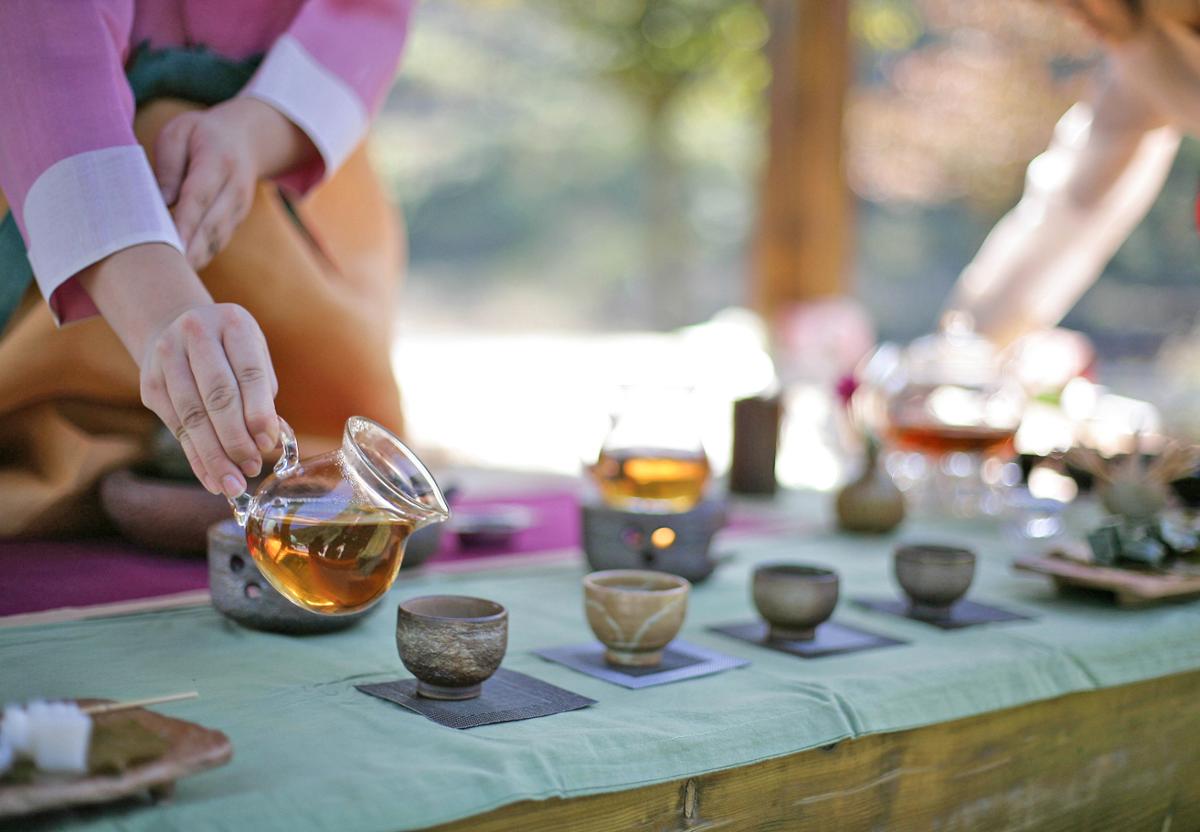
“Investors should focus on creating a destination wellness offering which offers the usual aspects of wellness programming but also provides something that can only be found or experienced in South Korea. For example, a full-moon meditation and halotherapy ritual on a salt farm, body scrub rituals at jjimjilbangs, a customised TKM tea ceremony or a culinary experience of Korean Buddhist food.
“These unique offerings will attract adventurous travellers who are curious about Korean wellness. If there’s a buzz from domestic consumers, this will then catch the attention of the international market too.”
Read more from this issue of Spa Business magazine
Write to reply: Letters
Zulal's Sandie Johannessen shares her passion for medical wellness and Kloodos' Julie Cichocki says wellness protocols should start with the vagus nerve
Spa People: Leekyung Han
The South Korean-born spa consultant on why her home country should be on the radar of all wellness developers
Sponsored: Art of Cryo: Working well
Spa operators and corporate offices can now offer a comprehensive, six-part wellness journey designed by Art of Cryo to elevate health
Research: Wellness Travel Consumer Survey
A general reboot and nature/outdoor activities are key considerations for wellness tourists according to a new study by WTA. Anne Dimon reports
First person: Doctor’s orders
Can a partnership with an international hospital elevate a wellness retreat? Neena Dhillon visits RAKxa in Bangkok, Thailand to find out
Interview: Justin Musgrove
We talk to the CEO of Core Life, the exclusive lifestyle brand which has ambitions to expand to the world's most affluent cities
Sponsored: Starpool: Zerobody Cryo
The new Zerobody Cryo will deliver comfortable cold therapy for spa, wellness and sports says Starpool CEO, Riccardo Turri
Synergy – The Retreat Show, the global trade show for retreats, has launched a global research
initiative that will provide insights into the retreat sector from both consumer and industry
perspectives.
The Wellness Tourism Association (WTA) has published a non-regulatory global industry
framework designed to ensure the retreat market offers responsible experiences.
A new survey of UK and international spa practitioners shows that stress, burnout and
wellbeing concerns have caused one in three respondents to consider leaving the industry.
The UK's four Chief Medical Officers have published a refreshed edition of Physical activity
guidelines: UK Chief Medical Officers' report, updating the evidence that underpins the nation's
physical activity recommendations and placing greater emphasis on strength, balance, reducing
sedentary behaviour and, for the first time, supporting people taking weight loss medications.
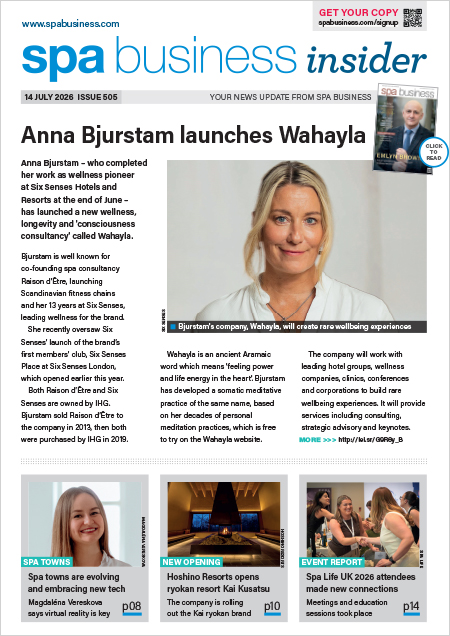
Anna Bjurstam has left her role as Wellness Pioneer at Six Senses Hotels and Resorts and
launched a new wellness, longevity and “consciousness consultancy” called Wahayla.
Fairmont Cheshire, The Mere, has opened today (10 July) in the Northwest of England
with a
1,715sq m Fairmont Spa that has been designed using a ‘Wellness without Walls’
concept.
Wellness hotels generating less than US$1 million (€932,700, £785,200) – or 10 per cent of
total revenue from wellness and leisure – recorded the strongest RevPAR and TRevPAR growth
in 2025 across categories when compared with 2024, according to the latest Wellness Real
Estate Report by RLA Global, produced in partnership with P and L benchmarking firm HotStats.
Lefay Resorts, the portfolio of two luxury wellness properties in Italy, has added emotional
dance classes and group cold plunge sessions in response to market demand for social
connection.
In the fast-paced world of fitness and wellness, where high-intensity workouts push us to
our limits and the sweat pours, the importance of efficient recovery cannot be overstated. [more...]
The MSpa Oslo series is a perennial bestseller in global markets. With innovative
engineering and premium performance, this completely portable spa line-up is expertly
designed to meet the needs of customers worldwide. [more...]
+ More featured suppliers
COMPANY PROFILES
FIBO FIBO is the international platform for fitness, wellness and health. During four days, FIBO connects [more...]