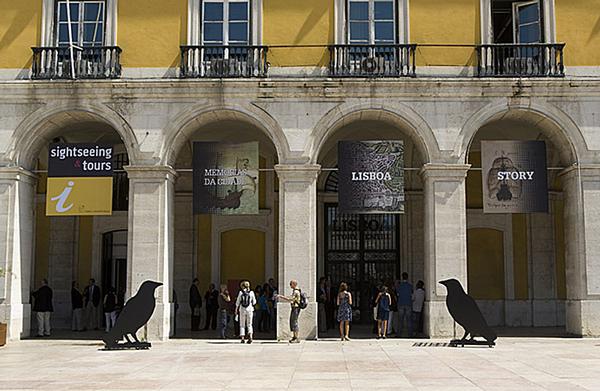
What’s the secret to turning an attraction into a place?
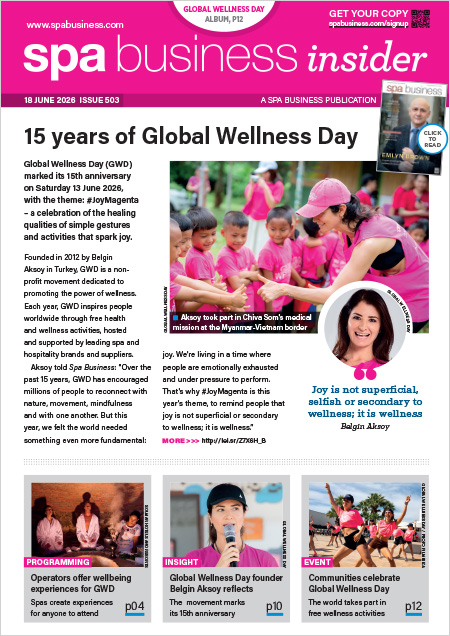
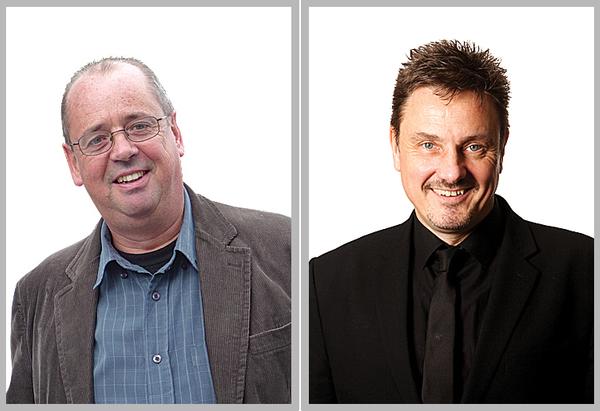
TVAC’s Simon Ody and Tim Rusby discuss the challenges and opportunities of creating successful destinations
Many clients come to us because they think they want a feasibility study, but often it becomes clear that what they really need to know is how to deliver the scheme and make it work as a place – a destination that visitors and paying guests will use, adopt, cherish and return to.
That shift from the quantitative assignment (the economics) to the qualitative (the what, where and how), is where we find our key differentiation as a practice.
We need to stress that we’re not designers – TVAC is a bridge between our clients and their design teams. Our role is to provide specialist input into business plans, locate content ideas into master plans and help to make sure that the design development brief is coherent.
What is place-making? The term place-making is nothing new. American sociologist Ray Oldenburg first coined the phrase the third place in the 1970s, describing third places as the anchors of community and social life. Not home (first place), or work (second place), third places are where people go to enjoy themselves.
Societies have always had informal meeting places. Oldenburg recognised the need to revive the concept at a time when communities and people were become increasingly insulated and isolated, a trend that has accelerated over recent years as people spend more and more time online.
More recently, multi-faceted retail destinations are winning the battle to capture people’s leisure time; in effect becoming the default third place for many people. In Europe, developers such as Westfield and Intu are actively searching for immersive experiences and leisure products that will differentiate their malls and drive footfall.
TVAC’s work with mixed-use developers has led us to recognise that the same issues apply to the owners of even the smallest visitor attractions. The issues are the same – how can we attract more visitors and keep them coming back?
So what is a place? The term place-making refers to the process that turns a collection of buildings and spaces into a place which visitors develop an affinity towards and return to again and again. A definition of a place in this context is a multi-dimensional destination that offers a variety of experiences for a variety of people. Successful places give us an almost visceral sense of feeling good. Sounds, smells, tactile feedback, all add to a visitor’s feelings of total interaction, emotional engagement, sensory immersion and belonging.
A great place is one which we adopt as a part of our social fabric and want to share. When an attraction is a good place, we tell people about it or take others to it. Great places are accessible, visible and recognisable, sometimes in the form of a brand that is synonymous with the experience that we anticipate finding at the place.
Great places provide a sense of arrival, good way-finding, have attractive public realm and feel safe. Those who aspire to develop and manage successful places need to recognise the benefits of providing amenities which don’t deliver an easily quantifiable return on capital employed. We can’t calculate the financial return of a splendid fountain outside the entrance to an attraction, but the sense of arrival it engenders makes it much more than a ‘nice to have’.
They react to changes in the way we communicate, use technology and interact with our friends and families.
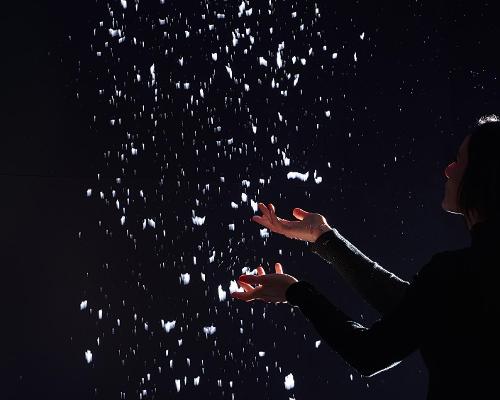
Successful places deliver experiences that we want to enjoy time and again, especially if that experience can be enhanced by subtle variations that make each visit unique.
For attractions, the most cost effective variation is in the form of special events and seasonal programming.
Many operators view programming and events as an expensive seasonal chore to mark the major festivals of Christmas, Halloween, Easter and the like, forgetting that every day should be a special day for their visitors, notwithstanding which day they choose to visit.
An event or programme doesn’t have to be sophisticated and expensive, just carefully thought out, properly communicated and executed with care and passion. Done well, even the simplest of programmes can inspire repeat visits and convert a potential visitor into a paying customer.
Pop Up events have become popular over the last few years. Traditionally they utilise empty shops or other buildings or spaces, for art exhibitions, restaurants or performances. They can last for a few hours, a few weeks and in some cases have become permanent fixtures due to their popularity.
So why make a place? There are many reasons why developers and attraction operators should consider the very real commercial benefits of place-making. When all the elements of a good place fall together, potential visitors become real visitors and will return and recommend. More visits and longer dwell times lead to better returns on investment. Top destinations and places attract complementary neighbours, increasing real estate value.
In our experience, one of the biggest challenges in projects is reshaping the thinking of the economic teams to take on board the value of every aspect of successful place-making, not just those with a tangible financial investment case. Just because an effect may be hard to define and harder still to measure, doesn’t lessen its importance.
The future looks set to challenge attraction destination owners and developers with increased competition for their visitors’ money and even greater competition for their visitors’ time. Ultimately, the destinations that will win out are those that have truly understood the value of place-making and have invested in delivering and maintaining an exceptional place.
At TVAC we’re working on both sides of this trend divide. We help developers achieve their objectives, and work with those not involved in mixed-use destinations, helping them shape their offer and development strategies so they’re future-proofed and able to exploit emerging trends for their benefit.
Read more from this issue of Spa Business magazine
View contents of Spa Business 2014 issue 2
Editor's letter: The New Philanthropists
Tech is hot and as the growing number of tech millionaires
turn their thoughts to philanthropy, tech-related
attactions will prosper
Profile: Mario Mamon
The current chair of IAAPA talks about
his role with the organisation, doubling
the size of family theme park Enchanted
Kingdom in the Philippines and the
devastation of Super Typhoon Haiyan
Museums: MOHAI
MOHAI's executive director,
Leonard Garfield, talks about
the Seattle museum's new Bezos
Center for Innovation, named after
Amazon founder Jeff Bezos
Science centres: Appliance of science
Andreas Waschk and Mike Boris
explain how they made Blueprint
Entertainment into Europe's largest
private science centre operator
Museums: Olympic Movement
Director Francis Gabet describes how
The Olympic Museum's extensive
refurbishment reflects the excitement
and diveristy of the modern Games
Planetariums: Starry skies
The newly upgraded Fiske Planetarium in
Boulder, Colorado now boasts the highest
specification full dome theatre in the US.
Director Douglas Duncan tells us more
Museums: Beautiful minds
The founders of MoMath, the New York
Museum of Mathematics, tell us how
they're on a mission to get ordinary
people to fall in love with maths
World expos: Brave new world
Christian Lachel considers how world
expos can raise global awareness
about what matters for the planet
3D/4D/5D: IMERSA
A review of the fifth annual IMERSA
conference held in Denver, Colorado
Advertisement feature: EAS 2014
The exhibitors reveal what they’ll be showcasing at EAS in
September and what the hot topics of conversation will be
Waterparks: Wet'n'Wild
Wet'n'Wild Sydney has welcomed
a million visitors through its gates
since opening in December. Managing
director Chris Warhurst tells us why
Ticketing: Convenience store
Gateway's Liesel Tarquini explains
how mobile web stores can help
generate additional revenue
for attractions operators
In the fast-paced world of fitness and wellness, where high-intensity workouts push us to
our limits and the sweat pours, the importance of efficient recovery cannot be overstated. [more...]
What’s the secret to turning an attraction into a place?
TVAC’s Simon Ody and Tim Rusby discuss the challenges and opportunities of creating successful destinations
Many clients come to us because they think they want a feasibility study, but often it becomes clear that what they really need to know is how to deliver the scheme and make it work as a place – a destination that visitors and paying guests will use, adopt, cherish and return to.
That shift from the quantitative assignment (the economics) to the qualitative (the what, where and how), is where we find our key differentiation as a practice.
We need to stress that we’re not designers – TVAC is a bridge between our clients and their design teams. Our role is to provide specialist input into business plans, locate content ideas into master plans and help to make sure that the design development brief is coherent.
What is place-making? The term place-making is nothing new. American sociologist Ray Oldenburg first coined the phrase the third place in the 1970s, describing third places as the anchors of community and social life. Not home (first place), or work (second place), third places are where people go to enjoy themselves.
Societies have always had informal meeting places. Oldenburg recognised the need to revive the concept at a time when communities and people were become increasingly insulated and isolated, a trend that has accelerated over recent years as people spend more and more time online.
More recently, multi-faceted retail destinations are winning the battle to capture people’s leisure time; in effect becoming the default third place for many people. In Europe, developers such as Westfield and Intu are actively searching for immersive experiences and leisure products that will differentiate their malls and drive footfall.
TVAC’s work with mixed-use developers has led us to recognise that the same issues apply to the owners of even the smallest visitor attractions. The issues are the same – how can we attract more visitors and keep them coming back?
So what is a place? The term place-making refers to the process that turns a collection of buildings and spaces into a place which visitors develop an affinity towards and return to again and again. A definition of a place in this context is a multi-dimensional destination that offers a variety of experiences for a variety of people. Successful places give us an almost visceral sense of feeling good. Sounds, smells, tactile feedback, all add to a visitor’s feelings of total interaction, emotional engagement, sensory immersion and belonging.
A great place is one which we adopt as a part of our social fabric and want to share. When an attraction is a good place, we tell people about it or take others to it. Great places are accessible, visible and recognisable, sometimes in the form of a brand that is synonymous with the experience that we anticipate finding at the place.
Great places provide a sense of arrival, good way-finding, have attractive public realm and feel safe. Those who aspire to develop and manage successful places need to recognise the benefits of providing amenities which don’t deliver an easily quantifiable return on capital employed. We can’t calculate the financial return of a splendid fountain outside the entrance to an attraction, but the sense of arrival it engenders makes it much more than a ‘nice to have’.
They react to changes in the way we communicate, use technology and interact with our friends and families.
Successful places deliver experiences that we want to enjoy time and again, especially if that experience can be enhanced by subtle variations that make each visit unique.
For attractions, the most cost effective variation is in the form of special events and seasonal programming.
Many operators view programming and events as an expensive seasonal chore to mark the major festivals of Christmas, Halloween, Easter and the like, forgetting that every day should be a special day for their visitors, notwithstanding which day they choose to visit.
An event or programme doesn’t have to be sophisticated and expensive, just carefully thought out, properly communicated and executed with care and passion. Done well, even the simplest of programmes can inspire repeat visits and convert a potential visitor into a paying customer.
Pop Up events have become popular over the last few years. Traditionally they utilise empty shops or other buildings or spaces, for art exhibitions, restaurants or performances. They can last for a few hours, a few weeks and in some cases have become permanent fixtures due to their popularity.
So why make a place? There are many reasons why developers and attraction operators should consider the very real commercial benefits of place-making. When all the elements of a good place fall together, potential visitors become real visitors and will return and recommend. More visits and longer dwell times lead to better returns on investment. Top destinations and places attract complementary neighbours, increasing real estate value.
In our experience, one of the biggest challenges in projects is reshaping the thinking of the economic teams to take on board the value of every aspect of successful place-making, not just those with a tangible financial investment case. Just because an effect may be hard to define and harder still to measure, doesn’t lessen its importance.
The future looks set to challenge attraction destination owners and developers with increased competition for their visitors’ money and even greater competition for their visitors’ time. Ultimately, the destinations that will win out are those that have truly understood the value of place-making and have invested in delivering and maintaining an exceptional place.
At TVAC we’re working on both sides of this trend divide. We help developers achieve their objectives, and work with those not involved in mixed-use destinations, helping them shape their offer and development strategies so they’re future-proofed and able to exploit emerging trends for their benefit.
Read more from this issue of Spa Business magazine
View contents of Spa Business 2014 issue 2
Editor's letter: The New Philanthropists
Tech is hot and as the growing number of tech millionaires
turn their thoughts to philanthropy, tech-related
attactions will prosper
Profile: Mario Mamon
The current chair of IAAPA talks about
his role with the organisation, doubling
the size of family theme park Enchanted
Kingdom in the Philippines and the
devastation of Super Typhoon Haiyan
Museums: MOHAI
MOHAI's executive director,
Leonard Garfield, talks about
the Seattle museum's new Bezos
Center for Innovation, named after
Amazon founder Jeff Bezos
Science centres: Appliance of science
Andreas Waschk and Mike Boris
explain how they made Blueprint
Entertainment into Europe's largest
private science centre operator
Museums: Olympic Movement
Director Francis Gabet describes how
The Olympic Museum's extensive
refurbishment reflects the excitement
and diveristy of the modern Games
Planetariums: Starry skies
The newly upgraded Fiske Planetarium in
Boulder, Colorado now boasts the highest
specification full dome theatre in the US.
Director Douglas Duncan tells us more
Museums: Beautiful minds
The founders of MoMath, the New York
Museum of Mathematics, tell us how
they're on a mission to get ordinary
people to fall in love with maths
World expos: Brave new world
Christian Lachel considers how world
expos can raise global awareness
about what matters for the planet
3D/4D/5D: IMERSA
A review of the fifth annual IMERSA
conference held in Denver, Colorado
Advertisement feature: EAS 2014
The exhibitors reveal what they’ll be showcasing at EAS in
September and what the hot topics of conversation will be
Waterparks: Wet'n'Wild
Wet'n'Wild Sydney has welcomed
a million visitors through its gates
since opening in December. Managing
director Chris Warhurst tells us why
Ticketing: Convenience store
Gateway's Liesel Tarquini explains
how mobile web stores can help
generate additional revenue
for attractions operators
Mass protests have been taking place since Monday 1 June in Albania over the development of
a luxury resort by Donald Trump’s daughter Ivanka Trump and her husband Jared Kushner.
Global Wellness Day (GWD) marked its 15th anniversary on Saturday 13 June 2026, with the
theme: #JoyMagenta – a celebration of the healing qualities of simple gestures and activities
that spark joy.
Global luxury hospitality brand, Six Senses, has partnered with longevity healthcare provider,
HUM2N, to launch a clinic at Six Senses London, at The Whiteley.
As part of its first hotel partnership, Mayrlife – the medical health resort company known for its
site in Altaussee, Austria – has launched a day clinic at the Rosewood Vienna.
Premium London health club, KX Chelsea, will imminently unveil its most significant
redevelopment since its launch in 2002 to create an integrated wellness model combining
training, recovery and relaxation.
Rosewood Le Guanahani St Barth, on the northeast coast of Saint Barthélemy in the French
West Indies, is offering a programme of ocean-inspired yoga classes between 8-14 June to
celebrate Global Wellness Day (GWD).
Hotel de France, located on the British Isle of Jersey, has created a wellness retreat package
that includes a hot yoga session that will take place in Jersey Zoo’s butterfly sanctuary.
The Ritz-Carlton, Langkawi, in Malaysia, has revealed a schedule for Global Wellness Day
(GWD) that includes guided rainforest walks, mindful movement and guided coastal meditation
experiences.
Longevitix, a clinical platform for preventive and longevity medicine, has launched its AI-
powered intelligence system to help physicians deliver continuous, personalised longevity-
focused care at scale.
Atmantan Wellness Centre, an integrative wellness destination in Mulshi, near Pune in India, is
expanding its portfolio by adding a new centre in Hyderabad that will launch between 2028 and
2029.
In the fast-paced world of fitness and wellness, where high-intensity workouts push us to
our limits and the sweat pours, the importance of efficient recovery cannot be overstated. [more...]