Yes! Send me the FREE digital editions of Spa Business and Spa Business insider magazines and the FREE weekly Spa Business and Spa Business insider ezines and breaking news alerts!
Breathwork is growing in popularity in spas thanks to its mindfulness benefits.
But could it have a role to play in treating Long COVID? Katie Barnes investigates
Since COVID-19 struck over a year ago, 175 million people globally have been infected with the coronavirus which attacks the respiratory system.
At the start of the pandemic, it was believed that the majority of people who contracted the disease would experience only mild symptoms over a short period.
However, a preliminary study by Kings College in London*, estimates that up to one in 20 people are affected by Long COVID – meaning their symptoms aren’t severe enough for them to be hospitalised but linger on for more than eight weeks. Meanwhile, one in 50 people experience the illness for longer than 12 weeks.
Long COVID is characterised by a range of symptoms, but broadly speaking the team at Kings College identified two main groups. The first group experienced problems across multiple parts of the body, including the brain, gut and heart. While the second group was dominated by respiratory issues such as shortness of breath, a cough, fatigue and headaches.
Spas are well placed to offer programmes for all Long COVID sufferers, but it’s the people who have been affected by respiratory issues that could potentially benefit the most given the industry’s natural affiliation to breathwork.
As an extension of yoga and meditation, the practice of breathwork – focused on how we breathe and altering patterns of respiration – is something more spas are offering. It’s seen as a great way to manage anxiety, reduce stress, promote clarity in our daily lives and strongly connects the body and mind.
But what if spas were to tap into this further to use breathwork to help treat Long COVID? What’s the science behind it? What might work, or not? What else could it be combined with for effectiveness and is there any official training? We ask those in the know to shed some light.
*Source: Sudre, C et al. Attributes and predictors of Long-COVID: analysis of COVID cases and their symptoms collected by the Covid Symptoms Study App. MedRxiv. Oct 2020
Patrick McKeown
Author, Oxygen Advantage; and Breathing Cure
Functional breathing is fundamental to health and wellness. Nose breathing affects the immune system through the uptake of nasal nitric oxide. Diaphragm breathing impacts stress management and disease via the autonomic nervous system. Light breathing normalises the body’s chemistry by balancing carbon dioxide and oxygen and it improves sleep, making sure you get enough healing deep-stage rest.
If someone comes to a spa to feel better, and they’re suffering the effects of Long COVID, it makes sense to offer breath coaching. As long as the methods and programmes are science-backed and taught by certified instructors, spas offer the perfect setting.
Low blood oxygen saturation is typical of COVID. This can be corrected using breathing exercises. And research shows it’s common for people with Long COVID to lose their sense of identity. Breath awareness and conscious breathing provide a gentle but effective way to reconnect.
Certification [of providers] is crucial because there’s so much that can be misunderstood or misapplied. Particularly in the case of Long COVID. But also for people with anxiety and panic disorder, incorrect teaching can do more harm than good.
The Oxygen Advantage® offers online and in-person instructor training courses. These cover the science and practice behind such breathing techniques.
Over the last 19 years, I’ve seen many people with asthma experience a 50 per cent reduction in symptoms within a fortnight of attending my workshops. Restorative breathwork is progressive, but practitioners enjoy long-term benefits.
Breathing exercises are also incredibly portable. Once you’ve learned the techniques, you can practise anytime, anywhere – which is empowering for anyone who wants to take back control of their wellbeing.
• Patrick McKeown is a world-renowned author and breathing practitioner and was clinically trained in the Buteyko Breathing Method in Russia. www.oxygenadvantage.com
As long as methods are science-backed
and taught by certified instructors,
spas offer the perfect setting
Alex Tsuk
Founder, Breathing Cold
People go to spas because they want to be well and in the coming years we’ll see them wanting to be educated about their health. They’ll want to learn to breathe better and to understand how it can help all aspects of their life – from sleeping better and aiding digestion to releasing anxiety and stress and improving longevity and physical performance.
Breathwork, as it’s usually offered, aims to help people access an altered state of consciousness to release and resolve trauma through open mouth, connected breathing. This is associated with upper chest, short and rapid breath.
But for people suffering from Long COVID, nose breathing, which focuses on deep, slow inhalations and exhalations through the nostrils and breath retention, is the key. Nose breathing, encourages the release of nitric oxide (NO) to repair the nervous system. Oxygen with added NO is actually prescribed by doctors to treat COVID and its after effects. Humming is known to be particularly effective in increasing NO, it’s a natural way to triple the production of it.
NO also dilates blood vessels, enabling more oxygen to be delivered throughout the body which ultimately improves lung capacity and boosts the immune system.
Breathwork is fairly simple and you don’t necessarily need a therapist or doctor to administer it. In my five-week online training course, practitioners cover all breathing techniques (not just my method) and potential risks so they can adjust their offering according to the needs of their clients.
The key to any successful programme is consistency and repetition and preferably clients take home the learnings and practise breathing every day.
Developing awareness of the breath is the most important part, along with mindset. My method, for example, combines breathwork and ice-cold immersion. Cold exposure is an amazing tool as it activates the body’s natural healing powers, but, most importantly it’s not about embracing the cold, it’s about embracing the discomfort and ultimately supporting your physiological and mental state of being. This enables people to focus on a positive attitude.
• Alex Tsuk offers online breathing courses for practitioners and runs specialist workshops, including some for Marc Cohen’s Extreme Wellness retreats. www.breathingcold.com
Humming naturally triples the
production of nitric oxide which
doctors add artificially to oxygen
to treat COVID and Long COVID
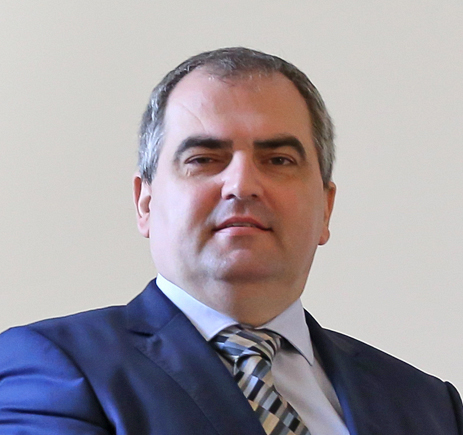
Boris Bánovský
Medical director, Ensana
Long COVID includes a combination of different symptoms such as, but not limited to, fatigue, shortness of breath, brain fog, sleep disorders, intermittent fevers, gastrointestinal symptoms, anxiety and depression. The effects can persist for 12 weeks or more, so targeted and effective rehabilitation interventions for these patients are essential.
Ensana launched its Respiratory Recovery Programme in December for Long COVID sufferers. Its foundation is based on guest education and individual and group exercises aimed at practising proper breathing biomechanics – static and dynamic breathing gymnastics – with the ultimate goal of increasing physical endurance, the mental condition and general wellness.
But it’s not just breathwork alone, we have a holistic, multi-modality approach. The majority of our properties are based by, and use, natural healing resources such as thermal mineral water which has a positive effect on the musculoskeletal, respiratory, nervous, endocrine systems as well as immunity.
Physical therapeutic methods are also key. Other treatments include inhalations, oxygen therapy, biolamp applications, hydrotherapy, classical massage, Kneipp walks, salt cave treatment and drinking cures.
An initial medical examination by a specialist in balneotherapy sets up the guest’s individual therapeutic plan. All treatments are then delivered only by trained staff and exercises led by licensed physiotherapists.
The recommended minimum stay for the Respiratory Recover Programme is seven nights. This can be either extended or repeated up to three times a year.
Since the pandemic, people are gradually becoming aware of the need to protect their own health and insurance companies are supporting this. We’re certainly seeing increased interest in this programme – we’ve only been offering it for five months and it’s already our second most popular package – and feedback from those who have completed it has been positive.
• With 26 properties, Ensana is the largest health spa operator in Europe. www.ensanahotels.com
Our Respiratory Recovery Programme is
now our second most popular package
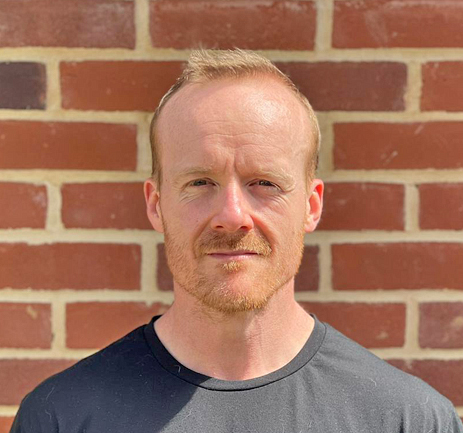
Aaron McCulloch
Managing director, Your Personal Training
This pandemic has damaged people’s health. It’s not simply a matter of reopening gyms and hoping people will come back. The same goes for spas and wellness facilities that offer fitness elements. Customers need to be eased back from COVID and a vast range of specific health issues, including fatigue, dizziness, cardiovascular and muscle deterioration, need to be addressed by experts with a bespoke approach – and breathing techniques are just one of the tools to help.
Your Personal Training is now upskilling personal trainers (PTs) to create Long COVID rehab hubs. At the Waterside Hotel and Leisure Club in north-west England, for example, we recently put 12 PTs through CAWS UK training, which specialises in the rehabilitation of Long COVID. This includes cardio rehab, plotting and charting client’s progress, as well as looking at the neurological and mental health impact.
One particular PT had success by using breathing methods, especially those linked with anxiety and relieving stress, on a client who still had respiratory issues five months after infection.
He used parasympathetic breathing, including diaphragmatic breathing and controlled exhalation to help the acute onset symptoms of stress and anxiety. Secondly, he added pursed lip breathing, concentrating on deep inhalation, to expand his client’s lung capacity and to increase oxygen proliferation through their alveoli, to help with chronic fatigue.
He also looked at the role of CO2 through breath hold work and nasal breathing. This produces nitric oxide and slows the rate of breath during exercise, allowing the body to feed oxygen more efficiently, which again decreases stress and fatigue.
Using these methods, and other CAWS modalities, his client was able to work up to full one-to-one sessions again, allowing more rapid whole-body recovery.
Could spas offer similar areas of expertise? Absolutely, because it’s part of a complete wellness programme.
Spa people: Adrian Zecha
Adrian Zecha talks about his latest brands and why he's not planning retirement anytime soon
Spa people: Michala Chatel
Ultima Collection's managing partner explains why and how it's adding wellness options to exclusively rented villas and properties
Spa people: Stephanie Stahl
The Ace of Air co-founder tackles sustainability head on with a 'buy the product rent the packaging' scheme
Menu engineering: At your service
Art and sauna bathing collide in a Japanese exhibition; Banyan Tree rolls out its Wellbeing Sanctuary concept globally
Top team: Capella
Neena Dhillon talks to the owning company and senior executives from this burgeoning Asian hospitality brand with a passion for wellness
Ask an Expert: Treating Long COVID
One in 20 people who've had coronavirus are still battling its side effects for three months or more. How can spas help?
Promotion: Art of Cryo: Cool night's sleep
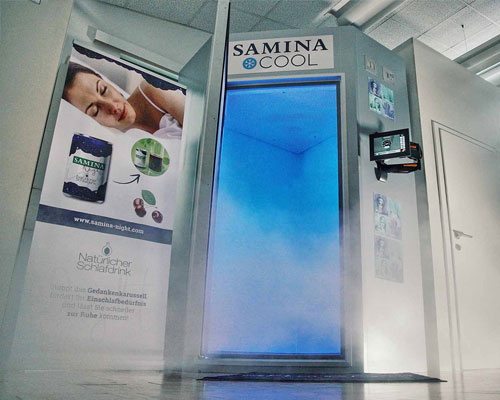
High-performance cryo chamber specialist Art of Cryo joins forces with leading bed manufacturer Samina to launch cryo centres for sleep health
Interview: Stelian Iacob
Therme Group's COO tells Katie Barnes how it's making the traditional thermal facility model more relevant to today's consumers
First person: Yasuragi
Spas in Sweden stayed open in the pandemic, but does the nation still have an appetite for wellness? Andrew Gibson investigates at this Japanese concept spa hotel near Stockholm
Interview: Tammy Pahel
The VP of spa at Carillon Miami candidly shares some of the challenges of the past year with Lisa Starr and explains why she's investing in touchless innovations
Spa survey: Wellness time
A new consumer survey shows how people's attitudes towards wellness and spas have changed. Mindbody's Katherine Wernet
Focus on: IV nutrition therapy
Is IV nutrition therapy as credible as some spas claim? Lisa Starr investigates this increasingly popular treatment
In the fast-paced world of fitness and wellness, where high-intensity workouts push us to
our limits and the sweat pours, the importance of efficient recovery cannot be overstated. [more...]
+ More featured suppliers
COMPANY PROFILES
i-Tech Industries
Founded by Dr. Gianfranco Tudico, CEO of i-Tech Industries, icoone was created from the vision of co [more...]
Living Earth Crafts
For over 50 years, LEC has been manufacturing award-winning spa equipment for the world’s finest spas [more...]
Breathwork is growing in popularity in spas thanks to its mindfulness benefits.
But could it have a role to play in treating Long COVID? Katie Barnes investigates
Since COVID-19 struck over a year ago, 175 million people globally have been infected with the coronavirus which attacks the respiratory system.
At the start of the pandemic, it was believed that the majority of people who contracted the disease would experience only mild symptoms over a short period.
However, a preliminary study by Kings College in London*, estimates that up to one in 20 people are affected by Long COVID – meaning their symptoms aren’t severe enough for them to be hospitalised but linger on for more than eight weeks. Meanwhile, one in 50 people experience the illness for longer than 12 weeks.
Long COVID is characterised by a range of symptoms, but broadly speaking the team at Kings College identified two main groups. The first group experienced problems across multiple parts of the body, including the brain, gut and heart. While the second group was dominated by respiratory issues such as shortness of breath, a cough, fatigue and headaches.
Spas are well placed to offer programmes for all Long COVID sufferers, but it’s the people who have been affected by respiratory issues that could potentially benefit the most given the industry’s natural affiliation to breathwork.
As an extension of yoga and meditation, the practice of breathwork – focused on how we breathe and altering patterns of respiration – is something more spas are offering. It’s seen as a great way to manage anxiety, reduce stress, promote clarity in our daily lives and strongly connects the body and mind.
But what if spas were to tap into this further to use breathwork to help treat Long COVID? What’s the science behind it? What might work, or not? What else could it be combined with for effectiveness and is there any official training? We ask those in the know to shed some light.
*Source: Sudre, C et al. Attributes and predictors of Long-COVID: analysis of COVID cases and their symptoms collected by the Covid Symptoms Study App. MedRxiv. Oct 2020
Patrick McKeown
Author, Oxygen Advantage; and Breathing Cure
Functional breathing is fundamental to health and wellness. Nose breathing affects the immune system through the uptake of nasal nitric oxide. Diaphragm breathing impacts stress management and disease via the autonomic nervous system. Light breathing normalises the body’s chemistry by balancing carbon dioxide and oxygen and it improves sleep, making sure you get enough healing deep-stage rest.
If someone comes to a spa to feel better, and they’re suffering the effects of Long COVID, it makes sense to offer breath coaching. As long as the methods and programmes are science-backed and taught by certified instructors, spas offer the perfect setting.
Low blood oxygen saturation is typical of COVID. This can be corrected using breathing exercises. And research shows it’s common for people with Long COVID to lose their sense of identity. Breath awareness and conscious breathing provide a gentle but effective way to reconnect.
Certification [of providers] is crucial because there’s so much that can be misunderstood or misapplied. Particularly in the case of Long COVID. But also for people with anxiety and panic disorder, incorrect teaching can do more harm than good.
The Oxygen Advantage® offers online and in-person instructor training courses. These cover the science and practice behind such breathing techniques.
Over the last 19 years, I’ve seen many people with asthma experience a 50 per cent reduction in symptoms within a fortnight of attending my workshops. Restorative breathwork is progressive, but practitioners enjoy long-term benefits.
Breathing exercises are also incredibly portable. Once you’ve learned the techniques, you can practise anytime, anywhere – which is empowering for anyone who wants to take back control of their wellbeing.
• Patrick McKeown is a world-renowned author and breathing practitioner and was clinically trained in the Buteyko Breathing Method in Russia. www.oxygenadvantage.com
As long as methods are science-backed
and taught by certified instructors,
spas offer the perfect setting
Alex Tsuk
Founder, Breathing Cold
People go to spas because they want to be well and in the coming years we’ll see them wanting to be educated about their health. They’ll want to learn to breathe better and to understand how it can help all aspects of their life – from sleeping better and aiding digestion to releasing anxiety and stress and improving longevity and physical performance.
Breathwork, as it’s usually offered, aims to help people access an altered state of consciousness to release and resolve trauma through open mouth, connected breathing. This is associated with upper chest, short and rapid breath.
But for people suffering from Long COVID, nose breathing, which focuses on deep, slow inhalations and exhalations through the nostrils and breath retention, is the key. Nose breathing, encourages the release of nitric oxide (NO) to repair the nervous system. Oxygen with added NO is actually prescribed by doctors to treat COVID and its after effects. Humming is known to be particularly effective in increasing NO, it’s a natural way to triple the production of it.
NO also dilates blood vessels, enabling more oxygen to be delivered throughout the body which ultimately improves lung capacity and boosts the immune system.
Breathwork is fairly simple and you don’t necessarily need a therapist or doctor to administer it. In my five-week online training course, practitioners cover all breathing techniques (not just my method) and potential risks so they can adjust their offering according to the needs of their clients.
The key to any successful programme is consistency and repetition and preferably clients take home the learnings and practise breathing every day.
Developing awareness of the breath is the most important part, along with mindset. My method, for example, combines breathwork and ice-cold immersion. Cold exposure is an amazing tool as it activates the body’s natural healing powers, but, most importantly it’s not about embracing the cold, it’s about embracing the discomfort and ultimately supporting your physiological and mental state of being. This enables people to focus on a positive attitude.
• Alex Tsuk offers online breathing courses for practitioners and runs specialist workshops, including some for Marc Cohen’s Extreme Wellness retreats. www.breathingcold.com
Humming naturally triples the
production of nitric oxide which
doctors add artificially to oxygen
to treat COVID and Long COVID
Boris Bánovský
Medical director, Ensana
Long COVID includes a combination of different symptoms such as, but not limited to, fatigue, shortness of breath, brain fog, sleep disorders, intermittent fevers, gastrointestinal symptoms, anxiety and depression. The effects can persist for 12 weeks or more, so targeted and effective rehabilitation interventions for these patients are essential.
Ensana launched its Respiratory Recovery Programme in December for Long COVID sufferers. Its foundation is based on guest education and individual and group exercises aimed at practising proper breathing biomechanics – static and dynamic breathing gymnastics – with the ultimate goal of increasing physical endurance, the mental condition and general wellness.
But it’s not just breathwork alone, we have a holistic, multi-modality approach. The majority of our properties are based by, and use, natural healing resources such as thermal mineral water which has a positive effect on the musculoskeletal, respiratory, nervous, endocrine systems as well as immunity.
Physical therapeutic methods are also key. Other treatments include inhalations, oxygen therapy, biolamp applications, hydrotherapy, classical massage, Kneipp walks, salt cave treatment and drinking cures.
An initial medical examination by a specialist in balneotherapy sets up the guest’s individual therapeutic plan. All treatments are then delivered only by trained staff and exercises led by licensed physiotherapists.
The recommended minimum stay for the Respiratory Recover Programme is seven nights. This can be either extended or repeated up to three times a year.
Since the pandemic, people are gradually becoming aware of the need to protect their own health and insurance companies are supporting this. We’re certainly seeing increased interest in this programme – we’ve only been offering it for five months and it’s already our second most popular package – and feedback from those who have completed it has been positive.
• With 26 properties, Ensana is the largest health spa operator in Europe. www.ensanahotels.com
Our Respiratory Recovery Programme is
now our second most popular package
Aaron McCulloch
Managing director, Your Personal Training
This pandemic has damaged people’s health. It’s not simply a matter of reopening gyms and hoping people will come back. The same goes for spas and wellness facilities that offer fitness elements. Customers need to be eased back from COVID and a vast range of specific health issues, including fatigue, dizziness, cardiovascular and muscle deterioration, need to be addressed by experts with a bespoke approach – and breathing techniques are just one of the tools to help.
Your Personal Training is now upskilling personal trainers (PTs) to create Long COVID rehab hubs. At the Waterside Hotel and Leisure Club in north-west England, for example, we recently put 12 PTs through CAWS UK training, which specialises in the rehabilitation of Long COVID. This includes cardio rehab, plotting and charting client’s progress, as well as looking at the neurological and mental health impact.
One particular PT had success by using breathing methods, especially those linked with anxiety and relieving stress, on a client who still had respiratory issues five months after infection.
He used parasympathetic breathing, including diaphragmatic breathing and controlled exhalation to help the acute onset symptoms of stress and anxiety. Secondly, he added pursed lip breathing, concentrating on deep inhalation, to expand his client’s lung capacity and to increase oxygen proliferation through their alveoli, to help with chronic fatigue.
He also looked at the role of CO2 through breath hold work and nasal breathing. This produces nitric oxide and slows the rate of breath during exercise, allowing the body to feed oxygen more efficiently, which again decreases stress and fatigue.
Using these methods, and other CAWS modalities, his client was able to work up to full one-to-one sessions again, allowing more rapid whole-body recovery.
Could spas offer similar areas of expertise? Absolutely, because it’s part of a complete wellness programme.
Spa people: Adrian Zecha
Adrian Zecha talks about his latest brands and why he's not planning retirement anytime soon
Spa people: Michala Chatel
Ultima Collection's managing partner explains why and how it's adding wellness options to exclusively rented villas and properties
Spa people: Stephanie Stahl
The Ace of Air co-founder tackles sustainability head on with a 'buy the product rent the packaging' scheme
Menu engineering: At your service
Art and sauna bathing collide in a Japanese exhibition; Banyan Tree rolls out its Wellbeing Sanctuary concept globally
Top team: Capella
Neena Dhillon talks to the owning company and senior executives from this burgeoning Asian hospitality brand with a passion for wellness
Ask an Expert: Treating Long COVID
One in 20 people who've had coronavirus are still battling its side effects for three months or more. How can spas help?
Promotion: Art of Cryo: Cool night's sleep
High-performance cryo chamber specialist Art of Cryo joins forces with leading bed manufacturer Samina to launch cryo centres for sleep health
Interview: Stelian Iacob
Therme Group's COO tells Katie Barnes how it's making the traditional thermal facility model more relevant to today's consumers
First person: Yasuragi
Spas in Sweden stayed open in the pandemic, but does the nation still have an appetite for wellness? Andrew Gibson investigates at this Japanese concept spa hotel near Stockholm
Interview: Tammy Pahel
The VP of spa at Carillon Miami candidly shares some of the challenges of the past year with Lisa Starr and explains why she's investing in touchless innovations
Spa survey: Wellness time
A new consumer survey shows how people's attitudes towards wellness and spas have changed. Mindbody's Katherine Wernet
Focus on: IV nutrition therapy
Is IV nutrition therapy as credible as some spas claim? Lisa Starr investigates this increasingly popular treatment
Gran Hotel Taoro in northern Tenerife, Spain, has completed the final phase of its three-year
renovation with the debut of its Sandára Wellness Centre.
Hand and Stone Massage and Facial Spa, the spa business with more than 650 locations across
the US and Canada, has appointed franchise expert Carrie Walsh as CEO as the company plans
to expand.
Synergy – The Retreat Show, the global trade show for retreats, has launched a global research
initiative that will provide insights into the retreat sector from both consumer and industry
perspectives.
The Wellness Tourism Association (WTA) has published a non-regulatory global industry
framework designed to ensure the retreat market offers responsible experiences.
A new survey of UK and international spa practitioners shows that stress, burnout and
wellbeing concerns have caused one in three respondents to consider leaving the industry.
The UK's four Chief Medical Officers have published a refreshed edition of Physical activity
guidelines: UK Chief Medical Officers' report, updating the evidence that underpins the nation's
physical activity recommendations and placing greater emphasis on strength, balance, reducing
sedentary behaviour and, for the first time, supporting people taking weight loss medications.
Anna Bjurstam has left her role as Wellness Pioneer at Six Senses Hotels and Resorts and
launched a new wellness, longevity and “consciousness consultancy” called Wahayla.
Fairmont Cheshire, The Mere, has opened today (10 July) in the Northwest of England
with a
1,715sq m Fairmont Spa that has been designed using a ‘Wellness without Walls’
concept.
In the fast-paced world of fitness and wellness, where high-intensity workouts push us to
our limits and the sweat pours, the importance of efficient recovery cannot be overstated. [more...]
+ More featured suppliers
COMPANY PROFILES
i-Tech Industries Founded by Dr. Gianfranco Tudico, CEO of i-Tech Industries, icoone was created from the vision of co [more...]