Yes! Send me the FREE digital editions of Spa Business and Spa Business insider magazines and the FREE weekly Spa Business and Spa Business insider ezines and breaking news alerts!
What should we eat to boost our immune system? One of the world’s
largest studies on dietary intake and the gut microbiome sheds some light. By Megan Whitby
The key revelation was the identification of 15 ‘good’ and 15 ‘bad’ naturally-occurring gut microbes / SizeSquares/shutterstock
Gut health programmes which improve our microbiome are not new in the spa industry as wellness experts and scientists recognise the links between good bacteria in our intestines. The wide-reaching benefits include improving our heart and metabolic health, helping people who suffer from diabetes and obesity for example, to regulating our hormones.
But Spa Business predicts the ‘food as medicine’ approach, championed by operators such as The Original FX Mayr, Buchinger Wilhelmi, Chenot and Sha Wellness, will boom in popularity as consumers recognise how essential the microbe community in our bowel is for developing our immunity, defending us against pathogens and for our brain function/mental health.
Findings from new studies like Predict, one of the first to take a deep look at dietary intake and its effect on the gut microbiome and health outcomes, could further strengthen spa offerings.
The study, published in Nature Medicine in January, monitored the gut microbiome composition, diet and cardiometabolic blood markers of 1,100 participants from the US and UK, and is one of the world’s largest research projects investigating individual responses to food.
The key revelation was the identification of 15 ‘good’ and 15 ‘bad’ naturally-occurring gut microbes that can correlate with key markers of health status in a positive or negative fashion, including inflammation, blood pressure, blood sugar control and weight.
Results showed diets fuelled by fibre-rich, whole and unprocessed food support the growth of the good microbes, while diets containing a higher concentration of processed foods with added sugar and salt, promote bad gut bacteria associated with illnesses.
This indicates we have control over our gut microbiome and can positively impact our future health outcomes by changing what we eat, explains Dr Sarah Berry, study co-author and epidemiologist at Kings College London.
“Surprisingly, findings also suggested that due to the personalised nature of the microbiome, a personalised approach to what you eat for your unique biology is the best way to positively impact your health,” she adds.
“I’m excited to share this research as our findings show how little of the microbiome is predetermined by genes and therefore how much is modifiable by diet, how we may be able to modify it by diet and how this may impact our subsequent health.”
Dr Sarah Berry, an epidemiologist from Kings College London,
was the study co-author
Read more from this issue of Spa Business magazine
Spa people: Adrian Zecha
Adrian Zecha talks about his latest brands and why he's not planning retirement anytime soon
Spa people: Michala Chatel
Ultima Collection's managing partner explains why and how it's adding wellness options to exclusively rented villas and properties
Spa people: Stephanie Stahl
The Ace of Air co-founder tackles sustainability head on with a 'buy the product rent the packaging' scheme
Menu engineering: At your service
Art and sauna bathing collide in a Japanese exhibition; Banyan Tree rolls out its Wellbeing Sanctuary concept globally
Top team: Capella
Neena Dhillon talks to the owning company and senior executives from this burgeoning Asian hospitality brand with a passion for wellness
Ask an Expert: Treating Long COVID
One in 20 people who've had coronavirus are still battling its side effects for three months or more. How can spas help?
Promotion: Art of Cryo: Cool night's sleep
High-performance cryo chamber specialist Art of Cryo joins forces with leading bed manufacturer Samina to launch cryo centres for sleep health
Interview: Stelian Iacob
Therme Group's COO tells Katie Barnes how it's making the traditional thermal facility model more relevant to today's consumers
First person: Yasuragi
Spas in Sweden stayed open in the pandemic, but does the nation still have an appetite for wellness? Andrew Gibson investigates at this Japanese concept spa hotel near Stockholm
Interview: Tammy Pahel
The VP of spa at Carillon Miami candidly shares some of the challenges of the past year with Lisa Starr and explains why she's investing in touchless innovations
Spa survey: Wellness time
A new consumer survey shows how people's attitudes towards wellness and spas have changed. Mindbody's Katherine Wernet
Focus on: IV nutrition therapy
Is IV nutrition therapy as credible as some spas claim? Lisa Starr investigates this increasingly popular treatment
The MSpa Oslo series is a perennial bestseller in global markets. With innovative
engineering and premium performance, this completely portable spa line-up is expertly
designed to meet the needs of customers worldwide. [more...]
What should we eat to boost our immune system? One of the world’s
largest studies on dietary intake and the gut microbiome sheds some light. By Megan Whitby
The key revelation was the identification of 15 ‘good’ and 15 ‘bad’ naturally-occurring gut microbes / SizeSquares/shutterstock
Gut health programmes which improve our microbiome are not new in the spa industry as wellness experts and scientists recognise the links between good bacteria in our intestines. The wide-reaching benefits include improving our heart and metabolic health, helping people who suffer from diabetes and obesity for example, to regulating our hormones.
But Spa Business predicts the ‘food as medicine’ approach, championed by operators such as The Original FX Mayr, Buchinger Wilhelmi, Chenot and Sha Wellness, will boom in popularity as consumers recognise how essential the microbe community in our bowel is for developing our immunity, defending us against pathogens and for our brain function/mental health.
Findings from new studies like Predict, one of the first to take a deep look at dietary intake and its effect on the gut microbiome and health outcomes, could further strengthen spa offerings.
The study, published in Nature Medicine in January, monitored the gut microbiome composition, diet and cardiometabolic blood markers of 1,100 participants from the US and UK, and is one of the world’s largest research projects investigating individual responses to food.
The key revelation was the identification of 15 ‘good’ and 15 ‘bad’ naturally-occurring gut microbes that can correlate with key markers of health status in a positive or negative fashion, including inflammation, blood pressure, blood sugar control and weight.
Results showed diets fuelled by fibre-rich, whole and unprocessed food support the growth of the good microbes, while diets containing a higher concentration of processed foods with added sugar and salt, promote bad gut bacteria associated with illnesses.
This indicates we have control over our gut microbiome and can positively impact our future health outcomes by changing what we eat, explains Dr Sarah Berry, study co-author and epidemiologist at Kings College London.
“Surprisingly, findings also suggested that due to the personalised nature of the microbiome, a personalised approach to what you eat for your unique biology is the best way to positively impact your health,” she adds.
“I’m excited to share this research as our findings show how little of the microbiome is predetermined by genes and therefore how much is modifiable by diet, how we may be able to modify it by diet and how this may impact our subsequent health.”
Dr Sarah Berry, an epidemiologist from Kings College London,
was the study co-author
Read more from this issue of Spa Business magazine
Spa people: Adrian Zecha
Adrian Zecha talks about his latest brands and why he's not planning retirement anytime soon
Spa people: Michala Chatel
Ultima Collection's managing partner explains why and how it's adding wellness options to exclusively rented villas and properties
Spa people: Stephanie Stahl
The Ace of Air co-founder tackles sustainability head on with a 'buy the product rent the packaging' scheme
Menu engineering: At your service
Art and sauna bathing collide in a Japanese exhibition; Banyan Tree rolls out its Wellbeing Sanctuary concept globally
Top team: Capella
Neena Dhillon talks to the owning company and senior executives from this burgeoning Asian hospitality brand with a passion for wellness
Ask an Expert: Treating Long COVID
One in 20 people who've had coronavirus are still battling its side effects for three months or more. How can spas help?
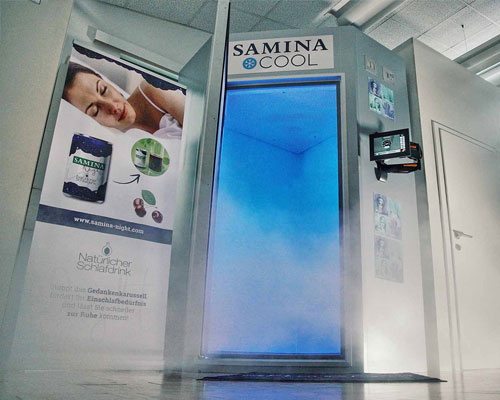
Promotion: Art of Cryo: Cool night's sleep
High-performance cryo chamber specialist Art of Cryo joins forces with leading bed manufacturer Samina to launch cryo centres for sleep health
Interview: Stelian Iacob
Therme Group's COO tells Katie Barnes how it's making the traditional thermal facility model more relevant to today's consumers
First person: Yasuragi
Spas in Sweden stayed open in the pandemic, but does the nation still have an appetite for wellness? Andrew Gibson investigates at this Japanese concept spa hotel near Stockholm
Interview: Tammy Pahel
The VP of spa at Carillon Miami candidly shares some of the challenges of the past year with Lisa Starr and explains why she's investing in touchless innovations
Spa survey: Wellness time
A new consumer survey shows how people's attitudes towards wellness and spas have changed. Mindbody's Katherine Wernet
Focus on: IV nutrition therapy
Is IV nutrition therapy as credible as some spas claim? Lisa Starr investigates this increasingly popular treatment
Gran Hotel Taoro in northern Tenerife, Spain, has completed the final phase of its three-year
renovation with the debut of its Sandára Wellness Centre.
Hand and Stone Massage and Facial Spa, the spa business with more than 650 locations across
the US and Canada, has appointed franchise expert Carrie Walsh as CEO as the company plans
to expand.
Synergy – The Retreat Show, the global trade show for retreats, has launched a global research
initiative that will provide insights into the retreat sector from both consumer and industry
perspectives.
The Wellness Tourism Association (WTA) has published a non-regulatory global industry
framework designed to ensure the retreat market offers responsible experiences.
A new survey of UK and international spa practitioners shows that stress, burnout and
wellbeing concerns have caused one in three respondents to consider leaving the industry.
The UK's four Chief Medical Officers have published a refreshed edition of Physical activity
guidelines: UK Chief Medical Officers' report, updating the evidence that underpins the nation's
physical activity recommendations and placing greater emphasis on strength, balance, reducing
sedentary behaviour and, for the first time, supporting people taking weight loss medications.
Anna Bjurstam has left her role as Wellness Pioneer at Six Senses Hotels and Resorts and
launched a new wellness, longevity and “consciousness consultancy” called Wahayla.
Fairmont Cheshire, The Mere, has opened today (10 July) in the Northwest of England
with a
1,715sq m Fairmont Spa that has been designed using a ‘Wellness without Walls’
concept.
The MSpa Oslo series is a perennial bestseller in global markets. With innovative
engineering and premium performance, this completely portable spa line-up is expertly
designed to meet the needs of customers worldwide. [more...]