Yes! Send me the FREE digital editions of Spa Business and Spa Business insider magazines and the FREE weekly Spa Business and Spa Business insider ezines and breaking news alerts!
MSpa International – the spa arm of the Minor Hotel Group – manages 44 spas, 450 staff and has 30 more potential projects. The general manager talks to us about the importance of brands, simple KPIs and Minor’s recent investment in Per Aquum
By Katie Barnes | Published in Spa Business 2013 issue 3
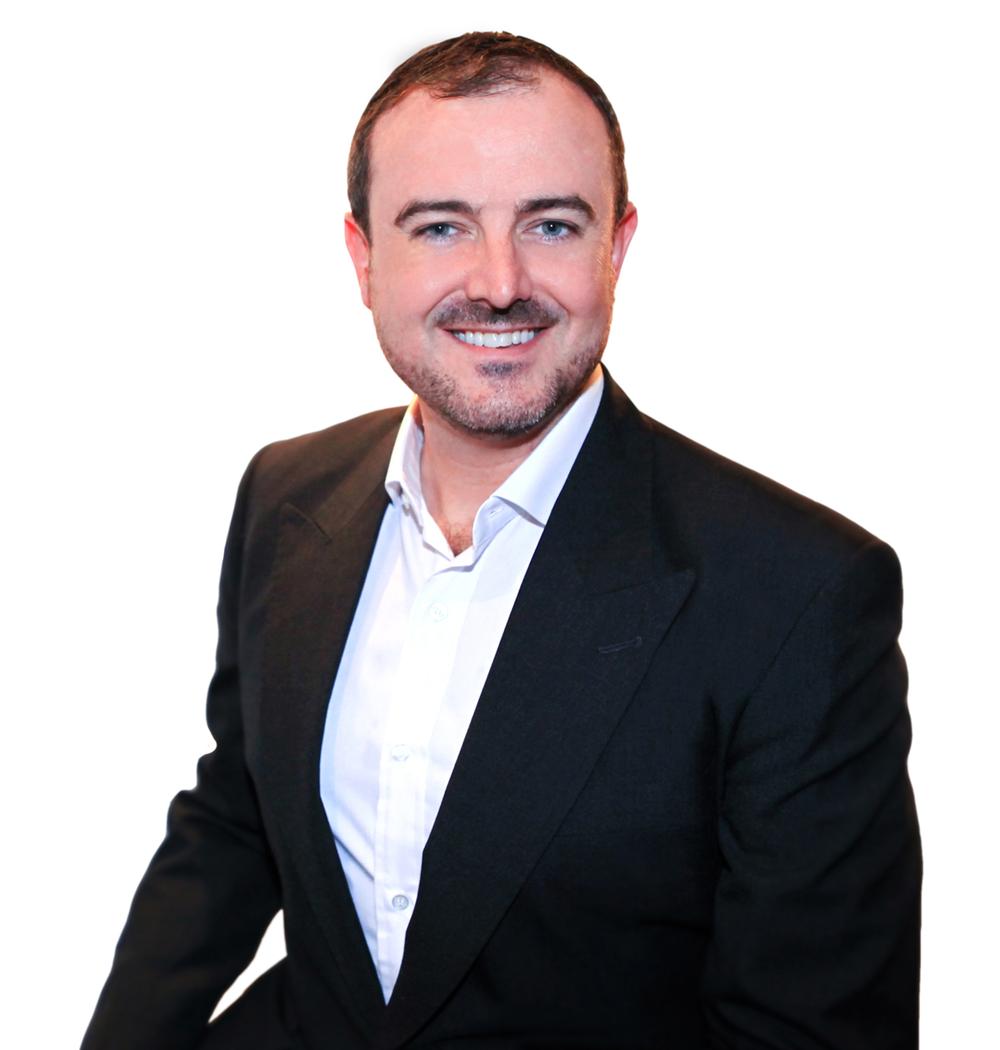
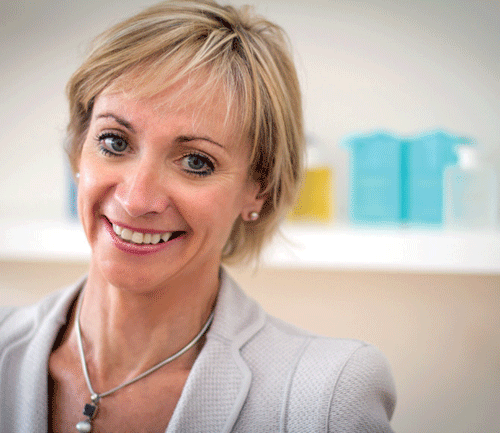
Stephens, who’s worked in the hair and beauty industry for 20 years, joined MSpa in mid 2012
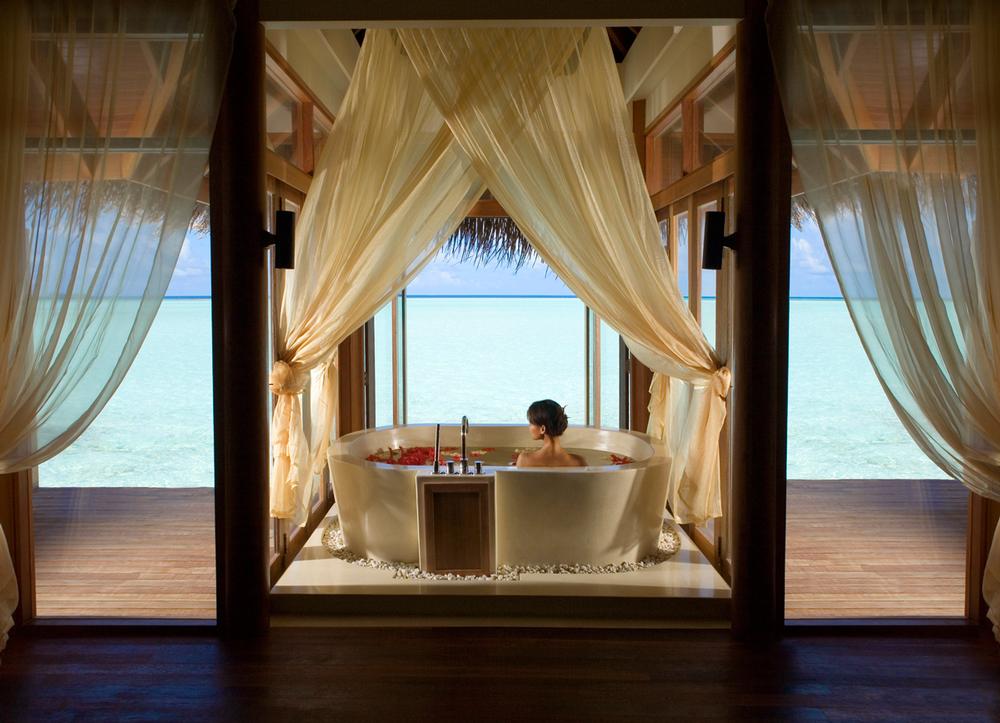
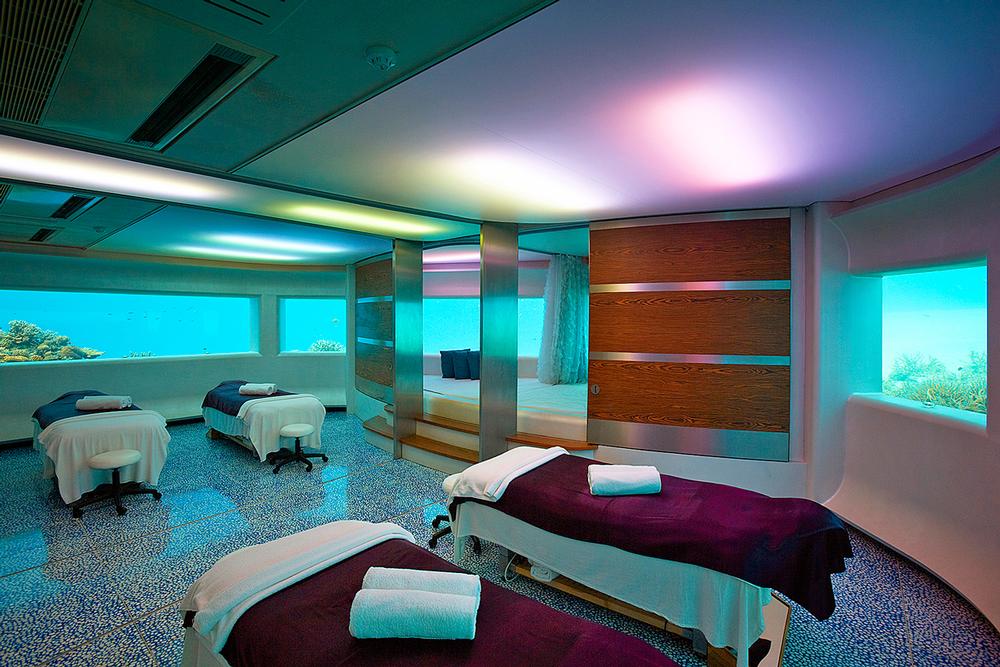
This July, the Thai-based Minor Hotel Group (MHG) invested US$4m (€3m, £2.6m) to gain a 50 per cent stake in Per Aquum – the luxury boutique resort and spa management company famous for its Huvafen Fushi property in the Maldives which features one of the first underwater treatment rooms. Its plan is to build on the three existing Per Aquum properties – two in the Maldives and the Desert Palm in Dubai – by developing up to a possible 15 more.
The investment brings MHG’s portfolio to 94 hotels and resorts most of which are in Asia, although it has a growing presence in Africa and the Middle East. Forming part of Minor International (MINT) – a company listed on the stock exchange of Thailand (see p34) – MHG has aggressive expansion plans to grow to 150 properties in the next five years.
Lee David Stephens, the general manager of MSpa International, the group’s spa operations arm, explains what all of this means for his division and what exciting things we can expect in the future.
Brand appreciation As part of the Per Aquum deal, MSpa inherited the Lime Spa concept which Stephens describes as more of a design-led, upbeat spa offering in a region that’s typically focused on romance, reclusiveness and candlelit dinners. On working with the new brand he says: “We’ll levy our strengths in terms of operational support and give them [Per Aquum] access to our training, centralised bookings, e-commerce and sales and marketing systems; and as a profit-driven company, I’ll certainly be measuring performance of facilities.”
With the Lime Spa addition, MSpa now has six in-house spa concepts for both MHG and third-party properties (see p36). Its other brands include: Mandara Spa, the Steiner-owned concept which MSpa has the franchise licence for in Thailand and China; Anantara Spa, developed for MHG’s luxury hotels of the same name; Aequalis Spa, an urban spa concept focused on ‘high tech, high touch’ and the Individually Tailored Spa Collection, a bespoke line. Meanwhile, Avani Spa, its newest concept launched at two MHG-managed Avani properties in Sri Lanka in 2012, has been created as an upscale contemporary spa offering for those seeking tailor made treatments, who appreciate attention to detail and who also have a passion for design.
“MINT’s chairman and founder [William Heinecke] love brands,” says Stephens. “Many people think the M in MSpa stands for Minor, when it actually comes from Mandara – which we brought into our fold in 1999 to work with our Marriott properties.” He adds that MSpa is also the distributor for product house Elemis, another Steiner subsidiary, in Thailand, while it works with Amala in China and has developed its own in-house Anantara Spa product and amenities line.
Having so many spa and hotel brands works in the company’s favour in respect to mega-resorts – developments which feature multiple hotels on the same plot and which are becoming increasingly popular in Asia. “Our strength is that instead of having to go to three or four different companies, developers can just come to MHG and still have a choice,” says Stephens. The number of spa brands is also an indication of how valued the facilities are as part of the MHG offering. “Mr Heinecke has a passion for spas, pizza and private jets!” he says. “They [spas] are of paramount importance. Anyone can have a nice hotel and bed with Egyptian cotton sheets and featherdown pillows – but we sell experiences which are not told, but felt by their great local cuisine, comfortable rooms and, of course, great spas.”
Perhaps even more significant, however, is how spas are used by MHG as springboards into new territories. “MHG has opened in new markets through spas,” explains Stephens. “We first launched the Anantara brand in China by introducing an Anantara Spa at the PuLi Hotel in Shanghai in 2009. Now we have two Anantara resorts in the country, with another five in the pipeline. Interestingly, Anantara in China is mostly known for its spas.
“The same thing has happened in the UAE. We opened the Anantara Spa at the Emirates Palace Hotel in Abu Dhabi in 2006 and now there are four more Anantara properties there with another opening in Dubai in September.”
Career influences Stephens joined MSpa in June 2012 armed with a 20-year career in the beauty and spa industry. Originally from Liverpool, north England, the 40-year-old’s upbringing heavily influenced his route into the sector. “My dad built a yacht when I was 10 and our family emigrated to Majorca and lived on it,” he recalls. “I have many relatives, eight of who were hairdressers and/or barbers and that’s what I wanted to do too. My dad, who started his own career on cruise liners, suggested I took the opportunity to travel at the same time. So at the age of 20, I joined the QE2 as a hairdresser for Steiner and spent 10 years working in salons, fitness centres and spas progressing from supervisor, to assistant manager, manager and department head roles.”
Having travelled the world five times over Stephens became “absolutely captivated” with Hong Kong and felt it time to use his spa management skills on terra firma as the director of spas for the Beautiful Skin Centre Group (later becoming Paua and now trading as South China Cosmetics), which operated beauty centres, including the Elemis Day Spa and Victorian Spa at the Hong Kong Disneyland Hotel in the area. Then, while running his own company Sol Spa Services which distributed the Voya and Somme Institute brands, the chance to join MSpa came up. “I’d known Minor for many years and seen it dramatically increase from eight hotels to 80 in just a few years so I saw it as a great opportunity to be a part of that growth,” he says.
Role call Unlike other large hotel groups, where general managers of properties typically oversee the spas, MSpa is fully responsible for running its 44 facilities. From staffing, through to profit and loss – as a subsidiary of MHG and a company in its own right, its answerable to all financials which are closely monitored. This makes Stephens’ role slightly different to others who head up spas for hotel chains. He has 20 people dedicated to spas at the head office in Bangkok who report into him including directors of HR, procurement, training and development, finance, marketing and a country manager for Thailand where the biggest cluster of its spas are. These posts are very strategic, he says explaining that the marketing director gets involved in helping to drive spa capture rates and average spends with targeted, localised campaigns, as well as dealing with overall marketing.
He works particularly closely with director of operations Kathryn Moore (see p38) to co-ordinate projects coming up to ensure “the right staff are selected and are in place and that the managers know what they need to do in order to open on time, on budget and on brand – I’m a guardian of the quality of the brands.”
Of course, with 450 spa staff either employed directly by MSpa or hotel owners, finding, growing and keeping talent is a particular challenge. “We’re facing the same problems as everyone else – you have to grow your talent quickly because competition is hot on your heels.” While it’s still not easy to keep staff – therapists in Asia typically have little loyalty to companies because they’re in high demand – Stephens feels offering a clear career path helps. MSpa categorises its spas as A, B or C properties depending on their size, number of treatment rooms, location and calibre of hotel and holds monthly succession planning meetings with a view of promoting C managers up to B properties and B managers up to A properties. This part of the job, he says, keeps him driven: “I love seeing therapists and my corporate team develop.”
Another key responsibility Stephens has is keeping a tight control on spa KPIs. “As a public listed company, we’re performance driven and we look at our spa business the way we look at our hotels – so measuring revenue, treatment sales and average spend of guests comes naturally.” However, he admits financial terminology can be confusing, especially for managers who may be using a second language. “Just recently, we’ve made it even more simple by counting the number of treatments sold every day to measure performance and set seven day goals. When you’re dealing with more than 40 spas in 10 countries you need to have something that everyone can measure and follow.”
Out of Africa Currently, MSpa has more than 30 potential spa projects in the pipeline, says Stephens. Around three quarters of these are in MHG-branded properties, although third-party partnerships are still valued – “partnership is one of the five core values of MINT,” he adds. And while MHG has up until this point typically owned and operated its properties and spas, it’s starting to take on more management contracts to facilitate quicker expansion.
“However,” says Stephens, “there are some little gems out there which we would invest in and purchase as assets.” One such property, he confides, is the soon to open Anantara Phuket Layan Resort & Spa in Thailand which MHG acquired in 2012. The 77-villa site has undergone extensive refurbishment and is scheduled to reopen in early 2014. “We’ve gutted the spa and started it from new,” says Stephens. “It will be one of the most luxurious properties you can find.” In addition, MHG has acquired 5 hectares (12 acres) of adjacent hillside land overlooking the Andaman Sea to develop Anantara’s first residential property.
Africa is a continent that is of particular interest to MSpa. It already has three spas there – two in Tanzania and one in Egypt – and 10 out of its 30-plus possible future projects are planned in countries such as Morocco, Mozambique and in East Africa, with more development also underway in Tanzania. “It’s a very exciting market,” Stephens says. “We talk about the BRIC nations, but Africa has huge potential. It has an abundance of natural beauty and although you need to fix the infrastructure and make it accessible, African properties are absolutely waiting to happen.”
Neither is Stephens ruling out more spa brand development, revealing that MSpa is in discussions with a few external companies about creating a spa concept for them.
He concludes: “We’re growing very rapidly and as we do our strength and expertise grow so we become even more appealing to owners. We get calls all the time, so we can afford to be choosy with what we do and who we partner with. It’s not a bad predicament to have!”
Read more from this issue of Spa Business magazine
Interview: Lee David Stephens
Thai-based management company
MSpa runs 44 spas with 450 staff. The
General Manager talks to Katie Barnes
about a recent deal with Per Aquum
and its rapid expansion
Interview: Kathryn Moore
MSpa’s operations director is creating
a brand new wellness concept and a
fast track spa manager programme
Company Profile Promotion: GOCO Hospitality
After just four years of operation GOCO Hospitality is regarded as a global leader
in wellness hospitality segment of the industry. With 22 projects on its books,
spanning three continents, we look at what underpins the company’s success
Company profile promotion: Comfort Zone
The Comfort Zone spa brand has been newly revamped and revitalised to better communicate its core offerings as a natural, scientific and soul-centred skincare and lifestyle brand
Green: Being green
Ecocert’s new Being label is the first
public-facing green certification for
spa operations, eco-friendly
Promotional Feature: Part 4 - Pre-Opening
Opening a spa successfully is all about planning. Gary
Henkin, president of WTS and Doug Chambers, principal
of Blu Spas, share their experience of pre-opening
Company Profile Promotion: Aromatherapy Associates
Global product company Aromatherapy Associates knows how
to make treatments and retail work in a spa environment and
partners with operators to make a real point of difference
Industry survey: Price to pay
A GSWS report on global therapist pay focuses on differing salary composition, benefit and commission structures. Lisa Starr takes a closer look
Spa Retreat: Running on juice
Juice Master founder Jason Vale tells
Kate Cracknell about its retreats and
how juicing can help prevent disease
Interview: Wee Wei Ling
Neena Dhillon meets the founder of
St Gregory: the spa brand owned by Pan
Pacific that’s just opened a wellness
floor in Singapore’s ‘hotel in a garden’
Research: Moving target
A McKinsey study highlights the fast-changing
spending patterns of China’s
luxury consumers. Leonor Stanton
finds out what this means for spas
Advertisement Promotion: A gift from Ez-Runner...
Vouchers can be used as a stand-alone system integrated into your website or added as a module of Ez-Runner’s leisure management software to control your spa facility
Book: Majorca - The Island of Calm by Santiago Rusinol
Film: Everything by Perdo Almodovar
Season: Autumn
Leisure activity: Sailing. When I visit family in Spain, there’s always a boat or two to catch a ride on.
What do you do to relax? I try to avoid spas! Luckily, it’s easy to escape to a small island or beach villa in Thailand Non-MSpa spa: The Barai in Hua Hin
Treatment: I’m obsessed by traditional Turkish hammam treatments - I love the vigour, how it warms you to the core and leaves you simultaneously dazed and completely wide awake
Quote: “Twenty years from now you’ll be more disappointed with the things you didn’t do than the ones you did. So throw off the bowlines. Sail away from the safe harbour. Catch the trade winds in your sail. Explore. Dream. Discover” – Mark Twain
Who you admire: Without being sycophantic, our chairman and founder. Mr Heinecke’s built his empire from nothing and leads with a ‘drive culture’ that’s contagious
MINT CONDITION
Minor International (MINT) was founded in 1978 with a single beachfront resort in Pattaya, Thailand. Today, it’s one of the largest hospitality and leisure companies in the Asia Pacific region with a core net profit of THB3,4bn (US$105.8m, €79.8m, £68.3m) in 2012 – up an impressive 78 per cent from 2011.
Fifty per cent of MINT’s revenue come from its hotel and resort business, the Minor Hotel Group (MHG), comprising more than 90 hotels, resorts and serviced suites under brands such as Anantara, Marriott, Four Seasons, St Regis, Avani, Oaks and Per Aquum. Forty per cent of revenue is derived from the Minor Food Group– MINT is one of Asia’s largest quick-service restaurant companies – through brands such as The Pizza Company, Burger King, Dairy Queen and The Coffee Club. The remaining 10 per cent of revenue comes the Minor Retail arm of the company which distributes or franchises well-known retail brands in Thailand such as GAP, Espirit, Bossini and Tumi. Details: www.minorinternational.com
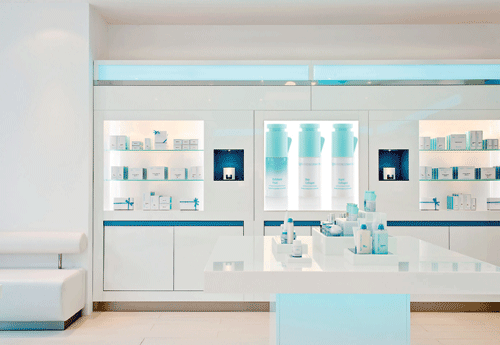
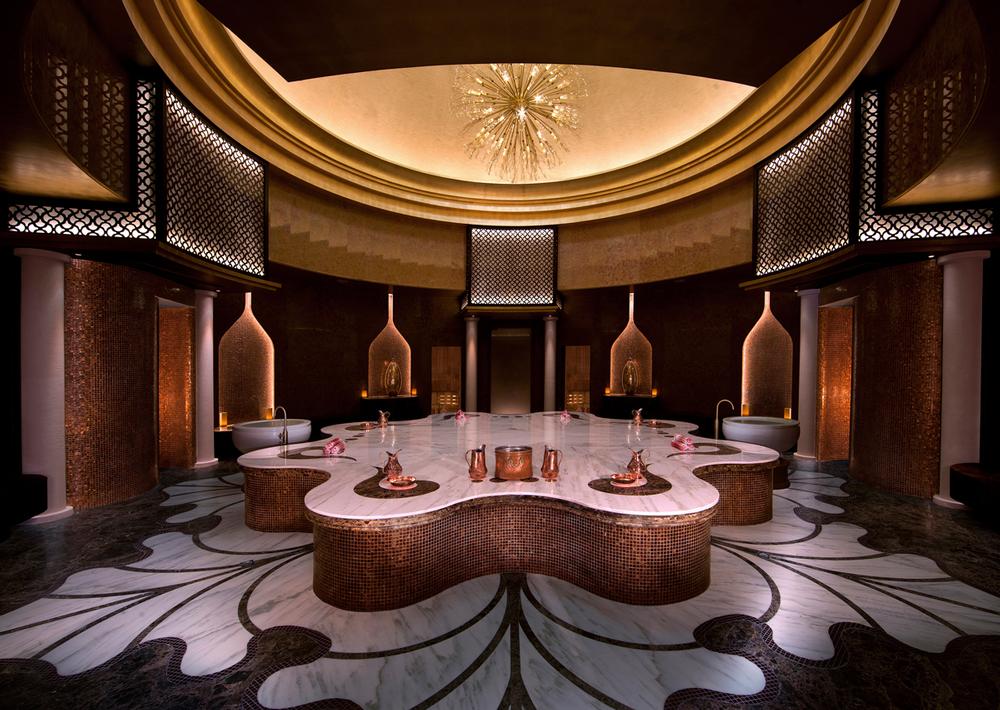
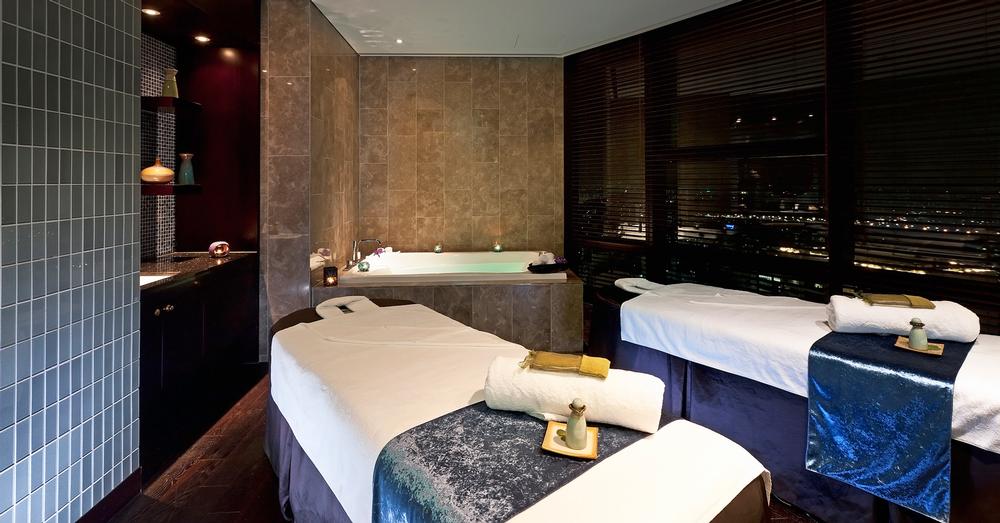
Anantara Spa is one of six MSpa brands. Most of the company’s sites are in Asia but it has a growing presence in Africa and the Middle East
Anantara Spa is one of six MSpa brands. Most of the company’s sites are in Asia but it has a growing presence in Africa and the Middle East
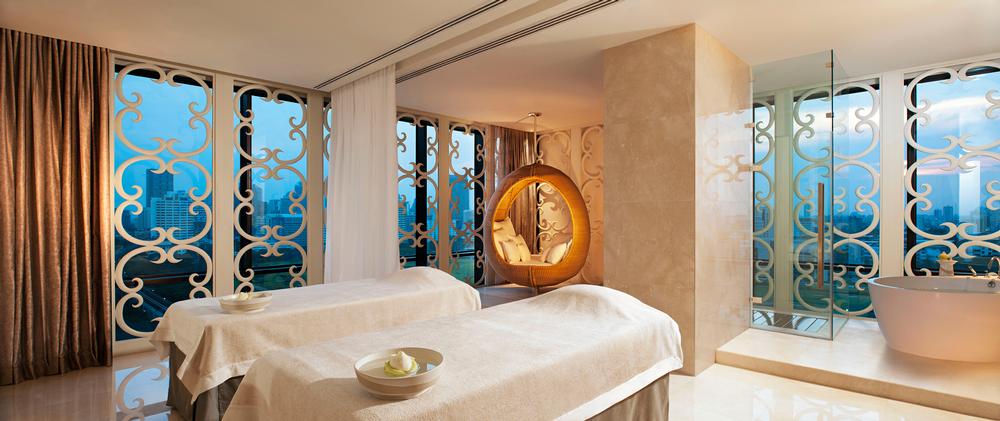
MSpa manages the Elemis Spa at The
St Regis Bangkok, as well as operating 43 other spas globally. It also distributes the Elemis brand in Thailand
MSpa manages the Elemis Spa at The
St Regis Bangkok, as well as operating 43 other spas globally. It also distributes the Elemis brand in Thailand
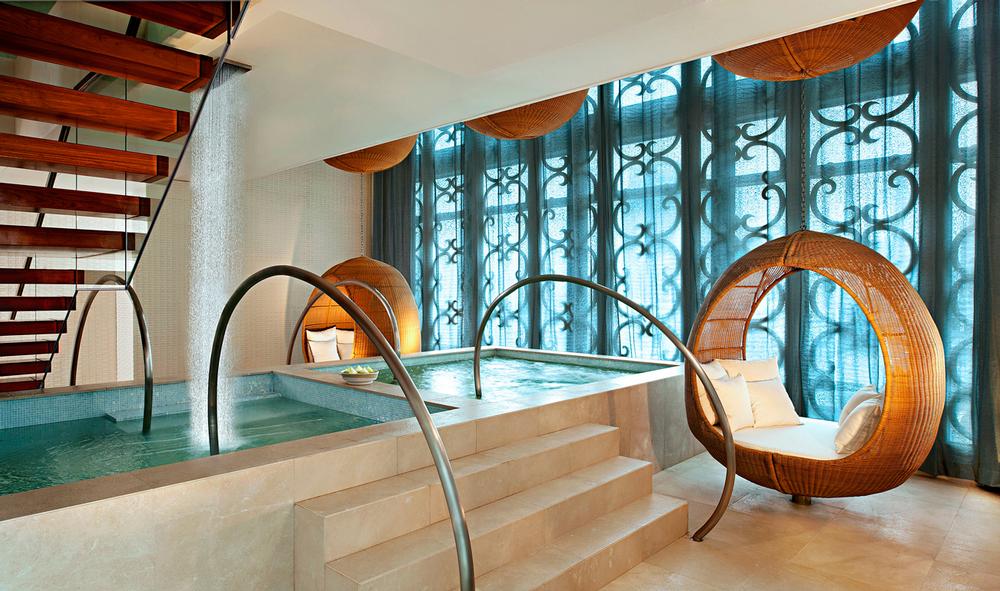
Aequalis Spa is an urban spa concept focused on ‘high tech, high touch’
Aequalis Spa is an urban spa concept focused on ‘high tech, high touch’
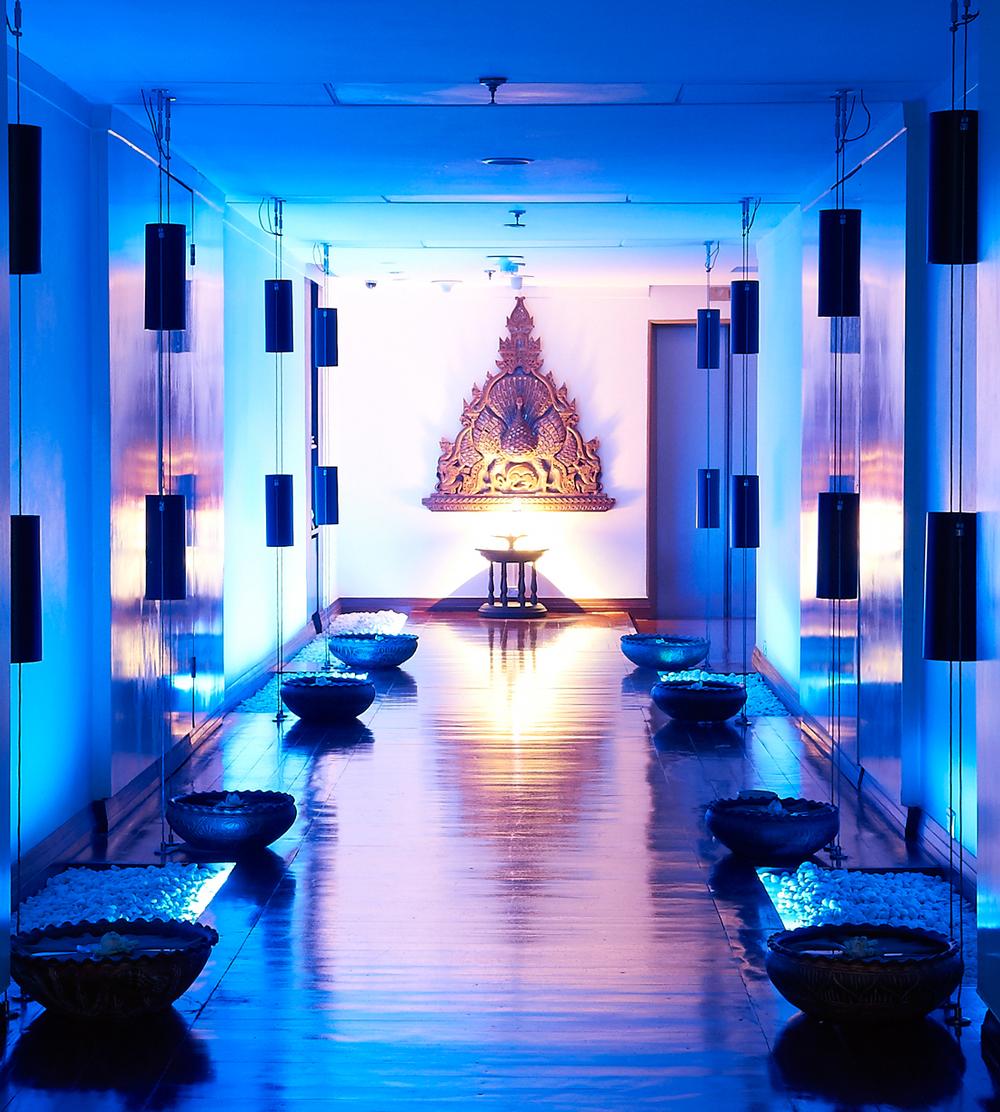
MHG bought a 50 per cent stake in
Per Aquum in July and is planning to develop up to 15 more properties to strengthen the brand name
Stephens thinks Africa is a very exciting market that’s ripe for spa development – out of 30 potential future projects,
10 are planned on the continent
MSpa International – the spa arm of the Minor Hotel Group – manages 44 spas, 450 staff and has 30 more potential projects. The general manager talks to us about the importance of brands, simple KPIs and Minor’s recent investment in Per Aquum
By Katie Barnes | Published in Spa Business 2013 issue 3
Stephens, who’s worked in the hair and beauty industry for 20 years, joined MSpa in mid 2012
This July, the Thai-based Minor Hotel Group (MHG) invested US$4m (€3m, £2.6m) to gain a 50 per cent stake in Per Aquum – the luxury boutique resort and spa management company famous for its Huvafen Fushi property in the Maldives which features one of the first underwater treatment rooms. Its plan is to build on the three existing Per Aquum properties – two in the Maldives and the Desert Palm in Dubai – by developing up to a possible 15 more.
The investment brings MHG’s portfolio to 94 hotels and resorts most of which are in Asia, although it has a growing presence in Africa and the Middle East. Forming part of Minor International (MINT) – a company listed on the stock exchange of Thailand (see p34) – MHG has aggressive expansion plans to grow to 150 properties in the next five years.
Lee David Stephens, the general manager of MSpa International, the group’s spa operations arm, explains what all of this means for his division and what exciting things we can expect in the future.
Brand appreciation As part of the Per Aquum deal, MSpa inherited the Lime Spa concept which Stephens describes as more of a design-led, upbeat spa offering in a region that’s typically focused on romance, reclusiveness and candlelit dinners. On working with the new brand he says: “We’ll levy our strengths in terms of operational support and give them [Per Aquum] access to our training, centralised bookings, e-commerce and sales and marketing systems; and as a profit-driven company, I’ll certainly be measuring performance of facilities.”
With the Lime Spa addition, MSpa now has six in-house spa concepts for both MHG and third-party properties (see p36). Its other brands include: Mandara Spa, the Steiner-owned concept which MSpa has the franchise licence for in Thailand and China; Anantara Spa, developed for MHG’s luxury hotels of the same name; Aequalis Spa, an urban spa concept focused on ‘high tech, high touch’ and the Individually Tailored Spa Collection, a bespoke line. Meanwhile, Avani Spa, its newest concept launched at two MHG-managed Avani properties in Sri Lanka in 2012, has been created as an upscale contemporary spa offering for those seeking tailor made treatments, who appreciate attention to detail and who also have a passion for design.
“MINT’s chairman and founder [William Heinecke] love brands,” says Stephens. “Many people think the M in MSpa stands for Minor, when it actually comes from Mandara – which we brought into our fold in 1999 to work with our Marriott properties.” He adds that MSpa is also the distributor for product house Elemis, another Steiner subsidiary, in Thailand, while it works with Amala in China and has developed its own in-house Anantara Spa product and amenities line.
Having so many spa and hotel brands works in the company’s favour in respect to mega-resorts – developments which feature multiple hotels on the same plot and which are becoming increasingly popular in Asia. “Our strength is that instead of having to go to three or four different companies, developers can just come to MHG and still have a choice,” says Stephens. The number of spa brands is also an indication of how valued the facilities are as part of the MHG offering. “Mr Heinecke has a passion for spas, pizza and private jets!” he says. “They [spas] are of paramount importance. Anyone can have a nice hotel and bed with Egyptian cotton sheets and featherdown pillows – but we sell experiences which are not told, but felt by their great local cuisine, comfortable rooms and, of course, great spas.”
Perhaps even more significant, however, is how spas are used by MHG as springboards into new territories. “MHG has opened in new markets through spas,” explains Stephens. “We first launched the Anantara brand in China by introducing an Anantara Spa at the PuLi Hotel in Shanghai in 2009. Now we have two Anantara resorts in the country, with another five in the pipeline. Interestingly, Anantara in China is mostly known for its spas.
“The same thing has happened in the UAE. We opened the Anantara Spa at the Emirates Palace Hotel in Abu Dhabi in 2006 and now there are four more Anantara properties there with another opening in Dubai in September.”
Career influences Stephens joined MSpa in June 2012 armed with a 20-year career in the beauty and spa industry. Originally from Liverpool, north England, the 40-year-old’s upbringing heavily influenced his route into the sector. “My dad built a yacht when I was 10 and our family emigrated to Majorca and lived on it,” he recalls. “I have many relatives, eight of who were hairdressers and/or barbers and that’s what I wanted to do too. My dad, who started his own career on cruise liners, suggested I took the opportunity to travel at the same time. So at the age of 20, I joined the QE2 as a hairdresser for Steiner and spent 10 years working in salons, fitness centres and spas progressing from supervisor, to assistant manager, manager and department head roles.”
Having travelled the world five times over Stephens became “absolutely captivated” with Hong Kong and felt it time to use his spa management skills on terra firma as the director of spas for the Beautiful Skin Centre Group (later becoming Paua and now trading as South China Cosmetics), which operated beauty centres, including the Elemis Day Spa and Victorian Spa at the Hong Kong Disneyland Hotel in the area. Then, while running his own company Sol Spa Services which distributed the Voya and Somme Institute brands, the chance to join MSpa came up. “I’d known Minor for many years and seen it dramatically increase from eight hotels to 80 in just a few years so I saw it as a great opportunity to be a part of that growth,” he says.
Role call Unlike other large hotel groups, where general managers of properties typically oversee the spas, MSpa is fully responsible for running its 44 facilities. From staffing, through to profit and loss – as a subsidiary of MHG and a company in its own right, its answerable to all financials which are closely monitored. This makes Stephens’ role slightly different to others who head up spas for hotel chains. He has 20 people dedicated to spas at the head office in Bangkok who report into him including directors of HR, procurement, training and development, finance, marketing and a country manager for Thailand where the biggest cluster of its spas are. These posts are very strategic, he says explaining that the marketing director gets involved in helping to drive spa capture rates and average spends with targeted, localised campaigns, as well as dealing with overall marketing.
He works particularly closely with director of operations Kathryn Moore (see p38) to co-ordinate projects coming up to ensure “the right staff are selected and are in place and that the managers know what they need to do in order to open on time, on budget and on brand – I’m a guardian of the quality of the brands.”
Of course, with 450 spa staff either employed directly by MSpa or hotel owners, finding, growing and keeping talent is a particular challenge. “We’re facing the same problems as everyone else – you have to grow your talent quickly because competition is hot on your heels.” While it’s still not easy to keep staff – therapists in Asia typically have little loyalty to companies because they’re in high demand – Stephens feels offering a clear career path helps. MSpa categorises its spas as A, B or C properties depending on their size, number of treatment rooms, location and calibre of hotel and holds monthly succession planning meetings with a view of promoting C managers up to B properties and B managers up to A properties. This part of the job, he says, keeps him driven: “I love seeing therapists and my corporate team develop.”
Another key responsibility Stephens has is keeping a tight control on spa KPIs. “As a public listed company, we’re performance driven and we look at our spa business the way we look at our hotels – so measuring revenue, treatment sales and average spend of guests comes naturally.” However, he admits financial terminology can be confusing, especially for managers who may be using a second language. “Just recently, we’ve made it even more simple by counting the number of treatments sold every day to measure performance and set seven day goals. When you’re dealing with more than 40 spas in 10 countries you need to have something that everyone can measure and follow.”
Out of Africa Currently, MSpa has more than 30 potential spa projects in the pipeline, says Stephens. Around three quarters of these are in MHG-branded properties, although third-party partnerships are still valued – “partnership is one of the five core values of MINT,” he adds. And while MHG has up until this point typically owned and operated its properties and spas, it’s starting to take on more management contracts to facilitate quicker expansion.
“However,” says Stephens, “there are some little gems out there which we would invest in and purchase as assets.” One such property, he confides, is the soon to open Anantara Phuket Layan Resort & Spa in Thailand which MHG acquired in 2012. The 77-villa site has undergone extensive refurbishment and is scheduled to reopen in early 2014. “We’ve gutted the spa and started it from new,” says Stephens. “It will be one of the most luxurious properties you can find.” In addition, MHG has acquired 5 hectares (12 acres) of adjacent hillside land overlooking the Andaman Sea to develop Anantara’s first residential property.
Africa is a continent that is of particular interest to MSpa. It already has three spas there – two in Tanzania and one in Egypt – and 10 out of its 30-plus possible future projects are planned in countries such as Morocco, Mozambique and in East Africa, with more development also underway in Tanzania. “It’s a very exciting market,” Stephens says. “We talk about the BRIC nations, but Africa has huge potential. It has an abundance of natural beauty and although you need to fix the infrastructure and make it accessible, African properties are absolutely waiting to happen.”
Neither is Stephens ruling out more spa brand development, revealing that MSpa is in discussions with a few external companies about creating a spa concept for them.
He concludes: “We’re growing very rapidly and as we do our strength and expertise grow so we become even more appealing to owners. We get calls all the time, so we can afford to be choosy with what we do and who we partner with. It’s not a bad predicament to have!”
Read more from this issue of Spa Business magazine
Interview: Lee David Stephens
Thai-based management company
MSpa runs 44 spas with 450 staff. The
General Manager talks to Katie Barnes
about a recent deal with Per Aquum
and its rapid expansion
Interview: Kathryn Moore
MSpa’s operations director is creating
a brand new wellness concept and a
fast track spa manager programme
Company Profile Promotion: GOCO Hospitality
After just four years of operation GOCO Hospitality is regarded as a global leader
in wellness hospitality segment of the industry. With 22 projects on its books,
spanning three continents, we look at what underpins the company’s success
Company profile promotion: Comfort Zone
The Comfort Zone spa brand has been newly revamped and revitalised to better communicate its core offerings as a natural, scientific and soul-centred skincare and lifestyle brand
Green: Being green
Ecocert’s new Being label is the first
public-facing green certification for
spa operations, eco-friendly
Promotional Feature: Part 4 - Pre-Opening
Opening a spa successfully is all about planning. Gary
Henkin, president of WTS and Doug Chambers, principal
of Blu Spas, share their experience of pre-opening
Company Profile Promotion: Aromatherapy Associates
Global product company Aromatherapy Associates knows how
to make treatments and retail work in a spa environment and
partners with operators to make a real point of difference
Industry survey: Price to pay
A GSWS report on global therapist pay focuses on differing salary composition, benefit and commission structures. Lisa Starr takes a closer look
Spa Retreat: Running on juice
Juice Master founder Jason Vale tells
Kate Cracknell about its retreats and
how juicing can help prevent disease
Interview: Wee Wei Ling
Neena Dhillon meets the founder of
St Gregory: the spa brand owned by Pan
Pacific that’s just opened a wellness
floor in Singapore’s ‘hotel in a garden’
Research: Moving target
A McKinsey study highlights the fast-changing
spending patterns of China’s
luxury consumers. Leonor Stanton
finds out what this means for spas
Advertisement Promotion: A gift from Ez-Runner...
Vouchers can be used as a stand-alone system integrated into your website or added as a module of Ez-Runner’s leisure management software to control your spa facility
Book: Majorca - The Island of Calm by Santiago Rusinol
Film: Everything by Perdo Almodovar
Season: Autumn
Leisure activity: Sailing. When I visit family in Spain, there’s always a boat or two to catch a ride on.
What do you do to relax? I try to avoid spas! Luckily, it’s easy to escape to a small island or beach villa in Thailand Non-MSpa spa: The Barai in Hua Hin
Treatment: I’m obsessed by traditional Turkish hammam treatments - I love the vigour, how it warms you to the core and leaves you simultaneously dazed and completely wide awake
Quote: “Twenty years from now you’ll be more disappointed with the things you didn’t do than the ones you did. So throw off the bowlines. Sail away from the safe harbour. Catch the trade winds in your sail. Explore. Dream. Discover” – Mark Twain
Who you admire: Without being sycophantic, our chairman and founder. Mr Heinecke’s built his empire from nothing and leads with a ‘drive culture’ that’s contagious
MINT CONDITION
Minor International (MINT) was founded in 1978 with a single beachfront resort in Pattaya, Thailand. Today, it’s one of the largest hospitality and leisure companies in the Asia Pacific region with a core net profit of THB3,4bn (US$105.8m, €79.8m, £68.3m) in 2012 – up an impressive 78 per cent from 2011.
Fifty per cent of MINT’s revenue come from its hotel and resort business, the Minor Hotel Group (MHG), comprising more than 90 hotels, resorts and serviced suites under brands such as Anantara, Marriott, Four Seasons, St Regis, Avani, Oaks and Per Aquum. Forty per cent of revenue is derived from the Minor Food Group– MINT is one of Asia’s largest quick-service restaurant companies – through brands such as The Pizza Company, Burger King, Dairy Queen and The Coffee Club. The remaining 10 per cent of revenue comes the Minor Retail arm of the company which distributes or franchises well-known retail brands in Thailand such as GAP, Espirit, Bossini and Tumi. Details: www.minorinternational.com
Anantara Spa is one of six MSpa brands. Most of the company’s sites are in Asia but it has a growing presence in Africa and the Middle East
Anantara Spa is one of six MSpa brands. Most of the company’s sites are in Asia but it has a growing presence in Africa and the Middle East
MSpa manages the Elemis Spa at The
St Regis Bangkok, as well as operating 43 other spas globally. It also distributes the Elemis brand in Thailand
MSpa manages the Elemis Spa at The
St Regis Bangkok, as well as operating 43 other spas globally. It also distributes the Elemis brand in Thailand
Aequalis Spa is an urban spa concept focused on ‘high tech, high touch’
Aequalis Spa is an urban spa concept focused on ‘high tech, high touch’
MHG bought a 50 per cent stake in
Per Aquum in July and is planning to develop up to 15 more properties to strengthen the brand name
Stephens thinks Africa is a very exciting market that’s ripe for spa development – out of 30 potential future projects,
10 are planned on the continent
People taking GLP-1 weight loss medications such as Ozempic, Wegovy, Mounjaro and Zepbound
may be losing weight, but they’re also becoming less physically active, according to new
research presented at the ENDO 2026 annual meeting of the Endocrine Society
Abu Dhabi-based investment firm Mubadala Capital has made a binding, fully financed
€1 billion
offer to acquire Pierre and Vacances SA, the European holiday resort operator behind the
continental European Center Parcs business.
Global retreat trade show, Synergy The Retreat Show, has launched a resource called The
Source, which hosts an open-access online Transformation Series programme.
The Standards Authority for Touch in Cancer Care (SATCC) charity has announced its first five-
day Living with Cancer and Beyond retreat, which will be held at Carden Park Hotel and Spa in
Cheshire, UK, between 1 and 5 September.
Patmos Aktis, a Luxury Collection Resort and Spa, has opened in Greece, with a renovated and
rebranded wellness offering called Ansana Wellness and Spa.
The Mauna Kea Beach Hotel, an Autograph Collection property in Hawaii, US, has opened its
22,000 sq ft indoor-outdoor Spa at Mauna Kea as the final step in the property’s overall
renovation, which has cost more than US$180 million (€166 million, £140 mill
The UK spa review and discovery platform for consumers, the Good Spa Guide, has announced
it will host the Good Spa Guide Awards 2026 during an event on 16 November at Sopwell House
Hotel in St Albans, UK.
Eighty-four per cent of consumers now say wellness is a top priority in their lives, with this
percentage increasing year on year, according to a preview presentation of McKinsey’s Future of
Wellness 2026 research report.
Mass protests have been taking place since Monday 1 June in Albania over the development of
a luxury resort by Donald Trump’s daughter Ivanka Trump and her husband Jared Kushner.
Global Wellness Day (GWD) marked its 15th anniversary on Saturday 13 June 2026, with the
theme: #JoyMagenta – a celebration of the healing qualities of simple gestures and activities
that spark joy.