A pioneer in contemporary thermal wellbeing resorts,
Therme Group already attracts 3.4 million visitors a year
to its sites in Germany and Romania. And now the COO
reveals exciting global expansion plans to Spa Business
By Katie Barnes | Published in Spa Business 2021 issue 2
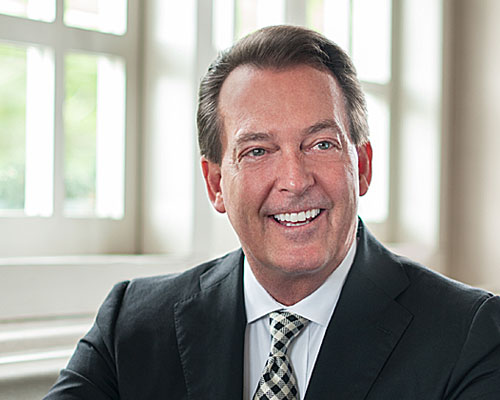
We redefine the concept of wellbeing with activities for children, adults and seniors – offering them both fun leisure time and relaxation,” says Stelian Iacob, COO and senior vice-president of the Therme Group, adding that the company is leading the charge in making the traditional thermal facility model more relevant to today’s consumers.
“Wellbeing has become a luxury for the privileged few,” he says. “But looking back to Roman and Elizabethan times, thermal spas weren’t just about relaxing and unwinding. They were for people of all backgrounds to meet, socialise and immerse themselves in culture in a way that benefitted all the dimensions of wellbeing: mental, physical, social and spiritual. And this is our goal.”
There are four operations for day guests run by Therme Group and Thermengruppe Josef Wund (see p59), three in Germany and one in Romania, which welcome 3.4 million visitors a year. Most recently, Therme Group secured planning permission for its biggest venue to date – a £250m (US$353.3m, €290.4m) development in Manchester, UK. But plans don’t stop there. The group is also looking at three other sites in the UK, one in Scotland, Wales and another in England, near London.
On a world-scale it’s working on further projects in mainland Europe – one has just been confirmed in Frankfurt – Asia Pacific and North America. Iacob insists none of these have been affected by COVID-19. If anything, they’ve been bolstered by it.
“The pandemic has shone a light on the global wellbeing crisis,” he says. “We’re seeing a much greater focus, by countries, organisations and the population at large, on the need to integrate healthy living into daily life and reconnect with nature and each other.”
So just what is the Therme Group concept, how was it created and what else can Iacob reveal about the rollout?
Technically speaking Therme Group is headquartered in Vienna, Austria, but also has offices in North America, Europe and Asia. It’s a part of A-Heat, a global firm specialising in heat exchange engineering.
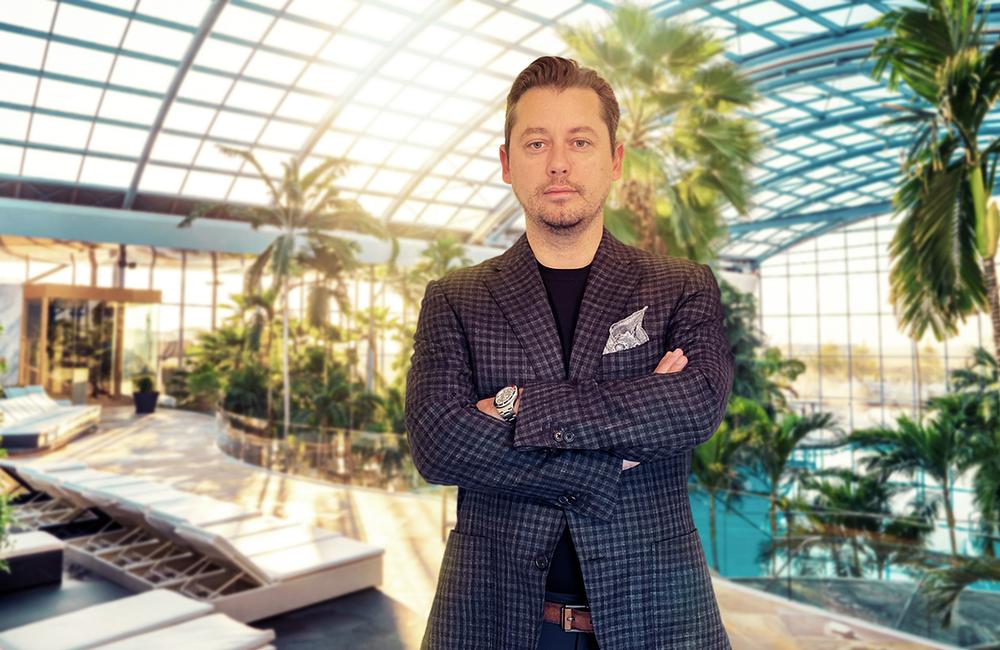
It’s this background that led it to plan and develop large-scale thermal resorts. To give you an idea of size, Therme Bucharest in Romania, opened in 2016, covers 30,000sq m and can fit in up to 4,000 guests at a time. Iacob describes it as “the world’s first fully sustainable thermal resort with LEED Platinum certification”.
He explains: “We use state-of-the-art sustainable systems based on natural processes to purify the environment, so guests are always breathing the freshest air and swimming in the cleanest water”. Plant-based air filtration systems monitor and adapt levels of air flow, heat, humidity and light, for example. Meanwhile, he claims that water recirculation systems create, in a matter of hours, geological processes which would normally take hundreds of years to produce water as “clean at the purest spring water”.
The water at all of Therme’s resorts is heated in a sustainable manner, whether from a natural source, like the 3km deep geothermal well in Bucharest, or man made via processes like heat recovery, heat exchange, trigeneration and solar panels.
The first resort launched in Schwartzwald, Germany, in 2010 in collaboration with Wund Holding, a worldwide developer and operator of bathing and leisure facilities. Since then, the two companies worked on projects in Sinsheim and Euskirchen in Germany, prior to the launch in Bucharest.
Just before the global pandemic hit, Therme and Wund announced a strategic partnership that sees them joining forces on an ambitious international expansion. The move includes the consolidation of their architectural and planning services to create a new division called Therme Arc. However, specific owner/management structures have not been disclosed and Iacob says these will “vary by global region, country and project”.
Wellbeing for all “We’re returning to the essence of global bathing traditions, but have reimagined them for the modern, urbanised world, driven by our belief in ‘wellbeing for all’,” says Iacob of Therme Group’s concept. The facilities do this by offering a broad range of water-based and wellness activities all under one roof and in accessible locations at affordable prices.
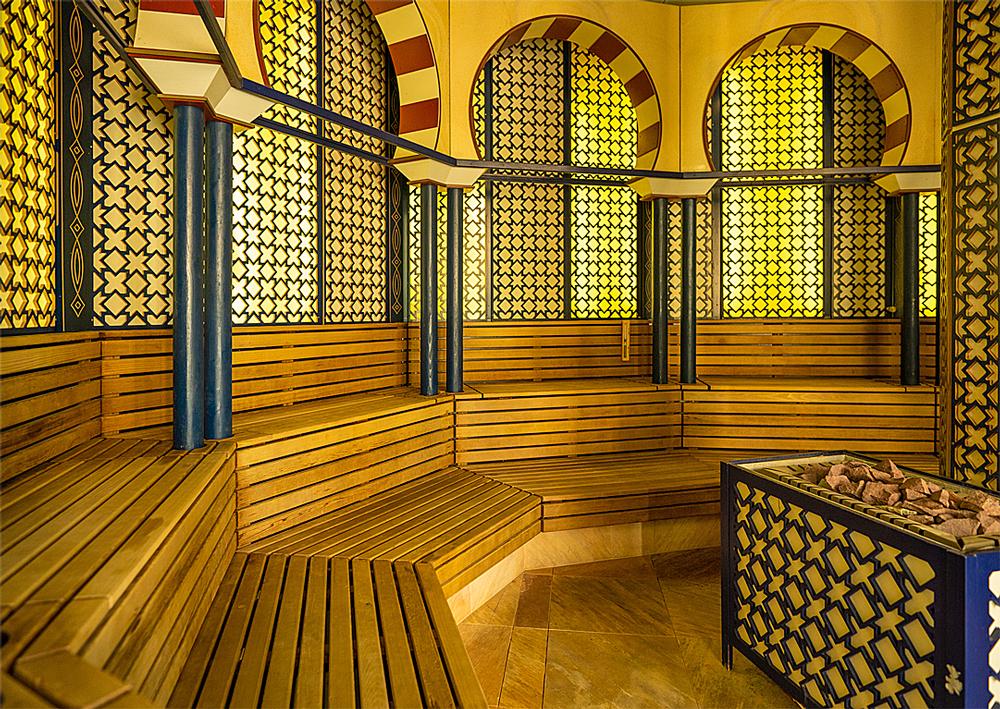
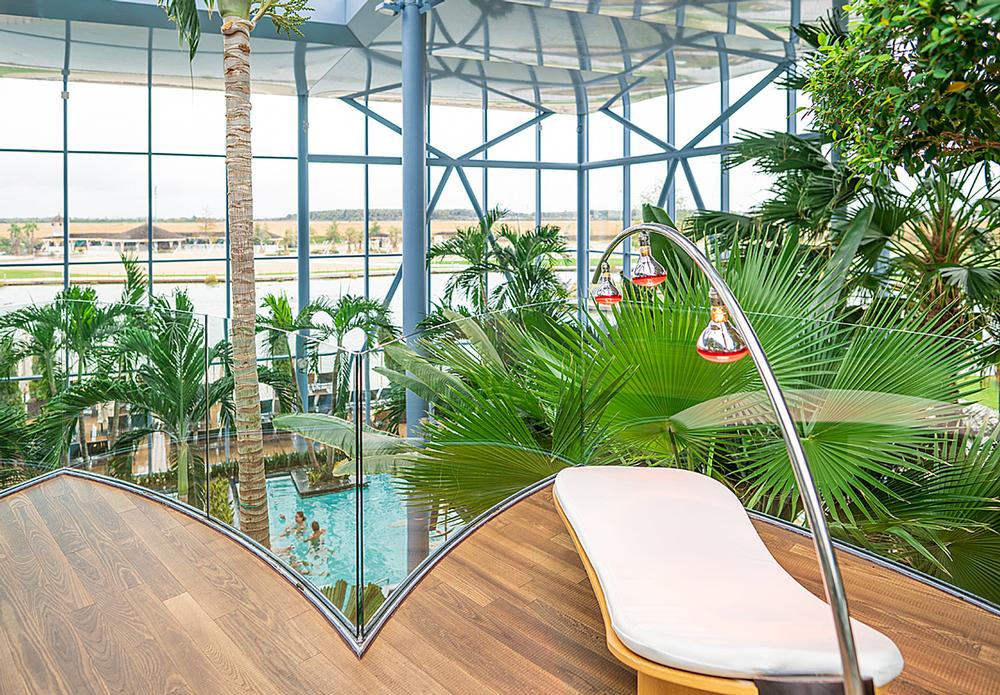
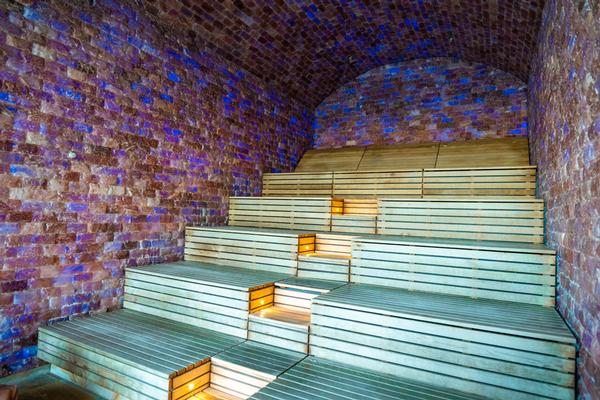
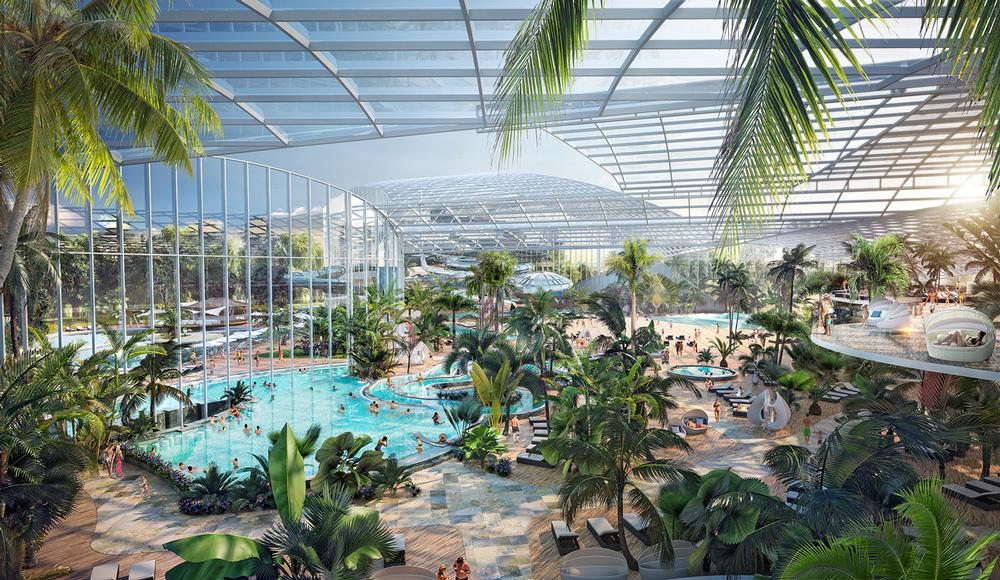
The thermal complexes are split into distinct zones. In Bucharest, for example, these include Galaxy, with its 16 waterslides and wave pools and The Palm which focuses on relaxation with a huge tropical lagoon, aromatherapy pools, outdoor pool and an external beach for summer use. Elysium, for people aged 16 and over, is the spa and wellness area which can host up to 800 people at a time. It features a panoramic pool enriched with zinc and selenium, six themed saunas, an infrared lounger area and three treatment cabins.
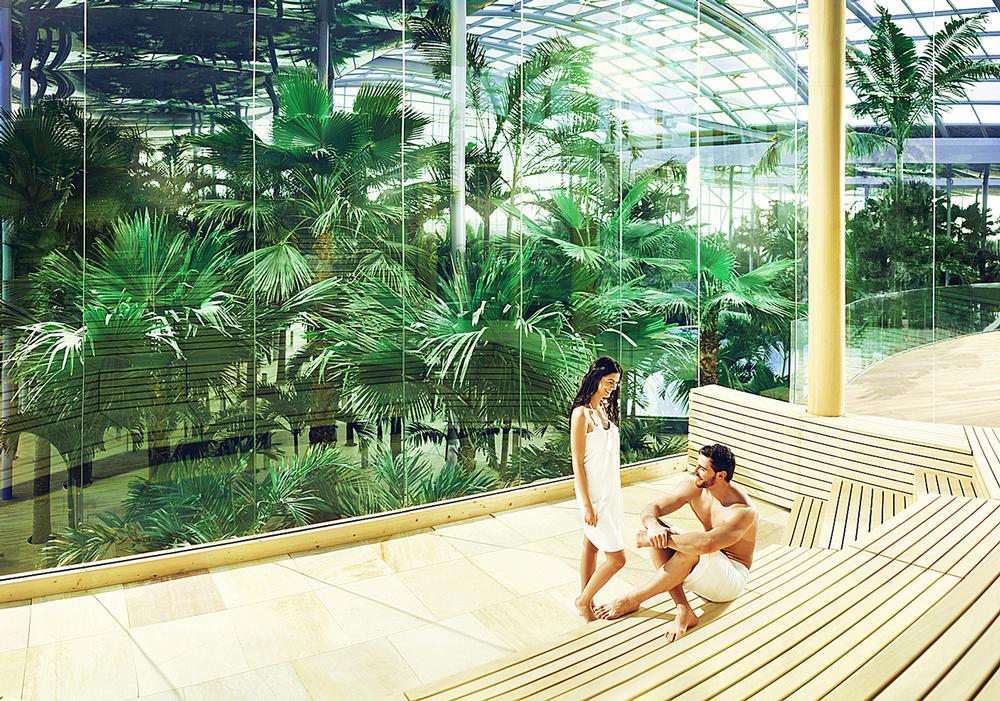
“The dedicated adult areas offer an essential opportunity to ‘unplug’ from the stresses and strains of daily life, including the always-on digital world,” says Iacob. “They enable people to focus on personal wellbeing while socialising with others and are perfect for couples, singles, groups of friends and seniors.”
He feels “guided multi-sensorial aufguss journeys in exquisitely designed saunas” are a particular highlight, along with the nature-based surroundings – Bucharest has up to 800,000 plants, including 1,500 palm trees and countless species of orchids – which create areas for yoga, pilates and meditation.
Located 10 minutes outside of the capital, Therme Bucharest attracted 4 million people in its first four years and while locals are its biggest market, Iacob says it’s becoming known as a worldwide wellbeing destination which draws visitors from the UK, Germany, Italy, Bulgaria, Israel and the US.
As with all Therme venues it’s a day attraction but it partners with local hotels for overnight deals. And many spas could learn from its dynamic pricing. Guests buy a time slot – 3 hours, 4.5 hours or all day – per zone, but costs vary according to time of day, whether it’s a weekday or weekend and age. Plus there are various family packages and concessions for people with disabilities.
In Elysium, the most expensive zone, prices start at RON79 (US$20, €16, £14) in the week for a single adult for 3 hours, or RON88 (US$22, €18, £15) at weekends, and go up to RON100 (US$25, €20, £17) and RON109 (US$27, €22, £19), respectively, for a whole day.
In Germany the model is slightly different. Costs change per time slot, day of the week and user, but also according to lounger location – you can view an entire plan of the complex online and see which ones are booked – and type, such as a luxury bed in a private room with food/drinks service.
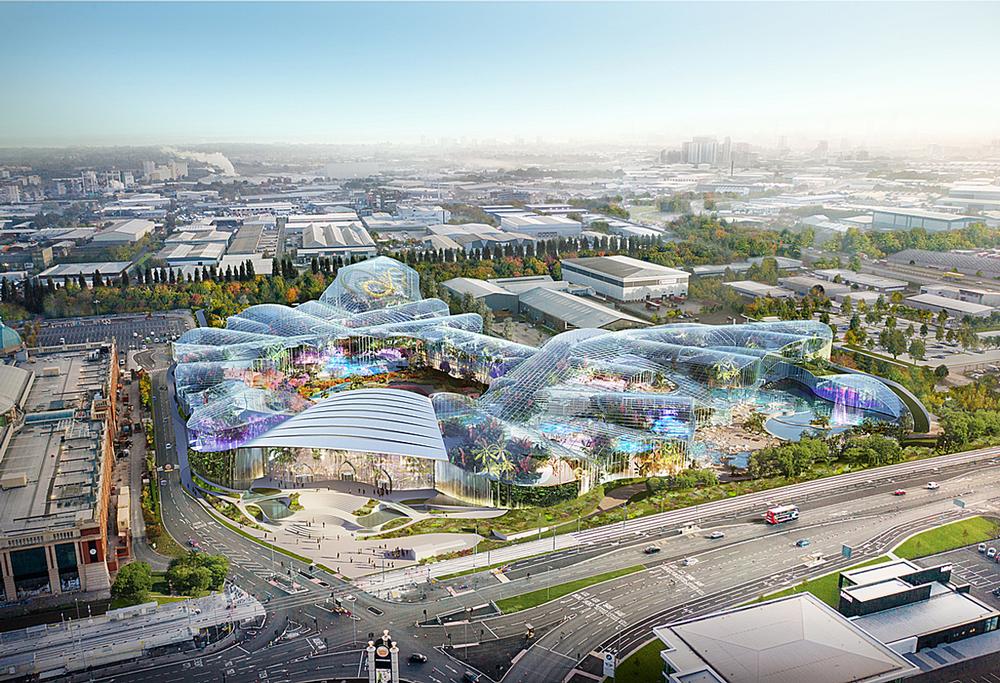
A UK first In early 2020, Therme Group revealed plans for its first site outside of mainland Europe in Manchester, north England. Located in TraffordCity, a retail and leisure destination five miles to the west of the city centre, work is already underway on the development which covers 28 acres, the equivalent of 19 football pitches, and is still on track for completion in 2023.
“This a major project for the leisure and wellbeing sector in the UK,” says Iacob, hitting the nail on the head when he calls it “a completely new concept for the country”. The building itself will take up 100,000sq m, making it three times the size of the facility in Bucharest, and will have the capacity for around 7,500 guests at a time.
“The location has excellent public transport links, serving a regional population of over 6 million,” he explains, “which will enable us to bring an everyday holiday to people throughout the north-west of England. Within the first few years of operation, we anticipate up to 2 million visitors annually, making it the most visited all-season water-based attraction in the world.”
The Manchester complex will be based on the zoned approach of other Therme sites, offering hundreds of water-based activities for family fun. But in comparison, more space – at least half of the facility – will be dedicated to adults and focus on relaxation, spa and treatments. Features will include indoor and outdoor pools, swim-up bars, mineral baths of selenium, calcium, lithium and Dead Sea salt, vitamin-enriched pools, beautifully designed steamrooms as well as aufguss saunas.
The show-stopper looks set to be Genesis, a new zone which Iacob bills as a “completely new concept in the world of wellbeing”. While he’s reluctant to give away precise details, he does reveal that “advanced body scanners and expert therapists will be used to personally design programmes for guests picked from authentic treatments from around the world”.
With worldwide expansion on the cards, he also hints at further evolution focusing on areas such as nutrition and biomarker testing, live monitoring of physiological indicators, on-site urban farming, advanced wellness concepts and even brain-computer interface therapies.
Nature and art Nature, art and culture is also key to Therme’s approach to wellbeing. Green building is a priority for the group and, like Therme Bucharest, Therme Manchester will be built to LEED Platinum standards, Iacob says, explaining that Therme Arc has created its own BioTrue approach to development which is based on biomimicry and biophilic design principles.
A central focus of the Manchester project will be a 2-acre wellbeing garden in the shape of a rose, the national flower of England. “We’ve even developed technology delivering wellbeing for trees,” says Iacob. “Our bespoke systems monitor thousands of trees to deliver the necessary water, cooled air and nutrients to optimise plant health.”
Therme Group is also looking to align itself with WELL certification where buildings are designed according to their impact on people’s health and wellbeing. On top of this, it’s working on a five-year research fellowship with the University of Glasgow to research how architecture and the environment, including thermal baths, can foster a sense of wellness.
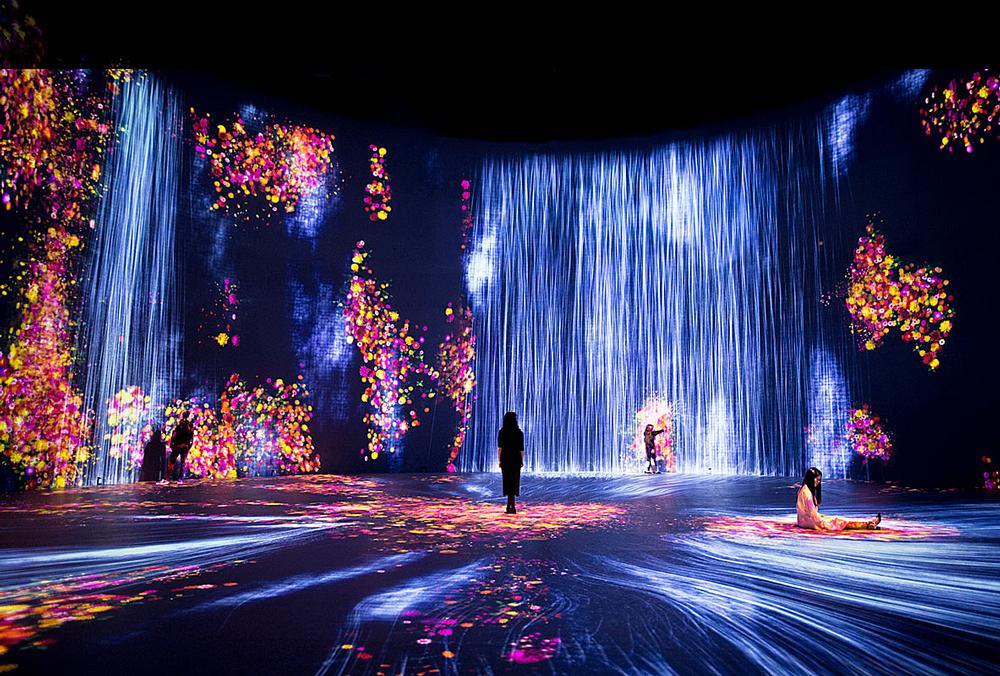
Therme Group is just as passionate about art and culture and under its dedicated Therme Art initiative is investing in companies like Superblue, which specialises in digital and experiential art installations and exhibitions. The idea is that such experiences will be made available in its resorts worldwide.
COVID-safe measures Since coronavirus, Therme’s resorts have been operating intermittently based on case numbers in Germany and Romania.
“It’s only natural to expect guests to have a greater focus on hygiene and safety and the important takeaway is that our facilities provide the safest spaces against COVID-19 and virus transmission,” Iacob says, adding that the group already uses HEPA (medical grade) air filtration and double UVC treatment on recovered air. Ozone is used in the water to neutralise 99.99 per cent of bacteria and viruses “three times faster than chlorine-based systems”.
Most new safety measures have been digital – using the existing customer wristband system to ensure zones don’t go over new capacity restrictions and introducing advanced online booking. Iacob says: “This has enabled us to deliver an exceptional experience – we’ve had our highest satisfaction levels ever in the past year – with a minimal drop in revenues by optimising venue usage.”
He’s also adamant that there’s been no substantial impact on the time line of the Manchester development and remains confident about existing sites and the global rollout. “We take the long view in our approach to projects around the world,” he explains. “As a business model, a Therme project is highly resilient with stable and strong returns and double-digit EBITDA margins in every location.”
In fact, given the company’s multi-faceted wellness proposition, Iacob expects it to do well as consumers begin to focus more on their health. “We have an extremely positive view of the future. Both for the industry and the advance of human and planetary wellbeing.”
Katie Barnes is the editor of Spa Business magazine
| [email protected]
Read more from this issue of Spa Business magazine
Spa people: Adrian Zecha
Adrian Zecha talks about his latest brands and why he's not planning retirement anytime soon
Spa people: Michala Chatel
Ultima Collection's managing partner explains why and how it's adding wellness options to exclusively rented villas and properties
Spa people: Stephanie Stahl
The Ace of Air co-founder tackles sustainability head on with a 'buy the product rent the packaging' scheme
Menu engineering: At your service
Art and sauna bathing collide in a Japanese exhibition; Banyan Tree rolls out its Wellbeing Sanctuary concept globally
Top team: Capella
Neena Dhillon talks to the owning company and senior executives from this burgeoning Asian hospitality brand with a passion for wellness
Ask an Expert: Treating Long COVID
One in 20 people who've had coronavirus are still battling its side effects for three months or more. How can spas help?
Promotion: Art of Cryo: Cool night's sleep
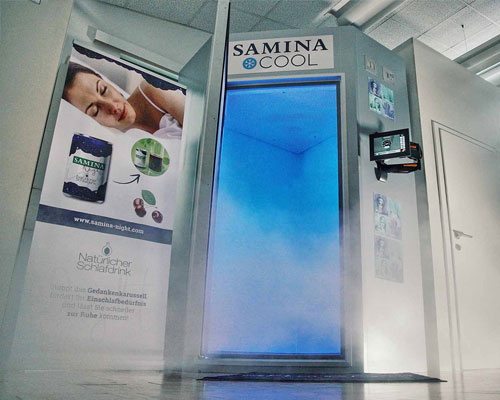
High-performance cryo chamber specialist Art of Cryo joins forces with leading bed manufacturer Samina to launch cryo centres for sleep health
Interview: Stelian Iacob
Therme Group's COO tells Katie Barnes how it's making the traditional thermal facility model more relevant to today's consumers
First person: Yasuragi
Spas in Sweden stayed open in the pandemic, but does the nation still have an appetite for wellness? Andrew Gibson investigates at this Japanese concept spa hotel near Stockholm
Interview: Tammy Pahel
The VP of spa at Carillon Miami candidly shares some of the challenges of the past year with Lisa Starr and explains why she's investing in touchless innovations
Spa survey: Wellness time
A new consumer survey shows how people's attitudes towards wellness and spas have changed. Mindbody's Katherine Wernet
Focus on: IV nutrition therapy
Is IV nutrition therapy as credible as some spas claim? Lisa Starr investigates this increasingly popular treatment
The MSpa Oslo series is a perennial bestseller in global markets. With innovative
engineering and premium performance, this completely portable spa line-up is expertly
designed to meet the needs of customers worldwide. [more...]
A pioneer in contemporary thermal wellbeing resorts,
Therme Group already attracts 3.4 million visitors a year
to its sites in Germany and Romania. And now the COO
reveals exciting global expansion plans to Spa Business
By Katie Barnes | Published in Spa Business 2021 issue 2
We redefine the concept of wellbeing with activities for children, adults and seniors – offering them both fun leisure time and relaxation,” says Stelian Iacob, COO and senior vice-president of the Therme Group, adding that the company is leading the charge in making the traditional thermal facility model more relevant to today’s consumers.
“Wellbeing has become a luxury for the privileged few,” he says. “But looking back to Roman and Elizabethan times, thermal spas weren’t just about relaxing and unwinding. They were for people of all backgrounds to meet, socialise and immerse themselves in culture in a way that benefitted all the dimensions of wellbeing: mental, physical, social and spiritual. And this is our goal.”
There are four operations for day guests run by Therme Group and Thermengruppe Josef Wund (see p59), three in Germany and one in Romania, which welcome 3.4 million visitors a year. Most recently, Therme Group secured planning permission for its biggest venue to date – a £250m (US$353.3m, €290.4m) development in Manchester, UK. But plans don’t stop there. The group is also looking at three other sites in the UK, one in Scotland, Wales and another in England, near London.
On a world-scale it’s working on further projects in mainland Europe – one has just been confirmed in Frankfurt – Asia Pacific and North America. Iacob insists none of these have been affected by COVID-19. If anything, they’ve been bolstered by it.
“The pandemic has shone a light on the global wellbeing crisis,” he says. “We’re seeing a much greater focus, by countries, organisations and the population at large, on the need to integrate healthy living into daily life and reconnect with nature and each other.”
So just what is the Therme Group concept, how was it created and what else can Iacob reveal about the rollout?
Technically speaking Therme Group is headquartered in Vienna, Austria, but also has offices in North America, Europe and Asia. It’s a part of A-Heat, a global firm specialising in heat exchange engineering.
It’s this background that led it to plan and develop large-scale thermal resorts. To give you an idea of size, Therme Bucharest in Romania, opened in 2016, covers 30,000sq m and can fit in up to 4,000 guests at a time. Iacob describes it as “the world’s first fully sustainable thermal resort with LEED Platinum certification”.
He explains: “We use state-of-the-art sustainable systems based on natural processes to purify the environment, so guests are always breathing the freshest air and swimming in the cleanest water”. Plant-based air filtration systems monitor and adapt levels of air flow, heat, humidity and light, for example. Meanwhile, he claims that water recirculation systems create, in a matter of hours, geological processes which would normally take hundreds of years to produce water as “clean at the purest spring water”.
The water at all of Therme’s resorts is heated in a sustainable manner, whether from a natural source, like the 3km deep geothermal well in Bucharest, or man made via processes like heat recovery, heat exchange, trigeneration and solar panels.
The first resort launched in Schwartzwald, Germany, in 2010 in collaboration with Wund Holding, a worldwide developer and operator of bathing and leisure facilities. Since then, the two companies worked on projects in Sinsheim and Euskirchen in Germany, prior to the launch in Bucharest.
Just before the global pandemic hit, Therme and Wund announced a strategic partnership that sees them joining forces on an ambitious international expansion. The move includes the consolidation of their architectural and planning services to create a new division called Therme Arc. However, specific owner/management structures have not been disclosed and Iacob says these will “vary by global region, country and project”.
Wellbeing for all “We’re returning to the essence of global bathing traditions, but have reimagined them for the modern, urbanised world, driven by our belief in ‘wellbeing for all’,” says Iacob of Therme Group’s concept. The facilities do this by offering a broad range of water-based and wellness activities all under one roof and in accessible locations at affordable prices.
The thermal complexes are split into distinct zones. In Bucharest, for example, these include Galaxy, with its 16 waterslides and wave pools and The Palm which focuses on relaxation with a huge tropical lagoon, aromatherapy pools, outdoor pool and an external beach for summer use. Elysium, for people aged 16 and over, is the spa and wellness area which can host up to 800 people at a time. It features a panoramic pool enriched with zinc and selenium, six themed saunas, an infrared lounger area and three treatment cabins.
“The dedicated adult areas offer an essential opportunity to ‘unplug’ from the stresses and strains of daily life, including the always-on digital world,” says Iacob. “They enable people to focus on personal wellbeing while socialising with others and are perfect for couples, singles, groups of friends and seniors.”
He feels “guided multi-sensorial aufguss journeys in exquisitely designed saunas” are a particular highlight, along with the nature-based surroundings – Bucharest has up to 800,000 plants, including 1,500 palm trees and countless species of orchids – which create areas for yoga, pilates and meditation.
Located 10 minutes outside of the capital, Therme Bucharest attracted 4 million people in its first four years and while locals are its biggest market, Iacob says it’s becoming known as a worldwide wellbeing destination which draws visitors from the UK, Germany, Italy, Bulgaria, Israel and the US.
As with all Therme venues it’s a day attraction but it partners with local hotels for overnight deals. And many spas could learn from its dynamic pricing. Guests buy a time slot – 3 hours, 4.5 hours or all day – per zone, but costs vary according to time of day, whether it’s a weekday or weekend and age. Plus there are various family packages and concessions for people with disabilities.
In Elysium, the most expensive zone, prices start at RON79 (US$20, €16, £14) in the week for a single adult for 3 hours, or RON88 (US$22, €18, £15) at weekends, and go up to RON100 (US$25, €20, £17) and RON109 (US$27, €22, £19), respectively, for a whole day.
In Germany the model is slightly different. Costs change per time slot, day of the week and user, but also according to lounger location – you can view an entire plan of the complex online and see which ones are booked – and type, such as a luxury bed in a private room with food/drinks service.
A UK first In early 2020, Therme Group revealed plans for its first site outside of mainland Europe in Manchester, north England. Located in TraffordCity, a retail and leisure destination five miles to the west of the city centre, work is already underway on the development which covers 28 acres, the equivalent of 19 football pitches, and is still on track for completion in 2023.
“This a major project for the leisure and wellbeing sector in the UK,” says Iacob, hitting the nail on the head when he calls it “a completely new concept for the country”. The building itself will take up 100,000sq m, making it three times the size of the facility in Bucharest, and will have the capacity for around 7,500 guests at a time.
“The location has excellent public transport links, serving a regional population of over 6 million,” he explains, “which will enable us to bring an everyday holiday to people throughout the north-west of England. Within the first few years of operation, we anticipate up to 2 million visitors annually, making it the most visited all-season water-based attraction in the world.”
The Manchester complex will be based on the zoned approach of other Therme sites, offering hundreds of water-based activities for family fun. But in comparison, more space – at least half of the facility – will be dedicated to adults and focus on relaxation, spa and treatments. Features will include indoor and outdoor pools, swim-up bars, mineral baths of selenium, calcium, lithium and Dead Sea salt, vitamin-enriched pools, beautifully designed steamrooms as well as aufguss saunas.
The show-stopper looks set to be Genesis, a new zone which Iacob bills as a “completely new concept in the world of wellbeing”. While he’s reluctant to give away precise details, he does reveal that “advanced body scanners and expert therapists will be used to personally design programmes for guests picked from authentic treatments from around the world”.
With worldwide expansion on the cards, he also hints at further evolution focusing on areas such as nutrition and biomarker testing, live monitoring of physiological indicators, on-site urban farming, advanced wellness concepts and even brain-computer interface therapies.
Nature and art Nature, art and culture is also key to Therme’s approach to wellbeing. Green building is a priority for the group and, like Therme Bucharest, Therme Manchester will be built to LEED Platinum standards, Iacob says, explaining that Therme Arc has created its own BioTrue approach to development which is based on biomimicry and biophilic design principles.
A central focus of the Manchester project will be a 2-acre wellbeing garden in the shape of a rose, the national flower of England. “We’ve even developed technology delivering wellbeing for trees,” says Iacob. “Our bespoke systems monitor thousands of trees to deliver the necessary water, cooled air and nutrients to optimise plant health.”
Therme Group is also looking to align itself with WELL certification where buildings are designed according to their impact on people’s health and wellbeing. On top of this, it’s working on a five-year research fellowship with the University of Glasgow to research how architecture and the environment, including thermal baths, can foster a sense of wellness.
Therme Group is just as passionate about art and culture and under its dedicated Therme Art initiative is investing in companies like Superblue, which specialises in digital and experiential art installations and exhibitions. The idea is that such experiences will be made available in its resorts worldwide.
COVID-safe measures Since coronavirus, Therme’s resorts have been operating intermittently based on case numbers in Germany and Romania.
“It’s only natural to expect guests to have a greater focus on hygiene and safety and the important takeaway is that our facilities provide the safest spaces against COVID-19 and virus transmission,” Iacob says, adding that the group already uses HEPA (medical grade) air filtration and double UVC treatment on recovered air. Ozone is used in the water to neutralise 99.99 per cent of bacteria and viruses “three times faster than chlorine-based systems”.
Most new safety measures have been digital – using the existing customer wristband system to ensure zones don’t go over new capacity restrictions and introducing advanced online booking. Iacob says: “This has enabled us to deliver an exceptional experience – we’ve had our highest satisfaction levels ever in the past year – with a minimal drop in revenues by optimising venue usage.”
He’s also adamant that there’s been no substantial impact on the time line of the Manchester development and remains confident about existing sites and the global rollout. “We take the long view in our approach to projects around the world,” he explains. “As a business model, a Therme project is highly resilient with stable and strong returns and double-digit EBITDA margins in every location.”
In fact, given the company’s multi-faceted wellness proposition, Iacob expects it to do well as consumers begin to focus more on their health. “We have an extremely positive view of the future. Both for the industry and the advance of human and planetary wellbeing.”
Katie Barnes is the editor of Spa Business magazine
| [email protected]
Read more from this issue of Spa Business magazine
Spa people: Adrian Zecha
Adrian Zecha talks about his latest brands and why he's not planning retirement anytime soon
Spa people: Michala Chatel
Ultima Collection's managing partner explains why and how it's adding wellness options to exclusively rented villas and properties
Spa people: Stephanie Stahl
The Ace of Air co-founder tackles sustainability head on with a 'buy the product rent the packaging' scheme
Menu engineering: At your service
Art and sauna bathing collide in a Japanese exhibition; Banyan Tree rolls out its Wellbeing Sanctuary concept globally
Top team: Capella
Neena Dhillon talks to the owning company and senior executives from this burgeoning Asian hospitality brand with a passion for wellness
Ask an Expert: Treating Long COVID
One in 20 people who've had coronavirus are still battling its side effects for three months or more. How can spas help?
Promotion: Art of Cryo: Cool night's sleep
High-performance cryo chamber specialist Art of Cryo joins forces with leading bed manufacturer Samina to launch cryo centres for sleep health
Interview: Stelian Iacob
Therme Group's COO tells Katie Barnes how it's making the traditional thermal facility model more relevant to today's consumers
First person: Yasuragi
Spas in Sweden stayed open in the pandemic, but does the nation still have an appetite for wellness? Andrew Gibson investigates at this Japanese concept spa hotel near Stockholm
Interview: Tammy Pahel
The VP of spa at Carillon Miami candidly shares some of the challenges of the past year with Lisa Starr and explains why she's investing in touchless innovations
Spa survey: Wellness time
A new consumer survey shows how people's attitudes towards wellness and spas have changed. Mindbody's Katherine Wernet
Focus on: IV nutrition therapy
Is IV nutrition therapy as credible as some spas claim? Lisa Starr investigates this increasingly popular treatment
TLee Spas and Wellness has revealed the design concept for a high-tech spa with body
mapping scanners to improve public health, for AI company Midjourney.
Ameyalli, the 78-acre wellbeing resort and residential community in Midway in Utah, US, has
broken ground on phase two of the hot spring development – the Ameyalli Resort and Spa –
which is due to open in 2028.
Gran Hotel Taoro in northern Tenerife, Spain, has completed the final phase of its three-year
renovation with the debut of its Sandára Wellness Centre.
Hand and Stone Massage and Facial Spa, the spa business with more than 650 locations across
the US and Canada, has appointed franchise expert Carrie Walsh as CEO as the company plans
to expand.
Synergy – The Retreat Show, the global trade show for retreats, has launched a global research
initiative that will provide insights into the retreat sector from both consumer and industry
perspectives.
The Wellness Tourism Association (WTA) has published a non-regulatory global industry
framework designed to ensure the retreat market offers responsible experiences.
A new survey of UK and international spa practitioners shows that stress, burnout and
wellbeing concerns have caused one in three respondents to consider leaving the industry.
The UK's four Chief Medical Officers have published a refreshed edition of Physical activity
guidelines: UK Chief Medical Officers' report, updating the evidence that underpins the nation's
physical activity recommendations and placing greater emphasis on strength, balance, reducing
sedentary behaviour and, for the first time, supporting people taking weight loss medications.
The MSpa Oslo series is a perennial bestseller in global markets. With innovative
engineering and premium performance, this completely portable spa line-up is expertly
designed to meet the needs of customers worldwide. [more...]