Yes! Send me the FREE digital editions of Spa Business and Spa Business insider magazines and the FREE weekly Spa Business and Spa Business insider ezines and breaking news alerts!
The chair of the Global
Wellness Summit has been
fundamental in defining
the industry and continues
to drive it forward. But
how did she get to where
she is today and what’s
her vision of the future?
Jane Kitchen finds out
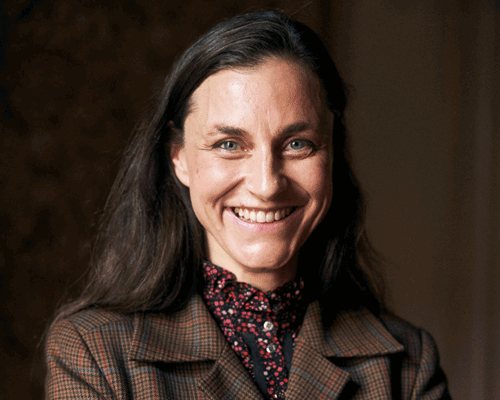
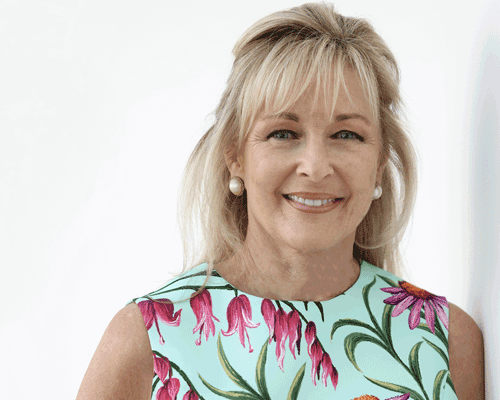
Ellis has given the wellness industry visibility on a global scale / photo: GLOBAL WELLNESS SUMMIT
Though most in the industry today know her as the face and driving force behind the Global Wellness Summit, Susie Ellis’ five-decade career in spa and wellness began in 1974 at the famous Golden Door in California, where she worked as a fitness instructor. Photos from that time show her as young, blonde, leotard-clad – and I can only imagine, full of pep. Fifty years later, that enthusiasm has not been curbed and she continues to push the wellness industry forward, identifying new segments and opportunities, encouraging us to be more inclusive and bringing more people into a global conversation about health and wellness.
The inaugural summit was held in New York in 2007 and now falls under the much wider umbrella of the Global Wellness Institute (GWI). This nonprofit organisation, which Ellis also heads up, has a mission to empower wellness worldwide by educating public and private sectors about preventative health and wellness.
From the beginning, Ellis recognised the importance of research for the industry. The first Global Spa Economy Research report was released the following year. It’s those numbers that have helped to define and measure our industry’s growth. Back then, the global spa economy was estimated to be worth more than US$250 billion (€230.2 billion, £196.7 billion). Today it’s part of a wider global wellness economy that’s valued at US$5.6 trillion (€4.24 trillion, £3.62 trillion).
Ellis has also been instrumental in introducing the concept of wellness tourism and the idea of wellness real estate, which has just been valued as a US$438 billion (€402.9 billion, £344.3 billion) industry (see p26). And the GWI’s research has expanded to include everything from mental wellness to wellness policy. These days, it’s rare to read an article on wellness that doesn’t reference those numbers.
Susie and I sat down to talk about the industry, her own history and the future of spa and wellness, in anticipation of her induction into the Wellness Hall of Fame (see p76).
How did you get started in the industry? I grew up in Illinois in the US and my parents were immigrants from Germany. They were both gymnasts, so there was always an understanding of the importance of exercise and gymnastics was something I was involved in and that was important to me.
My undergraduate degree was in recreation administration, but I was already working in the physical education area. This was back in the 70s, when aerobic dancing was just starting and I became an instructor. My very first job was in Albuquerque, New Mexico, at a place called Tom Young’s Health Spa. It was a small spa, but they had exercise equipment and I was able to teach.
From there, I ended up at Golden Door. It was 1974 and I was interviewed by Deborah Szekely (see www.spabusiness.com/szekelyhof). I immediately recognised that it was a really good fit for me. At the time, there was no spa industry and we weren’t using the word wellness, but the core of their philosophy was built around physical activity, healthy eating, stress reduction and beauty – what we look at now as the whole ecosystem of wellness was there. Guests would come for a whole week and the transformation I saw in people at that time was very inspiring and encouraging.
Tell us about your relationship with Deborah Szekely We initially became closer after she wrote a book and asked me to model the exercises in it. She went on TV shows to talk about it and asked me to go along. Maybe Deborah recognised a kindred passion and vision, but over the years she really has been a mentor and then she became a friend.
You both place importance on community and conversation. How has that shaped your work? I really learned that at the Golden Door. Guests came on Sunday and left the following Sunday and it was a group of about 39 people, small enough that they got to know one another. One thing Deborah did that was brilliant was rearrange the tables at evening dinners so cliques wouldn’t form. It was a subtle thing, but it meant there was a lot more mixing and exchanging of ideas.
This sense of community was the glue that put people together. The magic that no one else had. So when we started the summit, it was very intentional that we put people together, mixed people up and that there was no hierarchy. This has been very valuable. That’s why we have our lunch discussions with tables of six people – venues generally want to give you big tables of 12 and I just won’t have it. That’s why we also have a delegate directory with attendee’s contact details. The intention of connecting people is a big part of the DNA of my passion. It’s so important. Now more people are talking about it because of the loneliness crisis and research is backing up the fact that having connections with others is an important part of health.
How has the summit evolved? Our values include being future-focused, collaborative, evidence-based, nimble, inclusive and global. Perhaps this stems from my German roots and all the travel I’ve done. Early on, I saw the potential to learn so much from different countries – their practices and their healing methods. So that was the genesis of the GWS – the idea of bringing people from all over the world together to have conversations because we can learn from each other.
We started as the Global Spa Summit. I was working as president of Spafinder when I went to the World Economic Forum in Davos and saw the value of the format. It was international and invite-only, so it attracted decision-makers. It wasn’t about selling products and doing business. It was about thought leadership.
At the time, there was the ISPA conference in the US and a few spa-focused gatherings in Europe and Asia, but there wasn’t a worldwide summit. In 2007, we hosted the first event in New York, because it was a global city and easy to get to. It attracted 180 people and our agenda was modelled after Davos with thought-provoking discussions. It became clear that we needed research – figures that would help us define the industry and understand what impact it was having globally. We continued to create an enticing summit each year, moving it to many outstanding places around the world (see above) and becoming more inclusive of other fields, on top of spa, such as physical activity, beauty and nutrition.
How did you start to define the industry globally? I’d seen a study on the golf sector by SRI International and wanted something similar. So we hired the company that created that report and asked for the same researchers – Ophelia Yeung and Katherine Johnston – to work on our spa research. They worked on it for a year and realised that the industry was widely fragmented. They suggested bringing it all together by defining the word ‘spa’ very generically as “places that are improving body, mind and spirit”. Then underneath that umbrella term, you have all kinds of spas – resort, thermal, medical, ayurvedic, day – and adding up their combined revenue gets you a large number that people will pay attention to.
We had the figures at the second summit and made them available to everyone without cost. It was a major decision and it’s something I’m proud of. At that time, if you did research, you sold it to cover the high costs, but we realised there were very few people who had the vision to say there was a “spa industry” and thought it more important that everyone was able to look at the framework we created.
Over the years we’ve added to the data – first looking at the global wellness market as we saw the term bubbling up, then focusing on wellness tourism, wellness real estate and mental wellness. Importantly, we continued to make the research available to everyone.
What are you most proud of? I feel that I’ve helped define the wellness sector globally and helped give it visibility and momentum that has contributed greatly to its positive impact on the world’s health and today’s emphasis on prevention. I think our research numbers have had a global impact and continue to do so. I’m proud of that. I’m also proud that we’ve put up some guardrails for quality – those numbers can be relied on.
In quiet moments, I reflect on the fact that my work feels like a God-given calling to ultimately help disconnected entities around the world improve peoples’ body, mind and spirit – something that has now become the global powerhouse that we call the “wellness economy”.
What are your dreams? I’d like to see wellness become more democratised and have a lifelong desire to see the obesity trend reversed.
I also hope the wellness momentum we all feel today will accelerate. While the medical world continues its rapid scientific advancement to bring people back to health, individuals, families, companies, nonprofits and governments are also being inspired to engage in wellness pursuits to curb preventable illnesses.
I also dream about how the industry can contribute uniquely to climate and environmental concerns and ultimately, I’d love to see us trumpet the research that proves when a country invests in wellness, healthcare costs go down. That’s when we will have arrived.
How do you see wellness growing? I see increasing respect for the wellness sector as more people pursue optimal health, in conjunction with a need to actively focus on the health of our planet.
I also see an understanding of wellness diplomacy emerging, where countries work together to improve health and wellbeing for all. There are so many disagreements in the world, but when it comes to health and wellness, people rarely argue – they agree that it’s much better to be healthy than to spend money on making sick people well. The idea of prevention being something that can help with relationships between countries and people is something that we can start talking about.
What have you learned along the way? Health and wellness is best as a global conversation because we can learn a great deal from all people, regions and cultures. Community is part of the secret sauce, not only for personal health but also for accomplishing goals whether business, family, country, etc.
I feel called to be doing what I’m doing and think it’s had an impact – and I’m not finished! I still have a lot of excitement.
Global Wellness
Summit locations
• New York City, USA (2007)
• New York City, USA (2008)
• Interlaken, Switzerland (2009)
• Istanbul, Turkey (2010)
• Bali, Indonesia (2011)
• Aspen, USA (2012)
• New Delhi, India (2013)
• Marrakech, Morocco (2014)
• Mexico City, Mexico (2015)
• Kitzbühel, Austria (2016)
• Palm Beach, USA (2017)
• Cesena, Italy (2018)
• Singapore (2019)
• Palm Beach, USA (2020)
• Boston, USA (2021)
• Tel Aviv, Israel (2022)
• Miami, USA (2023)
The next summit will be held in St Andrews, Scotland this November
About the Wellness Hall of Fame
Backed by Spa Business magazine and chaired by Andrew Gibson, the Wellness Hall of Fame (WellHOF) was launched to recognise the work of our industry pioneers, while also enshrining their collective wisdom in a central library that we can all be proud of. See www.wellHOF.org for further details
Read more from this issue of Spa Business magazine
View contents of Spa Business 2024 issue 2
Editor's letter: Cool customers
Spas must adapt to unlock new avenues for growth while mitigating the impact of climate change, says Katie Barnes
Top Team: Therme Group
With its focus on affordable wellness, Therme Group is expanding its social spa concept globally. Jane Kitchen speaks to the people behind the brand
Interview: Susie Ellis
The chair of the Global Wellness Summit has been fundamental in defining the industry and continues to drive it forward
Sponsored: Comfort Zone: Powered by nature
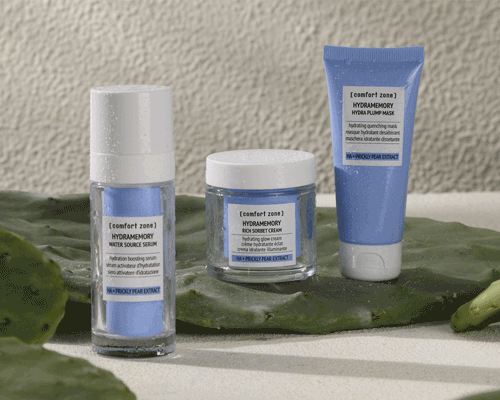
B Corp-certified skincare company Comfort Zone has added a new body lotion to its Hydramemory range, which is inspired by the water-retaining powers of desert plants
Interview: Roger Tempest
The owner of Broughton Sanctuary in the UK is transforming the 900-year-old estate into a retreat-based business
Sponsored: Lemi: touched by tech
Italian spa equipment supplier, Lemi, is embracing the trend towards tech-driven wellness treatments, while also driving sustainable industry practices
First person: The real deal?
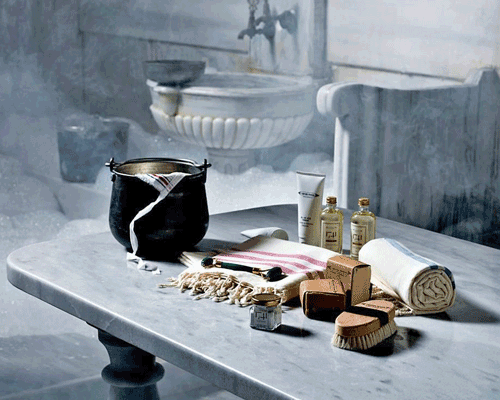
What’s the value of an authentic treatment? Andrew and Karin Gibson take to the hammams of Istanbul to find out
Wellness: Full recovery
SIRO is staking a claim to be the world’s first fitness and recovery hotel brand and is planning 100 properties. Lisa Starr visits the first site in Dubai
Sponsored: Gharieni: Defining the well universe
The launch of Gharieni’s new touchless technology brand
Metawell is perfectly aligned with the future direction of spa
and wellness, says the company’s CEO, Sammy Gharieni
Software: Member benefits
Up to a third of spa-goers now have a spa membership. What support can software systems offer?
Sponsored: Myrtha: Herbal Sauna
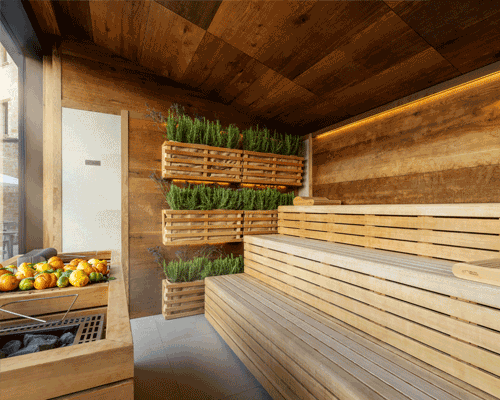
Pools and wellness facilities expert, Myrtha’s new Herbal Sauna, brings an innovative and therapeutic experience to the spa, says Stefano Cattaneo
Contrast therapy, based on the alternation of hot and cold rituals, has become one of the
most valued practices in the fields of wellness and recovery. [more...]
In the fast-paced world of fitness and wellness, where high-intensity workouts push us to
our limits and the sweat pours, the importance of efficient recovery cannot be overstated. [more...]
+ More featured suppliers
COMPANY PROFILES
Barr + Wray Ltd
Barr + Wray has more than 60 years’ experience in the design and delivery of world-class spa and wel [more...]
Lovinfit Group
Lovinfit Group was founded in Parma, Italy in 2016 by a team of doctors, wellness and sports profess [more...]
The chair of the Global
Wellness Summit has been
fundamental in defining
the industry and continues
to drive it forward. But
how did she get to where
she is today and what’s
her vision of the future?
Jane Kitchen finds out
Ellis has given the wellness industry visibility on a global scale / photo: GLOBAL WELLNESS SUMMIT
Though most in the industry today know her as the face and driving force behind the Global Wellness Summit, Susie Ellis’ five-decade career in spa and wellness began in 1974 at the famous Golden Door in California, where she worked as a fitness instructor. Photos from that time show her as young, blonde, leotard-clad – and I can only imagine, full of pep. Fifty years later, that enthusiasm has not been curbed and she continues to push the wellness industry forward, identifying new segments and opportunities, encouraging us to be more inclusive and bringing more people into a global conversation about health and wellness.
The inaugural summit was held in New York in 2007 and now falls under the much wider umbrella of the Global Wellness Institute (GWI). This nonprofit organisation, which Ellis also heads up, has a mission to empower wellness worldwide by educating public and private sectors about preventative health and wellness.
From the beginning, Ellis recognised the importance of research for the industry. The first Global Spa Economy Research report was released the following year. It’s those numbers that have helped to define and measure our industry’s growth. Back then, the global spa economy was estimated to be worth more than US$250 billion (€230.2 billion, £196.7 billion). Today it’s part of a wider global wellness economy that’s valued at US$5.6 trillion (€4.24 trillion, £3.62 trillion).
Ellis has also been instrumental in introducing the concept of wellness tourism and the idea of wellness real estate, which has just been valued as a US$438 billion (€402.9 billion, £344.3 billion) industry (see p26). And the GWI’s research has expanded to include everything from mental wellness to wellness policy. These days, it’s rare to read an article on wellness that doesn’t reference those numbers.
Susie and I sat down to talk about the industry, her own history and the future of spa and wellness, in anticipation of her induction into the Wellness Hall of Fame (see p76).
How did you get started in the industry? I grew up in Illinois in the US and my parents were immigrants from Germany. They were both gymnasts, so there was always an understanding of the importance of exercise and gymnastics was something I was involved in and that was important to me.
My undergraduate degree was in recreation administration, but I was already working in the physical education area. This was back in the 70s, when aerobic dancing was just starting and I became an instructor. My very first job was in Albuquerque, New Mexico, at a place called Tom Young’s Health Spa. It was a small spa, but they had exercise equipment and I was able to teach.
From there, I ended up at Golden Door. It was 1974 and I was interviewed by Deborah Szekely (see www.spabusiness.com/szekelyhof). I immediately recognised that it was a really good fit for me. At the time, there was no spa industry and we weren’t using the word wellness, but the core of their philosophy was built around physical activity, healthy eating, stress reduction and beauty – what we look at now as the whole ecosystem of wellness was there. Guests would come for a whole week and the transformation I saw in people at that time was very inspiring and encouraging.
Tell us about your relationship with Deborah Szekely We initially became closer after she wrote a book and asked me to model the exercises in it. She went on TV shows to talk about it and asked me to go along. Maybe Deborah recognised a kindred passion and vision, but over the years she really has been a mentor and then she became a friend.
You both place importance on community and conversation. How has that shaped your work? I really learned that at the Golden Door. Guests came on Sunday and left the following Sunday and it was a group of about 39 people, small enough that they got to know one another. One thing Deborah did that was brilliant was rearrange the tables at evening dinners so cliques wouldn’t form. It was a subtle thing, but it meant there was a lot more mixing and exchanging of ideas.
This sense of community was the glue that put people together. The magic that no one else had. So when we started the summit, it was very intentional that we put people together, mixed people up and that there was no hierarchy. This has been very valuable. That’s why we have our lunch discussions with tables of six people – venues generally want to give you big tables of 12 and I just won’t have it. That’s why we also have a delegate directory with attendee’s contact details. The intention of connecting people is a big part of the DNA of my passion. It’s so important. Now more people are talking about it because of the loneliness crisis and research is backing up the fact that having connections with others is an important part of health.
How has the summit evolved? Our values include being future-focused, collaborative, evidence-based, nimble, inclusive and global. Perhaps this stems from my German roots and all the travel I’ve done. Early on, I saw the potential to learn so much from different countries – their practices and their healing methods. So that was the genesis of the GWS – the idea of bringing people from all over the world together to have conversations because we can learn from each other.
We started as the Global Spa Summit. I was working as president of Spafinder when I went to the World Economic Forum in Davos and saw the value of the format. It was international and invite-only, so it attracted decision-makers. It wasn’t about selling products and doing business. It was about thought leadership.
At the time, there was the ISPA conference in the US and a few spa-focused gatherings in Europe and Asia, but there wasn’t a worldwide summit. In 2007, we hosted the first event in New York, because it was a global city and easy to get to. It attracted 180 people and our agenda was modelled after Davos with thought-provoking discussions. It became clear that we needed research – figures that would help us define the industry and understand what impact it was having globally. We continued to create an enticing summit each year, moving it to many outstanding places around the world (see above) and becoming more inclusive of other fields, on top of spa, such as physical activity, beauty and nutrition.
How did you start to define the industry globally? I’d seen a study on the golf sector by SRI International and wanted something similar. So we hired the company that created that report and asked for the same researchers – Ophelia Yeung and Katherine Johnston – to work on our spa research. They worked on it for a year and realised that the industry was widely fragmented. They suggested bringing it all together by defining the word ‘spa’ very generically as “places that are improving body, mind and spirit”. Then underneath that umbrella term, you have all kinds of spas – resort, thermal, medical, ayurvedic, day – and adding up their combined revenue gets you a large number that people will pay attention to.
We had the figures at the second summit and made them available to everyone without cost. It was a major decision and it’s something I’m proud of. At that time, if you did research, you sold it to cover the high costs, but we realised there were very few people who had the vision to say there was a “spa industry” and thought it more important that everyone was able to look at the framework we created.
Over the years we’ve added to the data – first looking at the global wellness market as we saw the term bubbling up, then focusing on wellness tourism, wellness real estate and mental wellness. Importantly, we continued to make the research available to everyone.
What are you most proud of? I feel that I’ve helped define the wellness sector globally and helped give it visibility and momentum that has contributed greatly to its positive impact on the world’s health and today’s emphasis on prevention. I think our research numbers have had a global impact and continue to do so. I’m proud of that. I’m also proud that we’ve put up some guardrails for quality – those numbers can be relied on.
In quiet moments, I reflect on the fact that my work feels like a God-given calling to ultimately help disconnected entities around the world improve peoples’ body, mind and spirit – something that has now become the global powerhouse that we call the “wellness economy”.
What are your dreams? I’d like to see wellness become more democratised and have a lifelong desire to see the obesity trend reversed.
I also hope the wellness momentum we all feel today will accelerate. While the medical world continues its rapid scientific advancement to bring people back to health, individuals, families, companies, nonprofits and governments are also being inspired to engage in wellness pursuits to curb preventable illnesses.
I also dream about how the industry can contribute uniquely to climate and environmental concerns and ultimately, I’d love to see us trumpet the research that proves when a country invests in wellness, healthcare costs go down. That’s when we will have arrived.
How do you see wellness growing? I see increasing respect for the wellness sector as more people pursue optimal health, in conjunction with a need to actively focus on the health of our planet.
I also see an understanding of wellness diplomacy emerging, where countries work together to improve health and wellbeing for all. There are so many disagreements in the world, but when it comes to health and wellness, people rarely argue – they agree that it’s much better to be healthy than to spend money on making sick people well. The idea of prevention being something that can help with relationships between countries and people is something that we can start talking about.
What have you learned along the way? Health and wellness is best as a global conversation because we can learn a great deal from all people, regions and cultures. Community is part of the secret sauce, not only for personal health but also for accomplishing goals whether business, family, country, etc.
I feel called to be doing what I’m doing and think it’s had an impact – and I’m not finished! I still have a lot of excitement.
Global Wellness
Summit locations
• New York City, USA (2007)
• New York City, USA (2008)
• Interlaken, Switzerland (2009)
• Istanbul, Turkey (2010)
• Bali, Indonesia (2011)
• Aspen, USA (2012)
• New Delhi, India (2013)
• Marrakech, Morocco (2014)
• Mexico City, Mexico (2015)
• Kitzbühel, Austria (2016)
• Palm Beach, USA (2017)
• Cesena, Italy (2018)
• Singapore (2019)
• Palm Beach, USA (2020)
• Boston, USA (2021)
• Tel Aviv, Israel (2022)
• Miami, USA (2023)
The next summit will be held in St Andrews, Scotland this November
About the Wellness Hall of Fame
Backed by Spa Business magazine and chaired by Andrew Gibson, the Wellness Hall of Fame (WellHOF) was launched to recognise the work of our industry pioneers, while also enshrining their collective wisdom in a central library that we can all be proud of. See www.wellHOF.org for further details
Read more from this issue of Spa Business magazine
View contents of Spa Business 2024 issue 2
Editor's letter: Cool customers
Spas must adapt to unlock new avenues for growth while mitigating the impact of climate change, says Katie Barnes
Top Team: Therme Group
With its focus on affordable wellness, Therme Group is expanding its social spa concept globally. Jane Kitchen speaks to the people behind the brand
Interview: Susie Ellis
The chair of the Global Wellness Summit has been fundamental in defining the industry and continues to drive it forward
Sponsored: Comfort Zone: Powered by nature
B Corp-certified skincare company Comfort Zone has added a new body lotion to its Hydramemory range, which is inspired by the water-retaining powers of desert plants
Interview: Roger Tempest
The owner of Broughton Sanctuary in the UK is transforming the 900-year-old estate into a retreat-based business
Sponsored: Lemi: touched by tech
Italian spa equipment supplier, Lemi, is embracing the trend towards tech-driven wellness treatments, while also driving sustainable industry practices
First person: The real deal?
What’s the value of an authentic treatment? Andrew and Karin Gibson take to the hammams of Istanbul to find out
Wellness: Full recovery
SIRO is staking a claim to be the world’s first fitness and recovery hotel brand and is planning 100 properties. Lisa Starr visits the first site in Dubai
Sponsored: Gharieni: Defining the well universe
The launch of Gharieni’s new touchless technology brand
Metawell is perfectly aligned with the future direction of spa
and wellness, says the company’s CEO, Sammy Gharieni
Software: Member benefits
Up to a third of spa-goers now have a spa membership. What support can software systems offer?
Sponsored: Myrtha: Herbal Sauna
Pools and wellness facilities expert, Myrtha’s new Herbal Sauna, brings an innovative and therapeutic experience to the spa, says Stefano Cattaneo
Hand and Stone Massage and Facial Spa, the spa business with more than 650 locations across
the US and Canada, has appointed franchise expert Carrie Walsh as CEO as the company plans
to expand.
Synergy – The Retreat Show, the global trade show for retreats, has launched a global research
initiative that will provide insights into the retreat sector from both consumer and industry
perspectives.
The Wellness Tourism Association (WTA) has published a non-regulatory global industry
framework designed to ensure the retreat market offers responsible experiences.
A new survey of UK and international spa practitioners shows that stress, burnout and
wellbeing concerns have caused one in three respondents to consider leaving the industry.
The UK's four Chief Medical Officers have published a refreshed edition of Physical activity
guidelines: UK Chief Medical Officers' report, updating the evidence that underpins the nation's
physical activity recommendations and placing greater emphasis on strength, balance, reducing
sedentary behaviour and, for the first time, supporting people taking weight loss medications.
Anna Bjurstam has left her role as Wellness Pioneer at Six Senses Hotels and Resorts and
launched a new wellness, longevity and “consciousness consultancy” called Wahayla.
Fairmont Cheshire, The Mere, has opened today (10 July) in the Northwest of England
with a
1,715sq m Fairmont Spa that has been designed using a ‘Wellness without Walls’
concept.
Wellness hotels generating less than US$1 million (€932,700, £785,200) – or 10 per cent of
total revenue from wellness and leisure – recorded the strongest RevPAR and TRevPAR growth
in 2025 across categories when compared with 2024, according to the latest Wellness Real
Estate Report by RLA Global, produced in partnership with P and L benchmarking firm HotStats.
Contrast therapy, based on the alternation of hot and cold rituals, has become one of the
most valued practices in the fields of wellness and recovery. [more...]
In the fast-paced world of fitness and wellness, where high-intensity workouts push us to
our limits and the sweat pours, the importance of efficient recovery cannot be overstated. [more...]
+ More featured suppliers
COMPANY PROFILES
Barr + Wray Ltd Barr + Wray has more than 60 years’ experience in the design and delivery of world-class spa and wel [more...]