A growing number of spas, such as The Ranch, now offer walking-based programmes / photo: the ranch hudson valley
Anew study by the University of Sydney is one of the first to objectively measure whether daily steps can offset the health risks of sedentary behaviour.
The results, published in the British Journal of Sports Medicine*, discovered that 10,000 steps a day can reduce the risk of premature death and cardiovascular disease the most, even if you’re inactive the rest of the time. What’s more, just a small number of steps can still make a difference.
The findings play into the growing popularity of walking-based programmes offered by numerous resort and destination spas worldwide.
Data tracking The research was based on 72,174 individuals (average age 61 and 58 per cent female) who wore an accelerometer device for seven days. The daily step count and time spent sedentary was calculated and the health trajectory of the participants was followed up via hospitalisation data and death records.
Participants who were inactive for less than 10.5 hours a day were classified as having low sedentary time and those who were inactive for more than 10.5 hours a day or more were considered to have high sedentary time.
all movement matters Based on the findings, the authors calculated that 9,000 to 10,000 steps per day was the optimal number to counteract high sedentary time. This lowered premature mortality risk by 39 per cent and cardiovascular disease risk by 21 per cent.
In both cases, 50 per cent of the benefit was achieved at between 4,000 and 4,500 steps a day. And researchers suggested that any amount of daily steps above 2,200 is associated with lower health risks regardless of the time spent being sedentary.
Lead author and research fellow, Dr Matthew Ahmadi, says: “This is by no means a get out of jail card for people who are sedentary for excessive periods of time, however, it does hold an important public health message that all movement matters.”
Senior author, professor Emmanuel Stamatakis, adds: “We hope this evidence will inform the first generation of device-based physical activity and sedentary behaviour guidelines, which should include key recommendations on daily stepping.”
*Ahmadi M, et al. Do the associations of daily steps with mortality and incident CV disease differ by sedentary time levels? British Journal of Sports Medicine. March 2024.
Read more from this issue of Spa Business magazine
View contents of Spa Business 2024 issue 2
Editor's letter: Cool customers
Spas must adapt to unlock new avenues for growth while mitigating the impact of climate change, says Katie Barnes
Top Team: Therme Group
With its focus on affordable wellness, Therme Group is expanding its social spa concept globally. Jane Kitchen speaks to the people behind the brand
Interview: Susie Ellis
The chair of the Global Wellness Summit has been fundamental in defining the industry and continues to drive it forward
Sponsored: Comfort Zone: Powered by nature
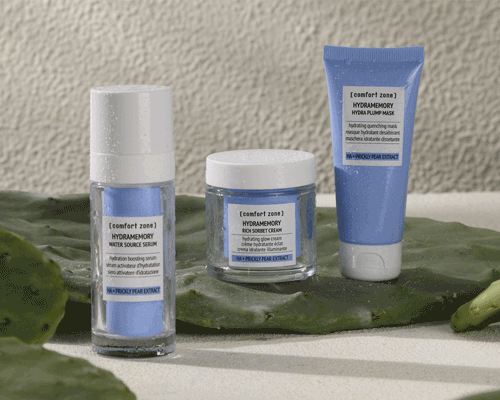
B Corp-certified skincare company Comfort Zone has added a new body lotion to its Hydramemory range, which is inspired by the water-retaining powers of desert plants
Interview: Roger Tempest
The owner of Broughton Sanctuary in the UK is transforming the 900-year-old estate into a retreat-based business
Sponsored: Lemi: touched by tech
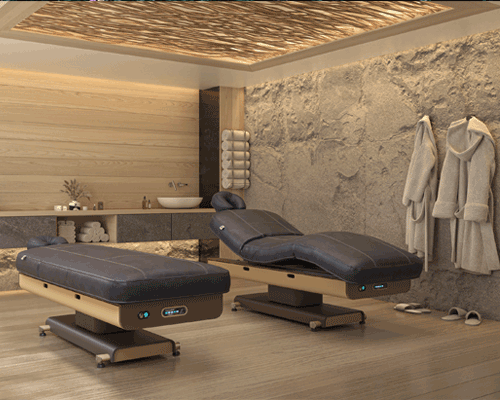
Italian spa equipment supplier, Lemi, is embracing the trend towards tech-driven wellness treatments, while also driving sustainable industry practices
First person: The real deal?
What’s the value of an authentic treatment? Andrew and Karin Gibson take to the hammams of Istanbul to find out
Wellness: Full recovery
SIRO is staking a claim to be the world’s first fitness and recovery hotel brand and is planning 100 properties. Lisa Starr visits the first site in Dubai
Sponsored: Gharieni: Defining the well universe
The launch of Gharieni’s new touchless technology brand
Metawell is perfectly aligned with the future direction of spa
and wellness, says the company’s CEO, Sammy Gharieni
Software: Member benefits
Up to a third of spa-goers now have a spa membership. What support can software systems offer?
Sponsored: Myrtha: Herbal Sauna
Pools and wellness facilities expert, Myrtha’s new Herbal Sauna, brings an innovative and therapeutic experience to the spa, says Stefano Cattaneo
In the fast-paced world of fitness and wellness, where high-intensity workouts push us to
our limits and the sweat pours, the importance of efficient recovery cannot be overstated. [more...]
The MSpa Oslo series is a perennial bestseller in global markets. With innovative
engineering and premium performance, this completely portable spa line-up is expertly
designed to meet the needs of customers worldwide. [more...]
+ More featured suppliers
COMPANY PROFILES
Capsix
Founded in 2016 by Carole Eyssautier, PhD in AI, François Eyssautier, robotics engineer, and Stéphan [more...]
Barr + Wray Ltd
Barr + Wray has more than 60 years’ experience in the design and delivery of world-class spa and wel [more...]
A growing number of spas, such as The Ranch, now offer walking-based programmes / photo: the ranch hudson valley
Anew study by the University of Sydney is one of the first to objectively measure whether daily steps can offset the health risks of sedentary behaviour.
The results, published in the British Journal of Sports Medicine*, discovered that 10,000 steps a day can reduce the risk of premature death and cardiovascular disease the most, even if you’re inactive the rest of the time. What’s more, just a small number of steps can still make a difference.
The findings play into the growing popularity of walking-based programmes offered by numerous resort and destination spas worldwide.
Data tracking The research was based on 72,174 individuals (average age 61 and 58 per cent female) who wore an accelerometer device for seven days. The daily step count and time spent sedentary was calculated and the health trajectory of the participants was followed up via hospitalisation data and death records.
Participants who were inactive for less than 10.5 hours a day were classified as having low sedentary time and those who were inactive for more than 10.5 hours a day or more were considered to have high sedentary time.
all movement matters Based on the findings, the authors calculated that 9,000 to 10,000 steps per day was the optimal number to counteract high sedentary time. This lowered premature mortality risk by 39 per cent and cardiovascular disease risk by 21 per cent.
In both cases, 50 per cent of the benefit was achieved at between 4,000 and 4,500 steps a day. And researchers suggested that any amount of daily steps above 2,200 is associated with lower health risks regardless of the time spent being sedentary.
Lead author and research fellow, Dr Matthew Ahmadi, says: “This is by no means a get out of jail card for people who are sedentary for excessive periods of time, however, it does hold an important public health message that all movement matters.”
Senior author, professor Emmanuel Stamatakis, adds: “We hope this evidence will inform the first generation of device-based physical activity and sedentary behaviour guidelines, which should include key recommendations on daily stepping.”
*Ahmadi M, et al. Do the associations of daily steps with mortality and incident CV disease differ by sedentary time levels? British Journal of Sports Medicine. March 2024.
Read more from this issue of Spa Business magazine
View contents of Spa Business 2024 issue 2
Editor's letter: Cool customers
Spas must adapt to unlock new avenues for growth while mitigating the impact of climate change, says Katie Barnes
Top Team: Therme Group
With its focus on affordable wellness, Therme Group is expanding its social spa concept globally. Jane Kitchen speaks to the people behind the brand
Interview: Susie Ellis
The chair of the Global Wellness Summit has been fundamental in defining the industry and continues to drive it forward
Sponsored: Comfort Zone: Powered by nature
B Corp-certified skincare company Comfort Zone has added a new body lotion to its Hydramemory range, which is inspired by the water-retaining powers of desert plants
Interview: Roger Tempest
The owner of Broughton Sanctuary in the UK is transforming the 900-year-old estate into a retreat-based business
Sponsored: Lemi: touched by tech
Italian spa equipment supplier, Lemi, is embracing the trend towards tech-driven wellness treatments, while also driving sustainable industry practices
First person: The real deal?
What’s the value of an authentic treatment? Andrew and Karin Gibson take to the hammams of Istanbul to find out
Wellness: Full recovery
SIRO is staking a claim to be the world’s first fitness and recovery hotel brand and is planning 100 properties. Lisa Starr visits the first site in Dubai
Sponsored: Gharieni: Defining the well universe
The launch of Gharieni’s new touchless technology brand
Metawell is perfectly aligned with the future direction of spa
and wellness, says the company’s CEO, Sammy Gharieni
Software: Member benefits
Up to a third of spa-goers now have a spa membership. What support can software systems offer?
Sponsored: Myrtha: Herbal Sauna
Pools and wellness facilities expert, Myrtha’s new Herbal Sauna, brings an innovative and therapeutic experience to the spa, says Stefano Cattaneo
Hand and Stone Massage and Facial Spa, the spa business with more than 650 locations across
the US and Canada, has appointed franchise expert Carrie Walsh as CEO as the company plans
to expand.
Synergy – The Retreat Show, the global trade show for retreats, has launched a global research
initiative that will provide insights into the retreat sector from both consumer and industry
perspectives.
The Wellness Tourism Association (WTA) has published a non-regulatory global industry
framework designed to ensure the retreat market offers responsible experiences.
A new survey of UK and international spa practitioners shows that stress, burnout and
wellbeing concerns have caused one in three respondents to consider leaving the industry.
The UK's four Chief Medical Officers have published a refreshed edition of Physical activity
guidelines: UK Chief Medical Officers' report, updating the evidence that underpins the nation's
physical activity recommendations and placing greater emphasis on strength, balance, reducing
sedentary behaviour and, for the first time, supporting people taking weight loss medications.
Anna Bjurstam has left her role as Wellness Pioneer at Six Senses Hotels and Resorts and
launched a new wellness, longevity and “consciousness consultancy” called Wahayla.
Fairmont Cheshire, The Mere, has opened today (10 July) in the Northwest of England
with a
1,715sq m Fairmont Spa that has been designed using a ‘Wellness without Walls’
concept.
Wellness hotels generating less than US$1 million (€932,700, £785,200) – or 10 per cent of
total revenue from wellness and leisure – recorded the strongest RevPAR and TRevPAR growth
in 2025 across categories when compared with 2024, according to the latest Wellness Real
Estate Report by RLA Global, produced in partnership with P and L benchmarking firm HotStats.
In the fast-paced world of fitness and wellness, where high-intensity workouts push us to
our limits and the sweat pours, the importance of efficient recovery cannot be overstated. [more...]
The MSpa Oslo series is a perennial bestseller in global markets. With innovative
engineering and premium performance, this completely portable spa line-up is expertly
designed to meet the needs of customers worldwide. [more...]
+ More featured suppliers
COMPANY PROFILES
Capsix Founded in 2016 by Carole Eyssautier, PhD in AI, François Eyssautier, robotics engineer, and Stéphan [more...]