Many health problems arise from legacy issues – car-centric urban planning, polluting building materials and lack of awareness of the value of exercise
By Liz Terry | Published in Spa Business 2014 issue 1
Earlier this month, news broke that the UK government is planning to build two new Garden Cities in the south of England to ease a housing shortage.
The original Garden Cities – conceived in 1898 by Sir Ebenezer Howard – were planned, self-contained communities surrounded by green space, containing homes, industry and agriculture. Plans for the new settlements seem likely to be guided by this philosophy.
The Garden Cities movement was inspired by the utopian thinking of the Arts and Crafts movement and the radical novels Looking Backward by Edward Bellamy and Progress and Poverty by Henry George. Two settlements were built – Letchworth Garden City and Welwyn Garden City in Hertfordshire, UK.
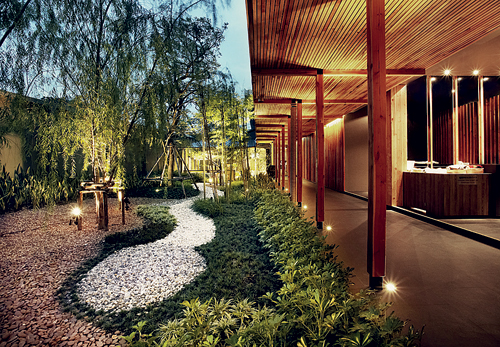
I responded to the proposal with a blog post calling for a more radical new approach and suggesting that instead of looking to the past for inspiration, we need to look to the future and to create the first wellness cities.
In many years of leader-writing for this industry, I’ve never had such a strong and positive response to a suggestion – it’s clear there’s a great deal of interest in redesigning the places we live and work and rethinking their design and function from the ground up.
The vision of building entire cities around wellness is a powerful one which most people can relate to and find compelling and attractive. And the exciting part is that such plans are within our grasp if the will is there.
And although the idea of wellness environments is not new, we’re approaching a time when the concept will reach a tipping point and enter the mainstream, with its own economic models and vernacular.
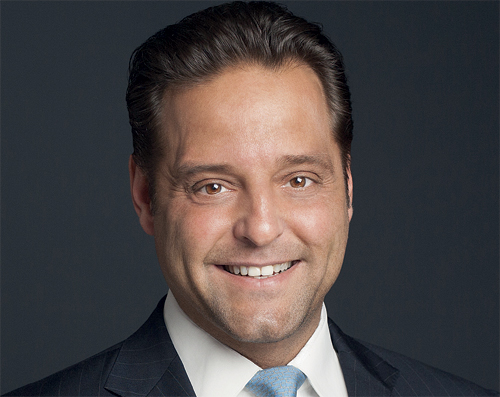
In this edition of Spa Business, we talk to Paul Scialla from Delos (page 28), which is building wellness accommodation – both domestic and hotel.
Delos has fitted rooms at the MGM Grand Las Vegas and its Stay Well® features have enabled the operator to command a 30 per cent premium on rack rates. Unsurprisingly, more are planned.
So many health problems arise from legacy issues such as car-centric urban planning, polluting building materials, lack of awareness of the value of exercise – that the opportunity to build afresh wherever new communities are needed (whether in the developing or developed world) and to retrofit health-enhancing features, is thrilling.
Liz Terry, editor twitter: @elizterry
Read more from this issue of Spa Business magazine
Interview: Paul Scialla
Delos founder talks to Katie Barnes about creating the first set of wellbeing building standards and securing investment from Leonardo DiCaprio
Ask an expert: Detox
Done well, detox presents numerous business opportunities – but what's the best approach to take and what treatments should be avoided?
Business analysis: Spa inclusive
Some resorts are enticing clients with free, daily spa treatments. Neena Dhillon takes a look at the business model
Wellness tourism: Time to shine
Sophie Benge reports on wellness tourism in central and eastern Europe – a market that's ripe for development
Wellness research: Culture king
The Futures Company provides an insightful overview on how different cultures view health and wellbeing
Hotel spa research: Top division
In the hotel sector, spa revenue is growing faster than other revenue streams, according to a new PKF report. Andrea Foster analyses the findings
Contrast therapy, based on the alternation of hot and cold rituals, has become one of the
most valued practices in the fields of wellness and recovery. [more...]
+ More featured suppliers
COMPANY PROFILES
Knesko Skin
Known for their unique approach to wellness and beauty, Knesko’s products combine ancient healing tr [more...]
Many health problems arise from legacy issues – car-centric urban planning, polluting building materials and lack of awareness of the value of exercise
By Liz Terry | Published in Spa Business 2014 issue 1
Earlier this month, news broke that the UK government is planning to build two new Garden Cities in the south of England to ease a housing shortage.
The original Garden Cities – conceived in 1898 by Sir Ebenezer Howard – were planned, self-contained communities surrounded by green space, containing homes, industry and agriculture. Plans for the new settlements seem likely to be guided by this philosophy.
The Garden Cities movement was inspired by the utopian thinking of the Arts and Crafts movement and the radical novels Looking Backward by Edward Bellamy and Progress and Poverty by Henry George. Two settlements were built – Letchworth Garden City and Welwyn Garden City in Hertfordshire, UK.
I responded to the proposal with a blog post calling for a more radical new approach and suggesting that instead of looking to the past for inspiration, we need to look to the future and to create the first wellness cities.
In many years of leader-writing for this industry, I’ve never had such a strong and positive response to a suggestion – it’s clear there’s a great deal of interest in redesigning the places we live and work and rethinking their design and function from the ground up.
The vision of building entire cities around wellness is a powerful one which most people can relate to and find compelling and attractive. And the exciting part is that such plans are within our grasp if the will is there.
And although the idea of wellness environments is not new, we’re approaching a time when the concept will reach a tipping point and enter the mainstream, with its own economic models and vernacular.
In this edition of Spa Business, we talk to Paul Scialla from Delos (page 28), which is building wellness accommodation – both domestic and hotel.
Delos has fitted rooms at the MGM Grand Las Vegas and its Stay Well® features have enabled the operator to command a 30 per cent premium on rack rates. Unsurprisingly, more are planned.
So many health problems arise from legacy issues such as car-centric urban planning, polluting building materials, lack of awareness of the value of exercise – that the opportunity to build afresh wherever new communities are needed (whether in the developing or developed world) and to retrofit health-enhancing features, is thrilling.
Liz Terry, editor twitter: @elizterry
Read more from this issue of Spa Business magazine
Interview: Paul Scialla
Delos founder talks to Katie Barnes about creating the first set of wellbeing building standards and securing investment from Leonardo DiCaprio
Ask an expert: Detox
Done well, detox presents numerous business opportunities – but what's the best approach to take and what treatments should be avoided?
Business analysis: Spa inclusive
Some resorts are enticing clients with free, daily spa treatments. Neena Dhillon takes a look at the business model
Wellness tourism: Time to shine
Sophie Benge reports on wellness tourism in central and eastern Europe – a market that's ripe for development
Wellness research: Culture king
The Futures Company provides an insightful overview on how different cultures view health and wellbeing
Hotel spa research: Top division
In the hotel sector, spa revenue is growing faster than other revenue streams, according to a new PKF report. Andrea Foster analyses the findings
Gran Hotel Taoro in northern Tenerife, Spain, has completed the final phase of its three-year
renovation with the debut of its Sandára Wellness Centre.
Hand and Stone Massage and Facial Spa, the spa business with more than 650 locations across
the US and Canada, has appointed franchise expert Carrie Walsh as CEO as the company plans
to expand.
Synergy – The Retreat Show, the global trade show for retreats, has launched a global research
initiative that will provide insights into the retreat sector from both consumer and industry
perspectives.
The Wellness Tourism Association (WTA) has published a non-regulatory global industry
framework designed to ensure the retreat market offers responsible experiences.
A new survey of UK and international spa practitioners shows that stress, burnout and
wellbeing concerns have caused one in three respondents to consider leaving the industry.
The UK's four Chief Medical Officers have published a refreshed edition of Physical activity
guidelines: UK Chief Medical Officers' report, updating the evidence that underpins the nation's
physical activity recommendations and placing greater emphasis on strength, balance, reducing
sedentary behaviour and, for the first time, supporting people taking weight loss medications.
Anna Bjurstam has left her role as Wellness Pioneer at Six Senses Hotels and Resorts and
launched a new wellness, longevity and “consciousness consultancy” called Wahayla.
Fairmont Cheshire, The Mere, has opened today (10 July) in the Northwest of England
with a
1,715sq m Fairmont Spa that has been designed using a ‘Wellness without Walls’
concept.
Contrast therapy, based on the alternation of hot and cold rituals, has become one of the
most valued practices in the fields of wellness and recovery. [more...]
+ More featured suppliers
COMPANY PROFILES
Knesko Skin Known for their unique approach to wellness and beauty, Knesko’s products combine ancient healing tr [more...]