Yes! Send me the FREE digital editions of Spa Business and Spa Business insider magazines and the FREE weekly Spa Business and Spa Business insider ezines and breaking news alerts!
In its inaugural year, Thailand’s first Japanese onsen has become a busy, popular facility. But how has it coped with introducing the Oriental tradition of naked bathing in a conservative culture? Lee David Stephens pays a visit
By Lee Stephens | Published in Spa Business 2014 issue 1
Yunomori mixes Japanese design and facilities with traditional Thai treatments to appeal to Japanese expats in Bangkok and locals looking for something different
The background If Bangkok had a ‘Japan Town’ it would be the area around the Phrom Phong sky train station. This busy part of Thailand’s capital is home to a large number of Japanese expats and Oriental establishments catering to their tastes. It made sense to Thai entrepreneur Smith Mekaroonkamol that an onsen – a traditional Japanese bathing facility with sequences of hot springs/pools – would work well there. But it could also be risky: while stripping naked for communal bathing (albeit only with people of the same gender) might not be unusual to the Japanese, it would be alien Thai people who are naturally conservative. Despite potential challenges, Mekaroonkamol invested a reported THB70m (US$2.1m, €1.5m, £1.3m) to create Yunomori Onsen & Spa which opened in September 2012.
Location and access The two-storey building sits off Rama IV road in A-Square, a complex of boutique shops and restaurants which is easily accessed by train, the underground or by driving.
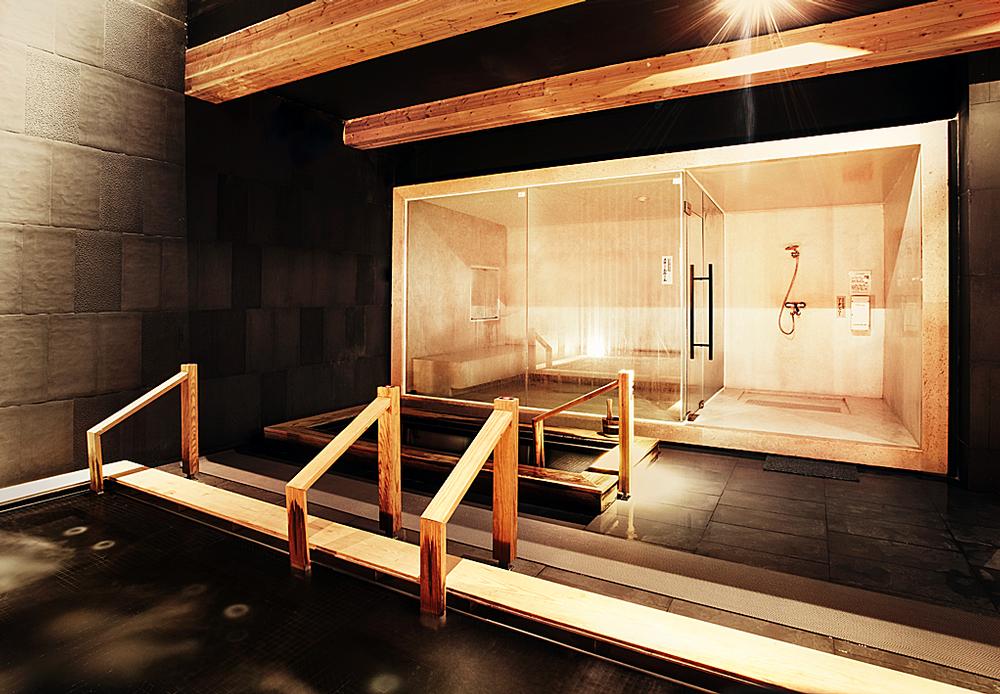
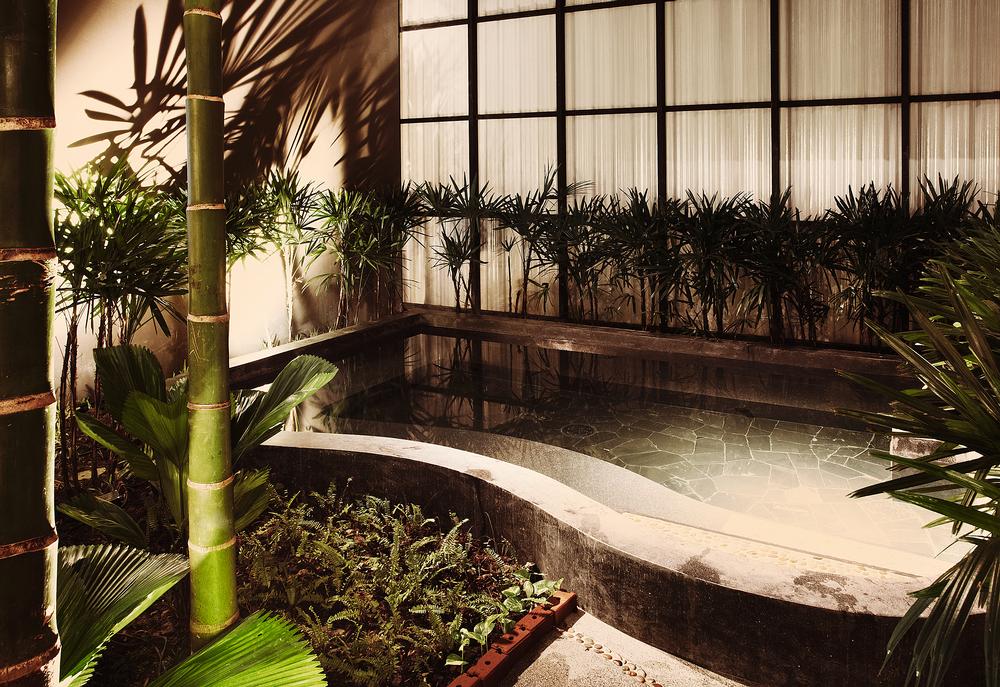
The offer The ground floor of Yunomori features the separate male and female onsen comprising an impressive array of seven different bathing and thermal experiences. The circuit starts with a soda bath which uses a specific Mitsubishi carbonator to infuse the water with carbon dioxide which, Yunomori claims, helps with micro-circulation and general wellbeing. All water has been imported from Ranong hot springs in southern Thailand and is filtered on-site.
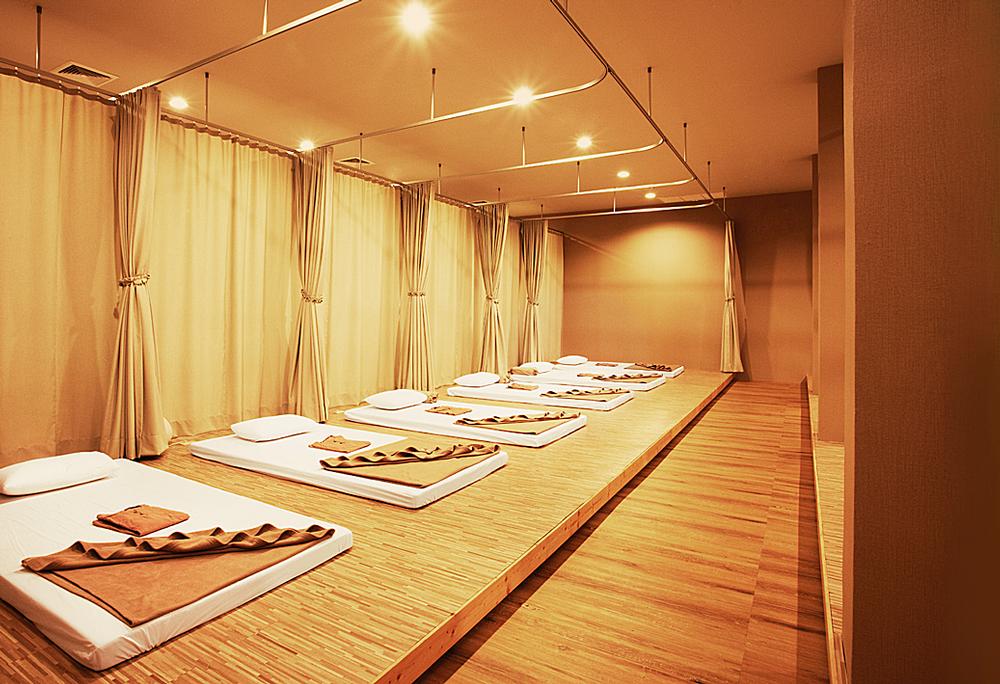
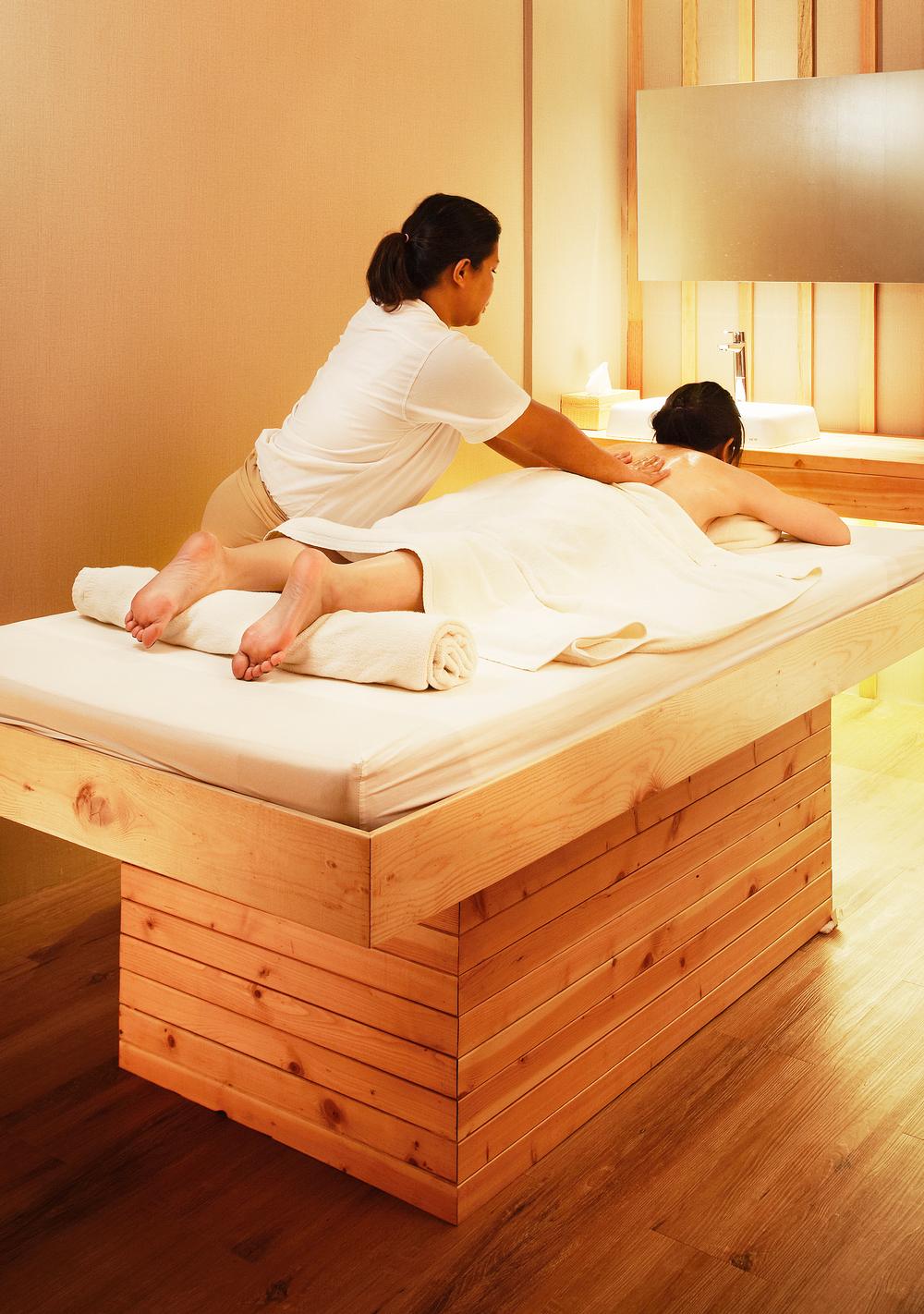
The first floor is dedicated to a more local offering – it has 15 simple Thai massage rooms, with tatami floor mattresses, and oil massage rooms with treatment tables. There’s also the separately operated Binomori Beauty Clinic where semi-invasive anti-ageing procedures are performed alongside more simple hands-on facials.
Other facilities on-site include Gastronom – a bistro/bakery café which serves light snacks, deserts (think macaroons) and coffee; and Dontaku – a Japanese restaurant offering a gamut of hearty, casual Japanese cuisine from sushi and saké to bento boxes.
Yunomori is a mid-range, affordable facility. The entrance fee to the onsen is THB450 (US$14, €10, £8.30), while a 60-minute Thai massage starts at THB350 (US$10.60, €7.70, £6.50) – a lower price indicative of a saturated market where massage is available on every street corner in one guise or another for as little as THB250 (US$7.60, €5.60, £4.60).
The offering and price point appeals to two types of consumers. It’s a necessity to the Japanese residing in Bangkok who see the onsen as an essential part of daily life: a place to hangout and socialise. On the other hand, it attracts Thai nationals who want to try something different. When I was there, there was an even split between the sets, with a smattering of other Caucasians.
What I liked most about Yunomori is that it’s not a showcase facility where you might be afraid to make a mess. It’s busy, functional and clearly very popular.
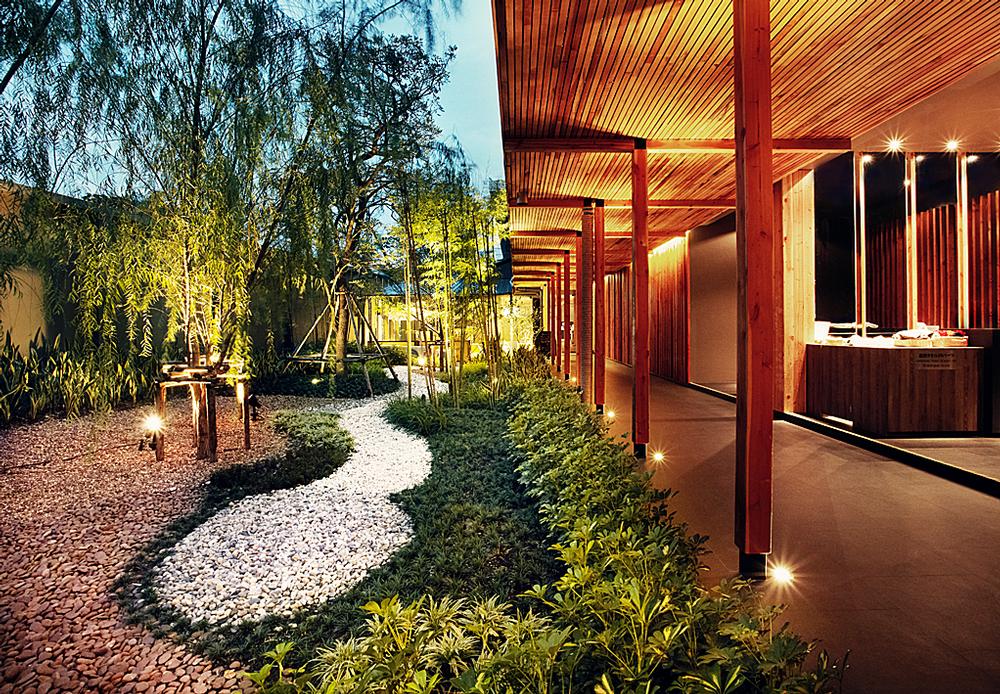
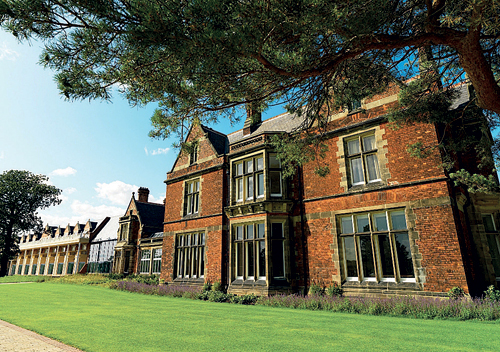
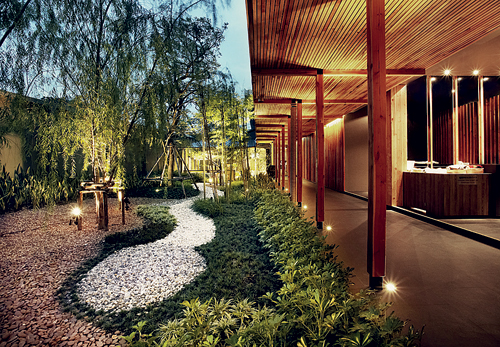
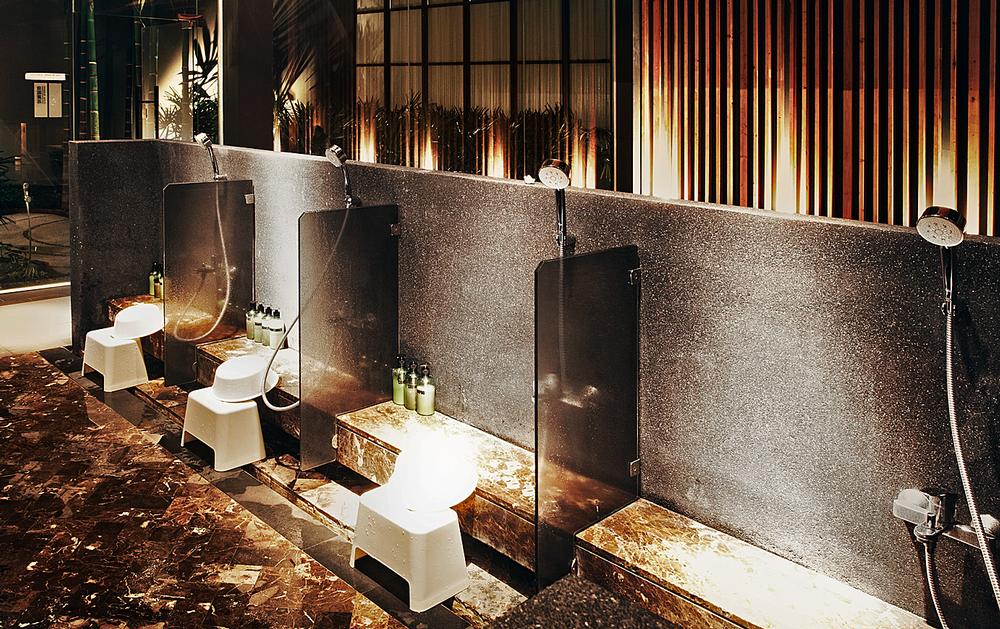
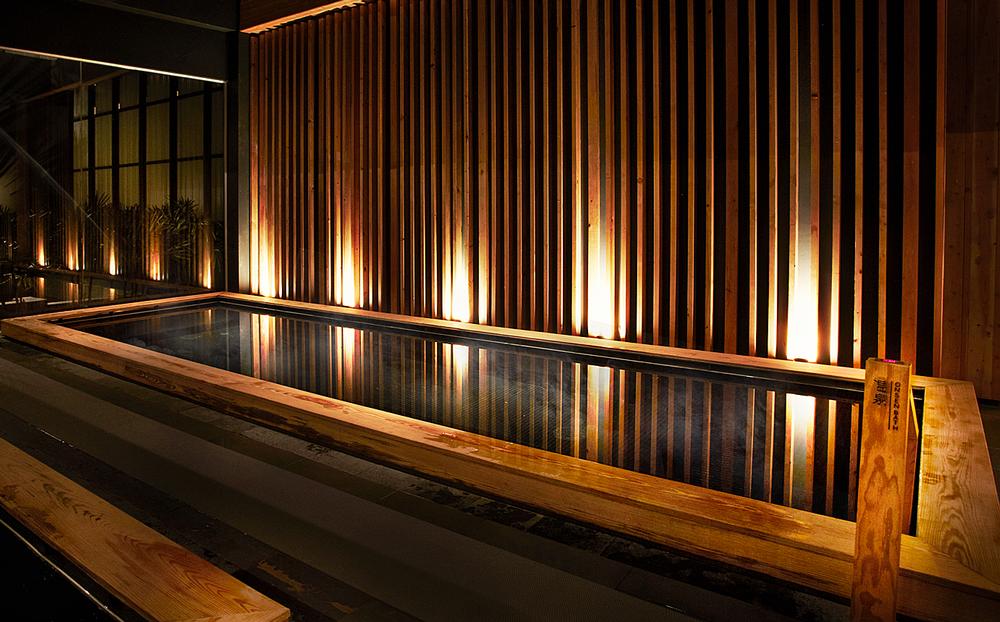
Design As soon as you enter Yunomori, the distinct Japanese design – simple, minimalist clean lines – suggests guests are in for a treat. The look is not uncommon in contemporary Bangkok, but it’s taken to the extreme on the second floor which felt somewhat institutionalised rather than Zen-like.
Unfortunately after 14 busy months, there were some signs of wear and tear around the facility. There were parts of the ceiling in the onsen where the paint was peeling off. The shower heads were clogging up and some shower hoses should be replaced.
Also, I couldn’t see where the onsen was equipped to accommodate guests who may have physical disabilities.
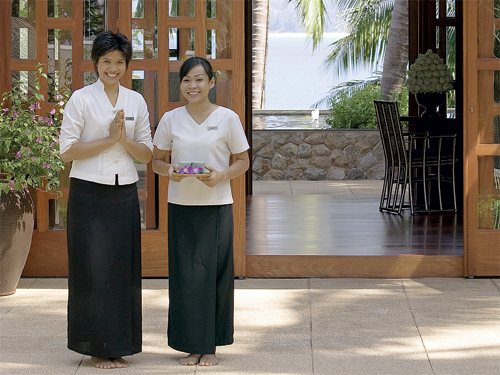
Cleanliness There were hordes of attendants and staff who made sure the dirty linen hampers were kept empty and the wet floors were quickly dried. There was dust in a few places, but mostly the spa was spotless and I wasn’t left doubting any hygiene issues even in the communal bathing area.
The experience I arrived at Yunomori with no appointment, but was dealt with promptly and politely. With only six options, the treatment menu is limited. I went for one of the packages which comprised an hour in the onsen followed by a 45 minute body scrub and an hour’s oil massage for THB 1,850(US$56, €41, £34)
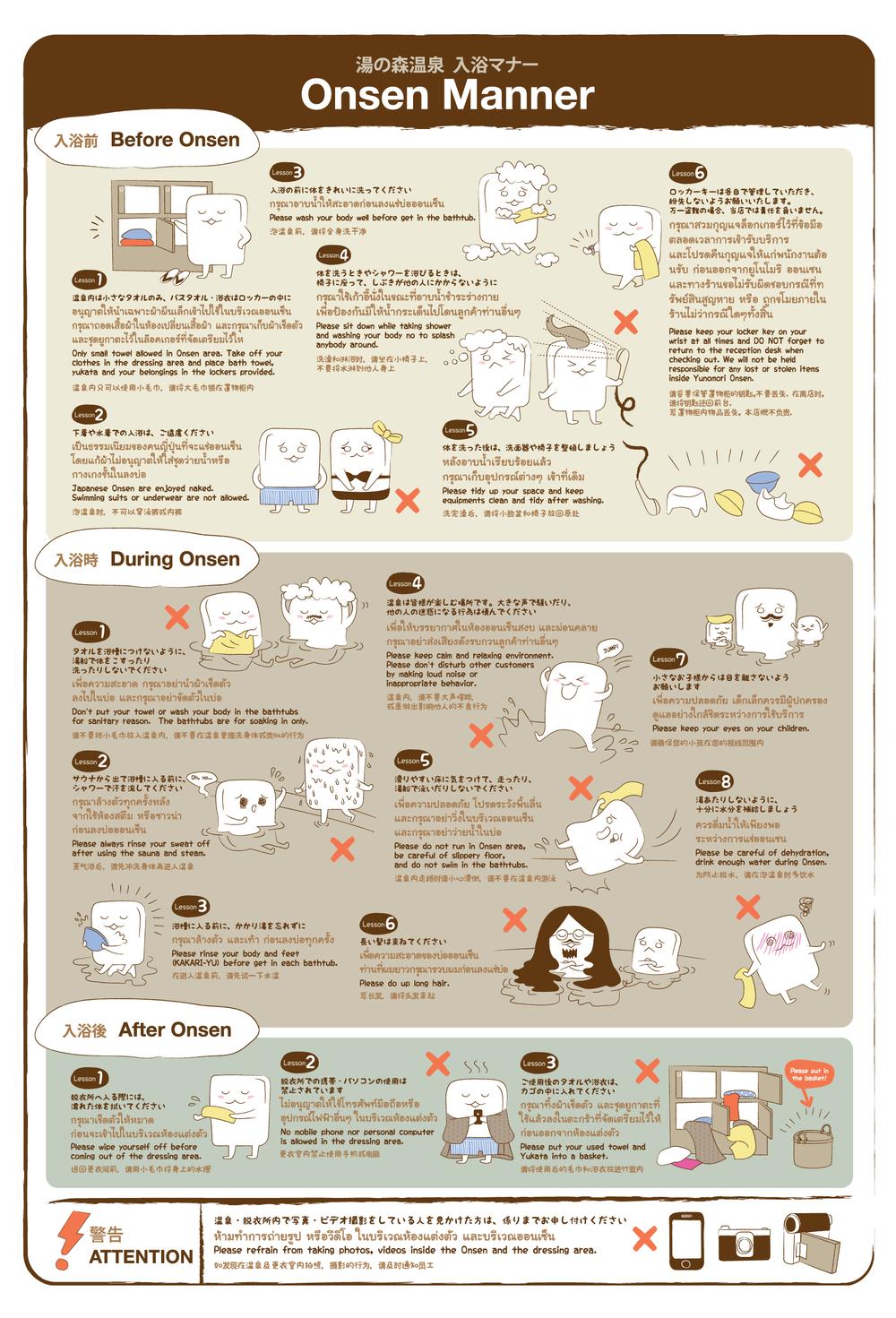
Within 10 minutes, I was soaking away the stress of Bangkok in the onsen which is recommended prior to any treatment. There was certainly a community feel with groups of two or three people quietly chatting among themselves and this is something which modern spas with all-inclusive private suites don’t have. However, this did compound the language barrier – my lack of Japanese (and Thai) left me feeling somewhat isolated. Even before that, I was shown through to the onsen by a series of pointing people with little explanation of what the facility included. Thankfully, animated signs on the wall (in Thai, Japanese and English) explained what I should (and should not) do during my onset.
It was amusing to watch the shy Thai patrons mixing with the unabashed Japanese bathers. They eventually stopped trying to cover up with the small 25x25cm modesty towels and succumbed to the heat from the baths which ranged from 37C to 42C. After a vigorous shower, I enjoyed the invigorating soda bath followed by other hot tubs, ice baths, whirlpools and a steamroom and sauna. I particularly loved the traditional teak tubs that were infused with fragrant herbs. The overall effect was a sensation of never feeling so clean.
Next onto the treatment. Although the receptionist who I first met spoke very good English this was not the case with my therapist. This is not uncommon in Thailand, but unfortunately it did mean that I missed out on choosing my preferred type of body scrub (there were four options by product house Thann) as my therapist didn’t know how to ask me – so he simply decided himself. He did let me chose my favourite massage oil, but without any explanation of the benefits of each, and I chose a traditional scented oil that resembles Sandalwood.
Thai therapists have an innate skill for massage which can leave you on cloud nine but it can also sometimes feel slap-dash and unsequenced which was the case at Yunomori. My massage and scrub were merely mediocre and even though it was mid-December, I found the Christmas massage music disturbed the Zen atmosphere.
Having said that, the entire experience instilled a feeling wellbeing and before leaving I treated myself to some tuna sashimi and a cold shake in the Japanese restaurant. What was meant to be only a two-hour visit, turned into a five-hour journey and that night I slept like a baby.
Summary Yunomori’s business model certainly makes sense – this a luxury offering which also serves as a functional requirement. While tourist visitors will ebb and flow, there will always be a demand from the Japanese residents. The fusion of cultural therapies wasn’t jarring but neither did it gel particularly well. Overall, it left me with a longing for more of a Japanese experience.
Read more from this issue of Spa Business magazine
Interview: Paul Scialla
Delos founder talks to Katie Barnes about creating the first set of wellbeing building standards and securing investment from Leonardo DiCaprio
Ask an expert: Detox
Done well, detox presents numerous business opportunities – but what's the best approach to take and what treatments should be avoided?
Business analysis: Spa inclusive
Some resorts are enticing clients with free, daily spa treatments. Neena Dhillon takes a look at the business model
Wellness tourism: Time to shine
Sophie Benge reports on wellness tourism in central and eastern Europe – a market that's ripe for development
Wellness research: Culture king
The Futures Company provides an insightful overview on how different cultures view health and wellbeing
Hotel spa research: Top division
In the hotel sector, spa revenue is growing faster than other revenue streams, according to a new PKF report. Andrea Foster analyses the findings
Thank you for your honesty. As most of our customers are repeat visitors and we regularly receive positive comments, we were surprised at the low score for our massage. We spend a large amount of time training our therapists to reach a high standard. Unlike many places, all of our therapists are full-time and their shifts are only nine hours (they can be up to 15 hours). People have different ideas of what a good massage is (and we welcome more detailed feedback), but we accept the comments and will continue to improve our quality.
Yunomori mixes Japanese design and facilities with traditional Thai treatments to appeal to Japanese expats in Bangkok and locals looking for something different
Yunomori mixes Japanese design and facilities with traditional Thai treatments to appeal to Japanese expats in Bangkok and locals looking for something different
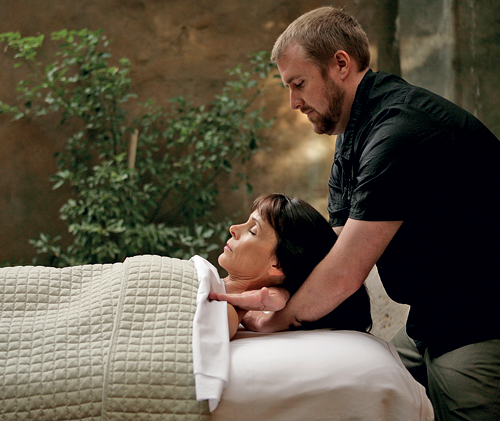
The massage was the least favourite part of the experience for our mystery shopper
The spa has a distinct Japanese design with simple, minimalist clean lines
The onsen begins with an invigorating shower
the facilities were impressive
To overcome language and cultural barriers, animated signs on how to use the onsen are posted on walls and are also featured on the website
The MSpa Oslo series is a perennial bestseller in global markets. With innovative
engineering and premium performance, this completely portable spa line-up is expertly
designed to meet the needs of customers worldwide. [more...]
In its inaugural year, Thailand’s first Japanese onsen has become a busy, popular facility. But how has it coped with introducing the Oriental tradition of naked bathing in a conservative culture? Lee David Stephens pays a visit
By Lee Stephens | Published in Spa Business 2014 issue 1
Yunomori mixes Japanese design and facilities with traditional Thai treatments to appeal to Japanese expats in Bangkok and locals looking for something different
The background If Bangkok had a ‘Japan Town’ it would be the area around the Phrom Phong sky train station. This busy part of Thailand’s capital is home to a large number of Japanese expats and Oriental establishments catering to their tastes. It made sense to Thai entrepreneur Smith Mekaroonkamol that an onsen – a traditional Japanese bathing facility with sequences of hot springs/pools – would work well there. But it could also be risky: while stripping naked for communal bathing (albeit only with people of the same gender) might not be unusual to the Japanese, it would be alien Thai people who are naturally conservative. Despite potential challenges, Mekaroonkamol invested a reported THB70m (US$2.1m, €1.5m, £1.3m) to create Yunomori Onsen & Spa which opened in September 2012.
Location and access The two-storey building sits off Rama IV road in A-Square, a complex of boutique shops and restaurants which is easily accessed by train, the underground or by driving.
The offer The ground floor of Yunomori features the separate male and female onsen comprising an impressive array of seven different bathing and thermal experiences. The circuit starts with a soda bath which uses a specific Mitsubishi carbonator to infuse the water with carbon dioxide which, Yunomori claims, helps with micro-circulation and general wellbeing. All water has been imported from Ranong hot springs in southern Thailand and is filtered on-site.
The first floor is dedicated to a more local offering – it has 15 simple Thai massage rooms, with tatami floor mattresses, and oil massage rooms with treatment tables. There’s also the separately operated Binomori Beauty Clinic where semi-invasive anti-ageing procedures are performed alongside more simple hands-on facials.
Other facilities on-site include Gastronom – a bistro/bakery café which serves light snacks, deserts (think macaroons) and coffee; and Dontaku – a Japanese restaurant offering a gamut of hearty, casual Japanese cuisine from sushi and saké to bento boxes.
Yunomori is a mid-range, affordable facility. The entrance fee to the onsen is THB450 (US$14, €10, £8.30), while a 60-minute Thai massage starts at THB350 (US$10.60, €7.70, £6.50) – a lower price indicative of a saturated market where massage is available on every street corner in one guise or another for as little as THB250 (US$7.60, €5.60, £4.60).
The offering and price point appeals to two types of consumers. It’s a necessity to the Japanese residing in Bangkok who see the onsen as an essential part of daily life: a place to hangout and socialise. On the other hand, it attracts Thai nationals who want to try something different. When I was there, there was an even split between the sets, with a smattering of other Caucasians.
What I liked most about Yunomori is that it’s not a showcase facility where you might be afraid to make a mess. It’s busy, functional and clearly very popular.
Design As soon as you enter Yunomori, the distinct Japanese design – simple, minimalist clean lines – suggests guests are in for a treat. The look is not uncommon in contemporary Bangkok, but it’s taken to the extreme on the second floor which felt somewhat institutionalised rather than Zen-like.
Unfortunately after 14 busy months, there were some signs of wear and tear around the facility. There were parts of the ceiling in the onsen where the paint was peeling off. The shower heads were clogging up and some shower hoses should be replaced.
Also, I couldn’t see where the onsen was equipped to accommodate guests who may have physical disabilities.
Cleanliness There were hordes of attendants and staff who made sure the dirty linen hampers were kept empty and the wet floors were quickly dried. There was dust in a few places, but mostly the spa was spotless and I wasn’t left doubting any hygiene issues even in the communal bathing area.
The experience I arrived at Yunomori with no appointment, but was dealt with promptly and politely. With only six options, the treatment menu is limited. I went for one of the packages which comprised an hour in the onsen followed by a 45 minute body scrub and an hour’s oil massage for THB 1,850(US$56, €41, £34)
Within 10 minutes, I was soaking away the stress of Bangkok in the onsen which is recommended prior to any treatment. There was certainly a community feel with groups of two or three people quietly chatting among themselves and this is something which modern spas with all-inclusive private suites don’t have. However, this did compound the language barrier – my lack of Japanese (and Thai) left me feeling somewhat isolated. Even before that, I was shown through to the onsen by a series of pointing people with little explanation of what the facility included. Thankfully, animated signs on the wall (in Thai, Japanese and English) explained what I should (and should not) do during my onset.
It was amusing to watch the shy Thai patrons mixing with the unabashed Japanese bathers. They eventually stopped trying to cover up with the small 25x25cm modesty towels and succumbed to the heat from the baths which ranged from 37C to 42C. After a vigorous shower, I enjoyed the invigorating soda bath followed by other hot tubs, ice baths, whirlpools and a steamroom and sauna. I particularly loved the traditional teak tubs that were infused with fragrant herbs. The overall effect was a sensation of never feeling so clean.
Next onto the treatment. Although the receptionist who I first met spoke very good English this was not the case with my therapist. This is not uncommon in Thailand, but unfortunately it did mean that I missed out on choosing my preferred type of body scrub (there were four options by product house Thann) as my therapist didn’t know how to ask me – so he simply decided himself. He did let me chose my favourite massage oil, but without any explanation of the benefits of each, and I chose a traditional scented oil that resembles Sandalwood.
Thai therapists have an innate skill for massage which can leave you on cloud nine but it can also sometimes feel slap-dash and unsequenced which was the case at Yunomori. My massage and scrub were merely mediocre and even though it was mid-December, I found the Christmas massage music disturbed the Zen atmosphere.
Having said that, the entire experience instilled a feeling wellbeing and before leaving I treated myself to some tuna sashimi and a cold shake in the Japanese restaurant. What was meant to be only a two-hour visit, turned into a five-hour journey and that night I slept like a baby.
Summary Yunomori’s business model certainly makes sense – this a luxury offering which also serves as a functional requirement. While tourist visitors will ebb and flow, there will always be a demand from the Japanese residents. The fusion of cultural therapies wasn’t jarring but neither did it gel particularly well. Overall, it left me with a longing for more of a Japanese experience.
Read more from this issue of Spa Business magazine
Interview: Paul Scialla
Delos founder talks to Katie Barnes about creating the first set of wellbeing building standards and securing investment from Leonardo DiCaprio
Ask an expert: Detox
Done well, detox presents numerous business opportunities – but what's the best approach to take and what treatments should be avoided?
Business analysis: Spa inclusive
Some resorts are enticing clients with free, daily spa treatments. Neena Dhillon takes a look at the business model
Wellness tourism: Time to shine
Sophie Benge reports on wellness tourism in central and eastern Europe – a market that's ripe for development
Wellness research: Culture king
The Futures Company provides an insightful overview on how different cultures view health and wellbeing
Hotel spa research: Top division
In the hotel sector, spa revenue is growing faster than other revenue streams, according to a new PKF report. Andrea Foster analyses the findings
Thank you for your honesty. As most of our customers are repeat visitors and we regularly receive positive comments, we were surprised at the low score for our massage. We spend a large amount of time training our therapists to reach a high standard. Unlike many places, all of our therapists are full-time and their shifts are only nine hours (they can be up to 15 hours). People have different ideas of what a good massage is (and we welcome more detailed feedback), but we accept the comments and will continue to improve our quality.
Yunomori mixes Japanese design and facilities with traditional Thai treatments to appeal to Japanese expats in Bangkok and locals looking for something different
Yunomori mixes Japanese design and facilities with traditional Thai treatments to appeal to Japanese expats in Bangkok and locals looking for something different
The massage was the least favourite part of the experience for our mystery shopper
The spa has a distinct Japanese design with simple, minimalist clean lines
The onsen begins with an invigorating shower
the facilities were impressive
To overcome language and cultural barriers, animated signs on how to use the onsen are posted on walls and are also featured on the website
Gran Hotel Taoro in northern Tenerife, Spain, has completed the final phase of its three-year
renovation with the debut of its Sandára Wellness Centre.
Hand and Stone Massage and Facial Spa, the spa business with more than 650 locations across
the US and Canada, has appointed franchise expert Carrie Walsh as CEO as the company plans
to expand.
Synergy – The Retreat Show, the global trade show for retreats, has launched a global research
initiative that will provide insights into the retreat sector from both consumer and industry
perspectives.
The Wellness Tourism Association (WTA) has published a non-regulatory global industry
framework designed to ensure the retreat market offers responsible experiences.
A new survey of UK and international spa practitioners shows that stress, burnout and
wellbeing concerns have caused one in three respondents to consider leaving the industry.
The UK's four Chief Medical Officers have published a refreshed edition of Physical activity
guidelines: UK Chief Medical Officers' report, updating the evidence that underpins the nation's
physical activity recommendations and placing greater emphasis on strength, balance, reducing
sedentary behaviour and, for the first time, supporting people taking weight loss medications.
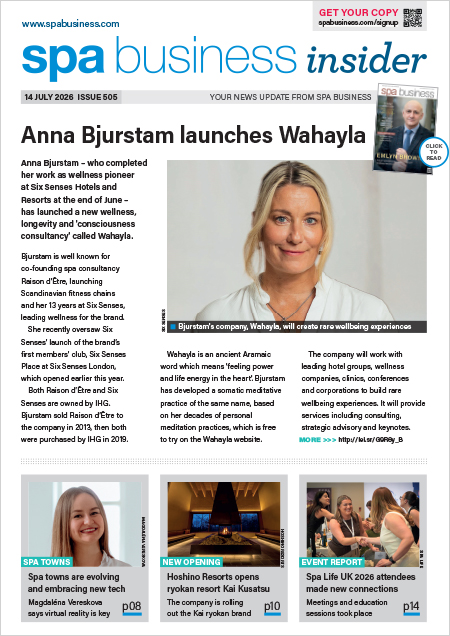
Anna Bjurstam has left her role as Wellness Pioneer at Six Senses Hotels and Resorts and
launched a new wellness, longevity and “consciousness consultancy” called Wahayla.
Fairmont Cheshire, The Mere, has opened today (10 July) in the Northwest of England
with a
1,715sq m Fairmont Spa that has been designed using a ‘Wellness without Walls’
concept.
The MSpa Oslo series is a perennial bestseller in global markets. With innovative
engineering and premium performance, this completely portable spa line-up is expertly
designed to meet the needs of customers worldwide. [more...]