Yes! Send me the FREE digital editions of Spa Business and Spa Business insider magazines and the FREE weekly Spa Business and Spa Business insider ezines and breaking news alerts!
A new white paper reveals the scientific evidence behind numerous
modalities and their impact on mental health. Editor Gerry Bodeker
explains how spas can tap into this wealth of information
By Gerry Bodeker | Published in Spa Business 2019 issue 1
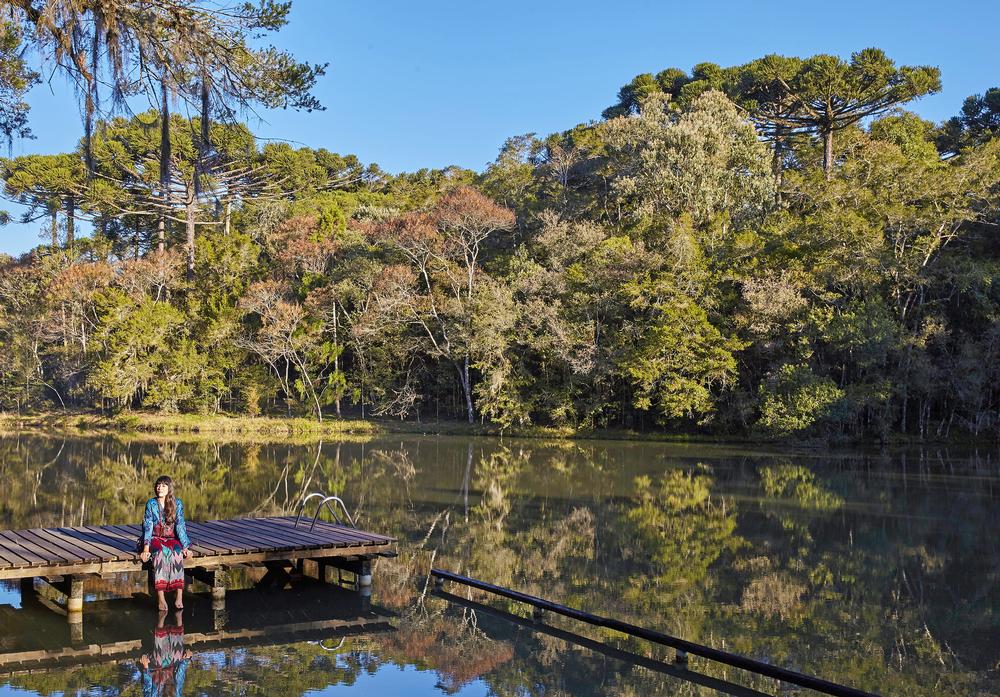
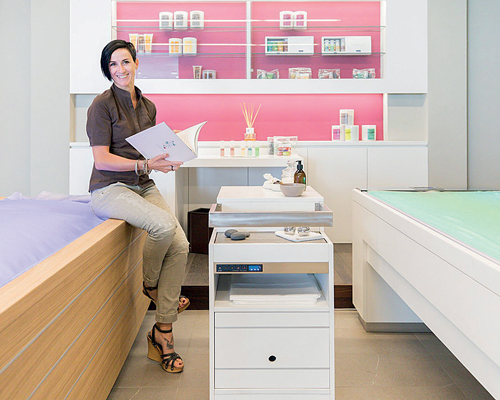
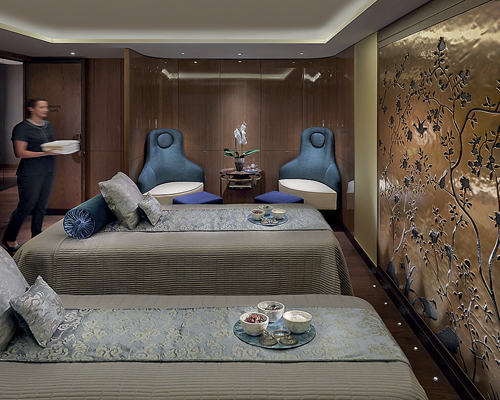
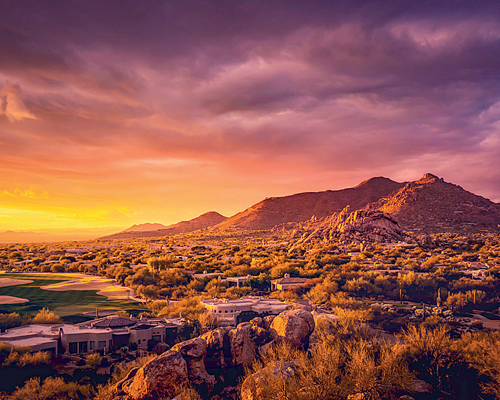
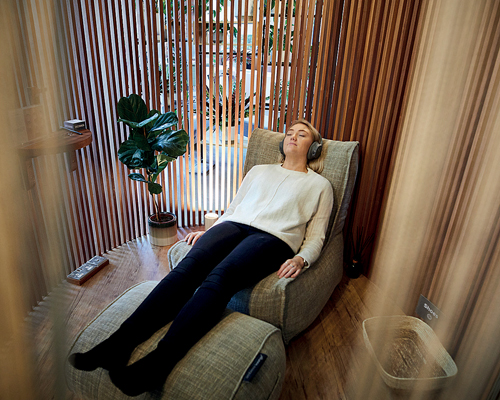
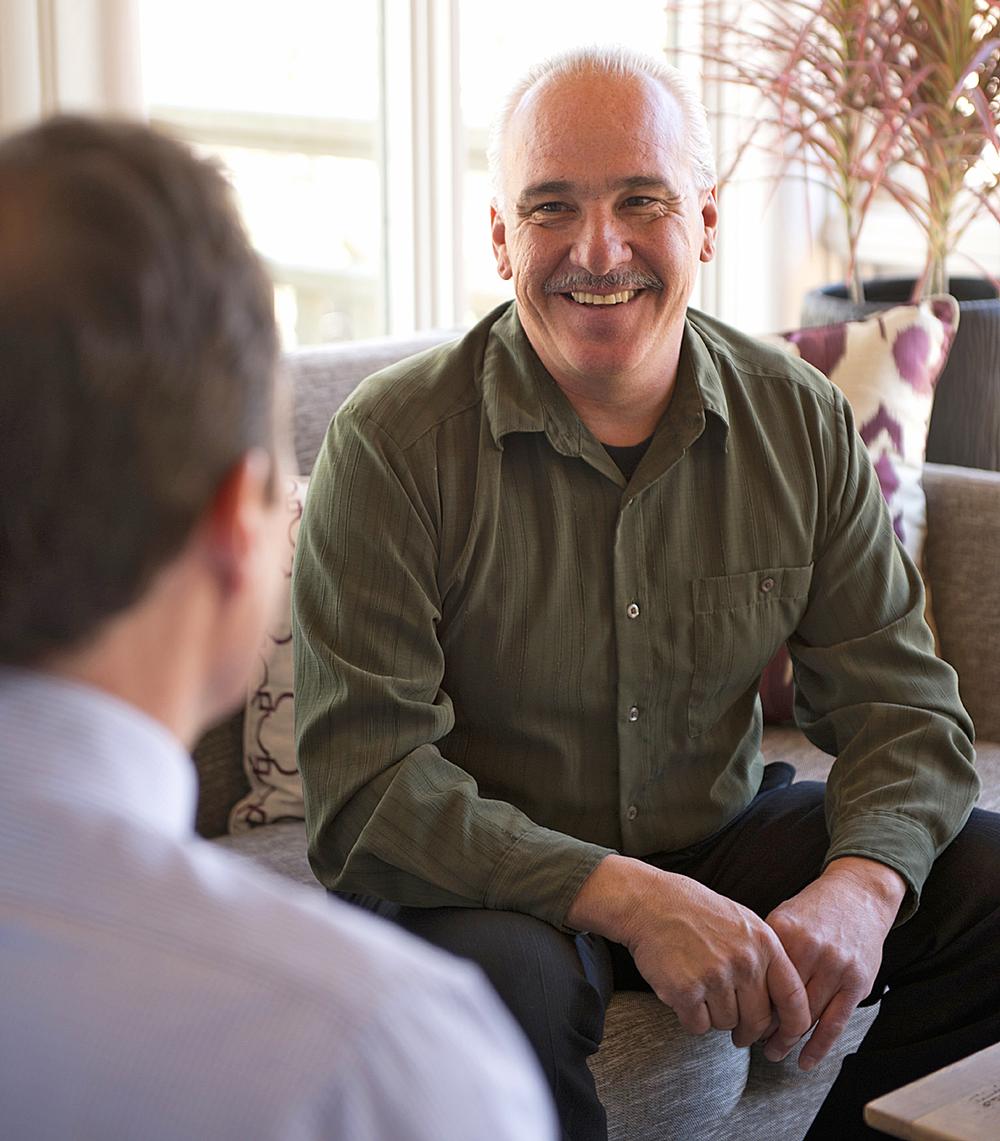
Spas, such as Sunrise Springs, have an opportunity to act as a safe entry point into modalities which support mental wellbeing
In October a 122-page white paper on mental wellness was unveiled to hundreds of spa and wellness professionals at the Global Wellness Summit in Italy (see SB18/4 p78). It was created in response to an upsurge of interest in mental wellness from both industry members and the general public. As Dr Ranieri Guerra from the World Health Organization notes in its introduction: “Mental, neurological and substance use disorders affect one in four people over their lifetime and one in 10 at any given time, and thus affect billions of lives globally.”
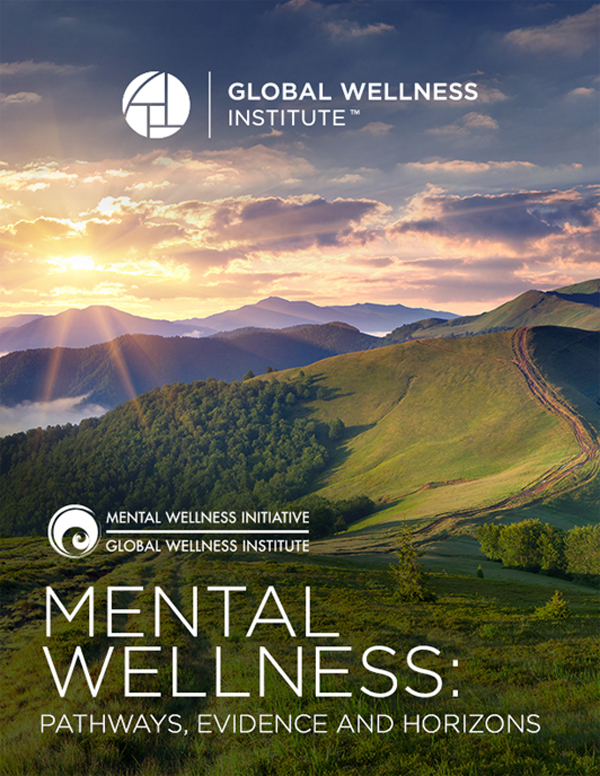
The aim of Mental Wellness: Pathways, Evidence and Horizons is to identify the many complementary interventions which are scientifically proven to help enhance people’s mental wellbeing and happiness. There was a lot of existing research and it’s taken the Mental Wellness Initiative – a Global Wellness Institute action group – a year and a half to pull everything together. But finally there’s a body of evidence on a wide range of modalities – from massage, aroma, sound and light therapy to movement and exercise, mindfulness and nutrition, and the benefits that these offer for mental wellbeing.
Many of the therapies are already available in spas and the white paper now showcases evidence to support future innovation. Facilities have an opportunity to act as a safe entry point into these wellness modalities which support mental wellbeing and happiness that may be unknown, and perhaps untrusted, outside of the spa setting.
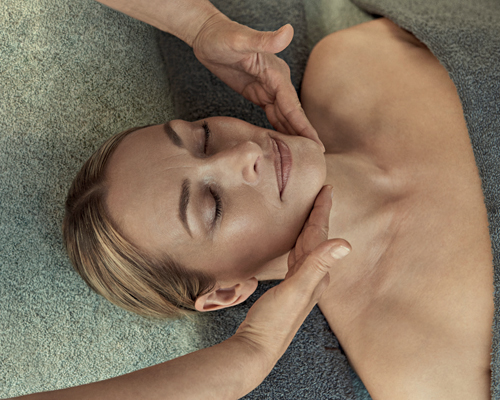
Proven modalities Massage is one of the common spa services highlighted in the white paper for its proven effectiveness on anything from pain and cancer to headaches and infant care. Information was taken from the US National Center for Complementary and Integrative Health and a 2010 meta-analysis of 17 clinical trials concluded that massage therapy may also help to reduce depression.
The US National Association for Holistic Aromatherapy references a range of studies showing, among other effects, the stress-reducing properties of sage oil, immune-modifying effect of eucalyptus oil, the role of peppermint oil in counteracting neuralgia, and the combination of peppermint and caraway oil in enhancing the quality of life of people suffering from dyspepsia.
Elsewhere, the Journal of the American Medical Association reports that since 1970, there have been have been 19,000 studies published conducted on various aspects of meditation and its benefits.
We also identified many beneficial mental wellness pathways that are not typically found in spas, but which have potential for innovation and rejuvenation of the spa experience. These include laughter yoga – Google it! – art therapy, journaling and the influence of nature.
As it turns out, social laughter, seems to release endorphins associated with feelings of wellbeing and heightened mood. Oxford University researchers in the UK conducted a series of experiments and found that pain thresholds – an indicator for endorphin release – were significantly higher after laughter. They suggest that “laughter, through an endorphin-mediated opiate effect, may play a crucial role in social bonding”.
Group support and social connectedness are also foundational in maintaining a state of mental wellness.
For spas in areas of rich cultural heritage, there’s the opportunity to partner with local experts to build new, culturally important offerings. All cultures have clear dietary, exercise and other health practices encoded in their ways of living. Uncovering these traditional wellness practices can transform our understanding of the way human physiology works and the energetic basis of wellbeing.
Researching the spa experience In the second section of the white paper, we drill down into the spa experience itself and find there’s an emerging body of science backing up claims that it benefits mental wellness.
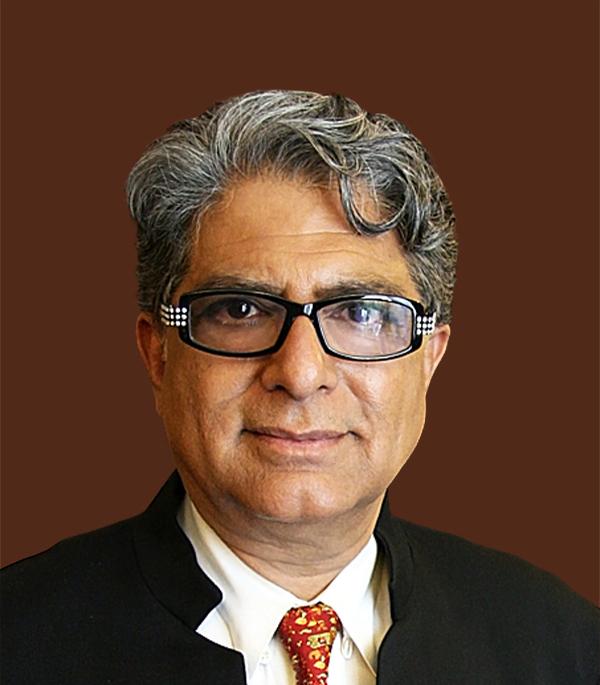
In 2016, doctors Elissa Epel, Deepak Chopra and colleagues found highly significant changes resulting from a ayurvedic detox/rejuvenation programme known as panchakarma. These include a reduction in many metabolites which are risk factors for metabolic disorders such as obesity, diabetes and heart disease. It also found that a break of just six days sets off genetic changes which can boost the immune system, decrease symptoms of depression and dementia and reduce stress (see SB16/4 p91).
In Australia, RMIT professor Marc Cohen and his team’s study on 4,265 mostly female respondents using thermal bathing spas found that “relaxation”, “peace and tranquility”, “indulgence” and “escape” were the most important motivators for bathing. Most respondents reported general health benefits (98 per cent) and better sleep (82 per cent) from bathing. Significant benefits were reported for back pain, arthritis, stress/anxiety, depression and insomnia (see SB17/2 p56).
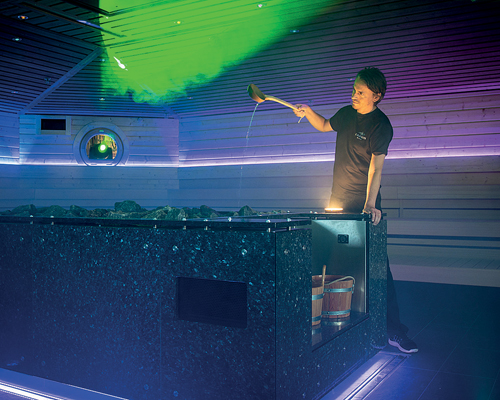
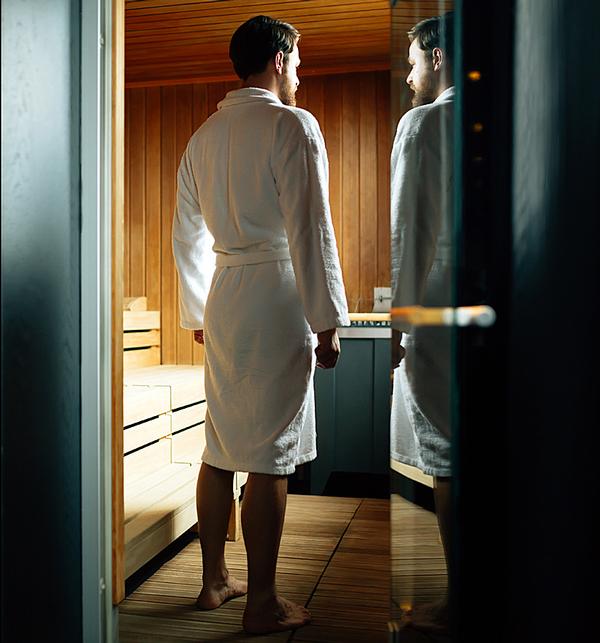
The Kuopio Ischaemic Heart Disease project in Finland examined 2,315 men aged 42-60 over a five-year period. It found that increased frequency of sauna bathing – four to seven times a week for 30 minutes at a time – is associated with a reduced risk of heart-related disease, death and all-cause mortality. Sauna sessions have also been linked to lower risks of dementia (see SB17/1 p108).
In other research, a French study found that levels of anxiety and depression in 250 women who had breast cancer treatment were reduced by a two-week, multi-modality spa programme. Stronger and longer lasting effects were especially noted in reductions in depression.
What does this mean to spas? So. How can spas harness this new flood of knowledge? I’ve often argued that spas have the potential to be the organisational face of wellness. Some destination spas, like Lapinha in Brazil, Brenners Park, in Germany and Kamalaya in Thailand, already are. They offer a wider range of wellness modalities under one roof that can’t be found in any other setting. Others focus more on massage and bodywork – but there’s much more than this available to enliven the spa world and its offering to clients, and the white paper highlights the many different evidence-based pathways which can be used.
Nowadays there are so many centres for yoga, meditation, tai chi, etc, that it’s not necessary for spas to employ therapists directly. Bringing visiting practitioners in and building a marketing plan around them can breathe new life into the spa business.
The wealth of information, available freely at globalwellnessinstitute.org, can be drawn on to support the science behind spa modalities. This can be shared with customers, published in magazine and online articles as well as in marketing materials, and shared via educational sessions.
There are opportunities to target new markets, such as parents-to-be. A section on The First 1,000 Days of Life offers evidence on how wellness approaches that future parents engage with are predictors of the mental and physical wellbeing of their children in adulthood.
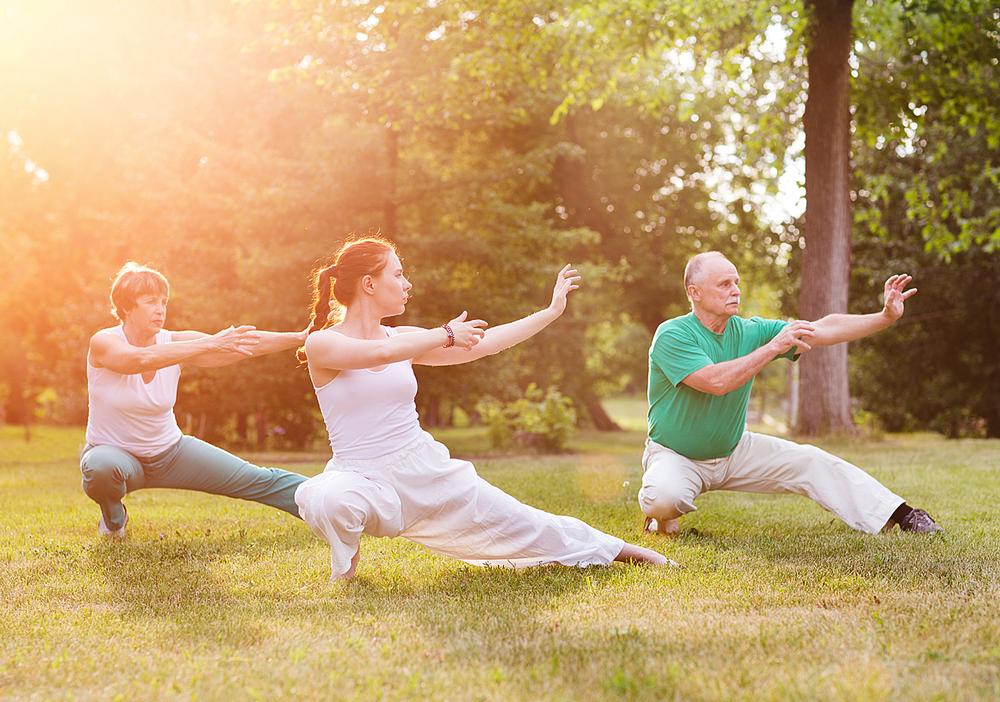
Or partnerships could be formed with existing community groups and local enterprises, such as those focused on older adults. Dance, tai chi, meditation and yoga all are supported by scientific evidence as reducing many conditions associated with ageing such as risk of falling, anxiety and depression, early onset dementia.
The white paper also places an emphasis on spa staff being treated with the same consideration as guests and that a code of ethics for spas is called for.
Finally, there’s the opportunity for spas and spa groups to begin partnering with local and international researchers to uncover new areas of evidence about the value of spa experiences. Here the focus is not only our physical health but especially on mental wellness and living a life in balance and happiness.
Download a free copy of Mental Wellness: Pathways, Evidence and Horizons from the Global Wellness Institute website: globalwellnessinstitute.org
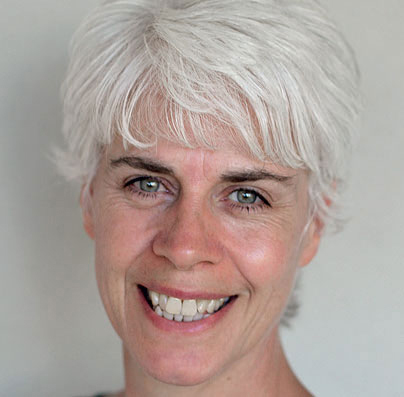
Gerry Bodeker
Gerry Bodeker is chair of the GWI’s Mental Wellness Initiative and editor of its mental wellness white paper.
Spa Programmes: On the menu
Event saunas, sunlight therapy
and health and happiness retreats
feature in our programming series
Interview: Marc Cohen
Dr Marc Cohen is launching an extreme
bathing retreat and writing children’s
books. He talks to Jane Kitchen
Promotional feature: Vital Tech
Infrared technology is growing in popularity, Vital Tech’s Alexandra Gavsevitch
and Serge Parienti explain how it works
Focus on: Equine therapy
What is equine therapy and how
can spas tap into horsepower?
Kathleen Whyman finds out
Wellness: Chill out
Is going sub-zero the next big thing?
Kath Hudson takes a closer look
at the benefits of cryotherapy
Promotional feature: The Wellness
Noha Khalil of The Wellness discusses how
gym and spa elements are increasingly
coming together through design to
deliver outstanding fitness concepts
Contrast therapy, based on the alternation of hot and cold rituals, has become one of the
most valued practices in the fields of wellness and recovery. [more...]
A new white paper reveals the scientific evidence behind numerous
modalities and their impact on mental health. Editor Gerry Bodeker
explains how spas can tap into this wealth of information
By Gerry Bodeker | Published in Spa Business 2019 issue 1
Spas, such as Sunrise Springs, have an opportunity to act as a safe entry point into modalities which support mental wellbeing
In October a 122-page white paper on mental wellness was unveiled to hundreds of spa and wellness professionals at the Global Wellness Summit in Italy (see SB18/4 p78). It was created in response to an upsurge of interest in mental wellness from both industry members and the general public. As Dr Ranieri Guerra from the World Health Organization notes in its introduction: “Mental, neurological and substance use disorders affect one in four people over their lifetime and one in 10 at any given time, and thus affect billions of lives globally.”
The aim of Mental Wellness: Pathways, Evidence and Horizons is to identify the many complementary interventions which are scientifically proven to help enhance people’s mental wellbeing and happiness. There was a lot of existing research and it’s taken the Mental Wellness Initiative – a Global Wellness Institute action group – a year and a half to pull everything together. But finally there’s a body of evidence on a wide range of modalities – from massage, aroma, sound and light therapy to movement and exercise, mindfulness and nutrition, and the benefits that these offer for mental wellbeing.
Many of the therapies are already available in spas and the white paper now showcases evidence to support future innovation. Facilities have an opportunity to act as a safe entry point into these wellness modalities which support mental wellbeing and happiness that may be unknown, and perhaps untrusted, outside of the spa setting.
Proven modalities Massage is one of the common spa services highlighted in the white paper for its proven effectiveness on anything from pain and cancer to headaches and infant care. Information was taken from the US National Center for Complementary and Integrative Health and a 2010 meta-analysis of 17 clinical trials concluded that massage therapy may also help to reduce depression.
The US National Association for Holistic Aromatherapy references a range of studies showing, among other effects, the stress-reducing properties of sage oil, immune-modifying effect of eucalyptus oil, the role of peppermint oil in counteracting neuralgia, and the combination of peppermint and caraway oil in enhancing the quality of life of people suffering from dyspepsia.
Elsewhere, the Journal of the American Medical Association reports that since 1970, there have been have been 19,000 studies published conducted on various aspects of meditation and its benefits.
We also identified many beneficial mental wellness pathways that are not typically found in spas, but which have potential for innovation and rejuvenation of the spa experience. These include laughter yoga – Google it! – art therapy, journaling and the influence of nature.
As it turns out, social laughter, seems to release endorphins associated with feelings of wellbeing and heightened mood. Oxford University researchers in the UK conducted a series of experiments and found that pain thresholds – an indicator for endorphin release – were significantly higher after laughter. They suggest that “laughter, through an endorphin-mediated opiate effect, may play a crucial role in social bonding”.
Group support and social connectedness are also foundational in maintaining a state of mental wellness.
For spas in areas of rich cultural heritage, there’s the opportunity to partner with local experts to build new, culturally important offerings. All cultures have clear dietary, exercise and other health practices encoded in their ways of living. Uncovering these traditional wellness practices can transform our understanding of the way human physiology works and the energetic basis of wellbeing.
Researching the spa experience In the second section of the white paper, we drill down into the spa experience itself and find there’s an emerging body of science backing up claims that it benefits mental wellness.
In 2016, doctors Elissa Epel, Deepak Chopra and colleagues found highly significant changes resulting from a ayurvedic detox/rejuvenation programme known as panchakarma. These include a reduction in many metabolites which are risk factors for metabolic disorders such as obesity, diabetes and heart disease. It also found that a break of just six days sets off genetic changes which can boost the immune system, decrease symptoms of depression and dementia and reduce stress (see SB16/4 p91).
In Australia, RMIT professor Marc Cohen and his team’s study on 4,265 mostly female respondents using thermal bathing spas found that “relaxation”, “peace and tranquility”, “indulgence” and “escape” were the most important motivators for bathing. Most respondents reported general health benefits (98 per cent) and better sleep (82 per cent) from bathing. Significant benefits were reported for back pain, arthritis, stress/anxiety, depression and insomnia (see SB17/2 p56).
The Kuopio Ischaemic Heart Disease project in Finland examined 2,315 men aged 42-60 over a five-year period. It found that increased frequency of sauna bathing – four to seven times a week for 30 minutes at a time – is associated with a reduced risk of heart-related disease, death and all-cause mortality. Sauna sessions have also been linked to lower risks of dementia (see SB17/1 p108).
In other research, a French study found that levels of anxiety and depression in 250 women who had breast cancer treatment were reduced by a two-week, multi-modality spa programme. Stronger and longer lasting effects were especially noted in reductions in depression.
What does this mean to spas? So. How can spas harness this new flood of knowledge? I’ve often argued that spas have the potential to be the organisational face of wellness. Some destination spas, like Lapinha in Brazil, Brenners Park, in Germany and Kamalaya in Thailand, already are. They offer a wider range of wellness modalities under one roof that can’t be found in any other setting. Others focus more on massage and bodywork – but there’s much more than this available to enliven the spa world and its offering to clients, and the white paper highlights the many different evidence-based pathways which can be used.
Nowadays there are so many centres for yoga, meditation, tai chi, etc, that it’s not necessary for spas to employ therapists directly. Bringing visiting practitioners in and building a marketing plan around them can breathe new life into the spa business.
The wealth of information, available freely at globalwellnessinstitute.org, can be drawn on to support the science behind spa modalities. This can be shared with customers, published in magazine and online articles as well as in marketing materials, and shared via educational sessions.
There are opportunities to target new markets, such as parents-to-be. A section on The First 1,000 Days of Life offers evidence on how wellness approaches that future parents engage with are predictors of the mental and physical wellbeing of their children in adulthood.
Or partnerships could be formed with existing community groups and local enterprises, such as those focused on older adults. Dance, tai chi, meditation and yoga all are supported by scientific evidence as reducing many conditions associated with ageing such as risk of falling, anxiety and depression, early onset dementia.
The white paper also places an emphasis on spa staff being treated with the same consideration as guests and that a code of ethics for spas is called for.
Finally, there’s the opportunity for spas and spa groups to begin partnering with local and international researchers to uncover new areas of evidence about the value of spa experiences. Here the focus is not only our physical health but especially on mental wellness and living a life in balance and happiness.
Download a free copy of Mental Wellness: Pathways, Evidence and Horizons from the Global Wellness Institute website: globalwellnessinstitute.org
Gerry Bodeker
Gerry Bodeker is chair of the GWI’s Mental Wellness Initiative and editor of its mental wellness white paper.
Spa Programmes: On the menu
Event saunas, sunlight therapy
and health and happiness retreats
feature in our programming series
Interview: Marc Cohen
Dr Marc Cohen is launching an extreme
bathing retreat and writing children’s
books. He talks to Jane Kitchen
Promotional feature: Vital Tech
Infrared technology is growing in popularity, Vital Tech’s Alexandra Gavsevitch
and Serge Parienti explain how it works
Focus on: Equine therapy
What is equine therapy and how
can spas tap into horsepower?
Kathleen Whyman finds out
Wellness: Chill out
Is going sub-zero the next big thing?
Kath Hudson takes a closer look
at the benefits of cryotherapy
Promotional feature: The Wellness
Noha Khalil of The Wellness discusses how
gym and spa elements are increasingly
coming together through design to
deliver outstanding fitness concepts
Gran Hotel Taoro in northern Tenerife, Spain, has completed the final phase of its three-year
renovation with the debut of its Sandára Wellness Centre.
Hand and Stone Massage and Facial Spa, the spa business with more than 650 locations across
the US and Canada, has appointed franchise expert Carrie Walsh as CEO as the company plans
to expand.
Synergy – The Retreat Show, the global trade show for retreats, has launched a global research
initiative that will provide insights into the retreat sector from both consumer and industry
perspectives.
The Wellness Tourism Association (WTA) has published a non-regulatory global industry
framework designed to ensure the retreat market offers responsible experiences.
A new survey of UK and international spa practitioners shows that stress, burnout and
wellbeing concerns have caused one in three respondents to consider leaving the industry.
The UK's four Chief Medical Officers have published a refreshed edition of Physical activity
guidelines: UK Chief Medical Officers' report, updating the evidence that underpins the nation's
physical activity recommendations and placing greater emphasis on strength, balance, reducing
sedentary behaviour and, for the first time, supporting people taking weight loss medications.
Anna Bjurstam has left her role as Wellness Pioneer at Six Senses Hotels and Resorts and
launched a new wellness, longevity and “consciousness consultancy” called Wahayla.
Fairmont Cheshire, The Mere, has opened today (10 July) in the Northwest of England
with a
1,715sq m Fairmont Spa that has been designed using a ‘Wellness without Walls’
concept.
Contrast therapy, based on the alternation of hot and cold rituals, has become one of the
most valued practices in the fields of wellness and recovery. [more...]