Director of cultural consultancy,
Flow, by day and eco warrior in
her spare time, Bridget McKenzie
is turning her passion into action
with Climate Museum UK, a
mobile exhibition to try and
effect change. Kath Hudson reports
By Kath Hudson | Published in Attractions Management 2019 issue 1
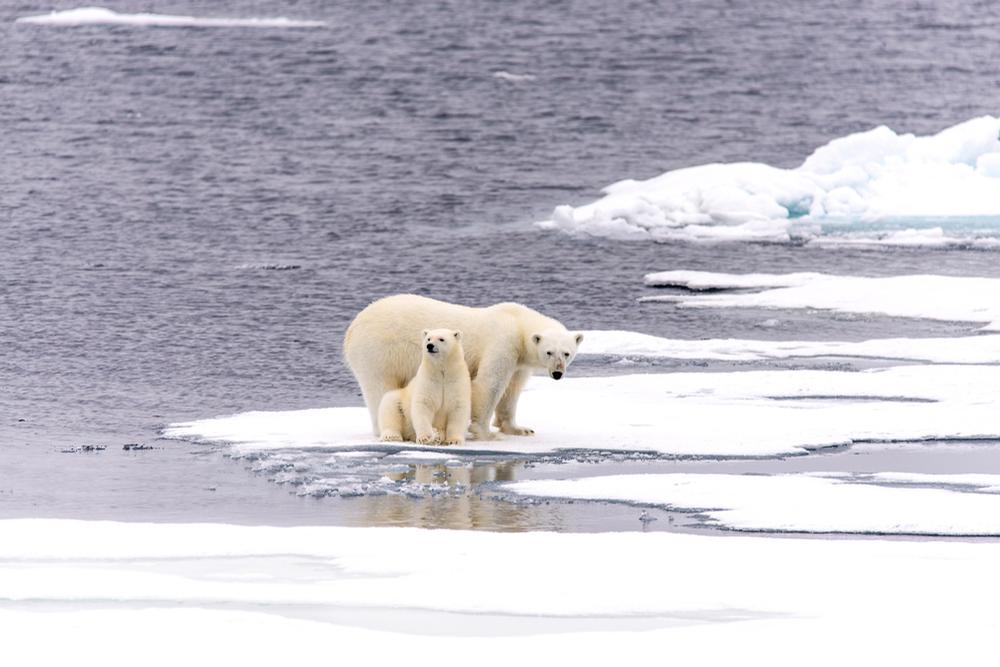
Reminders of climate change are around us all the time. Sometimes it’s dramatic and heartbreaking, like news of forest fires in Greece or California, or the sea ice shrinking in the Arctic. Other times it’s smaller but closer to home, like the howling storm that keeps you awake at night. We can’t ignore it, but frequently feel helpless, especially when the most powerful man in the world is a denier.
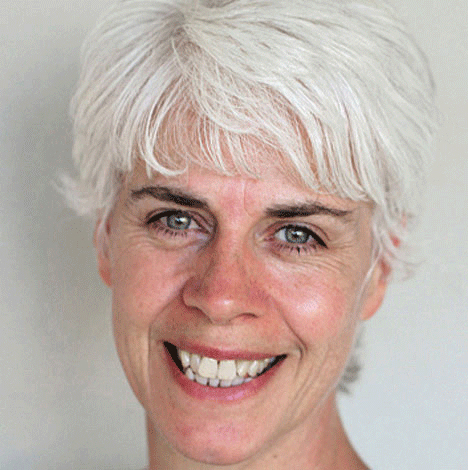
A cultural sector consultant, whose clients include the V&A and Museum of London, Bridget McKenzie is stepping in to provide some leadership, and empowerment, around the subject.
An environmental campaigner at the weekends, McKenzie is currently in the early stages of creating Climate Museum UK – an experimental mobile museum designed to educate, start conversations and inspire action around the topic.
There’s a small but growing wave of change which McKenzie is riding in the cultural sector. She was inspired to start working on her idea earlier this year when she met Miranda Massie, who is in the process of setting up a Climate Museum as a destination attraction in New York.
“There’s a growing movement in the cultural sector to further discuss climate change,” McKenzie explains.
“Many museums are starting to integrate the environment into their work for social action. We’ve gone past the point of asking if museums can effect change. We know they can, so we need to start doing it.”
Unlike its New York counterpart, Climate Museum UK will not be developed around a single destination but will be a pop-up – part exhibition, part training process – which could be hired by a museum, school, library or business.
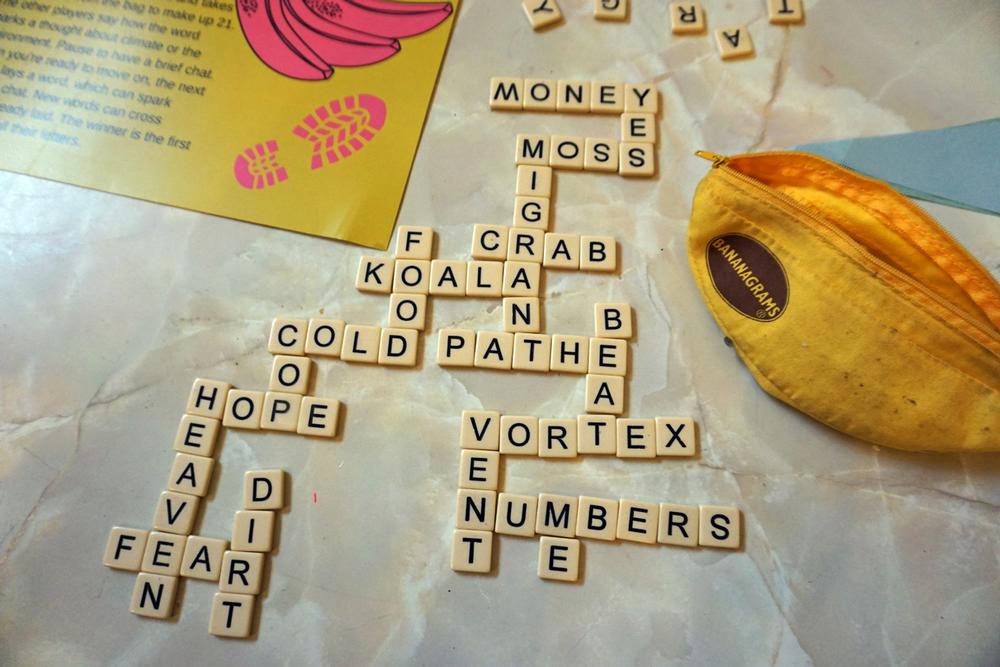
“I see it as a workshop/campaign/training project where people can explore the subject and talk about their feelings and views,” says McKenzie. “Props and games will enable the conversation of how we can engage communities with climate change. Each pop-up will be targeted to the location: for example if it’s a low lying area there might be a history of flooding which can be brought into it.”
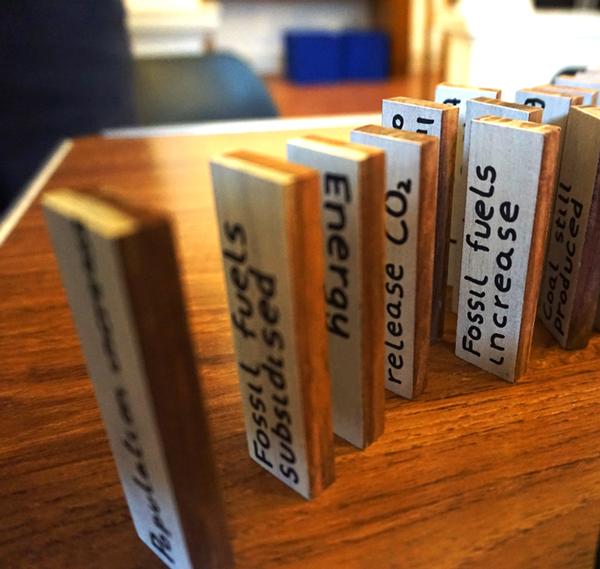
With the help of fellow climate campaigners and organisations such as Julie’s Bicycle and Artsadmin, McKenzie has been honing her ideas over the last few months, as well as making props and games for the pop-up. These include things such as collapse kerplunk; climate change dominoes and earth top trumps.
There will be some core infographics, and a conversation machine, where the visitor puts in a thought, turns a handle and gets someone else’s thought in return. The cabinet of curiosities will present objects, like coal and plastic, in jewellery boxes as talking points.
“Although I want there to be playful activities, I’m deliberately not making anything silly,” she says. “This isn’t a place to come and have fun, it’s a serious subject. I’m not trying to determine the visitors’ emotional response, but give them space to create and explore.”
McKenzie also acknowledges that some content might be disturbing and the museum will need to be flexible enough to be modified according to the audience. Some might require a more hard-hitting message, while children will likely need a softer, more gentle approach.
“We might consider trigger warnings or signpost people to external services or resources,” she says.
In order to reach the broadest audience possible, McKenzie is working on two further strands beyond the pop-up concept. The first is to develop a tour script around a current exhibition or site, which can bring a climate change theme into an existing museum.
“For example, The Sheringham Museum, on the coastline of Norfolk, has an observation tower,” says McKenzie.
“It overlooks the Sheringham Shoal Offshore Wind Farm, but it’s not used to its best effect. There’s definitely the potential to start a conversation about wind farms, as well as the history of energy and its effects on the local environment.”
The next part will be its digital museum and McKenzie is currently curating various collections of music, art and resources connected to climate change.
There will be a charge to host the exhibition, but the cost is yet to be decided. The model will be flexible, so that funded institutions and businesses will pay the full rate, but those without funding could pay less for the service.
The main challenge to date has been time. “There’s been a lot of interest shown in the project. Without funding, I can’t progress as fast as I would like to, but in order to get funding I need to be more progressed than I am,” explains McKenzie.
With this in mind, she is about to launch a Crowdfunding campaign. The money raised will be used to develop a website without advertising and finish the business plan and prototype, with a view to getting some pop-ups going in the summer. The first venue to host a one-day workshop will be St Margaret’s House chapel in east London, which aims to promote social change by creating opportunities for people in their community.
Climate change is a big issue to tackle, but McKenzie says the first step is to start a conversation: “I want people to come away thinking about ways they can talk about it more and make a change,” she says.
Taking action
Climate change involves everyone changing some habits, but the attractions industry could be a big influence for the positive. Operators can start the conversation, educate visitors without being preachy, set an example and use buying power to encourage suppliers to make changes. Here are some ideas. Congratulations to those operators already doing them…
Don’t take sponsorship from unethical sources.
Switch to a renewable energy supplier, or even generate your own energy.
Ask organisations you are involved with to stop using fossil fuels.
Use ethical banking and encourage your suppliers to do the same.
Go paperless.
Work with specialist recycling companies to recycle the maximum waste possible.
Avoid selling landfill tat in retail outlets.
Ban plastic water bottles and install water fountains. Remind people to bring their own drinks bottles and coffee cups, but sell them for those who forget.
Stop using plastic cutlery, straws, condiments sachets and sytrofoam takeaway packaging and use biodegradable alternatives instead.
Stop using plastic bags.
Put pressure on suppliers to cut down on their plastic use and use alternatives.
Work with catering suppliers to use alternatives to palm oil.
Do laundry on site.
Engage in a tree planting scheme to help offset carbon emissions of travelling visitors.
Encourage visitors to car share, or arrive by public transport, bicycle or on foot.
Host the Climate Museum UK.
Get your staff involved: hold meetings to discuss ideas ways in which you can make a difference as an attraction and encourage your visitors to follow suit.
Read more from this issue of Spa Business magazine
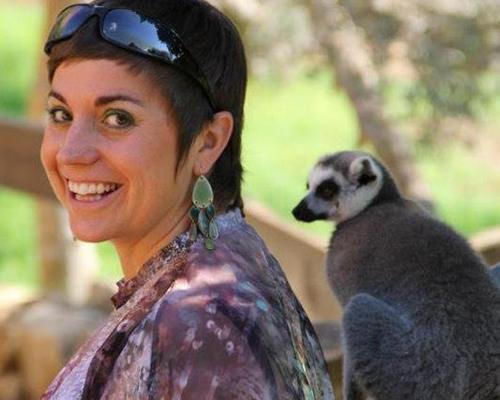
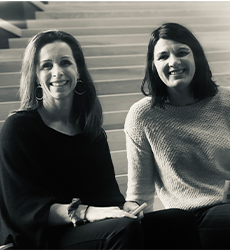
Bridget McKenzie acts primarily as a consultant for the culture sector
A selection of props, infographics, games, activities and artworks that can be installed differently to suit each host organisation for the series of one day workshops
A selection of props, infographics, games, activities and artworks that can be installed differently to suit each host organisation for the series of one day workshops
A selection of props, infographics, games, activities and artworks that can be installed differently to suit each host organisation for the series of one day workshops
This vision is to create a series of exhibitions and events, and a growing collection of artworks and activity tools, exploring climate change
In today’s premium spa environment, every detail shapes the guest experience – right down to
the softness of towels and the freshness of linens. [more...]
Director of cultural consultancy,
Flow, by day and eco warrior in
her spare time, Bridget McKenzie
is turning her passion into action
with Climate Museum UK, a
mobile exhibition to try and
effect change. Kath Hudson reports
By Kath Hudson | Published in Attractions Management 2019 issue 1
Reminders of climate change are around us all the time. Sometimes it’s dramatic and heartbreaking, like news of forest fires in Greece or California, or the sea ice shrinking in the Arctic. Other times it’s smaller but closer to home, like the howling storm that keeps you awake at night. We can’t ignore it, but frequently feel helpless, especially when the most powerful man in the world is a denier.
A cultural sector consultant, whose clients include the V&A and Museum of London, Bridget McKenzie is stepping in to provide some leadership, and empowerment, around the subject.
An environmental campaigner at the weekends, McKenzie is currently in the early stages of creating Climate Museum UK – an experimental mobile museum designed to educate, start conversations and inspire action around the topic.
There’s a small but growing wave of change which McKenzie is riding in the cultural sector. She was inspired to start working on her idea earlier this year when she met Miranda Massie, who is in the process of setting up a Climate Museum as a destination attraction in New York.
“There’s a growing movement in the cultural sector to further discuss climate change,” McKenzie explains.
“Many museums are starting to integrate the environment into their work for social action. We’ve gone past the point of asking if museums can effect change. We know they can, so we need to start doing it.”
Unlike its New York counterpart, Climate Museum UK will not be developed around a single destination but will be a pop-up – part exhibition, part training process – which could be hired by a museum, school, library or business.
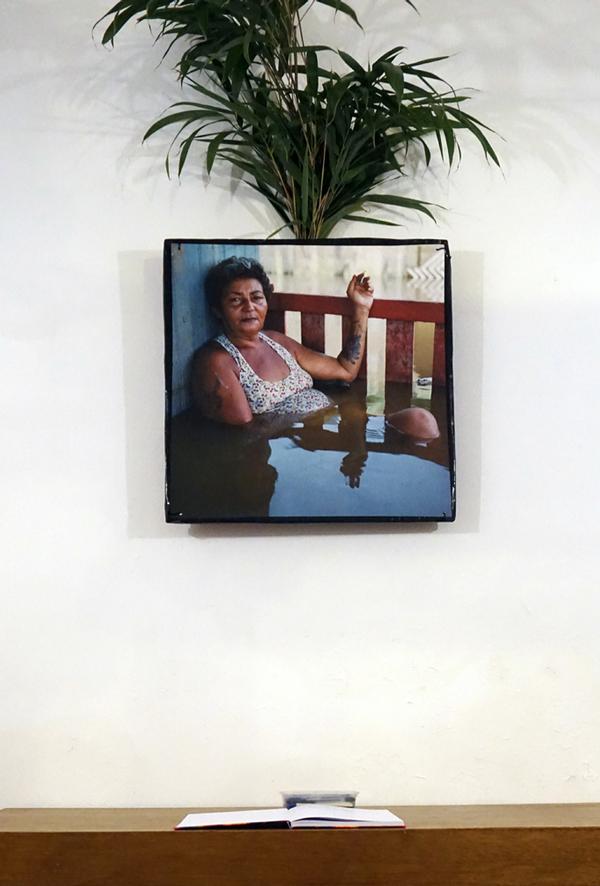
“I see it as a workshop/campaign/training project where people can explore the subject and talk about their feelings and views,” says McKenzie. “Props and games will enable the conversation of how we can engage communities with climate change. Each pop-up will be targeted to the location: for example if it’s a low lying area there might be a history of flooding which can be brought into it.”
With the help of fellow climate campaigners and organisations such as Julie’s Bicycle and Artsadmin, McKenzie has been honing her ideas over the last few months, as well as making props and games for the pop-up. These include things such as collapse kerplunk; climate change dominoes and earth top trumps.
There will be some core infographics, and a conversation machine, where the visitor puts in a thought, turns a handle and gets someone else’s thought in return. The cabinet of curiosities will present objects, like coal and plastic, in jewellery boxes as talking points.
“Although I want there to be playful activities, I’m deliberately not making anything silly,” she says. “This isn’t a place to come and have fun, it’s a serious subject. I’m not trying to determine the visitors’ emotional response, but give them space to create and explore.”
McKenzie also acknowledges that some content might be disturbing and the museum will need to be flexible enough to be modified according to the audience. Some might require a more hard-hitting message, while children will likely need a softer, more gentle approach.
“We might consider trigger warnings or signpost people to external services or resources,” she says.
In order to reach the broadest audience possible, McKenzie is working on two further strands beyond the pop-up concept. The first is to develop a tour script around a current exhibition or site, which can bring a climate change theme into an existing museum.
“For example, The Sheringham Museum, on the coastline of Norfolk, has an observation tower,” says McKenzie.
“It overlooks the Sheringham Shoal Offshore Wind Farm, but it’s not used to its best effect. There’s definitely the potential to start a conversation about wind farms, as well as the history of energy and its effects on the local environment.”
The next part will be its digital museum and McKenzie is currently curating various collections of music, art and resources connected to climate change.
There will be a charge to host the exhibition, but the cost is yet to be decided. The model will be flexible, so that funded institutions and businesses will pay the full rate, but those without funding could pay less for the service.
The main challenge to date has been time. “There’s been a lot of interest shown in the project. Without funding, I can’t progress as fast as I would like to, but in order to get funding I need to be more progressed than I am,” explains McKenzie.
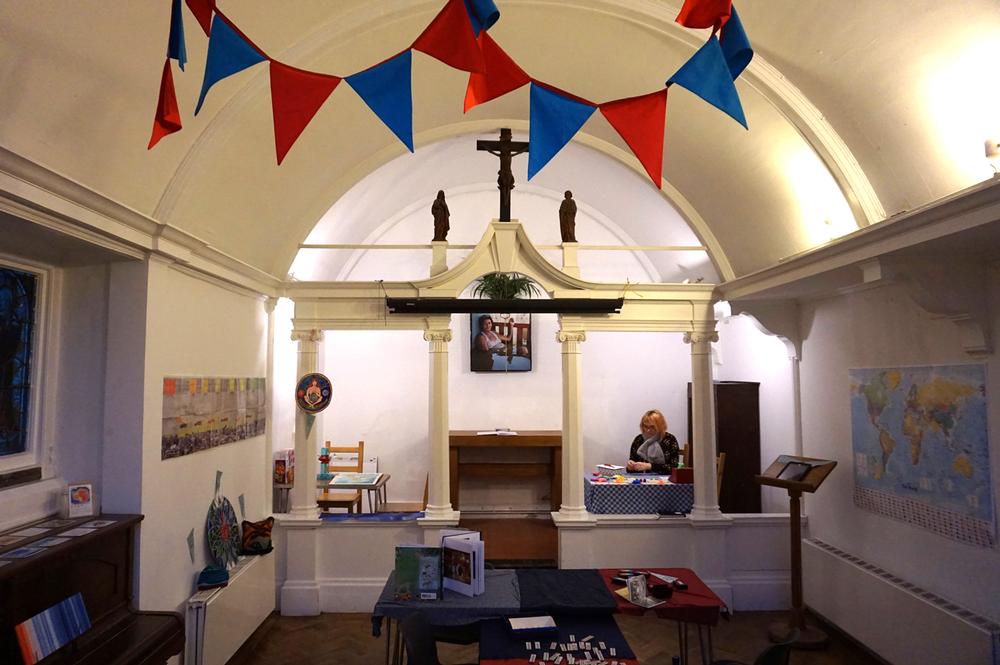
With this in mind, she is about to launch a Crowdfunding campaign. The money raised will be used to develop a website without advertising and finish the business plan and prototype, with a view to getting some pop-ups going in the summer. The first venue to host a one-day workshop will be St Margaret’s House chapel in east London, which aims to promote social change by creating opportunities for people in their community.
Climate change is a big issue to tackle, but McKenzie says the first step is to start a conversation: “I want people to come away thinking about ways they can talk about it more and make a change,” she says.
Taking action
Climate change involves everyone changing some habits, but the attractions industry could be a big influence for the positive. Operators can start the conversation, educate visitors without being preachy, set an example and use buying power to encourage suppliers to make changes. Here are some ideas. Congratulations to those operators already doing them…
Don’t take sponsorship from unethical sources.
Switch to a renewable energy supplier, or even generate your own energy.
Ask organisations you are involved with to stop using fossil fuels.
Use ethical banking and encourage your suppliers to do the same.
Go paperless.
Work with specialist recycling companies to recycle the maximum waste possible.
Avoid selling landfill tat in retail outlets.
Ban plastic water bottles and install water fountains. Remind people to bring their own drinks bottles and coffee cups, but sell them for those who forget.
Stop using plastic cutlery, straws, condiments sachets and sytrofoam takeaway packaging and use biodegradable alternatives instead.
Stop using plastic bags.
Put pressure on suppliers to cut down on their plastic use and use alternatives.
Work with catering suppliers to use alternatives to palm oil.
Do laundry on site.
Engage in a tree planting scheme to help offset carbon emissions of travelling visitors.
Encourage visitors to car share, or arrive by public transport, bicycle or on foot.
Host the Climate Museum UK.
Get your staff involved: hold meetings to discuss ideas ways in which you can make a difference as an attraction and encourage your visitors to follow suit.
Read more from this issue of Spa Business magazine
Bridget McKenzie acts primarily as a consultant for the culture sector
A selection of props, infographics, games, activities and artworks that can be installed differently to suit each host organisation for the series of one day workshops
A selection of props, infographics, games, activities and artworks that can be installed differently to suit each host organisation for the series of one day workshops
A selection of props, infographics, games, activities and artworks that can be installed differently to suit each host organisation for the series of one day workshops
This vision is to create a series of exhibitions and events, and a growing collection of artworks and activity tools, exploring climate change
As part of its first hotel partnership, Mayrlife – the medical health resort company known for its
site in Altaussee, Austria – has launched a day clinic at the Rosewood Vienna.
Premium London health club, KX Chelsea, will imminently unveil its most significant
redevelopment since its launch in 2002 to create an integrated wellness model combining
training, recovery and relaxation.
Rosewood Le Guanahani St Barth, on the northeast coast of Saint Barthélemy in the French
West Indies, is offering a programme of ocean-inspired yoga classes between 8-14 June to
celebrate Global Wellness Day (GWD).
Hotel de France, located on the British Isle of Jersey, has created a wellness retreat package
that includes a hot yoga session that will take place in Jersey Zoo’s butterfly sanctuary.
The Ritz-Carlton, Langkawi, in Malaysia, has revealed a schedule for Global Wellness Day
(GWD) that includes guided rainforest walks, mindful movement and guided coastal meditation
experiences.
Longevitix, a clinical platform for preventive and longevity medicine, has launched its AI-
powered intelligence system to help physicians deliver continuous, personalised longevity-
focused care at scale.
Atmantan Wellness Centre, an integrative wellness destination in Mulshi, near Pune in India, is
expanding its portfolio by adding a new centre in Hyderabad that will launch between 2028 and
2029.
A recent survey by the UK Spa Association (UKSA) into the industry’s approach to cancer care
has revealed that almost half of participating respondents (46 per cent) are unaware that
cancer is a disability and guests with a cancer diagnosis must be given
Mexican operator, Solmar Hotels and Resorts, is hosting a series of events in celebration of
Global Wellness Day, including a Temazcal ceremony at its Playa Grande Resort and Spa in Los
Cabos.
Mandarin Oriental has announced a standalone residence brand, Mansions, which will debut at
Emirates Palace, Mandarin Oriental Mansions, Abu Dhabi, in 2029.
In today’s premium spa environment, every detail shapes the guest experience – right down to
the softness of towels and the freshness of linens. [more...]