In a world increasingly divided by rising nationalism, how do you charm someone
from culture that’s not your own? Tom Mehrmann and Roland Mack
discussed this issue for the IAAPA Legends panel
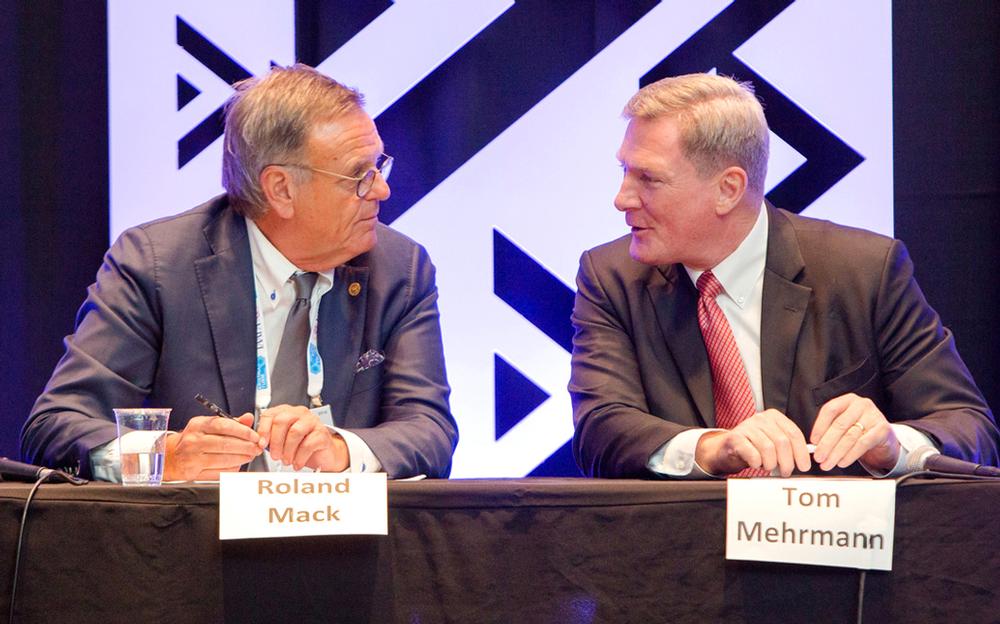
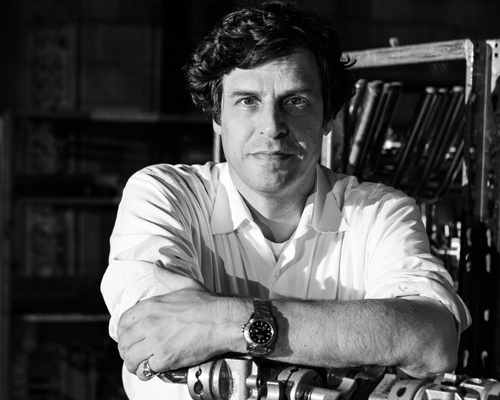
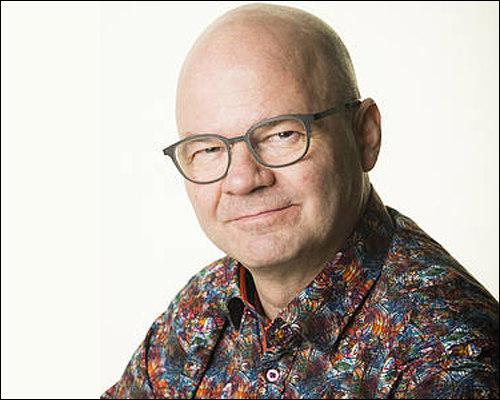
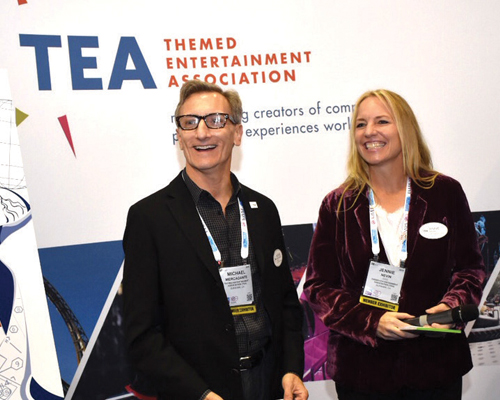
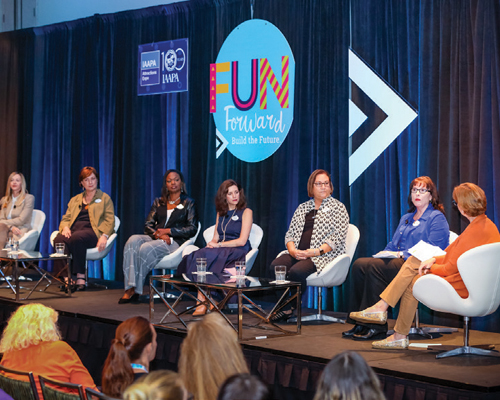
Roland Mack and Tom Mehrmann took part in the popular panel
When opening a new venture overseas in a culture you’re not familiar with, or when you have to interpret someone else’s culture and invite them to experience it in your park, what works and what doesn’t? These were the questions posed by Bob Rogers, founder and chief creative officer of experience design firm BRC Imagination Arts, who once again hosted the Legends panel at the IAAPA Expo in Orlando.
For the latest edition, Rogers was joined by panel members Tom Mehrmann, former Ocean Park CEO and current president and general manager of the under-development Universal Beijing, as well as Europa Park founder Roland Mack.
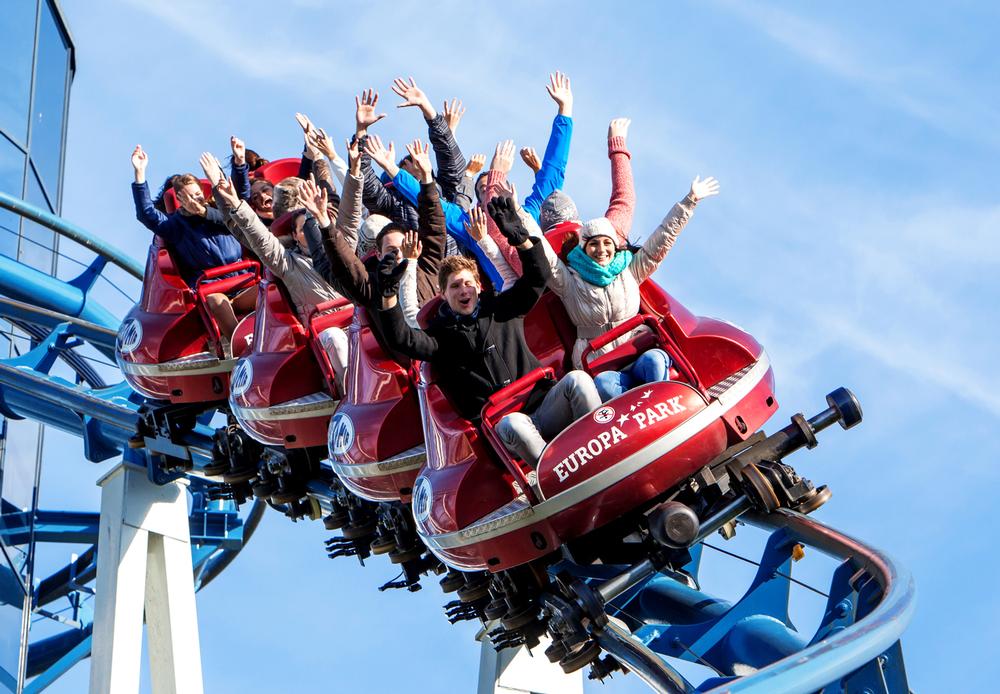
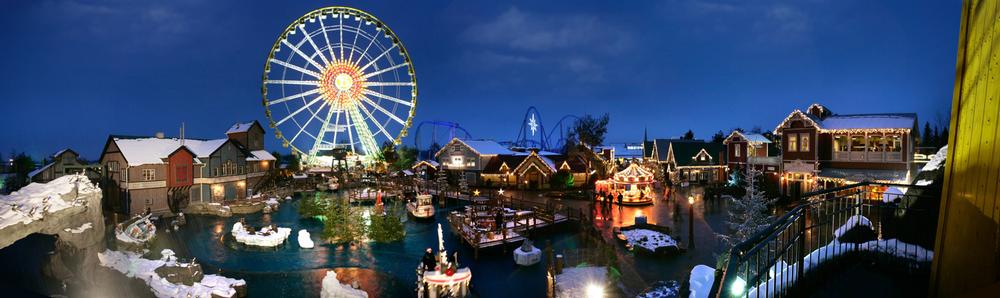
Culture ambassadors Mack, a member of the IAAPA Hall of Fame, is currently leading his family’s business, which was started 240 years ago as a manufacturer of stagecoach wagons. In the early 1900s Mack started to manufacture rides. Roland and his brother Jurgen are the seventh generation of Macks to work in the industry. In 1977 they formed Europa Park, which outside of Disney is Europe’s most visited theme park.
Introducing Mack, Rogers called Europa Park a “vibrant, shiny mosaic of European culture, celebrating unity and diversity”. He then asked Mack the secret to Europa Park’s success, which he believed was down to the European culture of Europa Park versus the “Americanised” Disney.
“We found with our clientele that European visitors love other European cultures,” said Mack. “If our visitors are telling us that Europa Park is more European, then we’re getting better feedback. It’s something completely different to Disney, which is an Americanised product.”
So how do you capture this essence of Europe without falling into the trap of stereotyping a culture – something that could potentially offend visitors?
“For us, we try recreating that country’s atmosphere,” said Mack. “We use typical elements such as architectural styles and then create our own world around that. We do it with costumes, music and the food of the countries. When we create that atmosphere, our visitors enjoy it.”
Changing perspectives Tom Mehrmann, who has held senior roles across the attractions industry, is now the president and general manager of the upcoming US$7.4bn Universal Beijing theme park and resort, which is due to open in 2020 as Universal’s third park in Asia.
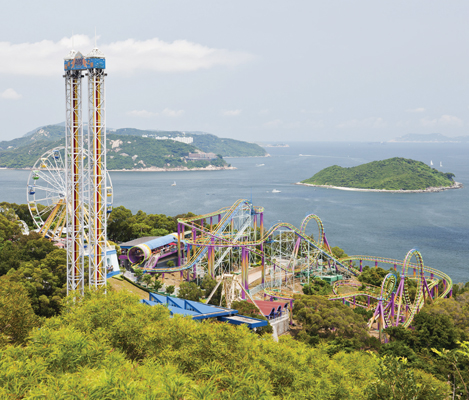
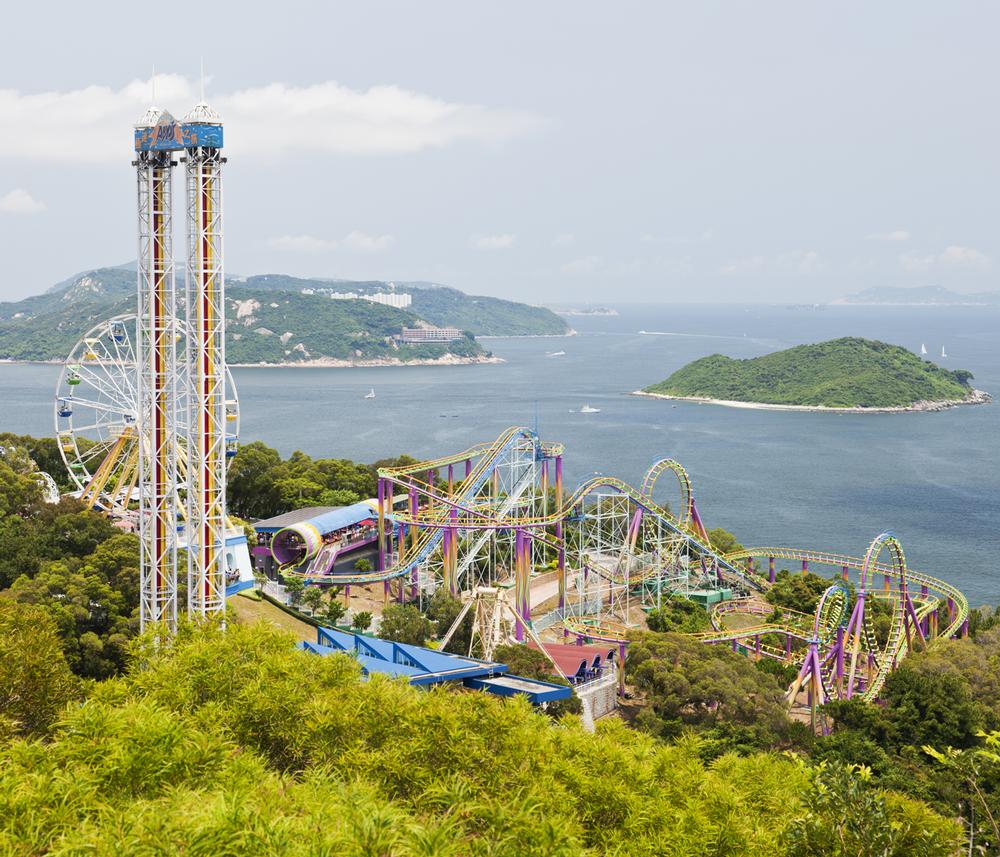
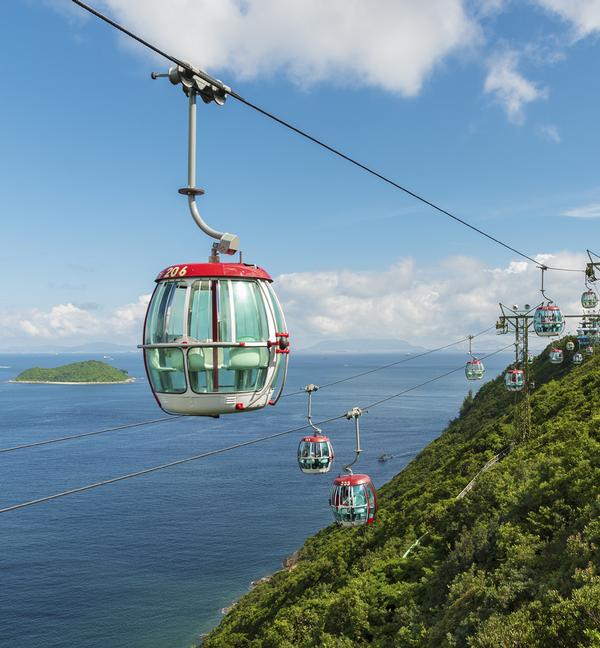
Prior to joining Universal, Mehrmann spent 13 years as CEO of Hong Kong’s Ocean Park and, in a feat that no one thought was possible, he managed to outmanoeuvre Disney’s new Hong Kong theme park, with his smaller attraction beating its attendance for more than a decade. So how did he achieve this? According to Merhmann, it was his experience when leading Warner Bros World in Madrid that taught him the lessons he needed to keep Ocean Park competitive.
“When we were building Warner Bros, there was a little park down the street – Parque de Atracciones,” he explained.
“At the time, we disregarded them as not being that great, that we could come in as a giant with a beautiful product and strong IPs. They did some really unique things. They brought in Real Madrid to be icons of the park. They were culturally relevant and tapped into the collective memory. They took advantage of their generational values and we got beat up.
“When Disney came to Hong Kong, I knew the playbook and I knew what we, as a smaller park, were going to do.”
Using culture, Merhmann built on the park’s existing ties, creating a connection with visitors that saw attendance soar.
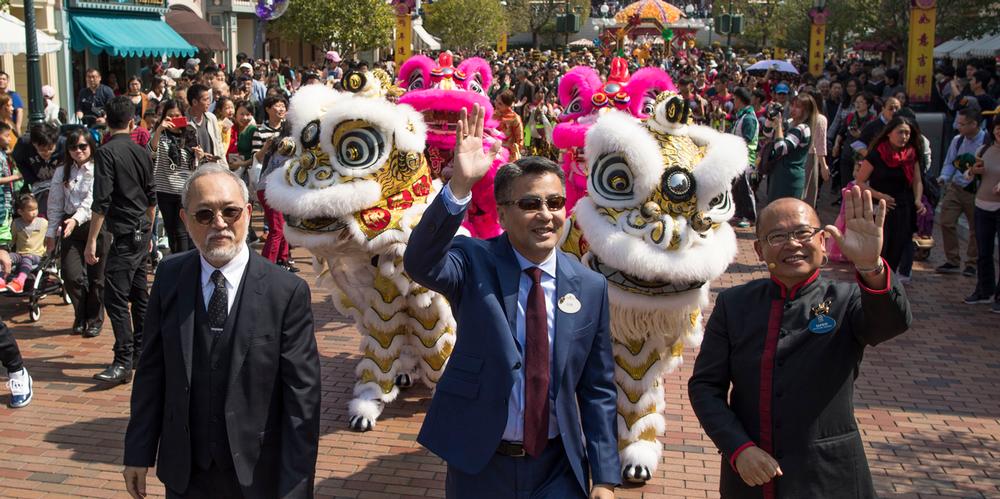
“I wanted to focus on being culturally relevant,” he said. “Disney was about to bring in American entertainment and they were going to try and make it local. We had the upper hand with a park that had been around for several years and was already ingrained in the culture of the local market. Disney at the time was brand new for Asia – they had to start from scratch.”
Now in position as the invading giant with Universal Beijing, Mehrmann isn’t underestimating his local competition.
“We’re learning from everything and everyone. Never be too proud to learn. Never be too arrogant to take note of who’s around you. Even if you don’t think it’s that good, take a look at what your market responds to. We get so inflated in how good we are, we forget guests enjoy what we dismiss as not so good.”
Read more from this issue of Spa Business magazine
In a world increasingly divided by rising nationalism, how do you charm someone
from culture that’s not your own? Tom Mehrmann and Roland Mack
discussed this issue for the IAAPA Legends panel
Roland Mack and Tom Mehrmann took part in the popular panel
When opening a new venture overseas in a culture you’re not familiar with, or when you have to interpret someone else’s culture and invite them to experience it in your park, what works and what doesn’t? These were the questions posed by Bob Rogers, founder and chief creative officer of experience design firm BRC Imagination Arts, who once again hosted the Legends panel at the IAAPA Expo in Orlando.
For the latest edition, Rogers was joined by panel members Tom Mehrmann, former Ocean Park CEO and current president and general manager of the under-development Universal Beijing, as well as Europa Park founder Roland Mack.
Culture ambassadors Mack, a member of the IAAPA Hall of Fame, is currently leading his family’s business, which was started 240 years ago as a manufacturer of stagecoach wagons. In the early 1900s Mack started to manufacture rides. Roland and his brother Jurgen are the seventh generation of Macks to work in the industry. In 1977 they formed Europa Park, which outside of Disney is Europe’s most visited theme park.
Introducing Mack, Rogers called Europa Park a “vibrant, shiny mosaic of European culture, celebrating unity and diversity”. He then asked Mack the secret to Europa Park’s success, which he believed was down to the European culture of Europa Park versus the “Americanised” Disney.
“We found with our clientele that European visitors love other European cultures,” said Mack. “If our visitors are telling us that Europa Park is more European, then we’re getting better feedback. It’s something completely different to Disney, which is an Americanised product.”
So how do you capture this essence of Europe without falling into the trap of stereotyping a culture – something that could potentially offend visitors?
“For us, we try recreating that country’s atmosphere,” said Mack. “We use typical elements such as architectural styles and then create our own world around that. We do it with costumes, music and the food of the countries. When we create that atmosphere, our visitors enjoy it.”
Changing perspectives Tom Mehrmann, who has held senior roles across the attractions industry, is now the president and general manager of the upcoming US$7.4bn Universal Beijing theme park and resort, which is due to open in 2020 as Universal’s third park in Asia.
Prior to joining Universal, Mehrmann spent 13 years as CEO of Hong Kong’s Ocean Park and, in a feat that no one thought was possible, he managed to outmanoeuvre Disney’s new Hong Kong theme park, with his smaller attraction beating its attendance for more than a decade. So how did he achieve this? According to Merhmann, it was his experience when leading Warner Bros World in Madrid that taught him the lessons he needed to keep Ocean Park competitive.
“When we were building Warner Bros, there was a little park down the street – Parque de Atracciones,” he explained.
“At the time, we disregarded them as not being that great, that we could come in as a giant with a beautiful product and strong IPs. They did some really unique things. They brought in Real Madrid to be icons of the park. They were culturally relevant and tapped into the collective memory. They took advantage of their generational values and we got beat up.
“When Disney came to Hong Kong, I knew the playbook and I knew what we, as a smaller park, were going to do.”
Using culture, Merhmann built on the park’s existing ties, creating a connection with visitors that saw attendance soar.
“I wanted to focus on being culturally relevant,” he said. “Disney was about to bring in American entertainment and they were going to try and make it local. We had the upper hand with a park that had been around for several years and was already ingrained in the culture of the local market. Disney at the time was brand new for Asia – they had to start from scratch.”
Now in position as the invading giant with Universal Beijing, Mehrmann isn’t underestimating his local competition.
“We’re learning from everything and everyone. Never be too proud to learn. Never be too arrogant to take note of who’s around you. Even if you don’t think it’s that good, take a look at what your market responds to. We get so inflated in how good we are, we forget guests enjoy what we dismiss as not so good.”
Read more from this issue of Spa Business magazine
Global Wellness Day (GWD) will mark its 15th anniversary on Saturday 13 June 2026, with the
theme: #JoyMagenta – a celebration of the healing qualities of simple gestures and activities
that spark joy.
Global luxury hospitality brand, Six Senses, has partnered with longevity healthcare provider,
HUM2N, to launch a clinic at Six Senses London, at The Whiteley.
As part of its first hotel partnership, Mayrlife – the medical health resort company known for its
site in Altaussee, Austria – has launched a day clinic at the Rosewood Vienna.
Premium London health club, KX Chelsea, will imminently unveil its most significant
redevelopment since its launch in 2002 to create an integrated wellness model combining
training, recovery and relaxation.
Rosewood Le Guanahani St Barth, on the northeast coast of Saint Barthélemy in the French
West Indies, is offering a programme of ocean-inspired yoga classes between 8-14 June to
celebrate Global Wellness Day (GWD).
Hotel de France, located on the British Isle of Jersey, has created a wellness retreat package
that includes a hot yoga session that will take place in Jersey Zoo’s butterfly sanctuary.
The Ritz-Carlton, Langkawi, in Malaysia, has revealed a schedule for Global Wellness Day
(GWD) that includes guided rainforest walks, mindful movement and guided coastal meditation
experiences.
Longevitix, a clinical platform for preventive and longevity medicine, has launched its AI-
powered intelligence system to help physicians deliver continuous, personalised longevity-
focused care at scale.
Atmantan Wellness Centre, an integrative wellness destination in Mulshi, near Pune in India, is
expanding its portfolio by adding a new centre in Hyderabad that will launch between 2028 and
2029.
A recent survey by the UK Spa Association (UKSA) into the industry’s approach to cancer care
has revealed that almost half of participating respondents (46 per cent) are unaware that
cancer is a disability and guests with a cancer diagnosis must be given