AZA chair Dennis Pate on the association’s historic initiative to save endangered animals, and why his zoo in Omaha has been voted the best in the world
By Alice Davis | Published in Attractions Management 2015 issue 2
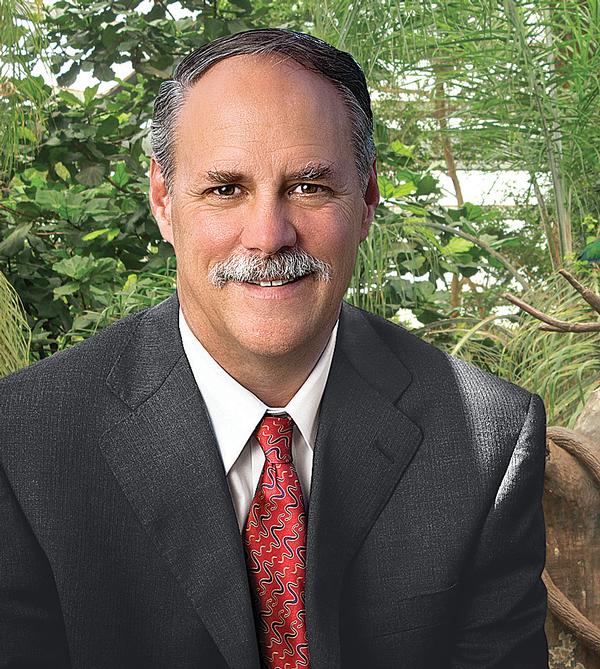
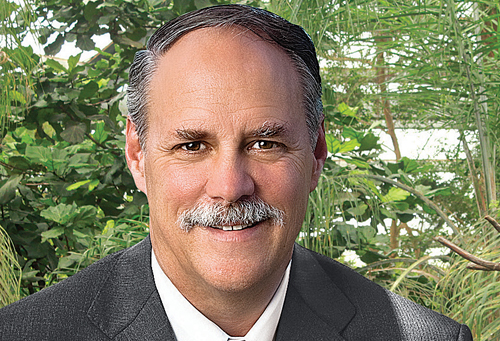
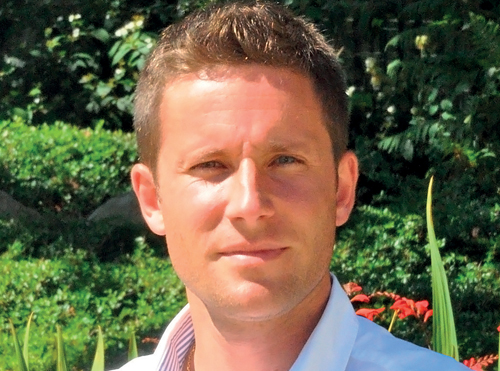
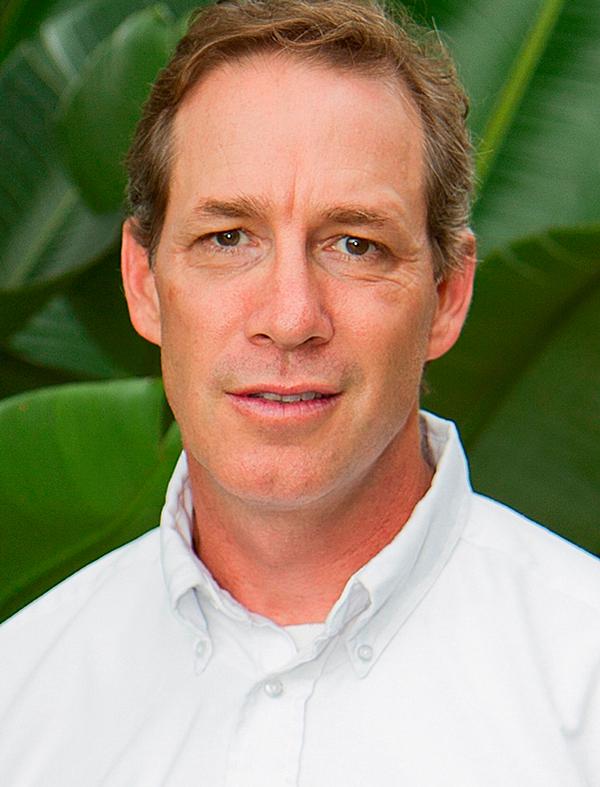
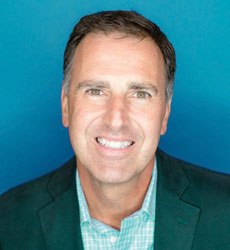
AZA chair Dennis Pate has been active at the top level of the association for a number of years
The Association of Zoos and Aquariums (AZA) is launching a major conservation campaign in response to the rapid rate of decline of species in the wild. The man in charge of the strategy is Dennis Pate, who’s halfway through his AZA chairmanship and director and CEO of Omaha’s Henry Doorly Zoo and Aquarium in Omaha, Nebraska – voted TripAdvisor’s number one zoo in the world.
When Pate met with Attractions Management, he explained how the Saving Animals From Extinction (SAFE) initiative is setting a new standard in conservation, and why it’s down to the AZA and its members to take responsibility for protecting vulnerable species at this critical time.
What is SAFE? Saving Animals from Extinction, or SAFE, is a new initiative by zoos and aquariums to direct more resources towards saving animals from extinction – those in the wild as well as those in zoos. The mission is to combine the power of zoo and aquarium visitors with the resources and collective expertise of AZA members and partners to save the most vulnerable wildlife species from extinction. That can mean intensive management in the zoo or aquarium or less intensive management in the wild.
How did SAFE come about? What precipitated this is the rapid rate of decline of animals in the wild.
We also have recent data about animals in zoos that show in some cases the populations are not as healthy over a long period as we would like. We may be lacking founders, there may be problems with some species reproducing, or there may not be enough space to build a sufficiently large population to sustain some species well into the future. Some animals, such as gorillas, are doing well; but others, like elephants, not so well.
Is it a global initiative? Other regions recognise the same issues as AZA zoos and aquariums – the escalating decline of animals in the wild. The SAFE initiative includes zoos and aquariums in the US, Canada, Mexico, Argentina, Singapore, Bermuda, the Bahamas and Hong Kong.
What are you doing first? It is really a simultaneous effort. First, we need to better understand the populations in the wild and those we keep in zoos and aquariums, and find out what the issues are regarding their sustainability. Currently, more biologists are being hired to zoom in on that. Then, once we understand what the barriers to sustainability are, we can direct more resources towards resolving them.
We want to pick 25 species to focus our efforts. Focusing on species where we can make the biggest difference has been successful for zoos, with black-footed ferrets and California condors, for example.
We have to consider the degree of endangerment and the animal’s status in the wild, as well as the expertise we have and whether we can impact their situation.
With species that are predominantly wild, SAFE’s aims will be more legislative. With sharks, for example, it’s about how we curtail shark finning, how we mitigate bycatch. There are millions and millions of sharks being killed in these ways. These are legislative and political issues and we need to direct resources towards solving them, maybe in different ways than we’re used to. As an association we want to put every effort into these first 25 species.
So it’s a collaborative approach by different zoos and aquariums? Exactly. So rather than a one-by-one approach with different zoos, we focus all our efforts. Right now, the 229 North American zoos and aquariums spend $160m (£109m, €151m) on field conservation – it’s a major commitment. SAFE will bring a more organised approach to this. We’re formulating the processes of how we’re going to do this and we’re in high gear on fundraising mode – it’s being paid for just not by the members but also by independent fundraising. We’ve hired fundraising consultants Schultz & Williams to help us.
What’s your role as AZA chair? My role is to follow through on our strategic plan – to shepherd in the next steps under the plan and to keep things moving in a positive direction. It involves working with the executive committee, the entire board, committee chairs, and the AZA staff who really work to implement the plan.
What’s happening at the leading edge of zoos? Zoos are being more transparent about what they do and how they do it.
I visited Busch Gardens in Tampa, one of the leaders in our industry, and I was especially impressed with their veterinary hospital. At their Animal Care Centre, people learn about veterinary medicine, observation, diagnostic techniques and treatment in innovative ways. The centre is behind glass and there are scheduled procedures that visitors can watch. It shows the care that goes into maintaining the health of animals in zoos and aquariums, rather than that being a back-of-house function. We need to understand that our guests are interested in how we care for animals and the science behind it.
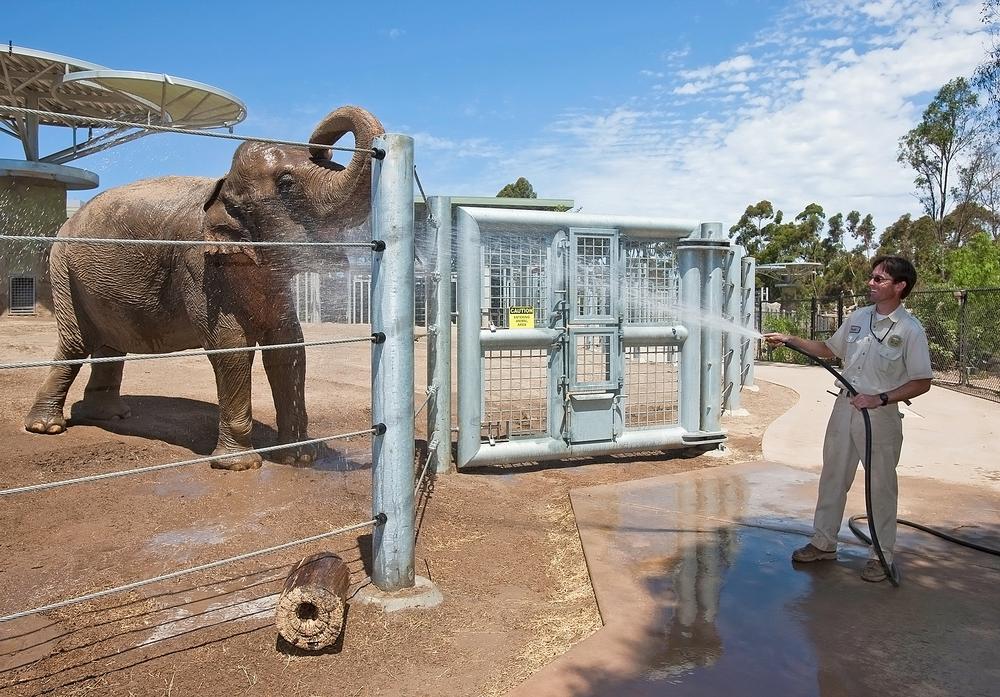
At San Diego Zoo there’s an elephant programme that’s all carried out in full view of the public. The foot care, the trunk washes, examining their mouths, looking in their ears, drawing blood – it’s all on view.
Many zoos are bringing the training they do to facilitate veterinary care and husbandry up-front, so people can observe it – whether its collecting blood or working on training behaviours.
In Omaha, we can collect blood from the tail of a lion with the lion’s full cooperation. We can collect semen from a gorilla with his full cooperation. We’ve trained a Philippine crocodile, which are very endangered, to donate semen with its full cooperation. We can do heart echoes on a gorilla with its full cooperation without any anaesthesia whatsoever – just through operant conditioning and the use of reward.
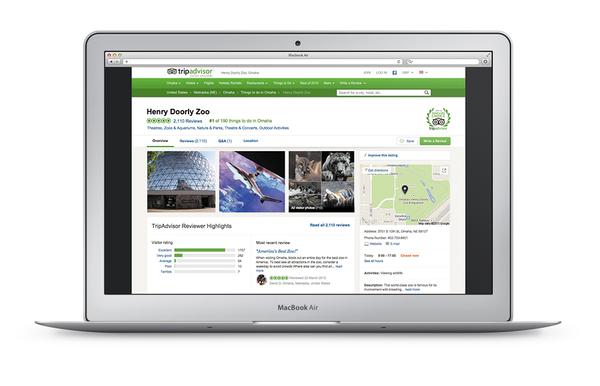
In August 2014, TripAdvisor said Omaha Henry Doorly Zoo was the best in the world. How does your zoo engage with the public? We’re part of the community and the people of Omaha really love their zoo. We engage with people from an early age, and we have high school, kindergarten and after-school programmes to turn children into passionate wildlife protectors.
The zoo is renowned for its conservation efforts. Can you give us some examples? We have an extensive field programme, in South Africa, and with parks in Swaziland to help rhinos. We have a major field effort in Madagascar and a plant conservation unit that works in Bermuda and the US. At the zoo, we have our amphibian breeding centre. We’ve been breeding thousands of Houston toads, Puerto Rican crested toads and other amphibians to return to the wild. These are things zoos can do to make a real difference.
It’s still important to us to be a great Saturday afternoon visit for families, and we need to continue that to have a successful financial model, but we understand that we have a greater responsibility to animals in the wild and that zoos and aquariums need to be the reservoir for these assurance populations.
What do you think are the main challenges facing zoos and aquariums? Having enough space to build these assurance populations in reasonable numbers is a major challenge. Zoos have moved from this postage-stamp collection, where if you had two of something that nobody else had, then that was a really big deal. Now, if you have two of something nobody else has, then it’s a dead end and it doesn’t contribute to sustainability.
Zoos have been working together since 1980 and we’ve been good accountants in putting together stud books, breeding programmes, deciding who should pair with who based on genetics and demographics. What’s changing now is we need to understand those animals that aren’t breeding. Now we can possibly use assisted reproduction technologies or import more founders to strengthen our populations genetically. It’s problem solving.
A perennial challenge is funding. At my zoo I have to fund 89 per cent of the operation. I have to think of ways to generate revenue that aren’t always necessarily related to raising the admission fees. Admission fees at our park are only 25 per cent of our total revenue, while 30 years ago they were almost all of it. By holding the admission fees down, more people can visit, whatever their income.
However, there are many ways to spend money inside the zoo on an elective basis. Exhibits work for us more than eight hours a day now: we host weddings, corporate events, sleepovers at the aquarium and a camp next to the lion exhibit – all ways to make the zoo work after hours.
Do aquariums face the same challenges? One of the major problems is with breeding and raising fish. We can breed and recover eggs and live young, but it’s very difficult to feed these young fish. In the wild, they eat microscopic plankton among other things that can in and of themselves be difficult to raise. There’s a research effort supported by the University of Florida and Seaworld to develop a way to culture the organisms that the fish will eat.
How would you describe the overall sentiment in the industry? In the US, visitor numbers are up – 180 million people a year go to accredited zoos in North America. That’s more than all of the professional sports together – football, basketball, baseball: zoos draw more.
They’re educational and it’s family time, but one of the things we’re working on is understanding our responsibility beyond a nice Saturday afternoon, our responsibility to the animals in the wild, and then building public awareness.
I think the public expects us not only to exhibit animals but to be looking out for them in the wild. With the rapid decline right now of species in the wild, the role of zoos is becoming even more important. That’s why the SAFE initiative is so important.
Read more from this issue of Spa Business magazine
Interview: Marty Sklar
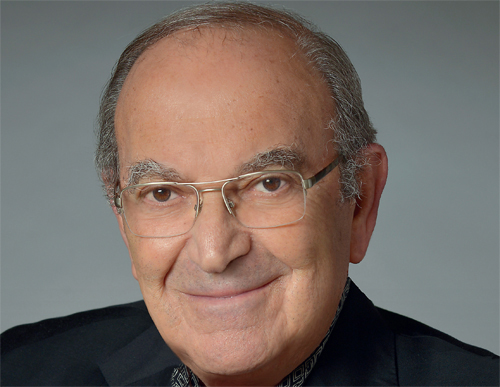
Retired Disney Legend Marty Sklar
reveals the secrets of Imagineering,
the legacy of the 1964 World’s Fair
and the lessons he learned as
Walt Disney’s “keeper of the keys”
Talking Point: The $100 Barrier
As a Walt Disney World day ticket
enters three-digit territory for
the first time, we ask what this
means for pricing in the sector
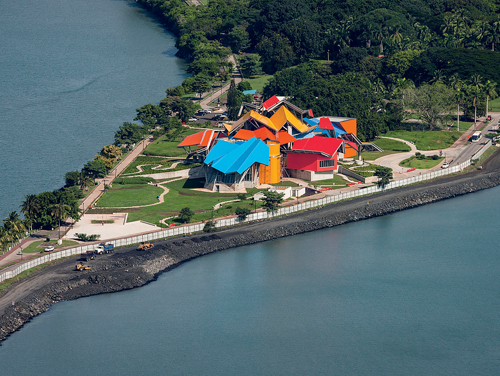
Museums: Biomuseo
Panama has opened the world’s first
museum of biodiversity, an ambitious
building by architect Frank Gehry. We
meet the team behind the project
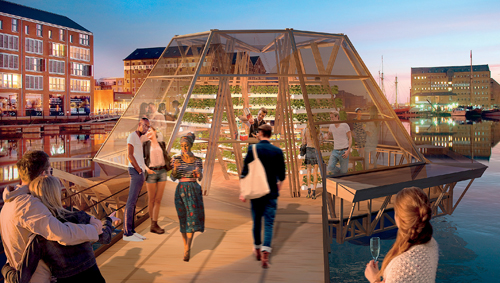
Expos: Food for Thought
Expo Milano 2015 launches in Italy,
aiming to bring the planet’s most
pressing problems to the fore, not least
how to provide food for everybody
Zoos & Aquariums: On the SAFE Side
AZA chair Dennis Pate explains a new
initiative designed to help endangered
animals, and offers some tips from
his world-class Henry Doorly zoo
Promotional feature: IDEATTACK
IDEATTACK is a creative maverick with a
new perspective, bringing custom-made
one-of-a-kind attractions typologies to
a world that needs something di�fferent
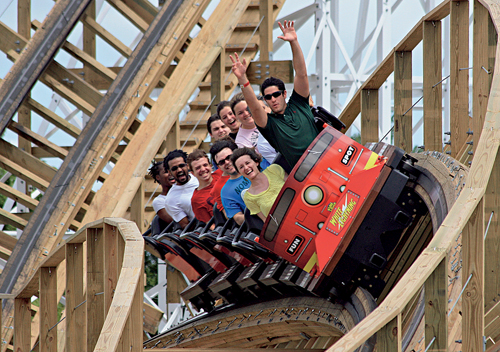
Rides: The Ride Makers
In the third part of our series, we look at
the enduring appeal of wooden coasters
Ticketing: Dream Tickets
Ticketing systems are advancing to
improve the guest’s experience and the
operator’s profit. We investigate the
sector’s current and upcoming trends
Q&A with Jeff Andrews, Vice President of Zoological Operations, Busch Gardens Tampa Bay
Jeff Andrews, zoological operations
What is the Animal Care Centre? The Busch Gardens Animal Care Centre is a state-of-the-art media facility designed to give our guests a firsthand experience of the animal care efforts here at the park. Guests can closely observe and even take part in the animal care experience. From nutrition to treatments, X-rays to surgeries, most of Busch Gardens’ animal care is now conducted in guest view in this facility.
How did the centre come about? At Busch Gardens, we want to educate our guests about animal care and conservation as well as connect them with wildlife and the world around them. What better way to connect people with animals than to let them see firsthand the amazing animal care work at the park?
When did it open and how much was the investment? The centre opened in 2011 and has inspired millions of guests to learn more about the animals we care for. While we don’t discuss specific investments, we can tell you that the centre represented a significant investment for Busch Gardens.
How do the centre, the staff and the visitors interact? Through an extension communications system, veterinarians are able to hear and talk with guests and onlookers at all times. Additionally, zoo educators and staff are always on hand to answer questions and talk with guests about the animal care efforts and what goes in to caring for the 12,000 animals that call the park home.
What are the main aims of the centre? We want to provide an opportunity for guests to connect with the animals and we want to inspire visitors to learn more about the ways they can help conserve these species for years to come.
In what ways is the centre state-of-the-art? What’s cutting-edge about it? The centre has state-of-the-art medical equipment, much of which can be found in hospitals and other medical facilities. The facility has been designed with a communications system that allows constant communication between veterinarians and guests, TV systems for onlookers, and much more.
How has the centre enhanced the visitor experience? It’s helped to inspire millions of guests to celebrate, connect and care for the world around them, as well as provide an exciting, unique look at the animal care efforts at Busch Gardens.
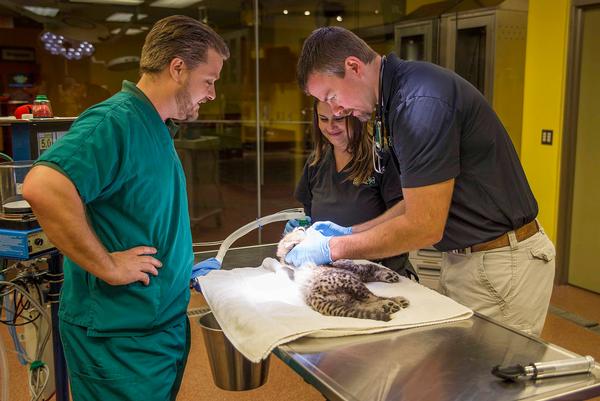
Visitors are invited to observe scheduled surgery at Busch Gardens Animal Care Centre
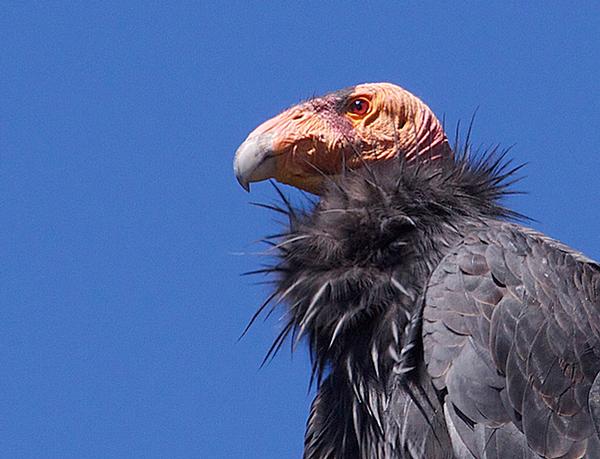
California condors have been greatly helped by zoos’ conservation efforts
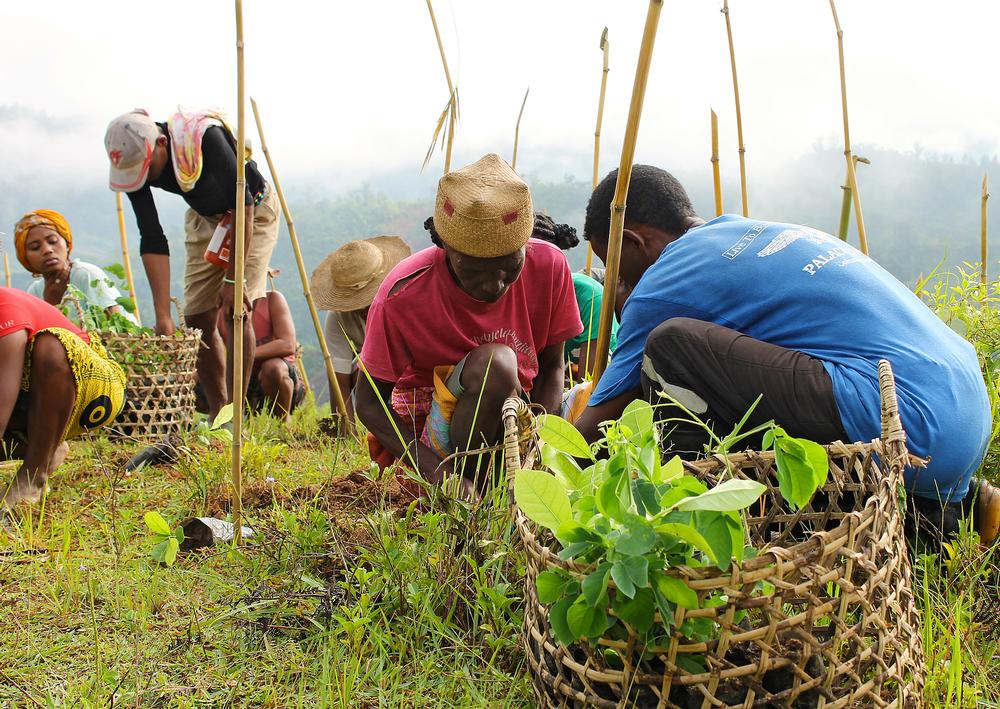
Conservationists teach planting techniques as part of Henry Doorly Zoo’s field work in Madagascar
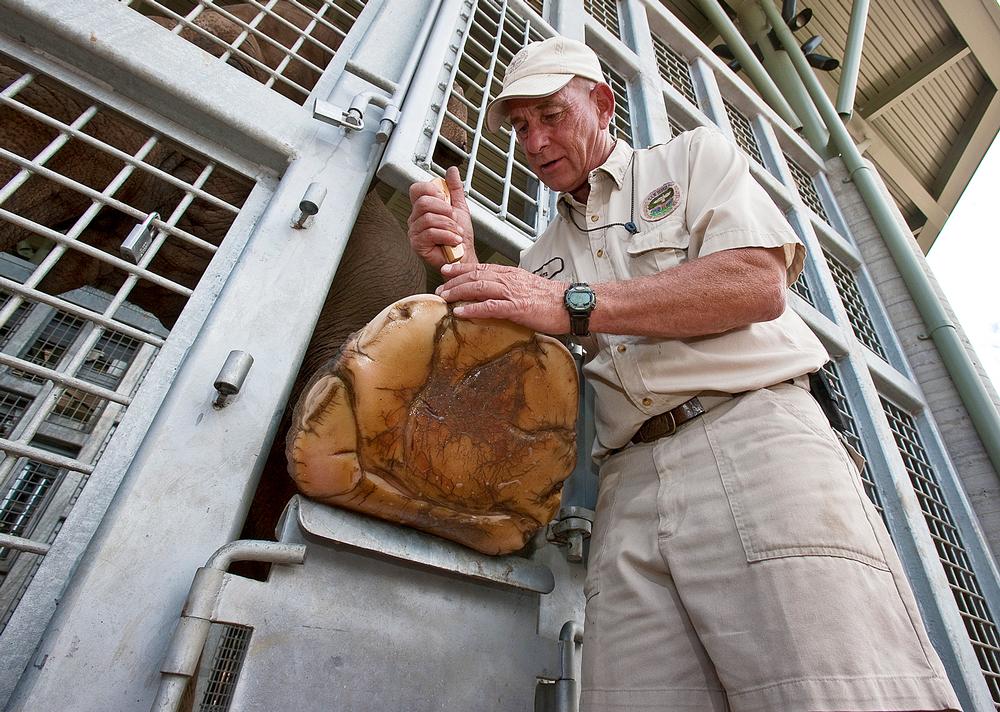
Daily elephant husbandry, from pedicures to trunk washes, is done in public view at San Diego Zoo
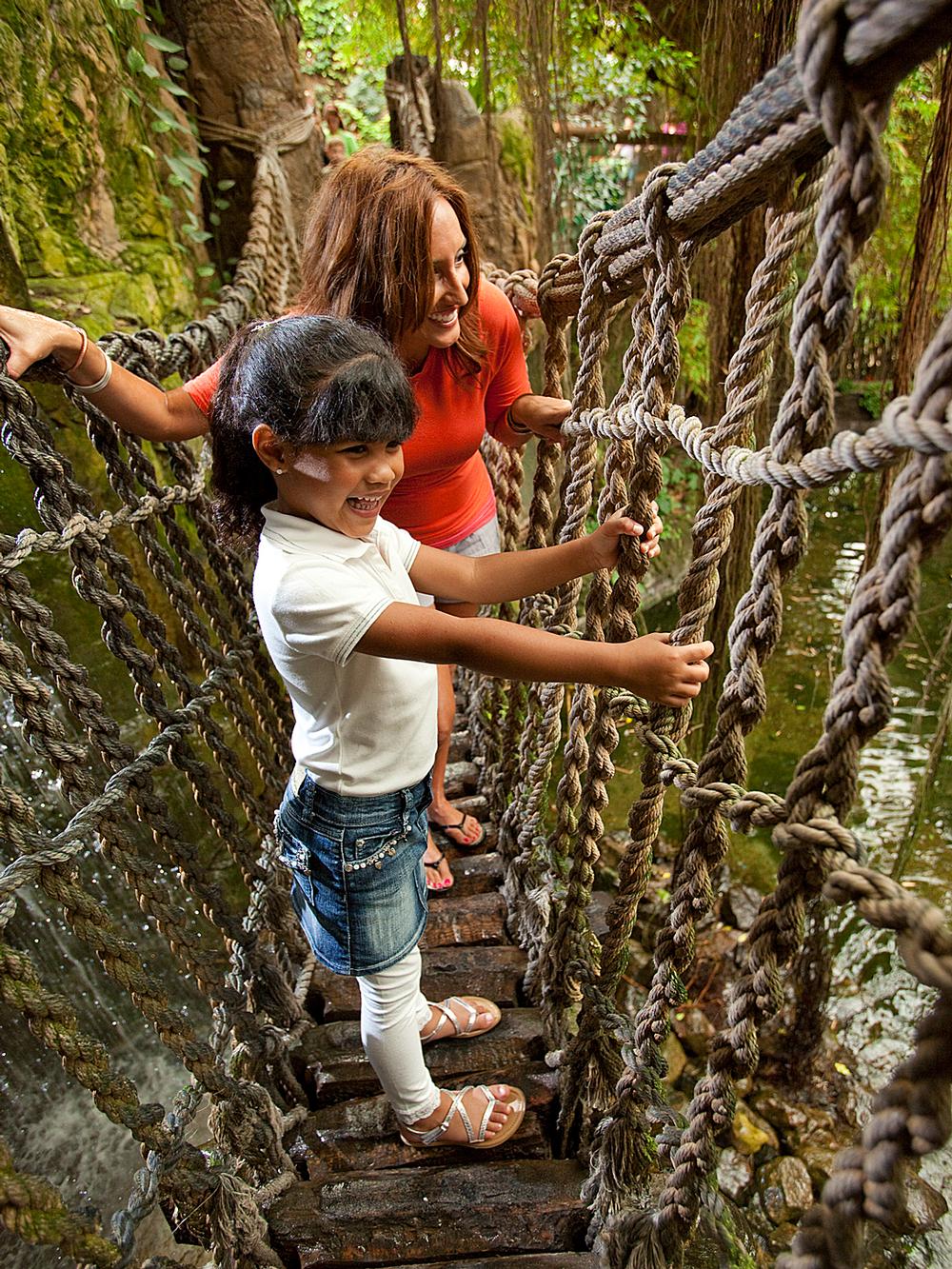
Omaha’s Henry Doorly Zoo and Aquarium is a 130-acre attraction in Omaha, Nebraska. The zoo is famous for its animal conservation efforts and research and was TripAdvisor’s best zoo in 2014
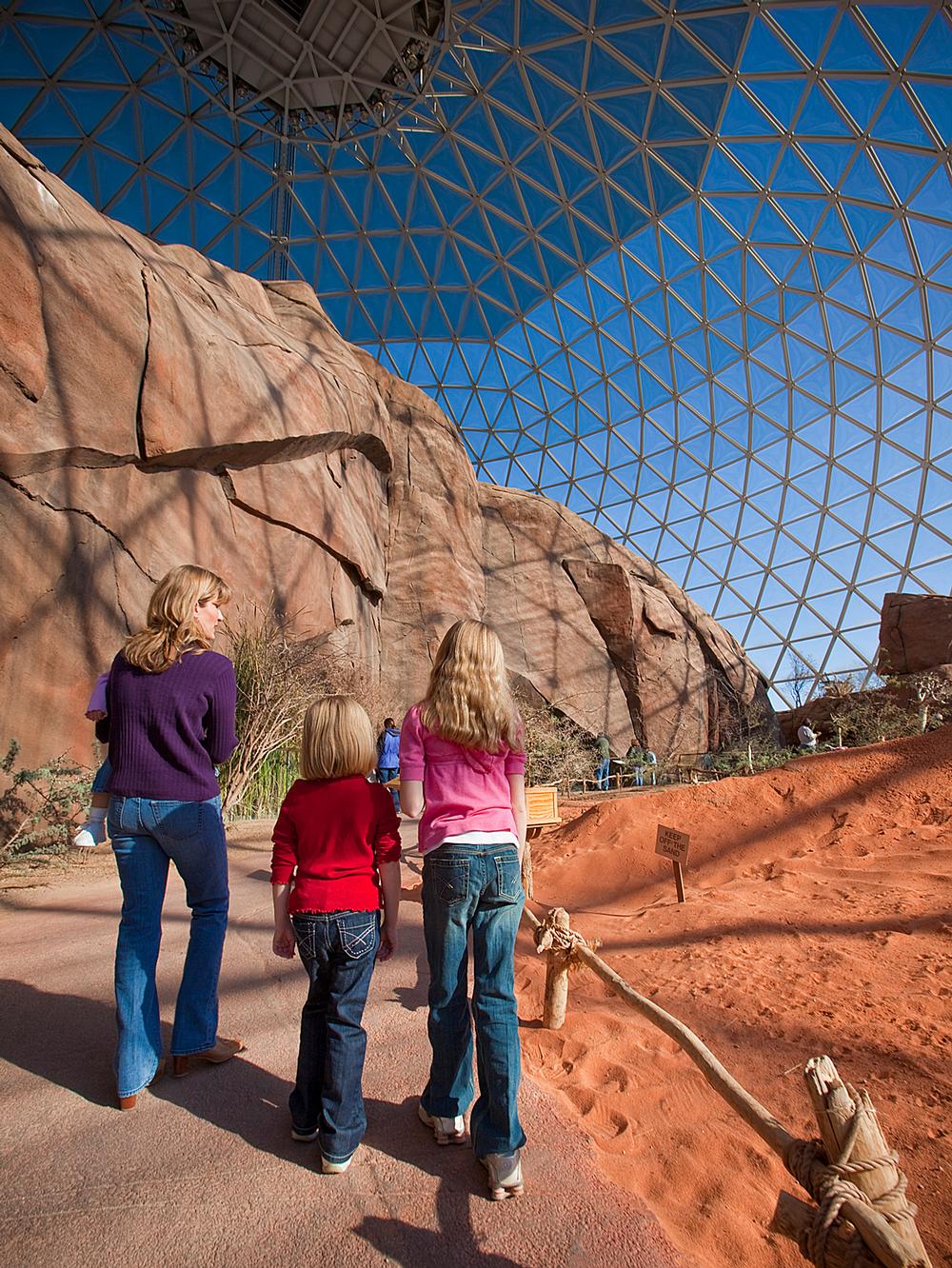
Omaha’s Henry Doorly Zoo and Aquarium is a 130-acre attraction in Omaha, Nebraska. The zoo is famous for its animal conservation efforts and research and was TripAdvisor’s best zoo in 2014
Omaha’s Henry Doorly Zoo and Aquarium is a 130-acre attraction in Omaha, Nebraska. The zoo is famous for its animal conservation efforts and research and was TripAdvisor’s best zoo in 2014
Exhibits like San Diego Zoo’s Elephant Care Centre and the Animal Care Centre at Busch Gardens are a hands-on way of educating the public
In the fast-paced world of fitness and wellness, where high-intensity workouts push us to
our limits and the sweat pours, the importance of efficient recovery cannot be overstated. [more...]
Le Atelier by C.O.D.E. doesn't offer a standard bespoke service, it provides a highly
customised approach to designing massage beds and loungers in high-end wellness
environments. [more...]
+ More featured suppliers
COMPANY PROFILES
Living Earth Crafts
For over 50 years, LEC has been manufacturing award-winning spa equipment for the world’s finest spas [more...]
Sommerhuber GmbH
Sommerhuber specialises in the manufacturing of heat-storing ceramics for spas. [more...]
AZA chair Dennis Pate on the association’s historic initiative to save endangered animals, and why his zoo in Omaha has been voted the best in the world
By Alice Davis | Published in Attractions Management 2015 issue 2
AZA chair Dennis Pate has been active at the top level of the association for a number of years
The Association of Zoos and Aquariums (AZA) is launching a major conservation campaign in response to the rapid rate of decline of species in the wild. The man in charge of the strategy is Dennis Pate, who’s halfway through his AZA chairmanship and director and CEO of Omaha’s Henry Doorly Zoo and Aquarium in Omaha, Nebraska – voted TripAdvisor’s number one zoo in the world.
When Pate met with Attractions Management, he explained how the Saving Animals From Extinction (SAFE) initiative is setting a new standard in conservation, and why it’s down to the AZA and its members to take responsibility for protecting vulnerable species at this critical time.
What is SAFE? Saving Animals from Extinction, or SAFE, is a new initiative by zoos and aquariums to direct more resources towards saving animals from extinction – those in the wild as well as those in zoos. The mission is to combine the power of zoo and aquarium visitors with the resources and collective expertise of AZA members and partners to save the most vulnerable wildlife species from extinction. That can mean intensive management in the zoo or aquarium or less intensive management in the wild.
How did SAFE come about? What precipitated this is the rapid rate of decline of animals in the wild.
We also have recent data about animals in zoos that show in some cases the populations are not as healthy over a long period as we would like. We may be lacking founders, there may be problems with some species reproducing, or there may not be enough space to build a sufficiently large population to sustain some species well into the future. Some animals, such as gorillas, are doing well; but others, like elephants, not so well.
Is it a global initiative? Other regions recognise the same issues as AZA zoos and aquariums – the escalating decline of animals in the wild. The SAFE initiative includes zoos and aquariums in the US, Canada, Mexico, Argentina, Singapore, Bermuda, the Bahamas and Hong Kong.
What are you doing first? It is really a simultaneous effort. First, we need to better understand the populations in the wild and those we keep in zoos and aquariums, and find out what the issues are regarding their sustainability. Currently, more biologists are being hired to zoom in on that. Then, once we understand what the barriers to sustainability are, we can direct more resources towards resolving them.
We want to pick 25 species to focus our efforts. Focusing on species where we can make the biggest difference has been successful for zoos, with black-footed ferrets and California condors, for example.
We have to consider the degree of endangerment and the animal’s status in the wild, as well as the expertise we have and whether we can impact their situation.
With species that are predominantly wild, SAFE’s aims will be more legislative. With sharks, for example, it’s about how we curtail shark finning, how we mitigate bycatch. There are millions and millions of sharks being killed in these ways. These are legislative and political issues and we need to direct resources towards solving them, maybe in different ways than we’re used to. As an association we want to put every effort into these first 25 species.
So it’s a collaborative approach by different zoos and aquariums? Exactly. So rather than a one-by-one approach with different zoos, we focus all our efforts. Right now, the 229 North American zoos and aquariums spend $160m (£109m, €151m) on field conservation – it’s a major commitment. SAFE will bring a more organised approach to this. We’re formulating the processes of how we’re going to do this and we’re in high gear on fundraising mode – it’s being paid for just not by the members but also by independent fundraising. We’ve hired fundraising consultants Schultz & Williams to help us.
What’s your role as AZA chair? My role is to follow through on our strategic plan – to shepherd in the next steps under the plan and to keep things moving in a positive direction. It involves working with the executive committee, the entire board, committee chairs, and the AZA staff who really work to implement the plan.
What’s happening at the leading edge of zoos? Zoos are being more transparent about what they do and how they do it.
I visited Busch Gardens in Tampa, one of the leaders in our industry, and I was especially impressed with their veterinary hospital. At their Animal Care Centre, people learn about veterinary medicine, observation, diagnostic techniques and treatment in innovative ways. The centre is behind glass and there are scheduled procedures that visitors can watch. It shows the care that goes into maintaining the health of animals in zoos and aquariums, rather than that being a back-of-house function. We need to understand that our guests are interested in how we care for animals and the science behind it.
At San Diego Zoo there’s an elephant programme that’s all carried out in full view of the public. The foot care, the trunk washes, examining their mouths, looking in their ears, drawing blood – it’s all on view.
Many zoos are bringing the training they do to facilitate veterinary care and husbandry up-front, so people can observe it – whether its collecting blood or working on training behaviours.
In Omaha, we can collect blood from the tail of a lion with the lion’s full cooperation. We can collect semen from a gorilla with his full cooperation. We’ve trained a Philippine crocodile, which are very endangered, to donate semen with its full cooperation. We can do heart echoes on a gorilla with its full cooperation without any anaesthesia whatsoever – just through operant conditioning and the use of reward.
In August 2014, TripAdvisor said Omaha Henry Doorly Zoo was the best in the world. How does your zoo engage with the public? We’re part of the community and the people of Omaha really love their zoo. We engage with people from an early age, and we have high school, kindergarten and after-school programmes to turn children into passionate wildlife protectors.
The zoo is renowned for its conservation efforts. Can you give us some examples? We have an extensive field programme, in South Africa, and with parks in Swaziland to help rhinos. We have a major field effort in Madagascar and a plant conservation unit that works in Bermuda and the US. At the zoo, we have our amphibian breeding centre. We’ve been breeding thousands of Houston toads, Puerto Rican crested toads and other amphibians to return to the wild. These are things zoos can do to make a real difference.
It’s still important to us to be a great Saturday afternoon visit for families, and we need to continue that to have a successful financial model, but we understand that we have a greater responsibility to animals in the wild and that zoos and aquariums need to be the reservoir for these assurance populations.
What do you think are the main challenges facing zoos and aquariums? Having enough space to build these assurance populations in reasonable numbers is a major challenge. Zoos have moved from this postage-stamp collection, where if you had two of something that nobody else had, then that was a really big deal. Now, if you have two of something nobody else has, then it’s a dead end and it doesn’t contribute to sustainability.
Zoos have been working together since 1980 and we’ve been good accountants in putting together stud books, breeding programmes, deciding who should pair with who based on genetics and demographics. What’s changing now is we need to understand those animals that aren’t breeding. Now we can possibly use assisted reproduction technologies or import more founders to strengthen our populations genetically. It’s problem solving.
A perennial challenge is funding. At my zoo I have to fund 89 per cent of the operation. I have to think of ways to generate revenue that aren’t always necessarily related to raising the admission fees. Admission fees at our park are only 25 per cent of our total revenue, while 30 years ago they were almost all of it. By holding the admission fees down, more people can visit, whatever their income.
However, there are many ways to spend money inside the zoo on an elective basis. Exhibits work for us more than eight hours a day now: we host weddings, corporate events, sleepovers at the aquarium and a camp next to the lion exhibit – all ways to make the zoo work after hours.
Do aquariums face the same challenges? One of the major problems is with breeding and raising fish. We can breed and recover eggs and live young, but it’s very difficult to feed these young fish. In the wild, they eat microscopic plankton among other things that can in and of themselves be difficult to raise. There’s a research effort supported by the University of Florida and Seaworld to develop a way to culture the organisms that the fish will eat.
How would you describe the overall sentiment in the industry? In the US, visitor numbers are up – 180 million people a year go to accredited zoos in North America. That’s more than all of the professional sports together – football, basketball, baseball: zoos draw more.
They’re educational and it’s family time, but one of the things we’re working on is understanding our responsibility beyond a nice Saturday afternoon, our responsibility to the animals in the wild, and then building public awareness.
I think the public expects us not only to exhibit animals but to be looking out for them in the wild. With the rapid decline right now of species in the wild, the role of zoos is becoming even more important. That’s why the SAFE initiative is so important.
Read more from this issue of Spa Business magazine
Interview: Marty Sklar
Retired Disney Legend Marty Sklar
reveals the secrets of Imagineering,
the legacy of the 1964 World’s Fair
and the lessons he learned as
Walt Disney’s “keeper of the keys”
Talking Point: The $100 Barrier
As a Walt Disney World day ticket
enters three-digit territory for
the first time, we ask what this
means for pricing in the sector
Museums: Biomuseo
Panama has opened the world’s first
museum of biodiversity, an ambitious
building by architect Frank Gehry. We
meet the team behind the project
Expos: Food for Thought
Expo Milano 2015 launches in Italy,
aiming to bring the planet’s most
pressing problems to the fore, not least
how to provide food for everybody
Zoos & Aquariums: On the SAFE Side
AZA chair Dennis Pate explains a new
initiative designed to help endangered
animals, and offers some tips from
his world-class Henry Doorly zoo
Promotional feature: IDEATTACK
IDEATTACK is a creative maverick with a
new perspective, bringing custom-made
one-of-a-kind attractions typologies to
a world that needs something di�fferent
Rides: The Ride Makers
In the third part of our series, we look at
the enduring appeal of wooden coasters
Ticketing: Dream Tickets
Ticketing systems are advancing to
improve the guest’s experience and the
operator’s profit. We investigate the
sector’s current and upcoming trends
Q&A with Jeff Andrews, Vice President of Zoological Operations, Busch Gardens Tampa Bay
Jeff Andrews, zoological operations
What is the Animal Care Centre? The Busch Gardens Animal Care Centre is a state-of-the-art media facility designed to give our guests a firsthand experience of the animal care efforts here at the park. Guests can closely observe and even take part in the animal care experience. From nutrition to treatments, X-rays to surgeries, most of Busch Gardens’ animal care is now conducted in guest view in this facility.
How did the centre come about? At Busch Gardens, we want to educate our guests about animal care and conservation as well as connect them with wildlife and the world around them. What better way to connect people with animals than to let them see firsthand the amazing animal care work at the park?
When did it open and how much was the investment? The centre opened in 2011 and has inspired millions of guests to learn more about the animals we care for. While we don’t discuss specific investments, we can tell you that the centre represented a significant investment for Busch Gardens.
How do the centre, the staff and the visitors interact? Through an extension communications system, veterinarians are able to hear and talk with guests and onlookers at all times. Additionally, zoo educators and staff are always on hand to answer questions and talk with guests about the animal care efforts and what goes in to caring for the 12,000 animals that call the park home.
What are the main aims of the centre? We want to provide an opportunity for guests to connect with the animals and we want to inspire visitors to learn more about the ways they can help conserve these species for years to come.
In what ways is the centre state-of-the-art? What’s cutting-edge about it? The centre has state-of-the-art medical equipment, much of which can be found in hospitals and other medical facilities. The facility has been designed with a communications system that allows constant communication between veterinarians and guests, TV systems for onlookers, and much more.
How has the centre enhanced the visitor experience? It’s helped to inspire millions of guests to celebrate, connect and care for the world around them, as well as provide an exciting, unique look at the animal care efforts at Busch Gardens.
Visitors are invited to observe scheduled surgery at Busch Gardens Animal Care Centre
California condors have been greatly helped by zoos’ conservation efforts
Conservationists teach planting techniques as part of Henry Doorly Zoo’s field work in Madagascar
Daily elephant husbandry, from pedicures to trunk washes, is done in public view at San Diego Zoo
Omaha’s Henry Doorly Zoo and Aquarium is a 130-acre attraction in Omaha, Nebraska. The zoo is famous for its animal conservation efforts and research and was TripAdvisor’s best zoo in 2014
Omaha’s Henry Doorly Zoo and Aquarium is a 130-acre attraction in Omaha, Nebraska. The zoo is famous for its animal conservation efforts and research and was TripAdvisor’s best zoo in 2014
Omaha’s Henry Doorly Zoo and Aquarium is a 130-acre attraction in Omaha, Nebraska. The zoo is famous for its animal conservation efforts and research and was TripAdvisor’s best zoo in 2014
Exhibits like San Diego Zoo’s Elephant Care Centre and the Animal Care Centre at Busch Gardens are a hands-on way of educating the public
Global Wellness Day (GWD) will mark its 15th anniversary on Saturday 13 June 2026, with the
theme: #JoyMagenta – a celebration of the healing qualities of simple gestures and activities
that spark joy.
Global luxury hospitality brand, Six Senses, has partnered with longevity healthcare provider,
HUM2N, to launch a clinic at Six Senses London, at The Whiteley.
As part of its first hotel partnership, Mayrlife – the medical health resort company known for its
site in Altaussee, Austria – has launched a day clinic at the Rosewood Vienna.
Premium London health club, KX Chelsea, will imminently unveil its most significant
redevelopment since its launch in 2002 to create an integrated wellness model combining
training, recovery and relaxation.
Rosewood Le Guanahani St Barth, on the northeast coast of Saint Barthélemy in the French
West Indies, is offering a programme of ocean-inspired yoga classes between 8-14 June to
celebrate Global Wellness Day (GWD).
Hotel de France, located on the British Isle of Jersey, has created a wellness retreat package
that includes a hot yoga session that will take place in Jersey Zoo’s butterfly sanctuary.
The Ritz-Carlton, Langkawi, in Malaysia, has revealed a schedule for Global Wellness Day
(GWD) that includes guided rainforest walks, mindful movement and guided coastal meditation
experiences.
Longevitix, a clinical platform for preventive and longevity medicine, has launched its AI-
powered intelligence system to help physicians deliver continuous, personalised longevity-
focused care at scale.
Atmantan Wellness Centre, an integrative wellness destination in Mulshi, near Pune in India, is
expanding its portfolio by adding a new centre in Hyderabad that will launch between 2028 and
2029.
A recent survey by the UK Spa Association (UKSA) into the industry’s approach to cancer care
has revealed that almost half of participating respondents (46 per cent) are unaware that
cancer is a disability and guests with a cancer diagnosis must be given
In the fast-paced world of fitness and wellness, where high-intensity workouts push us to
our limits and the sweat pours, the importance of efficient recovery cannot be overstated. [more...]
Le Atelier by C.O.D.E. doesn't offer a standard bespoke service, it provides a highly
customised approach to designing massage beds and loungers in high-end wellness
environments. [more...]
+ More featured suppliers
COMPANY PROFILES
Living Earth Crafts For over 50 years, LEC has been manufacturing award-winning spa equipment for the world’s finest spas [more...]