The technology now exists to enable us to scan and preserve the most complex monuments, artefacts and buildings, so they can be reproduced now or in the future. At a time when thousands of irreplaceable antiquities have been destroyed, the need for this technology has never been greater
By Liz Terry | Published in Attractions Management 2015 issue 2
It’s been a challenging time for the heritage sector. Widespread destruction of temples and other ancient monuments has been reported in Kathmandu following the Nepal earthquake, along with a huge loss of life.
In Syria and Iraq, the devastation has been man-made, with the tearing down of antiquities by ISIS. Many agencies and governments are calling for action: UNESCO has suggested the creation of protected zones, the Italian government has called for the UN to intervene and Iraq’s tourism and antiquities minister has asked the US to protect the country’s archaeological sites.
It’s significant that the tourism minister has been the one to make the call, because heritage drives a high proportion of tourism visits and as Iraq and other war-torn countries work towards rebuilding a peace-time economy, tourism will have an important role to play in the regeneration.
Kathmandu has a huge tourism economy too, so making the city safe and attractive for the return of tourists will be a priority.
In this issue of Attractions Management, we look at how technology can help in situations where historic sites are under threat. Our interview with Elizabeth Lee on page 74 examines the CyArk project, which is working tirelessly to digitise precious objects and locations so they can be replicated – either to preserve the original or to recreate it.
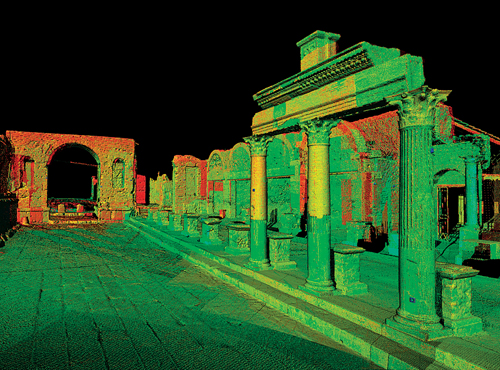
CyArk is a non-profit organisation, founded in 2003, which uses state-of-the-art laser scanning technology to compile highly detailed 3D representations of cultural heritage sites, so they can be recreated using 3D printing and modelling.
The use of replicas is an area of the attractions industry which looks set to grow significantly over the next few decades. There are many reasons for this in addition to natural disaster, war and wilful destruction: perhaps the items in question are in inaccessible locations, or they’re too fragile to handle being exposed to visitors, for example.
In France, the government has invested €56m (US$60m, £40.2m) recreating prehistoric cave paintings at the Grotte Chauvet-Pont d’Arc, a huge collection of paintings of horses, mammoths and rhinos which are among the oldest documented art on earth. The paintings, which are anything up to 37,000 years old, were discovered in 1994.
The project will enable people to experience the incredible cave art while keeping the delicate originals from harm.
Replication also allows more widespread access to cultural heritage when combined with touring rather than static exhibitions. Where a location is fascinating, with a widespread appeal, there will be opportunities to replicate it and take it on the road for guest appearances in museums’ temporary exhibition spaces.
In addition to being priceless in every sense, cultural heritage is of educational significance and a huge driver of tourism. The technology now exists to enable us to permanently capture the form of the most precious things on earth so they can be understood by future generations. We need organisations such as CyArk to step up the pace before more is destroyed.
Liz Terry, editor. Twitter:@elizterry
Read more from this issue of Spa Business magazine
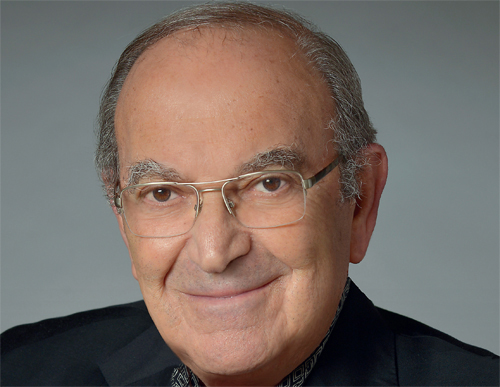
Interview: Marty Sklar
Retired Disney Legend Marty Sklar
reveals the secrets of Imagineering,
the legacy of the 1964 World’s Fair
and the lessons he learned as
Walt Disney’s “keeper of the keys”
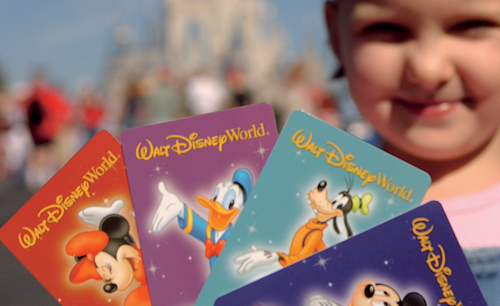
Talking Point: The $100 Barrier
As a Walt Disney World day ticket
enters three-digit territory for
the first time, we ask what this
means for pricing in the sector
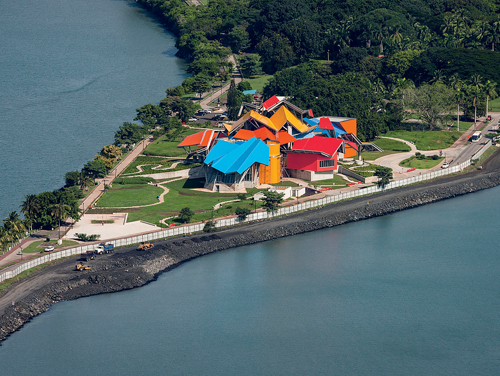
Museums: Biomuseo
Panama has opened the world’s first
museum of biodiversity, an ambitious
building by architect Frank Gehry. We
meet the team behind the project
Expos: Food for Thought
Expo Milano 2015 launches in Italy,
aiming to bring the planet’s most
pressing problems to the fore, not least
how to provide food for everybody
Zoos & Aquariums: On the SAFE Side
AZA chair Dennis Pate explains a new
initiative designed to help endangered
animals, and offers some tips from
his world-class Henry Doorly zoo
Promotional feature: IDEATTACK
IDEATTACK is a creative maverick with a
new perspective, bringing custom-made
one-of-a-kind attractions typologies to
a world that needs something di�fferent
Rides: The Ride Makers
In the third part of our series, we look at
the enduring appeal of wooden coasters
Ticketing: Dream Tickets
Ticketing systems are advancing to
improve the guest’s experience and the
operator’s profit. We investigate the
sector’s current and upcoming trends
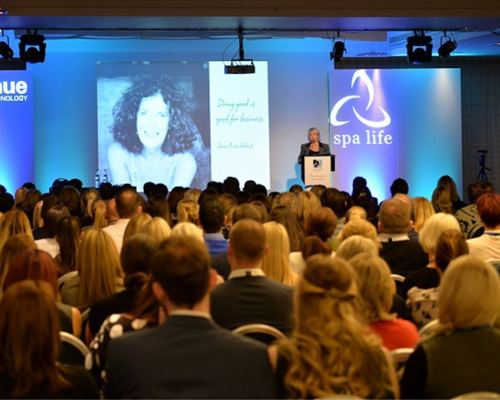
The Spa Life UK Convention returns from 21–23 June 2026 at Whittlebury Park Hotel, Spa &
Golf Resort, bringing together spa managers, directors and owners for two days of focused
education, meaningful connection and commercial insight. [more...]
The technology now exists to enable us to scan and preserve the most complex monuments, artefacts and buildings, so they can be reproduced now or in the future. At a time when thousands of irreplaceable antiquities have been destroyed, the need for this technology has never been greater
By Liz Terry | Published in Attractions Management 2015 issue 2
It’s been a challenging time for the heritage sector. Widespread destruction of temples and other ancient monuments has been reported in Kathmandu following the Nepal earthquake, along with a huge loss of life.
In Syria and Iraq, the devastation has been man-made, with the tearing down of antiquities by ISIS. Many agencies and governments are calling for action: UNESCO has suggested the creation of protected zones, the Italian government has called for the UN to intervene and Iraq’s tourism and antiquities minister has asked the US to protect the country’s archaeological sites.
It’s significant that the tourism minister has been the one to make the call, because heritage drives a high proportion of tourism visits and as Iraq and other war-torn countries work towards rebuilding a peace-time economy, tourism will have an important role to play in the regeneration.
Kathmandu has a huge tourism economy too, so making the city safe and attractive for the return of tourists will be a priority.
In this issue of Attractions Management, we look at how technology can help in situations where historic sites are under threat. Our interview with Elizabeth Lee on page 74 examines the CyArk project, which is working tirelessly to digitise precious objects and locations so they can be replicated – either to preserve the original or to recreate it.
CyArk is a non-profit organisation, founded in 2003, which uses state-of-the-art laser scanning technology to compile highly detailed 3D representations of cultural heritage sites, so they can be recreated using 3D printing and modelling.
The use of replicas is an area of the attractions industry which looks set to grow significantly over the next few decades. There are many reasons for this in addition to natural disaster, war and wilful destruction: perhaps the items in question are in inaccessible locations, or they’re too fragile to handle being exposed to visitors, for example.
In France, the government has invested €56m (US$60m, £40.2m) recreating prehistoric cave paintings at the Grotte Chauvet-Pont d’Arc, a huge collection of paintings of horses, mammoths and rhinos which are among the oldest documented art on earth. The paintings, which are anything up to 37,000 years old, were discovered in 1994.
The project will enable people to experience the incredible cave art while keeping the delicate originals from harm.
Replication also allows more widespread access to cultural heritage when combined with touring rather than static exhibitions. Where a location is fascinating, with a widespread appeal, there will be opportunities to replicate it and take it on the road for guest appearances in museums’ temporary exhibition spaces.
In addition to being priceless in every sense, cultural heritage is of educational significance and a huge driver of tourism. The technology now exists to enable us to permanently capture the form of the most precious things on earth so they can be understood by future generations. We need organisations such as CyArk to step up the pace before more is destroyed.
Liz Terry, editor. Twitter:@elizterry
Read more from this issue of Spa Business magazine
Interview: Marty Sklar
Retired Disney Legend Marty Sklar
reveals the secrets of Imagineering,
the legacy of the 1964 World’s Fair
and the lessons he learned as
Walt Disney’s “keeper of the keys”
Talking Point: The $100 Barrier
As a Walt Disney World day ticket
enters three-digit territory for
the first time, we ask what this
means for pricing in the sector
Museums: Biomuseo
Panama has opened the world’s first
museum of biodiversity, an ambitious
building by architect Frank Gehry. We
meet the team behind the project
Expos: Food for Thought
Expo Milano 2015 launches in Italy,
aiming to bring the planet’s most
pressing problems to the fore, not least
how to provide food for everybody
Zoos & Aquariums: On the SAFE Side
AZA chair Dennis Pate explains a new
initiative designed to help endangered
animals, and offers some tips from
his world-class Henry Doorly zoo
Promotional feature: IDEATTACK
IDEATTACK is a creative maverick with a
new perspective, bringing custom-made
one-of-a-kind attractions typologies to
a world that needs something di�fferent
Rides: The Ride Makers
In the third part of our series, we look at
the enduring appeal of wooden coasters
Ticketing: Dream Tickets
Ticketing systems are advancing to
improve the guest’s experience and the
operator’s profit. We investigate the
sector’s current and upcoming trends
Global Wellness Day (GWD) will mark its 15th anniversary on Saturday 13 June 2026, with the
theme: #JoyMagenta – a celebration of the healing qualities of simple gestures and activities
that spark joy.
Global luxury hospitality brand, Six Senses, has partnered with longevity healthcare provider,
HUM2N, to launch a clinic at Six Senses London, at The Whiteley.
As part of its first hotel partnership, Mayrlife – the medical health resort company known for its
site in Altaussee, Austria – has launched a day clinic at the Rosewood Vienna.
Premium London health club, KX Chelsea, will imminently unveil its most significant
redevelopment since its launch in 2002 to create an integrated wellness model combining
training, recovery and relaxation.
Rosewood Le Guanahani St Barth, on the northeast coast of Saint Barthélemy in the French
West Indies, is offering a programme of ocean-inspired yoga classes between 8-14 June to
celebrate Global Wellness Day (GWD).
Hotel de France, located on the British Isle of Jersey, has created a wellness retreat package
that includes a hot yoga session that will take place in Jersey Zoo’s butterfly sanctuary.
The Ritz-Carlton, Langkawi, in Malaysia, has revealed a schedule for Global Wellness Day
(GWD) that includes guided rainforest walks, mindful movement and guided coastal meditation
experiences.
Longevitix, a clinical platform for preventive and longevity medicine, has launched its AI-
powered intelligence system to help physicians deliver continuous, personalised longevity-
focused care at scale.
Atmantan Wellness Centre, an integrative wellness destination in Mulshi, near Pune in India, is
expanding its portfolio by adding a new centre in Hyderabad that will launch between 2028 and
2029.
A recent survey by the UK Spa Association (UKSA) into the industry’s approach to cancer care
has revealed that almost half of participating respondents (46 per cent) are unaware that
cancer is a disability and guests with a cancer diagnosis must be given
The Spa Life UK Convention returns from 21–23 June 2026 at Whittlebury Park Hotel, Spa &
Golf Resort, bringing together spa managers, directors and owners for two days of focused
education, meaningful connection and commercial insight. [more...]