Read more from this issue of Spa Business magazine
View contents of Spa Business 2013 issue 3
Editor's letter: Authenticity
Having authenticity and human engagement at the heart of an attraction
creates an energy which ensures its success
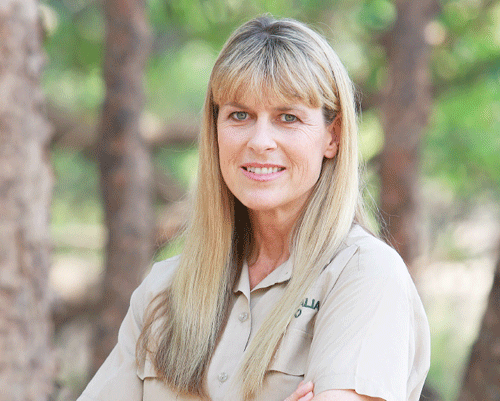
Profile: Terri Irwin
The conservationist, social entrepreneur
and operator of Australia Zoo describes
how she and her late husband, Steve,
built up their business and how she and
her children are continuing his legacy
Analysis: Riding High
The TEA/AECOM theme index report
for 2012 shows that the industry's
continuing to do well with recordbreaking
attendances for many parks
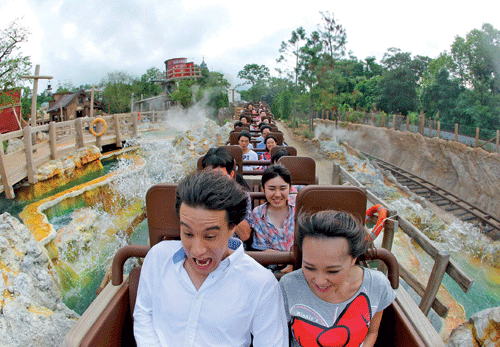
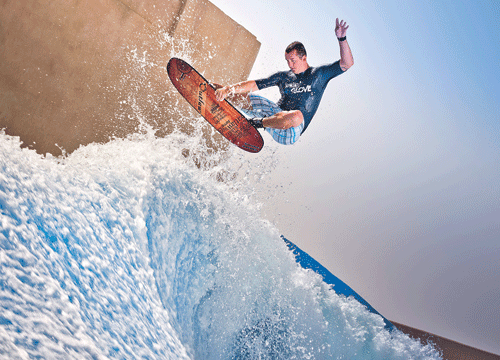
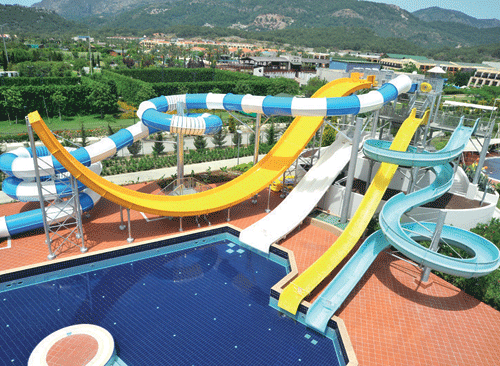
Waterparks: Tapping the experts
The merging of waterparks and theme
parks, shared experiences and multiple
sensation rides are among the trends,
as we find out from the operators
Top Team: Class act
The first themed entertainment design
degree launched last September at SCAD.
The team behind the programme describe
their inspiration and the challenges
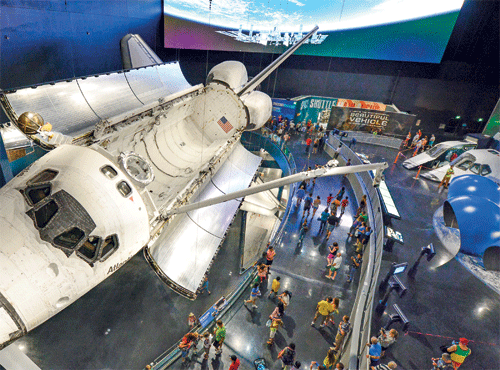
Space centre: Space age
Space Shuttle Atlantis has come home
to rest at Kennedy Space Centre Visitor
Complex. COO Bill Moore tells us how
people react when they see the shuttle
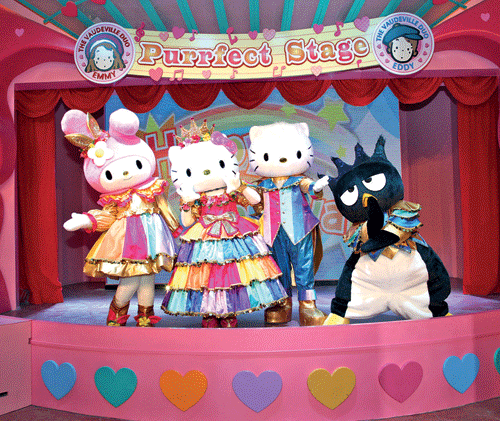
Mystery shopper: The cat's whiskers?
Sanrio Hello Kitty Town is among the
attractions at the new Puteri Harbour
Family Theme Park in Malaysia. We pay
a visit to learn more about the offer
Heritage: Mary Rose Museum
King Henry VIII's war ship is brought
back to life in an exciting new museum,
which takes visitors back to the day
she sank, almost 500 years ago
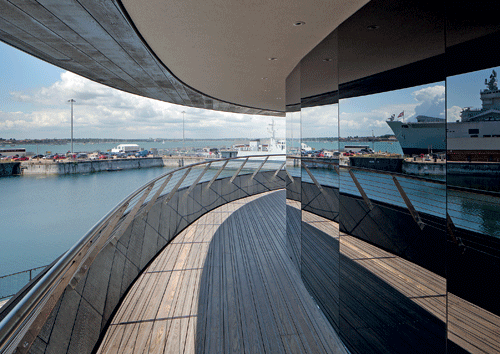
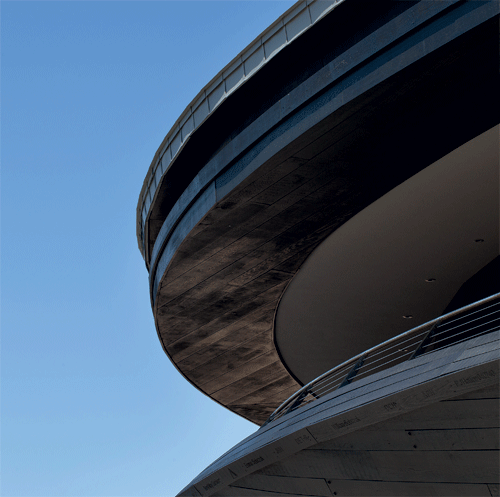
Design project profile: All hands on deck
Mary Rose Museum's design team
tell us how they created a building
that complemented, but didn't
compete with, the famous ship and
the challenges of working around
the hot box it's being conserved in
3D/4D/5D: Work dimension
We find out how film distributors work
with operators and look at some of
the new products that are available
on the market for attractions
Show preview: EAS 2013
The suppliers reveal the products and
projects they'll be showcasing in Paris
Peter WeisharFormer Dean of Entertainment Arts and Founder of the Program
Peter Weishar
What is the qualification? Run by SCAD (Savannah College of Art and Design), the themed entertainment design degree programme is a two-year Master of Fine Arts programme, which started in September 2012.
Experienced professionals teach students the skills needed to enter the industry as designers and artists, with a profound understanding of the breadth of the industry and the requirements needed to be a part of it. The curriculum combines the modelling strategies of architecture and electronic design with the problem-solving approaches of industrial design and production design.
A primary function in the industry is telling a story and creating a compelling environment and that’s what the students will focus on.
Who takes the course? Students have a broad range of backgrounds and a variety of skill sets – such as interior designer, architect, animator, illustrator, industrial designer and a motion media artist. They work together to create a single project, which is how they’ll work in the field.
One of the factors that made this course possible is the diversity within SCAD, which has 40 different art and design majors. That enables students to work collaboratively with the same, and often better, resources than there are out in the field.
What makes the course different? SCAD is one of the first colleges to recognise the uniqueness of themed entertainment and the skill sets necessary, so students will have an advantage over those from other institutions that don’t have the same kind of focus.
There are more electives than other MFA programmes and there’s a great deal of collaboration with other disciplines within the arts. Themed entertainment is an extremely broad field that incorporates engineering, industrial design, interior design, production design and many other areas.
The students are encouraged to focus six electives into a single area and have a sub discipline. For example, one student has a particular group of classes that combine vehicle design with themed entertainment design so she can become a ride designer.
What were the challenges? There are very strict guidelines for accreditation when starting a new degree programme, so there’s a lot of scrutiny as this hasn’t been done before. And quite rightly so – this is an education we’re providing, so it needs to be fully vetted. There was a great deal of paperwork and research and studies done to explain the importance of the programme and viability to the industry and why it should be a separate major.
Michael DeVine Professor
Michael DeVine
How did you get involved? I’ve been creative director at Universal and Disney, but I also taught at California Arts, so always kept tabs on various art schools around the country.
I moved to Savannah when working on Dubailand for Universal and met up with George two years ago. He told me about the course and it sounded terrific.
How do you work together? We split the load. George has been emphasising the project management side and I’m on the creative side. But we collaborate and team tag, so students get different points of view.
Which classes do you teach? I teach four classes on the design and creative side and the story components. Both George and I deal very heavily with story components, from queue lines to attractions. I also teach second year undergraduate scene designers, because that’s my background.
How do you use your experience? A lot of it is ensuring students absorb information that they need to remember about how they present their work, themselves and their ideas – that’s all learnt behaviour.
And I explain what they’re going to see in the real world, in terms of team dynamics and thought processes. It’s great when students do internships and realise the information we’re giving them is valuable and valid.
The strongest piece of advice I give students is that they have to be at the top of their form. And to keep happy. My eternal mantra is: “It’s ok.”
How can operators get involved? The opportunity to take interns is there, plus SCAD does sponsored projects, where companies bring real projects, assignments and issues. They financially back a class or an assignment and the school works with their creative directors to develop work.
SCAD isn’t a cheap design studio, but is a kind of research and development organisation where the students explore ideas that the company may not have time to do or is looking for fresh ideas and a younger perspective.
How will the course be developed? I think the students will do that. When they enter the industry, they’ll bring new insights, ways of communicating and ways of experiencing stories.
As long as we can ground our students in the core principles of story telling and revealing the story to the guests, the mechanics, physics and nuances will change and grow.
George Head Professor
George Head
How did you get involved with SCAD? I retired from Walt Disney Imagineering (WDI), after 30 years, in 2009. At WDI I trained new employees, so teaching seemed to be a natural transition.
Peter Weishar asked if I’d like to teach at SCAD and get involved with setting up the themed entertainment degree programme. My wife and I thought it sounded like a great adventure, so we moved to Savannah.
What are the classes? The first class that students take is an overview of the themed entertainment industry. It explains the breadth of what’s out there and the diversity within the field. The other compulsory classes are architecture, electronic design and production design, with industrial design as an optional class.
SCAD also offers an under-graduate programme. Students can take a collection of six to eight specialist classes during their own four-year course.
How did you choose the course content? It needs to be as close as possible to experiences in the industry – every project that Mike and I set is based on an actual job we did.
There’s a phase of history and theory in some of the early classes, then we move on to storytelling, storyboarding and analysing the stories that are in existing attractions. The more advanced courses start to develop attractions and more elaborate design criteria.
How are classes taught? Most of the classes are design classes, which are held in a studio setting. The classes deal with design concepts rather than the construction of sets.
We have a concept design studio for blue sky projects, a large project design studio, a collaborative design studio and a component design studio where students work on smaller components of a themed experience, such as the integration of the theming of a small area within a larger venue.
SCAD collaborates with themed entertainment companies that come into campus and we do field trips.
In collaboration with WDI, students go on location for a week. Every day they’re in the parks for a few hours before they open, walking the lines with the engineers, designers and maintenance people and discussing the mechanics, design and aesthetics. In the afternoon they have lectures from different imagineers.
Which classes do you teach? I do a basic introduction to theatre and production design, followed by drafting for production design and then more advanced classes including concept and collaboration and production design portfolios. There are also field trips or specific projects, such as working with the theatre department for a production.
What are your teaching methods? There are survey classes where students study the history and theory of how themed entertainment has evolved over time, but most important are the studio classes where students are doing actual projects, either in a team or as individuals. They’re given design criteria for an attraction or a merchandise shop and have to develop a storyline, which is the most important part of the design.
How do you promote the course? We attend industry events, such as the SATE conference and the THEA and SEA Awards and conventions including The United States Institute for Theatre Technology, The Southeastern Theatre Conference and IAAPA.
We recently sent students to the Architectural Lighting convention and they were very well received, as the sector seems to be looking for more theatrically trained lighting designers. Going to these types of events leads to both promotion of the course and job placements for students.
How will the course be developed? I’d like to see an even broader mix of people taking the course, with film students or visual effects students bringing their base comments to the mix and learning how those skills are applied in themed entertainment.
It needs to be as close as possible to experiences in the industry. Every project we set is based on an actual job we did
Course content
MFA classes * Advanced Parametric Design and Generative Modelling Strategies for the Building Arts * Media Art * Electronic Design * Design Visualization, Communication and Documentation * Digital Visualization for Production Design * Professional Practices in Production Design * Themed Entertainment Industry * Concept Design Studio * Component Design Studio * Design for Themed Entertainment * Large Project Design Studio * Collaborative Design Studio * Themed Entertainment Design M.F.A. Thesis
Under-graduate classes * Script Interpretation * Rendering for Entertainment Design * The Public Event: Concept and Collaboration * Production Design Portfolio * Survey of Themed Entertainment Industry * Themed Entertainment Design * Large Project Design Studio
TEA’s SATE’13 October 3 – 4, 2013 The success of SCAD’s themed entertainment design degree programme has led to the school being chosen as the venue for SATE’13.
The Themed Entertainment Association’s Storytelling, Architecture, Technology and Experience (SATE) Conference is an annual, international gathering of themed entertainment and experience design creators, producers, owners and operators.
The conference explores issues, opportunities and possibilities relating to the creation of compelling guest experiences for entertainment, education, retail and branding. Each year, a new theme is emphasised and explored through the lenses of the specific elements that contribute to successful guest attractions and projects. This year’s theme is What’s Next.
TEA’s SATE’13
Assignment case study 1 - Theming class Professor of graphic design Jason Frazier gives an example of one of this year’s projects
The client needed updating of existing kiosk structures, as well as visions of entirely new installations, for both food service and retail, based on themes that were related to the area of the parks they were situated in.
The students had to take visual, emotional, and environmental contexts and roll those into an experience that serves the location, the activity and the brand itself in order to meet all expectations for the user’s experience.
They produced many options for the client. For mid-term, they not only presented their thoughts on their best ideas, but also the processes and the intermediate stops along the way. Because of this, the client could not only see how the team arrived at the collection of possible final concepts, but also all the iteration and play that happens in any good design process. These discussions about all elements create great conversation and an environment of trust among the client to the design teams.
The client was highly impressed with the amount of work and the quality of work that the students produced in just 10 weeks. One of the final concepts was taken directly to the client’s park vendor with very few adjustments.
Assignment case study 2 - Masterplanning class Professor of architecture Daniel Brown describes one of the sponsored projects that students have worked on
The brief was to theme and masterplan a 167-acre site for a leading entertainment company. The students’ task was to re-imagine the site by creating a theme and design for the area. The company in question has strong brand recognition, but its attraction needed a back story.
The project was given to both themed entertainment design students and architecture students. The collaboration was difficult at first because the project was multi-faceted, encompassing urban design, architecture and character development. In general, sponsored projects provide the students with an opportunity to learn how their specific discipline is a small part of a much bigger design process.
The students were separated into teams that included themed entertainment, architecture and dramatic writing students, then worked together to design, illustrate and write the entire project. Their process was to break off into small groups to work on their area of expertise and to meet back up to integrate their ideas and collaborate to produce a final product, much like professionals would do in an office environment.
Each team presented five different proposals that included plans for story, location, functionality, guest flow, architecture and landscape design.
The clients were blown away by the creativity, craftsmanship and amount of work that the students produced in such a short period of time. Its success led to further sponsored projects with the same client and internships to several students based on their final presentations.
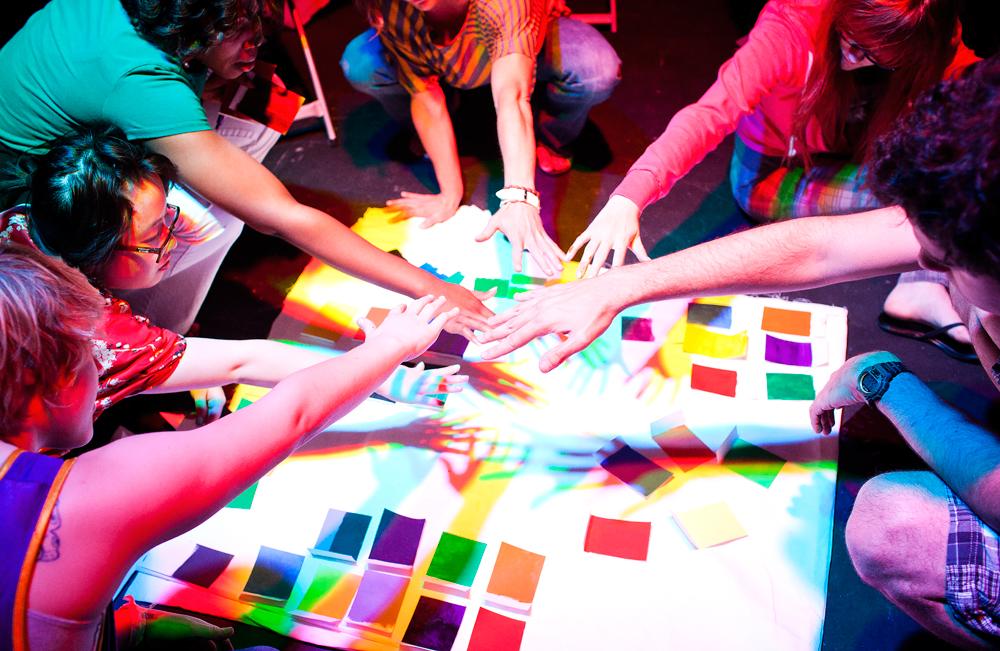
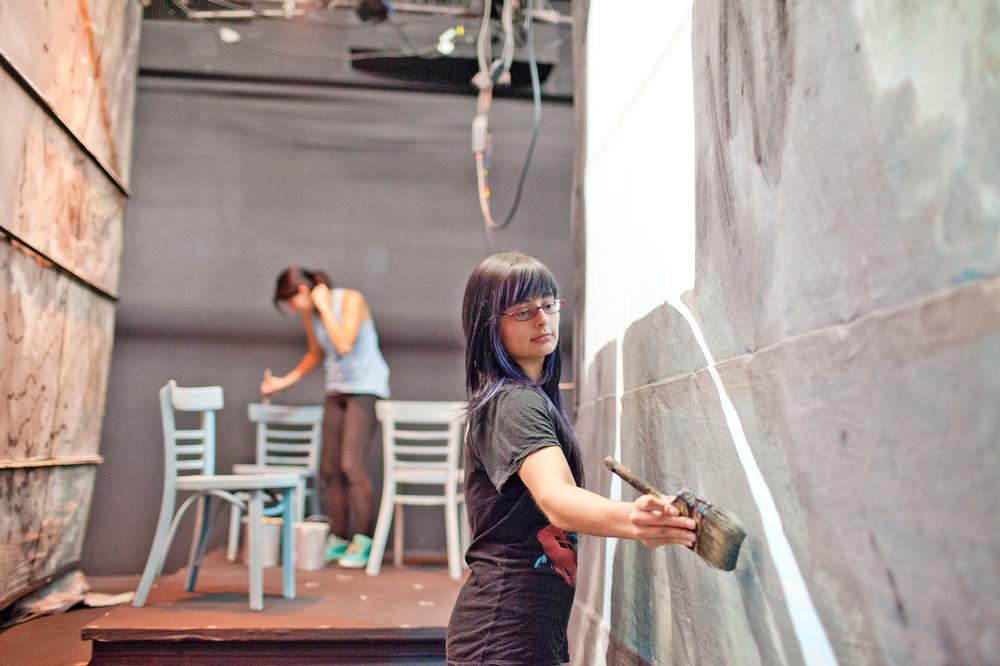
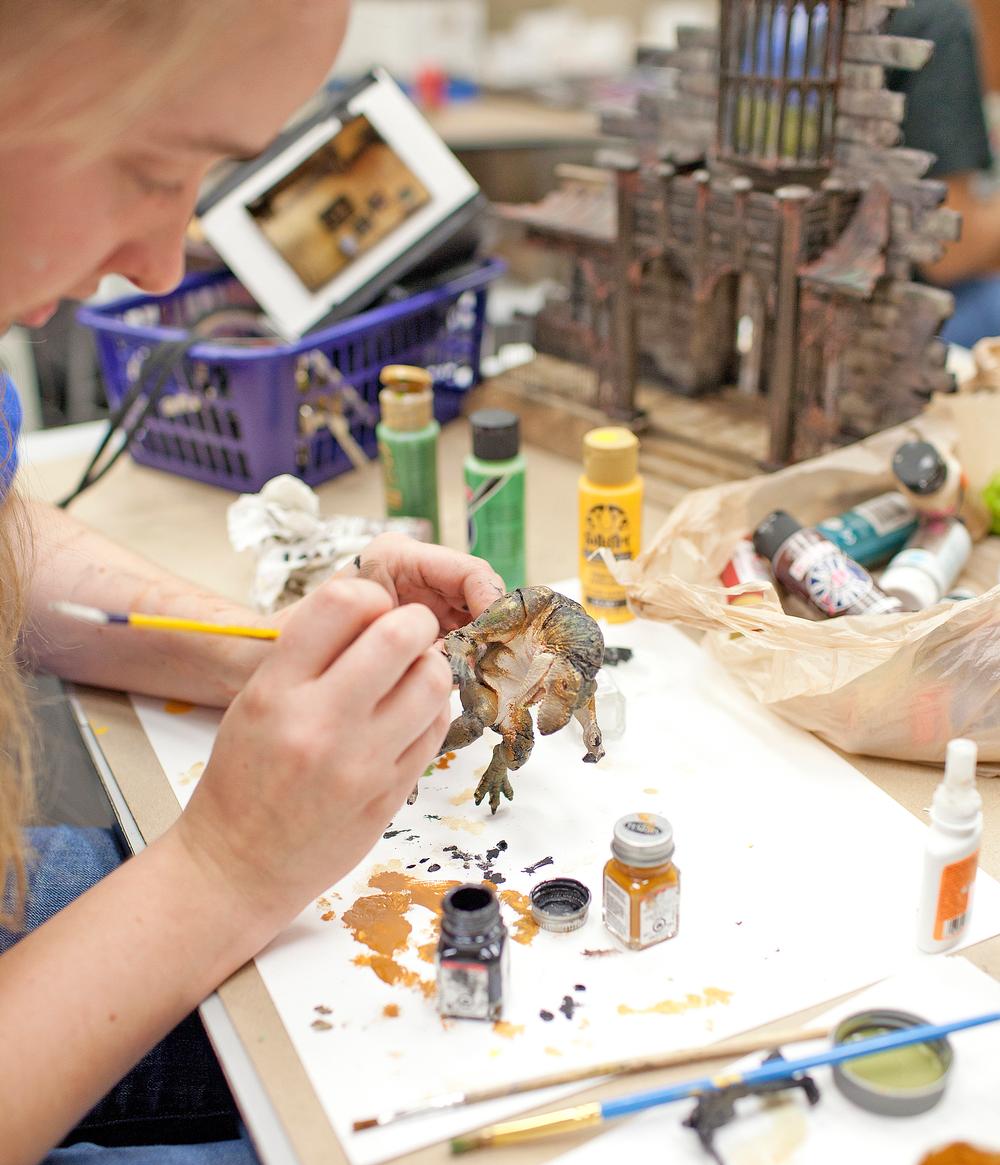
Students learn all areas of set design, right down to painting it
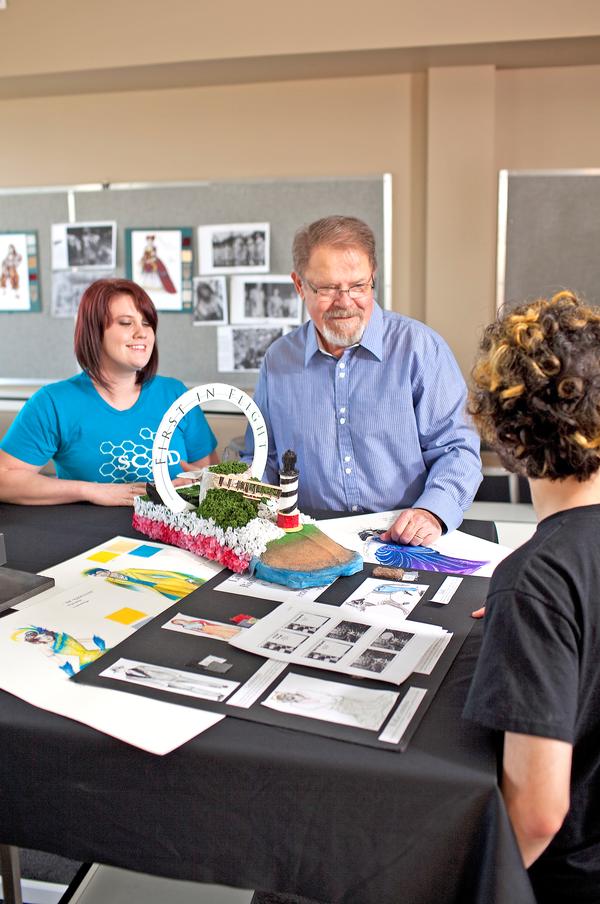
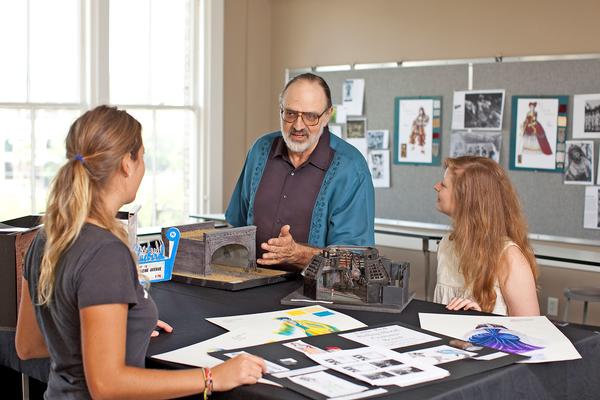
A student works on a model that will be used to help tell a story within an attraction
The MSpa Oslo series is a perennial bestseller in global markets. With innovative
engineering and premium performance, this completely portable spa line-up is expertly
designed to meet the needs of customers worldwide. [more...]
+ More featured suppliers
COMPANY PROFILES
Myndstream
The Stream, Myndstream's purpose-built streaming service enables you to personalise the music to sui [more...]
Wellhub
Wellhub (formerly Gympass) is the
world’s leading corporate wellness
platform, trusted by 70,000+ [more...]
Read more from this issue of Spa Business magazine
View contents of Spa Business 2013 issue 3
Editor's letter: Authenticity
Having authenticity and human engagement at the heart of an attraction
creates an energy which ensures its success
Profile: Terri Irwin
The conservationist, social entrepreneur
and operator of Australia Zoo describes
how she and her late husband, Steve,
built up their business and how she and
her children are continuing his legacy
Analysis: Riding High
The TEA/AECOM theme index report
for 2012 shows that the industry's
continuing to do well with recordbreaking
attendances for many parks
Waterparks: Tapping the experts
The merging of waterparks and theme
parks, shared experiences and multiple
sensation rides are among the trends,
as we find out from the operators
Top Team: Class act
The first themed entertainment design
degree launched last September at SCAD.
The team behind the programme describe
their inspiration and the challenges
Space centre: Space age
Space Shuttle Atlantis has come home
to rest at Kennedy Space Centre Visitor
Complex. COO Bill Moore tells us how
people react when they see the shuttle
Mystery shopper: The cat's whiskers?
Sanrio Hello Kitty Town is among the
attractions at the new Puteri Harbour
Family Theme Park in Malaysia. We pay
a visit to learn more about the offer
Heritage: Mary Rose Museum
King Henry VIII's war ship is brought
back to life in an exciting new museum,
which takes visitors back to the day
she sank, almost 500 years ago
Design project profile: All hands on deck
Mary Rose Museum's design team
tell us how they created a building
that complemented, but didn't
compete with, the famous ship and
the challenges of working around
the hot box it's being conserved in
3D/4D/5D: Work dimension
We find out how film distributors work
with operators and look at some of
the new products that are available
on the market for attractions
Show preview: EAS 2013
The suppliers reveal the products and
projects they'll be showcasing in Paris
Peter WeisharFormer Dean of Entertainment Arts and Founder of the Program
Peter Weishar
What is the qualification? Run by SCAD (Savannah College of Art and Design), the themed entertainment design degree programme is a two-year Master of Fine Arts programme, which started in September 2012.
Experienced professionals teach students the skills needed to enter the industry as designers and artists, with a profound understanding of the breadth of the industry and the requirements needed to be a part of it. The curriculum combines the modelling strategies of architecture and electronic design with the problem-solving approaches of industrial design and production design.
A primary function in the industry is telling a story and creating a compelling environment and that’s what the students will focus on.
Who takes the course? Students have a broad range of backgrounds and a variety of skill sets – such as interior designer, architect, animator, illustrator, industrial designer and a motion media artist. They work together to create a single project, which is how they’ll work in the field.
One of the factors that made this course possible is the diversity within SCAD, which has 40 different art and design majors. That enables students to work collaboratively with the same, and often better, resources than there are out in the field.
What makes the course different? SCAD is one of the first colleges to recognise the uniqueness of themed entertainment and the skill sets necessary, so students will have an advantage over those from other institutions that don’t have the same kind of focus.
There are more electives than other MFA programmes and there’s a great deal of collaboration with other disciplines within the arts. Themed entertainment is an extremely broad field that incorporates engineering, industrial design, interior design, production design and many other areas.
The students are encouraged to focus six electives into a single area and have a sub discipline. For example, one student has a particular group of classes that combine vehicle design with themed entertainment design so she can become a ride designer.
What were the challenges? There are very strict guidelines for accreditation when starting a new degree programme, so there’s a lot of scrutiny as this hasn’t been done before. And quite rightly so – this is an education we’re providing, so it needs to be fully vetted. There was a great deal of paperwork and research and studies done to explain the importance of the programme and viability to the industry and why it should be a separate major.
Michael DeVine Professor
Michael DeVine
How did you get involved? I’ve been creative director at Universal and Disney, but I also taught at California Arts, so always kept tabs on various art schools around the country.
I moved to Savannah when working on Dubailand for Universal and met up with George two years ago. He told me about the course and it sounded terrific.
How do you work together? We split the load. George has been emphasising the project management side and I’m on the creative side. But we collaborate and team tag, so students get different points of view.
Which classes do you teach? I teach four classes on the design and creative side and the story components. Both George and I deal very heavily with story components, from queue lines to attractions. I also teach second year undergraduate scene designers, because that’s my background.
How do you use your experience? A lot of it is ensuring students absorb information that they need to remember about how they present their work, themselves and their ideas – that’s all learnt behaviour.
And I explain what they’re going to see in the real world, in terms of team dynamics and thought processes. It’s great when students do internships and realise the information we’re giving them is valuable and valid.
The strongest piece of advice I give students is that they have to be at the top of their form. And to keep happy. My eternal mantra is: “It’s ok.”
How can operators get involved? The opportunity to take interns is there, plus SCAD does sponsored projects, where companies bring real projects, assignments and issues. They financially back a class or an assignment and the school works with their creative directors to develop work.
SCAD isn’t a cheap design studio, but is a kind of research and development organisation where the students explore ideas that the company may not have time to do or is looking for fresh ideas and a younger perspective.
How will the course be developed? I think the students will do that. When they enter the industry, they’ll bring new insights, ways of communicating and ways of experiencing stories.
As long as we can ground our students in the core principles of story telling and revealing the story to the guests, the mechanics, physics and nuances will change and grow.
George Head Professor
George Head
How did you get involved with SCAD? I retired from Walt Disney Imagineering (WDI), after 30 years, in 2009. At WDI I trained new employees, so teaching seemed to be a natural transition.
Peter Weishar asked if I’d like to teach at SCAD and get involved with setting up the themed entertainment degree programme. My wife and I thought it sounded like a great adventure, so we moved to Savannah.
What are the classes? The first class that students take is an overview of the themed entertainment industry. It explains the breadth of what’s out there and the diversity within the field. The other compulsory classes are architecture, electronic design and production design, with industrial design as an optional class.
SCAD also offers an under-graduate programme. Students can take a collection of six to eight specialist classes during their own four-year course.
How did you choose the course content? It needs to be as close as possible to experiences in the industry – every project that Mike and I set is based on an actual job we did.
There’s a phase of history and theory in some of the early classes, then we move on to storytelling, storyboarding and analysing the stories that are in existing attractions. The more advanced courses start to develop attractions and more elaborate design criteria.
How are classes taught? Most of the classes are design classes, which are held in a studio setting. The classes deal with design concepts rather than the construction of sets.
We have a concept design studio for blue sky projects, a large project design studio, a collaborative design studio and a component design studio where students work on smaller components of a themed experience, such as the integration of the theming of a small area within a larger venue.
SCAD collaborates with themed entertainment companies that come into campus and we do field trips.
In collaboration with WDI, students go on location for a week. Every day they’re in the parks for a few hours before they open, walking the lines with the engineers, designers and maintenance people and discussing the mechanics, design and aesthetics. In the afternoon they have lectures from different imagineers.
Which classes do you teach? I do a basic introduction to theatre and production design, followed by drafting for production design and then more advanced classes including concept and collaboration and production design portfolios. There are also field trips or specific projects, such as working with the theatre department for a production.
What are your teaching methods? There are survey classes where students study the history and theory of how themed entertainment has evolved over time, but most important are the studio classes where students are doing actual projects, either in a team or as individuals. They’re given design criteria for an attraction or a merchandise shop and have to develop a storyline, which is the most important part of the design.
How do you promote the course? We attend industry events, such as the SATE conference and the THEA and SEA Awards and conventions including The United States Institute for Theatre Technology, The Southeastern Theatre Conference and IAAPA.
We recently sent students to the Architectural Lighting convention and they were very well received, as the sector seems to be looking for more theatrically trained lighting designers. Going to these types of events leads to both promotion of the course and job placements for students.
How will the course be developed? I’d like to see an even broader mix of people taking the course, with film students or visual effects students bringing their base comments to the mix and learning how those skills are applied in themed entertainment.
It needs to be as close as possible to experiences in the industry. Every project we set is based on an actual job we did
Course content
MFA classes * Advanced Parametric Design and Generative Modelling Strategies for the Building Arts * Media Art * Electronic Design * Design Visualization, Communication and Documentation * Digital Visualization for Production Design * Professional Practices in Production Design * Themed Entertainment Industry * Concept Design Studio * Component Design Studio * Design for Themed Entertainment * Large Project Design Studio * Collaborative Design Studio * Themed Entertainment Design M.F.A. Thesis
Under-graduate classes * Script Interpretation * Rendering for Entertainment Design * The Public Event: Concept and Collaboration * Production Design Portfolio * Survey of Themed Entertainment Industry * Themed Entertainment Design * Large Project Design Studio
TEA’s SATE’13 October 3 – 4, 2013 The success of SCAD’s themed entertainment design degree programme has led to the school being chosen as the venue for SATE’13.
The Themed Entertainment Association’s Storytelling, Architecture, Technology and Experience (SATE) Conference is an annual, international gathering of themed entertainment and experience design creators, producers, owners and operators.
The conference explores issues, opportunities and possibilities relating to the creation of compelling guest experiences for entertainment, education, retail and branding. Each year, a new theme is emphasised and explored through the lenses of the specific elements that contribute to successful guest attractions and projects. This year’s theme is What’s Next.
TEA’s SATE’13
Assignment case study 1 - Theming class Professor of graphic design Jason Frazier gives an example of one of this year’s projects
The client needed updating of existing kiosk structures, as well as visions of entirely new installations, for both food service and retail, based on themes that were related to the area of the parks they were situated in.
The students had to take visual, emotional, and environmental contexts and roll those into an experience that serves the location, the activity and the brand itself in order to meet all expectations for the user’s experience.
They produced many options for the client. For mid-term, they not only presented their thoughts on their best ideas, but also the processes and the intermediate stops along the way. Because of this, the client could not only see how the team arrived at the collection of possible final concepts, but also all the iteration and play that happens in any good design process. These discussions about all elements create great conversation and an environment of trust among the client to the design teams.
The client was highly impressed with the amount of work and the quality of work that the students produced in just 10 weeks. One of the final concepts was taken directly to the client’s park vendor with very few adjustments.
Assignment case study 2 - Masterplanning class Professor of architecture Daniel Brown describes one of the sponsored projects that students have worked on
The brief was to theme and masterplan a 167-acre site for a leading entertainment company. The students’ task was to re-imagine the site by creating a theme and design for the area. The company in question has strong brand recognition, but its attraction needed a back story.
The project was given to both themed entertainment design students and architecture students. The collaboration was difficult at first because the project was multi-faceted, encompassing urban design, architecture and character development. In general, sponsored projects provide the students with an opportunity to learn how their specific discipline is a small part of a much bigger design process.
The students were separated into teams that included themed entertainment, architecture and dramatic writing students, then worked together to design, illustrate and write the entire project. Their process was to break off into small groups to work on their area of expertise and to meet back up to integrate their ideas and collaborate to produce a final product, much like professionals would do in an office environment.
Each team presented five different proposals that included plans for story, location, functionality, guest flow, architecture and landscape design.
The clients were blown away by the creativity, craftsmanship and amount of work that the students produced in such a short period of time. Its success led to further sponsored projects with the same client and internships to several students based on their final presentations.
Students learn all areas of set design, right down to painting it
A student works on a model that will be used to help tell a story within an attraction
Ameyalli, the 78-acre wellbeing resort and residential community in Midway in Utah, US, has
broken ground on phase two of the hot spring development – the Ameyalli Resort and Spa –
which is due to open in 2028.
Gran Hotel Taoro in northern Tenerife, Spain, has completed the final phase of its three-year
renovation with the debut of its Sandára Wellness Centre.
Hand and Stone Massage and Facial Spa, the spa business with more than 650 locations across
the US and Canada, has appointed franchise expert Carrie Walsh as CEO as the company plans
to expand.
Synergy – The Retreat Show, the global trade show for retreats, has launched a global research
initiative that will provide insights into the retreat sector from both consumer and industry
perspectives.
The Wellness Tourism Association (WTA) has published a non-regulatory global industry
framework designed to ensure the retreat market offers responsible experiences.
A new survey of UK and international spa practitioners shows that stress, burnout and
wellbeing concerns have caused one in three respondents to consider leaving the industry.
The UK's four Chief Medical Officers have published a refreshed edition of Physical activity
guidelines: UK Chief Medical Officers' report, updating the evidence that underpins the nation's
physical activity recommendations and placing greater emphasis on strength, balance, reducing
sedentary behaviour and, for the first time, supporting people taking weight loss medications.
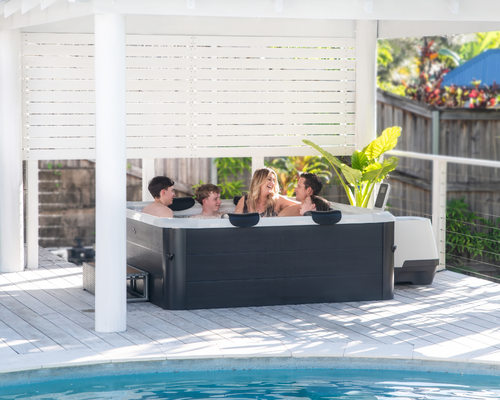
The MSpa Oslo series is a perennial bestseller in global markets. With innovative
engineering and premium performance, this completely portable spa line-up is expertly
designed to meet the needs of customers worldwide. [more...]
+ More featured suppliers
COMPANY PROFILES
Myndstream The Stream, Myndstream's purpose-built streaming service enables you to personalise the music to sui [more...]