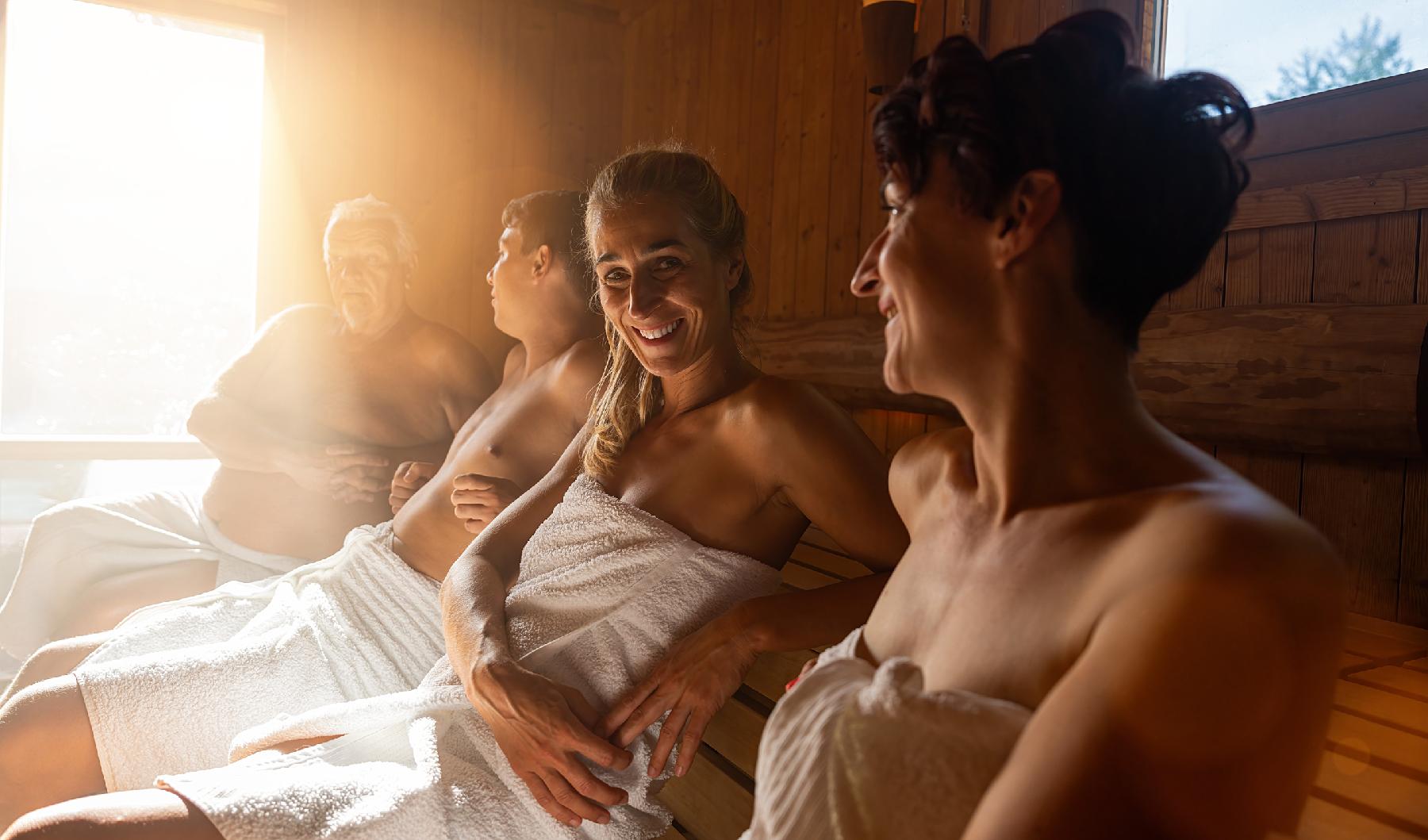
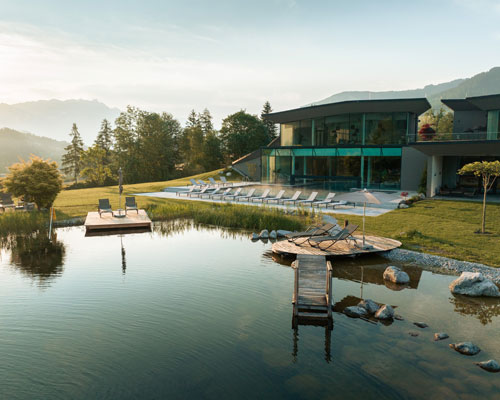
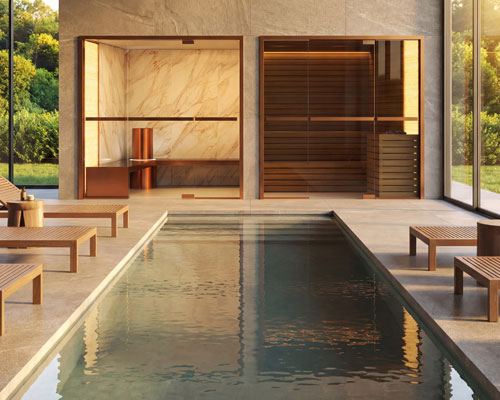
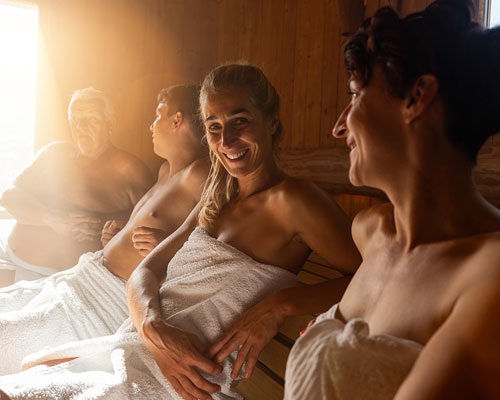
Thermal facilities should be avoided by some cancer patients / shutterstock/r.classen
The Standards Authority for Touch in Cancer Care (SATCC) has updated its guidelines on the use of heat during touch treatments and holistic wellness practices for patients with cancer based on a review of current research.
The SATCC was set up in 2020 by Sue Harmsworth, founder of ESPA, to unite training providers in the UK and Ireland in offering a national standard of care for consumers experiencing cancer, based on scientific evidence (see www.spabusiness.com/SATCC).
The revised advice has come from Anna Campbell, a professor at Edinburgh Napier University, who has spent 25 years in the field of exercise oncology.
New guidelines
The safe upper limit for heat is 42°C (107.6°F)
Some people undergoing cancer treatments such as chemotherapy, immunotherapy and radiotherapy should avoid the use of thermal facilities, including hot tubs, steamrooms and saunas where heat cannot be individually controlled
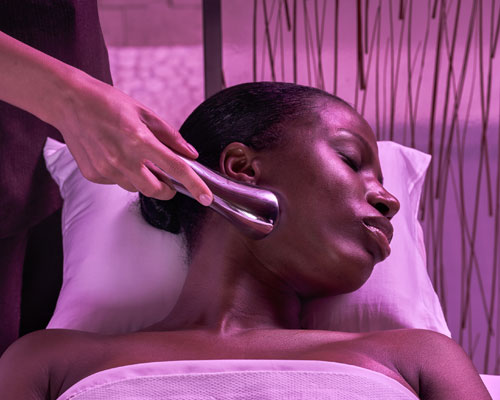
In touch therapy treatments, heat up to 42°C is seen as safe. But heated tools, such as hot stones, shells and poultices should be move continuously and not left in one place
Clients at risk of lymphoedema – who have had lymph nodes removed/have received radiation targeting lymph areas – should avoid all direct heat on affected limbs. Indirect heat treatments should also be avoided for these clients for three years after cancer interventions
Direct heat therapy should be avoided on recently radiated skin or sites with implanted devices, such as peripherally inserted central catheter lines
Chemotherapy can induce areas of impaired sensation/neuropathy, causing pain, numbness and tingling in the hands and feet. These areas should be avoided during spa treatments
Empowering therapists Campbell, says: “It’s important that therapists and wellbeing practitioners continue to develop their practice based on current evidence to provide a safe and effective service.”
Harmsworth adds: “The importance of holistic care for cancer patients is essential for supporting people on a human level during and beyond medical treatment.
“The more knowledge with which we can empower therapists, wellbeing practitioners, and patients themselves, the better.”
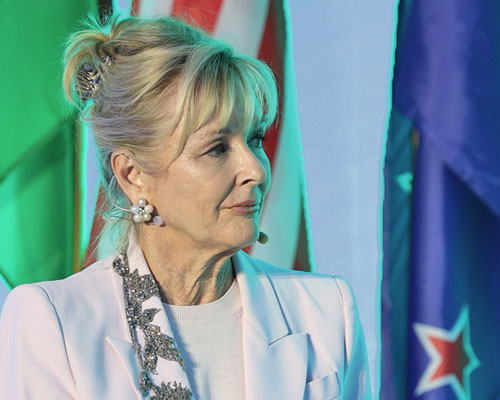
Sue Harmsworth
The more knowledge with which we can empower therapists, the better - Sue Harmsworth
Read more from this issue of Spa Business magazine
Interview: Yoshiharu Hoshino
Backed by US$1.6 billion in assets, the CEO of Hoshino Resorts talks to Katie Barnes about growth strategy and onsen innovation in Japan and beyond
Hotel spa: Nature recharged
Lisa Starr visits Puradies in the Austrian Alps, where thoughtful design and eco spas are having a profound impact on businesses
Research: High achiever
The latest figures from the GWI show the global wellness economy is now worth US$6.8 trillion
Sponsored: Living Earth Crafts – on a mission
Living Earth Crafts already counts leading global operators among its clientele. CEO Jim Chenevey says the company is taking innovation to the next level in 2026
Menu engineering: At your service
Auberge pivots to joy, Oberoi reveals lifestyle framework concept and a gamified therapist training platform launches
Finishing touch: Hot issue
Revised guidelines outline when heat is safe – and when it’s not – for those undergoing cancer treatment
In the fast-paced world of fitness and wellness, where high-intensity workouts push us to
our limits and the sweat pours, the importance of efficient recovery cannot be overstated. [more...]
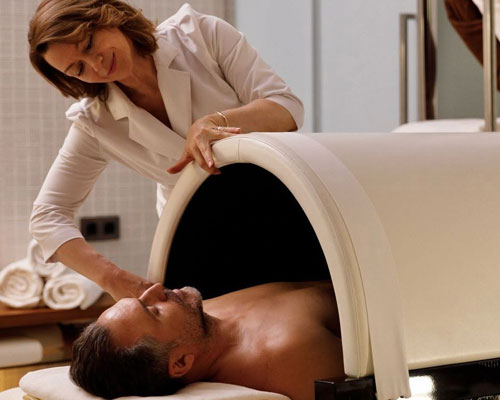
Thermal facilities should be avoided by some cancer patients / shutterstock/r.classen
The Standards Authority for Touch in Cancer Care (SATCC) has updated its guidelines on the use of heat during touch treatments and holistic wellness practices for patients with cancer based on a review of current research.
The SATCC was set up in 2020 by Sue Harmsworth, founder of ESPA, to unite training providers in the UK and Ireland in offering a national standard of care for consumers experiencing cancer, based on scientific evidence (see www.spabusiness.com/SATCC).
The revised advice has come from Anna Campbell, a professor at Edinburgh Napier University, who has spent 25 years in the field of exercise oncology.
New guidelines
The safe upper limit for heat is 42°C (107.6°F)
Some people undergoing cancer treatments such as chemotherapy, immunotherapy and radiotherapy should avoid the use of thermal facilities, including hot tubs, steamrooms and saunas where heat cannot be individually controlled
In touch therapy treatments, heat up to 42°C is seen as safe. But heated tools, such as hot stones, shells and poultices should be move continuously and not left in one place
Clients at risk of lymphoedema – who have had lymph nodes removed/have received radiation targeting lymph areas – should avoid all direct heat on affected limbs. Indirect heat treatments should also be avoided for these clients for three years after cancer interventions
Direct heat therapy should be avoided on recently radiated skin or sites with implanted devices, such as peripherally inserted central catheter lines
Chemotherapy can induce areas of impaired sensation/neuropathy, causing pain, numbness and tingling in the hands and feet. These areas should be avoided during spa treatments
Empowering therapists Campbell, says: “It’s important that therapists and wellbeing practitioners continue to develop their practice based on current evidence to provide a safe and effective service.”
Harmsworth adds: “The importance of holistic care for cancer patients is essential for supporting people on a human level during and beyond medical treatment.
“The more knowledge with which we can empower therapists, wellbeing practitioners, and patients themselves, the better.”
Sue Harmsworth
The more knowledge with which we can empower therapists, the better - Sue Harmsworth
Read more from this issue of Spa Business magazine
Interview: Yoshiharu Hoshino
Backed by US$1.6 billion in assets, the CEO of Hoshino Resorts talks to Katie Barnes about growth strategy and onsen innovation in Japan and beyond
Hotel spa: Nature recharged
Lisa Starr visits Puradies in the Austrian Alps, where thoughtful design and eco spas are having a profound impact on businesses
Research: High achiever
The latest figures from the GWI show the global wellness economy is now worth US$6.8 trillion
Sponsored: Living Earth Crafts – on a mission
Living Earth Crafts already counts leading global operators among its clientele. CEO Jim Chenevey says the company is taking innovation to the next level in 2026
Menu engineering: At your service
Auberge pivots to joy, Oberoi reveals lifestyle framework concept and a gamified therapist training platform launches
Finishing touch: Hot issue
Revised guidelines outline when heat is safe – and when it’s not – for those undergoing cancer treatment
Four Seasons Resort The Nam Hai in Hoi An, Vietnam, has put together a Global Wellness Day
(GWD) agenda with activations rooted in nature and shaped by four pillars of Joy – in
alignment with the day’s theme #JoyMagenta.
The Global Wellness Summit (GWS) will celebrate its 20th anniversary at the 2026 event in
Phuket, Thailand, later this year with the theme: The Science, Art and Soul of Wellness.
Auko, an all-inclusive development, is opening in Phong Nha in Vietnam in Q3 2026, with a
series of 30 tented eco-lodges and wellness hospitality operations by Lumina Wellbeing.
Therme Manchester’s 28-acre development, which will include interconnected glass pavilions
that measure 65,000sq m, will be the largest bathing and wellbeing attraction in the world once
complete, according to prof David Russell, CEO of Therme UK.
Naples Beach Club, a Four Seasons Resort, has opened a 2,800sq m spa called The Sanctuary,
with the design and concept inspired by the Native American people that populated Florida’s
Southwest coast – the Calusa.
Swire Hotels’ luxury hospitality brand Upper House has revealed it will roll out its two-day
House of Healing retreats at its three hotels in Hong Kong, Chengdu and Shanghai.
LVMH-owned beauty house Guerlain will launch up to five spas with partners a year as part of
its plan to expand globally, according to the brand’s international spa and wellness director,
Diane Davody.
A new global study by Kevin Kelly and Peter Yesawich, called WELLSurvey 2.0, has revealed
more than half of consumers in the UK, US and Germany would not choose numerous high-
profile wellness resort brands for a future trip.
Luxury hospitality and wellness pioneer Jeremy McCarthy has launched Leisure Alchemy, a
digital platform that will provide professionals with strategic guidance on how to build
transformational leisure experiences that drive profit.
In the fast-paced world of fitness and wellness, where high-intensity workouts push us to
our limits and the sweat pours, the importance of efficient recovery cannot be overstated. [more...]