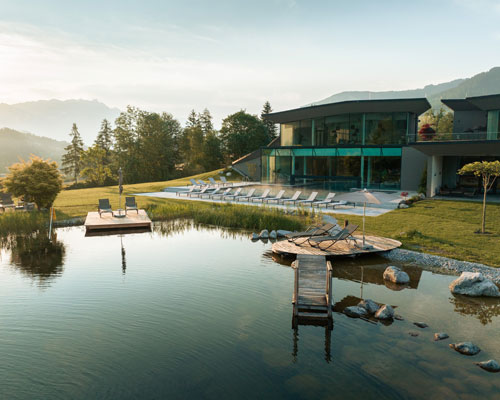
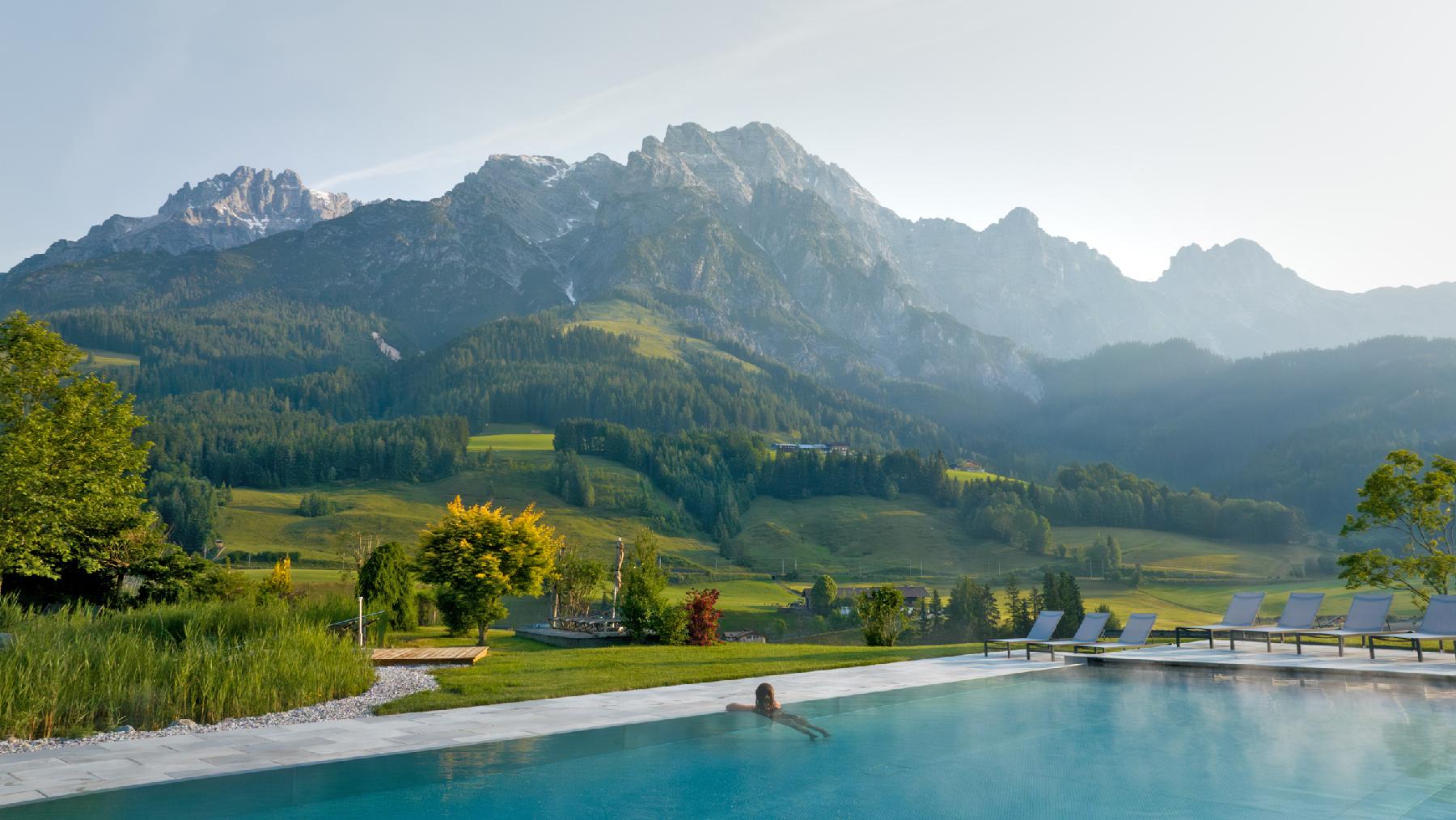
Framed by dramatic limestone peaks and expansive alpine meadows, the village of Leogang is one of the most visually striking destinations in the Austrian Alps. A natural playground, it’s one of the country’s largest ski areas, transforming into a hub for hiking and mountain biking in the summer.
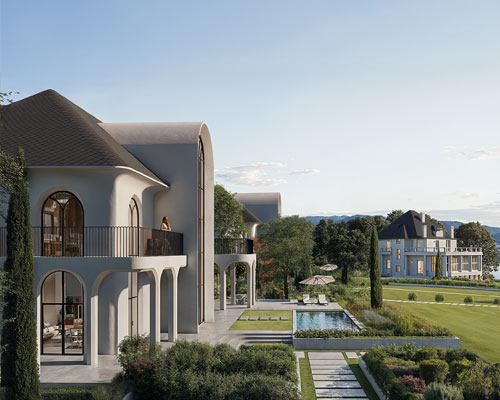
Over the last decade, Leogang has also emerged as a centre for world-class wellness. Leading operators – Krallerhof, Nature Hotel Forsthofgut and Puradies – have added high-end spa and wellness facilities (see p90), all within two years of each other and just a 10-minute drive apart.
My family has been working this plot of land, tending to cattle and crops, for 185 years
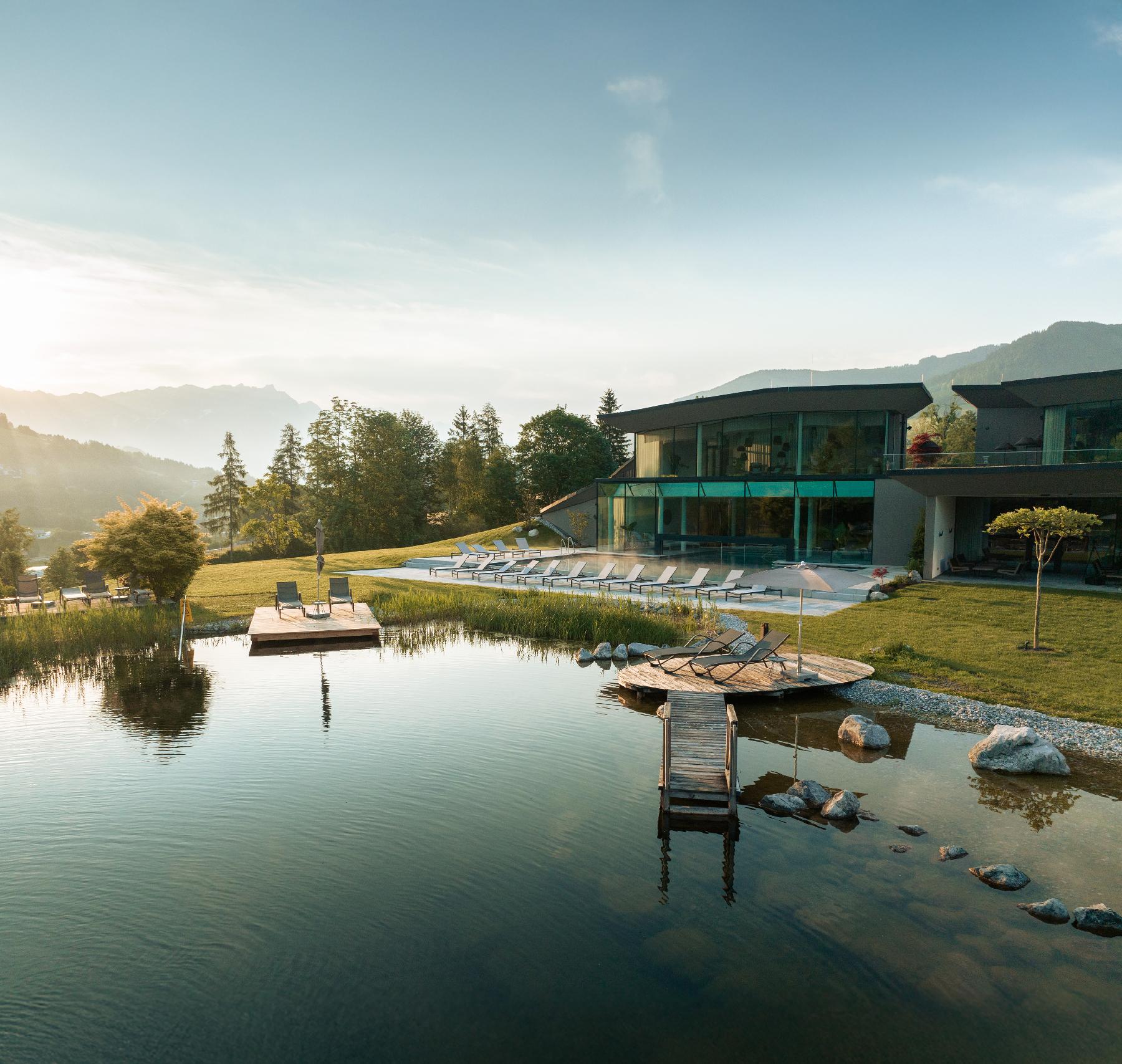
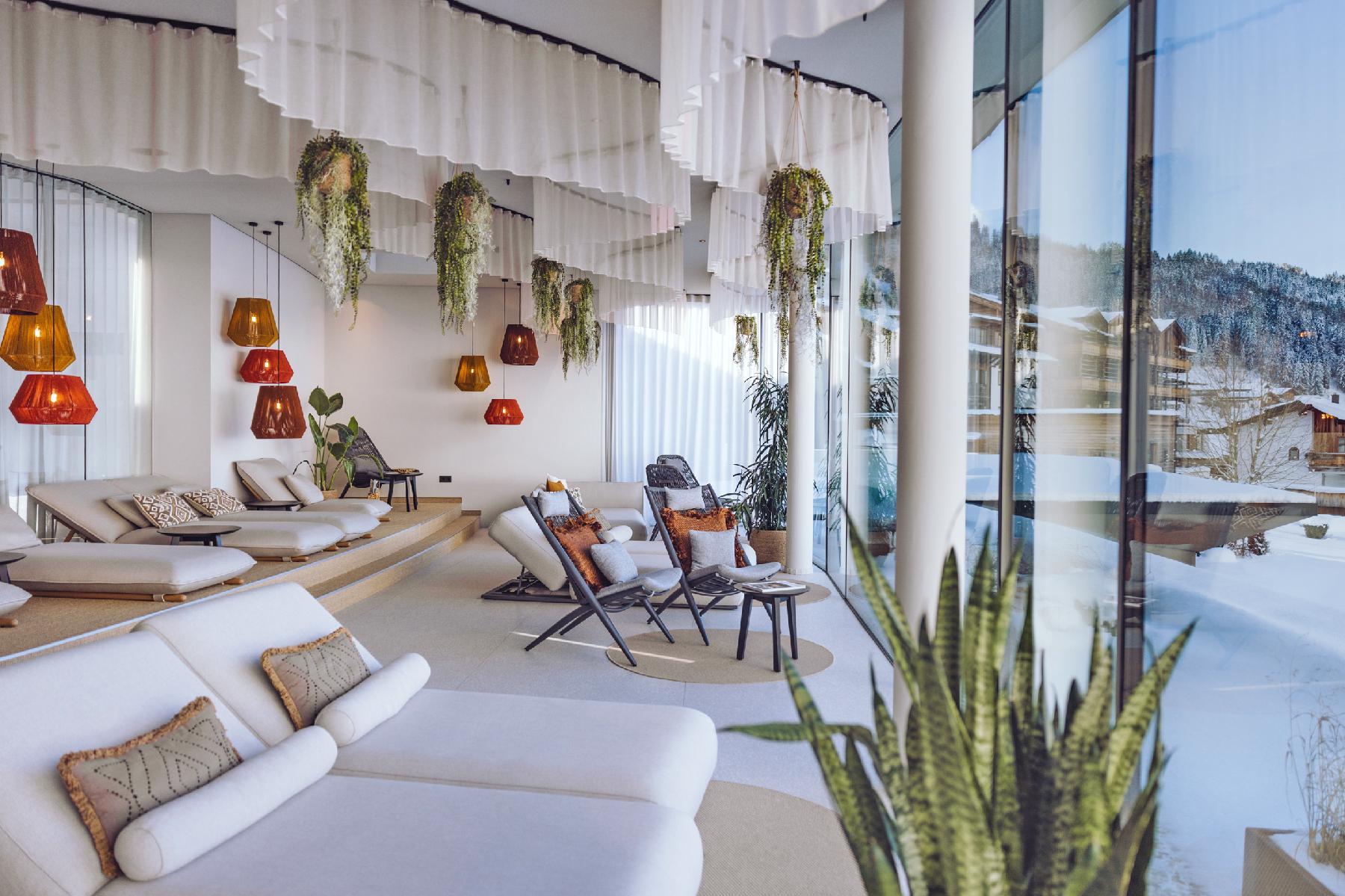
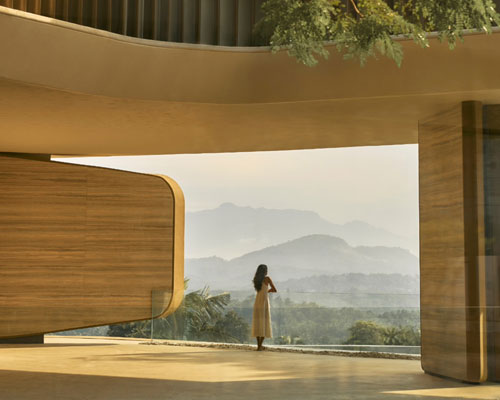
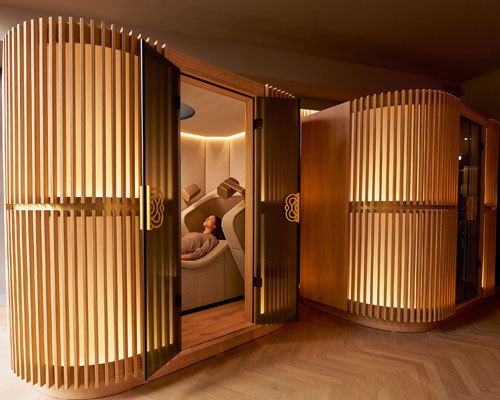
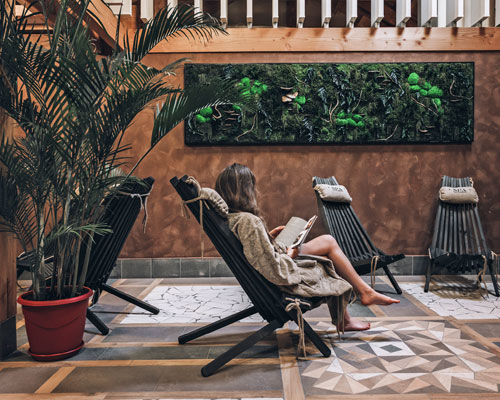
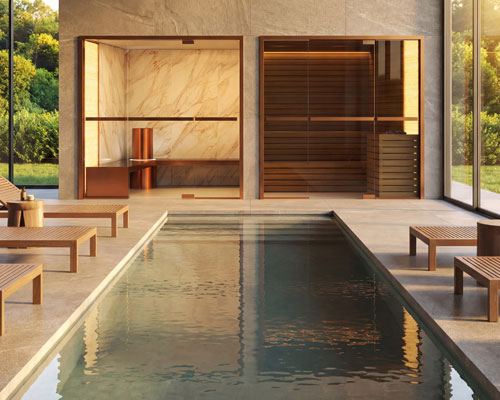
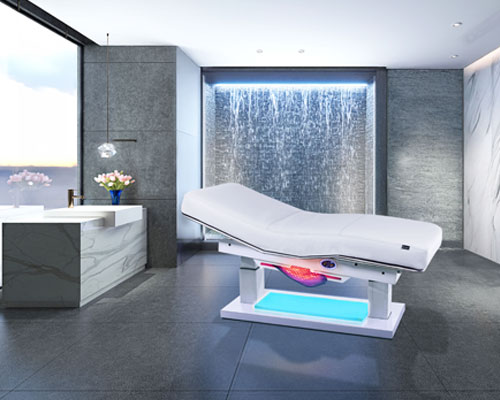
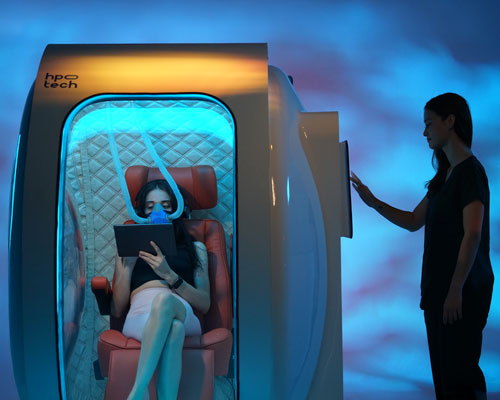
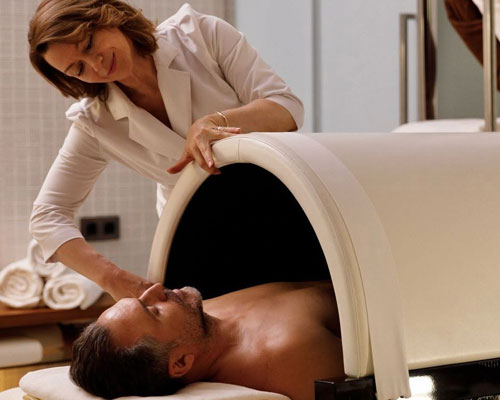
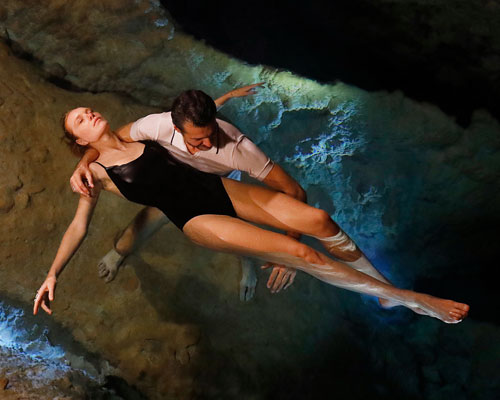
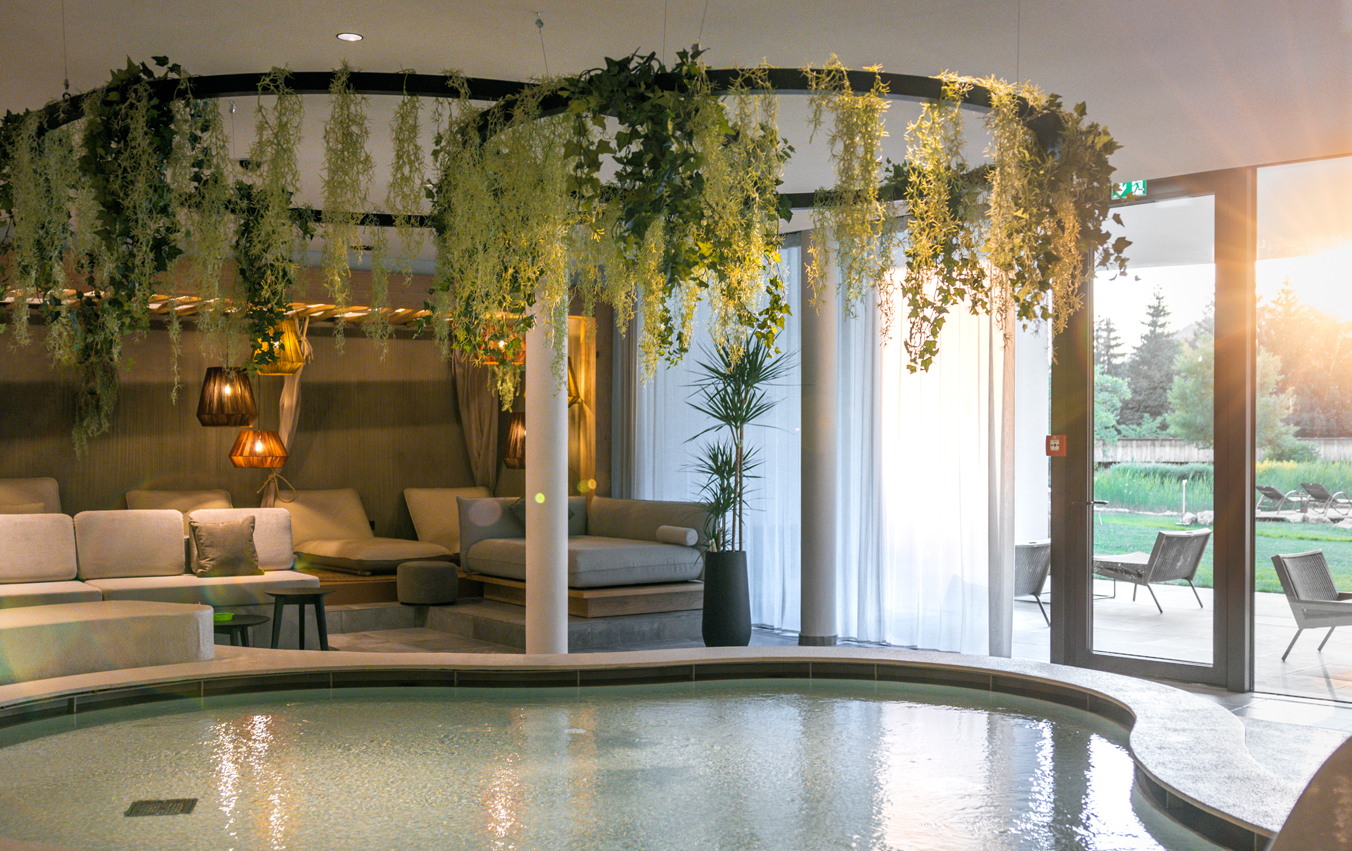
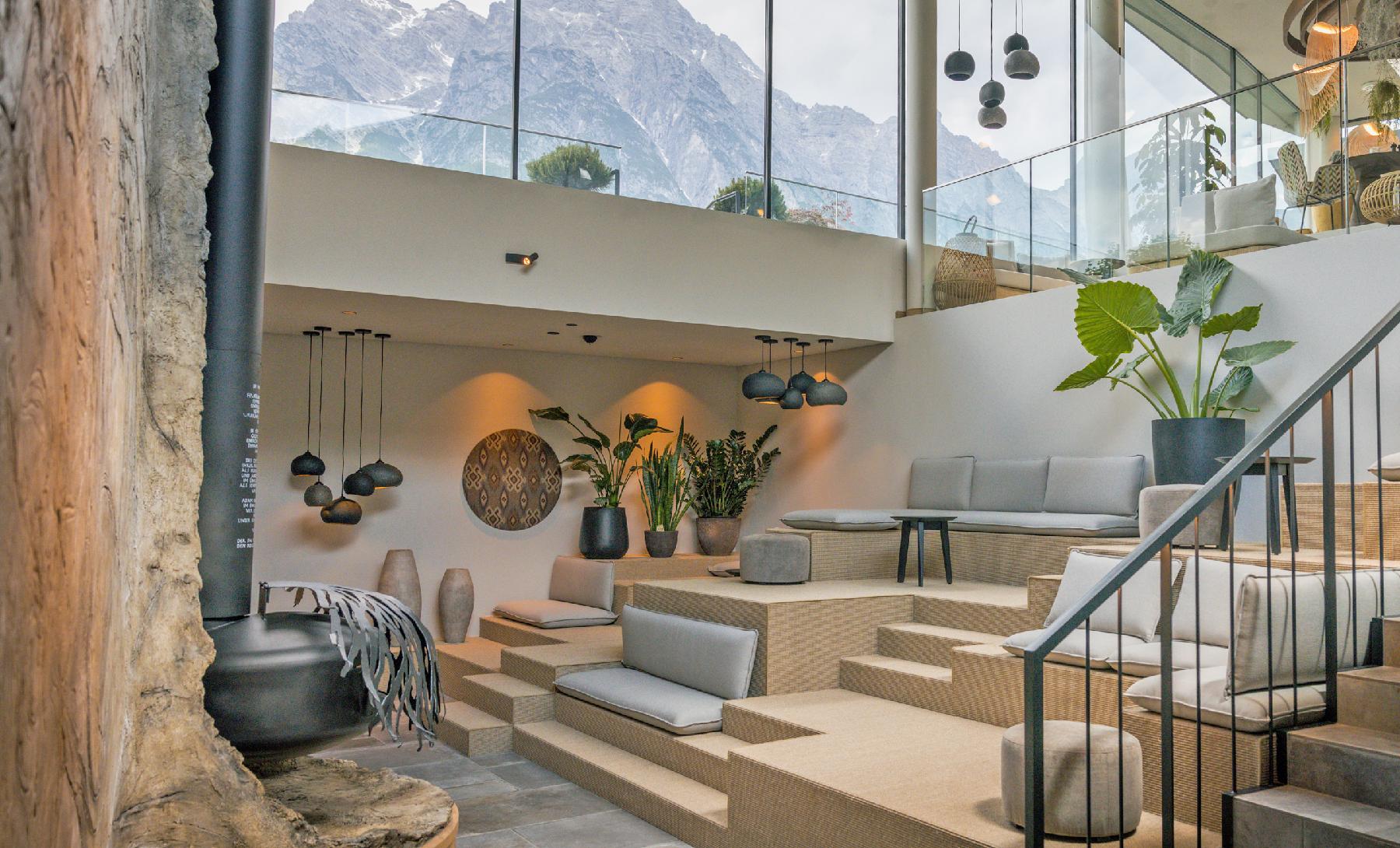
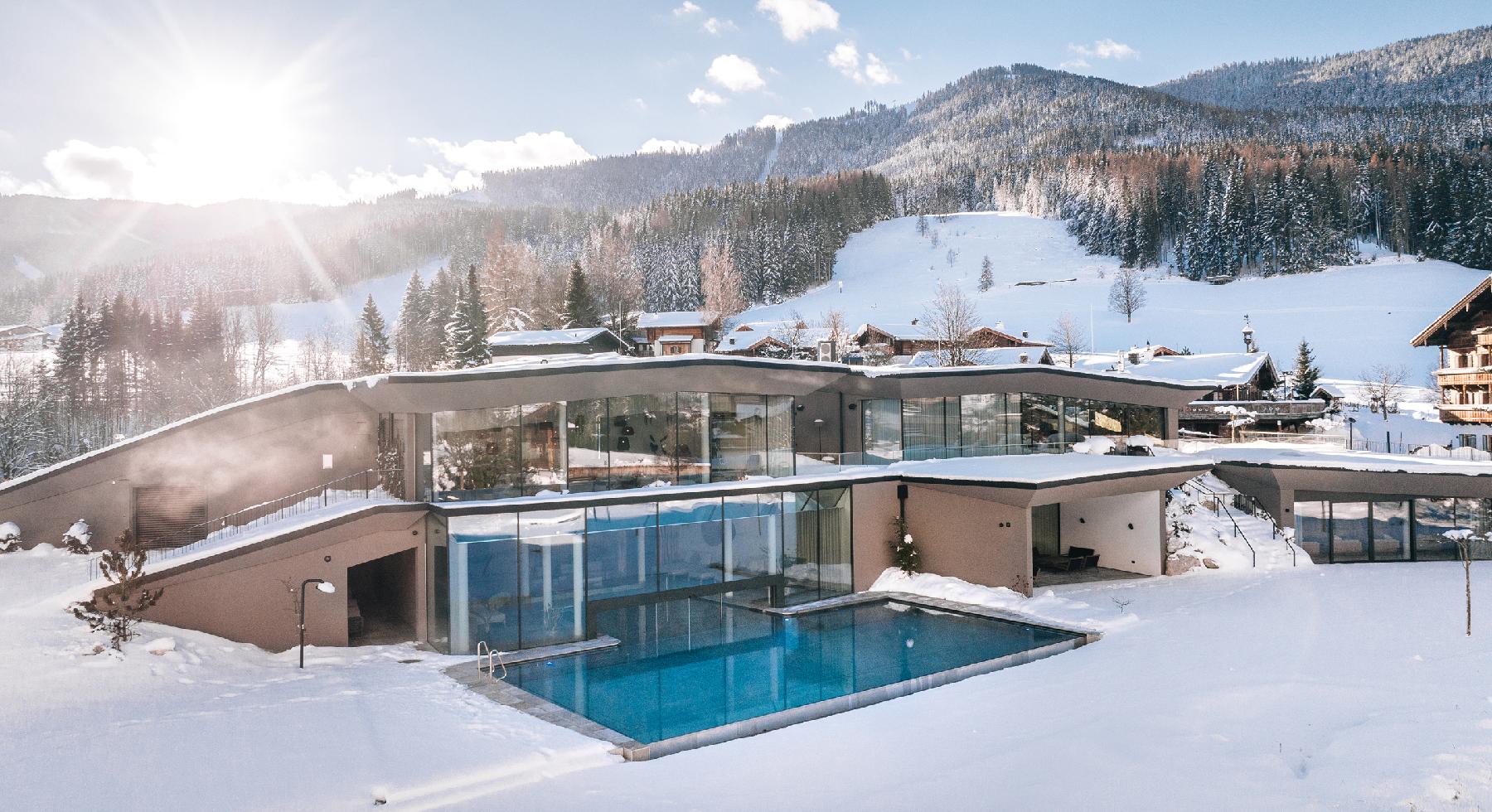
Puradies’ latest addition, the 1,500sq m Heaven Spa, opened in July 2023. Italian architecture and design studio Network of Architecture (Noa) drew inspiration from the four elements to create a wellness wing that rises gently from the meadow and blends seamlessly back into the landscape thanks to its green roof.
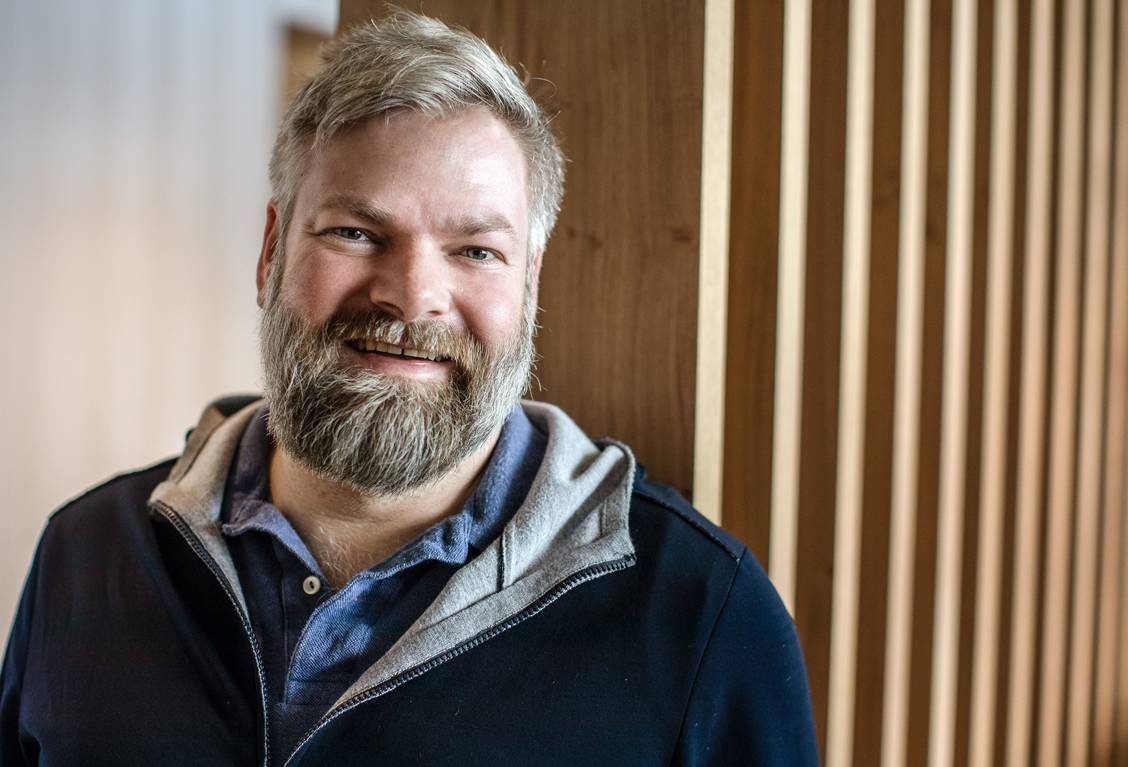
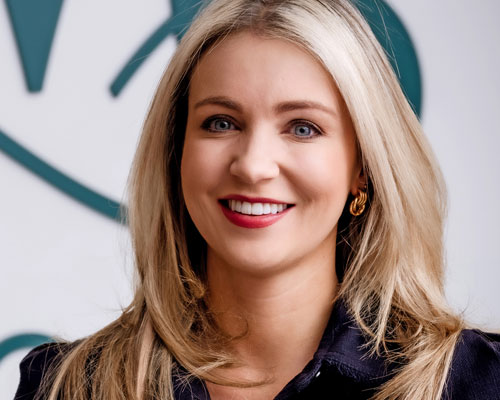
This wave of development reflects a clear strategy for the area – selective, design-led projects that prioritise sustainability and a strong connection to nature. Spa Business sits down with Puradies owner Michael Madreiter to learn how wellness has contributed to consistent double-digit growth in Leogang and what the model means for investors, developers and operators worldwide.
What’s the backstory to Puradies?
My family has been working this plot of land, tending to cattle and crops, for 185 years! In the 1950s, my grandfather Sebastian Madreiter began welcoming guests, with no ambitions beyond providing a comfortable stay at an authentic farm. Between 2007 and 2011, we added 14 luxury chalets and those were so popular that we opened our current resort with 76 rooms and a modest spa in 2016.
What convinced you to invest in wellness even further?
Actually, it was part of our original business plan in 2006. We were due to expand the spa in 2018, but got delayed by some local issues and then COVID-19 hit. We finally started the construction in 2022 and spent €8 million in total (US$9.3 million, £7 million).
Wellness has certainly attracted guests off-season
Why did you choose Noa to lead the project?
They’re based 4 hours away in Bolzano, Italy and have a really good sense for embedding objects into nature – so it looks harmonious, as if it’s been there for decades. They also specialise in hospitality, but they don’t overlook the functional aspects.
What was the design brief?
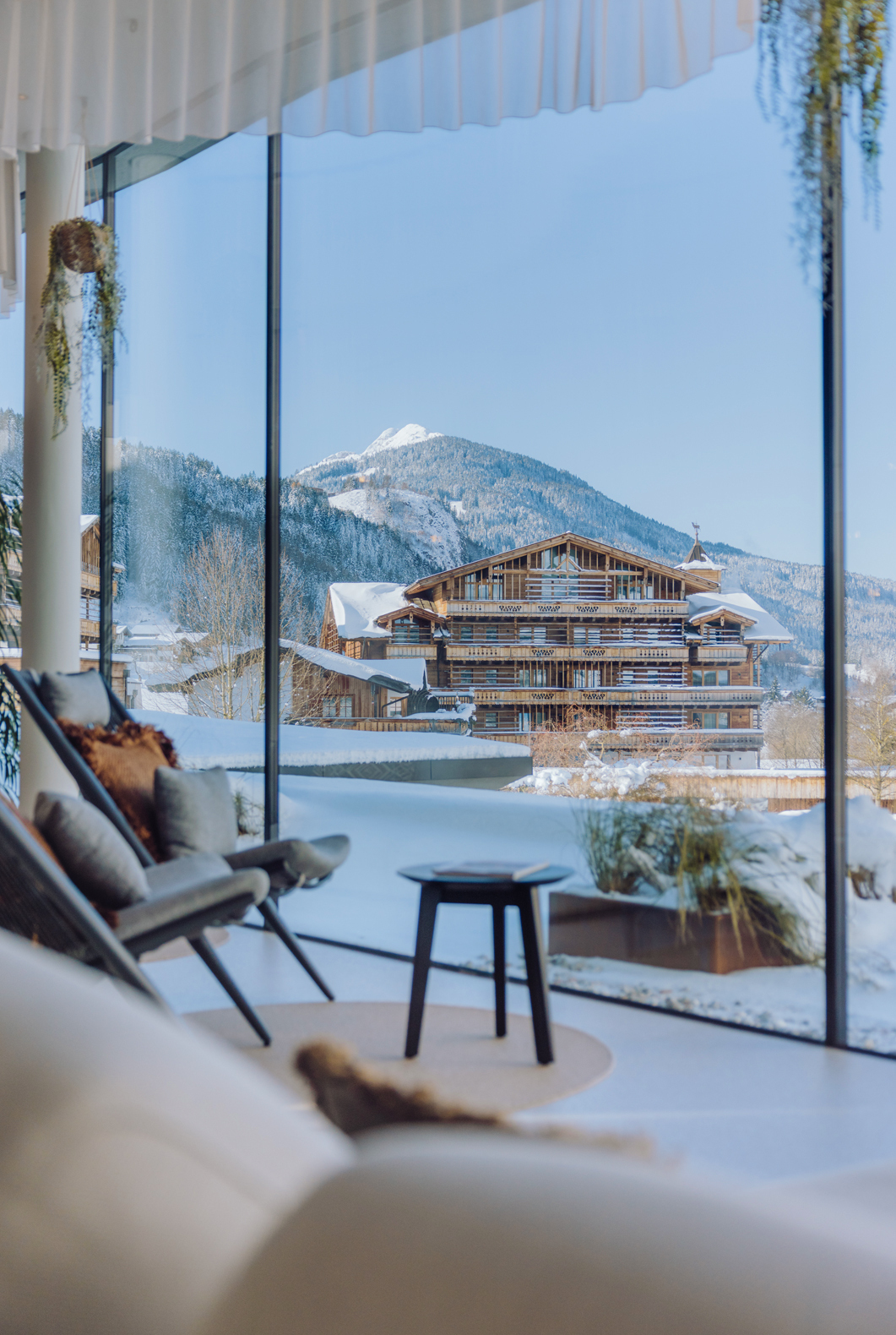
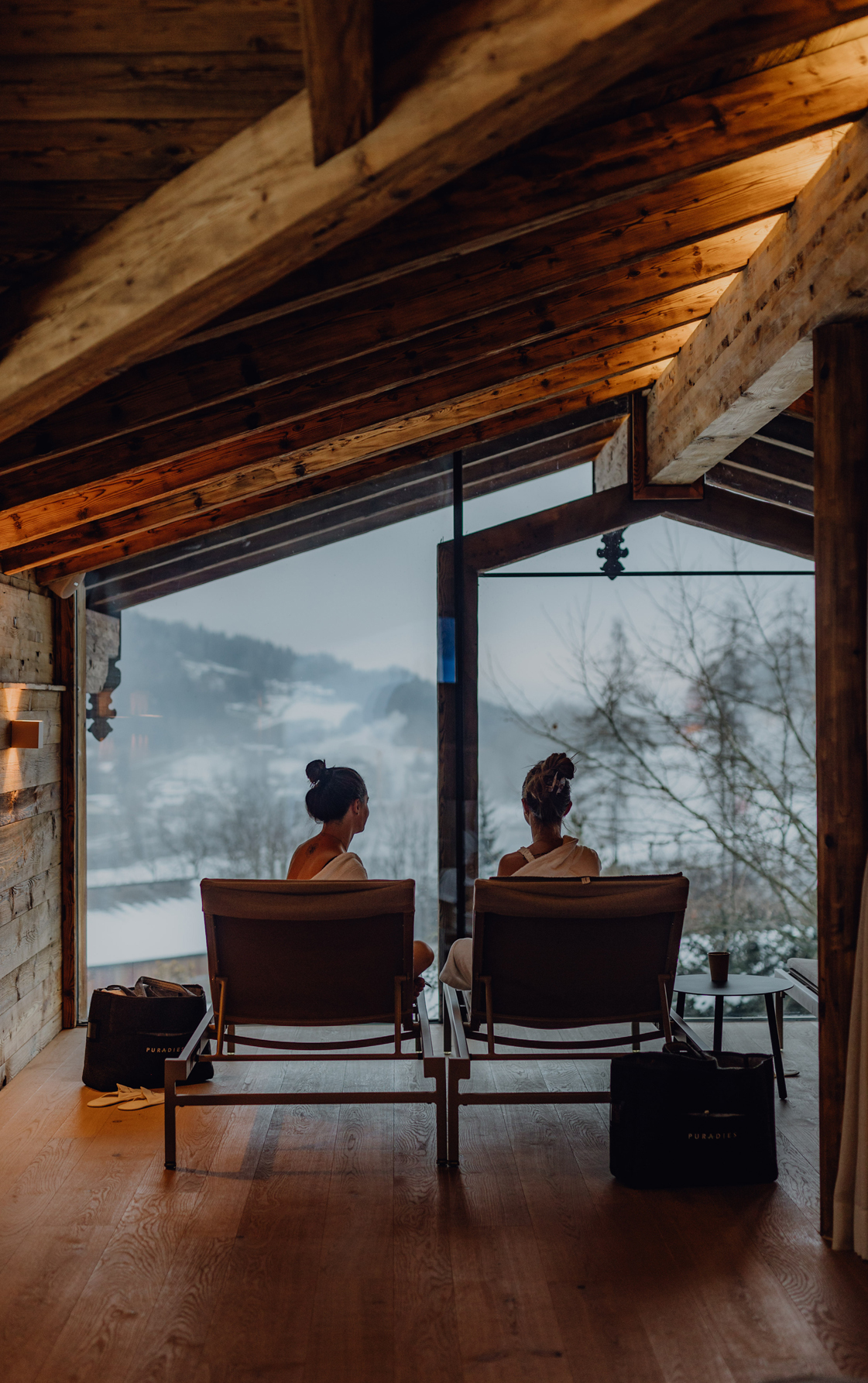
Usually, nature is more attractive without artificial objects, but at Puradies, we also relate to the overwhelming scale of nature depicted by philosophers such as Nietzsche and Kant. We wanted to break down that bigger picture so that nature is more accessible. Noa are masters of framing – coming up with smaller areas where you can be on your own.
In fact, my favourite aspect of the design is outside – a spot between the spa and hotel where you can look at the mountains over the valley with the sound pool and people laughing and having fun in the background.
How has Heaven Spa helped the business?
We’re definitely busier, likely because of our broader offering, and wellness has certainly attracted guests off-season. Most businesses used to close in November, but nowadays it’s almost high season for wellness hotels – especially at weekends with many guests seeking a short respite to recharge.
Who are the spa customers?
They’re predominantly hotel guests and the core market is German-speaking. Sixty per cent of guests come from Germany and 15-17 per cent from across Austria. Winter seasons are becoming more international, we’re welcoming people from Denmark, the Netherlands, Belgium, Luxembourg and the UK because we’re only 1.5-2 hours from Salzburg and Munich airports. We’re even attracting Canadians who like to ski.
All local owners have worked together to create high-quality establishments
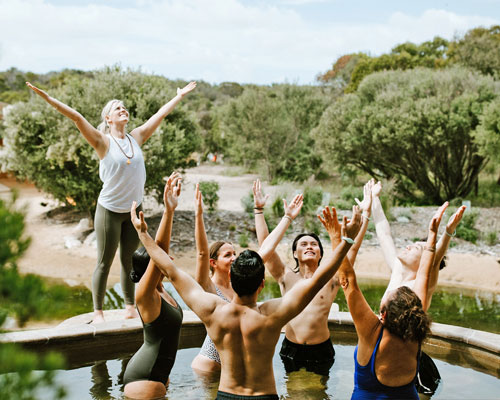
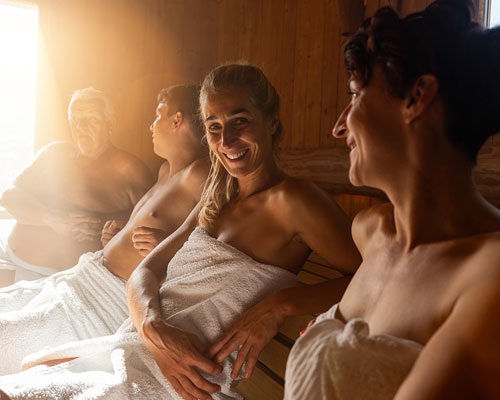
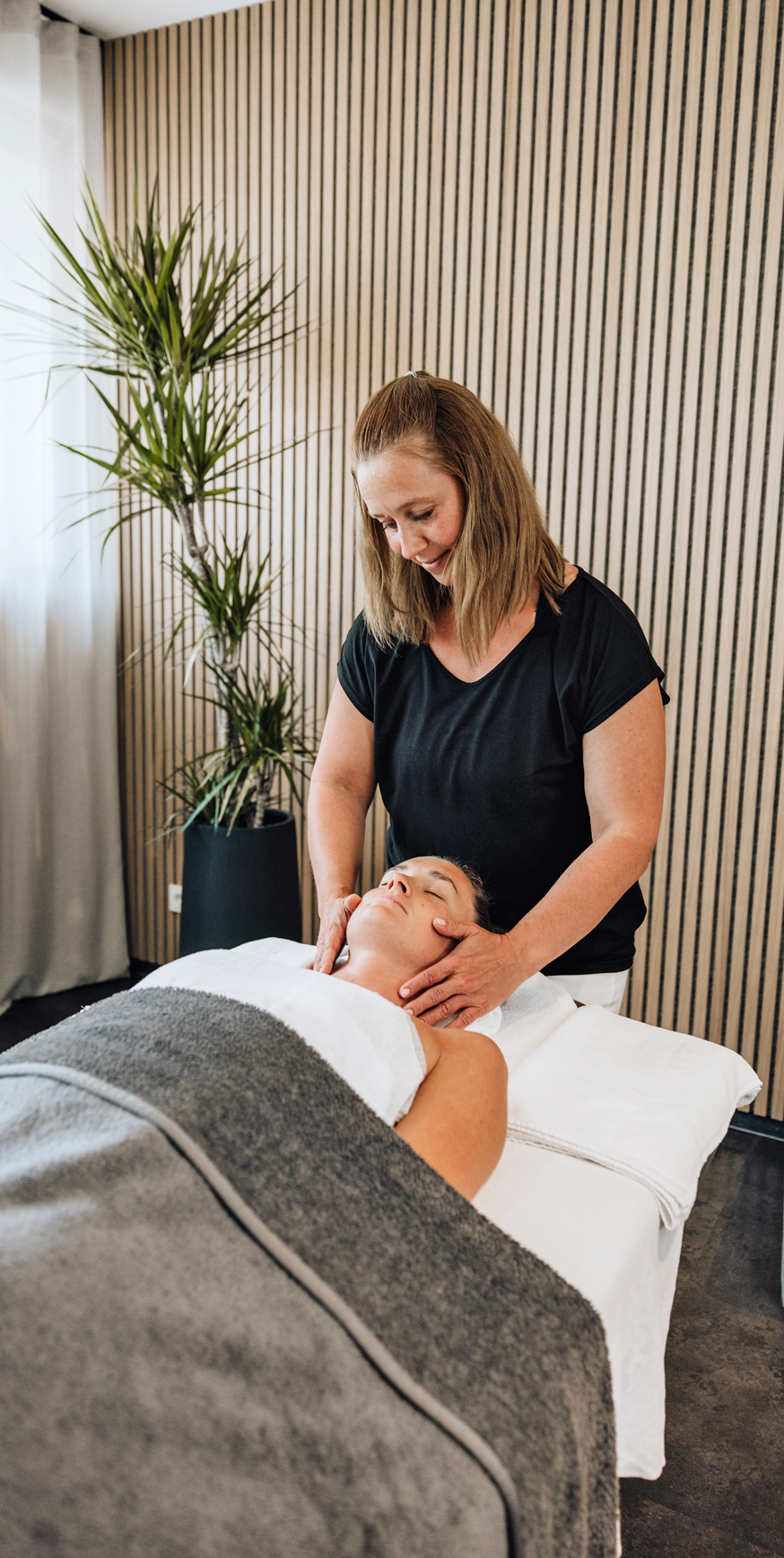
Around 70 per cent of guests use the spa, although not necessarily for treatments. The pools are popular in summer when it can get very warm, while skiers also take to the waters and use the saunas to relax off-piste.
What makes Leogang such a hot spot for high-end spas?
Seasonality is a key driver. It’s a nature-orientated, outdoors lifestyle here. Winter (ski) season runs from early December to Easter and hiking and cycle routes – Leogang is part of the largest bike playground in Europe – contribute to summer business. But April, May and November can be cold, rainy and unappealing, so wellness became a welcome, cozy amenity. Now, with the media attention spas and wellness are commanding, they’re a necessity.
Ninety per cent of the hotels are run by families and the food is fresh and locally grown, which adds to the attraction. We’ve all worked together with the idea of investing in quality establishments to attract more discerning tourists rather than the masses and it’s worked – for the last 10-15 years, we’ve had consistent double-digit growth in nights spent in the town.
What gives Puradies an edge over competitors?
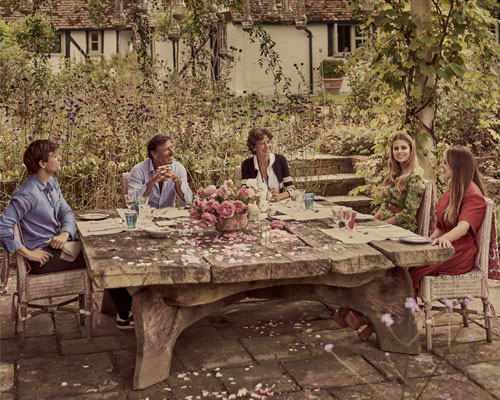
All properties in the area are excellent. We’re fortunate that Puradies is right in the middle of everything; it’s a ski-in, ski-out destination that’s very accessible. But at the same time, we’re in a quiet, calm location. Plus, we have our farmhouse history, a tradition which we’ve kept alive. Meat is sourced from our own cattle and sheep, you can pick your eggs for breakfast at our henhouse and our gardens provide vegetables and herbs.
Looking back, how has your journey shaped who you are today?
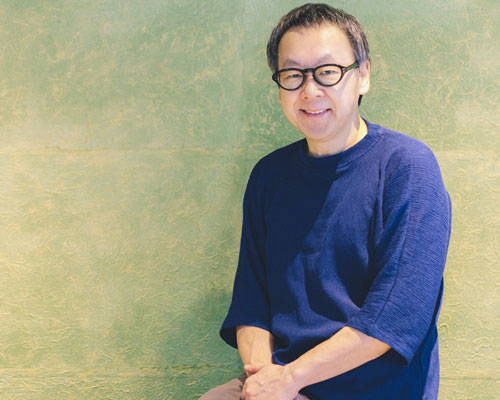
I used to be a management consultant at Ernst & Young and enjoyed travelling and meeting people. But life’s too short to be governed by someone else’s values and vision. Now I’m in charge of building a happy workplace for myself, my employees and others.
Farmers in this region don’t sell their land, we’re proud of our heritage and our duty is to preserve it and prepare it for future generations. What better way to do this than by selling holidays, good food and health and having the time of your life in the process!