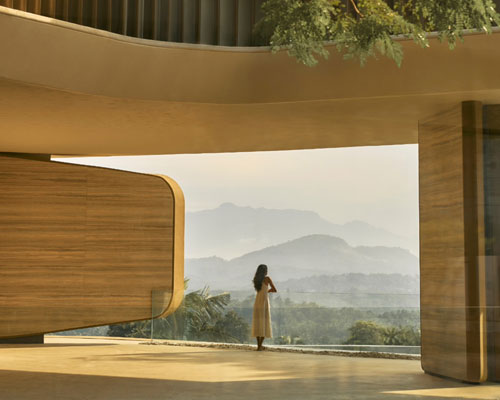
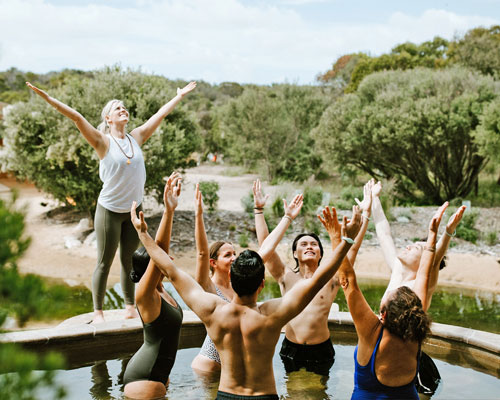
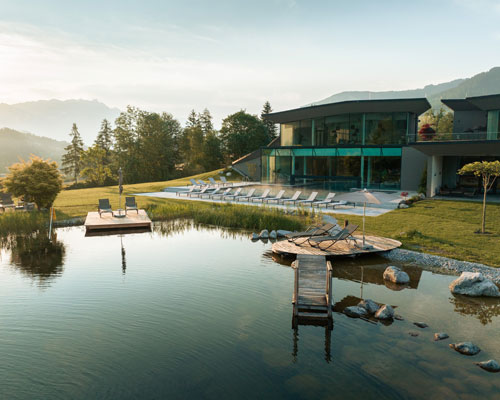
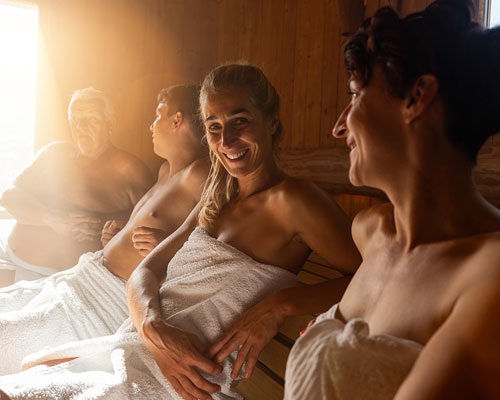
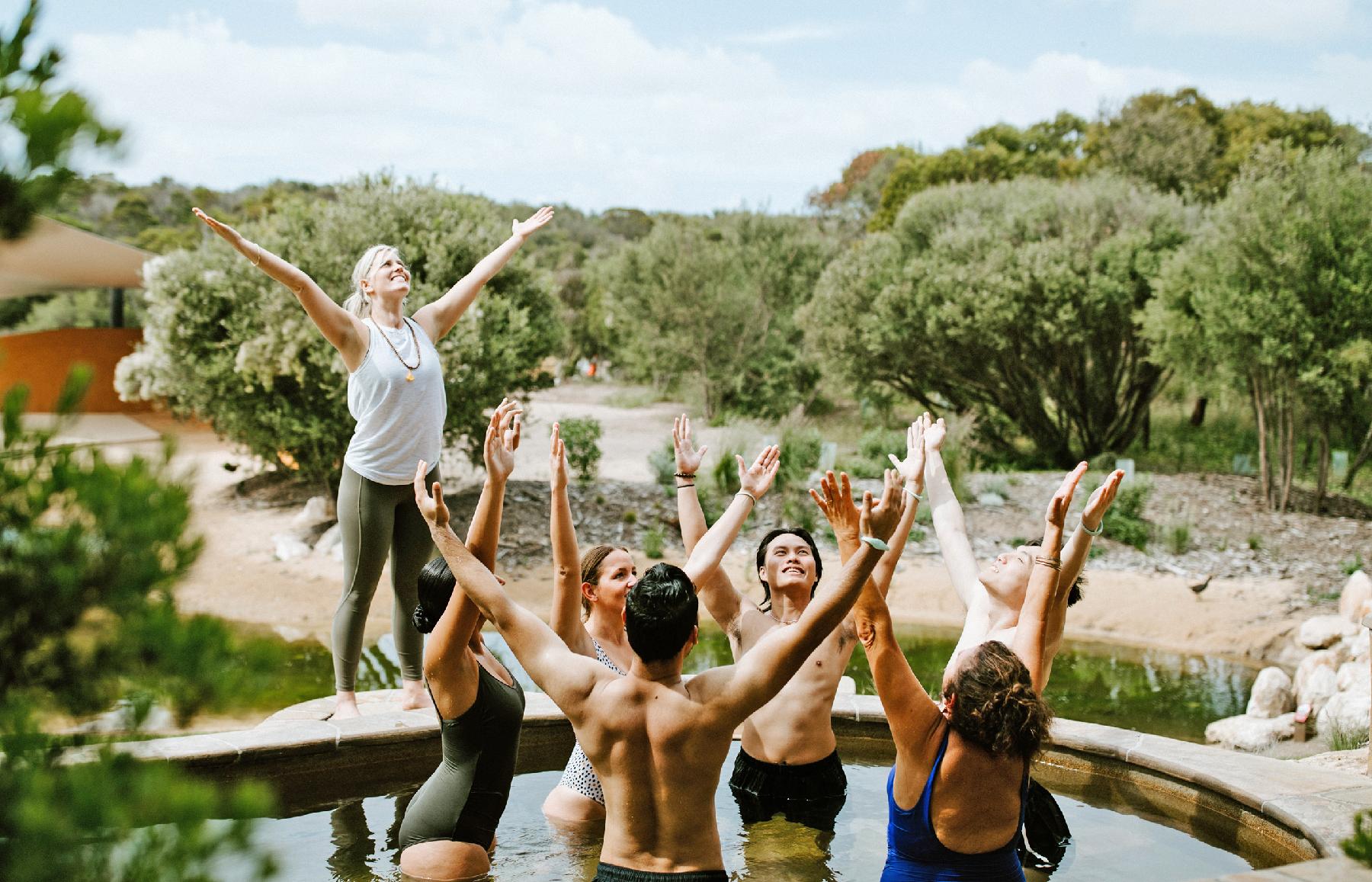
“The most magnetic shift I’m seeing is wellbeing as social, playful and sober celebration – a move from solitary self-improvement to collective, joyful elevation,” stated Damian Chaparro, co-founder of New Zealand retreat Aro Ha. His observations were one of many revelations at the 2025 Asia Pacific Wellness Summit.
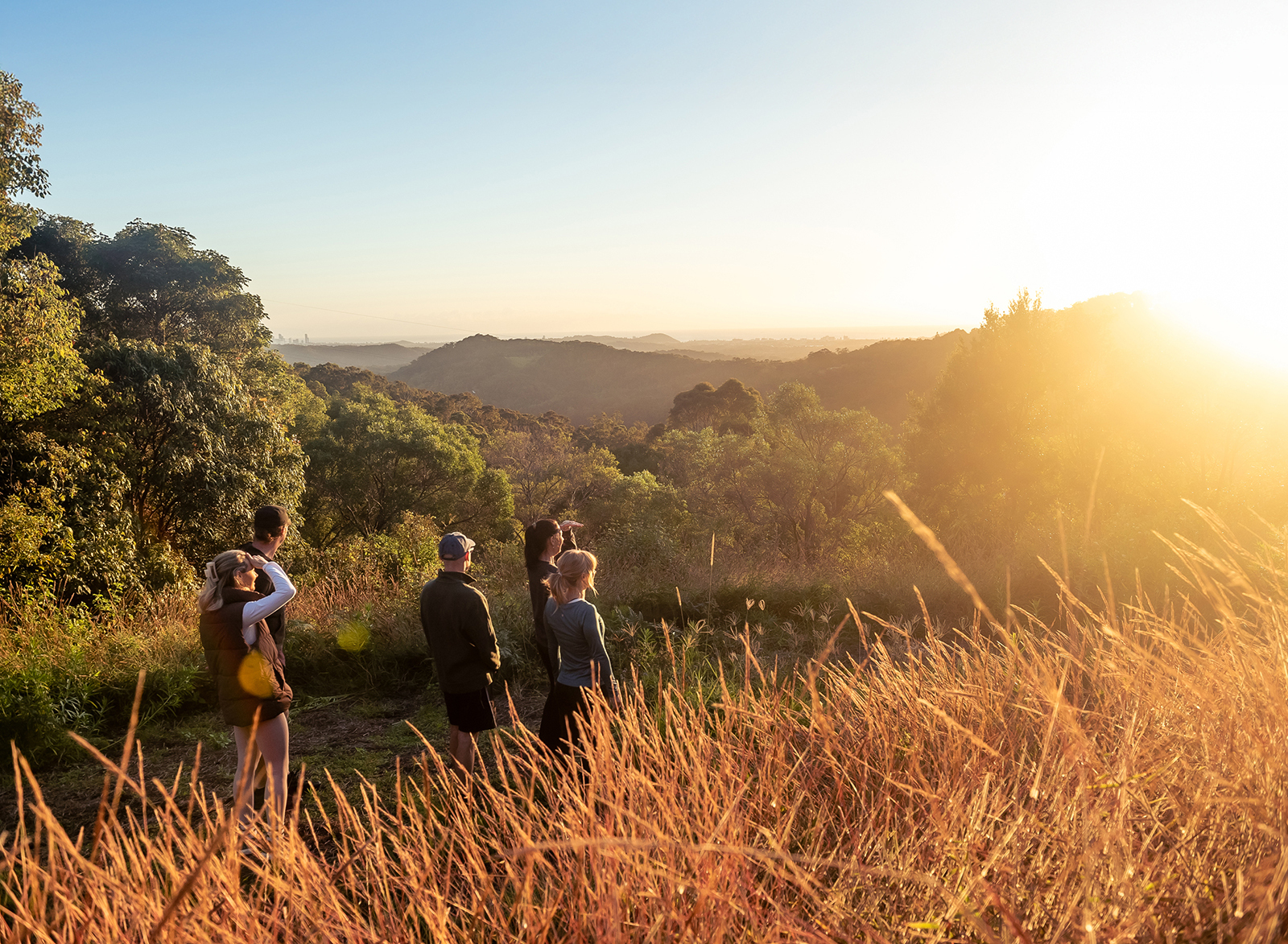
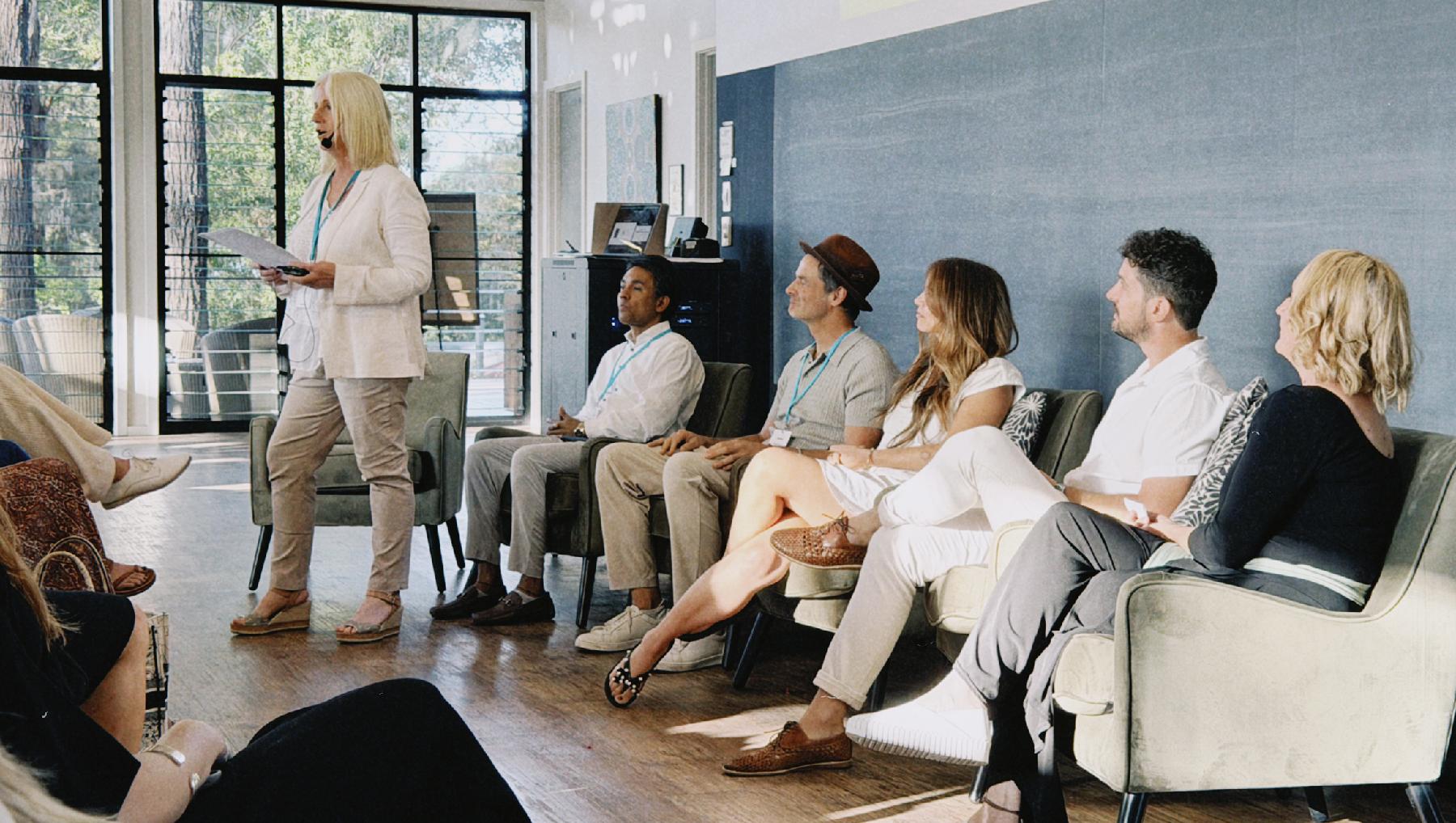
The event saw 150 delegates gather at Gwinganna Lifestyle Retreat, Australia, for three days of TED-style talks brimming with discovery.
How can we bring wellbeing to everyone?
Access, not luxury
Setting the tone with her opening, summit founder Kris Abbey asked: “How can we bring wellbeing to everyone?” Her call to extend wellness beyond luxury was echoed by Tim Jack Adams, founder of Greenx7, a company which uses nature to help people reconnect with themselves and others.
Adams aired concerns about Australia’s average wellbeing score being 66 per cent. “Ninety per cent of our time is indoors – that’s less time outside than maximum sentence prisoners,” he said. “While 90 per cent of our health budget goes to prescriptions.”
Meanwhile, Gwinganna owner Tony de Leede reflected on two decades of evolution. “Wellness is more fragmented than ever, yet many still need to learn the basics,” he said, revealing that the destination’s fundamental Optimal Wellbeing programme is still its most popular. At a time when Gen Z and millennials dominate wellness conversations, he also reminded us that Australians over 55 now control 80 per cent of the nation’s wealth and are investing it in health.
Science unlocked
Faecal microbiota transplantation is a service Spa Business first noted the potential in 10 years ago (see www.spabusiness.com/fmt) and a talk by gastroenterologist Dr Craig Haifer championed its case. “You can’t open a medical journal without seeing research on how our microbiome influences disease and treatment,” he said, explaining how microbiome science is now bridging medicine and wellness. “For decades, medicine treated and wellness prevented – now the microbiome unites both. We can move beyond ‘doctor versus wellness’ thinking and instead collaborate to empower people to take an active role in their health.”
True leadership stems from empathy, presence and energy
Neuroscientist Lauren Dewsbury’s speech Is Collagen Conscious? brought another fresh idea to the table. Collagen, she detailed, makes up 80 per cent of fascia, the body’s connective network that unites all systems and communicates with the autonomic nervous system at lightning speed. “Fascia’s quantum nature may act as an antenna for subtle frequencies, a bridge between mind, body and spirit,” she said. If future research supports this notion, it could suggest why integrative practices that work with fascia, touch and support collagen create benefits that go beyond relaxation.
In a similar vein, genetic health expert Chris Barnes focused on three critical genetic variants in brain health – MTHFR, BDNF and COMT – that shape our individual stress responses. By understanding them better, operators can personalise wellness strategies such as nutrition, supplements and stress management regimes.
New leadership language
In a room full of changemakers, the conversation around leadership struck a deep chord. “Wellness is a business of transformation, not transaction,” said strategist Grant Gamble. True leadership, he observed, stems from empathy, presence and energy. “We need to operate at the frequency of our guests.”
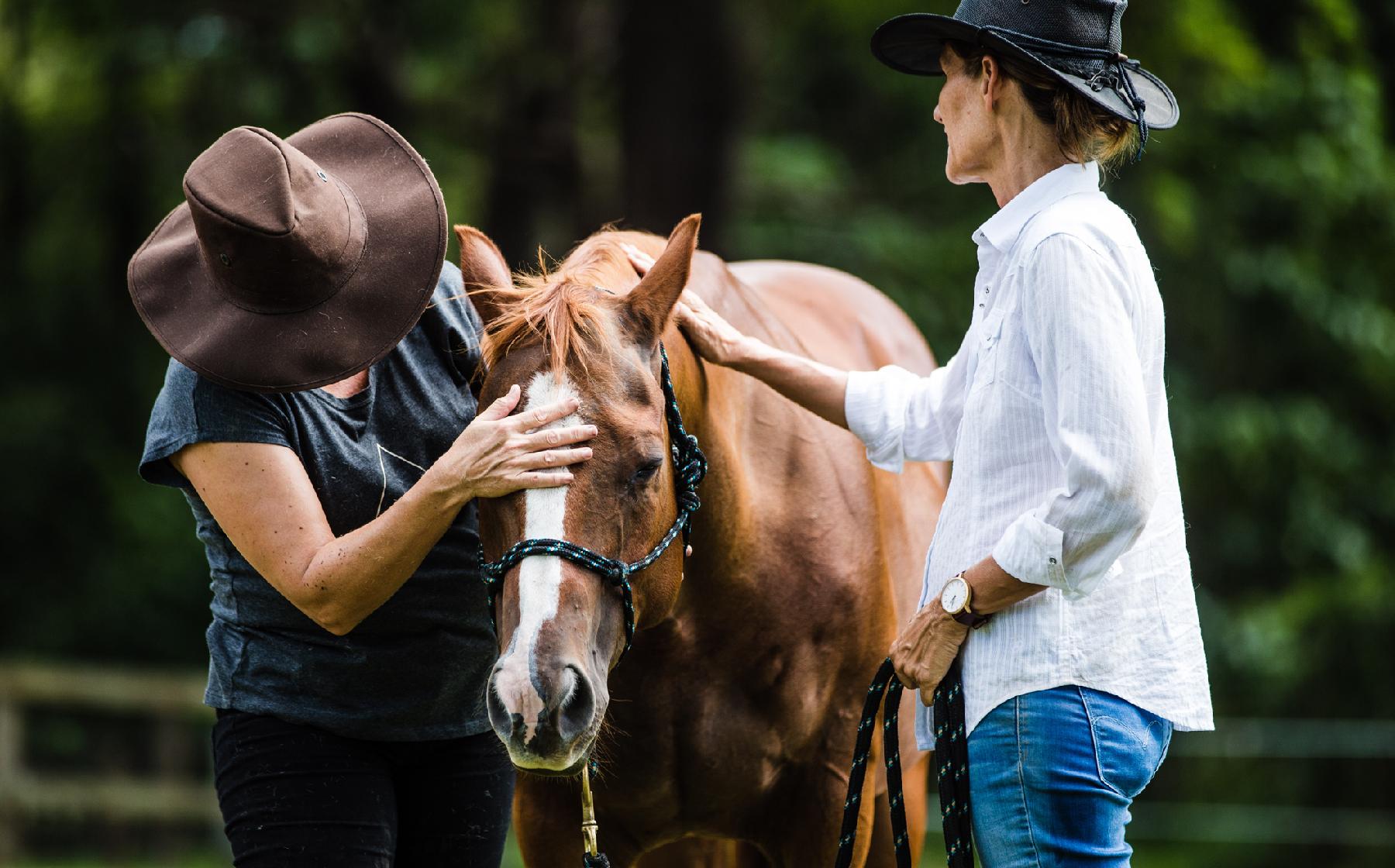
Sharon Kolkka, one of this year’s summit award winners (Wellness Warrior), alongside Marc Cohen (Industry Champion), explored the link between equine therapy, mental wellbeing and leadership. “Our natural state is relaxed,” and the parasympathetic state is our safe harbour, she said, explaining that horses sense when we’re unsettled and can be used to restore equilibrium. Connection and leadership, she added, “goes beyond trust – it’s how we see, feel and breathe with one another”.
Reaching ‘true connection’ underpinned one of the most well-received talks by wellness branding expert Kirsty Ludbrook. She revealed that when brands engage both the five physical senses and the four intuitive senses – connection, uniqueness, harmony and integrity – they move beyond surface-level aesthetics. “Brands of the future won’t just be seen or heard – they’ll be felt,” she said.
Farida Irani of Subtle Energies brought the conversation full circle: to progress as an industry, we must lead with authenticity – nurturing not only our guests, but the healers, therapists and visionaries who serve them.
Brain power
With dementia now the leading cause of death among Australian women, brain health took centre stage at this year’s summit.
Interest was shown in Exomind, an FDA-cleared device introduced by Dr Carlo Rinaudo of Brain Hub Clinic. It uses gentle transcranial magnetic stimulation to enhance neuroplasticity, improve neural communication and support mood, focus and sleep.
The vagus nerve, which is gaining traction in the global spa industry, has a vital role to play, Kamalaya’s Gopal Kumar said: “From a medical perspective, strong vagal tone is associated with better heart rate variability, emotional regulation, immune resilience and reduced inflammatory responses, key factors in supporting brain health and preventing chronic diseases.”
Cate Zolton of Undo App urged that mental wellness must be a core product in spas, suggesting it’s anchored in cognitive vitality, trauma-aware care and emotional safety, reframed as ‘deep renewal’. Today’s 35-60 audience has evolved from ‘relax me’ to ‘renew me’, she said. They’re seeking connection and evidence-based mental fitness that sharpens the mind and stabilises mood. “Longevity doesn’t work without cognitive vitality and emotional balance,” she said. “The next luxury isn’t time or tech – it’s precision and belonging.”
John Toomey, a leading voice in mental wellbeing, delivered a simple yet profound parting message: amid the rush for new tech and trends, the most radical act is to pause and truly connect. “The future of wellness isn’t about what we offer, but how we show up – with empathy, compassion, curiosity and presence.”