Latest
issue
Uniting the world of spa & wellness
Get Spa Business and Spa Business insider digital magazines FREE
Sign up here ▸
News   Features   Products   Company profilesProfiles   Press releasesProfiles   Magazine   Handbook   Advertise    Subscribe  
Interview
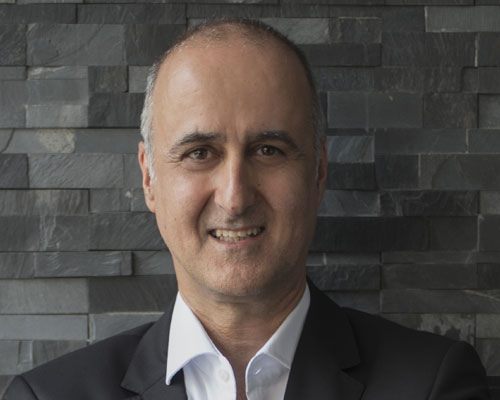
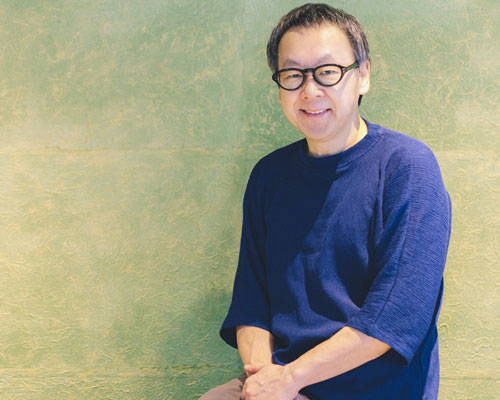
Yoshiharu Hoshino

Backed by US$1.6 billion in assets, the CEO of Hoshino Resorts talks to Katie Barnes about growth strategy, onsen innovation and wellness investment opportunities in Japan and further afield


When Spa Business last interviewed Yoshiharu Hoshino in 2014, his namesake company was in the middle of a bold transformation. As CEO of a 110-year-old family enterprise, he was already shaking up a centuries-old tradition – modernising Japan’s ryokan sector while preserving its cultural foundations of hot spring bathing, local cuisine and omotenashi (selfless hospitality).

At the time, Hoshino Resorts Inc (HRI) operated 32 properties and had recently launched a real estate investment trust (REIT) on the Tokyo Stock Exchange to support growth. Today, with inbound tourism at record highs (see p48) and rising investor appetite for wellness assets, the group’s footprint has widened at pace.

We want to develop onsen ryokan globally – wherever there are hot spring resources

HRI REIT reported half-year operating profits of ¥4,325 million (US$27.7 million, €23.4 million, £20.8 million) in December, up 25.8 per cent from April 2025, and now boasts ¥250,915 million (US$1.6 billion, €1.4 billion, £1.2 billion) in total assets (see p47). Meanwhile, HRI oversees more than 70 properties across a diversified portfolio, ranging from Hoshinoya, its luxury flagship, to Kai, a contemporary take on the traditional ryokan (see p46).

The group has expanded overseas with resorts in Bali, Taiwan and Guam, with a US debut on the horizon. And this September saw the debut of Lucy, a new concept aimed at Japan’s largely untapped nature tourism segment.

Both Hoshinoya and Kai are performing well and you can expect several new sites in the next three years

Amid this momentum, high-profile projects – including the transformation of the former Nara Prison into a Hoshinoya and the opening of Kai Kusatsu in one of Japan’s most storied hot spring towns – underscore the company’s strategy of fusing cultural storytelling with wellness-oriented design. Competition is escalating, too: Hyatt’s new Atona concept, backed by a ¥22 billion (US$141.7 million, €121.5 million, £106.2 million) real-estate fund, is planning multiple onsen ryokan developments, positioning it as a direct challenger in a rapidly expanding sector.

It’s against this backdrop of accelerated growth – and heightened global interest in Japan and wellness-led travel – that we spoke with Hoshino once more about his strategy, innovation and the future of Japanese onsen culture.

With Japan’s tourism boom in full swing, what opportunities are emerging for HRI?

After years of sticking to the ‘golden route’ of Tokyo, Kyoto and Osaka, international travellers are finally venturing into previously undiscovered rural and regional areas. They’re moving beyond simply seeing famous landmarks and seeking deeper engagement with Japanese culture, nature and traditions.

This presents an incredible opportunity, as a lot of our properties, notably Kais, are in lesser-visited regions, waiting to be discovered and explored.

We’re also seeing strong demand for experience-based tourism, for activities such as hands-on workshops, local festivals and nature-based pursuits. This is also positive news for Hoshino Resorts, given the wide range of cultural activities our properties offer.

Is the appetite for onsen-led stays just as strong?

Onsen play a significant part in traditional Japanese culture – not only for their therapeutic benefits but also as a source of relaxation and a place for social interaction – so it has always been a source of interest for our guests.

In recent years, there’s been a real trend in wellness-driven experiences, which has further amplified the appeal. So we’re seeing increasing interest in onsen-focused stays in Japan, with demand both growing and evolving.

We launched a sub brand called Lucy to tap into nature tourism

How would you sum up HRI’s offering?

Although we’ve been going through a period of modernisation and expansion, our fundamental vision remains unchanged: we continue to promote traditional Japanese onsen ryokan – maintaining essential elements such as authentic design, cuisine and bathing culture – and Japanese hospitality (omotenashi) to the world, not just within Japan.

Onsen is the main focus of our offering and particularly central to Kai, our ryokan brand, where the use of bathing facilities is typically included in the stay.

However, a number of our properties have additional wellness experiences that are unique to their location. For example, Hoshinoya Karuizawa, a peaceful countryside resort just an hour from Tokyo, offers a selection of treatments and activities such as forest bathing, stretching and acupuncture, designed to connect guests to the natural environment.

At Hoshinoya Okinawa and Hoshinoya Taketomi Island, massage treatments incorporate locally sourced ingredients and techniques and at Hoshinoya Bali, wellness programmes comprise movement, nutrition and treatments.

Who are your customers?

Our typical guest has always been someone who seeks a unique and immersive experience, not just a place to sleep. They appreciate our commitment to Japanese hospitality and the local culture that we incorporate into every aspect of our properties.

They are mostly overnight guests, as access is limited for day visitors at our Kai and Hoshinoya properties. And while the domestic market remains our foundation and most important segment, the return of international travel has been incredibly strong.

How are you adapting to changes in the market?

One recent challenge we’ve faced is an increasing demand for vegetarian meals from international guests, yet traditional Japanese kaiseki (multi-course) meals at Kai include meat. We understand the importance of meeting our guests’ needs, so we’ve developed vegetarian kaiseki meals for guests who request them in advance. We trialled the offering at two Kai properties last year and are now rolling it out across the brand.

We’ve seen a distinct increase in solo bookings and have created specialised packages for this market

We’ve seen a distinct increase in solo bookings and have created specialised rejuvenating packages to cater to this market. Solo travellers often seek a deeper, more personal connection with a destination, and our unique activity programmes and tranquil environments at Hoshinoya properties are well-suited for this.

Another package we’ve recently introduced is a Digital Detox Stay at Hoshinoya Kyoto, which encourages guests to stay away from their phones and immerse themselves in the moment of being.

What’s the rationale behind launching Lucy?

We’ve always grown by identifying unique market segments and then creating a brand with the specific elements needed to serve them. As a result, each of our sub-brands has a clear and distinct identity.

Last year, we unveiled a new sub-brand called Lucy to tap into nature tourism. The first property opened in Gunma Prefecture in September and another is already underway in Toyama Prefecture. Japan has 35 national parks and the government has launched an initiative to revitalise them. Mountain lodges represent a significant market segment, yet most of these lodges are only accessible on foot, have limited access for food and supplies and historically offer only the bare minimum of facilities and services. We believe we can contribute to Japan’s mountain tourism by improving the quality of hotel services in these environments, increasing the demand for mountain stays and making them more accessible to a wider audience.

So, nature tourism is a growing market?

Japan is a well-developed country in terms of tourism, however, most travellers seek cultural experiences rather than going hiking or mountain climbing and we see huge potential in this area. We want to pioneer the opportunity to explore Japan’s mountainous regions with comfortable, affordable accommodation and facilities, making the mountain experience easy for everyone, including those first-time hikers.

What other new developments can we expect?

We celebrated 20 years of Hoshinoya this year. Both that brand and Kai are performing well and you can expect several new sites over the next three years.

Hoshinoya Nara Prison will open in early 2026 and another one is in the pipeline for Niseko, a famous ski resort, in 2029.

Next year will see two new Kai additions – one in Kusatsu, a renowned hot springs town, and another on Miyajima, an island in Hiroshima Prefecture, known for the floating torii gate of the Itsukushima Shrine.

You’re renovating a prison into a luxury hotel?

Yes! Hoshinoya Nara Prison is a very unique proposition, where guests will enjoy an extraordinary stay in the iconic red brick building. It’s a huge undertaking, but it will be a very special property. The focus of the hotel will be on its unique history – there will be an adjacent museum – as well as the luxurious accommodation and dining facilities.

What more can you tell us about Kai Kusatsu?

This 94-key property will have a big wellness focus as the brand debuts in one of Japan’s most celebrated hot spring destinations. The hotel is perched on a hillside with views of Mount Kusatsu-Shirane and its active volcanoes that heat the natural thermal waters. The aim is to offer a peaceful stay surrounded by nature, but with easy access to the vibrant town centre and its famous hot spring attractions via a unique private tunnel reserved for guests.

The property itself will have a bathhouse, lounge, dining area, shop and cultural discovery hall.

How are you tweaking offerings as you expand internationally?

We naturally adapt the brand DNA for each of our properties to ensure that the focus is always on delivering an experience that’s authentic to the location and its local culture – whilst retaining our signature style of Japanese service and hospitality.

For Bali and Taiwan, it was important to ensure that the hotels are in keeping with their surroundings, capturing the essence of the natural landscapes, cultural traditions and seasonal rhythms.

The key lesson from these experiences is that delivering our brand essence is not about replication – it’s about thoughtful translation. Flexibility is essential, but the focus remains on creating experiences that communicate the value and authenticity our guests expect.

What can you reveal about HRI’s US debut?

We’re aiming for an opening in 2028 still and it will be located in Sharon Springs, a historic spa village in upstate New York – about a 3.5-hour drive from New York City.

It will be a 30 to 40-key property based on an authentic onsen ryokan with bathing facilities powered by Sharon Spring’s natural, mineral-rich waters. 

We’re still working on how we’ll prepare such an offering for our guests in the US. But the key concepts of an authentic onsen ryokan experience – rejuvenation from the mineral waters, nourishment from the foods of the season and other touchpoints that immerse guests in the nature and culture of the locale – continue to be our guiding principles for concept and design development.

What are your ambitions for international growth?

I always think of an onsen ryokan as an amusement park of Japanese culture. It offers a complete package of Japanese design, cuisine, a hot spring bathing experience and hospitality – no other hotel category so deeply reflects the entirety of Japanese culture.

Hoshino Resorts began in 1914 as an onsen ryokan in Nagano Prefecture. Today, we are a hotel company operating 72 properties in Japan and internationally and we’re in the best position to bring this special category to the world. We want to become a hotel company that can develop onsen ryokan globally – wherever there are hot spring resources and opportunities.

Read our original interview with Yoshiharu Hoshino, which details how his great-grandfather stumbled upon hospitality from a forestry business.
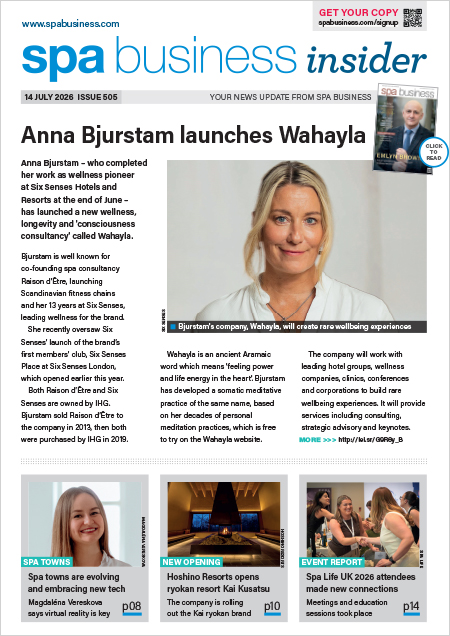

Hoshino Resorts Inc: Brand portfolio

Hoshinoya – 8 properties
The group’s flagship luxury brand, offering 25-70 rooms, refined modern design and elevated onsen-focused stays rooted in traditional hospitality

Kai – 22 properties
A fast-growing collection of contemporary ryokans (50 rooms or fewer), each emphasising local culture and restorative hot-spring experiences

Risonare – 8 properties
Resort-style properties in countryside locations, centred on outdoor activities and family-friendly programming

Omo – 18 properties
A mid-range, urban hotel concept aimed at city travellers, with casual, design-led spaces and neighbourhood-driven experiences

Beb – 3 properties
Flexible, social staycation hotels designed for groups and spontaneous short breaks

Lucy – 1 property
A new brand targeting Japan’s underserved nature-tourism market. The first property opened in Oze National Park in September 2025, with another park location already planned

Hoshino Resorts REIT financials

Figures just released by Hoshino Resorts REIT, listed on the Tokyo Stock Exchange, show positive results for its fiscal period ending 31 October 2025:

  • Operating profits: ¥4,325 million (US$27.7 million, €23.4 million, £20.8 million), a 25.8 per cent increase
  • Operating revenues: ¥8,696 million (US$55.7 million, €47 million, £41.7 million), a 13.9 per cent increase
  • Total assets: ¥250,915 million (US$1.6 billion, €1.4 billion, £1.2 billion)
Japan’s tourism surge

A weaker yen, renewed flight connectivity and global interest in Japan’s culture and nature since the 2020 Tokyo Olympics have seen a surge in tourism.

In 2024, inbound arrivals hit a record 37 million – up 47 per cent year‑on‑year, according to the Japan National Tourism Organisation and foreign visitor spending rose 54 per cent to ¥8.1 trillion (US$52.18 billion, €44.72 billion, £39.09 billion).

Domestic travel by Japanese residents is similar. The Statistics Bureau of Japan estimates that there were 540 million domestic travel trips (day trips + overnights) in 2024, an increase of 8.5 per cent from the previous year.   


Read more from this issue of Spa Business magazine

View contents of Spa Business 2025 issue 4
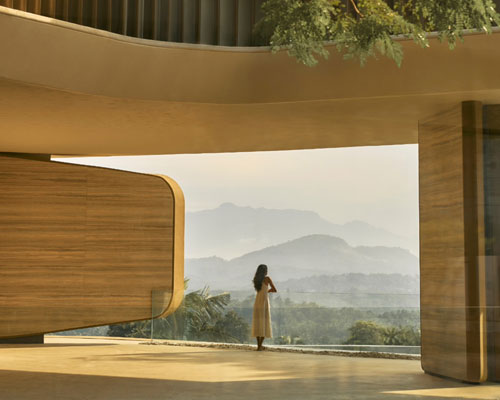
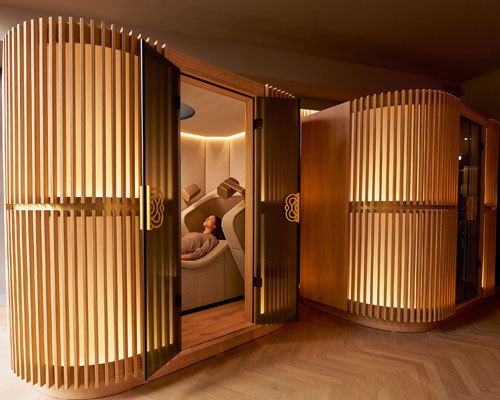
Hoshinoya is the luxury flagship brand for Hoshino Resorts
Hoshinoya is the luxury flagship brand for Hoshino Resorts / HOSHINO RESORTS
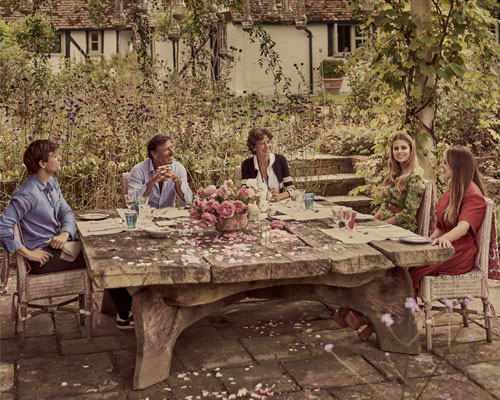
Refined modern design and selfless hospitality are two key pillars for the group
Refined modern design and selfless hospitality are two key pillars for the group / HOSHINO RESORTS
Hoshinoya Karuizawa is the original property for Hoshino Resorts and opened in its first guise in 1914
Hoshinoya Karuizawa is the original property for Hoshino Resorts and opened in its first guise in 1914 / HOSHINO RESORTS
Hoshinoya Tokyo is one of eight Hoshinoya properties globally
Hoshinoya Tokyo is one of eight Hoshinoya properties globally / HOSHINO RESORTS
The newest brand, Lucy, will bring a touch of luxury to nature tourism in Japan
The newest brand, Lucy, will bring a touch of luxury to nature tourism in Japan / HOSHINO RESORTS
No other hotel group reflects Japanese culture so deeply, says Hoshino
No other hotel group reflects Japanese culture so deeply, says Hoshino / HOSHINO RESORTS
While international guests are a growing market, domestic tourists are the mainstay for Hoshino Resorts
While international guests are a growing market, domestic tourists are the mainstay for Hoshino Resorts / HOSHINO RESORTS
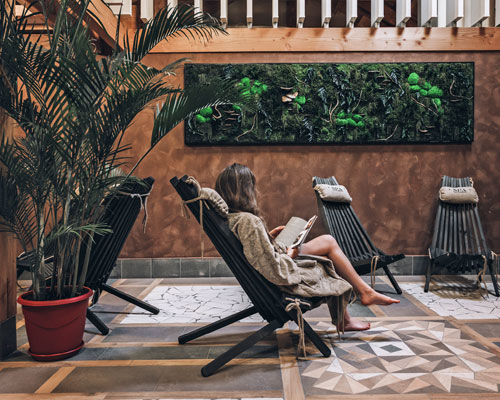
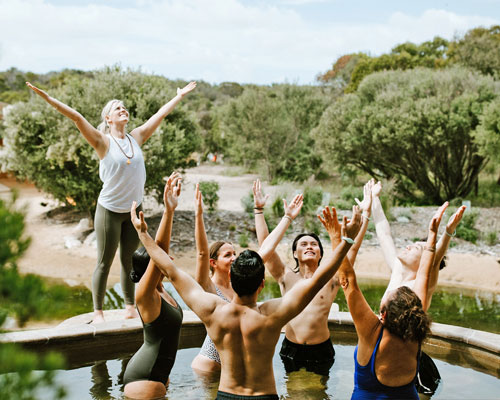
Demand for onsen-focused stays is both growing and evolving, says Hoshino
Demand for onsen-focused stays is both growing and evolving, says Hoshino / HOSHINO RESORTS
FEATURED SUPPLIERS

Introducing Glass Act by Templespa
Introducing Glass Act, your new go-to eye serum for brighter, smoother, beautifully awakened eyes. [more...]

Meet Desert Therapy: Aromatherapy Associates' first new blend in seven years
There is a particular quality of stillness found only in the desert. [more...]
+ More featured suppliers  
COMPANY PROFILES
Agilysys UK Ltd

Agilysys, Inc. (Nasdaq: AGYS), is a leading global provider of hospitality software solutions that [more...]
Elemental Herbology

Founded in 2008 by a Traditional Chinese Medicine Practitioner, Elemental Herbology is a spa, retail [more...]
+ More profiles  
CATALOGUE GALLERY
 

+ More catalogues  

DIRECTORY
+ More directory  
DIARY


09-11 Jun 2026

World Sauna Forum 2026

Savutuvan Apaja, Haapaniemi, Finland
09-12 Jun 2026

W3Spa EMEA

Hotel Cascais Miragem Health & Spa, Portugal
+ More diary  
 
ABOUT LEISURE MEDIA
LEISURE MEDIA MAGAZINES
LEISURE MEDIA HANDBOOKS
LEISURE MEDIA WEBSITES
LEISURE MEDIA PRODUCT SEARCH
 
SPA BUSINESS
SPA OPPORTUNITIES
SPA BUSINESS HANDBOOK
PRINT SUBSCRIPTIONS
FREE DIGITAL SUBSCRIPTIONS
ADVERTISE . CONTACT US

Leisure Media
Tel: +44 (0)1462 431385

©Cybertrek 2026
Uniting the world of spa & wellness
Get Spa Business and Spa Business insider digital magazines FREE
Sign up here ▸
News   Products   Magazine   Subscribe
Interview
Yoshiharu Hoshino

Backed by US$1.6 billion in assets, the CEO of Hoshino Resorts talks to Katie Barnes about growth strategy, onsen innovation and wellness investment opportunities in Japan and further afield


When Spa Business last interviewed Yoshiharu Hoshino in 2014, his namesake company was in the middle of a bold transformation. As CEO of a 110-year-old family enterprise, he was already shaking up a centuries-old tradition – modernising Japan’s ryokan sector while preserving its cultural foundations of hot spring bathing, local cuisine and omotenashi (selfless hospitality).

At the time, Hoshino Resorts Inc (HRI) operated 32 properties and had recently launched a real estate investment trust (REIT) on the Tokyo Stock Exchange to support growth. Today, with inbound tourism at record highs (see p48) and rising investor appetite for wellness assets, the group’s footprint has widened at pace.

We want to develop onsen ryokan globally – wherever there are hot spring resources

HRI REIT reported half-year operating profits of ¥4,325 million (US$27.7 million, €23.4 million, £20.8 million) in December, up 25.8 per cent from April 2025, and now boasts ¥250,915 million (US$1.6 billion, €1.4 billion, £1.2 billion) in total assets (see p47). Meanwhile, HRI oversees more than 70 properties across a diversified portfolio, ranging from Hoshinoya, its luxury flagship, to Kai, a contemporary take on the traditional ryokan (see p46).

The group has expanded overseas with resorts in Bali, Taiwan and Guam, with a US debut on the horizon. And this September saw the debut of Lucy, a new concept aimed at Japan’s largely untapped nature tourism segment.

Both Hoshinoya and Kai are performing well and you can expect several new sites in the next three years

Amid this momentum, high-profile projects – including the transformation of the former Nara Prison into a Hoshinoya and the opening of Kai Kusatsu in one of Japan’s most storied hot spring towns – underscore the company’s strategy of fusing cultural storytelling with wellness-oriented design. Competition is escalating, too: Hyatt’s new Atona concept, backed by a ¥22 billion (US$141.7 million, €121.5 million, £106.2 million) real-estate fund, is planning multiple onsen ryokan developments, positioning it as a direct challenger in a rapidly expanding sector.

It’s against this backdrop of accelerated growth – and heightened global interest in Japan and wellness-led travel – that we spoke with Hoshino once more about his strategy, innovation and the future of Japanese onsen culture.

With Japan’s tourism boom in full swing, what opportunities are emerging for HRI?

After years of sticking to the ‘golden route’ of Tokyo, Kyoto and Osaka, international travellers are finally venturing into previously undiscovered rural and regional areas. They’re moving beyond simply seeing famous landmarks and seeking deeper engagement with Japanese culture, nature and traditions.

This presents an incredible opportunity, as a lot of our properties, notably Kais, are in lesser-visited regions, waiting to be discovered and explored.

We’re also seeing strong demand for experience-based tourism, for activities such as hands-on workshops, local festivals and nature-based pursuits. This is also positive news for Hoshino Resorts, given the wide range of cultural activities our properties offer.

Is the appetite for onsen-led stays just as strong?

Onsen play a significant part in traditional Japanese culture – not only for their therapeutic benefits but also as a source of relaxation and a place for social interaction – so it has always been a source of interest for our guests.

In recent years, there’s been a real trend in wellness-driven experiences, which has further amplified the appeal. So we’re seeing increasing interest in onsen-focused stays in Japan, with demand both growing and evolving.

We launched a sub brand called Lucy to tap into nature tourism

How would you sum up HRI’s offering?

Although we’ve been going through a period of modernisation and expansion, our fundamental vision remains unchanged: we continue to promote traditional Japanese onsen ryokan – maintaining essential elements such as authentic design, cuisine and bathing culture – and Japanese hospitality (omotenashi) to the world, not just within Japan.

Onsen is the main focus of our offering and particularly central to Kai, our ryokan brand, where the use of bathing facilities is typically included in the stay.

However, a number of our properties have additional wellness experiences that are unique to their location. For example, Hoshinoya Karuizawa, a peaceful countryside resort just an hour from Tokyo, offers a selection of treatments and activities such as forest bathing, stretching and acupuncture, designed to connect guests to the natural environment.

At Hoshinoya Okinawa and Hoshinoya Taketomi Island, massage treatments incorporate locally sourced ingredients and techniques and at Hoshinoya Bali, wellness programmes comprise movement, nutrition and treatments.

Who are your customers?

Our typical guest has always been someone who seeks a unique and immersive experience, not just a place to sleep. They appreciate our commitment to Japanese hospitality and the local culture that we incorporate into every aspect of our properties.

They are mostly overnight guests, as access is limited for day visitors at our Kai and Hoshinoya properties. And while the domestic market remains our foundation and most important segment, the return of international travel has been incredibly strong.

How are you adapting to changes in the market?

One recent challenge we’ve faced is an increasing demand for vegetarian meals from international guests, yet traditional Japanese kaiseki (multi-course) meals at Kai include meat. We understand the importance of meeting our guests’ needs, so we’ve developed vegetarian kaiseki meals for guests who request them in advance. We trialled the offering at two Kai properties last year and are now rolling it out across the brand.

We’ve seen a distinct increase in solo bookings and have created specialised packages for this market

We’ve seen a distinct increase in solo bookings and have created specialised rejuvenating packages to cater to this market. Solo travellers often seek a deeper, more personal connection with a destination, and our unique activity programmes and tranquil environments at Hoshinoya properties are well-suited for this.

Another package we’ve recently introduced is a Digital Detox Stay at Hoshinoya Kyoto, which encourages guests to stay away from their phones and immerse themselves in the moment of being.

What’s the rationale behind launching Lucy?

We’ve always grown by identifying unique market segments and then creating a brand with the specific elements needed to serve them. As a result, each of our sub-brands has a clear and distinct identity.

Last year, we unveiled a new sub-brand called Lucy to tap into nature tourism. The first property opened in Gunma Prefecture in September and another is already underway in Toyama Prefecture. Japan has 35 national parks and the government has launched an initiative to revitalise them. Mountain lodges represent a significant market segment, yet most of these lodges are only accessible on foot, have limited access for food and supplies and historically offer only the bare minimum of facilities and services. We believe we can contribute to Japan’s mountain tourism by improving the quality of hotel services in these environments, increasing the demand for mountain stays and making them more accessible to a wider audience.

So, nature tourism is a growing market?

Japan is a well-developed country in terms of tourism, however, most travellers seek cultural experiences rather than going hiking or mountain climbing and we see huge potential in this area. We want to pioneer the opportunity to explore Japan’s mountainous regions with comfortable, affordable accommodation and facilities, making the mountain experience easy for everyone, including those first-time hikers.

What other new developments can we expect?

We celebrated 20 years of Hoshinoya this year. Both that brand and Kai are performing well and you can expect several new sites over the next three years.

Hoshinoya Nara Prison will open in early 2026 and another one is in the pipeline for Niseko, a famous ski resort, in 2029.

Next year will see two new Kai additions – one in Kusatsu, a renowned hot springs town, and another on Miyajima, an island in Hiroshima Prefecture, known for the floating torii gate of the Itsukushima Shrine.

You’re renovating a prison into a luxury hotel?

Yes! Hoshinoya Nara Prison is a very unique proposition, where guests will enjoy an extraordinary stay in the iconic red brick building. It’s a huge undertaking, but it will be a very special property. The focus of the hotel will be on its unique history – there will be an adjacent museum – as well as the luxurious accommodation and dining facilities.

What more can you tell us about Kai Kusatsu?

This 94-key property will have a big wellness focus as the brand debuts in one of Japan’s most celebrated hot spring destinations. The hotel is perched on a hillside with views of Mount Kusatsu-Shirane and its active volcanoes that heat the natural thermal waters. The aim is to offer a peaceful stay surrounded by nature, but with easy access to the vibrant town centre and its famous hot spring attractions via a unique private tunnel reserved for guests.

The property itself will have a bathhouse, lounge, dining area, shop and cultural discovery hall.

How are you tweaking offerings as you expand internationally?

We naturally adapt the brand DNA for each of our properties to ensure that the focus is always on delivering an experience that’s authentic to the location and its local culture – whilst retaining our signature style of Japanese service and hospitality.

For Bali and Taiwan, it was important to ensure that the hotels are in keeping with their surroundings, capturing the essence of the natural landscapes, cultural traditions and seasonal rhythms.

The key lesson from these experiences is that delivering our brand essence is not about replication – it’s about thoughtful translation. Flexibility is essential, but the focus remains on creating experiences that communicate the value and authenticity our guests expect.

What can you reveal about HRI’s US debut?

We’re aiming for an opening in 2028 still and it will be located in Sharon Springs, a historic spa village in upstate New York – about a 3.5-hour drive from New York City.

It will be a 30 to 40-key property based on an authentic onsen ryokan with bathing facilities powered by Sharon Spring’s natural, mineral-rich waters. 

We’re still working on how we’ll prepare such an offering for our guests in the US. But the key concepts of an authentic onsen ryokan experience – rejuvenation from the mineral waters, nourishment from the foods of the season and other touchpoints that immerse guests in the nature and culture of the locale – continue to be our guiding principles for concept and design development.

What are your ambitions for international growth?

I always think of an onsen ryokan as an amusement park of Japanese culture. It offers a complete package of Japanese design, cuisine, a hot spring bathing experience and hospitality – no other hotel category so deeply reflects the entirety of Japanese culture.

Hoshino Resorts began in 1914 as an onsen ryokan in Nagano Prefecture. Today, we are a hotel company operating 72 properties in Japan and internationally and we’re in the best position to bring this special category to the world. We want to become a hotel company that can develop onsen ryokan globally – wherever there are hot spring resources and opportunities.

Read our original interview with Yoshiharu Hoshino, which details how his great-grandfather stumbled upon hospitality from a forestry business.

Hoshino Resorts Inc: Brand portfolio

Hoshinoya – 8 properties
The group’s flagship luxury brand, offering 25-70 rooms, refined modern design and elevated onsen-focused stays rooted in traditional hospitality

Kai – 22 properties
A fast-growing collection of contemporary ryokans (50 rooms or fewer), each emphasising local culture and restorative hot-spring experiences

Risonare – 8 properties
Resort-style properties in countryside locations, centred on outdoor activities and family-friendly programming

Omo – 18 properties
A mid-range, urban hotel concept aimed at city travellers, with casual, design-led spaces and neighbourhood-driven experiences

Beb – 3 properties
Flexible, social staycation hotels designed for groups and spontaneous short breaks

Lucy – 1 property
A new brand targeting Japan’s underserved nature-tourism market. The first property opened in Oze National Park in September 2025, with another park location already planned

Hoshino Resorts REIT financials

Figures just released by Hoshino Resorts REIT, listed on the Tokyo Stock Exchange, show positive results for its fiscal period ending 31 October 2025:

  • Operating profits: ¥4,325 million (US$27.7 million, €23.4 million, £20.8 million), a 25.8 per cent increase
  • Operating revenues: ¥8,696 million (US$55.7 million, €47 million, £41.7 million), a 13.9 per cent increase
  • Total assets: ¥250,915 million (US$1.6 billion, €1.4 billion, £1.2 billion)
Japan’s tourism surge

A weaker yen, renewed flight connectivity and global interest in Japan’s culture and nature since the 2020 Tokyo Olympics have seen a surge in tourism.

In 2024, inbound arrivals hit a record 37 million – up 47 per cent year‑on‑year, according to the Japan National Tourism Organisation and foreign visitor spending rose 54 per cent to ¥8.1 trillion (US$52.18 billion, €44.72 billion, £39.09 billion).

Domestic travel by Japanese residents is similar. The Statistics Bureau of Japan estimates that there were 540 million domestic travel trips (day trips + overnights) in 2024, an increase of 8.5 per cent from the previous year.   


Read more from this issue of Spa Business magazine

View contents of Spa Business 2025 issue 4
Hoshinoya is the luxury flagship brand for Hoshino Resorts
Hoshinoya is the luxury flagship brand for Hoshino Resorts / HOSHINO RESORTS
Refined modern design and selfless hospitality are two key pillars for the group
Refined modern design and selfless hospitality are two key pillars for the group / HOSHINO RESORTS
Hoshinoya Karuizawa is the original property for Hoshino Resorts and opened in its first guise in 1914
Hoshinoya Karuizawa is the original property for Hoshino Resorts and opened in its first guise in 1914 / HOSHINO RESORTS
Hoshinoya Tokyo is one of eight Hoshinoya properties globally
Hoshinoya Tokyo is one of eight Hoshinoya properties globally / HOSHINO RESORTS
The newest brand, Lucy, will bring a touch of luxury to nature tourism in Japan
The newest brand, Lucy, will bring a touch of luxury to nature tourism in Japan / HOSHINO RESORTS
No other hotel group reflects Japanese culture so deeply, says Hoshino
No other hotel group reflects Japanese culture so deeply, says Hoshino / HOSHINO RESORTS
While international guests are a growing market, domestic tourists are the mainstay for Hoshino Resorts
While international guests are a growing market, domestic tourists are the mainstay for Hoshino Resorts / HOSHINO RESORTS
Demand for onsen-focused stays is both growing and evolving, says Hoshino
Demand for onsen-focused stays is both growing and evolving, says Hoshino / HOSHINO RESORTS
LATEST NEWS
Healing sanctuary Tulah Clinical Wellness opens in Kerala
Tulah Clinical Wellness, a holistic wellness destination, has officially opened in the hills of northern Kerala, India.
Four Seasons Resort The Nam Hai creates Global Wellness Day programme rooted in nature
Four Seasons Resort The Nam Hai in Hoi An, Vietnam, has put together a Global Wellness Day (GWD) agenda with activations rooted in nature and shaped by four pillars of Joy – in alignment with the day’s theme #JoyMagenta.
Wellness care hospital opens in Vilnius with innovative spa and hospitality concept
Lithuanian care operator Addere Care has launched a new “wellness care hospital” in Vilnius.
Rainer Maelzer joins Therme Group as chief entertainment officer
Rainer Maelzer, an experiential entertainment innovator, has been appointed chief entertainment officer by Therme Group.
Global Wellness Summit announces 2026 theme: the science, art and soul of wellness
The Global Wellness Summit (GWS) will celebrate its 20th anniversary at the 2026 event in Phuket, Thailand, later this year with the theme: The Science, Art and Soul of Wellness.
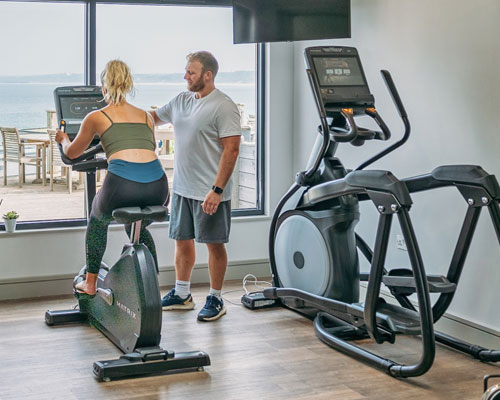
All-inclusive eco-wellness development Auko to open near Vietnam’s Son Doong caves
Auko, an all-inclusive development, is opening in Phong Nha in Vietnam in Q3 2026, with a series of 30 tented eco-lodges and wellness hospitality operations by Lumina Wellbeing.
Therme Manchester reveals 90:90 strategy – 90 per cent of the UK population within a 90-minute drive of a Therme
Therme Manchester’s 28-acre development, which will include interconnected glass pavilions that measure 65,000sq m, will be the largest bathing and wellbeing attraction in the world once complete, according to prof David Russell, CEO of Therme UK. 
Four Seasons’ Naples Beach Club opens 2,800sq m Sanctuary spa inspired by indigenous Calusa people
Naples Beach Club, a Four Seasons Resort, has opened a 2,800sq m spa called The Sanctuary, with the design and concept inspired by the Native American people that populated Florida’s Southwest coast – the Calusa.
Swire Hotels’ Upper House unveils House of Healing wellness programme rollout
Swire Hotels’ luxury hospitality brand Upper House has revealed it will roll out its two-day House of Healing retreats at its three hotels in Hong Kong, Chengdu and Shanghai.
Guerlain to open up to five spas with handpicked partners a year, says Diane Davody
LVMH-owned beauty house Guerlain will launch up to five spas with partners a year as part of its plan to expand globally, according to the brand’s international spa and wellness director, Diane Davody.
More than half of consumers reject leading wellness resort brands
A new global study by Kevin Kelly and Peter Yesawich, called WELLSurvey 2.0, has revealed more than half of consumers in the UK, US and Germany would not choose numerous high- profile wellness resort brands for a future trip.
Longevity and hospitality in the spotlight at FIBO workshop
Wellness and hospitality thought leaders gathered recently for a workshop at Yasuragi, the Japanese spa and conference hotel near Stockholm.
+ More news   
 
FEATURED SUPPLIERS

Introducing Glass Act by Templespa
Introducing Glass Act, your new go-to eye serum for brighter, smoother, beautifully awakened eyes. [more...]

Meet Desert Therapy: Aromatherapy Associates' first new blend in seven years
There is a particular quality of stillness found only in the desert. [more...]

+ More featured suppliers  
COMPANY PROFILES
Agilysys UK Ltd

Agilysys, Inc. (Nasdaq: AGYS), is a leading global provider of hospitality software solutions that [more...]
+ More profiles  
CATALOGUE GALLERY
+ More catalogues  

DIRECTORY
+ More directory  
DIARY


09-11 Jun 2026

World Sauna Forum 2026

Savutuvan Apaja, Haapaniemi, Finland
09-12 Jun 2026

W3Spa EMEA

Hotel Cascais Miragem Health & Spa, Portugal
+ More diary  


ADVERTISE . CONTACT US

Leisure Media
Tel: +44 (0)1462 431385

©Cybertrek 2026

ABOUT LEISURE MEDIA
LEISURE MEDIA MAGAZINES
LEISURE MEDIA HANDBOOKS
LEISURE MEDIA WEBSITES
LEISURE MEDIA PRODUCT SEARCH
PRINT SUBSCRIPTIONS
FREE DIGITAL SUBSCRIPTIONS