Yes! Send me the FREE digital editions of Spa Business and Spa Business insider magazines and the FREE weekly Spa Business and Spa Business insider ezines and breaking news alerts!
The TEA/AECOM Theme and Museum Index shows an outstanding year for
theme parks, with the big players reaching a record 500 million visitors.
With focused investment, new technology and tourism development, this
only bodes well for the global attractions industry going forward
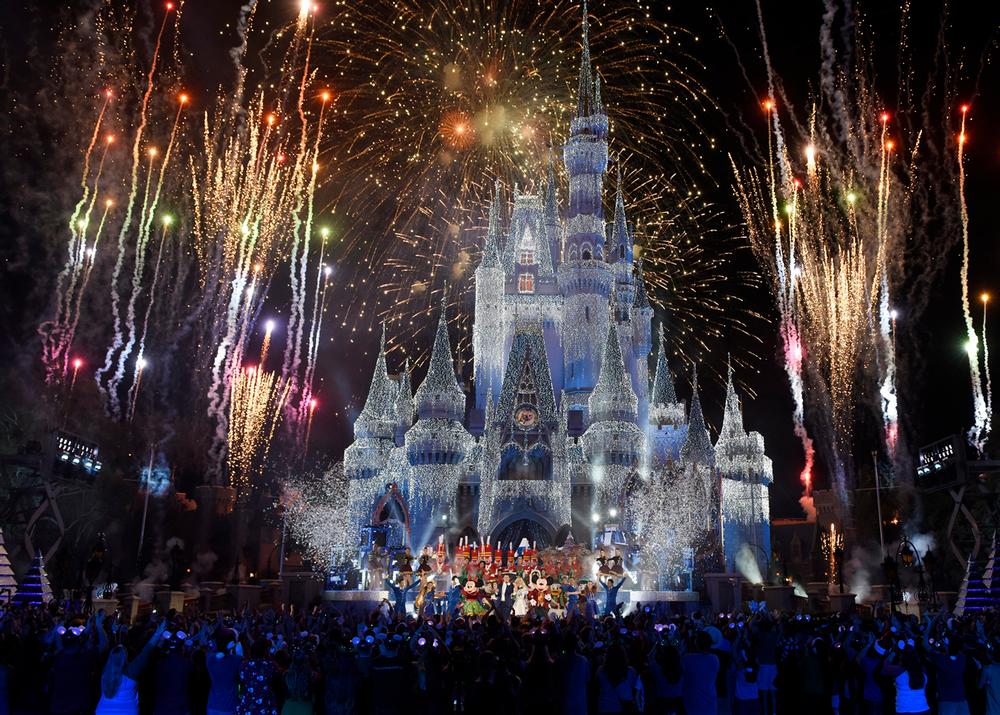
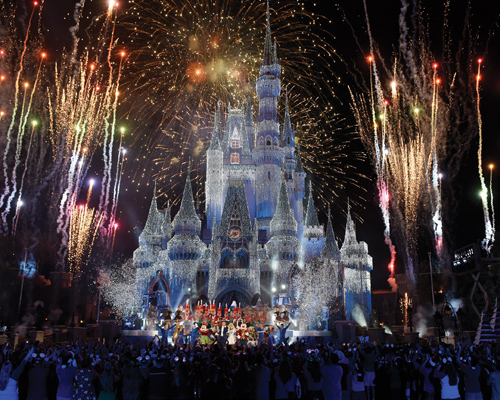
More than 150 million people visited Disney’s parks in 2018
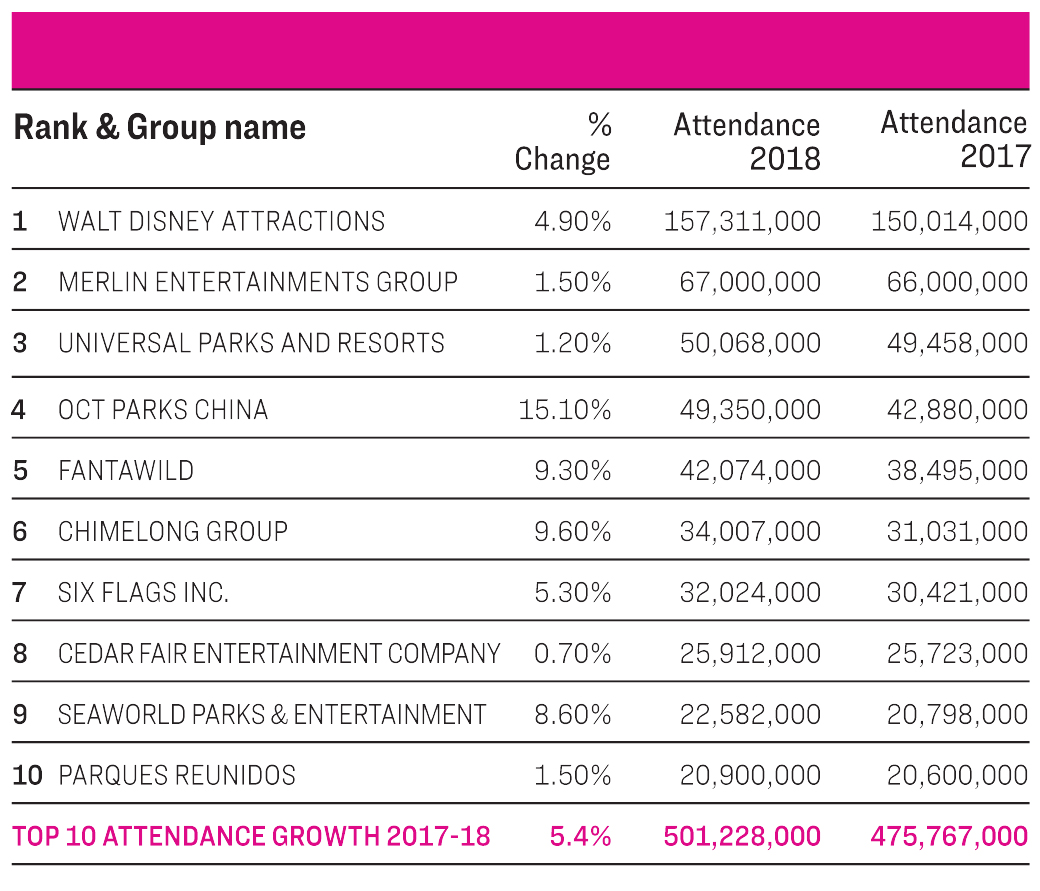
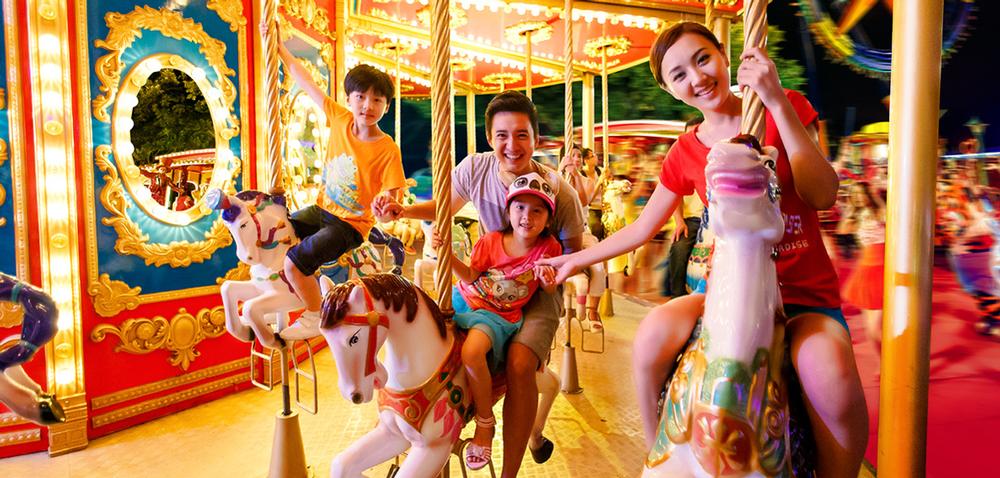
THEME PARKS Marking a 5.4 per cent rise in global attendance across the world’s top 10 theme park operators. 501.2 million people visited major theme parks across the globe in 2018, with the rise representing a visitor increase of 25.4 million visitors.
Now exceeding half-a-billion people, almost 7 per cent of the entire global population visited a theme park in 2018. An impressive figure in its own right, this statistic is even more astounding when coupled with the fact that five years ago the market capture for theme parks was 5 per cent. In those five years, attendance among the big players has risen by 124 million.
Of the top 10 operators, OCT Parks China had the largest visitor percentage increase compared to 2017, with a 15.1 per cent rise to 49.35 million visitors.
Disney remains king of the jungle, with its 157 million visitors for the year dwarfing second-placed Merlin, which welcomed 67 million visitors through 2018. Visitation at Disney increased by 4.9 per cent, while Merlin attendance rose by 1.5 per cent.
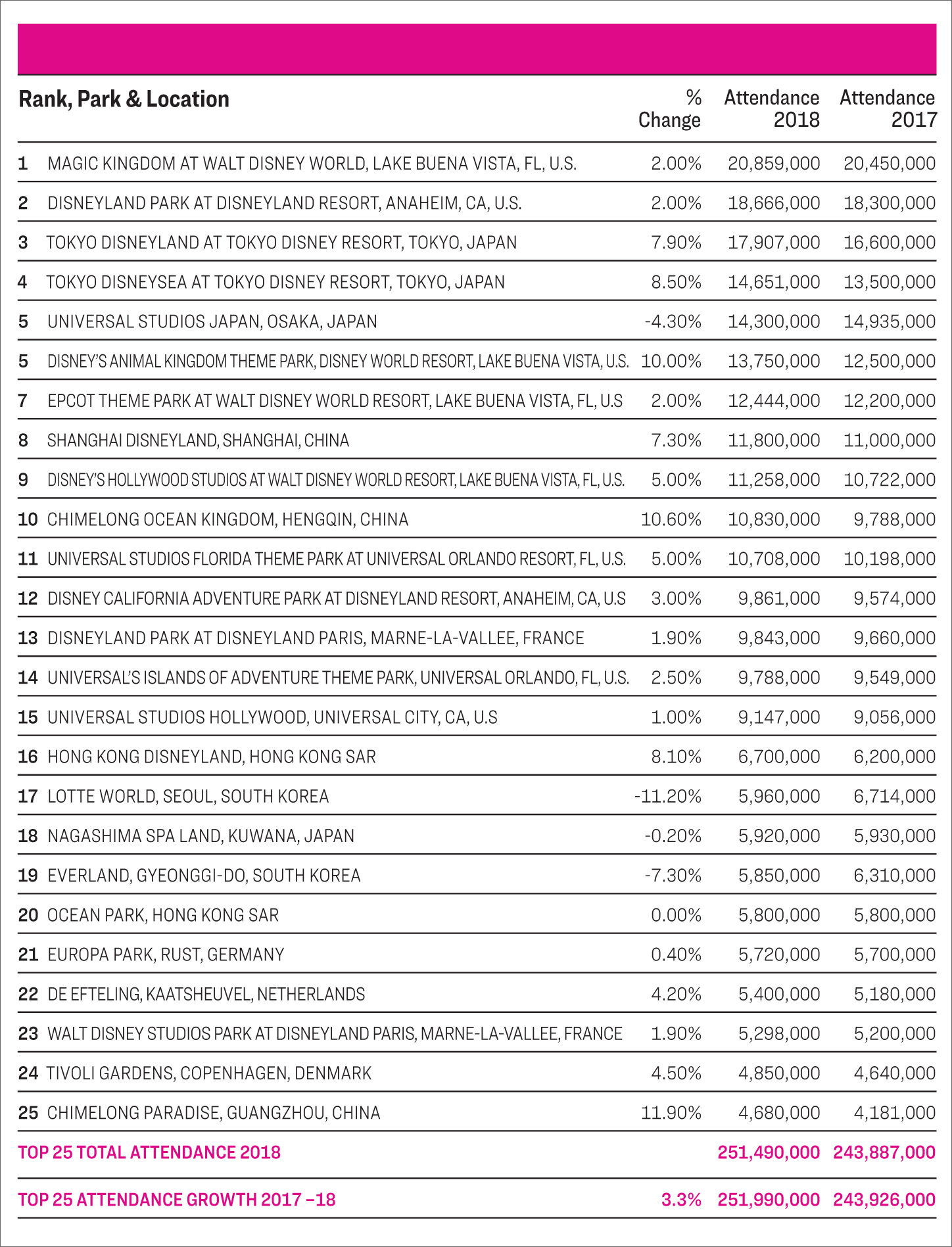
Disney’s Magic Kingdom remains the world’s most-attended theme park, with 20.86 million visitors marking a 2 per cent increase in attendance. Disney also occupies second through to fourth place on the list, with 11 of the top 25 theme parks in the world being Disney properties.
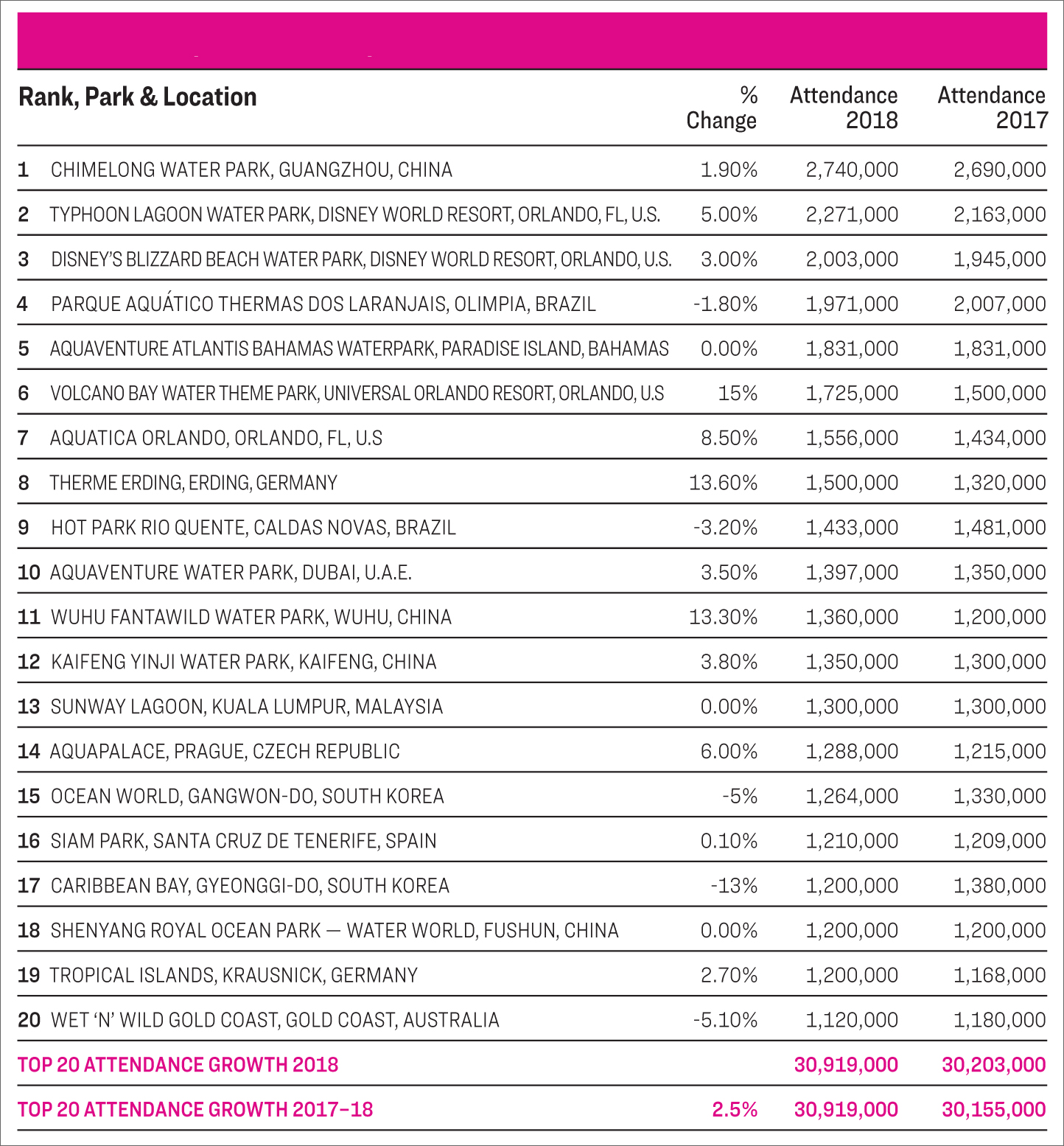
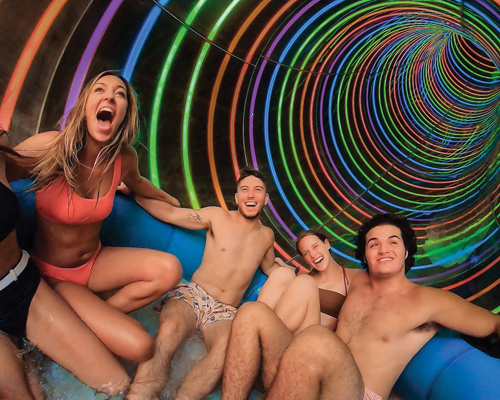
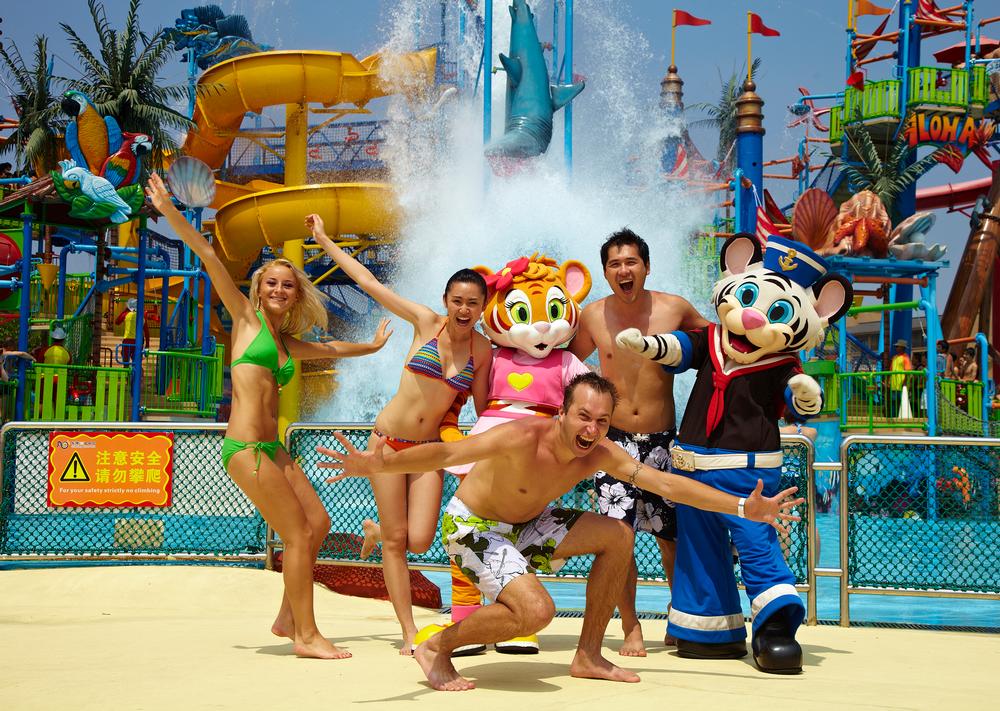
WATERPARKS Attendance at major waterparks continues to grow, with nearly 31 million people visiting the top waterparks globally in 2018.
Waterpark attendance rose by 2.5 per cent last year, with 30.92 million people visiting one of the world’s top 20 most attended waterparks.
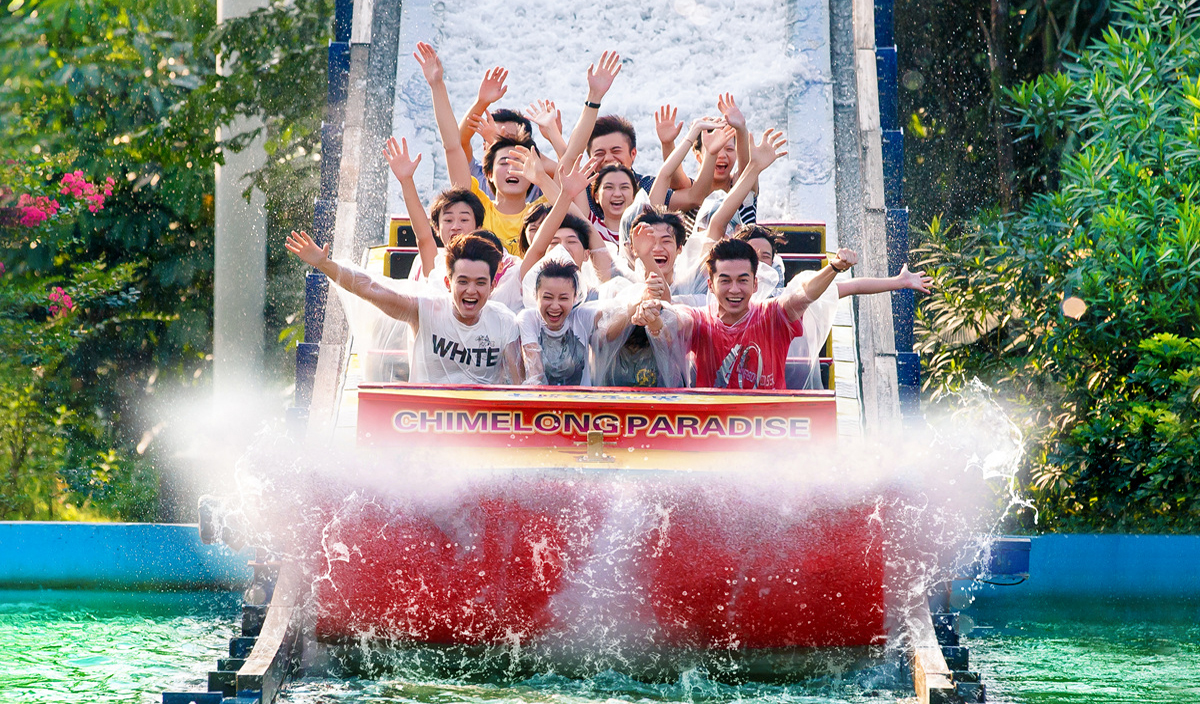
Chimelong continues to be the most visited, with 2.74 million people coming through its gates in 2018 – a 1.9 per cent increase on a record-breaking 2017.
Much like its theme park division, Disney had a strong showing in the waterparks sector, with attendance rises of 5 per cent and 3 per cent respectively at Typhoon Lagoon and Blizzard Beach, with the two waterparks in Orlando, Florida, ranking second and third on the list with 2.27 million and 2 million visitors.
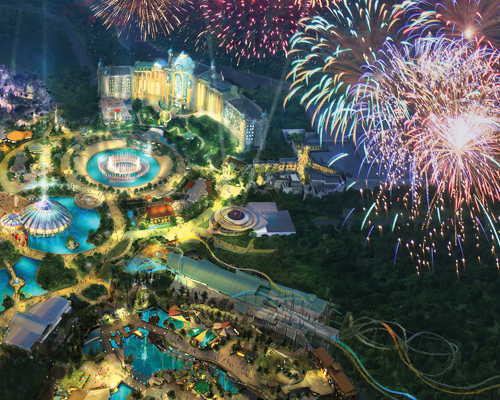
There were significant gains for three theme parks on the list – Volcano Bay, Therme Erding and Wuhu Fantawild. Volcano Bay in Orlando enjoyed the largest gains, with an additional 225,000 visitors enjoying the waterpark – a 15 per cent increase year-on-year to 1.725 million visitors. Germany’s Therme Erding is Europe’s most-visited waterpark, with a 13.6 per cent rise in visitors to 1.5 million people. Wuhu Fantawild in China also saw a major rise, with its 1.36 million visitors for the year representing a 13.3 per cent rise in guests.
North America and the EMEA regions showed particularly strong growth in attendance, with a 5.8 per cent increase in North America to 16.237 million visitors, while EMEA rose by 6.7 per cent to 10.275 million visitors.
MUSEUMS Temporary exhibitions and geopolitical changes continue to serve as key attendance drivers for museums in Europe, which remains the global market leader for attendance in the sector.
According to the report, museum attendance globally is primarily being driven by temporary exhibitions, facility improvements or expansions, external market factors, and improvements to competitive museums in the same market, with social media and special events now also starting to have an impact.
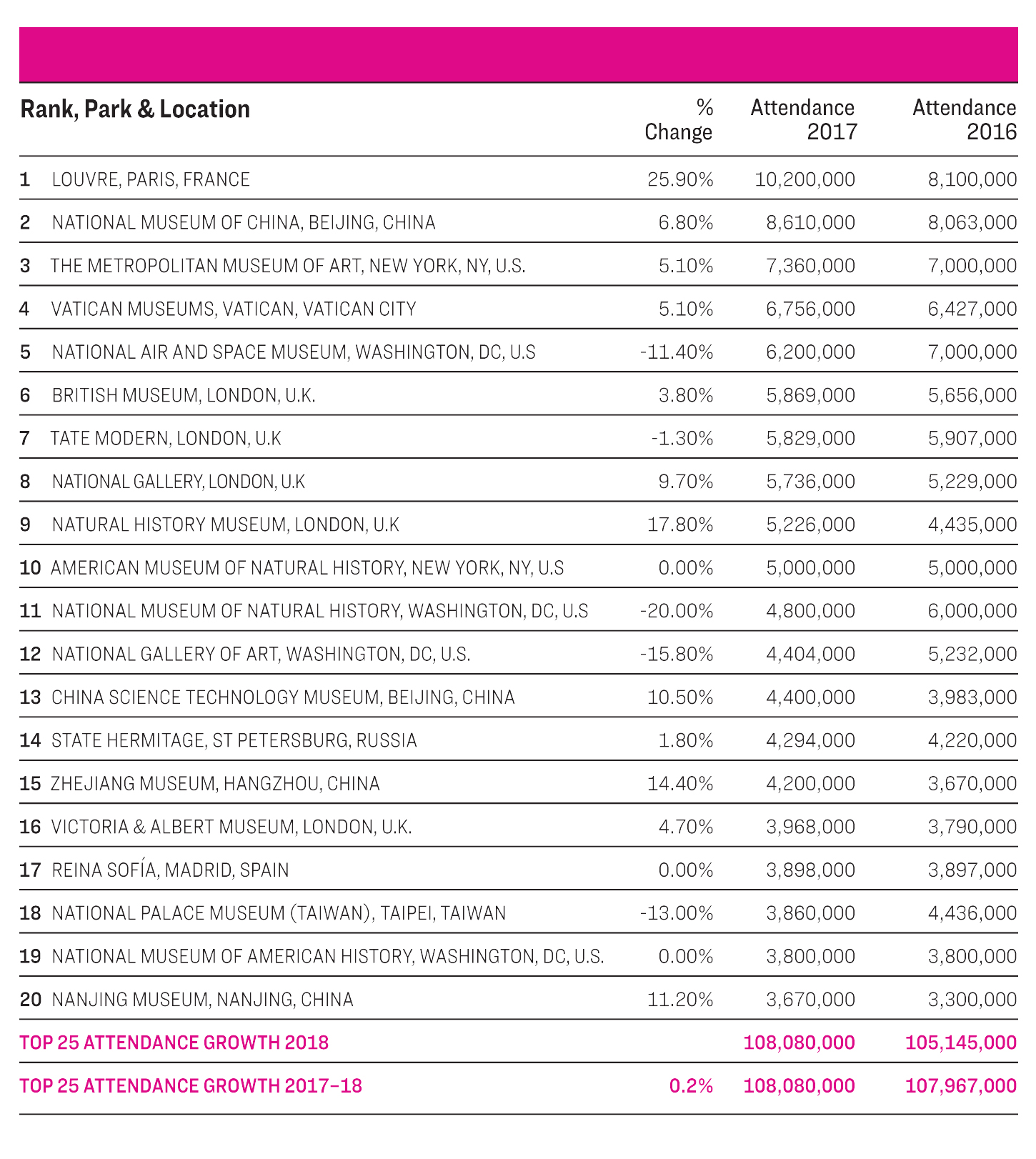
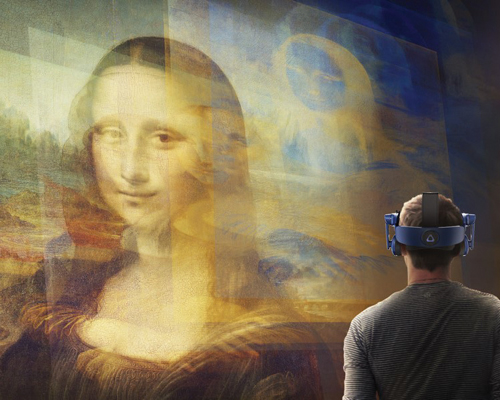
The Louvre in Paris, which was already the world’s top-attended museum, had a record-breaking year with 10.2 million visitors in 2018. The result is a significant increase on its previous attendance record reported in 2012 when the institution welcomed 9.7 million visitors. The attendance figures are particularly substantial for the Louvre and Paris, with the result representing a recovery from the museum’s 30 per cent downturn in 2017, a drop largely attributed to a plunge in tourism volumes during a time of unrest in the French capital.
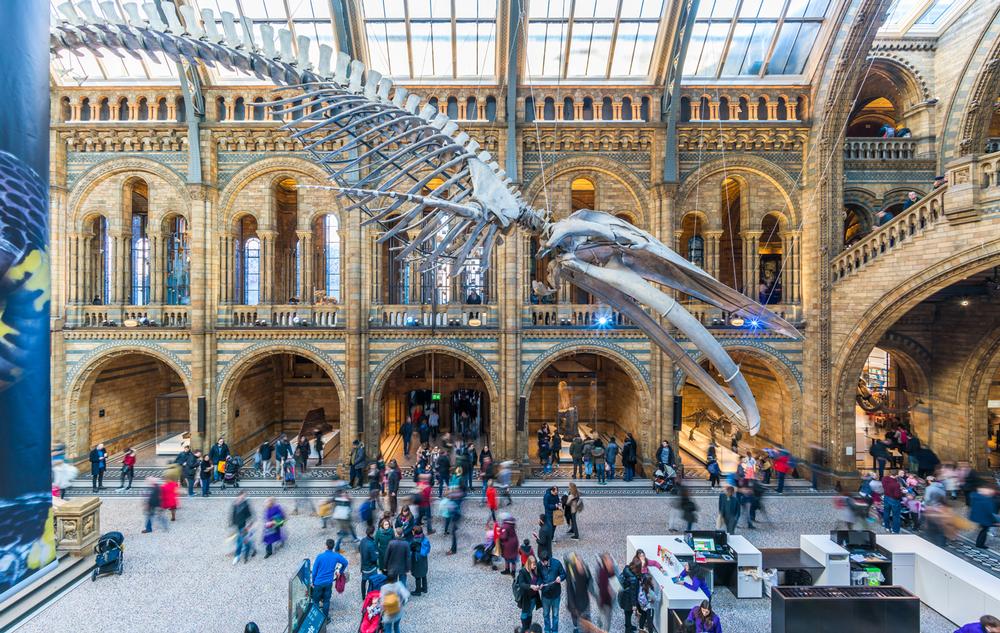
The Natural History Museum in London also enjoyed a record year, with an attendance surge of 17.8 per cent to 5.2 million visitors. According to the report, attendance was driven by the opening of the museum’s re-imagined main gallery – Hintze Hall – which features “Hope”, a 25-metre-long blue whale skeleton suspended from the ceiling. Other attendance boosters came from collaboration on events and products with leading IP, such as Dippy the Dinosaur, the Roald Dahl Story Company and Lego. The museum also introduced a new 357-seat traditional performance theatre.
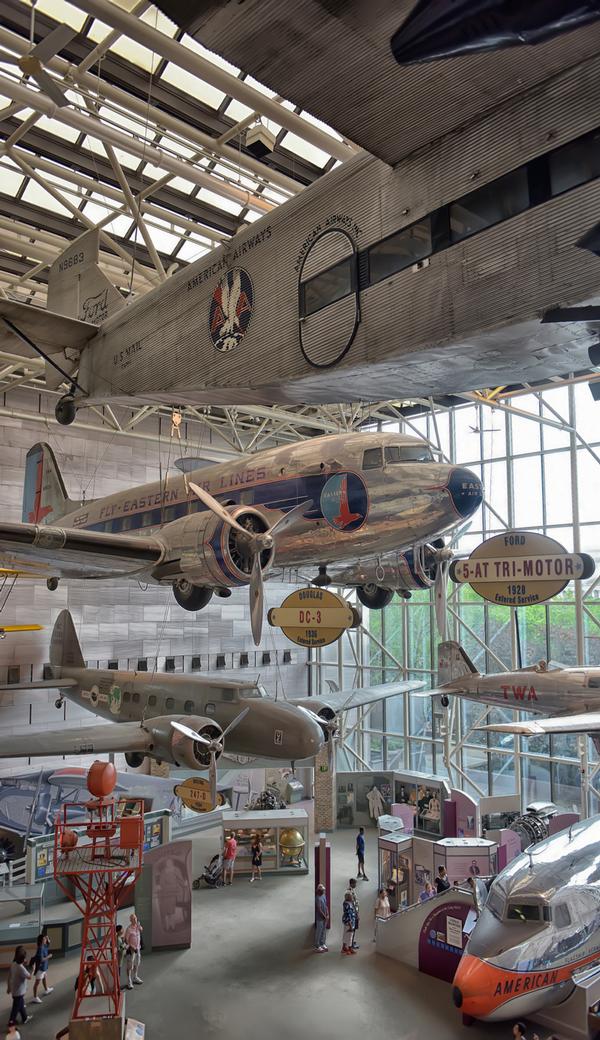
The Metropolitan Museum of Art in New York is North America’s most visited museum, with an attendance rise of 5.1 per cent to 7.36 million visitors, taking the top spot for itself after drawing equal attendance in 2017 with Washington DC’s National Air and Space Museum, which experienced a significant decline primarily attributed to the month-long US government shutdown at the end of 2018, which majorly-affected the Smithsonian collection of museums.
Attendance for the top 20 museums worldwide was relatively flat, with 108.1 million combined visitors – an increase of 0.1 per cent on the previous year’s figures.
OBSERVATION EXPERIENCES For the first time in the report’s history, the top 20 observation experiences worldwide have been tabled, with Tokyo’s Skytree the most attended at 6.4 million visitors.
The London Eye – third on the list – ranks as the most-visited wheel experience. Part of the Merlin cluster of attractions on the British capital’s South Bank, 3.9 million people took a ride on the attraction during the year.
For multi-use properties, New York’s Empire State Building ranks top, with 3.805 million visitors taking in the iconic structure’s views.
In Rio, Brazil, Christ the Redeemer is the only monument to make the top 20, with the world wonder welcoming 2.2 million visitors in 2018. Also in Rio, the Sugarloaf Cable Car – which moves between Praia Vermelha and the Sugarloaf Mountain – is the only designated ride to make the list, coming in 20th with 1.249 million riders.
Table 1: Theme Park Groups Worldwide
Source: TEA/AECOM 2018 Theme Index and Museum Index
Table 2: Top 20 Amusement/theme parks worldwide
Source: TEA/AECOM 2018 Theme Index and Museum Index
Table 3: Top 20 Waterparks Worldwide
Source: TEA/AECOM 2018 Theme Index and Museum Index
Table 4: Top 20 Museums Worldwide
Source: TEA/AECOM 2018 Theme Index and Museum Index
John Robinett
Senior vice president, economics, AECOM
Robinett has over 30 years of experience in planning and development projects
What are the general trends you've seen coming out of this year's report?
I would say simultaneous globalisation and specialisation. The two trends are running parallel. Global operators are expanding aggressively through development and acquisition and are overlaying intellectual properties to supercharge their attendance. At the same time speciality attractions, such as observation attractions, pop up and immersive experiences, and indoor entertainment centres, are pioneering the mid-scale, mid-capital realm.
Theme parks continue to thrive. Why is this?
The biggest growth is IP-driven. Innovative experiences, rides and programming are also important drivers. The big players are in a position to command big IPs. They have full awareness of the power of these franchises and to what good, creative use of IP in a storytelling environment – using immersive technology – enables them to do.
What effect is Disney having on theme park attendance worldwide?
Disney accounts for almost a third of the attendance in the business, far above the nearest competitor. So they have a significant impact on the industry. They are masters of the IP conversion, drawing from an ever-increasing media library of potent action films. This, combined with their deep pockets and design excellence, has enabled them to drive attendance even at high price points in mature markets.
How is the waterpark sector faring?
Waterparks are one of the strong growth sectors of the business. The barriers to entry are lower than for theme parks. Modest development cost and price points enable them to go into smaller and lower-income markets than the larger attractions, and there are lots of hot places where people need to cool off!
When it comes to museums, what are the key points?
Museums are innovating and re-creating themselves, striving to stay relevant in an entertainment-saturated world, while staying true to their educational mission.
What do the observation experience results tell us?
Observation experiences run on healthy margins. So from an operational perspective, they are very enticing. However, the secret is to balance their income with, what can be substantial, development costs. Also, some markets are reaching the point of saturation where additional observation experiences will start eating into their competitors’ business.
How are IPs driving attendance growth in North America?
The large operators and their mega media IPs are having a substantial impact on attendance, particularly where the big investment backs big IPs.
Why is attendance increasing in Latin America?
Like in many developing countries, a growing middle class has helped to make attractions more affordable, also the quality of the product has increased notably. Brian Sands in his article in the Index points out that Latin American operators are adept at catering to the specific and unique needs of their regional markets.
Despite heavy investment in the region, no Middle East theme parks made the top 20. Why is this?
While a lot of investment has occurred, it is all relatively new and it will take some time to grow into the markets, which are, at the end of the day, fairly modest in size. Jodie Lock goes into the details of this in our EMEA section in the Index.
What do you expect to see in next year's report?
More fun in more places.
IP and storytelling are two major drivers for theme park attendance
Read more from this issue of Spa Business magazine
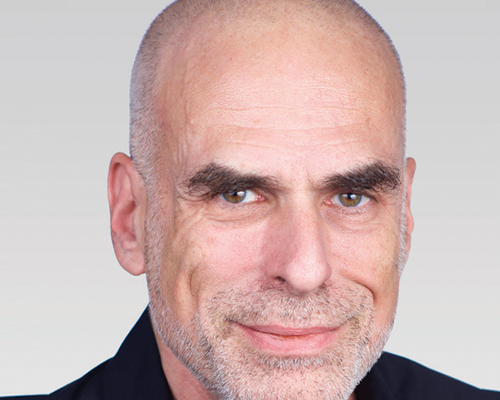
People profile: Tom Hennes
Tom Hennes discusses how he has transformed the Empire State Building's visitor experience
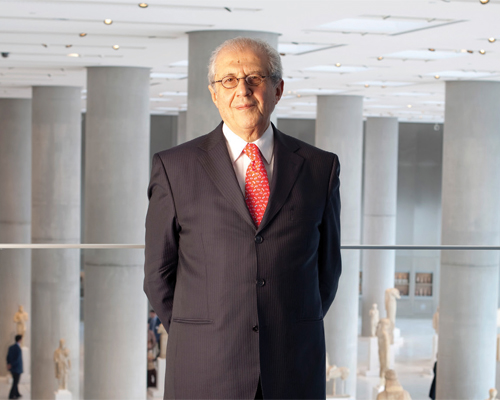
People profile: Dimitrios Pandermalis
The Acropolis Museum has just celebrated its 10-year anniversary. Its president, Dimitrios Pandermalis, talks about his plans to take the museum forward in the next decade and beyond
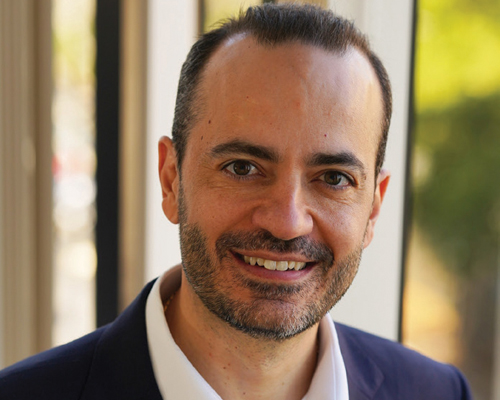
People profile: Gus Antorcha
SeaWorld's new CEO Gus Antorcha on the company's new direction as it starts to recover following several years of turmoil
Museums: A museum in motion
The Australian Centre for the Moving Image
is undergoing a AUS$40m renewal. CEO
Katrina Sedgwick talks about the plans
Tourism: The dark side
With locations like Chernobyl increasing
in popularity, Kath Hudson looks at the
dark side of the global tourism sector
Promotional feature: Whitewater
WhiteWater thinks outside the box to create memorable,
immersive experiences that go beyond the thrill
Rides: Monsters, myths and motorbikes
We take a look at some of the biggest ride
openings for visitor attractions worldwide,
including Universal’s new Hagrid coaster
Promotional feature: OurPeople
Home to the world-revered peppa pig world and welcoming more than one
million visitors every year, paultons park was voted Tripadvisor’s number
one UK amusement park for the fourth year running in 2019
Le Atelier by C.O.D.E. doesn't offer a standard bespoke service, it provides a highly
customised approach to designing massage beds and loungers in high-end wellness
environments. [more...]
In a world where imbalance often accumulates quietly, Wildsmith unveils its newest
wellbeing innovation: Silent Loads, an approach designed to meet the needs of modern spa
guests with precision and depth. [more...]
+ More featured suppliers
COMPANY PROFILES
Balanced Body
Balanced Body is the global leader in Pilates equipment and education. Founded nearly 50 years ago, [more...]
FIBO
FIBO is the international platform for fitness, wellness and health. During four days, FIBO connects [more...]
The TEA/AECOM Theme and Museum Index shows an outstanding year for
theme parks, with the big players reaching a record 500 million visitors.
With focused investment, new technology and tourism development, this
only bodes well for the global attractions industry going forward
More than 150 million people visited Disney’s parks in 2018
THEME PARKS Marking a 5.4 per cent rise in global attendance across the world’s top 10 theme park operators. 501.2 million people visited major theme parks across the globe in 2018, with the rise representing a visitor increase of 25.4 million visitors.
Now exceeding half-a-billion people, almost 7 per cent of the entire global population visited a theme park in 2018. An impressive figure in its own right, this statistic is even more astounding when coupled with the fact that five years ago the market capture for theme parks was 5 per cent. In those five years, attendance among the big players has risen by 124 million.
Of the top 10 operators, OCT Parks China had the largest visitor percentage increase compared to 2017, with a 15.1 per cent rise to 49.35 million visitors.
Disney remains king of the jungle, with its 157 million visitors for the year dwarfing second-placed Merlin, which welcomed 67 million visitors through 2018. Visitation at Disney increased by 4.9 per cent, while Merlin attendance rose by 1.5 per cent.
Disney’s Magic Kingdom remains the world’s most-attended theme park, with 20.86 million visitors marking a 2 per cent increase in attendance. Disney also occupies second through to fourth place on the list, with 11 of the top 25 theme parks in the world being Disney properties.
WATERPARKS Attendance at major waterparks continues to grow, with nearly 31 million people visiting the top waterparks globally in 2018.
Waterpark attendance rose by 2.5 per cent last year, with 30.92 million people visiting one of the world’s top 20 most attended waterparks.
Chimelong continues to be the most visited, with 2.74 million people coming through its gates in 2018 – a 1.9 per cent increase on a record-breaking 2017.
Much like its theme park division, Disney had a strong showing in the waterparks sector, with attendance rises of 5 per cent and 3 per cent respectively at Typhoon Lagoon and Blizzard Beach, with the two waterparks in Orlando, Florida, ranking second and third on the list with 2.27 million and 2 million visitors.
There were significant gains for three theme parks on the list – Volcano Bay, Therme Erding and Wuhu Fantawild. Volcano Bay in Orlando enjoyed the largest gains, with an additional 225,000 visitors enjoying the waterpark – a 15 per cent increase year-on-year to 1.725 million visitors. Germany’s Therme Erding is Europe’s most-visited waterpark, with a 13.6 per cent rise in visitors to 1.5 million people. Wuhu Fantawild in China also saw a major rise, with its 1.36 million visitors for the year representing a 13.3 per cent rise in guests.
North America and the EMEA regions showed particularly strong growth in attendance, with a 5.8 per cent increase in North America to 16.237 million visitors, while EMEA rose by 6.7 per cent to 10.275 million visitors.
MUSEUMS Temporary exhibitions and geopolitical changes continue to serve as key attendance drivers for museums in Europe, which remains the global market leader for attendance in the sector.
According to the report, museum attendance globally is primarily being driven by temporary exhibitions, facility improvements or expansions, external market factors, and improvements to competitive museums in the same market, with social media and special events now also starting to have an impact.
The Louvre in Paris, which was already the world’s top-attended museum, had a record-breaking year with 10.2 million visitors in 2018. The result is a significant increase on its previous attendance record reported in 2012 when the institution welcomed 9.7 million visitors. The attendance figures are particularly substantial for the Louvre and Paris, with the result representing a recovery from the museum’s 30 per cent downturn in 2017, a drop largely attributed to a plunge in tourism volumes during a time of unrest in the French capital.
The Natural History Museum in London also enjoyed a record year, with an attendance surge of 17.8 per cent to 5.2 million visitors. According to the report, attendance was driven by the opening of the museum’s re-imagined main gallery – Hintze Hall – which features “Hope”, a 25-metre-long blue whale skeleton suspended from the ceiling. Other attendance boosters came from collaboration on events and products with leading IP, such as Dippy the Dinosaur, the Roald Dahl Story Company and Lego. The museum also introduced a new 357-seat traditional performance theatre.
The Metropolitan Museum of Art in New York is North America’s most visited museum, with an attendance rise of 5.1 per cent to 7.36 million visitors, taking the top spot for itself after drawing equal attendance in 2017 with Washington DC’s National Air and Space Museum, which experienced a significant decline primarily attributed to the month-long US government shutdown at the end of 2018, which majorly-affected the Smithsonian collection of museums.
Attendance for the top 20 museums worldwide was relatively flat, with 108.1 million combined visitors – an increase of 0.1 per cent on the previous year’s figures.
OBSERVATION EXPERIENCES For the first time in the report’s history, the top 20 observation experiences worldwide have been tabled, with Tokyo’s Skytree the most attended at 6.4 million visitors.
The London Eye – third on the list – ranks as the most-visited wheel experience. Part of the Merlin cluster of attractions on the British capital’s South Bank, 3.9 million people took a ride on the attraction during the year.
For multi-use properties, New York’s Empire State Building ranks top, with 3.805 million visitors taking in the iconic structure’s views.
In Rio, Brazil, Christ the Redeemer is the only monument to make the top 20, with the world wonder welcoming 2.2 million visitors in 2018. Also in Rio, the Sugarloaf Cable Car – which moves between Praia Vermelha and the Sugarloaf Mountain – is the only designated ride to make the list, coming in 20th with 1.249 million riders.
Table 1: Theme Park Groups Worldwide
Source: TEA/AECOM 2018 Theme Index and Museum Index
Table 2: Top 20 Amusement/theme parks worldwide
Source: TEA/AECOM 2018 Theme Index and Museum Index
Table 3: Top 20 Waterparks Worldwide
Source: TEA/AECOM 2018 Theme Index and Museum Index
Table 4: Top 20 Museums Worldwide
Source: TEA/AECOM 2018 Theme Index and Museum Index
John Robinett
Senior vice president, economics, AECOM
Robinett has over 30 years of experience in planning and development projects
What are the general trends you've seen coming out of this year's report?
I would say simultaneous globalisation and specialisation. The two trends are running parallel. Global operators are expanding aggressively through development and acquisition and are overlaying intellectual properties to supercharge their attendance. At the same time speciality attractions, such as observation attractions, pop up and immersive experiences, and indoor entertainment centres, are pioneering the mid-scale, mid-capital realm.
Theme parks continue to thrive. Why is this?
The biggest growth is IP-driven. Innovative experiences, rides and programming are also important drivers. The big players are in a position to command big IPs. They have full awareness of the power of these franchises and to what good, creative use of IP in a storytelling environment – using immersive technology – enables them to do.
What effect is Disney having on theme park attendance worldwide?
Disney accounts for almost a third of the attendance in the business, far above the nearest competitor. So they have a significant impact on the industry. They are masters of the IP conversion, drawing from an ever-increasing media library of potent action films. This, combined with their deep pockets and design excellence, has enabled them to drive attendance even at high price points in mature markets.
How is the waterpark sector faring?
Waterparks are one of the strong growth sectors of the business. The barriers to entry are lower than for theme parks. Modest development cost and price points enable them to go into smaller and lower-income markets than the larger attractions, and there are lots of hot places where people need to cool off!
When it comes to museums, what are the key points?
Museums are innovating and re-creating themselves, striving to stay relevant in an entertainment-saturated world, while staying true to their educational mission.
What do the observation experience results tell us?
Observation experiences run on healthy margins. So from an operational perspective, they are very enticing. However, the secret is to balance their income with, what can be substantial, development costs. Also, some markets are reaching the point of saturation where additional observation experiences will start eating into their competitors’ business.
How are IPs driving attendance growth in North America?
The large operators and their mega media IPs are having a substantial impact on attendance, particularly where the big investment backs big IPs.
Why is attendance increasing in Latin America?
Like in many developing countries, a growing middle class has helped to make attractions more affordable, also the quality of the product has increased notably. Brian Sands in his article in the Index points out that Latin American operators are adept at catering to the specific and unique needs of their regional markets.
Despite heavy investment in the region, no Middle East theme parks made the top 20. Why is this?
While a lot of investment has occurred, it is all relatively new and it will take some time to grow into the markets, which are, at the end of the day, fairly modest in size. Jodie Lock goes into the details of this in our EMEA section in the Index.
What do you expect to see in next year's report?
More fun in more places.
IP and storytelling are two major drivers for theme park attendance
Read more from this issue of Spa Business magazine
People profile: Tom Hennes
Tom Hennes discusses how he has transformed the Empire State Building's visitor experience
People profile: Dimitrios Pandermalis
The Acropolis Museum has just celebrated its 10-year anniversary. Its president, Dimitrios Pandermalis, talks about his plans to take the museum forward in the next decade and beyond
People profile: Gus Antorcha
SeaWorld's new CEO Gus Antorcha on the company's new direction as it starts to recover following several years of turmoil
Museums: A museum in motion
The Australian Centre for the Moving Image
is undergoing a AUS$40m renewal. CEO
Katrina Sedgwick talks about the plans
Tourism: The dark side
With locations like Chernobyl increasing
in popularity, Kath Hudson looks at the
dark side of the global tourism sector
Promotional feature: Whitewater
WhiteWater thinks outside the box to create memorable,
immersive experiences that go beyond the thrill
Rides: Monsters, myths and motorbikes
We take a look at some of the biggest ride
openings for visitor attractions worldwide,
including Universal’s new Hagrid coaster
Promotional feature: OurPeople
Home to the world-revered peppa pig world and welcoming more than one
million visitors every year, paultons park was voted Tripadvisor’s number
one UK amusement park for the fourth year running in 2019
Longevitix, a clinical platform for preventive and longevity medicine, has launched its AI-
powered intelligence system to help physicians deliver continuous, personalised longevity-
focused care at scale.
Atmantan Wellness Centre, an integrative wellness destination in Mulshi, near Pune in India, is
expanding its portfolio by adding a new centre in Hyderabad that will launch between 2028 and
2029.
A recent survey by the UK Spa Association (UKSA) into the industry’s approach to cancer care
has revealed that almost half of participating respondents (46 per cent) are unaware that
cancer is a disability and guests with a cancer diagnosis must be given
Mexican operator, Solmar Hotels and Resorts, is hosting a series of events in celebration of
Global Wellness Day, including a Temazcal ceremony at its Playa Grande Resort and Spa in Los
Cabos.
Mandarin Oriental has announced a standalone residence brand, Mansions, which will debut at
Emirates Palace, Mandarin Oriental Mansions, Abu Dhabi, in 2029.
Four Seasons Resort The Nam Hai in Hoi An, Vietnam, has put together a Global Wellness Day
(GWD) agenda with activations rooted in nature and shaped by four pillars of Joy – in
alignment with the day’s theme #JoyMagenta.
The Global Wellness Summit (GWS) will celebrate its 20th anniversary at the 2026 event in
Phuket, Thailand, later this year with the theme: The Science, Art and Soul of Wellness.
Auko, an all-inclusive development, is opening in Phong Nha in Vietnam in Q3 2026, with a
series of 30 tented eco-lodges and wellness hospitality operations by Lumina Wellbeing.
Le Atelier by C.O.D.E. doesn't offer a standard bespoke service, it provides a highly
customised approach to designing massage beds and loungers in high-end wellness
environments. [more...]
In a world where imbalance often accumulates quietly, Wildsmith unveils its newest
wellbeing innovation: Silent Loads, an approach designed to meet the needs of modern spa
guests with precision and depth. [more...]
+ More featured suppliers
COMPANY PROFILES
Balanced Body Balanced Body is the global leader in Pilates equipment and education. Founded nearly 50 years ago, [more...]