Market research has its place when it comes to understanding our visitors and their needs and levels of engagement, but using neuroscience we can take our understanding of visitor needs and responses to a whole new level
By Liz Terry | Published in Attractions Management 2019 issue 3
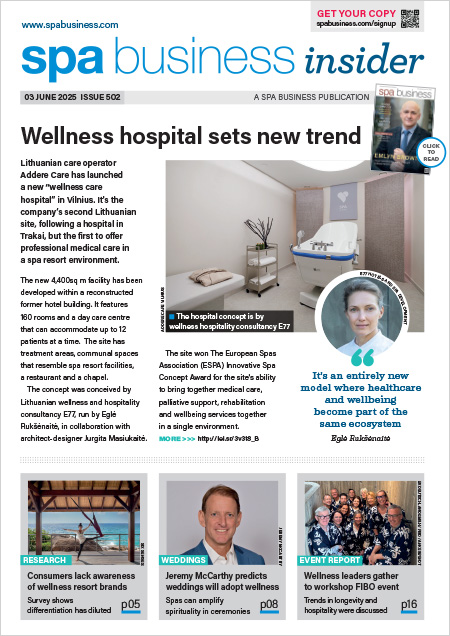
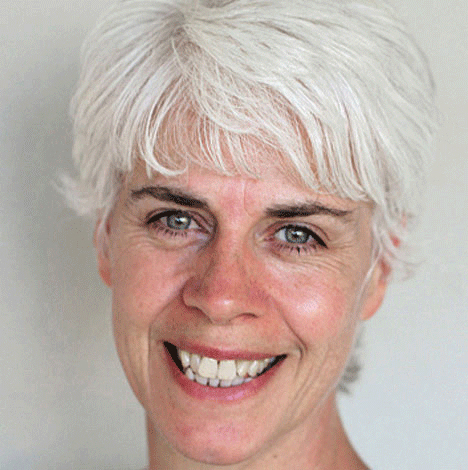
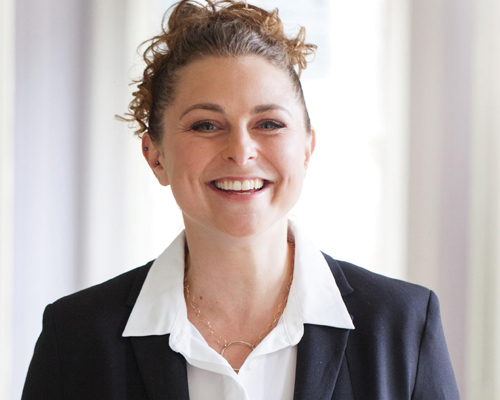
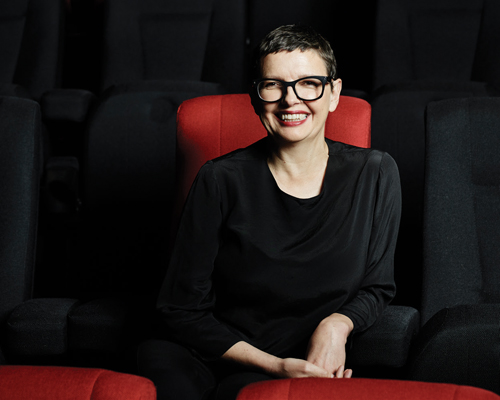
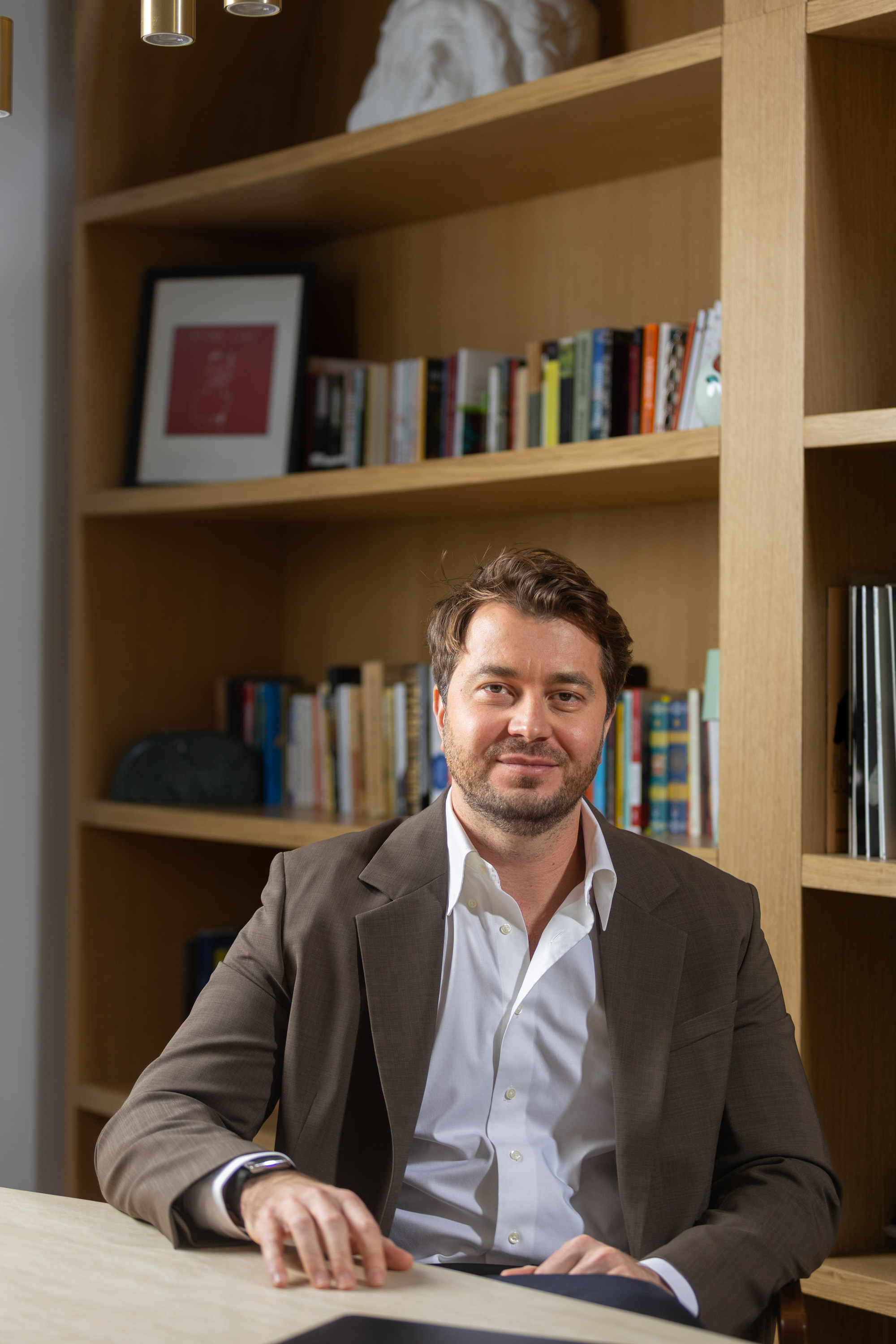
Our cover star this issue is Dr Tedi Asher, a neuroscientist working at the Peabody Essex Museum in Salem, Massachusetts in the US.
Asher is believed to be the first neuroscientist to be based in a gallery or museum and her appointment heralds an exciting new direction in the development and management of visitor attractions.
Her brief is to deepen engagement among visitors to the museum using Dr Carl Marci’s definition of engagement, which says: “Engagement occurs when attention is directed in a way that elicits an emotional response which leads to the formation of a memory.”
How can we truly know what engages and motivates visitors? The question lies at the heart of all we do and surprisingly, given its importance, there has generally been little science directing investment and energies.
Visitor insight has typically deployed standard market research methodology to establish responses and preferences, which can be useful. Neuroscience, however, takes our understanding to a whole new level by looking at far more fundamental, deep-rooted visceral responses.
Instead of asking people how they feel, neuroscience looks at a person’s physical response and understands how experiences light up different areas of the brain.
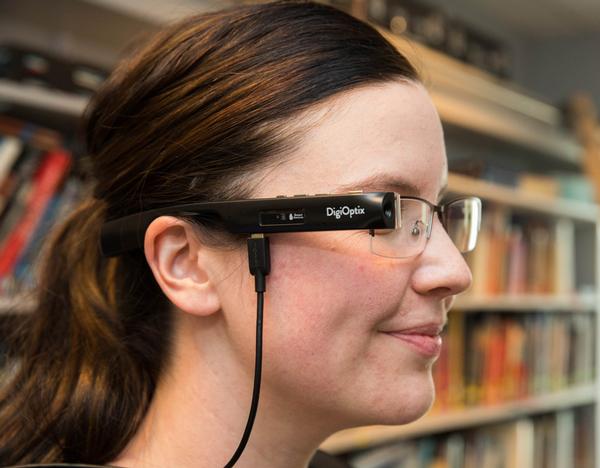
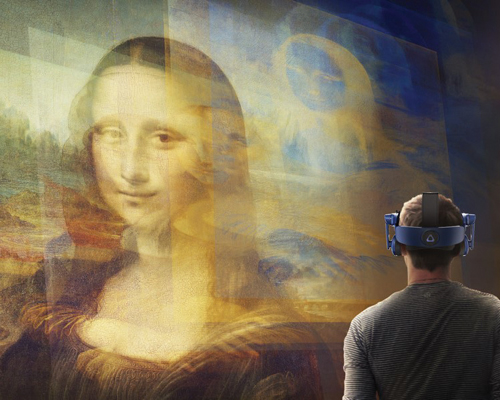
Asher is deploying gaze tracking glasses to understand what visitors are looking at and galvanic skin response – which measures sweat produced – to give a biometric measurement of emotional intensity, for example.
She’s already sharing her learnings for the benefit of other attractions, including those revealed by an experiment undertaken at the museum using ‘judgement prompts’.
This found that if visitors were given prompts, such as being asked if they were moved by a particular exhibit, they spent longer looking at it, had a more intense emotional experience and reported higher levels of engagement and satisfaction.
Asher’s work is impacting on all aspects of the museum’s development and operation, including exhibition design and animation, retailing, marketing and wayfinding. We expect to see many more such appointments going forward, as the industry embraces the potential of this approach.
Read more from this issue of Spa Business magazine
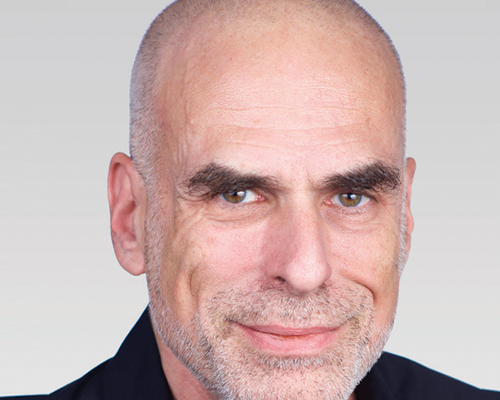
People profile: Tom Hennes
Tom Hennes discusses how he has transformed the Empire State Building's visitor experience
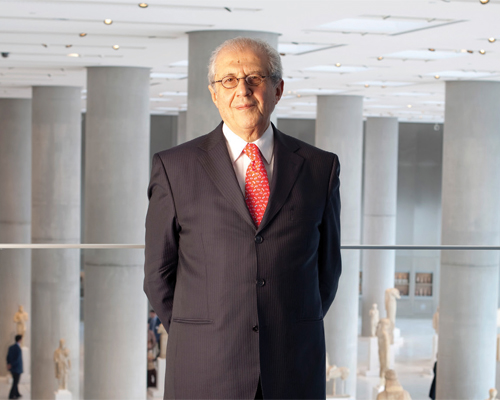
People profile: Dimitrios Pandermalis
The Acropolis Museum has just celebrated its 10-year anniversary. Its president, Dimitrios Pandermalis, talks about his plans to take the museum forward in the next decade and beyond
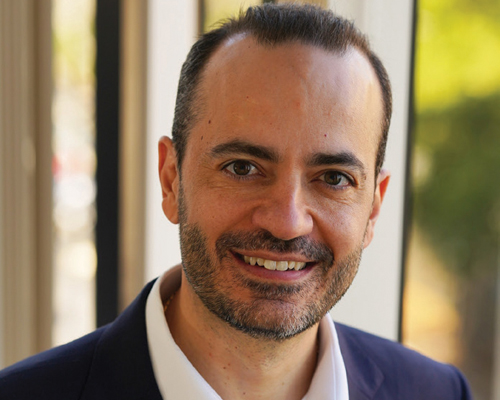
People profile: Gus Antorcha
SeaWorld's new CEO Gus Antorcha on the company's new direction as it starts to recover following several years of turmoil
Museums: A museum in motion
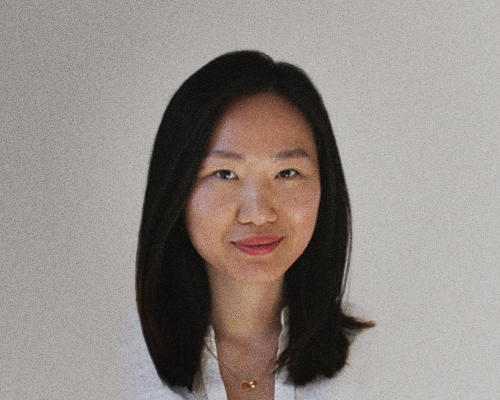
The Australian Centre for the Moving Image
is undergoing a AUS$40m renewal. CEO
Katrina Sedgwick talks about the plans
Tourism: The dark side
With locations like Chernobyl increasing
in popularity, Kath Hudson looks at the
dark side of the global tourism sector
Promotional feature: Whitewater
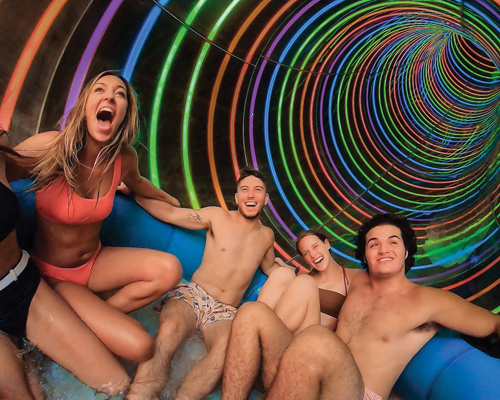
WhiteWater thinks outside the box to create memorable,
immersive experiences that go beyond the thrill
Rides: Monsters, myths and motorbikes
We take a look at some of the biggest ride
openings for visitor attractions worldwide,
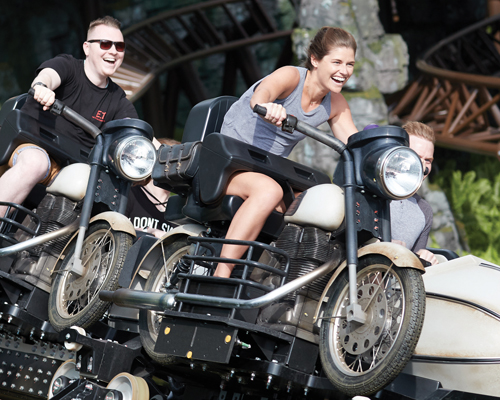
including Universal’s new Hagrid coaster
Promotional feature: OurPeople
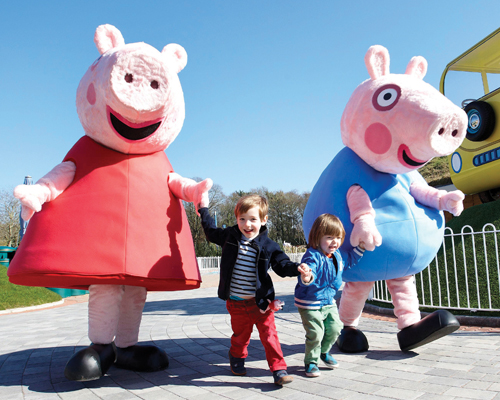
Home to the world-revered peppa pig world and welcoming more than one
million visitors every year, paultons park was voted Tripadvisor’s number
one UK amusement park for the fourth year running in 2019
Le Atelier by C.O.D.E. doesn't offer a standard bespoke service, it provides a highly
customised approach to designing massage beds and loungers in high-end wellness
environments. [more...]
+ More featured suppliers
COMPANY PROFILES
Wellhub
Wellhub (formerly Gympass) is the
world’s leading corporate wellness
platform, trusted by 70,000+ [more...]
Market research has its place when it comes to understanding our visitors and their needs and levels of engagement, but using neuroscience we can take our understanding of visitor needs and responses to a whole new level
By Liz Terry | Published in Attractions Management 2019 issue 3
Our cover star this issue is Dr Tedi Asher, a neuroscientist working at the Peabody Essex Museum in Salem, Massachusetts in the US.
Asher is believed to be the first neuroscientist to be based in a gallery or museum and her appointment heralds an exciting new direction in the development and management of visitor attractions.
Her brief is to deepen engagement among visitors to the museum using Dr Carl Marci’s definition of engagement, which says: “Engagement occurs when attention is directed in a way that elicits an emotional response which leads to the formation of a memory.”
How can we truly know what engages and motivates visitors? The question lies at the heart of all we do and surprisingly, given its importance, there has generally been little science directing investment and energies.
Visitor insight has typically deployed standard market research methodology to establish responses and preferences, which can be useful. Neuroscience, however, takes our understanding to a whole new level by looking at far more fundamental, deep-rooted visceral responses.
Instead of asking people how they feel, neuroscience looks at a person’s physical response and understands how experiences light up different areas of the brain.
Asher is deploying gaze tracking glasses to understand what visitors are looking at and galvanic skin response – which measures sweat produced – to give a biometric measurement of emotional intensity, for example.
She’s already sharing her learnings for the benefit of other attractions, including those revealed by an experiment undertaken at the museum using ‘judgement prompts’.
This found that if visitors were given prompts, such as being asked if they were moved by a particular exhibit, they spent longer looking at it, had a more intense emotional experience and reported higher levels of engagement and satisfaction.
Asher’s work is impacting on all aspects of the museum’s development and operation, including exhibition design and animation, retailing, marketing and wayfinding. We expect to see many more such appointments going forward, as the industry embraces the potential of this approach.
Read more from this issue of Spa Business magazine
People profile: Tom Hennes
Tom Hennes discusses how he has transformed the Empire State Building's visitor experience
People profile: Dimitrios Pandermalis
The Acropolis Museum has just celebrated its 10-year anniversary. Its president, Dimitrios Pandermalis, talks about his plans to take the museum forward in the next decade and beyond
People profile: Gus Antorcha
SeaWorld's new CEO Gus Antorcha on the company's new direction as it starts to recover following several years of turmoil
Museums: A museum in motion
The Australian Centre for the Moving Image
is undergoing a AUS$40m renewal. CEO
Katrina Sedgwick talks about the plans
Tourism: The dark side
With locations like Chernobyl increasing
in popularity, Kath Hudson looks at the
dark side of the global tourism sector
Promotional feature: Whitewater
WhiteWater thinks outside the box to create memorable,
immersive experiences that go beyond the thrill
Rides: Monsters, myths and motorbikes
We take a look at some of the biggest ride
openings for visitor attractions worldwide,
including Universal’s new Hagrid coaster
Promotional feature: OurPeople
Home to the world-revered peppa pig world and welcoming more than one
million visitors every year, paultons park was voted Tripadvisor’s number
one UK amusement park for the fourth year running in 2019
Global Wellness Day (GWD) marked its 15th anniversary on Saturday 13 June 2026, with the
theme: #JoyMagenta – a celebration of the healing qualities of simple gestures and activities
that spark joy.
Global luxury hospitality brand, Six Senses, has partnered with longevity healthcare provider,
HUM2N, to launch a clinic at Six Senses London, at The Whiteley.
As part of its first hotel partnership, Mayrlife – the medical health resort company known for its
site in Altaussee, Austria – has launched a day clinic at the Rosewood Vienna.
Premium London health club, KX Chelsea, will imminently unveil its most significant
redevelopment since its launch in 2002 to create an integrated wellness model combining
training, recovery and relaxation.
Rosewood Le Guanahani St Barth, on the northeast coast of Saint Barthélemy in the French
West Indies, is offering a programme of ocean-inspired yoga classes between 8-14 June to
celebrate Global Wellness Day (GWD).
Hotel de France, located on the British Isle of Jersey, has created a wellness retreat package
that includes a hot yoga session that will take place in Jersey Zoo’s butterfly sanctuary.
The Ritz-Carlton, Langkawi, in Malaysia, has revealed a schedule for Global Wellness Day
(GWD) that includes guided rainforest walks, mindful movement and guided coastal meditation
experiences.
Longevitix, a clinical platform for preventive and longevity medicine, has launched its AI-
powered intelligence system to help physicians deliver continuous, personalised longevity-
focused care at scale.
Atmantan Wellness Centre, an integrative wellness destination in Mulshi, near Pune in India, is
expanding its portfolio by adding a new centre in Hyderabad that will launch between 2028 and
2029.
Le Atelier by C.O.D.E. doesn't offer a standard bespoke service, it provides a highly
customised approach to designing massage beds and loungers in high-end wellness
environments. [more...]
+ More featured suppliers
COMPANY PROFILES
Wellhub Wellhub (formerly Gympass) is the
world’s leading corporate wellness
platform, trusted by 70,000+ [more...]