Yes! Send me the FREE digital editions of Spa Business and Spa Business insider magazines and the FREE weekly Spa Business and Spa Business insider ezines and breaking news alerts!
To varying degrees, humans have historically been fascinated by death, drawn to the macabre and enjoy being scared, all of which is helping to fuel dark tourism. Kath Hudson finds out what it’s all about...
By Kath Hudson | Published in Attractions Management 2019 issue 3
You don’t have to visit a war zone or a former concentration camp to be a dark tourist.
Everyone has a bit of a dark tourist in them: who wouldn’t visit Pompeii if they were going to Naples or seek out Berlin Wall remnants during a visit to the city?
This type of travel is growing exponentially and encompasses everything from war museums and memorials, to places where both man-made and natural disasters have taken place, creating an unlikely link between trauma and tourism.
The dark tourist Before the 9/11 tragedy, the World Trade Centre’s observation deck drew around 1.8 million visitors annually. This number has doubled since it has become the Ground Zero memorial. The notorious Polish concentration camp, Auschwitz, has seen also visits rise from 500,000 people in 2001, to 1.5 million in 2014.
“There’s definitely a crossover between dark tourism and heritage tourism, but we’re seeing an explosion of niche markets in tourism and dark tourism is one of those,” says Andrew Fry, a lecturer researching the subject at the University of Plymouth. “Everyone’s motives are different. Some tourists may have a curiosity about the unusual and death, some are attracted to horror. For others, it can be voyeuristic or a desire for empathy with the victims of atrocity and suffering.
“However, more recently, we’re seeing that tourists want an authentic experience and for those who are seeking authenticity, their motivations include seeking the truth in pursuit of knowledge and social responsibilities, such as not being forgotten or making the same mistakes.”
David Farrier, a journalist from New Zealand, filmed the Netflix series Dark Tourist, to explore the subject. The eight-episode series took him to ghost towns deserted after disasters, a radioactive lake in Kazakhstan and Japan’s ‘suicide forest’. Farrier said part of the appeal was to challenge his fears and preconceptions while offering escapism and satisfying his curiosity. His trips, he said, made him realise how good he has it at home.
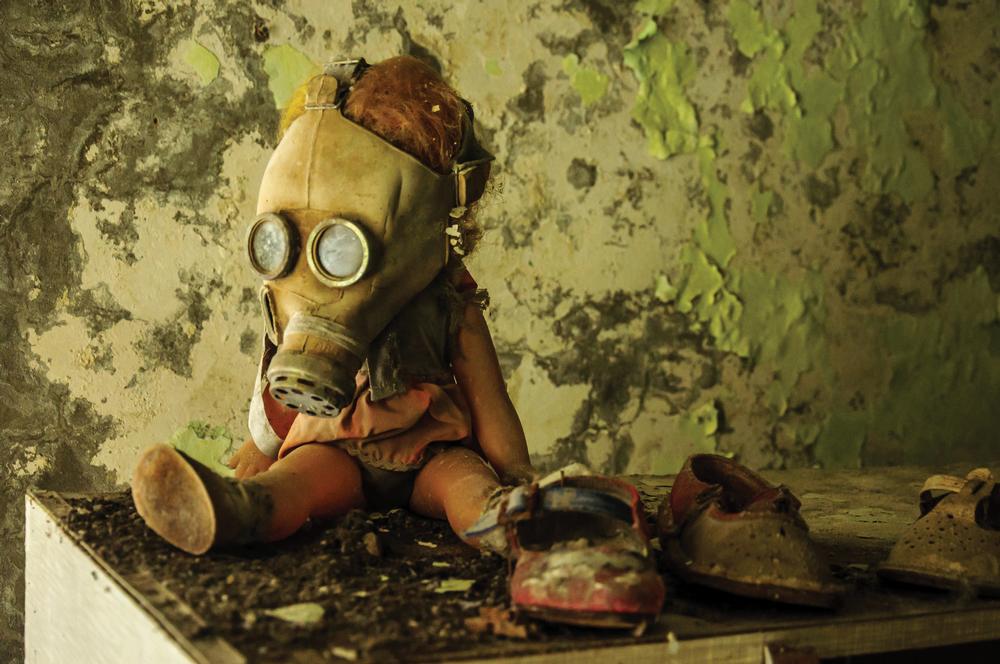
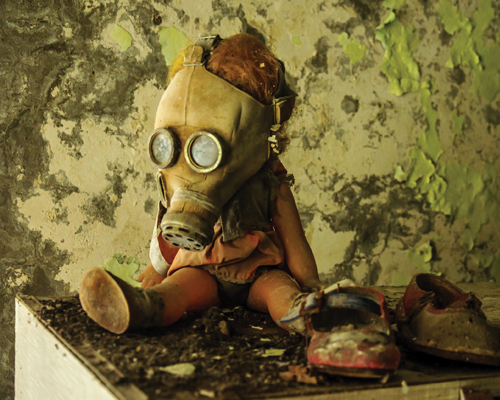
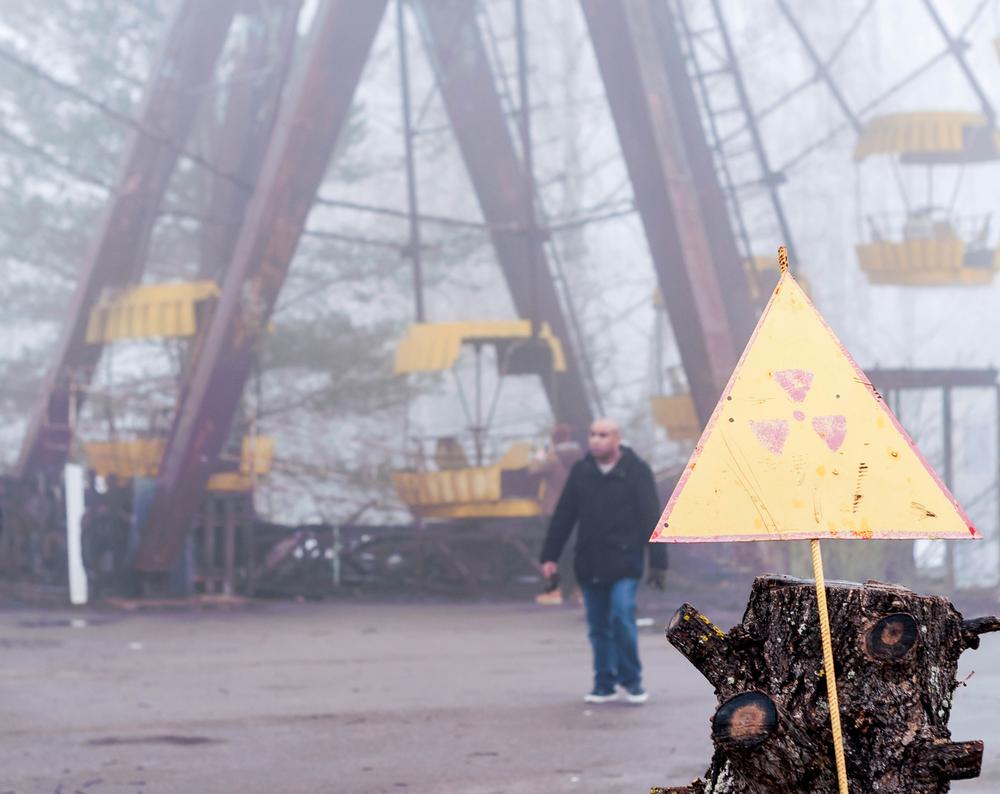
Nuclear tours Chernobyl, the Ukranian site of the 1986 nuclear disaster is one site which is currently experiencing massive growth in popularity, thanks partly to the eponymous HBO series, which tells the story behind the horrific tragedy.
The former nuclear power station has been open to the public since 2011 and this year, tour operators predict visits will more than double to 150,000 people.
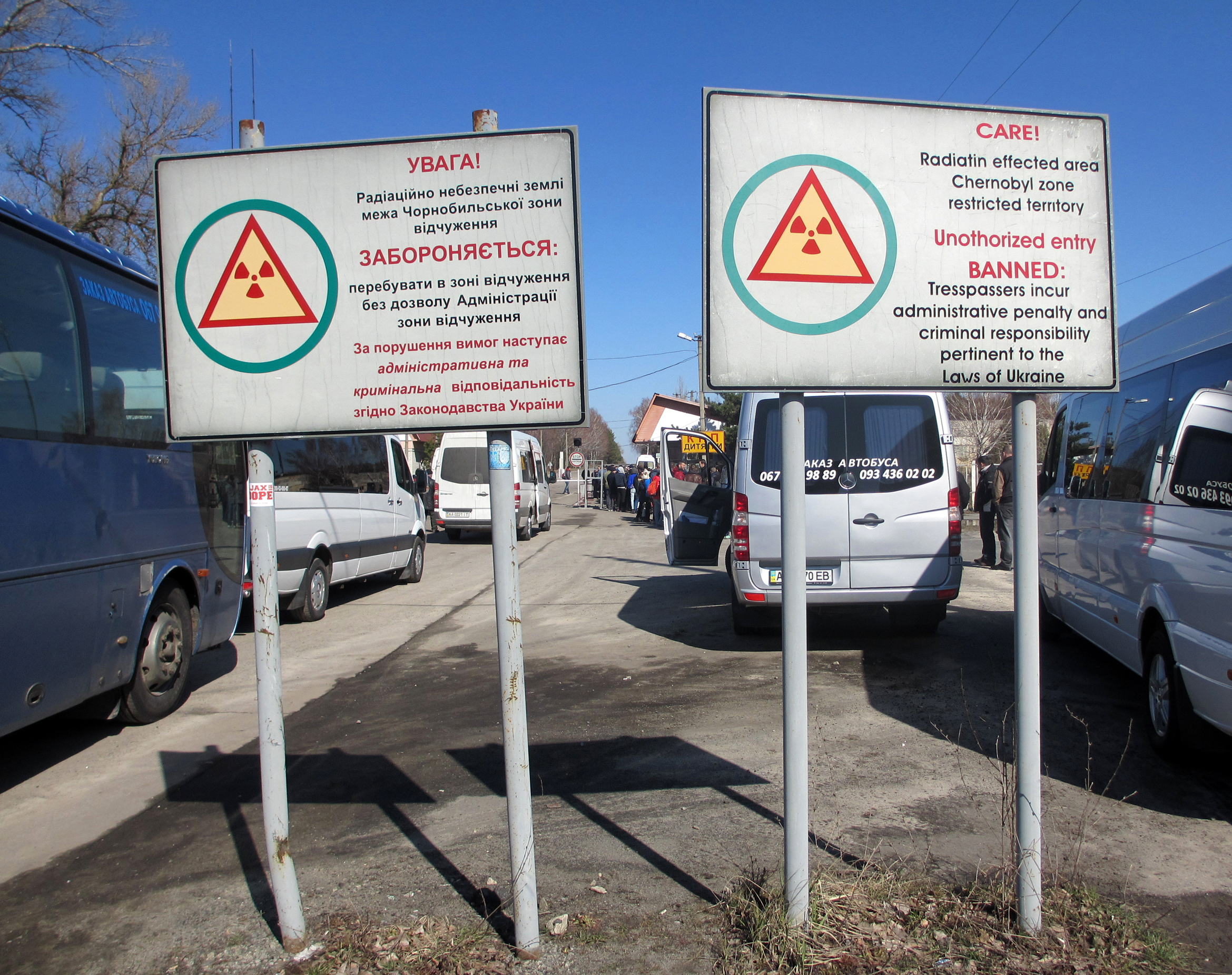
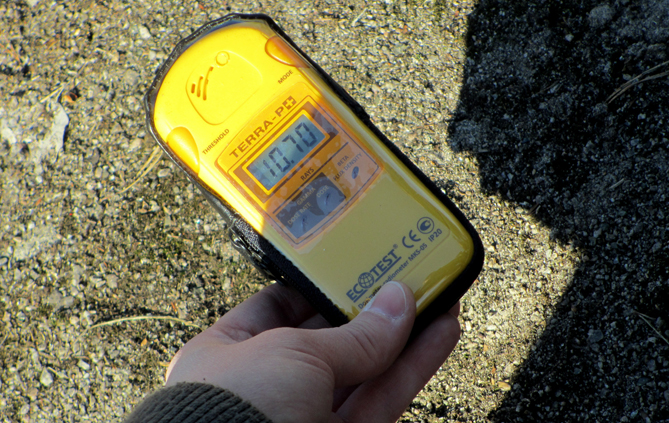
Despite visitors having to carry a Geiger counter to check radiation levels as they explore the site, Ukrainian President, Volodymyr Zelensky wants to “shake the dark tourist association” of Chernobyl and for the site to be recognised as a legitimate tourist attraction. Subsequently, the President has announced plans to implement an electronic ticketing system, relax restrictions for filming inside the exclusion zone and build safe walking trails in and around the area.
Rik Brinks, co-founder of tour operator, Culture Road, takes intrepid travellers to “places your mother wouldn’t want you to visit,” has noticed a spike in interest.
“Interest in visits to Chernobyl is up by 30 per cent,” he says. “The HBO series on Chernobyl has had a big impact, as has Dark Tourist. People want to visit because it’s an interesting place. They like the whole story and the mystery. It’s intriguing and feels like stepping back in time to the Soviet era. Everything is how people had left it and the tragedy is palpable. The empty streets and houses have a spooky, eerie atmosphere.”
Although visitors need to make the call on whether they are comfortable with the site’s radiation levels, Chernobyl, on the whole, is no longer deemed dangerous and isn’t difficult to visit politically, or logistically, unlike some of the other places which Culture Road visits, including Afghanistan and North Korea, which are widely regarded as two of the hardest countries in the world to access. Anyone wanting to visit needs to use a tour operator to sort out tickets, visas, logistics, accommodation and travel.
Border crossing The Beijing-based, Koryo Tours, was founded as a result of interest in travel to North Korea, and takes around 1800 visitors to the closed-off country each year: “Prior to a visit, you might imagine that it’s full of government spies, but although it’s tightly controlled, the government is unconcerned about the tourism industry as it’s so small,” says Koryo Tours general manager, Simon Cockerell. “If you like certainty and accurate answers then it’s not the place to go. If you can embrace the complex and confusing, you might enjoy it. The tours appeal to a variety of people – open-minded and worldly travellers. Most go as part of a wider tour, but we’ve taken people who fly half the way around the world for two days in North Korea.
“People have very low expectations, and find it’s less monotone than they think it will be. North Koreans have no real first-hand experience of the outside world, as the news is biased propaganda. I like the fact that we can present an alternative to that, albeit with a small number of people, in a brief way.”
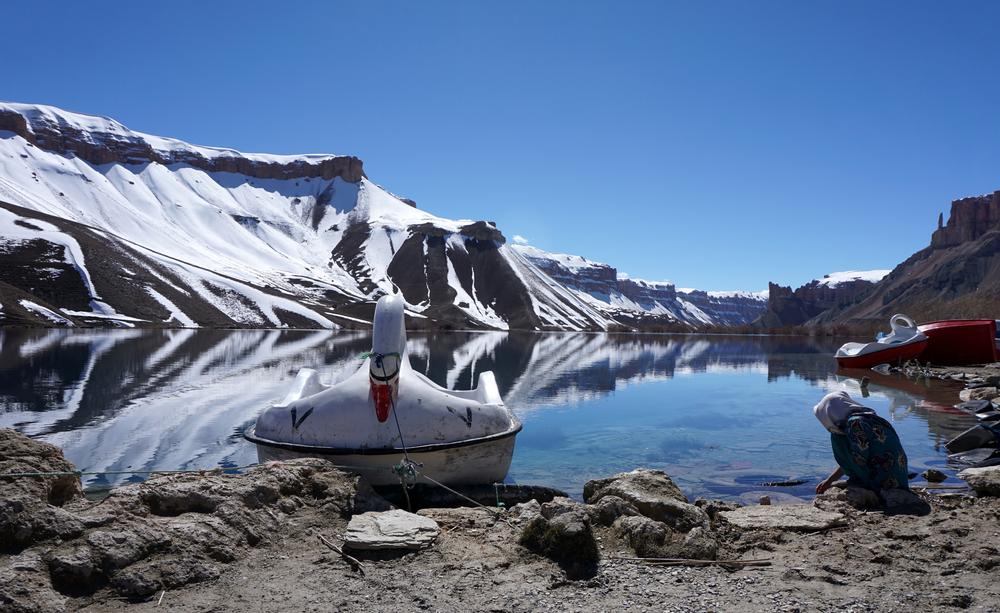
Brinks agrees that even the edgiest of destinations are frequently surprising: “Very often places are not as you would expect. North Korea has a hot climate and is full of nice people just getting on with their lives and Afghanistan is really beautiful and full of friendly people.”
Going forward, it looks likely that dark tourism will continue to grow, with a continual proliferation of experiences. Brinks believes there is plenty of scope for this niche and is currently working on tours to other edgy locations, such as Haiti and Angola. Fry predicts the trend will continue, with more specific categories to be recognised, such as dark heritage tourism.
Chernobyl
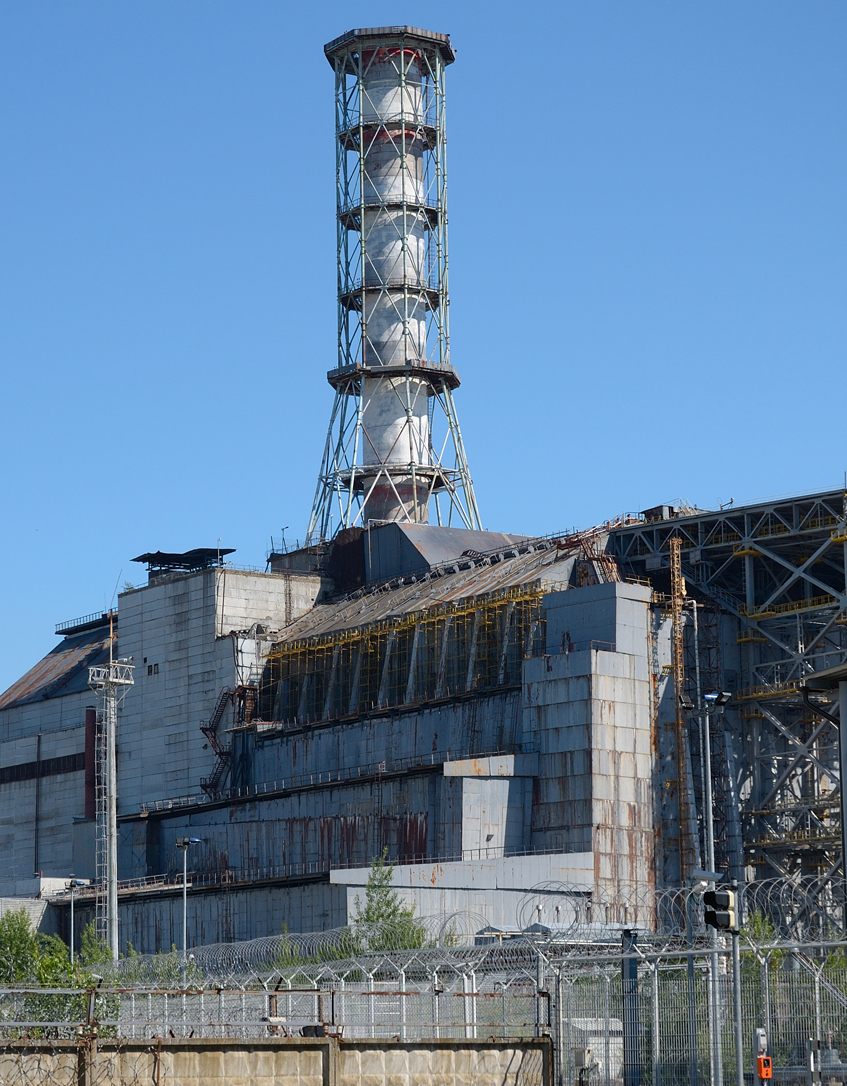
In April 1986 one of the biggest nuclear disasters in history happened in Chernobyl. The explosion was caused during an overnight test of the reactor’s emergency water cooling system. Steam built up and blew through the reactor’s 1,000-ton lid, exposing the core to oxygen which caused the graphite rods, used to control reactions, to catch fire and spark a second explosion.
The initial disaster killed around 30 people, but thousands more contracted serious health problems or suffered premature deaths, including decades of ongoing problems including birth defects. An exclusion zone of 30km (18.6m) around the plant was set up. The 116,000 people living in the area were forced to evacuate. More people from surrounding villages left shortly after.
Although it is now illegal to live inside the exclusion zone, around 150 people have continued to stay there, mainly farming ancestral lands.
At the time, scientists predicted that the exclusion zone around the power plant would not be fully safe for human habitation for another 20,000 years. Radiation levels in soil, trees, plants and animals in and around the exclusion zone have been monitored ever since.
Ukranian authorities deemed the exclusion zone was safe to visit for short amounts of time in 2011 – 25 years on from the disaster.
The Ukranian Institute of Agricultural Radiology says there is no longer a risk of radiation in the atmosphere, but in some areas, soil contamination could pose a threat to health. The team recently found dangerous levels of radioactive caesium-137 in cow’s milk produced outside of the exclusion zone.
With more than three decades without human interference, the exclusion zone has been taken over by nature, with the thriving wildlife one of the main draws for visiting tourists.
Despite the dangers of radiation, people are now starting to settle close to the exclusion zone. The property is cheap and many people are fleeing war, which they feel is a much more serious and immediate threat.
Visitors to the Chernobyl exclusion zone must carry a Geiger counter at all times
Chernobyl is considered the worst nuclear disaster in history
Dark tourism sites around the world
Andrew Fry has collated a list of attractions or sites deemed to fall under the banner of dark tourism. These include:
• Entertainment-based attractions
The London Dungeon, UK
Dracula’s Castle – Bran Castle, Transylvania, Romania
• War and conflict sites
Belchite, Saragoca, Spain
Gallipoli Campaign, Turkey
Arlington National Cemetery, Virginia, USA
Battle of Waterloo, Waterloo, Belgium
Battle of Hastings, Hastings, UK
Battle of Falkirk, Falkirk, UK
• Holocaust sites
Auschwitz concentration camp, Poland
Anne Frank House, Prinsengracht, Amsterdam, Netherlands
• Incarceration/prison sites
Hoa Lo Prison, Hanoi, Vietnam
Alcatraz Federal Penitentiary, San Francisco, US
Robben Island Prison, Cape Town, South Africa
Missouri State Penitentiary, Jefferson City Missouri, US
• Genocide sites
Kigali Genocide, Memorial Centre, Rwanda
Museum of Genocide Victims, Vilnius, Lithuania
Tuol Sleng Museum, Phnom Penh, Cambodia
• Slavery and Atlantic trade sites
House of Slaves, Dakar, Senegal
Kunta Kinteh Island, Gambia
Badagry Slave Museum, Badagry, Nigeria
• Sites of natural devastation and disaster
Pompeii, Naples, Italy
Mount Merapi, Java, Indonesia
The eruption of Eyjafjallajökull, Iceland
• Burial sites/cemeteries
Chapel of Bones, Évora, Portugal
Sedlec Ossuary, Sledec. Czech Republic
Paris Catacombs, Paris, France
Père – Lachaise, Paris, France
• Plantation sites
Laura Plantation, Louisiana, US
Nottoway Plantation, White Castle, US
Oak Alley Plantation, Louisiana, US
• Sites of mass or individual murder
Jack the Ripper Tours, London, UK
Helter Skelter Tour, Las Angeles, US
Jeffrey Dahmer Tour, Milwaukee, US
• Communism and its legacy
Soviet War Memorial, Budapest, Hungary
Museum of Communism, Prague, Czech Republic
Memorial of the Victims of Communism and of the Resistance, Sighetu Marmatiei, Romania
• Terrorism sites
Ground Zero - The National September 11 Memorial, New York, US
Oklahoma City National Memorial & Museum, Oklahoma, US
Pan Am Flight 103, Lockerbie, UK
• Man-made disasters
Chernobyl Disaster, Pripyat, Ukraine
Titanic Belfast, Belfast, Northern Ireland
Hiroshima Peace Memorial Park, Hiroshima, Japan
• Suicide
The Suicide Forest, Mount Fuji, Japan
• Death sites of famous people
Princess Diana, Alma Bridge, Paris, France
JFK Assassination, Dallas, Texas, US
John Lennon, New York City, US
• Ghost tours
Hothell, Porto, Portugal
Island of the Dolls, Mexico City, Mexico
Leap Castle, Coolderry County Offaly, Ireland
Bodmin Jail, Bodmin, UK
• Witch trial sites
Salem Witch Museum, Massachusetts, US
Old Town Hall, Salem, Massachusetts, US
Pendle Hill, Lancashire, UK
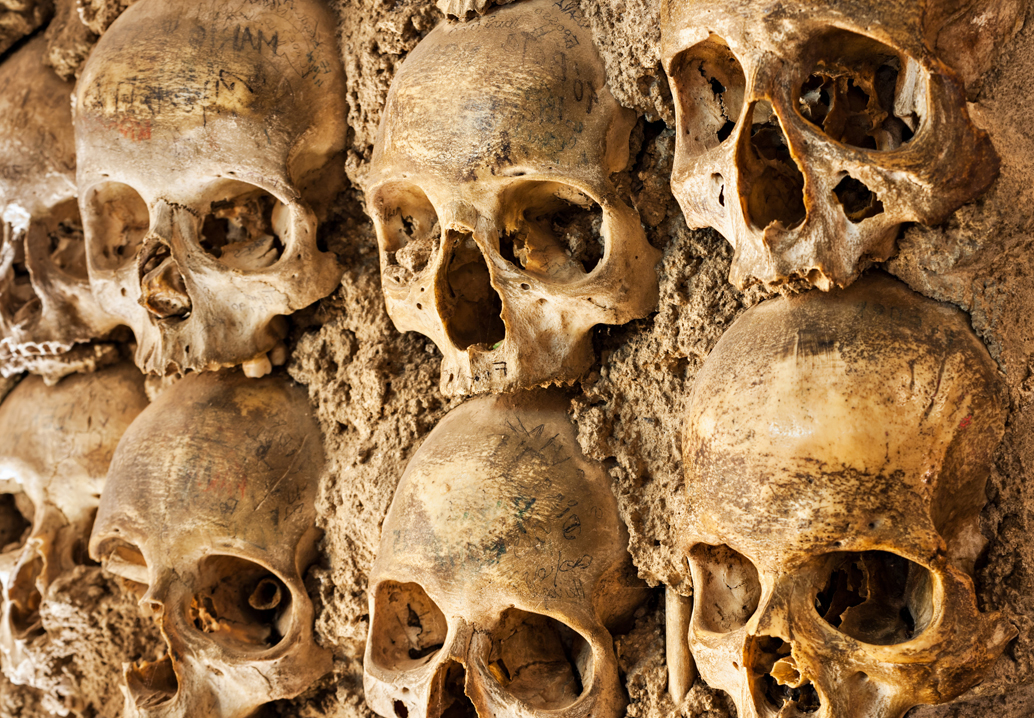
The macabre Chapel of Bones is a popular tourist destination in Portugal
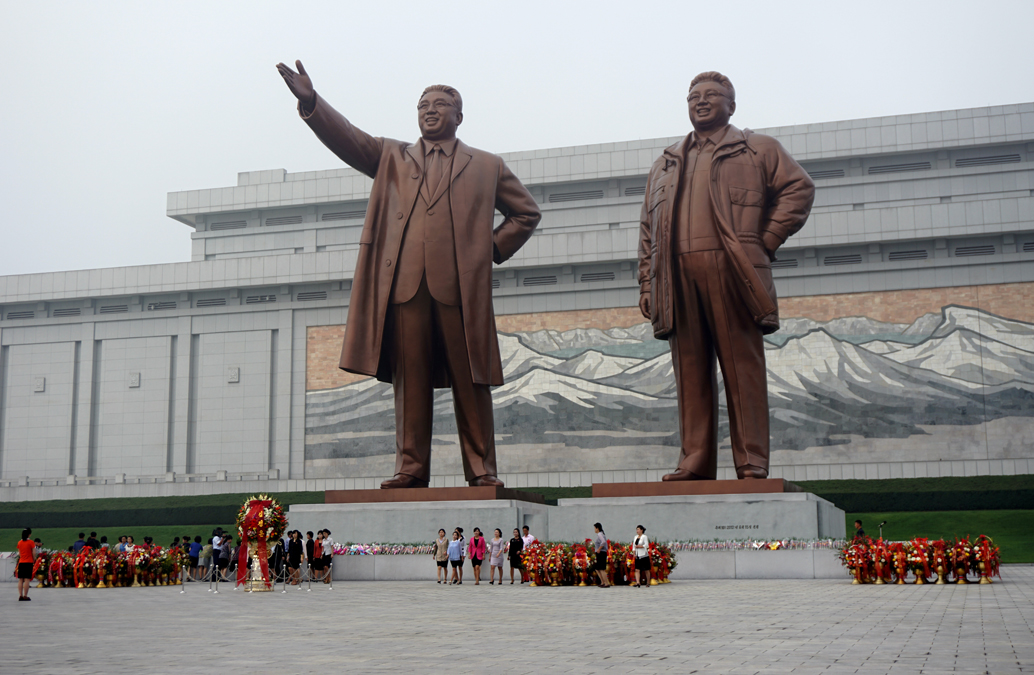
The secretive nation of North Korea is a draw to dark tourists
Read more from this issue of Spa Business magazine
People profile: Tom Hennes
Tom Hennes discusses how he has transformed the Empire State Building's visitor experience
People profile: Dimitrios Pandermalis
The Acropolis Museum has just celebrated its 10-year anniversary. Its president, Dimitrios Pandermalis, talks about his plans to take the museum forward in the next decade and beyond
People profile: Gus Antorcha
SeaWorld's new CEO Gus Antorcha on the company's new direction as it starts to recover following several years of turmoil
Museums: A museum in motion
The Australian Centre for the Moving Image
is undergoing a AUS$40m renewal. CEO
Katrina Sedgwick talks about the plans
Tourism: The dark side
With locations like Chernobyl increasing
in popularity, Kath Hudson looks at the
dark side of the global tourism sector
Promotional feature: Whitewater
WhiteWater thinks outside the box to create memorable,
immersive experiences that go beyond the thrill
Rides: Monsters, myths and motorbikes
We take a look at some of the biggest ride
openings for visitor attractions worldwide,
including Universal’s new Hagrid coaster
Promotional feature: OurPeople
Home to the world-revered peppa pig world and welcoming more than one
million visitors every year, paultons park was voted Tripadvisor’s number
one UK amusement park for the fourth year running in 2019
In the fast-paced world of fitness and wellness, where high-intensity workouts push us to
our limits and the sweat pours, the importance of efficient recovery cannot be overstated. [more...]
The Spa Life UK Convention returns from 21–23 June 2026 at Whittlebury Park Hotel, Spa &
Golf Resort, bringing together spa managers, directors and owners for two days of focused
education, meaningful connection and commercial insight. [more...]
+ More featured suppliers
COMPANY PROFILES
Omnisens
Rooted in nature and guided by a holistic philosophy, Omnisens' treatments and products are crafted [more...]
To varying degrees, humans have historically been fascinated by death, drawn to the macabre and enjoy being scared, all of which is helping to fuel dark tourism. Kath Hudson finds out what it’s all about...
By Kath Hudson | Published in Attractions Management 2019 issue 3
You don’t have to visit a war zone or a former concentration camp to be a dark tourist.
Everyone has a bit of a dark tourist in them: who wouldn’t visit Pompeii if they were going to Naples or seek out Berlin Wall remnants during a visit to the city?
This type of travel is growing exponentially and encompasses everything from war museums and memorials, to places where both man-made and natural disasters have taken place, creating an unlikely link between trauma and tourism.
The dark tourist Before the 9/11 tragedy, the World Trade Centre’s observation deck drew around 1.8 million visitors annually. This number has doubled since it has become the Ground Zero memorial. The notorious Polish concentration camp, Auschwitz, has seen also visits rise from 500,000 people in 2001, to 1.5 million in 2014.
“There’s definitely a crossover between dark tourism and heritage tourism, but we’re seeing an explosion of niche markets in tourism and dark tourism is one of those,” says Andrew Fry, a lecturer researching the subject at the University of Plymouth. “Everyone’s motives are different. Some tourists may have a curiosity about the unusual and death, some are attracted to horror. For others, it can be voyeuristic or a desire for empathy with the victims of atrocity and suffering.
“However, more recently, we’re seeing that tourists want an authentic experience and for those who are seeking authenticity, their motivations include seeking the truth in pursuit of knowledge and social responsibilities, such as not being forgotten or making the same mistakes.”
David Farrier, a journalist from New Zealand, filmed the Netflix series Dark Tourist, to explore the subject. The eight-episode series took him to ghost towns deserted after disasters, a radioactive lake in Kazakhstan and Japan’s ‘suicide forest’. Farrier said part of the appeal was to challenge his fears and preconceptions while offering escapism and satisfying his curiosity. His trips, he said, made him realise how good he has it at home.
Nuclear tours Chernobyl, the Ukranian site of the 1986 nuclear disaster is one site which is currently experiencing massive growth in popularity, thanks partly to the eponymous HBO series, which tells the story behind the horrific tragedy.
The former nuclear power station has been open to the public since 2011 and this year, tour operators predict visits will more than double to 150,000 people.
Despite visitors having to carry a Geiger counter to check radiation levels as they explore the site, Ukrainian President, Volodymyr Zelensky wants to “shake the dark tourist association” of Chernobyl and for the site to be recognised as a legitimate tourist attraction. Subsequently, the President has announced plans to implement an electronic ticketing system, relax restrictions for filming inside the exclusion zone and build safe walking trails in and around the area.
Rik Brinks, co-founder of tour operator, Culture Road, takes intrepid travellers to “places your mother wouldn’t want you to visit,” has noticed a spike in interest.
“Interest in visits to Chernobyl is up by 30 per cent,” he says. “The HBO series on Chernobyl has had a big impact, as has Dark Tourist. People want to visit because it’s an interesting place. They like the whole story and the mystery. It’s intriguing and feels like stepping back in time to the Soviet era. Everything is how people had left it and the tragedy is palpable. The empty streets and houses have a spooky, eerie atmosphere.”
Although visitors need to make the call on whether they are comfortable with the site’s radiation levels, Chernobyl, on the whole, is no longer deemed dangerous and isn’t difficult to visit politically, or logistically, unlike some of the other places which Culture Road visits, including Afghanistan and North Korea, which are widely regarded as two of the hardest countries in the world to access. Anyone wanting to visit needs to use a tour operator to sort out tickets, visas, logistics, accommodation and travel.
Border crossing The Beijing-based, Koryo Tours, was founded as a result of interest in travel to North Korea, and takes around 1800 visitors to the closed-off country each year: “Prior to a visit, you might imagine that it’s full of government spies, but although it’s tightly controlled, the government is unconcerned about the tourism industry as it’s so small,” says Koryo Tours general manager, Simon Cockerell. “If you like certainty and accurate answers then it’s not the place to go. If you can embrace the complex and confusing, you might enjoy it. The tours appeal to a variety of people – open-minded and worldly travellers. Most go as part of a wider tour, but we’ve taken people who fly half the way around the world for two days in North Korea.
“People have very low expectations, and find it’s less monotone than they think it will be. North Koreans have no real first-hand experience of the outside world, as the news is biased propaganda. I like the fact that we can present an alternative to that, albeit with a small number of people, in a brief way.”
Brinks agrees that even the edgiest of destinations are frequently surprising: “Very often places are not as you would expect. North Korea has a hot climate and is full of nice people just getting on with their lives and Afghanistan is really beautiful and full of friendly people.”
Going forward, it looks likely that dark tourism will continue to grow, with a continual proliferation of experiences. Brinks believes there is plenty of scope for this niche and is currently working on tours to other edgy locations, such as Haiti and Angola. Fry predicts the trend will continue, with more specific categories to be recognised, such as dark heritage tourism.
Chernobyl
In April 1986 one of the biggest nuclear disasters in history happened in Chernobyl. The explosion was caused during an overnight test of the reactor’s emergency water cooling system. Steam built up and blew through the reactor’s 1,000-ton lid, exposing the core to oxygen which caused the graphite rods, used to control reactions, to catch fire and spark a second explosion.
The initial disaster killed around 30 people, but thousands more contracted serious health problems or suffered premature deaths, including decades of ongoing problems including birth defects. An exclusion zone of 30km (18.6m) around the plant was set up. The 116,000 people living in the area were forced to evacuate. More people from surrounding villages left shortly after.
Although it is now illegal to live inside the exclusion zone, around 150 people have continued to stay there, mainly farming ancestral lands.
At the time, scientists predicted that the exclusion zone around the power plant would not be fully safe for human habitation for another 20,000 years. Radiation levels in soil, trees, plants and animals in and around the exclusion zone have been monitored ever since.
Ukranian authorities deemed the exclusion zone was safe to visit for short amounts of time in 2011 – 25 years on from the disaster.
The Ukranian Institute of Agricultural Radiology says there is no longer a risk of radiation in the atmosphere, but in some areas, soil contamination could pose a threat to health. The team recently found dangerous levels of radioactive caesium-137 in cow’s milk produced outside of the exclusion zone.
With more than three decades without human interference, the exclusion zone has been taken over by nature, with the thriving wildlife one of the main draws for visiting tourists.
Despite the dangers of radiation, people are now starting to settle close to the exclusion zone. The property is cheap and many people are fleeing war, which they feel is a much more serious and immediate threat.
Visitors to the Chernobyl exclusion zone must carry a Geiger counter at all times
Chernobyl is considered the worst nuclear disaster in history
Dark tourism sites around the world
Andrew Fry has collated a list of attractions or sites deemed to fall under the banner of dark tourism. These include:
• Entertainment-based attractions
The London Dungeon, UK
Dracula’s Castle – Bran Castle, Transylvania, Romania
• War and conflict sites
Belchite, Saragoca, Spain
Gallipoli Campaign, Turkey
Arlington National Cemetery, Virginia, USA
Battle of Waterloo, Waterloo, Belgium
Battle of Hastings, Hastings, UK
Battle of Falkirk, Falkirk, UK
• Holocaust sites
Auschwitz concentration camp, Poland
Anne Frank House, Prinsengracht, Amsterdam, Netherlands
• Incarceration/prison sites
Hoa Lo Prison, Hanoi, Vietnam
Alcatraz Federal Penitentiary, San Francisco, US
Robben Island Prison, Cape Town, South Africa
Missouri State Penitentiary, Jefferson City Missouri, US
• Genocide sites
Kigali Genocide, Memorial Centre, Rwanda
Museum of Genocide Victims, Vilnius, Lithuania
Tuol Sleng Museum, Phnom Penh, Cambodia
• Slavery and Atlantic trade sites
House of Slaves, Dakar, Senegal
Kunta Kinteh Island, Gambia
Badagry Slave Museum, Badagry, Nigeria
• Sites of natural devastation and disaster
Pompeii, Naples, Italy
Mount Merapi, Java, Indonesia
The eruption of Eyjafjallajökull, Iceland
• Burial sites/cemeteries
Chapel of Bones, Évora, Portugal
Sedlec Ossuary, Sledec. Czech Republic
Paris Catacombs, Paris, France
Père – Lachaise, Paris, France
• Plantation sites
Laura Plantation, Louisiana, US
Nottoway Plantation, White Castle, US
Oak Alley Plantation, Louisiana, US
• Sites of mass or individual murder
Jack the Ripper Tours, London, UK
Helter Skelter Tour, Las Angeles, US
Jeffrey Dahmer Tour, Milwaukee, US
• Communism and its legacy
Soviet War Memorial, Budapest, Hungary
Museum of Communism, Prague, Czech Republic
Memorial of the Victims of Communism and of the Resistance, Sighetu Marmatiei, Romania
• Terrorism sites
Ground Zero - The National September 11 Memorial, New York, US
Oklahoma City National Memorial & Museum, Oklahoma, US
Pan Am Flight 103, Lockerbie, UK
• Man-made disasters
Chernobyl Disaster, Pripyat, Ukraine
Titanic Belfast, Belfast, Northern Ireland
Hiroshima Peace Memorial Park, Hiroshima, Japan
• Suicide
The Suicide Forest, Mount Fuji, Japan
• Death sites of famous people
Princess Diana, Alma Bridge, Paris, France
JFK Assassination, Dallas, Texas, US
John Lennon, New York City, US
• Ghost tours
Hothell, Porto, Portugal
Island of the Dolls, Mexico City, Mexico
Leap Castle, Coolderry County Offaly, Ireland
Bodmin Jail, Bodmin, UK
• Witch trial sites
Salem Witch Museum, Massachusetts, US
Old Town Hall, Salem, Massachusetts, US
Pendle Hill, Lancashire, UK
The macabre Chapel of Bones is a popular tourist destination in Portugal
The secretive nation of North Korea is a draw to dark tourists
Read more from this issue of Spa Business magazine
People profile: Tom Hennes
Tom Hennes discusses how he has transformed the Empire State Building's visitor experience
People profile: Dimitrios Pandermalis
The Acropolis Museum has just celebrated its 10-year anniversary. Its president, Dimitrios Pandermalis, talks about his plans to take the museum forward in the next decade and beyond
People profile: Gus Antorcha
SeaWorld's new CEO Gus Antorcha on the company's new direction as it starts to recover following several years of turmoil
Museums: A museum in motion
The Australian Centre for the Moving Image
is undergoing a AUS$40m renewal. CEO
Katrina Sedgwick talks about the plans
Tourism: The dark side
With locations like Chernobyl increasing
in popularity, Kath Hudson looks at the
dark side of the global tourism sector
Promotional feature: Whitewater
WhiteWater thinks outside the box to create memorable,
immersive experiences that go beyond the thrill
Rides: Monsters, myths and motorbikes
We take a look at some of the biggest ride
openings for visitor attractions worldwide,
including Universal’s new Hagrid coaster
Promotional feature: OurPeople
Home to the world-revered peppa pig world and welcoming more than one
million visitors every year, paultons park was voted Tripadvisor’s number
one UK amusement park for the fourth year running in 2019
Global Wellness Day (GWD) marked its 15th anniversary on Saturday 13 June 2026, with the
theme: #JoyMagenta – a celebration of the healing qualities of simple gestures and activities
that spark joy.
Global luxury hospitality brand, Six Senses, has partnered with longevity healthcare provider,
HUM2N, to launch a clinic at Six Senses London, at The Whiteley.
As part of its first hotel partnership, Mayrlife – the medical health resort company known for its
site in Altaussee, Austria – has launched a day clinic at the Rosewood Vienna.
Premium London health club, KX Chelsea, will imminently unveil its most significant
redevelopment since its launch in 2002 to create an integrated wellness model combining
training, recovery and relaxation.
Rosewood Le Guanahani St Barth, on the northeast coast of Saint Barthélemy in the French
West Indies, is offering a programme of ocean-inspired yoga classes between 8-14 June to
celebrate Global Wellness Day (GWD).
Hotel de France, located on the British Isle of Jersey, has created a wellness retreat package
that includes a hot yoga session that will take place in Jersey Zoo’s butterfly sanctuary.
The Ritz-Carlton, Langkawi, in Malaysia, has revealed a schedule for Global Wellness Day
(GWD) that includes guided rainforest walks, mindful movement and guided coastal meditation
experiences.
Longevitix, a clinical platform for preventive and longevity medicine, has launched its AI-
powered intelligence system to help physicians deliver continuous, personalised longevity-
focused care at scale.
Atmantan Wellness Centre, an integrative wellness destination in Mulshi, near Pune in India, is
expanding its portfolio by adding a new centre in Hyderabad that will launch between 2028 and
2029.
In the fast-paced world of fitness and wellness, where high-intensity workouts push us to
our limits and the sweat pours, the importance of efficient recovery cannot be overstated. [more...]
The Spa Life UK Convention returns from 21–23 June 2026 at Whittlebury Park Hotel, Spa &
Golf Resort, bringing together spa managers, directors and owners for two days of focused
education, meaningful connection and commercial insight. [more...]
+ More featured suppliers
COMPANY PROFILES
Omnisens Rooted in nature and guided by a holistic philosophy, Omnisens' treatments and products are crafted [more...]