Yes! Send me the FREE digital editions of Spa Business and Spa Business insider magazines and the FREE weekly Spa Business and Spa Business insider ezines and breaking news alerts!
In lockdown two of Resense’s spas hit revenue targets even though
one was shut. The COO tells Megan Whitby how and about the other
successful ways it’s navigating the pandemic with its 33 spas
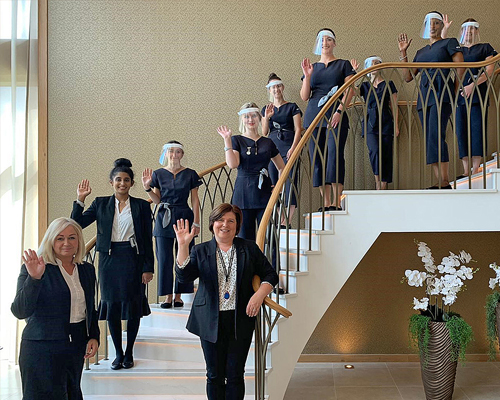
Resense manages 33 spas across four continents and 22 of them have now reopened
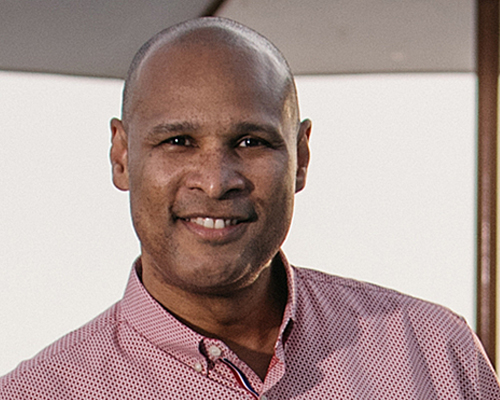
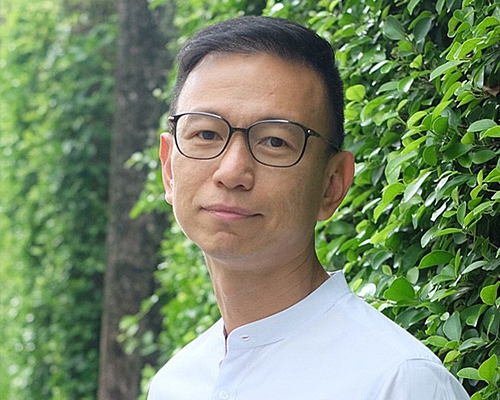
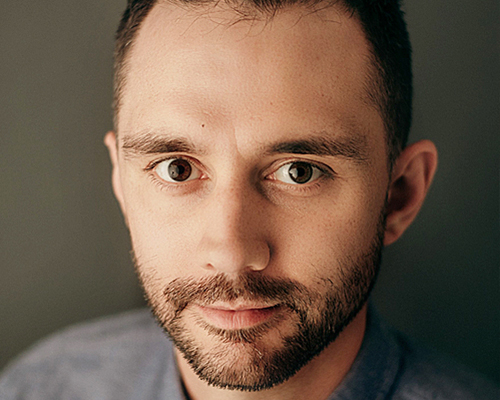
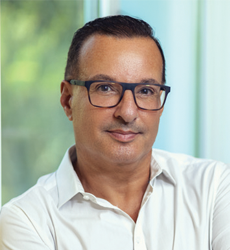
In 2019 Emma Darby was appointed as Resense’s chief operating officer. In 2020, she faced the challenge of guiding the business through a global pandemic, the likes of which the industry and society has never seen before. Now, she’s in the process of reopening Resense’s 33 spas, spread across four continents, along with launching a vast new integrated fitness and wellness hub in Bangkok. She tell’s Spa Business how she’s applying her 26 years’ experience to keep business moving in the face of the pandemic.
How is business for spas now? In Asia, China is doing well, but other regions need to drive new business channels as they were more reliant on tourists.
In Europe, our spas in resorts are also progressing – achieving budget and showing improvements from the previous year. A couple of city locations are even producing 60 per cent of their 2020 budget.
Interestingly, one of our remote mountain resort spas is 70 per cent occupied during July and August (based on maximum occupancy of the new levels) and has recently been granted an extra 10 per cent occupancy by the government.
In the MENA region, we’ve experienced delays and these projects aren’t yet open.
Overall, the company has reopened 22 destinations and I’m definitely pleased with progress, but I’d recommend others take a measured approach to ensure they don’t rush and make mistakes.
How did two of your Resense spas hit target in April while closed? This refers to two Chinese spas which we’d fortunately already set up with a major online presence through the social media platform, WeChat.
Targets were hit purely through retail and selling advance day passes, as one spa was open and one was closed – the closed site actually only relied on online sales for revenue. The beauty of it was that things could be sold really quickly and then arranged using drop shipping.
Following this success, we’re investigating how to use this in post-opening to continue supporting revenue. For example, we’re looking at different apps to give us more exposure.
It’s about building up our local client base and our place in the market, and then holding onto customers with such schemes.
How important are local markets? I really want to emphasise you can’t push out locals for hotel guests – you can’t just dismiss a key market. But, local customers have been crucial for us during COVID-19 and we’ve tried to attract them wherever possible. We like to have 30-40 per cent of business driven by the local market as a baseline, but we have numerous spas with between 60-70 per cent local interest.
Previously in Switzerland, we took over a spa which was originally 30 per cent local, 70 per cent external and we then turned that statistic on its head.
How are you managing to reach out to locals? One of our main methods is social media and apps, but it varies between markets. In the Middle East advertising deals via text message are a lot more successful, whereas in China we use WeChat for sales and in the UK, we use Groupon.
The key is once we get those guests in – even though you may have to negotiate commission with the provider – we incentivise them to come back. They’re a captive audience, and you’ve got to offer them something to capture their interest. This is what I think spas forget. The trick is to do things that won’t really cost you but use it to pad the offer out and keep consumers intrigued.
What packages might you offer to encourage regular custom? We’ve gone for traditional back to wellness packages, dependent on each market, and tried to combine something popular with something that isn’t so in-demand.
We looked at pre-sales and day passes to create packages which offer discounted treatments and products, or sometimes offering solely discounted retail vouchers. It’s been a process of combining things and judging the demand and reception.
However, in Europe we can’t yet build a relationship with the local spa market because hotels are at full occupancy already. So in some places we have shelved everything for the local market until later on in August and September.
What’s worked during reopening? Communication has been key because every market is different and has individual requirements, plus we’re facing daily changes to regulations. But our on-site teams have been fantastic. They’ve worked well with the Resense [head office] team and have been supportive of each other, detailing operational challenges and successes when they’ve opened before other markets.
Training has also underpinned reopening, as we spent time educating our staff on how to receive returning guests and anticipate their new needs, which has really paid off. They all received a COVID-19 handbook and workbook to help prepare them for upcoming challenges and we’ve had really positive feedback from guests.
For us the pandemic has a silver lining as it’s been great for the development of spa managers. They may have been used to having 80 per cent occupancy in their spa, but COVID-19 has completely pulled the rug out from under them and now they need to look into understanding and attracting different markets.
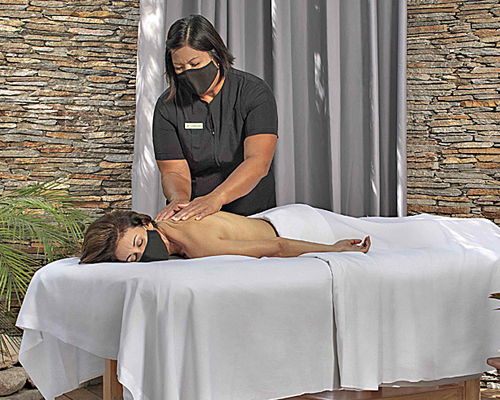
What’s not been working so well? PPE is a new challenge which brings an added cost and pressure for therapists. For example, in Jordan it’s been challenging because there are strict PPE regulations which ask a lot of therapists to wear a full surgical mask, visor, gloves and gown.
What’s surprised you? In China, the revenue has been coming in steadily, however one spa is drawing revenue from a completely different place than I expected. We’ve seen a surge in couples treatments and facials – a treatment the whole industry seems to be expecting to put on hold.
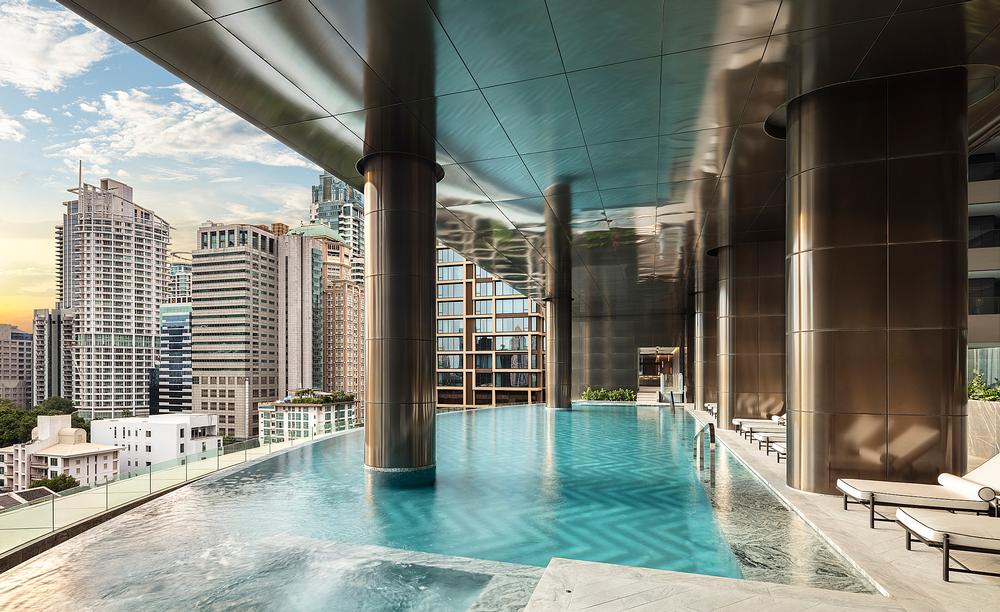
What can you tell us about your latest opening Sindhorn Wellness? It will take the concept of health and wellness in Asia to new heights and we’ve spent two years planning it. It’s spread across 4,000sq m, over three floors at the new Sindhorn Kempinski Hotel in Bangkok.
A wellness concierge will create personalised plans, taking the extensive services on offer into consideration.
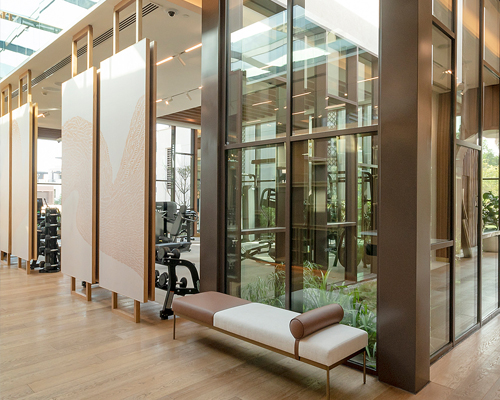
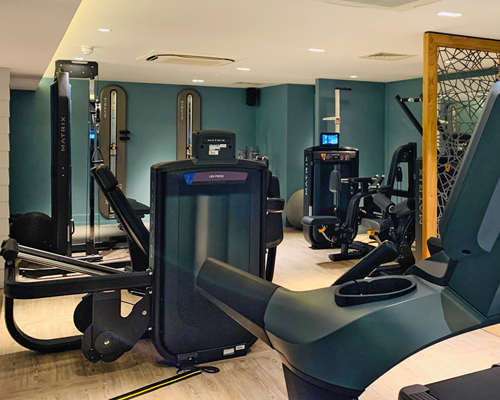
Fitness is a major focus and there’s a two-floor workout facility which has just opened with a boutique gym, six studios and 3d-scanning and body composition equipment. High-tech workouts include HIIT training and Les Mills to the latest CrossFit and virtual class systems.
The 26-treatment-room spa will launch later this year and has been inspired by world-leading wellbeing destinations. It will offer advanced therapies focused on detoxification, rejuvenation and prevention.
Where do you see future industry growth and opportunities? Medi-wellness will be popular, especially because of the sanitation and clinical appeal following COVID-19. But it was already gaining speed well before the pandemic, as it was becoming more mainstream and thus affordable and available. Combine this with the fact people are going to be more focused on their own health, and we’re set for a surge in demand in this area.
Resense has some medi-wellness projects on the table and I’m excited to see how they take off and how this trend develops in future but, personally, I never want to pin myself down to something. Ultimately, my advice would be to remain positive, realistic and open to change.
"Local customers have been crucial... we attract them mostly via social media and apps" – Emma Darby
• Megan Whitby is a writer
at Spa Business magazine
Read more from this issue of Spa Business magazine
View contents of Spa Business 2020 issue 3
Editor's letter: The fight ahead
There’s a huge job of work to do to build our reputation and win support in the corridors of power, says Katie Barnes
Spa people: Patrick Huey
The vice-president of spa and retail at Montage talks about his new role as ISPA chair, Black Lives Matter and how his spas are fighting back against COVID-19
Spa people: Rianna Riego
Wellness consultant Rianna Riego speaks out about racial discrimination in the global spa industry
Spa people: Anna Teal
The CEO of Aromatherapy Associates outlines the online innovations it's using to connect with customers in exciting new ways
Spa programmes: On the menu
How are spas changing their treatments and services now they’re staring to reopen again?
Interview: Lee Woon Hoe
Banyan Tree’s executive director of wellbeing tells Spa Business magazine why now is the right time for the group to launch its new wellness concept
Ask an expert: Spa design 2030
Spa Business magazine asks leading designers and architects to give their predictions about pandemic-proof spa models
Promotion: Trendsetting
Design specialists, The Wellness, worked with in-house engineers for Jumeirah to create a state-of-the-art gym for Talise Fitness at the Jumeirah Al Naseem in Dubai
Research: Manner of speaking
ISPA’s latest study reveals consumer attitudes in the aftermath of COVID-19. Josh Corman picks out the key details
Research: New perspectives
Two surveys in the UK highlight both spa operator and spa-goer insights as facilities across the country begin to welcome guests back
Promotion: The power of touchless
Spa and wellness innovator, Sammy Gharieni, reveals how his on-trend products are perfect for delivering high-value touchless treatments
Country focus: Best of British
We take a look at the standout concepts offered in the world-class spas that have opened in the UK over the last three years
Promotion: Sustain and regenerate
Sustainable skincare brand, Comfort Zone, has radically reinvented its entire Sacred Nature line, driven by the ambition to create some of the world’s first carbon-negative products
Interview: Emma Darby
Despite closing during in lockdown, some Resense spas still hit revenue targets. Its COO tells Spa Business magazine how
Promotion: Redefining the snowroom
Italian snowroom expert, TechnoAlpin, has collaborated with groundbreaking architectural practice, Snøhetta, to create a snowroom like no other
Medi-wellness: On good termes
Italy’s Long Life clinic, which offers anti-ageing science alongside water cures, is gaining greater attention post-lockdown. Sophie Benge pays a visit
Supplier showcase: Premium Fitness
Dormy House has partnered with Matrix Fitness to create two fully-connected fitness suites to take its offering to a new and more sophisticated level @DormyHouse @MatrixFitnessUK
Promotion: Sothys
Sothys’ beauty treatment designer, Séverine Monjanel, and training director, Isabelle Villey, talk to Spa Business about the company’s new authentic ancestral Indonesian treatment
Contrast therapy, based on the alternation of hot and cold rituals, has become one of the
most valued practices in the fields of wellness and recovery. [more...]
The MSpa Oslo series is a perennial bestseller in global markets. With innovative
engineering and premium performance, this completely portable spa line-up is expertly
designed to meet the needs of customers worldwide. [more...]
+ More featured suppliers
COMPANY PROFILES
Lemi Group
Lemi Group designs and produces treatment tables, chairs and multi-functional furniture and equipmen [more...]
RKF Luxury Linen
RKF Luxury Linen, established in the East of France for several decades, owns an artisanal know-how [more...]
In lockdown two of Resense’s spas hit revenue targets even though
one was shut. The COO tells Megan Whitby how and about the other
successful ways it’s navigating the pandemic with its 33 spas
Resense manages 33 spas across four continents and 22 of them have now reopened
In 2019 Emma Darby was appointed as Resense’s chief operating officer. In 2020, she faced the challenge of guiding the business through a global pandemic, the likes of which the industry and society has never seen before. Now, she’s in the process of reopening Resense’s 33 spas, spread across four continents, along with launching a vast new integrated fitness and wellness hub in Bangkok. She tell’s Spa Business how she’s applying her 26 years’ experience to keep business moving in the face of the pandemic.
How is business for spas now? In Asia, China is doing well, but other regions need to drive new business channels as they were more reliant on tourists.
In Europe, our spas in resorts are also progressing – achieving budget and showing improvements from the previous year. A couple of city locations are even producing 60 per cent of their 2020 budget.
Interestingly, one of our remote mountain resort spas is 70 per cent occupied during July and August (based on maximum occupancy of the new levels) and has recently been granted an extra 10 per cent occupancy by the government.
In the MENA region, we’ve experienced delays and these projects aren’t yet open.
Overall, the company has reopened 22 destinations and I’m definitely pleased with progress, but I’d recommend others take a measured approach to ensure they don’t rush and make mistakes.
How did two of your Resense spas hit target in April while closed? This refers to two Chinese spas which we’d fortunately already set up with a major online presence through the social media platform, WeChat.
Targets were hit purely through retail and selling advance day passes, as one spa was open and one was closed – the closed site actually only relied on online sales for revenue. The beauty of it was that things could be sold really quickly and then arranged using drop shipping.
Following this success, we’re investigating how to use this in post-opening to continue supporting revenue. For example, we’re looking at different apps to give us more exposure.
It’s about building up our local client base and our place in the market, and then holding onto customers with such schemes.
How important are local markets? I really want to emphasise you can’t push out locals for hotel guests – you can’t just dismiss a key market. But, local customers have been crucial for us during COVID-19 and we’ve tried to attract them wherever possible. We like to have 30-40 per cent of business driven by the local market as a baseline, but we have numerous spas with between 60-70 per cent local interest.
Previously in Switzerland, we took over a spa which was originally 30 per cent local, 70 per cent external and we then turned that statistic on its head.
How are you managing to reach out to locals? One of our main methods is social media and apps, but it varies between markets. In the Middle East advertising deals via text message are a lot more successful, whereas in China we use WeChat for sales and in the UK, we use Groupon.
The key is once we get those guests in – even though you may have to negotiate commission with the provider – we incentivise them to come back. They’re a captive audience, and you’ve got to offer them something to capture their interest. This is what I think spas forget. The trick is to do things that won’t really cost you but use it to pad the offer out and keep consumers intrigued.
What packages might you offer to encourage regular custom? We’ve gone for traditional back to wellness packages, dependent on each market, and tried to combine something popular with something that isn’t so in-demand.
We looked at pre-sales and day passes to create packages which offer discounted treatments and products, or sometimes offering solely discounted retail vouchers. It’s been a process of combining things and judging the demand and reception.
However, in Europe we can’t yet build a relationship with the local spa market because hotels are at full occupancy already. So in some places we have shelved everything for the local market until later on in August and September.
What’s worked during reopening? Communication has been key because every market is different and has individual requirements, plus we’re facing daily changes to regulations. But our on-site teams have been fantastic. They’ve worked well with the Resense [head office] team and have been supportive of each other, detailing operational challenges and successes when they’ve opened before other markets.
Training has also underpinned reopening, as we spent time educating our staff on how to receive returning guests and anticipate their new needs, which has really paid off. They all received a COVID-19 handbook and workbook to help prepare them for upcoming challenges and we’ve had really positive feedback from guests.
For us the pandemic has a silver lining as it’s been great for the development of spa managers. They may have been used to having 80 per cent occupancy in their spa, but COVID-19 has completely pulled the rug out from under them and now they need to look into understanding and attracting different markets.
What’s not been working so well? PPE is a new challenge which brings an added cost and pressure for therapists. For example, in Jordan it’s been challenging because there are strict PPE regulations which ask a lot of therapists to wear a full surgical mask, visor, gloves and gown.
What’s surprised you? In China, the revenue has been coming in steadily, however one spa is drawing revenue from a completely different place than I expected. We’ve seen a surge in couples treatments and facials – a treatment the whole industry seems to be expecting to put on hold.
What can you tell us about your latest opening Sindhorn Wellness? It will take the concept of health and wellness in Asia to new heights and we’ve spent two years planning it. It’s spread across 4,000sq m, over three floors at the new Sindhorn Kempinski Hotel in Bangkok.
A wellness concierge will create personalised plans, taking the extensive services on offer into consideration.
Fitness is a major focus and there’s a two-floor workout facility which has just opened with a boutique gym, six studios and 3d-scanning and body composition equipment. High-tech workouts include HIIT training and Les Mills to the latest CrossFit and virtual class systems.
The 26-treatment-room spa will launch later this year and has been inspired by world-leading wellbeing destinations. It will offer advanced therapies focused on detoxification, rejuvenation and prevention.
Where do you see future industry growth and opportunities? Medi-wellness will be popular, especially because of the sanitation and clinical appeal following COVID-19. But it was already gaining speed well before the pandemic, as it was becoming more mainstream and thus affordable and available. Combine this with the fact people are going to be more focused on their own health, and we’re set for a surge in demand in this area.
Resense has some medi-wellness projects on the table and I’m excited to see how they take off and how this trend develops in future but, personally, I never want to pin myself down to something. Ultimately, my advice would be to remain positive, realistic and open to change.
"Local customers have been crucial... we attract them mostly via social media and apps" – Emma Darby
• Megan Whitby is a writer
at Spa Business magazine
Read more from this issue of Spa Business magazine
View contents of Spa Business 2020 issue 3
Editor's letter: The fight ahead
There’s a huge job of work to do to build our reputation and win support in the corridors of power, says Katie Barnes
Spa people: Patrick Huey
The vice-president of spa and retail at Montage talks about his new role as ISPA chair, Black Lives Matter and how his spas are fighting back against COVID-19
Spa people: Rianna Riego
Wellness consultant Rianna Riego speaks out about racial discrimination in the global spa industry
Spa people: Anna Teal
The CEO of Aromatherapy Associates outlines the online innovations it's using to connect with customers in exciting new ways
Spa programmes: On the menu
How are spas changing their treatments and services now they’re staring to reopen again?
Interview: Lee Woon Hoe
Banyan Tree’s executive director of wellbeing tells Spa Business magazine why now is the right time for the group to launch its new wellness concept
Ask an expert: Spa design 2030
Spa Business magazine asks leading designers and architects to give their predictions about pandemic-proof spa models
Promotion: Trendsetting
Design specialists, The Wellness, worked with in-house engineers for Jumeirah to create a state-of-the-art gym for Talise Fitness at the Jumeirah Al Naseem in Dubai
Research: Manner of speaking
ISPA’s latest study reveals consumer attitudes in the aftermath of COVID-19. Josh Corman picks out the key details
Research: New perspectives
Two surveys in the UK highlight both spa operator and spa-goer insights as facilities across the country begin to welcome guests back
Promotion: The power of touchless
Spa and wellness innovator, Sammy Gharieni, reveals how his on-trend products are perfect for delivering high-value touchless treatments
Country focus: Best of British
We take a look at the standout concepts offered in the world-class spas that have opened in the UK over the last three years
Promotion: Sustain and regenerate
Sustainable skincare brand, Comfort Zone, has radically reinvented its entire Sacred Nature line, driven by the ambition to create some of the world’s first carbon-negative products
Interview: Emma Darby
Despite closing during in lockdown, some Resense spas still hit revenue targets. Its COO tells Spa Business magazine how
Promotion: Redefining the snowroom
Italian snowroom expert, TechnoAlpin, has collaborated with groundbreaking architectural practice, Snøhetta, to create a snowroom like no other
Medi-wellness: On good termes
Italy’s Long Life clinic, which offers anti-ageing science alongside water cures, is gaining greater attention post-lockdown. Sophie Benge pays a visit
Supplier showcase: Premium Fitness
Dormy House has partnered with Matrix Fitness to create two fully-connected fitness suites to take its offering to a new and more sophisticated level @DormyHouse @MatrixFitnessUK
Promotion: Sothys
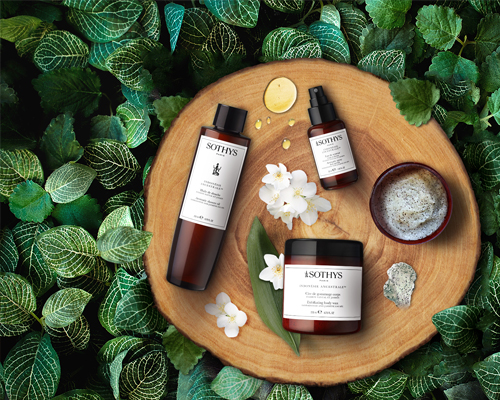
Sothys’ beauty treatment designer, Séverine Monjanel, and training director, Isabelle Villey, talk to Spa Business about the company’s new authentic ancestral Indonesian treatment
Synergy – The Retreat Show, the global trade show for retreats, has launched a global research
initiative that will provide insights into the retreat sector from both consumer and industry
perspectives.
The Wellness Tourism Association (WTA) has published a non-regulatory global industry
framework designed to ensure the retreat market offers responsible experiences.
A new survey of UK and international spa practitioners shows that stress, burnout and
wellbeing concerns have caused one in three respondents to consider leaving the industry.
The UK's four Chief Medical Officers have published a refreshed edition of Physical activity
guidelines: UK Chief Medical Officers' report, updating the evidence that underpins the nation's
physical activity recommendations and placing greater emphasis on strength, balance, reducing
sedentary behaviour and, for the first time, supporting people taking weight loss medications.
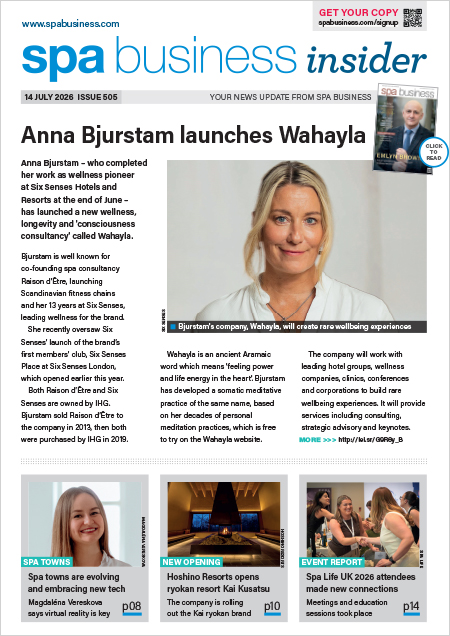
Anna Bjurstam has left her role as Wellness Pioneer at Six Senses Hotels and Resorts and
launched a new wellness, longevity and “consciousness consultancy” called Wahayla.
Fairmont Cheshire, The Mere, has opened today (10 July) in the Northwest of England
with a
1,715sq m Fairmont Spa that has been designed using a ‘Wellness without Walls’
concept.
Wellness hotels generating less than US$1 million (€932,700, £785,200) – or 10 per cent of
total revenue from wellness and leisure – recorded the strongest RevPAR and TRevPAR growth
in 2025 across categories when compared with 2024, according to the latest Wellness Real
Estate Report by RLA Global, produced in partnership with P and L benchmarking firm HotStats.
Lefay Resorts, the portfolio of two luxury wellness properties in Italy, has added emotional
dance classes and group cold plunge sessions in response to market demand for social
connection.
Contrast therapy, based on the alternation of hot and cold rituals, has become one of the
most valued practices in the fields of wellness and recovery. [more...]
The MSpa Oslo series is a perennial bestseller in global markets. With innovative
engineering and premium performance, this completely portable spa line-up is expertly
designed to meet the needs of customers worldwide. [more...]
+ More featured suppliers
COMPANY PROFILES
Lemi Group Lemi Group designs and produces treatment tables, chairs and multi-functional furniture and equipmen [more...]