Story is behind every great attractions experience, but sometimes we forget just how powerful narrative can be. We spoke to literary scholar and author of The Storytelling Animal Jonathan Gottschall, who shared his views on the logic and science of storytelling and the business opportunities it can afford attractions great and small
By Alice Davis | Published in Attractions Management 2014 issue 4
Can you explain what you’re talking about when you talk about the “science of storytelling”? People think storytelling belongs to the humanities, the world of art and culture. It’s not usually thought of as a field that can be studied scientifically, brought into the lab. That’s what a lot of my work has been about. There are all these questions about storytelling, but because we couldn’t figure out a way to look at them scientifically we really couldn’t make a huge amount of progress answering them.
Why do you think it took a long time before we approached storytelling from a scientific point of view? We have all these questions: What are stories for? What effects do stories have on us? How do we react to stories emotionally, mentally, physiologically? And all we had – up until recently – was armchair speculation. Yet a lot of these questions are just basic lab questions and basic psychology questions. It’s a direct application of basic psychology methods, and not really all that radical, but there’s been resistance to doing scientific work in the humanities in general and in storytelling in particular. There’s a sense that stories must be protected from science because they’re people are afraid of losing that sense of mysticism and wonder, and if you explain the magic you’ll end up explaining it away – and I think that’s kind of crazy.
Can you talk us through some potential applications of storytelling science? There’s things stories can do that other forms of messaging can’t do. Stories are really good at getting attention. Attention spans are all over the place these days, but stories are the one thing that can reliably still the wandering and restless mind. You can pay attention to a story for hours on end – nothing else can do that.
It’s emotional, and people make decisions on the basis of emotion, not on the basis of logic. Because it’s emotional, it’s persuasive, so you lose yourself when you go into story world. People get really open-minded, or a meaner way to say it is they get kind of gullible. They drop their scepticism and cynicism and let the story and the message wash over them.
The information in a story is sticky, it’s more memorable. Stories have been used since time immemorial as a way of conveying information to people, and that’s more memorable than just throwing facts at them. So there’s a bunch of things like that which are really important to communication in many different fields but particularly in business fields. There’s a number of ways that a story can’t be equalled by other forms of communication.
It’s interesting that MRI scans show we’re participants when we read or watch stories, rather than spectators. That can be useful for experience businesses, where you want people to be actively engaged and participating, whether it’s a museum exhibit or a theme park ride.
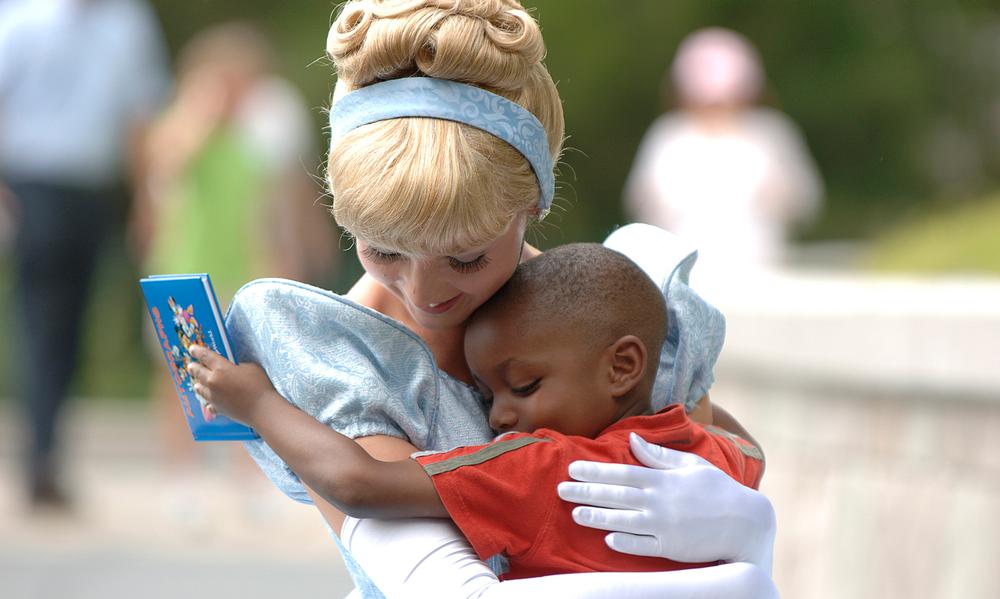
Disney World’s a great example. You walk into Disney World and enter this alternate dimension of reality, almost literally walking into a storybook. That’s a huge part of the appeal. There are all the great rides, but there’s this very familiar world and Disney lets you live these stories that you love. Other attractions have rollercoasters – what sets Disney apart is this incredibly rich story universe that you enter when you pass through the gates.
You’ve said our minds can easily flutter to something else, and that our attention spans are notoriously short. This is not good news for an experience designer. What must they do to keep the audience hooked? If you look at a novel, the story doesn’t happen all at once. It’s gradually built up in the reader’s mind, detail by detail, character by character, plot point by plot point, over hundreds of pages.
Events and attractions can be designed the same way. You walk into a distinct world and the story is built up, experience by experience, plot point by plot point, with the accretion of detail just like you’d have in a novel. The more you do that the more you tap into this unique power of story to grab attention, rouse emotion and persuade. In an attraction or ride, your hero might be the guest, and the attraction is centred around a problem the character is attempting to solve.
There are museum experiences where the exhibit designers have just understood, carefully building the story piece by piece. Storybuilding doesn’t just happen; stories are built gradually. The narratives you get at a museum can be very story-like.
I gave an events industry talk and the audience asked about how literal you can be. The question is, are we making a weak connection between what happens during an event [or in an attraction] and what happens in a novel, but not a literal connection? No, I think the more literal you can make the connection the better.
When have you visited an attraction and felt you were being told a story? Disney has stuck with me since my childhood. It’s been many years since I’ve been, but I still remember the magical wonder of the place and walking around slack-jawed. The feeling of being inside the story, of seeing the Disney princesses I recognised from the stories and saying, “There’s Snow White!” That stuck with me and made a tremendous impression on me.
At Universal Studios, it used to be the Back to the Future ride. These days it’s Harry Potter, and the ride’s about you being the hero inside the familiar stories.
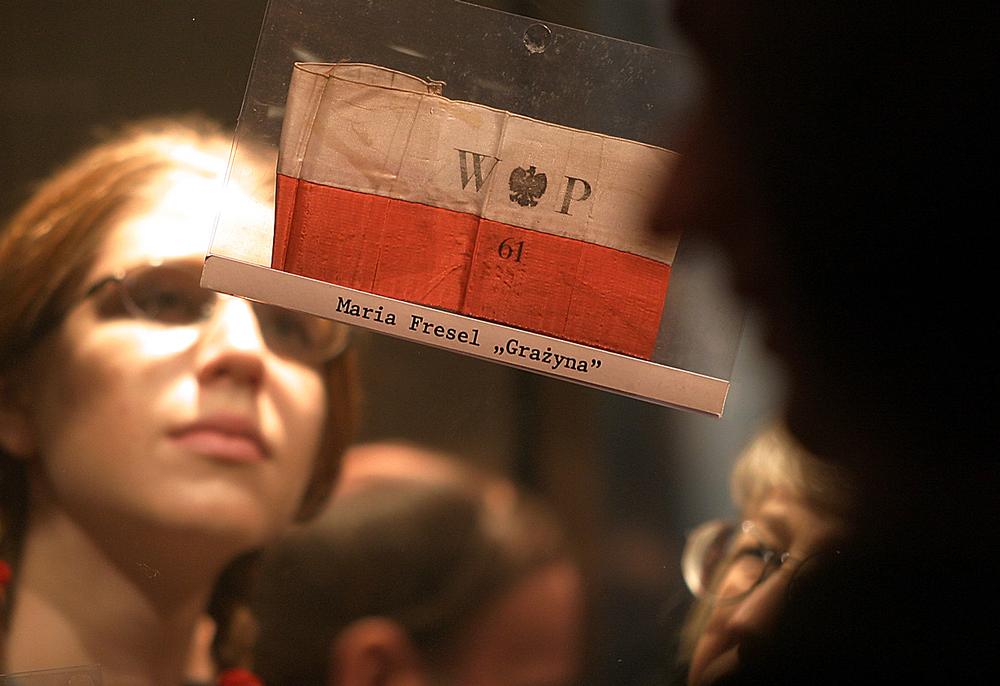
I recently had a wonderful experience at the Museum of the Warsaw Uprising in Poland. It was utterly astounding – one of the best museums I’ve been to, partly because it’s so focused. It’s about the weeks during World War II when the Varsovians rose up against the Nazis, and were utterly crushed. Warsaw afterwards looked like Hiroshima, reduced to rubble, depopulated, with almost everyone dead or sent to concentration camps.
There are a few key characters who the curators keep returning to, and you follow them through their struggles. There are incredible images of people – not great heroes of warfare or great generals, but regular men, women and children (as the whole population was mobilised). It was very story-like and had a powerful impact on me. I left feeling eviscerated, emotionally destroyed. I’d just walked through an epic tragedy. It’s the sense of entering into that world for a few hours – as if getting lost in a novel – you disappear in that world and get swept along by the narrative. It was very powerful.
Read more from this issue of Spa Business magazine
View contents of Spa Business 2014 issue 4
Editor’s letter: Access for all
We ask whether enough is being done to ensure access for all to
attractions and what practical steps can be taken to improve things
Interview: Tim Smit
The Eden Project was groundbreaking
when it opened in 2001. Now the
attraction’s founder Tim Smit is taking
the concept to a global audience,
and he’s starting with China
Interview: Jonathan Gottschall
Literary scholar and author of The
Storytelling Animal explains why we’re
all addicted to story, and how attractions
can capitalise on our love of narrative
Heritage: Actions Speak Louder
The National Trust’s Ben Cowell
describes how landscaping can build up
to a reveal, and ways the organisation
is using actors to bring history to life
Conference Report: SATE 2014
TEA president Christine Kerr presents
the hot topics from the annual design
conference devoted to Storytelling,
Architecture, Technology, Experience
Story Centres: Tell Me A Story
The popularity of story centres shows
the youngest generation – dubbed
digital natives – are thirsty for
children’s literature and illustration
Technology: Reinventing the Nerd
Meet carnival-inspired Two Bit
Circus, created from its founders’
passion for engineering, video games
and the newest technologies
Promotional feature: BARCO
Barco offers state-of-the-art visualisation technology and
a holistic solution uniquely tailored to suit any attraction
Rides: The Ride Makers
In the first of a new series,
industry-leading manufacturers
tell us about the latest trends and
innovations in thrill coasters
Theme Parks: Kooza Came to Town
PortAventura’s general manager
on the Spanish park’s partnership
with celebrated circus troupe Cirque
du Soleil and its Kooza show
Planetariums: Tom Falvey
A new planetarium, capable of live
streaming to 14,000 schools, opens
as a new addition to the South
Carolina State Museum in the US
Show Preview: IAAPA EXPO
IAAPA returns to the Orange County Convention Center in Orlando,
Florida, from 18-21 November, with more than 1,000 exhibitors
and an expected 27,000 attendees
Multimedia: Art Project
State-of-the-art projectors and
world-class artists combine to
create inspiring installations
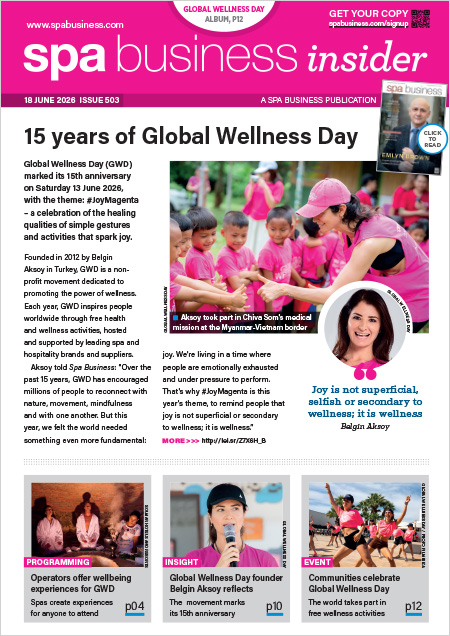
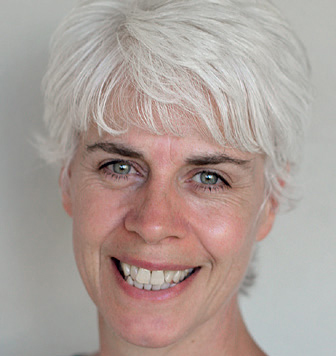
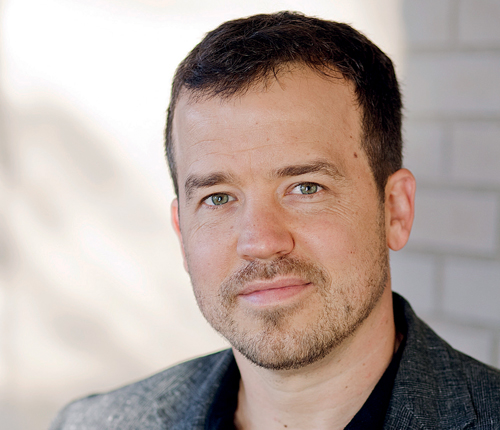
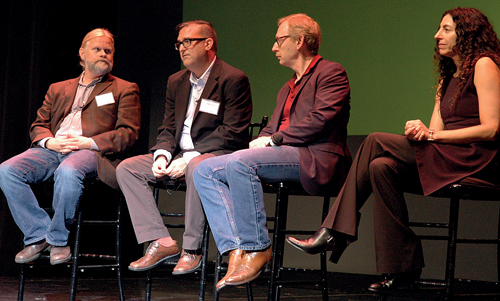
Jonathon Gottschall, distinguished research fellow at Washington and Jefferson College, is author of The Storytelling Animal
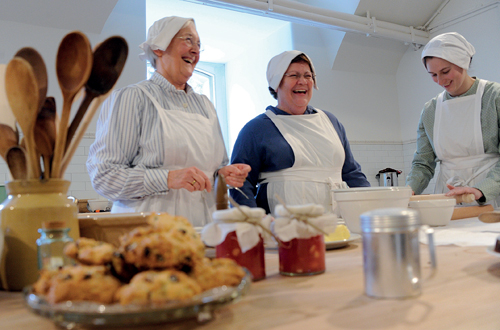
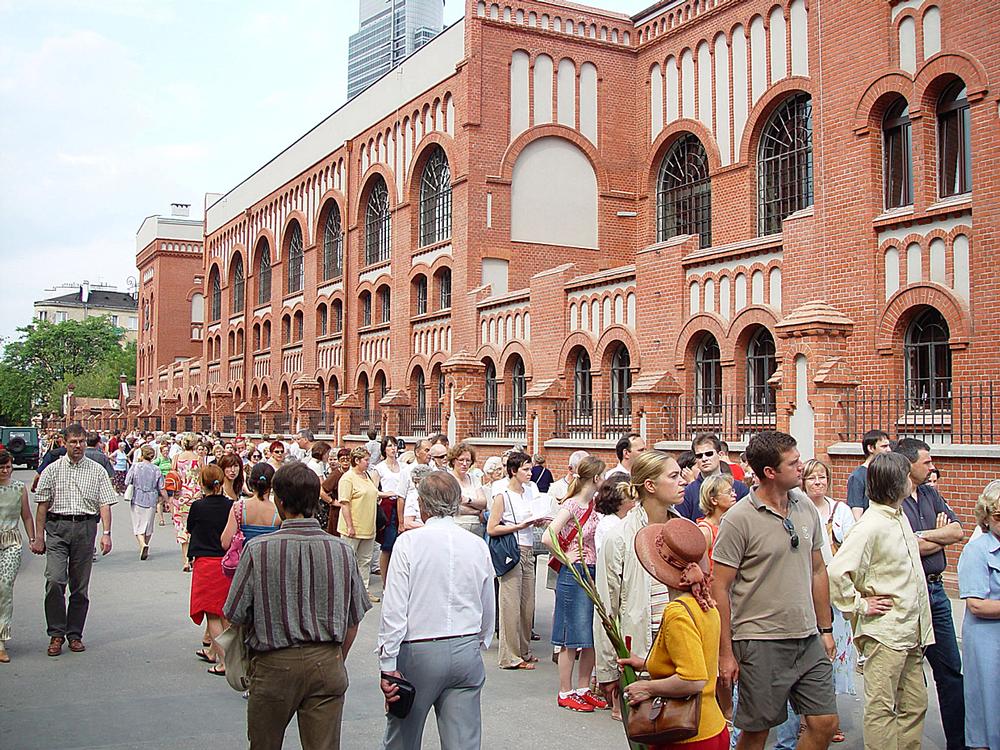
The Warsaw Uprising Museum uses storytelling to convey the experiences of the residents who fought for Poland. The exhibition depicts what life was like during the weeks of the uprising / photo: Julia Sielicka, Warsaw Uprising Museum
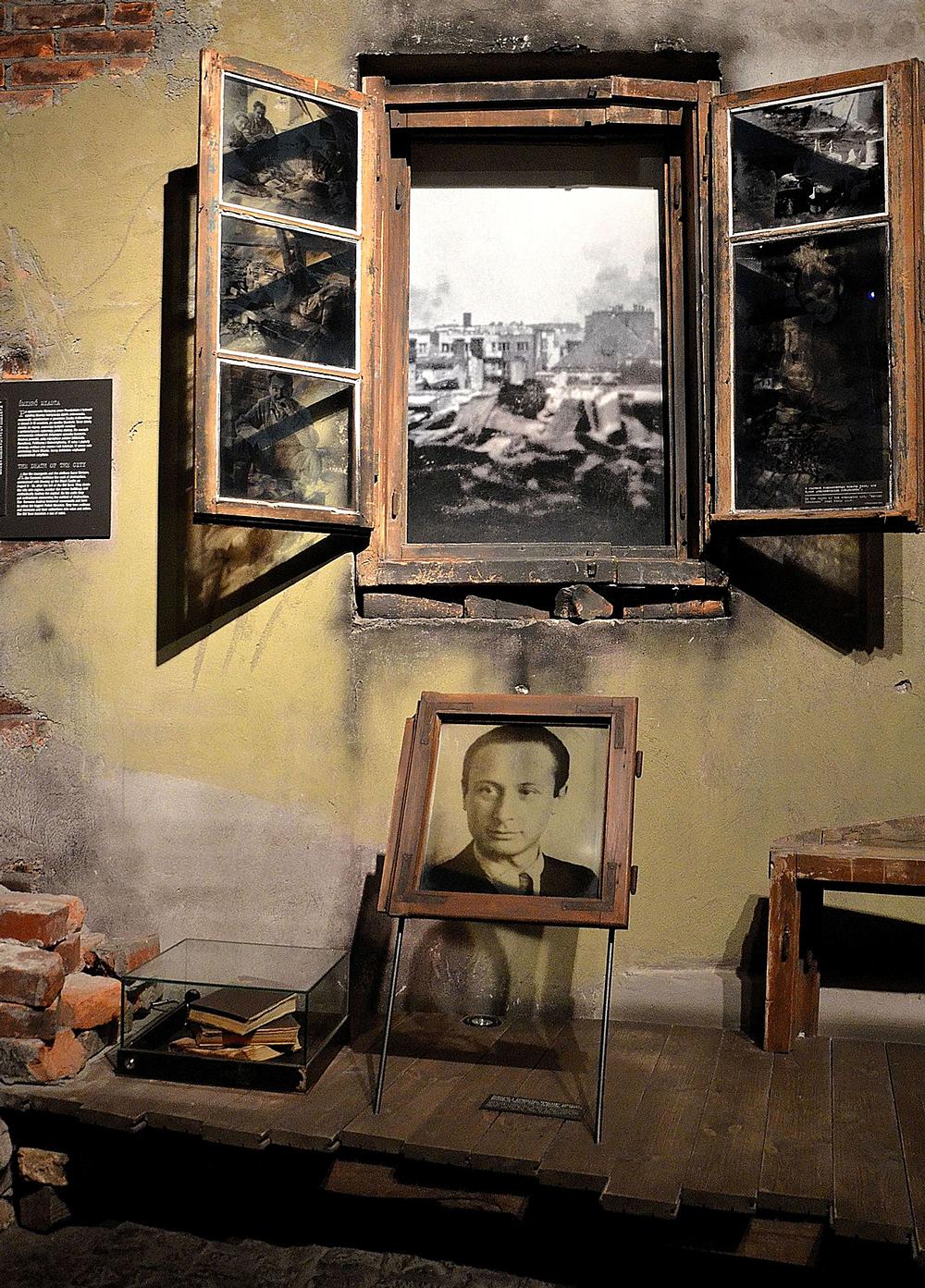
The Warsaw Uprising Museum uses storytelling to convey the experiences of the residents who fought for Poland. The exhibition depicts what life was like during the weeks of the uprising / photo: Julia Sielicka, Warsaw Uprising Museum
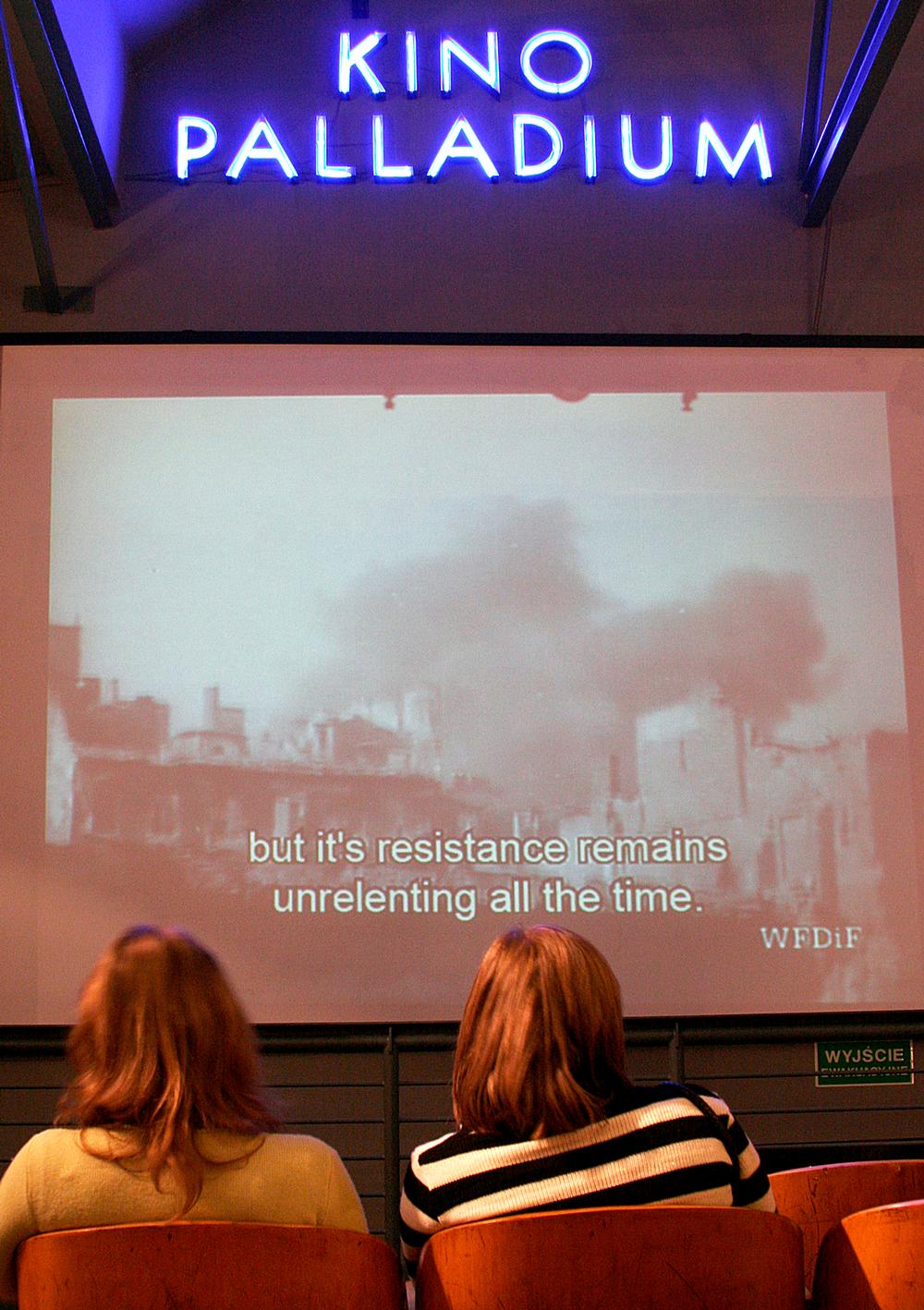
The Warsaw Uprising Museum uses storytelling to convey the experiences of the residents who fought for Poland. The exhibition depicts what life was like during the weeks of the uprising / photo: Julia Sielicka, Warsaw Uprising Museum
The Warsaw Uprising Museum uses storytelling to convey the experiences of the residents who fought for Poland. The exhibition depicts what life was like during the weeks of the uprising / photo: Julia Sielicka, Warsaw Uprising Museum
Walt Disney World visitors “almost literally walk into the storybook,” Gottschall says / photo: WALT DISNEY WORLD RESORTS
Story is behind every great attractions experience, but sometimes we forget just how powerful narrative can be. We spoke to literary scholar and author of The Storytelling Animal Jonathan Gottschall, who shared his views on the logic and science of storytelling and the business opportunities it can afford attractions great and small
By Alice Davis | Published in Attractions Management 2014 issue 4
Can you explain what you’re talking about when you talk about the “science of storytelling”? People think storytelling belongs to the humanities, the world of art and culture. It’s not usually thought of as a field that can be studied scientifically, brought into the lab. That’s what a lot of my work has been about. There are all these questions about storytelling, but because we couldn’t figure out a way to look at them scientifically we really couldn’t make a huge amount of progress answering them.
Why do you think it took a long time before we approached storytelling from a scientific point of view? We have all these questions: What are stories for? What effects do stories have on us? How do we react to stories emotionally, mentally, physiologically? And all we had – up until recently – was armchair speculation. Yet a lot of these questions are just basic lab questions and basic psychology questions. It’s a direct application of basic psychology methods, and not really all that radical, but there’s been resistance to doing scientific work in the humanities in general and in storytelling in particular. There’s a sense that stories must be protected from science because they’re people are afraid of losing that sense of mysticism and wonder, and if you explain the magic you’ll end up explaining it away – and I think that’s kind of crazy.
Can you talk us through some potential applications of storytelling science? There’s things stories can do that other forms of messaging can’t do. Stories are really good at getting attention. Attention spans are all over the place these days, but stories are the one thing that can reliably still the wandering and restless mind. You can pay attention to a story for hours on end – nothing else can do that.
It’s emotional, and people make decisions on the basis of emotion, not on the basis of logic. Because it’s emotional, it’s persuasive, so you lose yourself when you go into story world. People get really open-minded, or a meaner way to say it is they get kind of gullible. They drop their scepticism and cynicism and let the story and the message wash over them.
The information in a story is sticky, it’s more memorable. Stories have been used since time immemorial as a way of conveying information to people, and that’s more memorable than just throwing facts at them. So there’s a bunch of things like that which are really important to communication in many different fields but particularly in business fields. There’s a number of ways that a story can’t be equalled by other forms of communication.
It’s interesting that MRI scans show we’re participants when we read or watch stories, rather than spectators. That can be useful for experience businesses, where you want people to be actively engaged and participating, whether it’s a museum exhibit or a theme park ride.
Disney World’s a great example. You walk into Disney World and enter this alternate dimension of reality, almost literally walking into a storybook. That’s a huge part of the appeal. There are all the great rides, but there’s this very familiar world and Disney lets you live these stories that you love. Other attractions have rollercoasters – what sets Disney apart is this incredibly rich story universe that you enter when you pass through the gates.
You’ve said our minds can easily flutter to something else, and that our attention spans are notoriously short. This is not good news for an experience designer. What must they do to keep the audience hooked? If you look at a novel, the story doesn’t happen all at once. It’s gradually built up in the reader’s mind, detail by detail, character by character, plot point by plot point, over hundreds of pages.
Events and attractions can be designed the same way. You walk into a distinct world and the story is built up, experience by experience, plot point by plot point, with the accretion of detail just like you’d have in a novel. The more you do that the more you tap into this unique power of story to grab attention, rouse emotion and persuade. In an attraction or ride, your hero might be the guest, and the attraction is centred around a problem the character is attempting to solve.
There are museum experiences where the exhibit designers have just understood, carefully building the story piece by piece. Storybuilding doesn’t just happen; stories are built gradually. The narratives you get at a museum can be very story-like.
I gave an events industry talk and the audience asked about how literal you can be. The question is, are we making a weak connection between what happens during an event [or in an attraction] and what happens in a novel, but not a literal connection? No, I think the more literal you can make the connection the better.
When have you visited an attraction and felt you were being told a story? Disney has stuck with me since my childhood. It’s been many years since I’ve been, but I still remember the magical wonder of the place and walking around slack-jawed. The feeling of being inside the story, of seeing the Disney princesses I recognised from the stories and saying, “There’s Snow White!” That stuck with me and made a tremendous impression on me.
At Universal Studios, it used to be the Back to the Future ride. These days it’s Harry Potter, and the ride’s about you being the hero inside the familiar stories.
I recently had a wonderful experience at the Museum of the Warsaw Uprising in Poland. It was utterly astounding – one of the best museums I’ve been to, partly because it’s so focused. It’s about the weeks during World War II when the Varsovians rose up against the Nazis, and were utterly crushed. Warsaw afterwards looked like Hiroshima, reduced to rubble, depopulated, with almost everyone dead or sent to concentration camps.
There are a few key characters who the curators keep returning to, and you follow them through their struggles. There are incredible images of people – not great heroes of warfare or great generals, but regular men, women and children (as the whole population was mobilised). It was very story-like and had a powerful impact on me. I left feeling eviscerated, emotionally destroyed. I’d just walked through an epic tragedy. It’s the sense of entering into that world for a few hours – as if getting lost in a novel – you disappear in that world and get swept along by the narrative. It was very powerful.
Read more from this issue of Spa Business magazine
View contents of Spa Business 2014 issue 4
Editor’s letter: Access for all
We ask whether enough is being done to ensure access for all to
attractions and what practical steps can be taken to improve things
Interview: Tim Smit
The Eden Project was groundbreaking
when it opened in 2001. Now the
attraction’s founder Tim Smit is taking
the concept to a global audience,
and he’s starting with China
Interview: Jonathan Gottschall
Literary scholar and author of The
Storytelling Animal explains why we’re
all addicted to story, and how attractions
can capitalise on our love of narrative
Heritage: Actions Speak Louder
The National Trust’s Ben Cowell
describes how landscaping can build up
to a reveal, and ways the organisation
is using actors to bring history to life
Conference Report: SATE 2014
TEA president Christine Kerr presents
the hot topics from the annual design
conference devoted to Storytelling,
Architecture, Technology, Experience
Story Centres: Tell Me A Story
The popularity of story centres shows
the youngest generation – dubbed
digital natives – are thirsty for
children’s literature and illustration
Technology: Reinventing the Nerd
Meet carnival-inspired Two Bit
Circus, created from its founders’
passion for engineering, video games
and the newest technologies
Promotional feature: BARCO
Barco offers state-of-the-art visualisation technology and
a holistic solution uniquely tailored to suit any attraction
Rides: The Ride Makers
In the first of a new series,
industry-leading manufacturers
tell us about the latest trends and
innovations in thrill coasters
Theme Parks: Kooza Came to Town
PortAventura’s general manager
on the Spanish park’s partnership
with celebrated circus troupe Cirque
du Soleil and its Kooza show
Planetariums: Tom Falvey
A new planetarium, capable of live
streaming to 14,000 schools, opens
as a new addition to the South
Carolina State Museum in the US
Show Preview: IAAPA EXPO
IAAPA returns to the Orange County Convention Center in Orlando,
Florida, from 18-21 November, with more than 1,000 exhibitors
and an expected 27,000 attendees
Multimedia: Art Project
State-of-the-art projectors and
world-class artists combine to
create inspiring installations
Jonathon Gottschall, distinguished research fellow at Washington and Jefferson College, is author of The Storytelling Animal
The Warsaw Uprising Museum uses storytelling to convey the experiences of the residents who fought for Poland. The exhibition depicts what life was like during the weeks of the uprising / photo: Julia Sielicka, Warsaw Uprising Museum
The Warsaw Uprising Museum uses storytelling to convey the experiences of the residents who fought for Poland. The exhibition depicts what life was like during the weeks of the uprising / photo: Julia Sielicka, Warsaw Uprising Museum
The Warsaw Uprising Museum uses storytelling to convey the experiences of the residents who fought for Poland. The exhibition depicts what life was like during the weeks of the uprising / photo: Julia Sielicka, Warsaw Uprising Museum
The Warsaw Uprising Museum uses storytelling to convey the experiences of the residents who fought for Poland. The exhibition depicts what life was like during the weeks of the uprising / photo: Julia Sielicka, Warsaw Uprising Museum
Walt Disney World visitors “almost literally walk into the storybook,” Gottschall says / photo: WALT DISNEY WORLD RESORTS
The UK spa review and discovery platform for consumers, the Good Spa Guide, has announced
it will host the Good Spa Guide Awards 2026 during an event on 16 November at Sopwell House
Hotel in St Albans, UK.
Eighty-four per cent of consumers now say wellness is a top priority in their lives, with this
percentage increasing year on year, according to a preview presentation of McKinsey’s Future of
Wellness 2026 research report.
Mass protests have been taking place since Monday 1 June in Albania over the development of
a luxury resort by Donald Trump’s daughter Ivanka Trump and her husband Jared Kushner.
Global Wellness Day (GWD) marked its 15th anniversary on Saturday 13 June 2026, with the
theme: #JoyMagenta – a celebration of the healing qualities of simple gestures and activities
that spark joy.
Global luxury hospitality brand, Six Senses, has partnered with longevity healthcare provider,
HUM2N, to launch a clinic at Six Senses London, at The Whiteley.
As part of its first hotel partnership, Mayrlife – the medical health resort company known for its
site in Altaussee, Austria – has launched a day clinic at the Rosewood Vienna.
Premium London health club, KX Chelsea, will imminently unveil its most significant
redevelopment since its launch in 2002 to create an integrated wellness model combining
training, recovery and relaxation.
Rosewood Le Guanahani St Barth, on the northeast coast of Saint Barthélemy in the French
West Indies, is offering a programme of ocean-inspired yoga classes between 8-14 June to
celebrate Global Wellness Day (GWD).
Hotel de France, located on the British Isle of Jersey, has created a wellness retreat package
that includes a hot yoga session that will take place in Jersey Zoo’s butterfly sanctuary.
The Ritz-Carlton, Langkawi, in Malaysia, has revealed a schedule for Global Wellness Day
(GWD) that includes guided rainforest walks, mindful movement and guided coastal meditation
experiences.