Yes! Send me the FREE digital editions of Spa Business and Spa Business insider magazines and the FREE weekly Spa Business and Spa Business insider ezines and breaking news alerts!
A state-of-the-art planetarium and observatory is the latest addition to the South Carolina State Museum. We talk to the director of education about the project
By Alice Davis | Published in Attractions Management 2014 issue 4
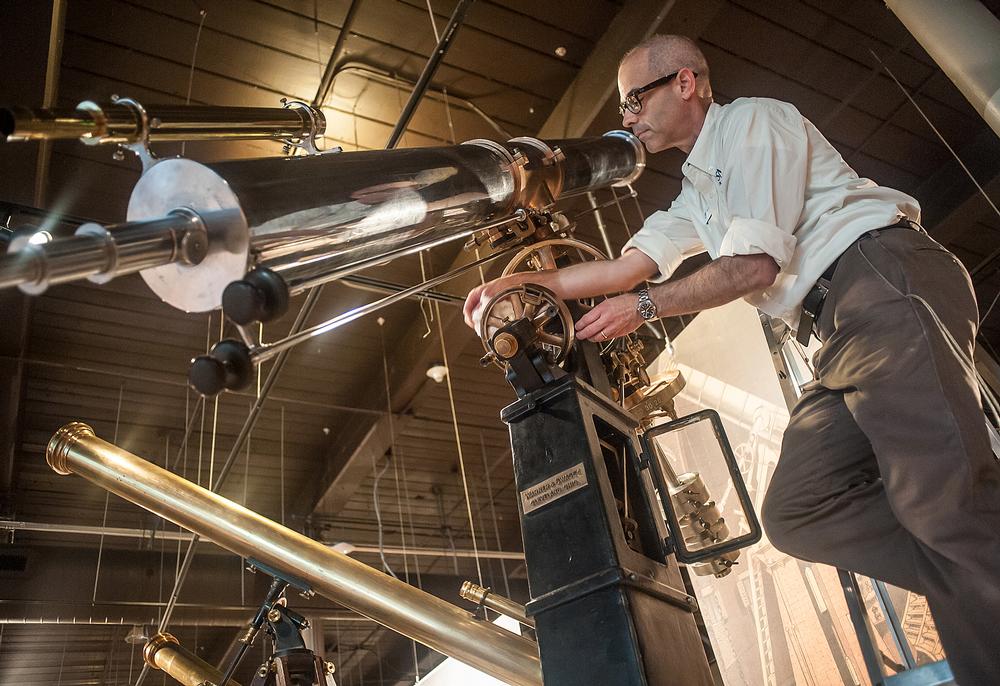
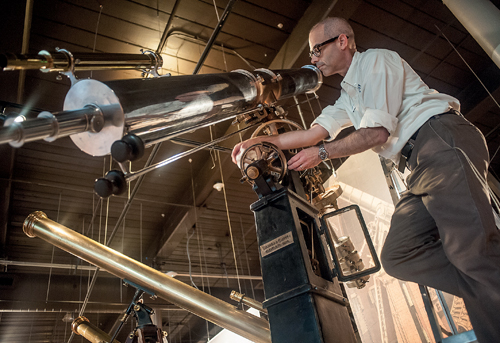
Tom Falvey in the newly opened antique telescope gallery at South Carolina State Museum
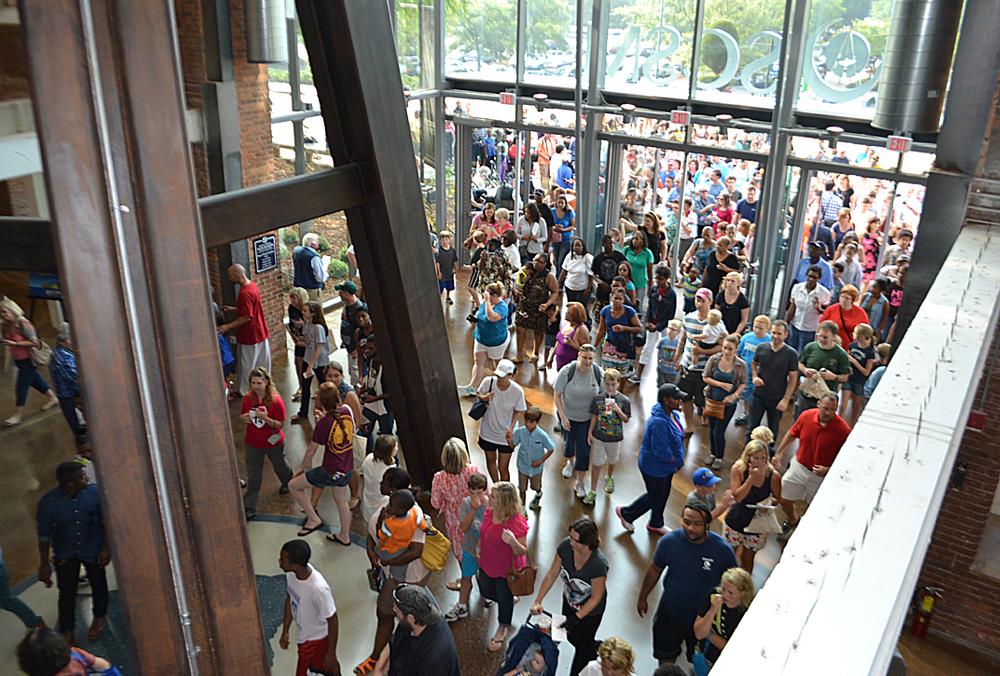
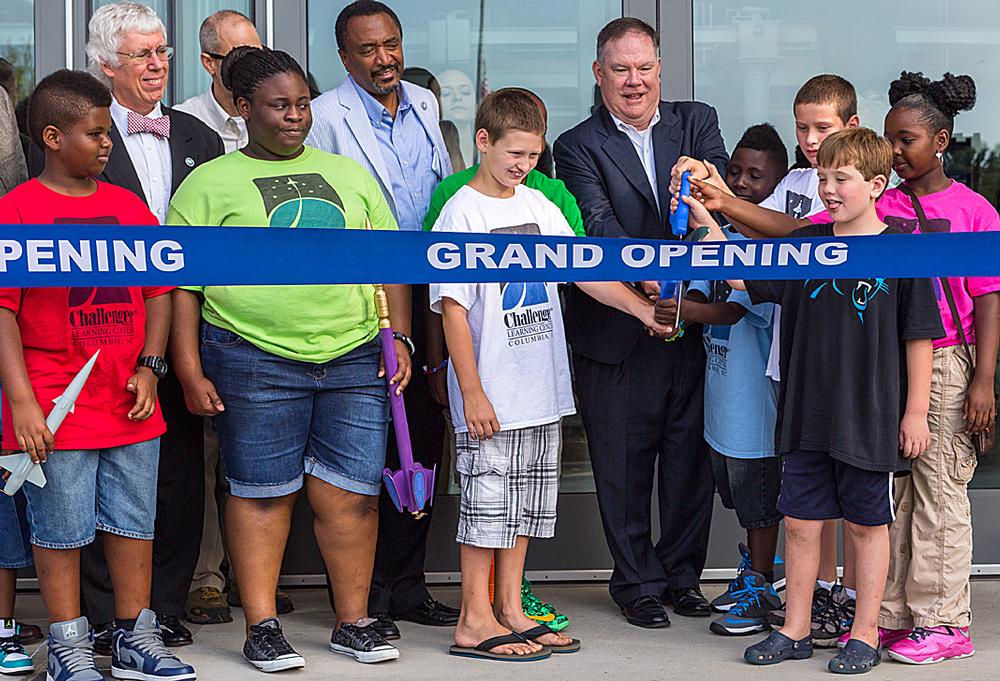
This August, the South Carolina State Museum (SCSM) opened a new planetarium, observatory and 4D theatre. The $23m (£14m, €18m) expansion, known as Windows to New Worlds, places the prestigious museum at the forefront of science, technology and astronomy education. The project is expected to drastically increase tourism to the area.
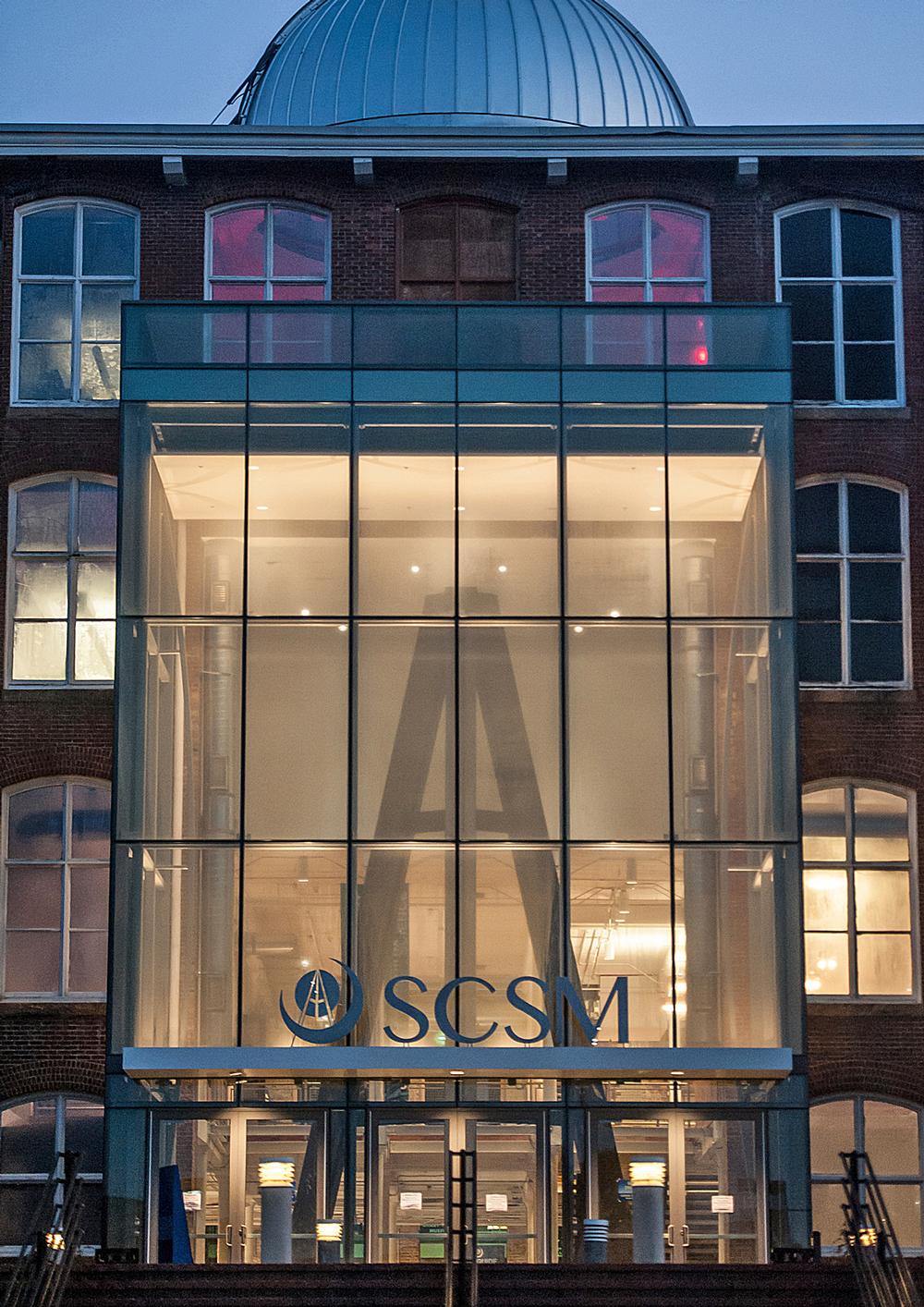
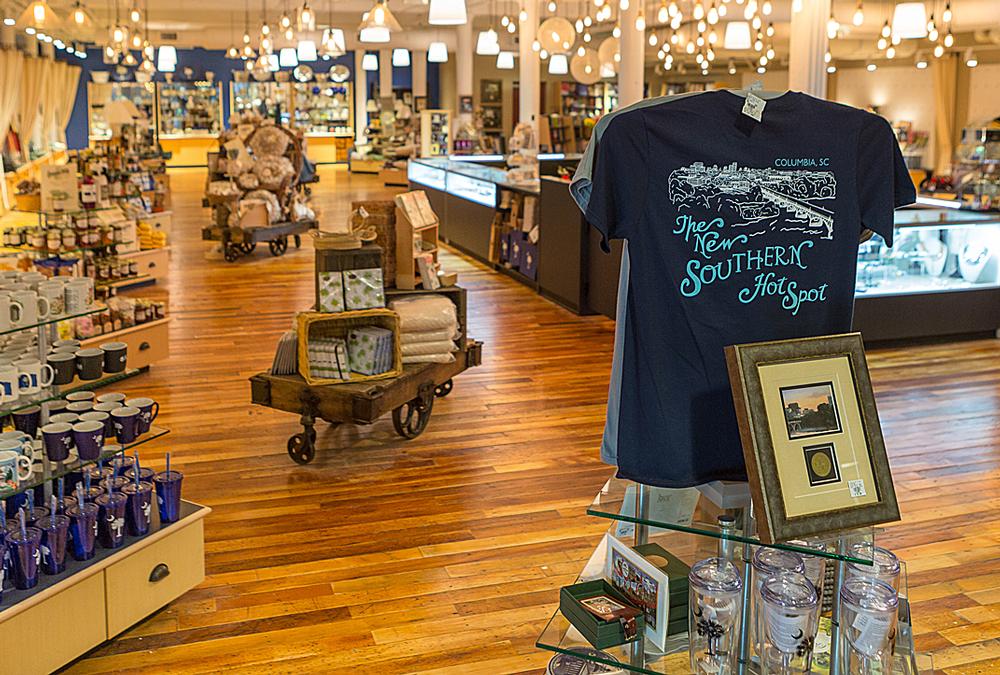
The new additions are the BlueCross BlueShield of South Carolina Planetarium, the Boeing Observatory, the Rev Dr Solomon Jackson Jr 4D Theatre, an antique telescope gallery, a NASA gallery and and a museum shop, café and meeting spaces. The lobby of the original 1894 textile mill that houses the SCSM received extensive renovations. Visitors now walk through a new glass entrance below 36,000 pounds (16,000kg) of steel telescope legs, which support the refractor in the fourth-floor observatory above.
Attractions Management spoke to the director of education and curator of science and technology, Tom Falvey, who’s been with the museum since 2000.
Can you tell us about the observatory? The 2,500sq ft (232sqm) observatory has a terrace with views of the city. We installed a 1926 Alvan Clark refractor, a 12 3/8-inch telescope that was in Columbia University, New York City, until 1997. We put new drives on it, fit it with computer controls and go-to technology. Boeing funded the STEM programming, and the goal is for schools to have remote access to the telescope so they can control it and take pictures from their classrooms. It’s a simple MITC solution, but I think we must be the only people in the world who would do this with a vintage instrument.
There’s an antique telescope gallery? Yes, the telescope gallery is home to 50 antique telescopes, dating from 1730, and one of the best collections of American refractors in the world, with many Alvan Clarks. The London instruments are spectacular – we have Jesse Ramsden and Dollond instruments, some of the most beautiful European instruments you’ll find.
Were they acquired since this process began? They were part of the whole idea. Our donor, Robert Ariail, promised to donate his collection in 2004. He was on our board of directors when the observatory and planetarium plans began.
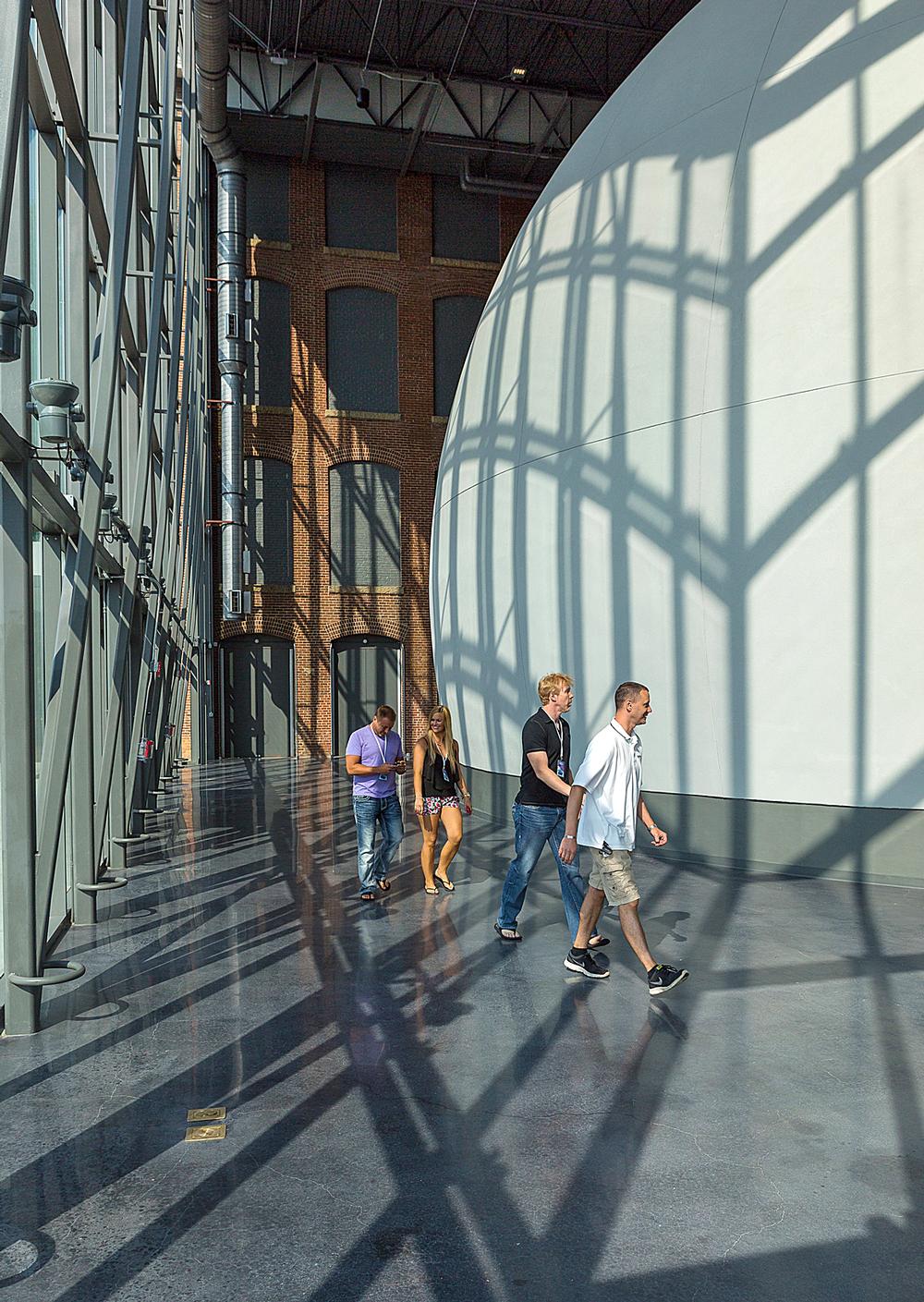
How about the planetarium? The planetarium is a 55-foot (17-metre) Spitz screen dome housed in a big glass cube, similar to the idea behind the Hayden Planetarium at the Rose Center for Earth and Space, though definitely a different look. The planetarium is next to the textile mill, so one of the interior walls is the exterior wall of the mill. It’s lovely to have the juxtaposition of this historic 60-foot (18-metre) wall with the modern glass and steel cube.
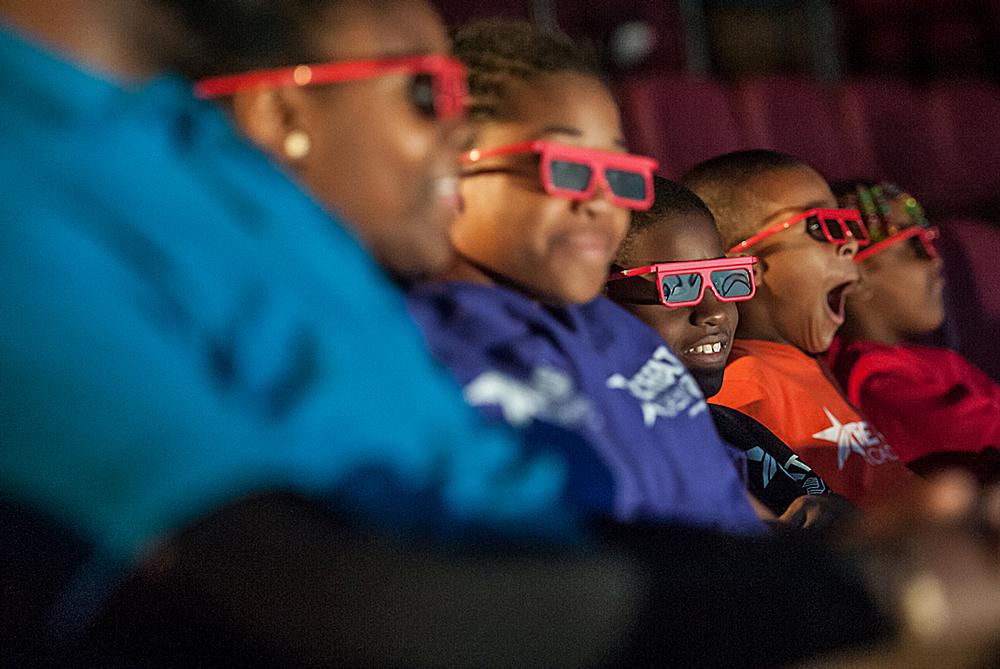
What hardware is the planetarium equipped with? Two Sony SRX projectors with fisheye lenses; that’s a 4K system. It’s an E&S Digistar 5 system and the sound system is Bowen Technovation. We have 145 seats, five wheelchair accessible, provided by American Seating.
How did the project come about? There was a planetarium in Columbia until the early 1990s which was part of the Gibbes Art Museum. When the art museum moved, it didn’t want to take the planetarium and so it gave the equipment to the State Museum. Seventeen years later, we opened this planetarium!
We have the old (1971) Minolta MS10 star projector, which will be an exhibit piece. I’d love to put it in the dome but sadly we don’t have the right wiring.
The museum has said it hopes the Windows to New Worlds expansion will help place the institution at the cutting edge of STEM education.
Education is a big part of the State Museum’s mission. Our new facility and programs will put STEM resources in the hands of students – both at the museum and in their classrooms. It’s a university town in the heart of a state that has a lot of science industries and businesses like Boeing, BMW and Michelin. Focusing on those key industries is part of what we’re trying to do to get kids excited about going into the fields of science and technology. Hopefully we’ll inspire future engineers, scientists, educators and perhaps even astronauts.
Is that how Boeing came on board? Boeing was very excited about our distance-learning components, especially since South Carolina has several pockets of rural and poor areas, with many students unable to travel to the museum. Our goal is to bridge this access gap and stream content into approximately 14,000 schools across the state. That appealed to Boeing, and the company was very excited to put its name on the observatory.
What shows are you playing? We opened with Seven Wonders, an E&S feature. We have Two Small Pieces of Glass: The Amazing Telescope [Interstellar Studios], about Galileo and the telescope, and Back to the Moon for Good about the Google Lunar XPRIZE competition. We have Violent Universe after Christmas, another E&S feature. We’ll purchase Earth, Moon and Sun [Morehead Planetarium Production distributed by Sky-Skan].
We’re also doing laser shows with our laser projector. We’ll show these during extended hours. Special programmes are a chance to appeal to different audiences.
Will you do live shows? Yes, at the end of most planetarium shows we’ll take a trip to outer space in the museum’s Sky Tour, a 10-minute live presentation about the night sky. During the show, guests learn how to identify constellations and planets that are currently visible from Columbia and take a trip to other places in our Solar System, such as Saturn, Jupiter and Mars.
What makes this planetarium different? First, we’re connected to a multi-disciplinary museum with history, art, natural history and science and technology. Add the observatory, 4D theatre and telescope gallery and it’s massive. I don’t think there’s another place like this in the world.
Second is the interactivity we have on offer. We’ve put in new AV functions; we’ve put in a fibre connection to a router that allows us to bring content in or out from the planetarium. We can originate live content that can go elsewhere and we have a video input so we can stream directly from the observatory (or anywhere else) into the planetarium – that’s going to be perfect when the eclipse happens in 2017.
We have a nice ability to move content throughout and beyond the building.
It must help to be part of the wider museum.
Definitely. The state’s budget is always fluctuating, but we’ve given ourselves the opportunity to start raising more revenue and to be more self-sufficient.
What staff structure do you have? Our planetarium has one full-time manager, with additional part-time astronomy educators to follow. Our observatory manager supervises three educators, which allows us to keep the observatory open all through the weekend and for select hours on weekdays. Our STEM education manager coordinates the science activities.
How do you feel about the world of planetariums currently? Some changes to digital systems have been met with resistance. There’s still a lot of love for traditional astronomy content. I enjoy a traditional show; it’s wonderful to sit in a dome theatre and see a star show. But it’s inevitable the digital systems have taken over, because of budget and ease of use. It’s interesting to see the competition between the traditional planetarium experience and the pre-recorded aspect. A blend is good. It’s good to be able to revitalise our content on a periodic basis.
What’s the best part of this project? We’ve been waiting for this planetarium for many years. I hear people say how the old planetarium inspired them to go into science, or got them excited about school.
With the observatory, when someone climbs the ladder and looks through an eyepiece at a distant object for the first time, seeing what Galileo saw 400 years ago, it’s cool – simple and beautiful. The glass came from Zeiss back in 1925 and there’s a poetic beauty about a large refractor and a beautiful image coming through it. It’s rare that people get close to an observatory, let alone stumble on one in a museum. It’s really neat.
Read more from this issue of Spa Business magazine
View contents of Spa Business 2014 issue 4
Editor’s letter: Access for all
We ask whether enough is being done to ensure access for all to
attractions and what practical steps can be taken to improve things
Interview: Tim Smit
The Eden Project was groundbreaking
when it opened in 2001. Now the
attraction’s founder Tim Smit is taking
the concept to a global audience,
and he’s starting with China
Interview: Jonathan Gottschall
Literary scholar and author of The
Storytelling Animal explains why we’re
all addicted to story, and how attractions
can capitalise on our love of narrative
Heritage: Actions Speak Louder
The National Trust’s Ben Cowell
describes how landscaping can build up
to a reveal, and ways the organisation
is using actors to bring history to life
Conference Report: SATE 2014
TEA president Christine Kerr presents
the hot topics from the annual design
conference devoted to Storytelling,
Architecture, Technology, Experience
Story Centres: Tell Me A Story
The popularity of story centres shows
the youngest generation – dubbed
digital natives – are thirsty for
children’s literature and illustration
Technology: Reinventing the Nerd
Meet carnival-inspired Two Bit
Circus, created from its founders’
passion for engineering, video games
and the newest technologies
Promotional feature: BARCO
Barco offers state-of-the-art visualisation technology and
a holistic solution uniquely tailored to suit any attraction
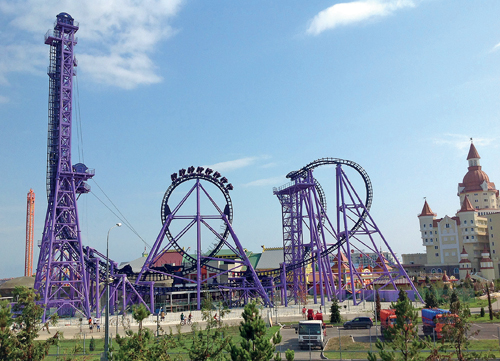
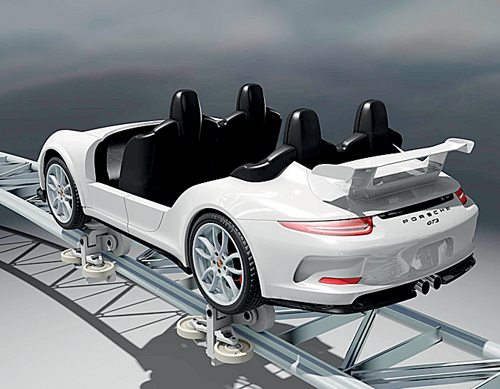
Rides: The Ride Makers
In the first of a new series,
industry-leading manufacturers
tell us about the latest trends and
innovations in thrill coasters
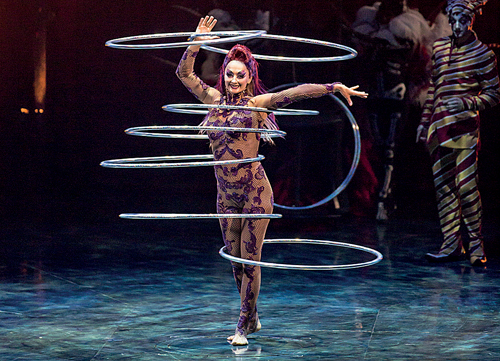
Theme Parks: Kooza Came to Town
PortAventura’s general manager
on the Spanish park’s partnership
with celebrated circus troupe Cirque
du Soleil and its Kooza show
Planetariums: Tom Falvey
A new planetarium, capable of live
streaming to 14,000 schools, opens
as a new addition to the South
Carolina State Museum in the US
Show Preview: IAAPA EXPO
IAAPA returns to the Orange County Convention Center in Orlando,
Florida, from 18-21 November, with more than 1,000 exhibitors
and an expected 27,000 attendees
Multimedia: Art Project
State-of-the-art projectors and
world-class artists combine to
create inspiring installations
The Spa Life UK Convention returns from 21–23 June 2026 at Whittlebury Park Hotel, Spa &
Golf Resort, bringing together spa managers, directors and owners for two days of focused
education, meaningful connection and commercial insight. [more...]
+ More featured suppliers
COMPANY PROFILES
Bellezi
Founded in 2009 as a Dutch family business, Bellezi brings more than 20 years of experience in treat [more...]
Blu Spas, Inc.
Blu is a full-service firm offering project feasibility, planning and design as well as operational [more...]
A state-of-the-art planetarium and observatory is the latest addition to the South Carolina State Museum. We talk to the director of education about the project
By Alice Davis | Published in Attractions Management 2014 issue 4
Tom Falvey in the newly opened antique telescope gallery at South Carolina State Museum
This August, the South Carolina State Museum (SCSM) opened a new planetarium, observatory and 4D theatre. The $23m (£14m, €18m) expansion, known as Windows to New Worlds, places the prestigious museum at the forefront of science, technology and astronomy education. The project is expected to drastically increase tourism to the area.
The new additions are the BlueCross BlueShield of South Carolina Planetarium, the Boeing Observatory, the Rev Dr Solomon Jackson Jr 4D Theatre, an antique telescope gallery, a NASA gallery and and a museum shop, café and meeting spaces. The lobby of the original 1894 textile mill that houses the SCSM received extensive renovations. Visitors now walk through a new glass entrance below 36,000 pounds (16,000kg) of steel telescope legs, which support the refractor in the fourth-floor observatory above.
Attractions Management spoke to the director of education and curator of science and technology, Tom Falvey, who’s been with the museum since 2000.
Can you tell us about the observatory? The 2,500sq ft (232sqm) observatory has a terrace with views of the city. We installed a 1926 Alvan Clark refractor, a 12 3/8-inch telescope that was in Columbia University, New York City, until 1997. We put new drives on it, fit it with computer controls and go-to technology. Boeing funded the STEM programming, and the goal is for schools to have remote access to the telescope so they can control it and take pictures from their classrooms. It’s a simple MITC solution, but I think we must be the only people in the world who would do this with a vintage instrument.
There’s an antique telescope gallery? Yes, the telescope gallery is home to 50 antique telescopes, dating from 1730, and one of the best collections of American refractors in the world, with many Alvan Clarks. The London instruments are spectacular – we have Jesse Ramsden and Dollond instruments, some of the most beautiful European instruments you’ll find.
Were they acquired since this process began? They were part of the whole idea. Our donor, Robert Ariail, promised to donate his collection in 2004. He was on our board of directors when the observatory and planetarium plans began.
How about the planetarium? The planetarium is a 55-foot (17-metre) Spitz screen dome housed in a big glass cube, similar to the idea behind the Hayden Planetarium at the Rose Center for Earth and Space, though definitely a different look. The planetarium is next to the textile mill, so one of the interior walls is the exterior wall of the mill. It’s lovely to have the juxtaposition of this historic 60-foot (18-metre) wall with the modern glass and steel cube.
What hardware is the planetarium equipped with? Two Sony SRX projectors with fisheye lenses; that’s a 4K system. It’s an E&S Digistar 5 system and the sound system is Bowen Technovation. We have 145 seats, five wheelchair accessible, provided by American Seating.
How did the project come about? There was a planetarium in Columbia until the early 1990s which was part of the Gibbes Art Museum. When the art museum moved, it didn’t want to take the planetarium and so it gave the equipment to the State Museum. Seventeen years later, we opened this planetarium!
We have the old (1971) Minolta MS10 star projector, which will be an exhibit piece. I’d love to put it in the dome but sadly we don’t have the right wiring.
The museum has said it hopes the Windows to New Worlds expansion will help place the institution at the cutting edge of STEM education.
Education is a big part of the State Museum’s mission. Our new facility and programs will put STEM resources in the hands of students – both at the museum and in their classrooms. It’s a university town in the heart of a state that has a lot of science industries and businesses like Boeing, BMW and Michelin. Focusing on those key industries is part of what we’re trying to do to get kids excited about going into the fields of science and technology. Hopefully we’ll inspire future engineers, scientists, educators and perhaps even astronauts.
Is that how Boeing came on board? Boeing was very excited about our distance-learning components, especially since South Carolina has several pockets of rural and poor areas, with many students unable to travel to the museum. Our goal is to bridge this access gap and stream content into approximately 14,000 schools across the state. That appealed to Boeing, and the company was very excited to put its name on the observatory.
What shows are you playing? We opened with Seven Wonders, an E&S feature. We have Two Small Pieces of Glass: The Amazing Telescope [Interstellar Studios], about Galileo and the telescope, and Back to the Moon for Good about the Google Lunar XPRIZE competition. We have Violent Universe after Christmas, another E&S feature. We’ll purchase Earth, Moon and Sun [Morehead Planetarium Production distributed by Sky-Skan].
We’re also doing laser shows with our laser projector. We’ll show these during extended hours. Special programmes are a chance to appeal to different audiences.
Will you do live shows? Yes, at the end of most planetarium shows we’ll take a trip to outer space in the museum’s Sky Tour, a 10-minute live presentation about the night sky. During the show, guests learn how to identify constellations and planets that are currently visible from Columbia and take a trip to other places in our Solar System, such as Saturn, Jupiter and Mars.
What makes this planetarium different? First, we’re connected to a multi-disciplinary museum with history, art, natural history and science and technology. Add the observatory, 4D theatre and telescope gallery and it’s massive. I don’t think there’s another place like this in the world.
Second is the interactivity we have on offer. We’ve put in new AV functions; we’ve put in a fibre connection to a router that allows us to bring content in or out from the planetarium. We can originate live content that can go elsewhere and we have a video input so we can stream directly from the observatory (or anywhere else) into the planetarium – that’s going to be perfect when the eclipse happens in 2017.
We have a nice ability to move content throughout and beyond the building.
It must help to be part of the wider museum.
Definitely. The state’s budget is always fluctuating, but we’ve given ourselves the opportunity to start raising more revenue and to be more self-sufficient.
What staff structure do you have? Our planetarium has one full-time manager, with additional part-time astronomy educators to follow. Our observatory manager supervises three educators, which allows us to keep the observatory open all through the weekend and for select hours on weekdays. Our STEM education manager coordinates the science activities.
How do you feel about the world of planetariums currently? Some changes to digital systems have been met with resistance. There’s still a lot of love for traditional astronomy content. I enjoy a traditional show; it’s wonderful to sit in a dome theatre and see a star show. But it’s inevitable the digital systems have taken over, because of budget and ease of use. It’s interesting to see the competition between the traditional planetarium experience and the pre-recorded aspect. A blend is good. It’s good to be able to revitalise our content on a periodic basis.
What’s the best part of this project? We’ve been waiting for this planetarium for many years. I hear people say how the old planetarium inspired them to go into science, or got them excited about school.
With the observatory, when someone climbs the ladder and looks through an eyepiece at a distant object for the first time, seeing what Galileo saw 400 years ago, it’s cool – simple and beautiful. The glass came from Zeiss back in 1925 and there’s a poetic beauty about a large refractor and a beautiful image coming through it. It’s rare that people get close to an observatory, let alone stumble on one in a museum. It’s really neat.
Read more from this issue of Spa Business magazine
View contents of Spa Business 2014 issue 4
Editor’s letter: Access for all
We ask whether enough is being done to ensure access for all to
attractions and what practical steps can be taken to improve things
Interview: Tim Smit
The Eden Project was groundbreaking
when it opened in 2001. Now the
attraction’s founder Tim Smit is taking
the concept to a global audience,
and he’s starting with China
Interview: Jonathan Gottschall
Literary scholar and author of The
Storytelling Animal explains why we’re
all addicted to story, and how attractions
can capitalise on our love of narrative
Heritage: Actions Speak Louder
The National Trust’s Ben Cowell
describes how landscaping can build up
to a reveal, and ways the organisation
is using actors to bring history to life
Conference Report: SATE 2014
TEA president Christine Kerr presents
the hot topics from the annual design
conference devoted to Storytelling,
Architecture, Technology, Experience
Story Centres: Tell Me A Story
The popularity of story centres shows
the youngest generation – dubbed
digital natives – are thirsty for
children’s literature and illustration
Technology: Reinventing the Nerd
Meet carnival-inspired Two Bit
Circus, created from its founders’
passion for engineering, video games
and the newest technologies
Promotional feature: BARCO
Barco offers state-of-the-art visualisation technology and
a holistic solution uniquely tailored to suit any attraction
Rides: The Ride Makers
In the first of a new series,
industry-leading manufacturers
tell us about the latest trends and
innovations in thrill coasters
Theme Parks: Kooza Came to Town
PortAventura’s general manager
on the Spanish park’s partnership
with celebrated circus troupe Cirque
du Soleil and its Kooza show
Planetariums: Tom Falvey
A new planetarium, capable of live
streaming to 14,000 schools, opens
as a new addition to the South
Carolina State Museum in the US
Show Preview: IAAPA EXPO
IAAPA returns to the Orange County Convention Center in Orlando,
Florida, from 18-21 November, with more than 1,000 exhibitors
and an expected 27,000 attendees
Multimedia: Art Project
State-of-the-art projectors and
world-class artists combine to
create inspiring installations
Global Wellness Day (GWD) marked its 15th anniversary on Saturday 13 June 2026, with the
theme: #JoyMagenta – a celebration of the healing qualities of simple gestures and activities
that spark joy.
Global luxury hospitality brand, Six Senses, has partnered with longevity healthcare provider,
HUM2N, to launch a clinic at Six Senses London, at The Whiteley.
As part of its first hotel partnership, Mayrlife – the medical health resort company known for its
site in Altaussee, Austria – has launched a day clinic at the Rosewood Vienna.
Premium London health club, KX Chelsea, will imminently unveil its most significant
redevelopment since its launch in 2002 to create an integrated wellness model combining
training, recovery and relaxation.
Rosewood Le Guanahani St Barth, on the northeast coast of Saint Barthélemy in the French
West Indies, is offering a programme of ocean-inspired yoga classes between 8-14 June to
celebrate Global Wellness Day (GWD).
Hotel de France, located on the British Isle of Jersey, has created a wellness retreat package
that includes a hot yoga session that will take place in Jersey Zoo’s butterfly sanctuary.
The Ritz-Carlton, Langkawi, in Malaysia, has revealed a schedule for Global Wellness Day
(GWD) that includes guided rainforest walks, mindful movement and guided coastal meditation
experiences.
Longevitix, a clinical platform for preventive and longevity medicine, has launched its AI-
powered intelligence system to help physicians deliver continuous, personalised longevity-
focused care at scale.
Atmantan Wellness Centre, an integrative wellness destination in Mulshi, near Pune in India, is
expanding its portfolio by adding a new centre in Hyderabad that will launch between 2028 and
2029.
The Spa Life UK Convention returns from 21–23 June 2026 at Whittlebury Park Hotel, Spa &
Golf Resort, bringing together spa managers, directors and owners for two days of focused
education, meaningful connection and commercial insight. [more...]
+ More featured suppliers
COMPANY PROFILES
Bellezi Founded in 2009 as a Dutch family business, Bellezi brings more than 20 years of experience in treat [more...]