Do you have a strong opinion, or disagree with somebody else’s point of view on topics related to the spa industry? If so, Spa Business would love to hear from you. Email your letters, thoughts and suggestions to [email protected]
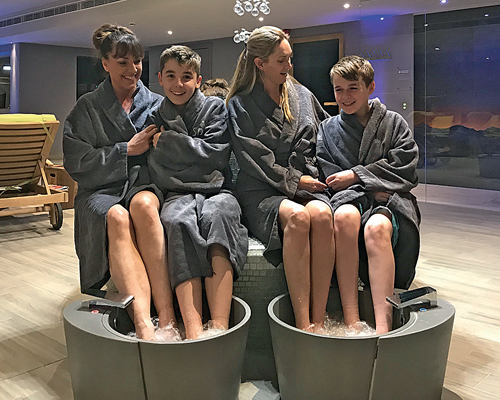
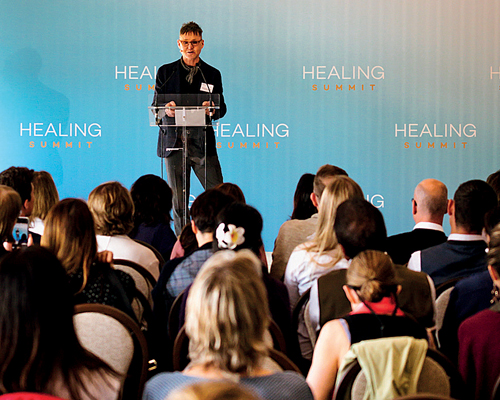
In Toronto Her Majesty’s Pleasure, a vibrant spa with a mix of beauty services, luxury retail, bar and café, competes with the best restaurants in the city. It’s a prime example of how the modern wellness environment, especially in urban settings, is undergoing rapid transformation. Hotel and day spas in cities and towns are prioritising community and connection over an environment of retreat and isolation. A great alternative to the traditional Friday night bar scene for the growing number of health-focused, teetotal millennials.
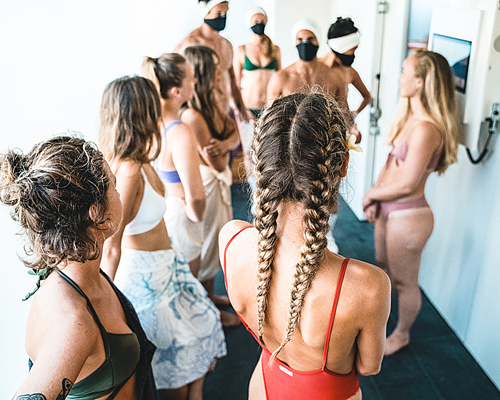
As such, signature programming, services and spa experiences are evolving. While treatment room revenue (most notably massage and aesthetic services) remain a critical driver for spa owners and operators, it’s now enhanced and balanced out by opportunity generated via group business. Hydrothermal circuits, such as those offered at Aire Ancient Baths in NYC and Barcelona and Bota Bota in Montreal, Quebec are but three examples. Beyond that, educational workshops, product demonstrations, beauty bars, botox parties, lunch-break and happy-hour express services and so much more are central urban spa menu fixtures.
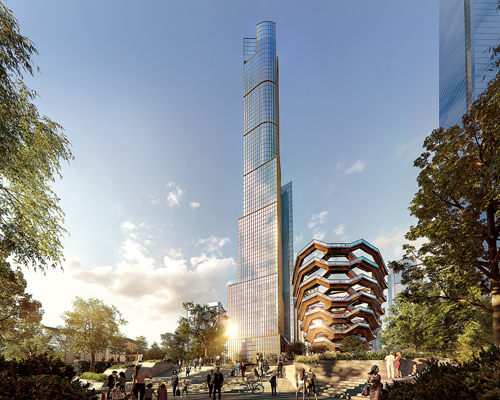
Design concepts and space planning are changing too. Drawing inspiration from co-working spaces, we’ve seen great success with urban spas sporting a more flexible, open layout that promotes interaction and gathering. A strong food and beverage element can both encourage guests to linger longer and be a meaningful contributor to top and bottom line performance.
Not only are we excited to see this movement revitalise the urban spa market. The rise of social wellness presents a more fulfilling way to gather with friends, to learn and grow, and to prioritise self-care and socialisation in meaningful ways.

What are the best ways to avoid therapist burnout?
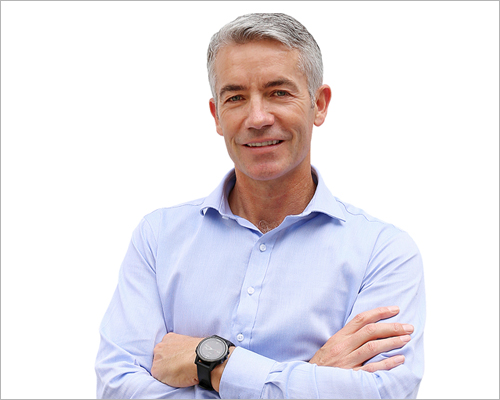
Nikos Kouremenos, education and project manager, Raison d’Etre
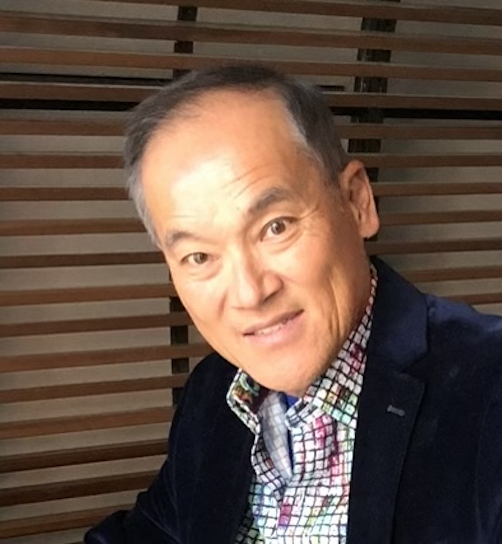
Nikos Kouremenos
Any spa’s greatest asset is its staff, so I was interested in South Lodge’s focus on menu engineering to support therapist wellbeing (see SB19/2 p60). But I doubt the implementation of a £10 premium at the UK spa will reduce the demand for manual massages, as the cost is unlikely to influence a member paying £3,000 a year. Instead, limiting treatment hours for each therapist to 6-7 per day (7-8 during peak periods) is a more effective approach. Not only does it reduce staff burnout, but also preserves guest satisfaction as therapists work at their optimum potential.
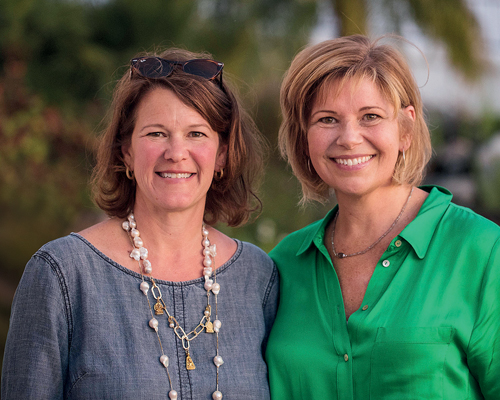
Rather than discourage (or eliminate) manual massages, spa managers should encourage therapists to look after themselves. A great tip is to teach staff a variety of hand strengthening exercises to prevent and protect against repetitive strain injury. Additionally, spa managers should enforce regular staff breaks throughout the day and also provide adjustable equipment to ensure they aren’t overstretching/hunching during treatments. Ultimately, by understanding the value of good therapists and their work on guests, spas benefit in the long run, when looking at guest satisfaction, referrals and loyalty.
Read more from this issue of Spa Business magazine
Spa Programmes: On the menu
Energy medicine at Six Senses; aroma retreat on Croatia’s Island of Vitality and menopause programming all feature in our spa menu round-up
Top team: Rosewood
Jane Kitchen talks to the wellness team behind Rosewood, and its forward-thinking spa concepts, as CEO Sonia Cheng leads a vigorous global rollout
Everyone’s talking about: CBD
Are CBD treatments and products an unregulated fad, or a serious business proposition? Spa Business investigates
Promotional feature: The Madison Collection
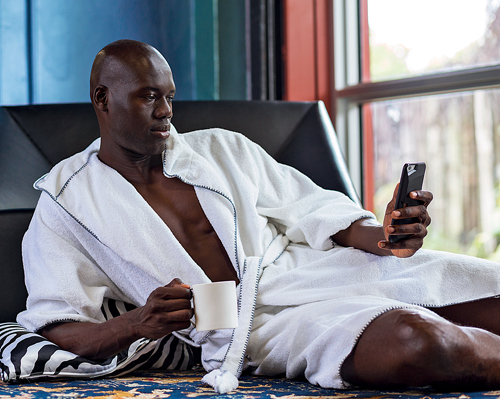
Innovation of form and function in robes and towels is a vital part of attracting the next generation of wellness consumers. Charmaine T Lang from The Madison Collection explains how her company consistently maintains its successful point of difference
Interview: Markus Engel
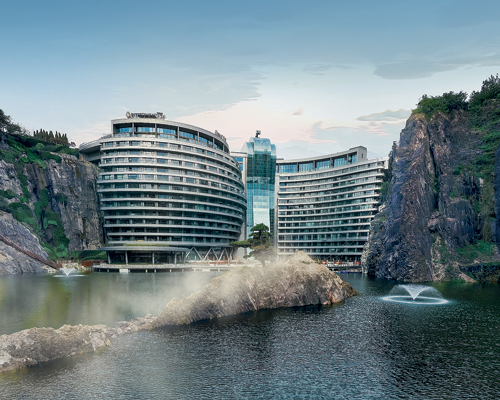
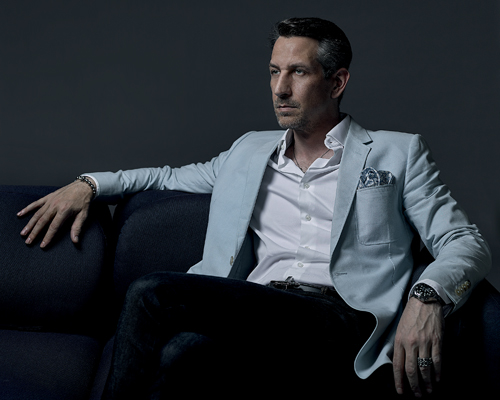
The CEO of Asia’s Urban Resort Concepts talks to Spa Business about positive disruption in the hospitality and spa sector
Promotional feature: The Wellness
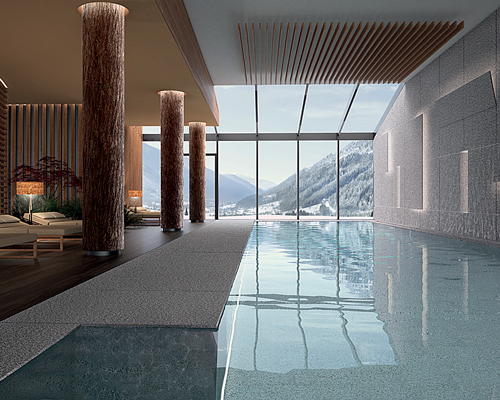
A beautiful pool can be the standout feature that draws new customers. It can also cut your running costs if it’s designed to be sustainable. Mohammed Ibrahim, CEO of The Wellness, explains
Interview: Davide Bollati
Liz Terry speaks to the founder of Comfort Zone about the group’s new botanical garden and ongoing commitment to environmentalism
Research: Generation gap
A new consumer study by ISPA uncovers spa-goer preferences and habits across different age groups
Promotional feature: Phytomer
Formulating the ultimate universal product to heal and defend the skin has taken three years of R&D for Phytomer, the French luxury marine skincare brand. The company’s scientific director tells Spa Business about the launch of the groundbreaking Prebioforce serum
Event Report: APSWC Round Table
Industry leaders contribute to APSWC’s third white paper at annual gathering. Catharine Nicol reports from Malaysia
Family spa: Play time
Spa Business takes a look at innovative spa programmes for children and families
Eco spa: Going green
Joanna Roche and Bonnie Baker share their ambitions for the Green Spa Network
The Spa Life UK Convention returns from 21–23 June 2026 at Whittlebury Park Hotel, Spa &
Golf Resort, bringing together spa managers, directors and owners for two days of focused
education, meaningful connection and commercial insight. [more...]
Do you have a strong opinion, or disagree with somebody else’s point of view on topics related to the spa industry? If so, Spa Business would love to hear from you. Email your letters, thoughts and suggestions to [email protected]
In Toronto Her Majesty’s Pleasure, a vibrant spa with a mix of beauty services, luxury retail, bar and café, competes with the best restaurants in the city. It’s a prime example of how the modern wellness environment, especially in urban settings, is undergoing rapid transformation. Hotel and day spas in cities and towns are prioritising community and connection over an environment of retreat and isolation. A great alternative to the traditional Friday night bar scene for the growing number of health-focused, teetotal millennials.
As such, signature programming, services and spa experiences are evolving. While treatment room revenue (most notably massage and aesthetic services) remain a critical driver for spa owners and operators, it’s now enhanced and balanced out by opportunity generated via group business. Hydrothermal circuits, such as those offered at Aire Ancient Baths in NYC and Barcelona and Bota Bota in Montreal, Quebec are but three examples. Beyond that, educational workshops, product demonstrations, beauty bars, botox parties, lunch-break and happy-hour express services and so much more are central urban spa menu fixtures.
Design concepts and space planning are changing too. Drawing inspiration from co-working spaces, we’ve seen great success with urban spas sporting a more flexible, open layout that promotes interaction and gathering. A strong food and beverage element can both encourage guests to linger longer and be a meaningful contributor to top and bottom line performance.
Not only are we excited to see this movement revitalise the urban spa market. The rise of social wellness presents a more fulfilling way to gather with friends, to learn and grow, and to prioritise self-care and socialisation in meaningful ways.
What are the best ways to avoid therapist burnout?
Nikos Kouremenos, education and project manager, Raison d’Etre
Nikos Kouremenos
Any spa’s greatest asset is its staff, so I was interested in South Lodge’s focus on menu engineering to support therapist wellbeing (see SB19/2 p60). But I doubt the implementation of a £10 premium at the UK spa will reduce the demand for manual massages, as the cost is unlikely to influence a member paying £3,000 a year. Instead, limiting treatment hours for each therapist to 6-7 per day (7-8 during peak periods) is a more effective approach. Not only does it reduce staff burnout, but also preserves guest satisfaction as therapists work at their optimum potential.
Rather than discourage (or eliminate) manual massages, spa managers should encourage therapists to look after themselves. A great tip is to teach staff a variety of hand strengthening exercises to prevent and protect against repetitive strain injury. Additionally, spa managers should enforce regular staff breaks throughout the day and also provide adjustable equipment to ensure they aren’t overstretching/hunching during treatments. Ultimately, by understanding the value of good therapists and their work on guests, spas benefit in the long run, when looking at guest satisfaction, referrals and loyalty.
Read more from this issue of Spa Business magazine
Spa Programmes: On the menu
Energy medicine at Six Senses; aroma retreat on Croatia’s Island of Vitality and menopause programming all feature in our spa menu round-up
Top team: Rosewood
Jane Kitchen talks to the wellness team behind Rosewood, and its forward-thinking spa concepts, as CEO Sonia Cheng leads a vigorous global rollout
Everyone’s talking about: CBD
Are CBD treatments and products an unregulated fad, or a serious business proposition? Spa Business investigates
Promotional feature: The Madison Collection
Innovation of form and function in robes and towels is a vital part of attracting the next generation of wellness consumers. Charmaine T Lang from The Madison Collection explains how her company consistently maintains its successful point of difference
Interview: Markus Engel
The CEO of Asia’s Urban Resort Concepts talks to Spa Business about positive disruption in the hospitality and spa sector
Promotional feature: The Wellness
A beautiful pool can be the standout feature that draws new customers. It can also cut your running costs if it’s designed to be sustainable. Mohammed Ibrahim, CEO of The Wellness, explains
Interview: Davide Bollati
Liz Terry speaks to the founder of Comfort Zone about the group’s new botanical garden and ongoing commitment to environmentalism
Research: Generation gap
A new consumer study by ISPA uncovers spa-goer preferences and habits across different age groups
Promotional feature: Phytomer
Formulating the ultimate universal product to heal and defend the skin has taken three years of R&D for Phytomer, the French luxury marine skincare brand. The company’s scientific director tells Spa Business about the launch of the groundbreaking Prebioforce serum
Event Report: APSWC Round Table
Industry leaders contribute to APSWC’s third white paper at annual gathering. Catharine Nicol reports from Malaysia
Family spa: Play time
Spa Business takes a look at innovative spa programmes for children and families
Eco spa: Going green
Joanna Roche and Bonnie Baker share their ambitions for the Green Spa Network
Global Wellness Day (GWD) marked its 15th anniversary on Saturday 13 June 2026, with the
theme: #JoyMagenta – a celebration of the healing qualities of simple gestures and activities
that spark joy.
Global luxury hospitality brand, Six Senses, has partnered with longevity healthcare provider,
HUM2N, to launch a clinic at Six Senses London, at The Whiteley.
As part of its first hotel partnership, Mayrlife – the medical health resort company known for its
site in Altaussee, Austria – has launched a day clinic at the Rosewood Vienna.
Premium London health club, KX Chelsea, will imminently unveil its most significant
redevelopment since its launch in 2002 to create an integrated wellness model combining
training, recovery and relaxation.
Rosewood Le Guanahani St Barth, on the northeast coast of Saint Barthélemy in the French
West Indies, is offering a programme of ocean-inspired yoga classes between 8-14 June to
celebrate Global Wellness Day (GWD).
Hotel de France, located on the British Isle of Jersey, has created a wellness retreat package
that includes a hot yoga session that will take place in Jersey Zoo’s butterfly sanctuary.
The Ritz-Carlton, Langkawi, in Malaysia, has revealed a schedule for Global Wellness Day
(GWD) that includes guided rainforest walks, mindful movement and guided coastal meditation
experiences.
Longevitix, a clinical platform for preventive and longevity medicine, has launched its AI-
powered intelligence system to help physicians deliver continuous, personalised longevity-
focused care at scale.
Atmantan Wellness Centre, an integrative wellness destination in Mulshi, near Pune in India, is
expanding its portfolio by adding a new centre in Hyderabad that will launch between 2028 and
2029.
The Spa Life UK Convention returns from 21–23 June 2026 at Whittlebury Park Hotel, Spa &
Golf Resort, bringing together spa managers, directors and owners for two days of focused
education, meaningful connection and commercial insight. [more...]