Interview: Tony Butler
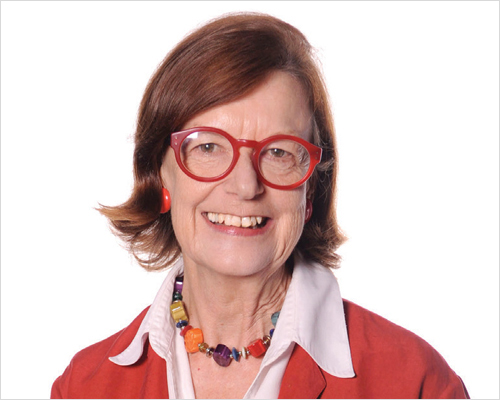
Tony Butler, executive director of Derby
Museums Trust, on how museums can
be a force for good in their communities
Attractions: Perfect Brew
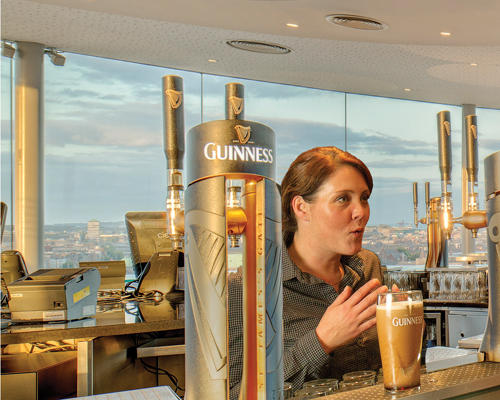
At 15 years old, the Guinness Storehouse
has been voted Europe’s best-loved
attraction. Manager Paul Carty reveals
the secrets of the Dublin brandland
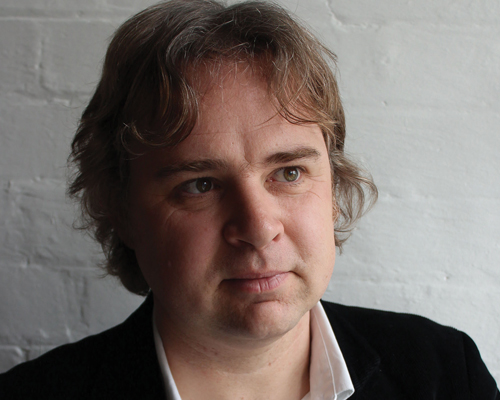
Profile: John McReynolds
IAAPA’s new chairman reveals his aims
for the year ahead, his vision for a
global association and how his role at
Universal Orlando informs his goals
Analysis: The Attractions Business
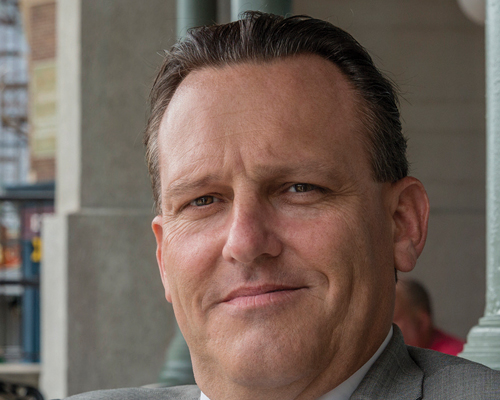
Business planning consultant
David Camp starts an exclusive eight-part
series, delving into the fine art of attractions
operation from a business perspective
Science Centres: How to Future-Proof a Science Centre
Peter Slavenburg of design agency
NorthernLight describes how invisible
technology, serious play, co-creation
and the digital experience will inform
the science centre of tomorrow
Promotional feature: Simworx Ventures
Simworx Ventures is bringing its expertise in cutting-edge media-based attractions
to a new audience of museums, heritage sites, zoos and aquariums
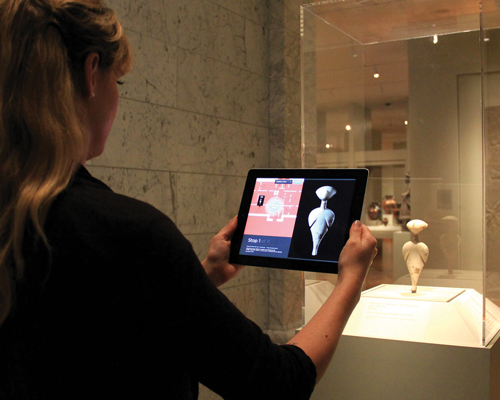
Technology: Beacons on the Horizon
Beacons have countless applications in
the world of attractions. A case study
from the Cleveland Museum of Art
illustrates the technology’s potential
Museums & Galleries: Art Attack
Some of the most exciting attractions
design is happening in new and
upcoming galleries around the world,
from firms like Kengo Kuma and BIG
Promotional feature: IDEA
2016 is shaping up to be an interesting year for the attractions industry.
IDEA looks at what it takes to win audiences and command attention
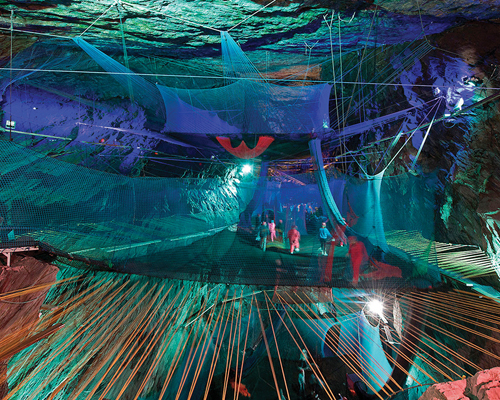
Mystery Shopper: Spring in Your Step
We disappear down the rabbit hole as we
pay a mystery shopper visit to Bounce
Below, a unique underground trampolining
attraction in Snowdonia, north Wales
Rides: The Ride Makers
Our ride makers series continues with
water rides, a firm favourite with park
guests. Three leading companies reveal
the latest trends in flumes and chutes
Technology: Tech Check
The industry technology unveiled at
IAAPA 2015: from VR to interactives, and
digital puppets to 20-storey LED giants
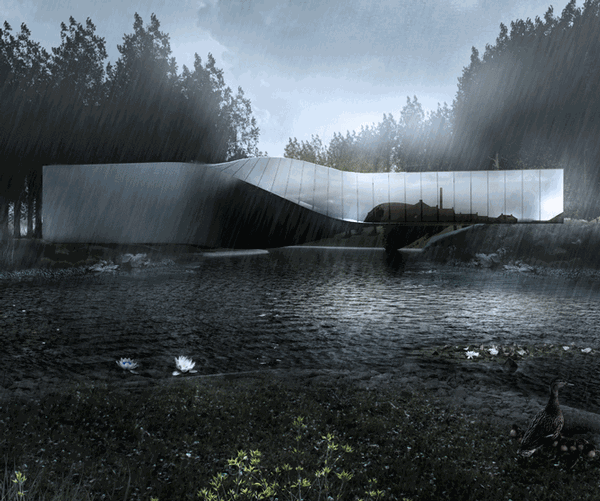
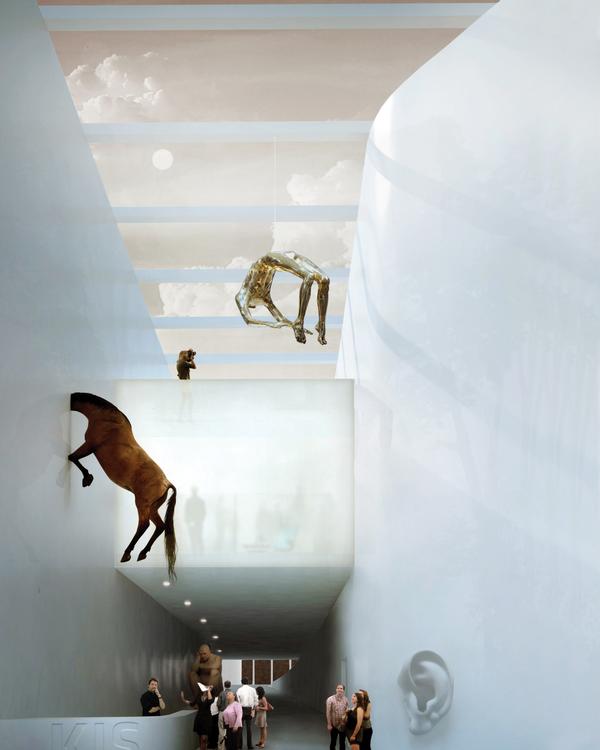
KISTEFOS SCULPTURE PARK MUSEUM JEVNAKER, NORWAY BJARKE INGELS GROUP Bjarke Ingels Group (BIG) has designed an art gallery that will twist above a river at a Norwegian sculpture park. The firm’s founder, Bjarke Ingels, described the design as his “first experiment with social infrastructure – a building that serves as a bridge, or a cultural institution that serves as a piece of infrastructure.”
The 1,400sqm (15,000sq ft) museum will be the new centrepoint of the existing Kistefos Sculpture Park in the municipality of Jevnaker, north of Oslo, Norway, which exhibits work by acclaimed artists including Anish Kapoor and Olafur Eliasson.
The new gallery will better connect the park, which is divided by the river.
“Working on the borderline between infrastructure, art and architecture combines three of our biggest interests into one exciting field of social infrastructure,” says BIG partner David Zahle. Construction is scheduled to begin this year and the building will be completed in early 2019.
PHOTOS: BJARKE INGELS GROUP
An exterior view of the art gallery
PHOTOS: BJARKE INGELS GROUP
The new gallery provides an indoor space for large sculptures and installations
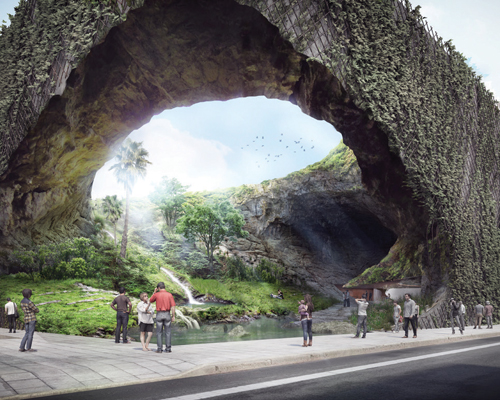
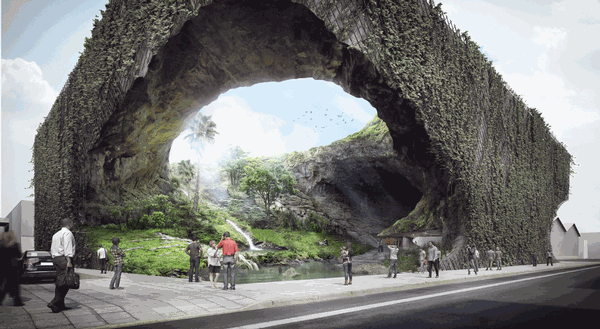
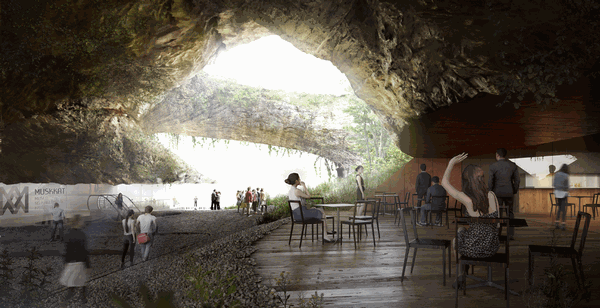
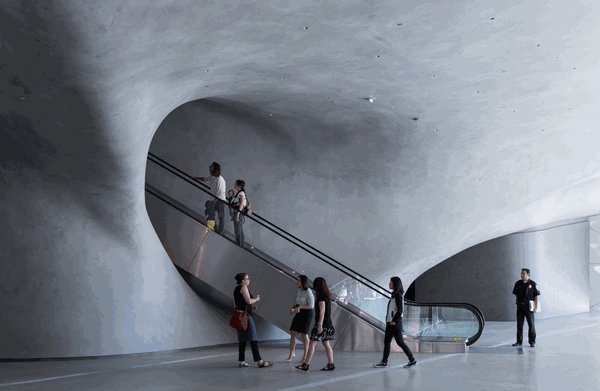
MUSEUM OF INDIGENOUS KNOWLEDGE MANILA, PHILIPPINES KENGO KUMA Kengo Kuma has turned the traditional idea of museum architecture on its head with its latest design: a jungle-inspired complex set inside an enormous cave. The Museum of Indigenous Knowledge will sit in the heart of an industrial district of Manila, Philippines.
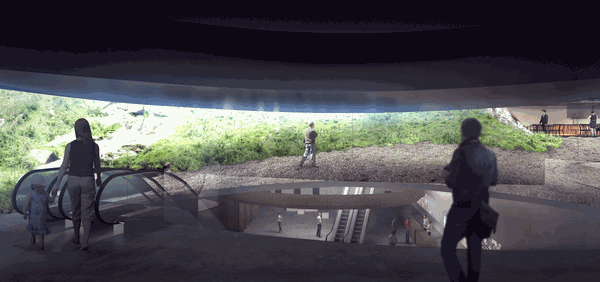
Visitors will step off the street through a cavernous rocky arch covered in tropical plants and rock. Once inside this large void, they will be able to walk towards a central atrium through a wild environment of jungle, streams, ravines, ponds and waterfalls. These replicate the mountainous valleys where the indigenous people of the Philippines once sought refuge following the arrival of Spanish colonisers.
Explaining the concept, Javier Villar Ruiz, a partner at Kengo Kuma, says: “Indigenous peoples cannot be understood without the context and environment where they have developed throughout the centuries. This is why we abandoned the conventional idea of the museum as a container where alien content is simply displayed and observed.”
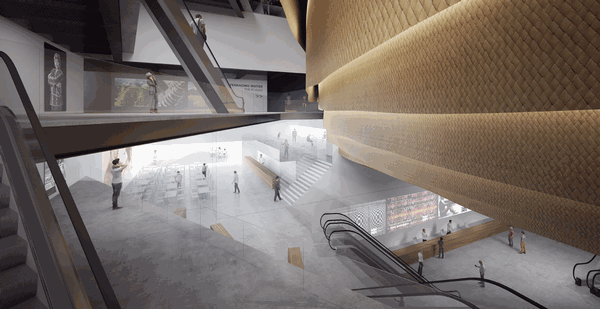
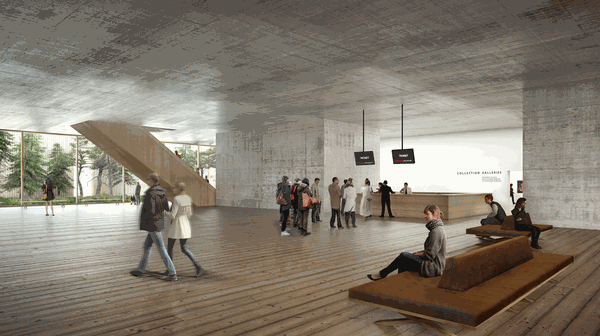
Inside the entrance, there will be shops and restaurants, and escalators leading to five gallery floors.
PHOTOS: KENGO KUMA
After the dramatic entrance, the atrium will be more conventionally designed, with shops and restaurants and escalators leading to the galleries
PHOTOS: KENGO KUMA
After the dramatic entrance, the atrium will be more conventionally designed, with shops and restaurants and escalators leading to the galleries
PHOTOS: KENGO KUMA
After the dramatic entrance, the atrium will be more conventionally designed, with shops and restaurants and escalators leading to the galleries
PHOTOS: KENGO KUMA
After the dramatic entrance, the atrium will be more conventionally designed, with shops and restaurants and escalators leading to the galleries
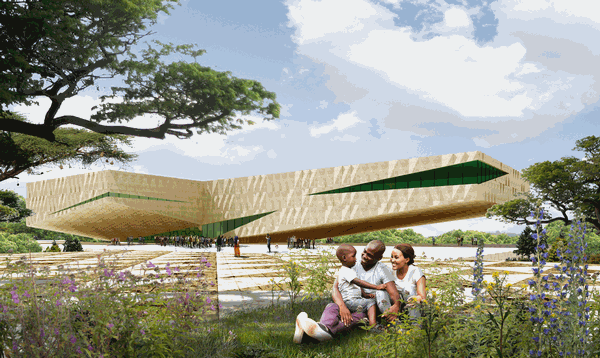
KIGALI ART & CULTURE CENTRE KIGALI, RWANDA GROOSMAN Dutch architectural firm Groosman has unveiled a new Rwandan art and cultural centre, which will feature two huge cantilevered wings.
The arts centre will be located on the outskirts of Rwanda’s hilly capital. The cross-shaped block will be decorated with traditional African geometric patterns and will feature two cantilevered sections overhanging an elevated plaza –offering relief from the sun and rain – together with views of the surrounding landscape for the visitors inside.
The country is frequently described as a “land of 1,000 hills” and the centre will sit at the intersection of the city and its surrounding wetlands and mountains. Two further buildings – a hotel and office complex, plus a housing block – will sit on the plaza, while an underground shopping centre will be situated below.
Like the facade of the cultural centre, the raised public square will be covered in symbolic patterns and divided into a grid with sections measuring 2,500sqm (26,910sq ft), each with its own design.
“Our design concept for Kigali Art and Culture Centre is inspired by African art, crafts and culture,” Groosman says. “African patterns form the basis of our design.”
PHOTO: GROOSMAN
The Kigali art centre’s facade and the public square will be decorated with African patterns
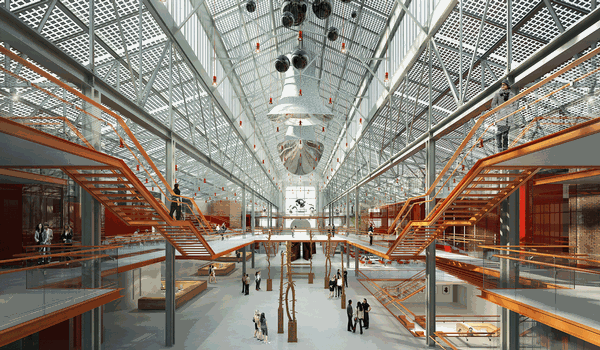
GES2 POWER STATION MOSCOW, RUSSIA RENZO PIANO, BUILDING WORKSHOP The Renzo Piano Building Workshop (RPBW) has been commissioned to convert a historic Moscow power station into a brand new venue exhibiting contemporary Russian arts and culture. The firm – which has recently completed work on the Whitney Museum of American Art in New York – will create the new art space for the V-A-C Foundation on a plot in the Russian capital’s trendy Red October district. The project will be completed by early 2019.
To reflect the site’s industrial heritage, the main gallery space will be built into the existing metal structure of the GES2 power station, which was constructed in 1907. The building’s tall chimney will be converted into a natural ventilation shaft.
The foundation will be split into three key areas: the Welcoming Pole, containing a sculptural garden, a piazza, a restaurant and cafes; the Exhibitions Pole, hosting indoor art galleries; and the Education Pole, containing classrooms, workshops and an artist residency block.
RPBW will also design the site’s surrounding green space. New topography will be created on three sides of the main building, creating a raised natural amphitheatre. This will be used as a seating area for film screenings and events, while in summer the area will become an open-air cinema.
“GES2 will become an exciting cultural destination, offering new opportunities for artists and audiences on a local, national and international level,” says the V-A-C Foundation.
PHOTO: RENZO PIANO BUILDING WORKSHOP
The main gallery will be built into the existing structure of the GES2 power station
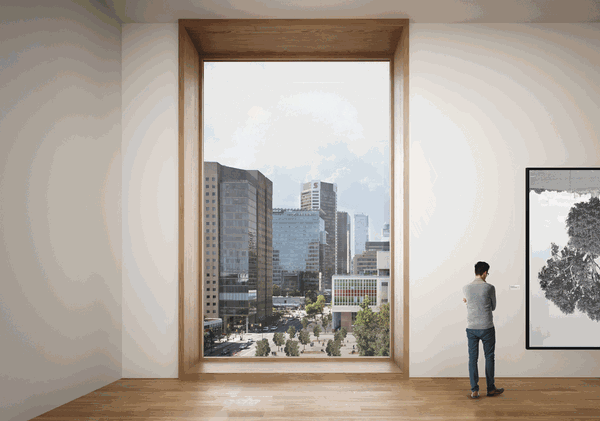
VANCOUVER ART MUSEUM VANCOUVER, CANADA HERZOG & DE MEURON Vancouver Art Gallery is in line for a radical redevelopment, but only if the Canadian attraction can fund the multi-million dollar cost of the ambitious plans, which will double the institution’s exhibition footprint.
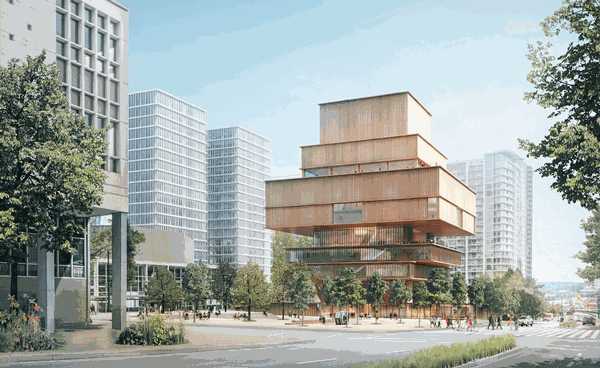
The CA$350m ($267m, €237.8m, £175.7m) plans, by Swiss architects Herzog & de Meuron, feature a wooden exterior, with rectangular stacks sitting on top of each other.
So far the gallery has committed CA$23m ($17.5m, €15.6m, £11.5m) towards the redevelopment.
The new gallery would have seven publicly accessible floors with 85,000sq ft (7,900sq m) of exhibition space, as well as two below ground floors for parking and storage. “Herzog and de Meuron’s buildings not only effectively and elegantly meet the needs of their users, they also become places that are part of the cultural DNA of a city,” says Kathleen Bartels, Vancouver Art Gallery director.
Underlining the need for the project, she adds: “Over the past 15 years, our collection has grown by 250 per cent, attendance has increased by 350 per cent and membership has increased by 300 per cent.”
PHOTOS: Herzog & de Meuron
Assuming Vancouver Art Gallery secures the necessary funding, the building will open in 2021
PHOTOS: Herzog & de Meuron
Assuming Vancouver Art Gallery secures the necessary funding, the building will open in 2021
PHOTOS: Herzog & de Meuron
Assuming Vancouver Art Gallery secures the necessary funding, the building will open in 2021
THE BROAD LOS ANGELES, CALIFORNIA DILLER SCOFIDIO + RENFRO The Broad, a new contemporary art museum, has become the latest addition to the Los Angeles cultural sector. The free-to-visit attraction opened in September 2015.
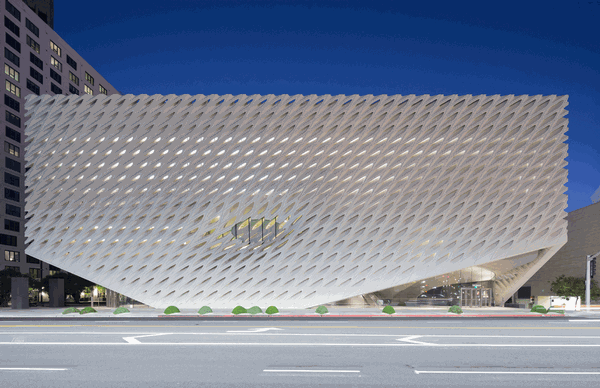
Designed by Diller Scofidio + Renfro (DS+R) in collaboration with Gensler, the striking museum building, which resembles a cheese grater, cost $140m (€123m, £91.6m) to develop, with funding coming from billionaire philanthropists Eli and Edythe Broad, founders of the Broad Art Foundation and art patrons.
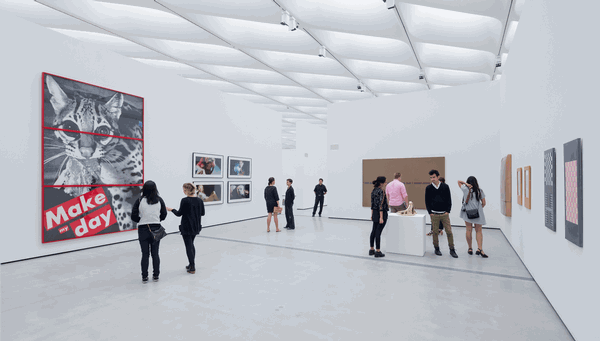
The 120,000sq ft (11,150sq m) three-storey gallery and museum offers two floors of exhibition space centred around an archive known as “the vault”, which takes up the second floor. With most museum design developed to keep the archives out of site, the Broad counters this, with the vault playing a key part in the visitor experience. While not allowed to enter, guests can look through a glass elevator in the centre of the building and through strategically positioned openings at what is stored in the vault, which archives the Broad’s collection of more than 2,000 paintings, photos and sculptures.
IWAN BAAN COURTESY OF DILLER, SCOFIDIO + RENFRO&TH
The $140m art gallery was funded by Eli and Edythe Broad, founders of the Broad Art Foundation
IWAN BAAN COURTESY OF DILLER, SCOFIDIO + RENFRO&TH
The $140m art gallery was funded by Eli and Edythe Broad, founders of the Broad Art Foundation
IWAN BAAN COURTESY OF DILLER, SCOFIDIO + RENFRO&TH
Two floors of exhibition space are centred around the Broads’ archive
Interview: Tony Butler
Tony Butler, executive director of Derby
Museums Trust, on how museums can
be a force for good in their communities
Attractions: Perfect Brew
At 15 years old, the Guinness Storehouse
has been voted Europe’s best-loved
attraction. Manager Paul Carty reveals
the secrets of the Dublin brandland
Profile: John McReynolds
IAAPA’s new chairman reveals his aims
for the year ahead, his vision for a
global association and how his role at
Universal Orlando informs his goals
Analysis: The Attractions Business
Business planning consultant
David Camp starts an exclusive eight-part
series, delving into the fine art of attractions
operation from a business perspective
Science Centres: How to Future-Proof a Science Centre
Peter Slavenburg of design agency
NorthernLight describes how invisible
technology, serious play, co-creation
and the digital experience will inform
the science centre of tomorrow
Promotional feature: Simworx Ventures
Simworx Ventures is bringing its expertise in cutting-edge media-based attractions
to a new audience of museums, heritage sites, zoos and aquariums
Technology: Beacons on the Horizon
Beacons have countless applications in
the world of attractions. A case study
from the Cleveland Museum of Art
illustrates the technology’s potential
Museums & Galleries: Art Attack
Some of the most exciting attractions
design is happening in new and
upcoming galleries around the world,
from firms like Kengo Kuma and BIG
Promotional feature: IDEA
2016 is shaping up to be an interesting year for the attractions industry.
IDEA looks at what it takes to win audiences and command attention
Mystery Shopper: Spring in Your Step
We disappear down the rabbit hole as we
pay a mystery shopper visit to Bounce
Below, a unique underground trampolining
attraction in Snowdonia, north Wales
Rides: The Ride Makers
Our ride makers series continues with
water rides, a firm favourite with park
guests. Three leading companies reveal
the latest trends in flumes and chutes
Technology: Tech Check
The industry technology unveiled at
IAAPA 2015: from VR to interactives, and
digital puppets to 20-storey LED giants
KISTEFOS SCULPTURE PARK MUSEUM JEVNAKER, NORWAY BJARKE INGELS GROUP Bjarke Ingels Group (BIG) has designed an art gallery that will twist above a river at a Norwegian sculpture park. The firm’s founder, Bjarke Ingels, described the design as his “first experiment with social infrastructure – a building that serves as a bridge, or a cultural institution that serves as a piece of infrastructure.”
The 1,400sqm (15,000sq ft) museum will be the new centrepoint of the existing Kistefos Sculpture Park in the municipality of Jevnaker, north of Oslo, Norway, which exhibits work by acclaimed artists including Anish Kapoor and Olafur Eliasson.
The new gallery will better connect the park, which is divided by the river.
“Working on the borderline between infrastructure, art and architecture combines three of our biggest interests into one exciting field of social infrastructure,” says BIG partner David Zahle. Construction is scheduled to begin this year and the building will be completed in early 2019.
PHOTOS: BJARKE INGELS GROUP
An exterior view of the art gallery
PHOTOS: BJARKE INGELS GROUP
The new gallery provides an indoor space for large sculptures and installations
MUSEUM OF INDIGENOUS KNOWLEDGE MANILA, PHILIPPINES KENGO KUMA Kengo Kuma has turned the traditional idea of museum architecture on its head with its latest design: a jungle-inspired complex set inside an enormous cave. The Museum of Indigenous Knowledge will sit in the heart of an industrial district of Manila, Philippines.
Visitors will step off the street through a cavernous rocky arch covered in tropical plants and rock. Once inside this large void, they will be able to walk towards a central atrium through a wild environment of jungle, streams, ravines, ponds and waterfalls. These replicate the mountainous valleys where the indigenous people of the Philippines once sought refuge following the arrival of Spanish colonisers.
Explaining the concept, Javier Villar Ruiz, a partner at Kengo Kuma, says: “Indigenous peoples cannot be understood without the context and environment where they have developed throughout the centuries. This is why we abandoned the conventional idea of the museum as a container where alien content is simply displayed and observed.”
Inside the entrance, there will be shops and restaurants, and escalators leading to five gallery floors.
PHOTOS: KENGO KUMA
After the dramatic entrance, the atrium will be more conventionally designed, with shops and restaurants and escalators leading to the galleries
PHOTOS: KENGO KUMA
After the dramatic entrance, the atrium will be more conventionally designed, with shops and restaurants and escalators leading to the galleries
PHOTOS: KENGO KUMA
After the dramatic entrance, the atrium will be more conventionally designed, with shops and restaurants and escalators leading to the galleries
PHOTOS: KENGO KUMA
After the dramatic entrance, the atrium will be more conventionally designed, with shops and restaurants and escalators leading to the galleries
KIGALI ART & CULTURE CENTRE KIGALI, RWANDA GROOSMAN Dutch architectural firm Groosman has unveiled a new Rwandan art and cultural centre, which will feature two huge cantilevered wings.
The arts centre will be located on the outskirts of Rwanda’s hilly capital. The cross-shaped block will be decorated with traditional African geometric patterns and will feature two cantilevered sections overhanging an elevated plaza –offering relief from the sun and rain – together with views of the surrounding landscape for the visitors inside.
The country is frequently described as a “land of 1,000 hills” and the centre will sit at the intersection of the city and its surrounding wetlands and mountains. Two further buildings – a hotel and office complex, plus a housing block – will sit on the plaza, while an underground shopping centre will be situated below.
Like the facade of the cultural centre, the raised public square will be covered in symbolic patterns and divided into a grid with sections measuring 2,500sqm (26,910sq ft), each with its own design.
“Our design concept for Kigali Art and Culture Centre is inspired by African art, crafts and culture,” Groosman says. “African patterns form the basis of our design.”
PHOTO: GROOSMAN
The Kigali art centre’s facade and the public square will be decorated with African patterns
GES2 POWER STATION MOSCOW, RUSSIA RENZO PIANO, BUILDING WORKSHOP The Renzo Piano Building Workshop (RPBW) has been commissioned to convert a historic Moscow power station into a brand new venue exhibiting contemporary Russian arts and culture. The firm – which has recently completed work on the Whitney Museum of American Art in New York – will create the new art space for the V-A-C Foundation on a plot in the Russian capital’s trendy Red October district. The project will be completed by early 2019.
To reflect the site’s industrial heritage, the main gallery space will be built into the existing metal structure of the GES2 power station, which was constructed in 1907. The building’s tall chimney will be converted into a natural ventilation shaft.
The foundation will be split into three key areas: the Welcoming Pole, containing a sculptural garden, a piazza, a restaurant and cafes; the Exhibitions Pole, hosting indoor art galleries; and the Education Pole, containing classrooms, workshops and an artist residency block.
RPBW will also design the site’s surrounding green space. New topography will be created on three sides of the main building, creating a raised natural amphitheatre. This will be used as a seating area for film screenings and events, while in summer the area will become an open-air cinema.
“GES2 will become an exciting cultural destination, offering new opportunities for artists and audiences on a local, national and international level,” says the V-A-C Foundation.
PHOTO: RENZO PIANO BUILDING WORKSHOP
The main gallery will be built into the existing structure of the GES2 power station
VANCOUVER ART MUSEUM VANCOUVER, CANADA HERZOG & DE MEURON Vancouver Art Gallery is in line for a radical redevelopment, but only if the Canadian attraction can fund the multi-million dollar cost of the ambitious plans, which will double the institution’s exhibition footprint.
The CA$350m ($267m, €237.8m, £175.7m) plans, by Swiss architects Herzog & de Meuron, feature a wooden exterior, with rectangular stacks sitting on top of each other.
So far the gallery has committed CA$23m ($17.5m, €15.6m, £11.5m) towards the redevelopment.
The new gallery would have seven publicly accessible floors with 85,000sq ft (7,900sq m) of exhibition space, as well as two below ground floors for parking and storage. “Herzog and de Meuron’s buildings not only effectively and elegantly meet the needs of their users, they also become places that are part of the cultural DNA of a city,” says Kathleen Bartels, Vancouver Art Gallery director.
Underlining the need for the project, she adds: “Over the past 15 years, our collection has grown by 250 per cent, attendance has increased by 350 per cent and membership has increased by 300 per cent.”
PHOTOS: Herzog & de Meuron
Assuming Vancouver Art Gallery secures the necessary funding, the building will open in 2021
PHOTOS: Herzog & de Meuron
Assuming Vancouver Art Gallery secures the necessary funding, the building will open in 2021
PHOTOS: Herzog & de Meuron
Assuming Vancouver Art Gallery secures the necessary funding, the building will open in 2021
THE BROAD LOS ANGELES, CALIFORNIA DILLER SCOFIDIO + RENFRO The Broad, a new contemporary art museum, has become the latest addition to the Los Angeles cultural sector. The free-to-visit attraction opened in September 2015.
Designed by Diller Scofidio + Renfro (DS+R) in collaboration with Gensler, the striking museum building, which resembles a cheese grater, cost $140m (€123m, £91.6m) to develop, with funding coming from billionaire philanthropists Eli and Edythe Broad, founders of the Broad Art Foundation and art patrons.
The 120,000sq ft (11,150sq m) three-storey gallery and museum offers two floors of exhibition space centred around an archive known as “the vault”, which takes up the second floor. With most museum design developed to keep the archives out of site, the Broad counters this, with the vault playing a key part in the visitor experience. While not allowed to enter, guests can look through a glass elevator in the centre of the building and through strategically positioned openings at what is stored in the vault, which archives the Broad’s collection of more than 2,000 paintings, photos and sculptures.
IWAN BAAN COURTESY OF DILLER, SCOFIDIO + RENFRO&TH
The $140m art gallery was funded by Eli and Edythe Broad, founders of the Broad Art Foundation
IWAN BAAN COURTESY OF DILLER, SCOFIDIO + RENFRO&TH
The $140m art gallery was funded by Eli and Edythe Broad, founders of the Broad Art Foundation
IWAN BAAN COURTESY OF DILLER, SCOFIDIO + RENFRO&TH
Two floors of exhibition space are centred around the Broads’ archive
The UK spa review and discovery platform for consumers, the Good Spa Guide, has announced
it will host the Good Spa Guide Awards 2026 during an event on 16 November at Sopwell House
Hotel in St Albans, UK.
Eighty-four per cent of consumers now say wellness is a top priority in their lives, with this
percentage increasing year on year, according to a preview presentation of McKinsey’s Future of
Wellness 2026 research report.
Mass protests have been taking place since Monday 1 June in Albania over the development of
a luxury resort by Donald Trump’s daughter Ivanka Trump and her husband Jared Kushner.
Global Wellness Day (GWD) marked its 15th anniversary on Saturday 13 June 2026, with the
theme: #JoyMagenta – a celebration of the healing qualities of simple gestures and activities
that spark joy.
Global luxury hospitality brand, Six Senses, has partnered with longevity healthcare provider,
HUM2N, to launch a clinic at Six Senses London, at The Whiteley.
As part of its first hotel partnership, Mayrlife – the medical health resort company known for its
site in Altaussee, Austria – has launched a day clinic at the Rosewood Vienna.
Premium London health club, KX Chelsea, will imminently unveil its most significant
redevelopment since its launch in 2002 to create an integrated wellness model combining
training, recovery and relaxation.
Rosewood Le Guanahani St Barth, on the northeast coast of Saint Barthélemy in the French
West Indies, is offering a programme of ocean-inspired yoga classes between 8-14 June to
celebrate Global Wellness Day (GWD).
Hotel de France, located on the British Isle of Jersey, has created a wellness retreat package
that includes a hot yoga session that will take place in Jersey Zoo’s butterfly sanctuary.
The Ritz-Carlton, Langkawi, in Malaysia, has revealed a schedule for Global Wellness Day
(GWD) that includes guided rainforest walks, mindful movement and guided coastal meditation
experiences.